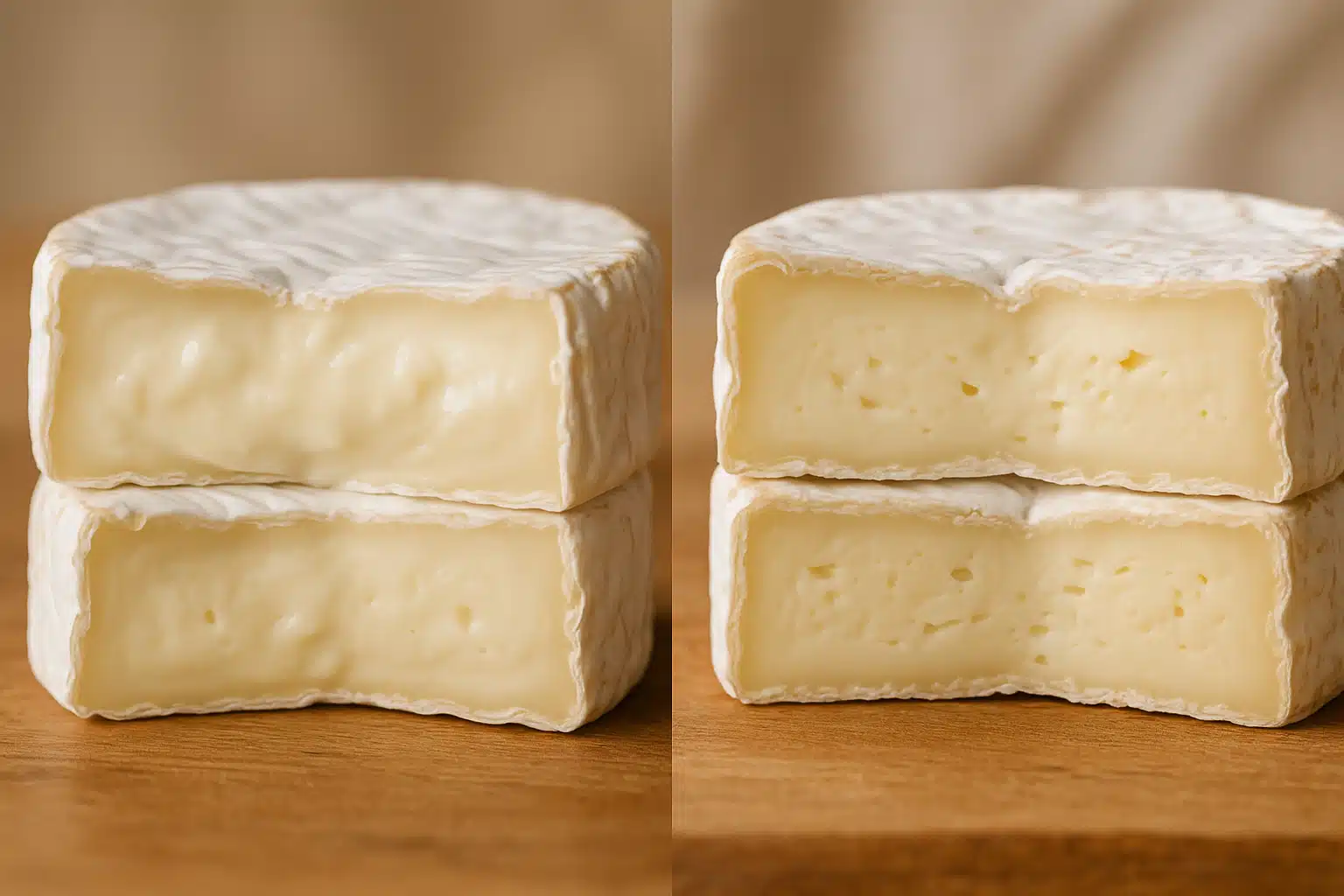
Understanding the Distinctions: Brie and Camembert Cheese
Navigating the world of artisan cheeses can be both delightful and overwhelming, especially when encountering two of the most iconic soft-ripened varieties: Brie and Camembert. These French-origin cheeses have captivated cheese enthusiasts worldwide with their creamy textures and distinctive white-bloomed rinds. While they may appear remarkably similar at first glance, understanding their unique characteristics will enhance your culinary experiences and help you make informed choices whether you’re preparing a cheese board, planning a gathering, or simply exploring gourmet flavors.
The Heritage and Character of Soft-Ripened Cheeses
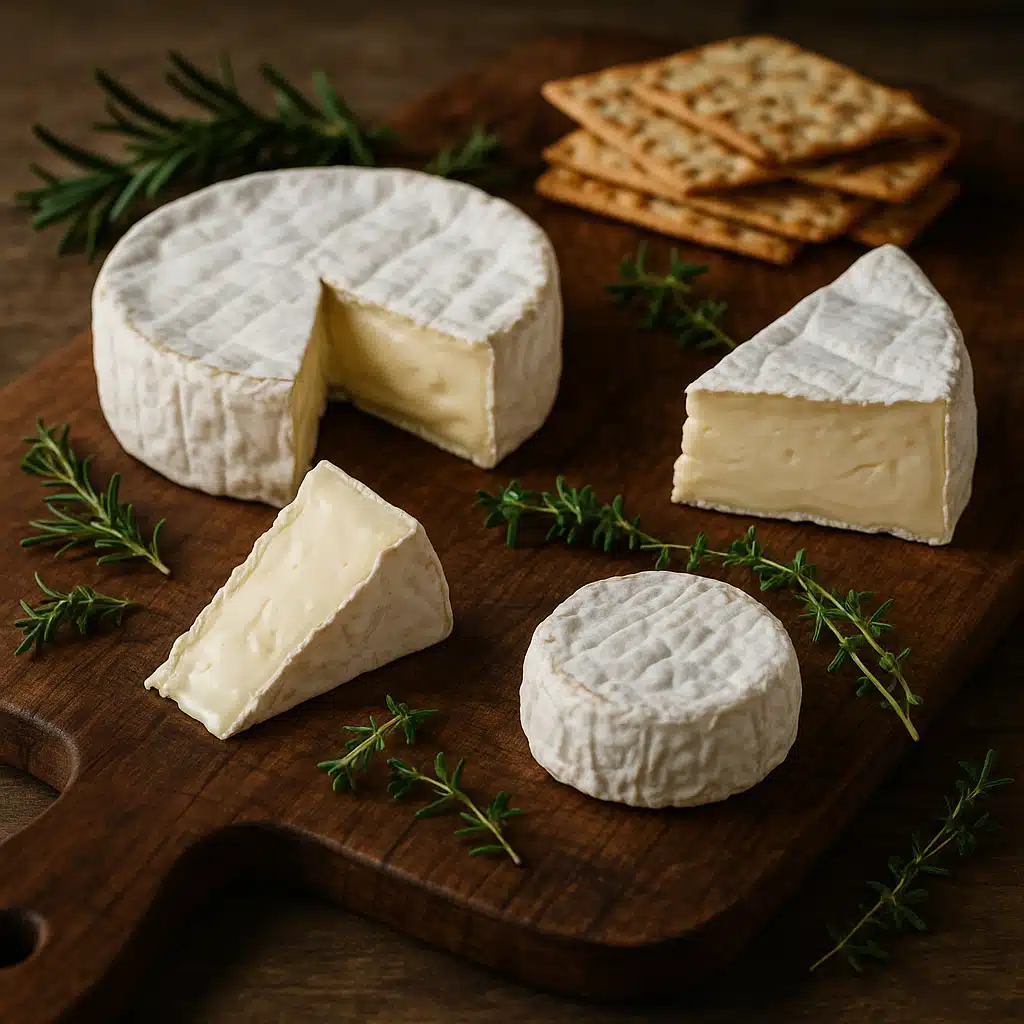
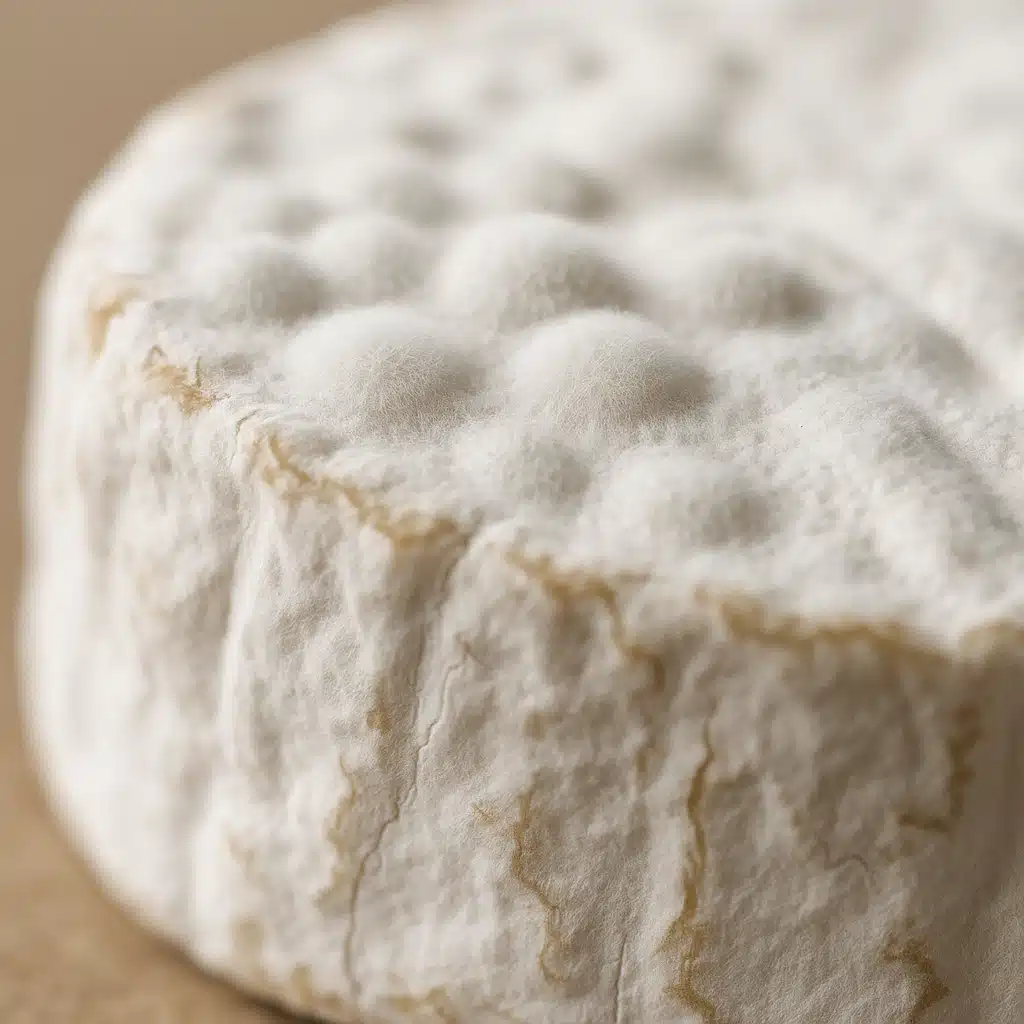
Both Brie and Camembert belong to the family of soft-ripened cheeses, characterized by their edible white mold rinds and creamy interiors. These cheeses undergo a maturation process that develops their signature flavors and textures from the outside in. The white bloom you see on their surface is actually Penicillium candidum, a beneficial mold that contributes to their distinctive taste profiles.
While sharing French heritage and similar production methods, each cheese has evolved to possess its own identity. Recognizing these differences not only enriches your appreciation for artisan cheese-making but also empowers you to select the perfect cheese for any occasion—from casual snacking to elegant entertaining.
Physical Dimensions: How Size Influences Selection
One of the most immediately apparent differences between these two cheeses lies in their physical dimensions, which has practical implications for serving and consumption:
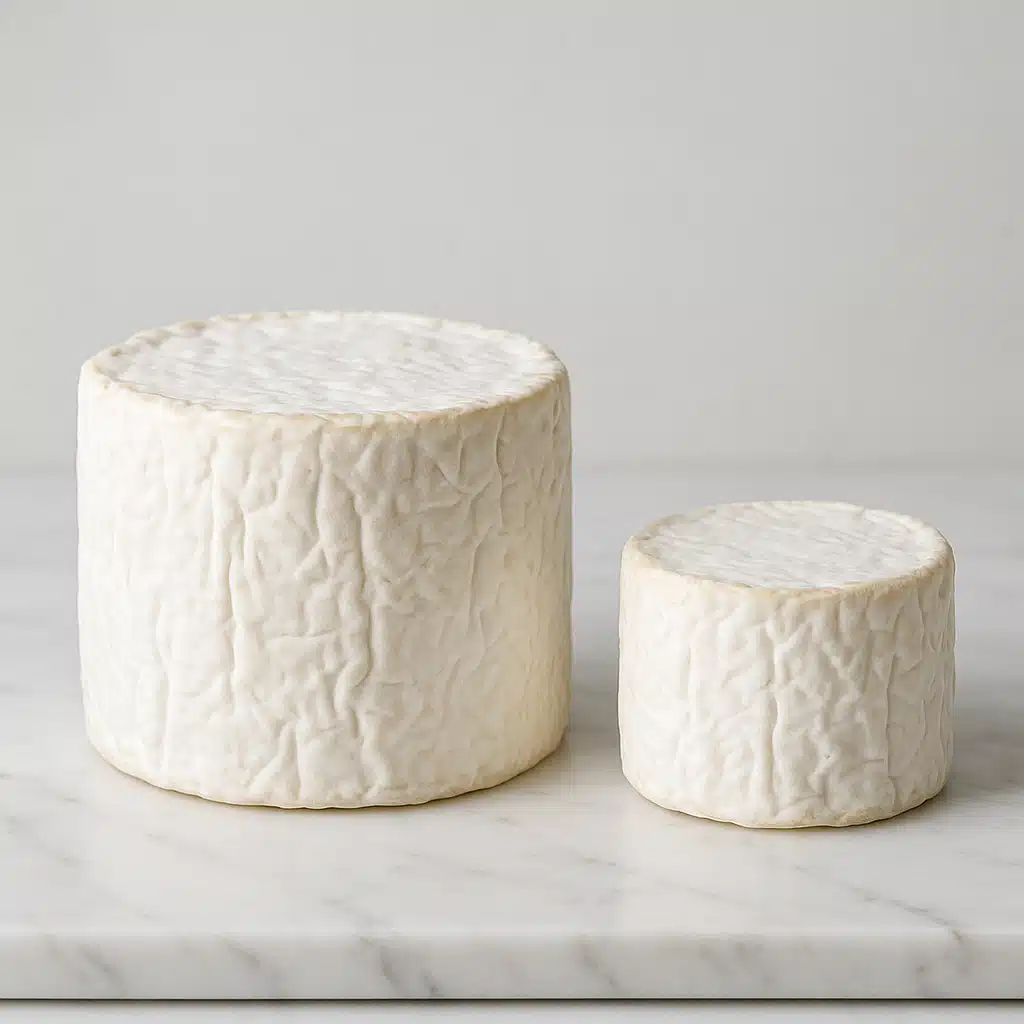
- Brie: Traditionally produced in larger wheels, typically ranging from 23 to 37 centimeters (approximately 9 to 14 inches) in diameter. The larger format makes Brie an excellent choice for entertaining groups, as a single wheel can serve numerous guests. The broader surface area also means a higher ratio of creamy interior to rind, appealing to those who prefer milder flavors.
- Camembert: Crafted in more compact rounds, usually measuring about 11 to 13 centimeters (approximately 4 to 5 inches) in diameter. This smaller size is ideal for personal consumption or intimate gatherings. The compact format also means the rind-to-interior ratio is different, resulting in a more pronounced earthy flavor from the mold in each bite.
The size difference also affects aging and flavor development. Smaller cheeses like Camembert ripen more quickly and evenly throughout, while larger Brie wheels may develop more complex flavor gradients from rind to center.
Bacterial Cultures: The Science Behind the Flavor
The bacterial cultures and molds used during production play a crucial role in developing each cheese’s distinctive character. This aspect of cheese-making represents where art meets science:
- Brie: Often incorporates a more diverse array of bacterial cultures during production, which can include various combinations of mesophilic and thermophilic bacteria. This diversity contributes to a broader flavor spectrum, with notes that can range from buttery and mild to slightly sweet or nutty. The complexity of cultures also allows for greater variation between different Brie producers, each developing their signature taste profiles.
- Camembert: Typically relies on more specific and traditional culture strains, resulting in a more consistent and characteristic flavor profile. The cultures used in Camembert production tend to produce more pronounced earthy, mushroom-like notes that many describe as more assertive than Brie. This specificity creates a more predictable and distinctive taste experience.
The maturation environment also influences how these cultures develop. Both cheeses are aged in controlled conditions, but the specific temperature and humidity levels can vary, further contributing to their unique characteristics. As the cheeses age, enzymes break down proteins and fats, creating increasingly complex flavors and softer textures.
Fat Content: Understanding Richness and Texture
The fat content in cheese significantly influences both its texture and flavor intensity. This nutritional aspect also affects how the cheese melts and behaves in cooking applications:
- Brie: Generally contains higher butterfat content, typically ranging from 45% to 60% fat in dry matter. This elevated fat content contributes to Brie’s luxuriously smooth, buttery texture and creates that characteristic oozing quality when the cheese is perfectly ripe. The higher fat content also produces a milder, more delicate flavor that many find approachable and crowd-pleasing.
- Camembert: Usually features a moderately lower fat content, typically between 38% and 45% fat in dry matter. This slightly reduced fat content results in a firmer texture that maintains its structure better, even when fully ripened. The lower fat allows the more assertive flavors from the cultures and mold to come through more distinctly, creating a more robust taste experience.
The fat content also affects nutritional considerations and how satisfying each cheese feels. Higher-fat cheeses tend to provide greater satiety with smaller portions, while lower-fat options allow you to enjoy more volume with fewer calories. Understanding these differences helps you make choices aligned with your dietary preferences and culinary goals.
Culinary Applications: Choosing the Right Cheese for the Occasion
Understanding when to select Brie versus Camembert can elevate your culinary presentations and ensure optimal guest satisfaction:
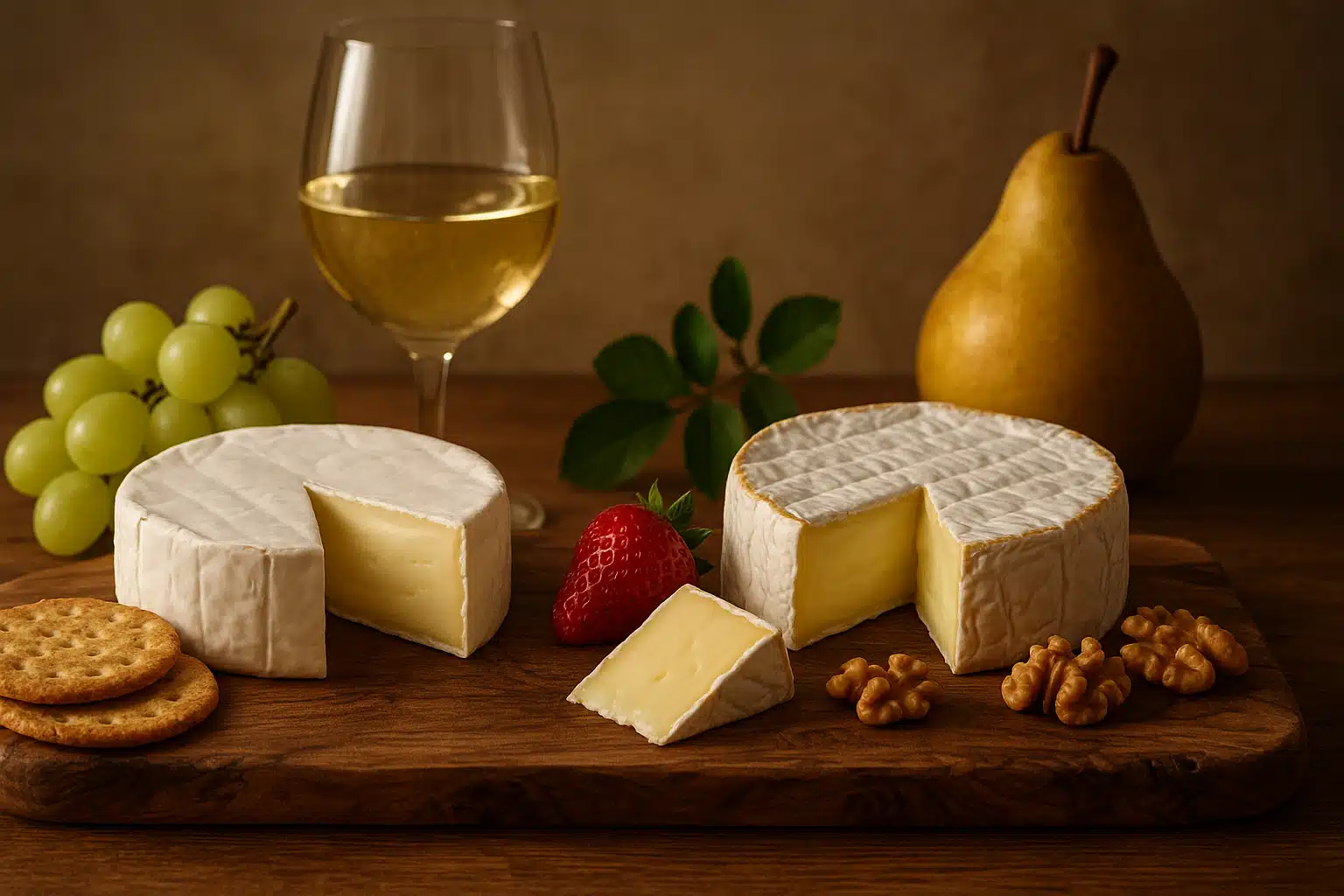
Ideal Scenarios for Brie: The larger format and milder flavor profile make Brie perfect for entertaining larger groups. Consider Brie when creating expansive cheese boards for parties, celebrations, or corporate events. Its subtle flavor pairs beautifully with a wide range of accompaniments including fresh fruits (grapes, apples, pears), preserves, honey, nuts, and both mild and bold crackers. Brie also excels in baked applications—try wrapping it in puff pastry with herbs or fruit preserves for an impressive appetizer that serves many guests.
Ideal Scenarios for Camembert: The compact size and more pronounced flavor make Camembert excellent for intimate gatherings, romantic dinners, or personal indulgence. Its assertive character stands up well to bold accompaniments like crusty artisan bread, pickled vegetables, cured meats, and robust wines. Camembert can be baked whole in its wooden box for a dramatic presentation that serves 2-4 people perfectly. The stronger flavor also makes it a favorite among experienced cheese enthusiasts who appreciate more complex taste profiles.
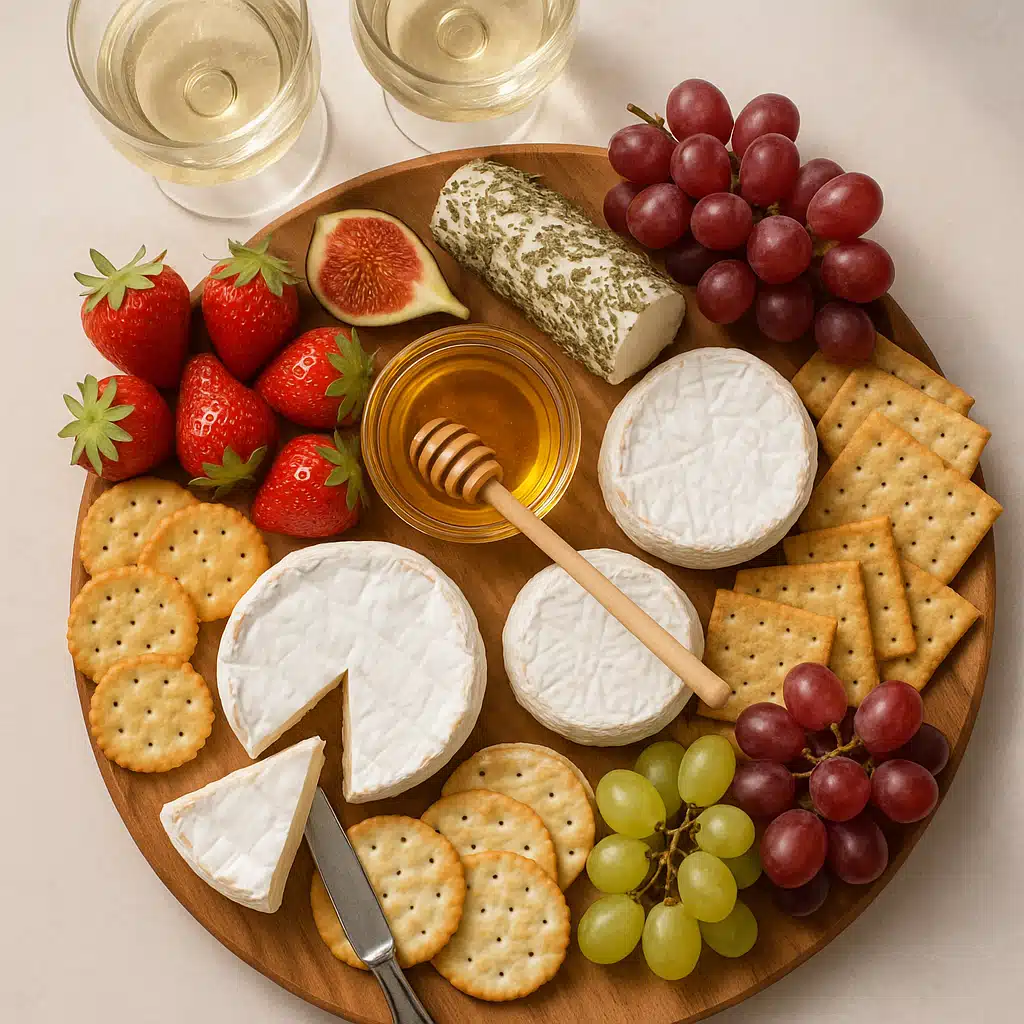
Pairing Recommendations: Both cheeses pair wonderfully with medium-bodied wines, champagne, and cider. Brie complements lighter, fruitier beverages, while Camembert can handle more full-bodied options. For non-alcoholic pairings, consider sparkling water with citrus, apple juice, or herbal teas.
Selecting, Storing, and Serving: Practical Guidance
Selecting Quality Cheese: When purchasing either cheese, look for wheels that feel slightly firm yet yield to gentle pressure. Avoid cheeses with overly strong ammonia smells (indicating over-ripening), dried-out surfaces, or discolored patches. The rind should be white or cream-colored with minimal brown spots.
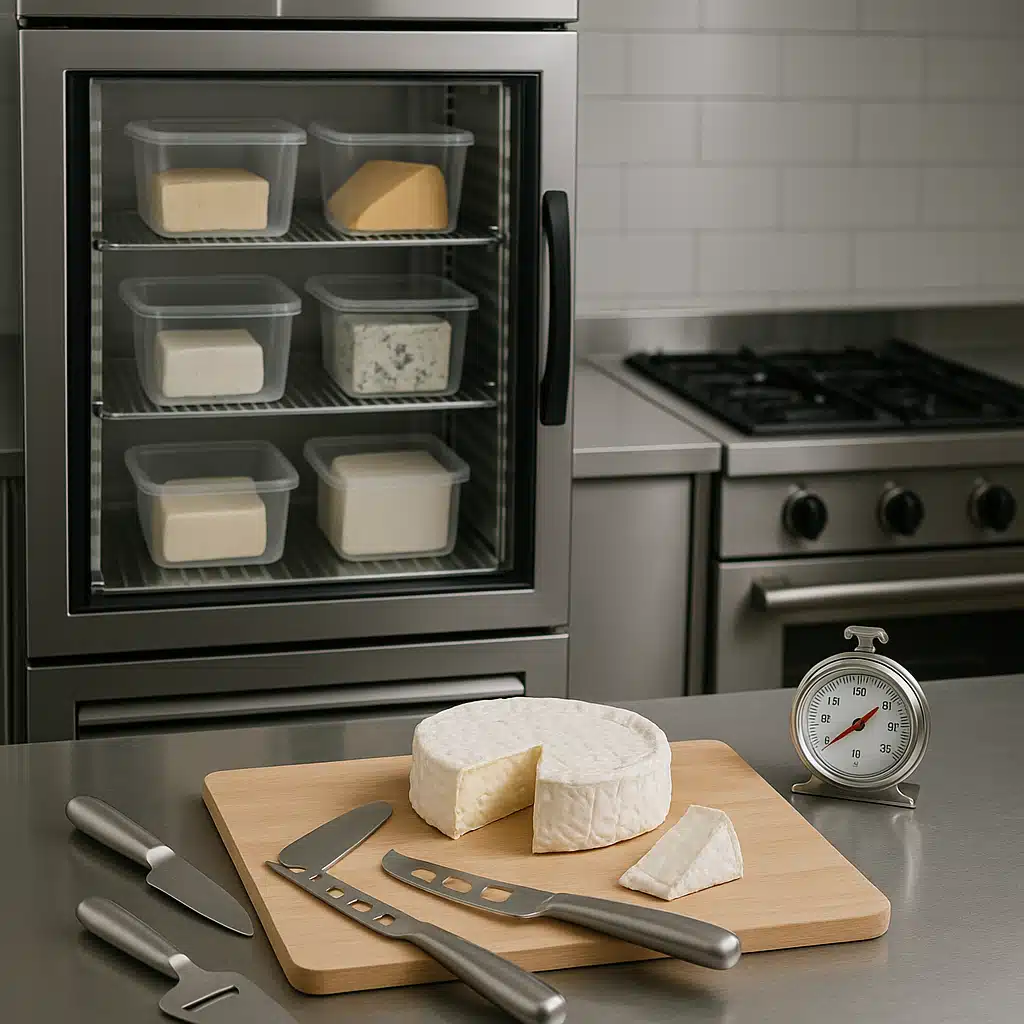
Proper Storage: Both cheeses require careful storage to maintain quality. Keep them refrigerated, wrapped in their original packaging or specialty cheese paper that allows the cheese to breathe while preventing moisture loss. Avoid plastic wrap, which can cause sweating and off-flavors. Store in the vegetable drawer or a dedicated cheese compartment where humidity is slightly higher.
Serving Temperature: This is crucial for optimal flavor and texture. Remove cheese from refrigeration 30-60 minutes before serving, depending on room temperature. Both Brie and Camembert reveal their full flavor complexity and achieve ideal creamy textures when served at room temperature (around 20°C or 68°F). The center should feel soft when gently pressed.
Consumption Timeline: Once cut, consume within 3-5 days for best quality. Whole wheels last longer but should be consumed within the recommended timeframe on the packaging. As these cheeses age in your refrigerator, they will continue to ripen and develop stronger flavors.
Common Misconceptions and Clarifications
Several myths and misunderstandings surround these popular cheeses. Clarifying these points enhances your cheese knowledge:
Myth: Brie and Camembert are interchangeable. While similar, their differences in size, fat content, and flavor profiles make them distinct products suited to different applications. Substituting one for the other may not yield the desired results in recipes or presentation.
Myth: The rind is inedible. Both cheeses feature completely edible rinds that contribute earthy, mushroom-like flavors to the overall taste experience. Some people prefer removing the rind due to texture preferences, but it’s entirely safe and adds complexity.
Myth: All soft cheeses should taste mild. While Brie tends toward milder profiles, Camembert and some aged Bries can develop quite assertive flavors. This is a sign of proper aging, not spoilage.
Myth: These cheeses should always be served at room temperature. While this is generally preferred for flavor development, some applications benefit from slightly cooler cheese. For example, when creating cheese-based sauces or incorporating cheese into baked dishes, starting with cooler cheese can provide better control over melting.
Clarification: Understanding Ripeness A common point of confusion involves determining proper ripeness. The cheese should feel supple throughout when gently pressed. An under-ripe cheese will feel firm in the center and taste chalky, while an over-ripe cheese will smell strongly of ammonia and may develop a runny, almost liquid texture.
Nutritional Considerations and Dietary Information
Understanding the nutritional profiles of these cheeses helps you make informed dietary choices:
Both Brie and Camembert provide valuable nutrients including protein, calcium, phosphorus, and vitamins A and B12. A typical serving (approximately 30 grams or one ounce) contains roughly 85-95 calories for Camembert and 95-110 calories for Brie, reflecting their fat content differences.
These cheeses are naturally low in carbohydrates, making them compatible with many low-carb dietary approaches. However, they do contain saturated fats and sodium, so portion awareness is important for those monitoring these nutrients.
Both cheeses are made from cow’s milk and contain lactose, though the aging process reduces lactose content somewhat. Individuals with lactose sensitivity may tolerate small amounts, but those with severe intolerance or milk allergies should avoid these products.
Traditional production methods for both cheeses use animal rennet, making them unsuitable for strict vegetarians. However, some producers now offer versions made with vegetarian rennet—check labels if this is a concern.
Making Your Selection: Final Recommendations
Armed with a comprehensive understanding of the distinctions between Brie and Camembert, you can now confidently select the cheese that best suits your specific needs:
Choose Brie when you need a crowd-pleasing option for larger gatherings, prefer milder flavors, want a cheese that pairs with a wide variety of accompaniments, or plan to use the cheese in baked preparations where a buttery, smooth texture is desired.
Choose Camembert when you’re serving a smaller, more intimate group, prefer more assertive and complex flavors, want to pair with bold accompaniments and robust beverages, or desire a cheese that makes a strong flavor statement.
Of course, there’s no reason to choose just one. Many cheese enthusiasts enjoy keeping both varieties on hand for different occasions and moods. Exploring the nuances of each cheese through thoughtful tasting develops your palate and enhances your appreciation for the artisan craft of cheese-making.
Whether you’re preparing a simple snack, planning an elaborate cheese course, or seeking to expand your culinary knowledge, understanding these two iconic cheeses enriches your gastronomic experiences. The world of artisan cheese offers endless opportunities for discovery—let Brie and Camembert be your gateway to exploring even more remarkable varieties from around the globe.