Introduction to Home Cheese Aging
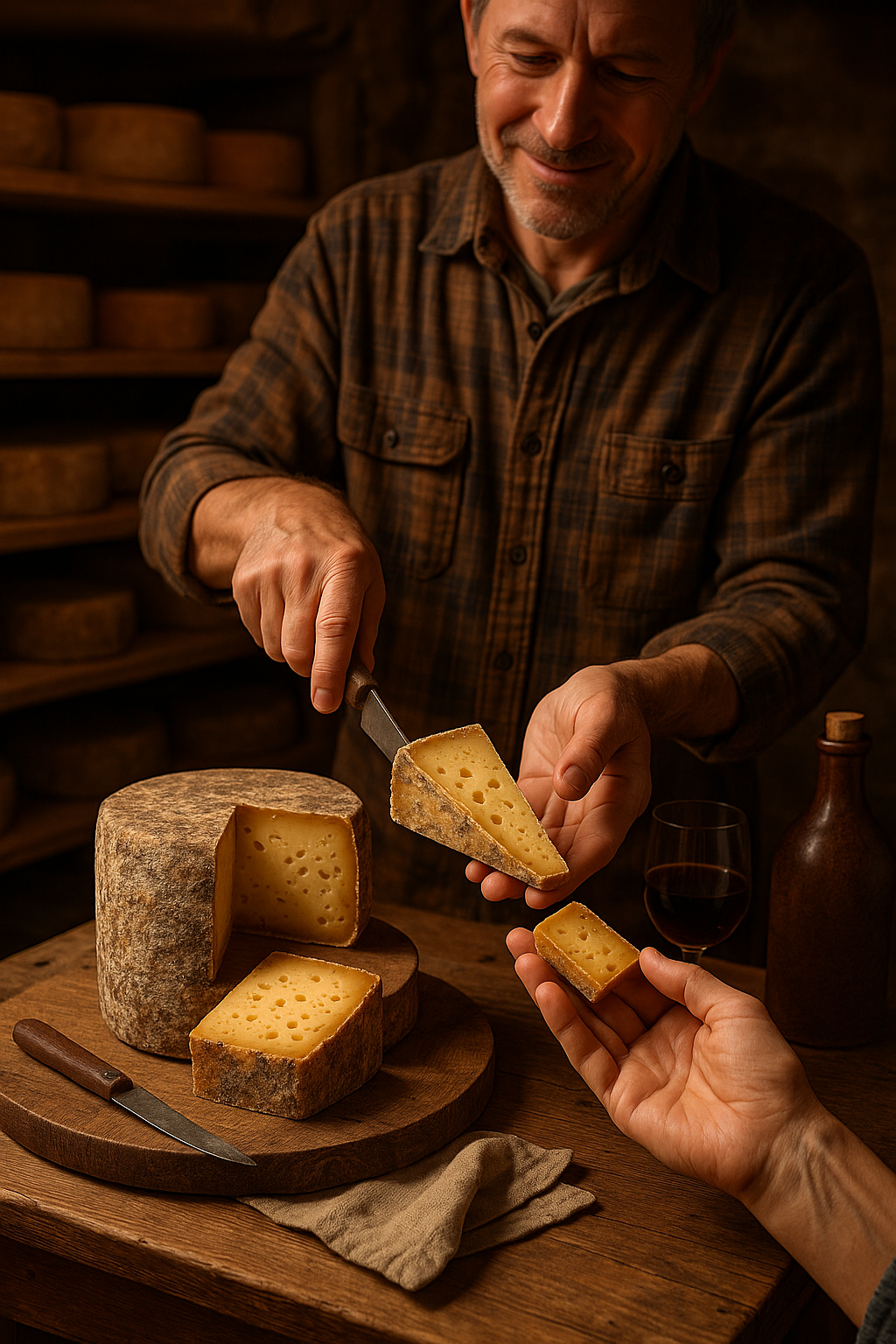
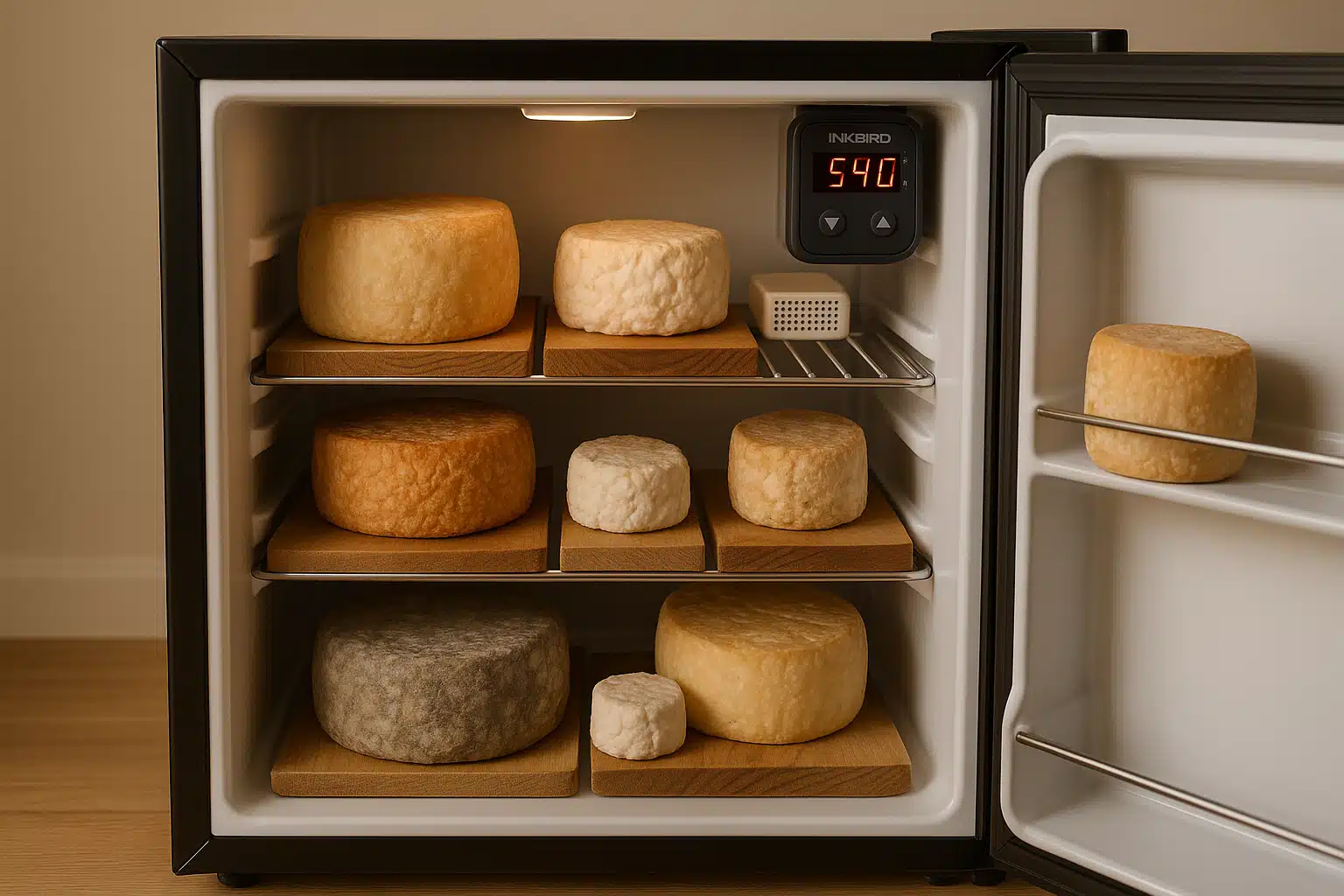
Welcome to the fascinating world of artisan cheese aging at home! If you’ve ever marveled at the complex flavors and perfect textures of aged cheeses and wondered how they’re created, you’re about to discover an accessible way to replicate this ancient craft in your own space. This comprehensive guide will show you how to transform an ordinary compact refrigerator into a sophisticated cheese aging environment using digital temperature and humidity control technology. Whether you’re a culinary enthusiast, a cheese lover, or someone interested in food preservation techniques, this DIY approach makes artisan cheese aging achievable without significant investment or professional equipment.
Understanding Cheese Caves and Controlled Aging Environments
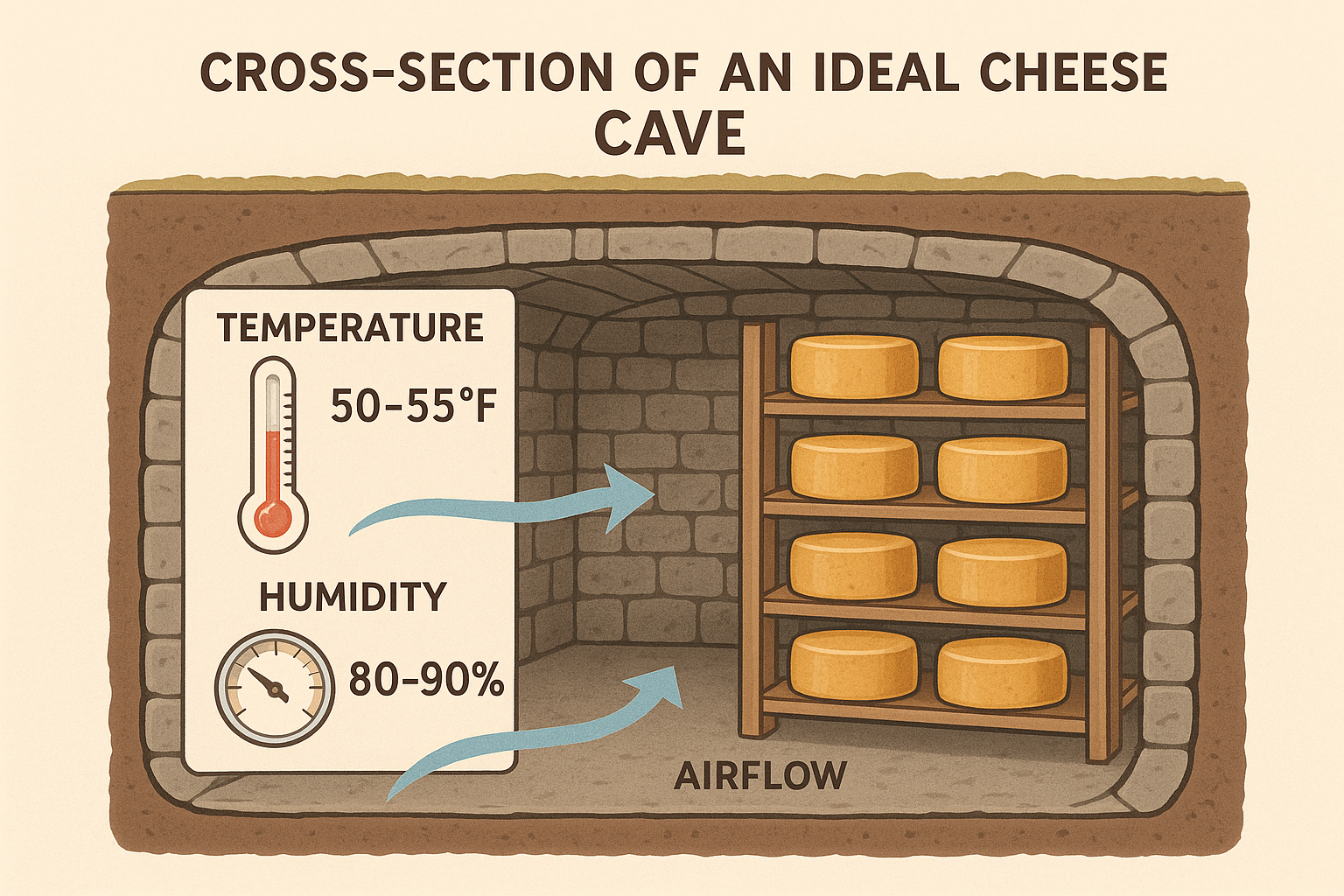
A cheese cave is a precisely controlled environment designed specifically for the maturation and aging of cheese. These specialized spaces maintain consistent temperature and humidity levels that are critical for developing the characteristic flavors, textures, and rinds that distinguish aged cheeses from fresh varieties. Historically, cheese makers used natural caves with their stable cool temperatures and high humidity. Today, professional cheese makers invest in expensive climate-controlled rooms, but home enthusiasts can achieve remarkably similar results with adapted refrigeration units.
The aging process, known as affinage, involves carefully managing environmental conditions while beneficial bacteria, molds, and enzymes work to transform the cheese’s texture and develop complex flavor profiles. Temperature affects the rate of enzyme activity and microbial growth, while humidity prevents excessive moisture loss that would cause the cheese to dry out and crack. Standard refrigerators are designed to remove moisture and maintain temperatures too cold for proper cheese aging, which is why conversion with specialized controllers is necessary.
Traditional cheese caves maintain temperatures between 10-15°C (50-59°F) and humidity levels around 80-95%, depending on the cheese variety. These conditions allow cheese to age slowly, developing flavor complexity while preventing spoilage or excessive mold growth. By recreating these conditions in a compact space, you can age everything from soft-ripened varieties to hard alpine-style cheeses right in your home.
The Role of Digital Environmental Controllers
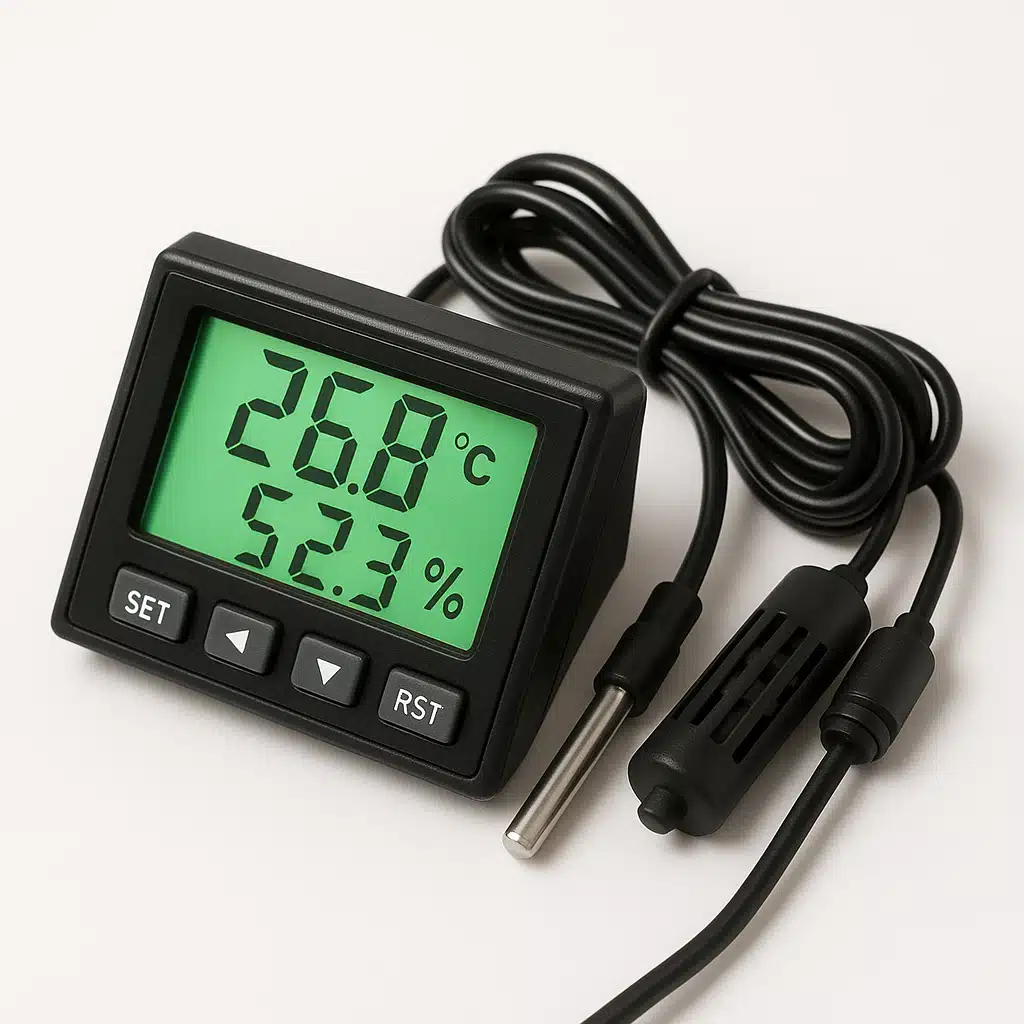
Digital temperature and humidity controllers have revolutionized home cheese making by providing precise environmental management at an affordable price point. These devices act as intelligent intermediaries between your refrigeration unit and power source, cycling the appliance on and off to maintain your target conditions regardless of external temperature fluctuations. The most effective controllers for cheese aging applications offer dual-stage functionality, managing both temperature and humidity simultaneously.
These controllers work by reading conditions through probe sensors placed inside your aging chamber. When readings deviate from your programmed parameters, the controller activates or deactivates connected devices. For temperature management, the controller regulates your refrigerator’s compressor. For humidity control, it can manage a humidifier or dehumidifier as needed. Advanced models feature digital displays, programmable settings, alarm functions for out-of-range conditions, and data logging capabilities that help you track and optimize your aging environment over time.
The precision offered by digital controllers is particularly valuable because cheese aging requires stability. Temperature fluctuations can cause condensation, unwanted mold growth, or inconsistent aging rates. Humidity variations can lead to rind cracking, excessive moisture loss, or conversely, overly wet conditions that promote undesirable bacterial growth. Quality controllers maintain conditions within 1-2 degrees of your target temperature and within 5% of your target humidity level, providing the consistency necessary for successful aging.
Essential Equipment and Materials
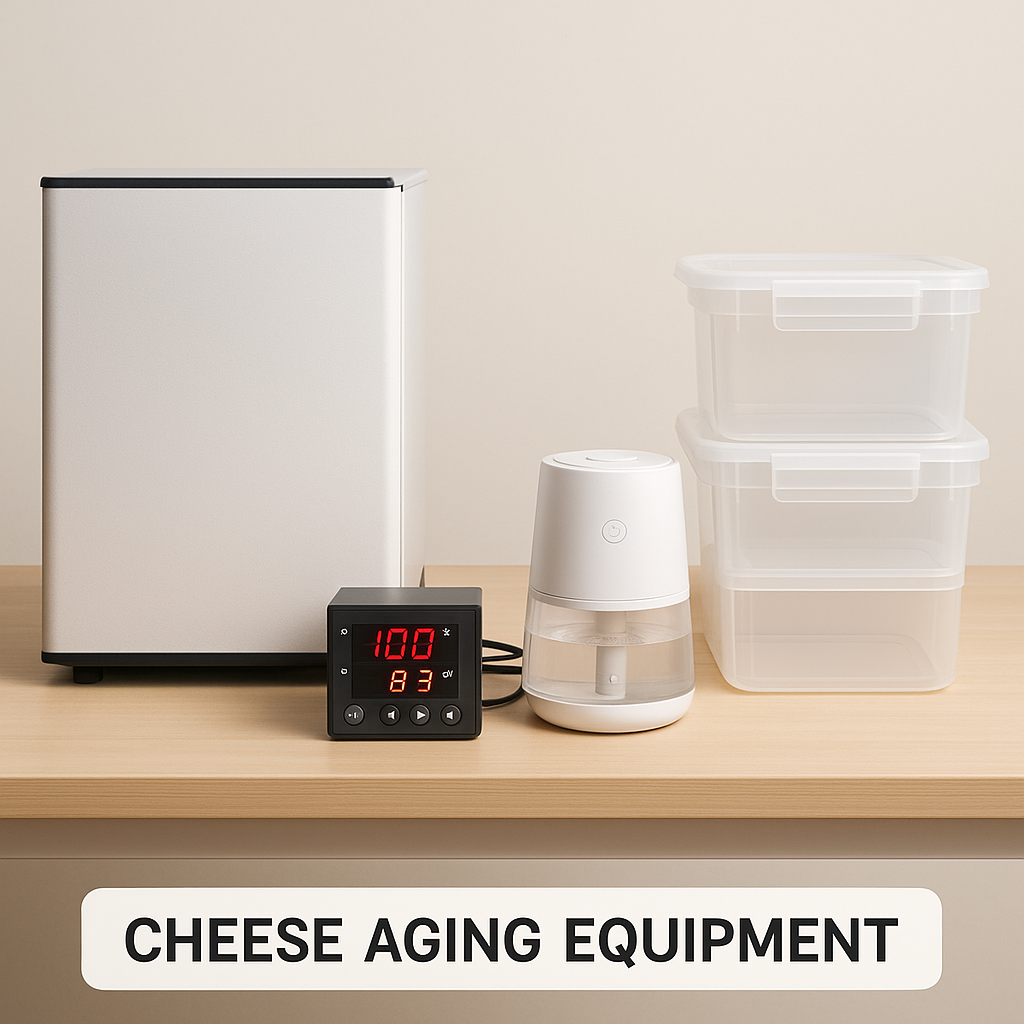
Building your home cheese aging setup requires several key components, each serving a specific purpose in creating and maintaining optimal conditions. Understanding what you need and why will help you make informed choices when assembling your system.
Refrigeration Unit
A compact refrigerator serves as the foundation of your cheese cave. Look for units between 1.5 to 4 cubic feet in capacity, which provides adequate space for home aging without excessive energy consumption. Avoid models with built-in freezer compartments as these create uneven temperature zones. Simple mechanical-thermostat models work better than electronic models for this application, as they’re easier to override with external controllers. Consider interior layout—removable shelves offer flexibility for accommodating different cheese storage configurations.
Environmental Control System
Your controller is the brain of the operation. Select a dual-function device capable of managing both temperature and humidity. Look for models with separate outlets for cooling and humidifying devices, clear digital displays, and intuitive programming interfaces. Temperature accuracy of ±1°C and humidity accuracy of ±3% are acceptable for cheese aging. Models with calibration functions allow you to fine-tune sensor accuracy over time.
Monitoring Instruments
While your controller manages conditions, independent monitoring devices provide verification and backup data. Digital hygrometers with external probes allow you to check readings without opening the chamber. Choose models with ±2-3% humidity accuracy. Some cheese agers prefer redundant monitoring with multiple devices positioned at different heights within the chamber to ensure even conditions throughout.
Humidity Management
Refrigerators naturally dehumidify, so you’ll need a method to add moisture. Small ultrasonic humidifiers designed for personal or small-room use work well in converted refrigerators. Select models that can run continuously and have sufficient water reservoir capacity to operate for at least 12-24 hours. Alternatively, passive humidity can be maintained through containers of saturated salt solutions, though this method offers less precise control.
Cheese Storage Solutions
Proper cheese storage containers promote air circulation while protecting aging cheeses from direct condensation and cross-contamination. Dedicated cheese aging boxes with ventilated designs allow beneficial molds to develop while containing more aggressive varieties. Bamboo or wooden aging mats placed under cheeses facilitate bottom airflow and prevent moisture accumulation. Food-grade plastic containers with ventilation holes offer an economical alternative for beginners.
Step-by-Step Setup Process
Converting your refrigerator into a functional cheese cave involves systematic setup and calibration. Follow these detailed steps to ensure your system operates reliably from the start.
Phase 1: Preparation and Cleaning
Begin by thoroughly cleaning your refrigerator interior with a mild solution of water and unscented soap or a diluted food-safe sanitizer. Avoid harsh chemical cleaners or strong-smelling products that might impart off-flavors to your cheese. Remove all removable components and clean them separately. Pay particular attention to corners, seals, and drainage channels where contaminants might accumulate. Rinse everything with clean water and allow all surfaces to air dry completely. This sanitation step is critical as your cheese cave will maintain conditions ideal for microbial growth—you want only the beneficial organisms present.
Phase 2: Controller Installation
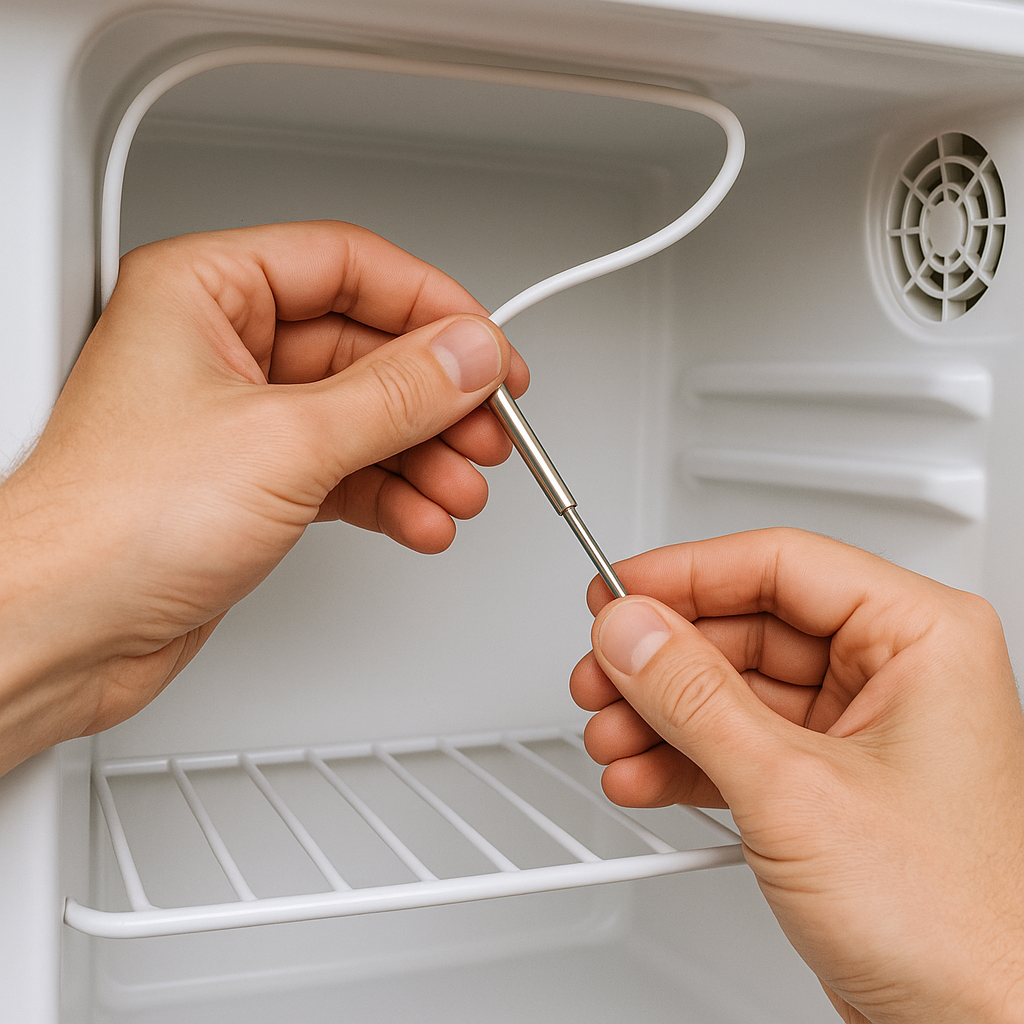
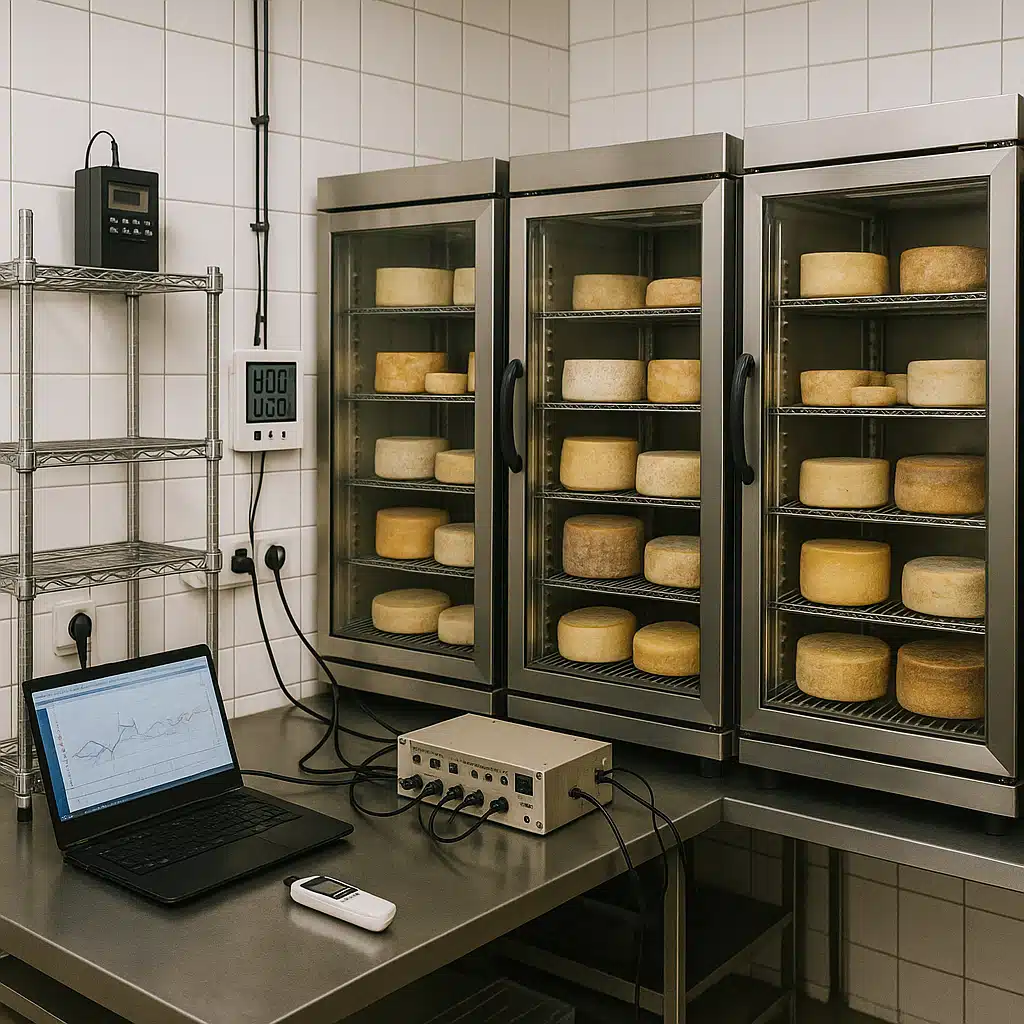
Position your controller near your refrigerator but in a location where you can easily view the display and access controls. Plug your refrigerator into the controller’s cooling outlet—this allows the controller to manage when your refrigerator operates. Do not plug the refrigerator directly into the wall outlet, as this bypasses the controller’s management function. Route the temperature probe through the door seal or designated opening into the refrigerator interior, positioning it at mid-height in the center of the chamber, away from walls and the cooling element. This central location provides the most representative temperature reading.
If your controller includes humidity management functions, plug your humidifier into the designated humidity outlet. Position the humidity sensor probe inside the chamber alongside the temperature probe, ensuring both sensors are in the same general area but not touching each other or any cheese. Some setups benefit from mounting sensors on a small stand or suspending them to ensure they measure ambient air conditions rather than surface temperatures.
Phase 3: Programming and Calibration
Following your controller’s manual, program your target parameters. For general-purpose cheese aging, set temperature to 11-13°C (52-55°F) and humidity to 85%. These moderate values work well for most cheese varieties. Configure any alarm thresholds to alert you if conditions drift outside acceptable ranges—typically ±2°C for temperature and ±5% for humidity. If your controller offers differential or hysteresis settings, configure these to minimize compressor cycling while maintaining stable conditions. A differential of 1-2 degrees prevents the system from rapidly switching on and off.
Phase 4: System Testing and Stabilization
Before introducing any cheese, run your system empty for at least 48-72 hours. Monitor readings closely during this period using both your controller and independent measuring devices. Check readings at different times of day to identify any patterns or instabilities. Your refrigerator should cycle on periodically to maintain temperature, and your humidifier should activate as needed to maintain moisture levels. Make adjustments to your controller settings if conditions consistently run above or below targets.
During this testing phase, verify that humidity distributes evenly throughout the chamber. You may need to add a small fan to promote air circulation if you notice significant variation between top and bottom shelf readings. Use a low-speed fan designed for refrigerator use, positioning it to create gentle air movement without blowing directly on where cheese will be stored. Excessive air movement can dry cheese surfaces too quickly.
Phase 5: Adding Cheese Storage Infrastructure
Once your system maintains stable conditions, introduce your cheese storage containers, mats, or boxes. Arrange them to maximize space efficiency while ensuring adequate air circulation around each aging cheese. Leave space between containers and avoid blocking air pathways. Position items away from direct contact with cooling elements or areas where condensation might form. Some cheese agers prefer to place absorbent mats on the bottom of the chamber to manage any excess condensation, though a properly configured system should produce minimal free moisture.
Optimal Conditions for Different Cheese Types
Different cheese categories require distinct aging conditions. Understanding these requirements allows you to select appropriate cheeses for your setup or adjust conditions when aging specific varieties.
Soft-Ripened Cheeses
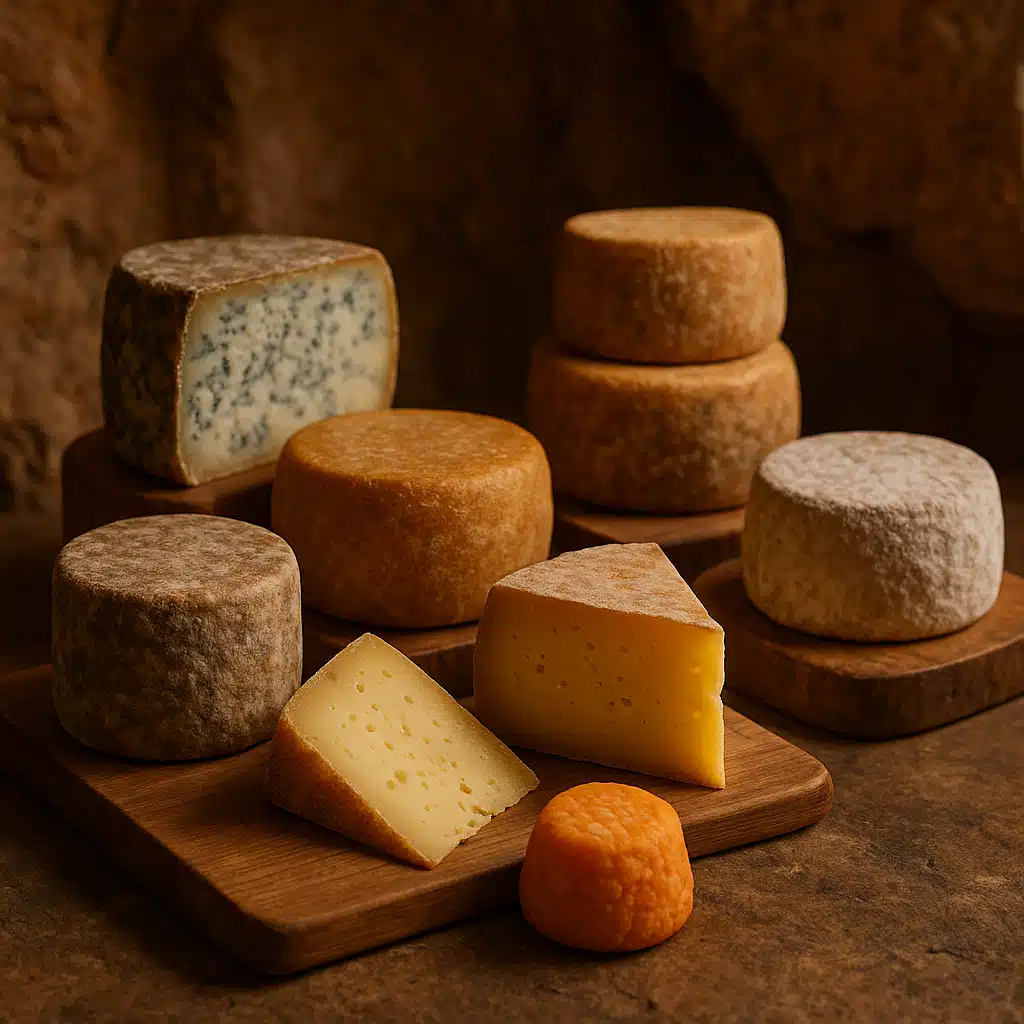
Soft-ripened varieties like Brie, Camembert, and similar bloomy-rind cheeses require relatively warm temperatures of 10-13°C (50-55°F) and high humidity around 90-95%. These conditions support the growth of beneficial Penicillium candidum mold that creates the characteristic white, velvety rind. Aging typically takes 2-4 weeks, during which the cheese softens from the outside toward the center. These cheeses require daily monitoring and turning to ensure even rind development and prevent excessive moisture accumulation on any single surface.
Washed-Rind Cheeses
Washed-rind varieties are regularly treated with brine, beer, wine, or spirits during aging, promoting the growth of Brevibacterium linens bacteria that create orange-hued, aromatic rinds. These cheeses prefer temperatures of 12-14°C (54-57°F) and humidity around 90-95%. The washing process itself adds moisture, but the aging environment must still maintain high humidity between washings. Aging periods vary from 4-8 weeks depending on size and desired intensity. These are among the most aromatic cheeses to age at home, which is worth considering if your cheese cave is in living spaces.
Natural-Rind Cheeses
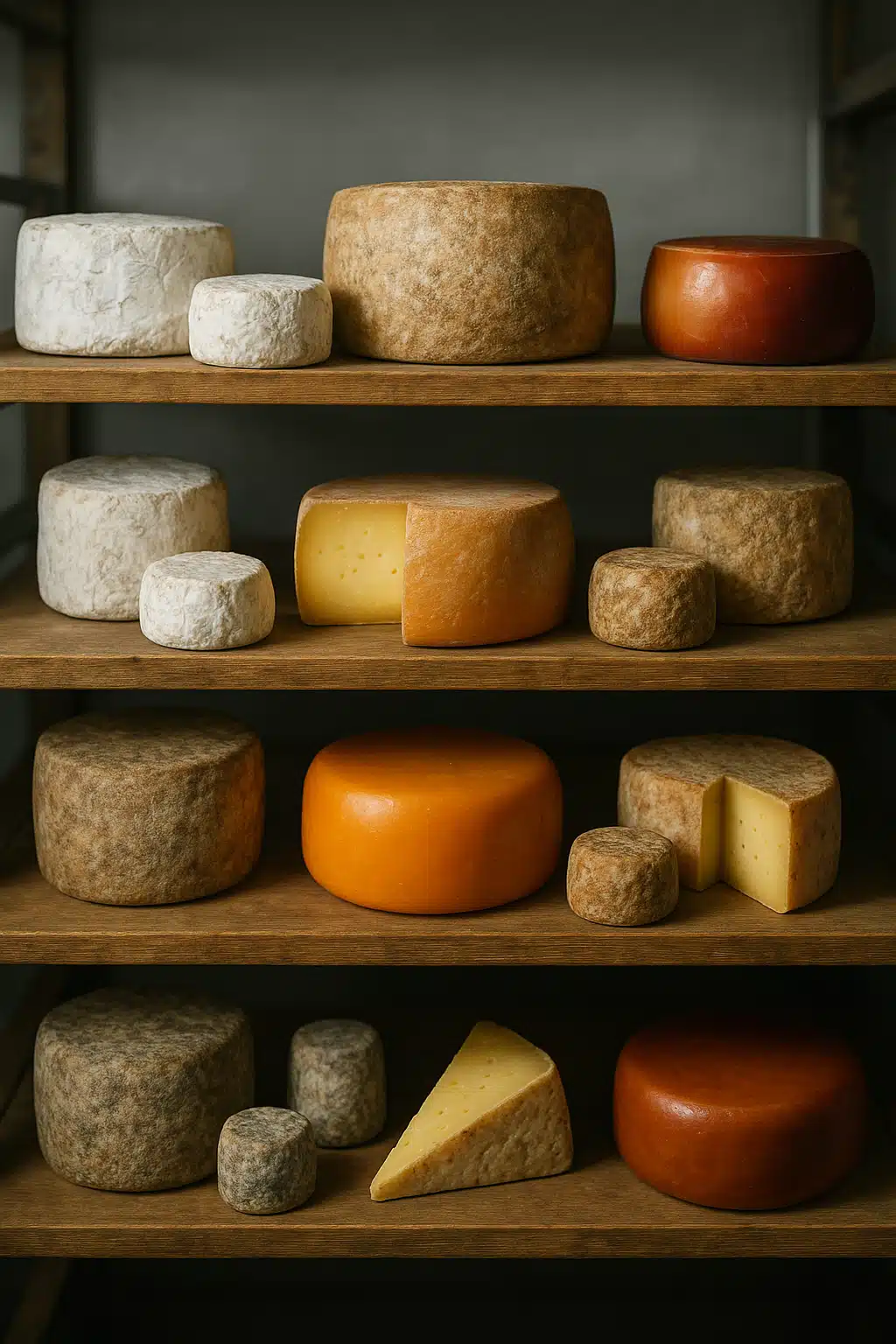
Natural-rind cheeses develop their exterior through exposure to ambient molds and bacteria in the aging environment. They typically age at 10-13°C (50-55°F) with moderate humidity around 80-85%. The natural rind that develops can vary in appearance from thin and delicate to thick and rustic, depending on the specific organisms present in your cheese cave. These cheeses often require longer aging periods of 1-6 months and benefit from regular turning and light brushing to manage mold development.
Hard and Semi-Hard Cheeses
Aged hard cheeses like Cheddar, Gouda, Manchego-style, and alpine varieties prefer cooler temperatures of 10-12°C (50-54°F) and moderate humidity around 80-85%. Lower humidity compared to soft cheeses prevents excessive moisture retention while still protecting against drying and cracking. These cheeses age for extended periods—from 2 months to over a year—during which enzymes break down proteins and fats, developing complex flavors and firmer textures. Many hard cheeses benefit from waxing, cloth-wrapping, or vacuum-sealing after initial rind formation, which modifies their moisture management needs.
Blue Cheeses
Blue-veined cheeses are inoculated with Penicillium roqueforti spores and require oxygen to develop internal blue-green veining. They age at 8-12°C (46-54°F) with high humidity of 90-95%. The cooler temperature slows aging while the high humidity prevents surface drying. These cheeses are typically pierced with needles during aging to create air channels that promote internal mold growth. Aging takes 2-4 months depending on size. Be aware that aging blue cheeses alongside other varieties can result in cross-contamination of the vigorous Penicillium roqueforti mold to other cheeses.
Daily and Weekly Maintenance Practices
Successful cheese aging requires consistent attention and maintenance. Establishing regular routines ensures your environment remains optimal and your cheeses develop properly.
Daily Monitoring
Check your controller display daily to verify temperature and humidity readings remain within target ranges. Look for any alarm notifications or unusual readings. Visually inspect visible cheeses through the door when possible, minimizing how often you open the chamber and disrupt conditions. When you do open the chamber, do so briefly and purposefully. Excessive opening introduces warm, dry air that your system must work to recondition, causing unnecessary cycling and temperature fluctuations.
Cheese Turning and Surface Care
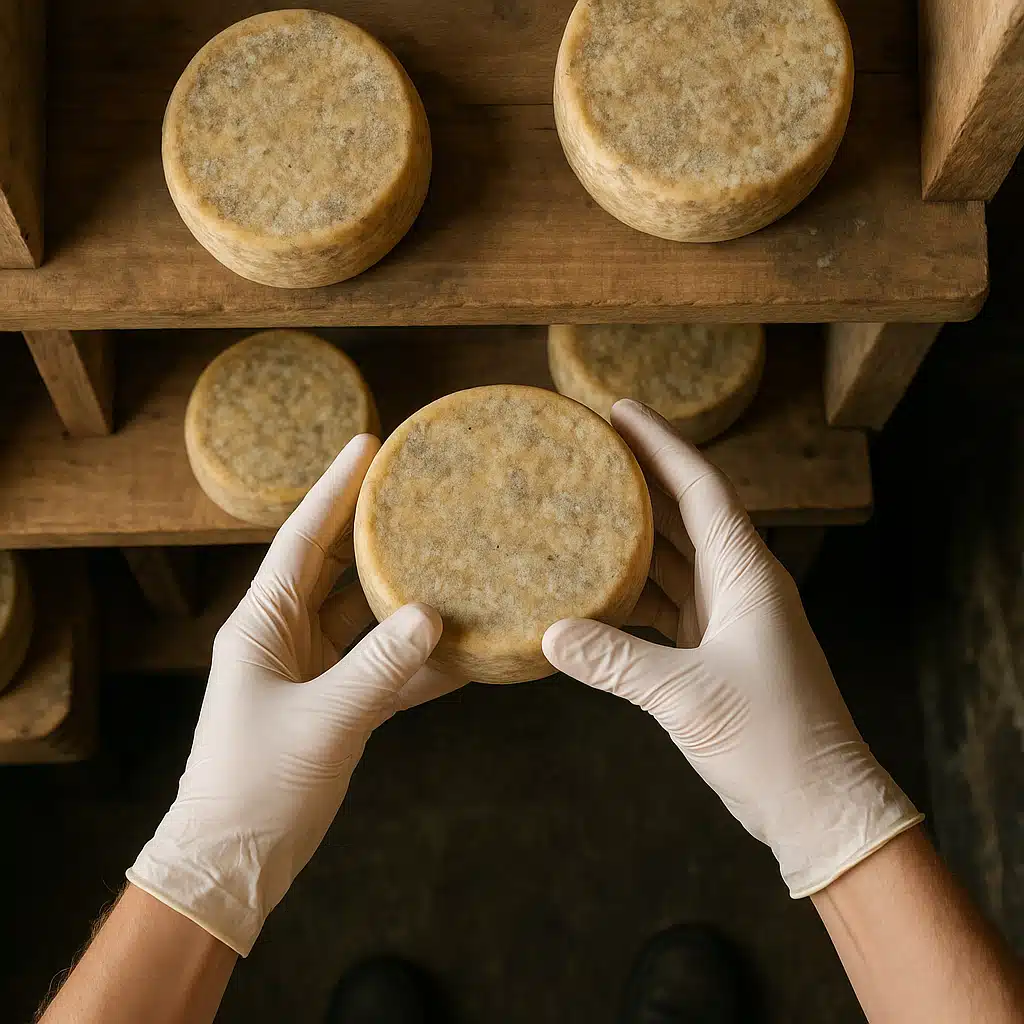
Most aging cheeses benefit from turning every 1-3 days, which promotes even moisture distribution, prevents sticking to surfaces, and encourages uniform rind development. When turning cheeses, examine all surfaces for any signs of unwanted mold (fuzzy black, pink, or excessive quantities of any color), excess moisture accumulation, or drying cracks. Gently wipe surfaces with a clean cloth slightly dampened with a weak brine solution or vinegar solution if needed to manage surface molds. Different cheese types have different tolerance for surface molds—research your specific variety to understand what’s normal versus problematic.
Weekly System Checks
Once weekly, perform more thorough system maintenance. Check your humidifier water level and refill as needed. Inspect all visible components of your controller and refrigerator for any signs of malfunction. Verify that door seals remain intact and effective—damaged seals allow moisture loss and temperature infiltration. Clean any moisture collection areas to prevent bacterial buildup. If your system includes a small circulation fan, check that it operates smoothly and clean any dust from the blades or grills.
Monthly Deep Maintenance
Plan for monthly deep cleaning sessions, ideally when your cheese inventory is low. Remove all cheeses temporarily to a cool location. Wipe down all interior surfaces with a food-safe sanitizing solution. Clean storage containers, mats, and shelves. Check and clean probe sensors—buildup on sensors can cause inaccurate readings. Inspect all electrical connections for security and any signs of moisture damage. This is also a good time to calibrate your monitoring devices if they offer calibration functions, ensuring your readings remain accurate over time.
Troubleshooting Common Issues
Even well-maintained cheese caves occasionally experience challenges. Understanding common problems and their solutions helps you respond quickly and protect your aging cheeses.
Temperature Instability
If temperature readings fluctuate excessively, first verify your controller differential settings aren’t too narrow, causing rapid cycling. Check that the temperature probe hasn’t shifted to a location near the cooling element or door where readings don’t represent chamber conditions. Ensure the refrigerator door seals properly—even small gaps cause significant temperature variation. If problems persist, your refrigerator’s compressor may be struggling, possibly due to dust accumulation on cooling coils or mechanical wear. Clean external coils with a vacuum or soft brush, and ensure adequate ventilation around the unit.
Humidity Too Low
Low humidity is the most common challenge in converted refrigerators. First, verify your humidifier operates correctly and contains adequate water. Check that the humidity probe hasn’t become contaminated or moisture-damaged, causing false readings. Increase humidifier output if adjustable, or run it for longer cycles. Consider adding passive humidity sources like containers of water or damp towels placed where they won’t contact cheese. Reducing the frequency of door openings also helps maintain humidity. In persistent cases, you might need a more powerful humidifier or to reduce the volume of space being humidified by adding inert objects that occupy space without requiring humidity themselves.
Humidity Too High
Excessive humidity can cause moisture pooling, excessive mold growth, or overly wet cheese surfaces. Reduce humidifier operation or output. Improve air circulation with a small fan to prevent moisture from concentrating in areas. Ensure your refrigerator’s drainage system isn’t blocked—standing water inside indicates drainage problems. Check that you haven’t overstocked the chamber with too many moisture-releasing cheeses in too small a space. Sometimes placing a small container of dry rice or silica gel (food-grade, positioned where it can’t contact cheese) helps absorb excess moisture.
Unwanted Mold Growth
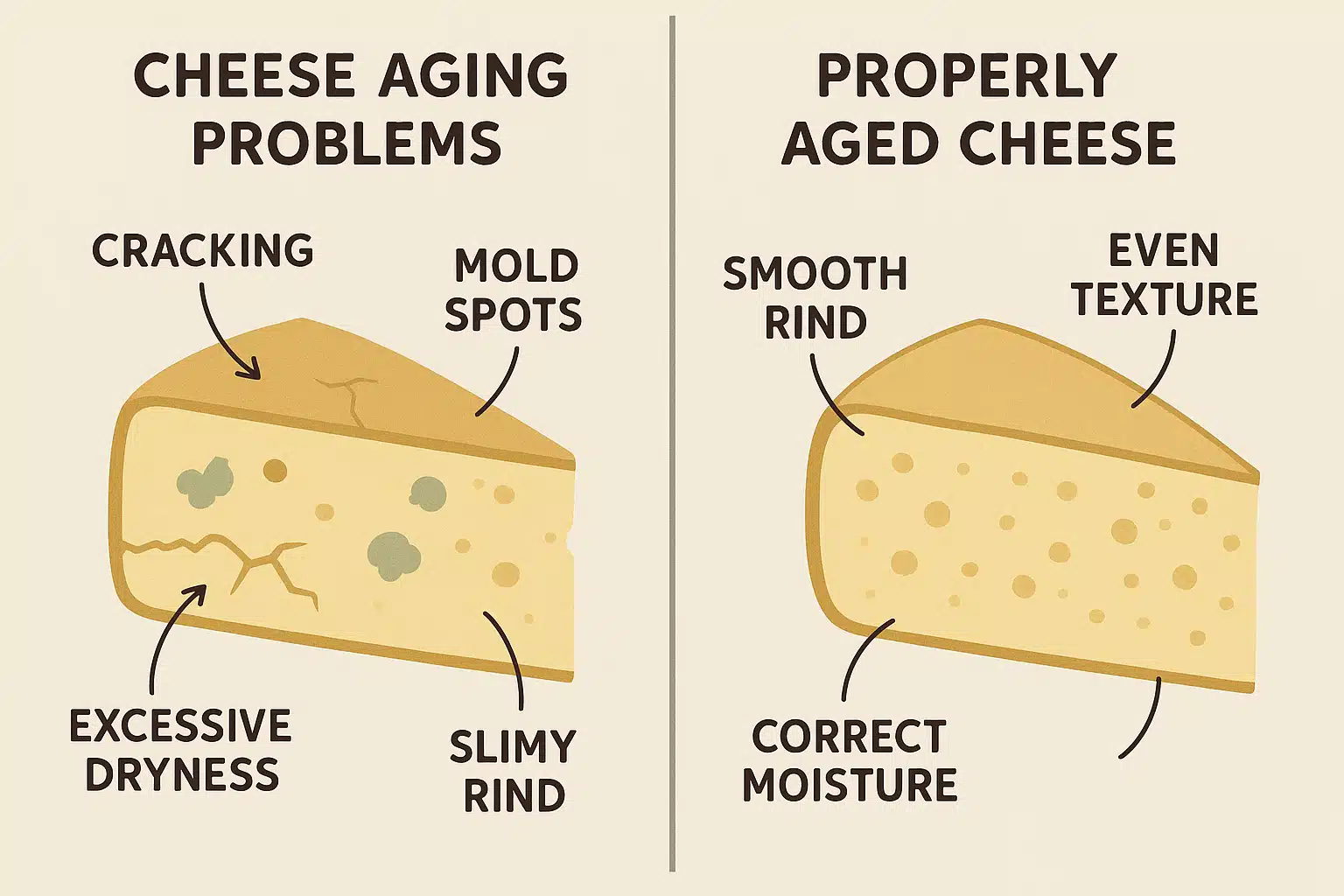
While many molds are desirable in cheese aging, some indicate problems. Black, pink, or excessively fuzzy molds may need management. First, improve air circulation to prevent stagnant humid pockets where aggressive molds thrive. Reduce humidity slightly if consistently above 95%. When unwanted molds appear, wipe affected areas with a cloth dampened with a weak vinegar solution or brine. If mold repeatedly returns to the same cheese, that cheese may need to be isolated or removed. Severe cases may require emptying the cave, sanitizing everything thoroughly, and starting fresh. Prevention is easier than remediation—maintain good hygiene, proper conditions, and monitor regularly.
Cheese Drying or Cracking
Surface drying, cracking, or excessive hardening indicates insufficient humidity or too much air movement. Increase humidity levels gradually, monitoring cheese response over several days. Reduce air circulation if a fan creates excessive air movement. For cheeses that have already developed cracks, you can sometimes lightly moisten the surface with brine or wrap the cheese in breathable cheese paper to moderate moisture loss while aging continues. Some hard cheeses naturally develop minor surface cracks during extended aging—research your specific variety to understand whether observed cracking is normal or problematic.
Off-Flavors or Ammonia Smell
Strong ammonia odors, particularly with soft-ripened cheeses, indicate over-aging or insufficient air exchange. Improve ventilation by briefly opening the chamber daily or adding gentle air circulation. The ammonia smell in soft cheeses often dissipates if the cheese is removed from aging and allowed to breathe at cooler temperatures for a day or two before consumption. Other off-flavors—bitter, overly sour, or chemical tastes—might indicate contamination or inappropriate aging conditions. Review your sanitation practices and verify that your controller maintains stable conditions without excessive fluctuation.
Selecting Cheeses for Home Aging
Not all cheeses are equally suited to home aging, especially for beginners. Starting with appropriate varieties increases your success rate and builds confidence before attempting more challenging projects.
Best Choices for Beginners
Small-format soft-ripened cheeses are ideal starting points. Their relatively short aging periods provide quick feedback on your technique, and their behavior clearly indicates whether conditions are appropriate. Look for cheeses specifically labeled as suitable for aging or sold in “young” states intended for further maturation. Many specialty cheese suppliers offer young cheeses specifically for home affinage enthusiasts.
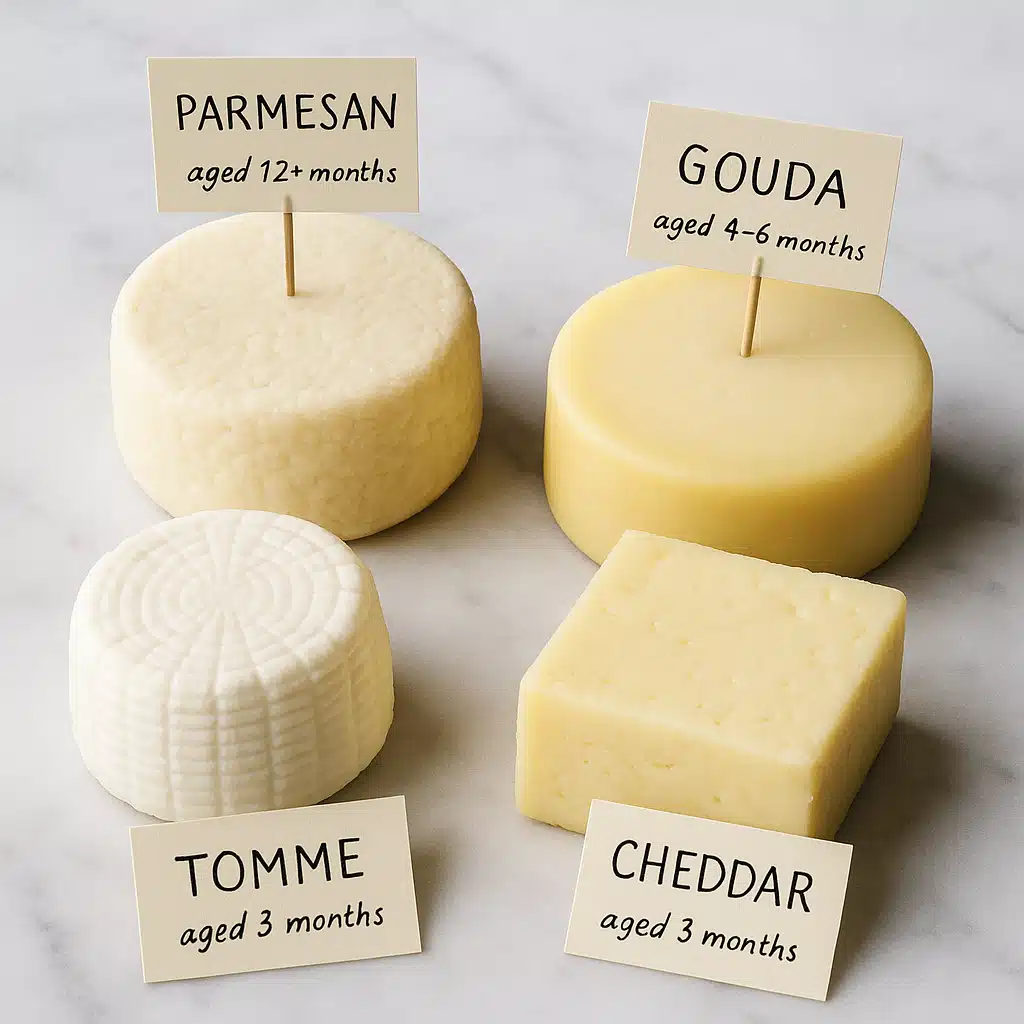
Semi-hard pressed cheeses like younger Cheddar or Gouda-style varieties also work well for beginners. These are more forgiving of minor humidity variations and age over manageable periods of 1-3 months, allowing you to observe gradual changes without committing to 6-12 month aging periods. Waxed cheeses are particularly beginner-friendly as the wax coating manages moisture, requiring only temperature control.
Intermediate Challenges
Once comfortable with basics, experiment with natural-rind cheeses that develop complex microbial ecosystems on their surfaces. These teach you to evaluate and manage different mold types and understand how environment affects rind development. Washed-rind cheeses offer another intermediate challenge, requiring regular washing schedules and attention to surface conditions.
Larger-format cheeses of any type present timing challenges—their longer aging periods require patience and consistent long-term condition maintenance. A 2-kilogram wheel of hard cheese might age for 6-12 months, during which your system must perform reliably and you must maintain regular care routines.
Advanced Projects
Blue cheeses represent advanced home aging due to their specific requirements and potential for cross-contamination. Many serious home cheese agers dedicate a separate chamber exclusively to blue varieties. Very long-aged hard cheeses—12 months or longer—test your system’s reliability and your commitment to multi-year projects. Making cheese from scratch and then aging it represents the ultimate integration of cheese-making skills, though many successful home cheese agers focus exclusively on aging purchased young cheeses rather than attempting the making process.
Sourcing Quality Young Cheeses
Specialty cheese shops, artisan cheese makers, and online suppliers often sell young or “green” cheeses intended for further aging. These are typically less expensive than fully aged equivalents, making them economical for home aging practice. When purchasing, look for cheeses with good structural integrity, even texture, and appropriate initial moisture content. Ask suppliers about the cheese’s age and recommended aging duration. Building relationships with local cheese makers can sometimes provide access to young cheeses not typically available retail.
Expanding Your Setup and Advanced Techniques
As your confidence and cheese inventory grow, you might consider expanding your capabilities or implementing more sophisticated techniques.
Multi-Chamber Systems
Serious home cheese agers often operate multiple chambers with different conditions, allowing simultaneous aging of cheeses with different requirements. One chamber might maintain conditions ideal for soft-ripened varieties while another handles hard cheeses. This approach prevents cross-contamination between cheese types and allows precise optimization for each category. Multiple smaller chambers often provide better control than one large space, and refrigerator failures affect only a portion of your inventory.
Data Logging and Analysis
Advanced controllers with data logging capabilities or separate data-logging devices can track conditions over time. This data helps you identify patterns, optimize settings, and correlate environmental conditions with cheese outcomes. Over time, you develop deep understanding of how your specific setup behaves across seasons and with different cheese loads. Some enthusiasts integrate their systems with home automation platforms, enabling remote monitoring and adjustment via smartphone applications.
Specialized Aging Techniques
Explore specialized techniques like ash-coating, herb-rubbing, or leaf-wrapping that traditional cheese makers use to influence flavor and appearance. Experiment with different washing solutions for washed-rind cheeses—beer, wine, spirits, or brine variations each impart distinct characteristics. Some aged cheeses benefit from olive oil treatments or specific mold cultures deliberately introduced to create particular flavor profiles. As you gain experience, you transition from simply aging purchased cheeses to actively crafting unique flavor developments through deliberate interventions.
Seasonal Considerations
External seasonal temperatures affect how hard your system works to maintain conditions. Summer heat increases cooling demand and may require system upgrades or additional insulation. Winter cold might mean your refrigerator rarely cycles, potentially requiring heating elements for very cold climates. Understanding these seasonal patterns helps you anticipate and prepare for changing demands. Some cheese agers deliberately plan their aging schedules around seasons—making and aging particular varieties during seasons when external conditions naturally support those cheese requirements.
Safety Considerations and Food Quality
While cheese aging involves deliberate microbial activity, maintaining food safety remains paramount. Understanding risks and implementing appropriate safeguards ensures your aged cheeses are not only delicious but safe to consume.
Understanding Beneficial vs. Harmful Organisms
Cheese aging relies on beneficial bacteria, yeasts, and molds that are part of traditional cheese-making cultures. These organisms compete with and suppress potentially harmful bacteria. Proper aging conditions—appropriate temperature, humidity, salt content, and acidity—create environments where desirable organisms thrive while pathogenic bacteria cannot. Starting with quality cheeses from reputable sources ensures beneficial cultures are present from the beginning.
Recognizing Problem Signs
Learn to distinguish normal aging characteristics from contamination indicators. Desirable molds are typically white, blue-green (for blue cheeses), or show controlled patches of gray or brown. Problematic indicators include black fuzzy molds, pink or red bacterial growth, excessive sliminess, persistent foul odors (beyond the expected pungency of certain cheese types), or obvious signs of decomposition. When in doubt, research the specific behavior of the cheese variety you’re aging or consult experienced cheese agers through online forums and communities.
Sanitation Practices
Maintain good hygiene when handling aging cheeses. Wash hands thoroughly before handling cheese. Use clean utensils and surfaces. Store different cheese types separately to prevent cross-contamination of cultures. Regular cleaning of your aging chamber and all equipment prevents buildup of unwanted organisms. However, avoid over-sanitizing to the point of creating sterile environments—some environmental microorganisms contribute to desirable cheese characteristics. The goal is controlling, not eliminating, microbial presence.
Consumption Guidelines
Before consuming home-aged cheese, evaluate appearance, smell, and taste. Cheese should smell appealing (allowing for the strong aromas of certain varieties), show appropriate rind development without signs of spoilage, and taste complex without off-flavors. When tasting cheese for the first time after aging, try small amounts initially. Trust your senses—cheese that looks or smells wrong probably is wrong. Proper cheese aging has been safely practiced for thousands of years, but it requires attention, good judgment, and willingness to discard questionable results rather than risk consumption.
Community and Continuing Education
Home cheese aging has grown into a vibrant community of enthusiasts sharing knowledge, troubleshooting challenges, and celebrating successes. Engaging with this community accelerates your learning and provides valuable support.
Online forums, social media groups, and dedicated websites host active discussions about cheese aging techniques, equipment recommendations, and problem-solving. Many experienced cheese agers generously share detailed information about their methods and results. Photography-based platforms allow you to share images of your cheeses and receive feedback on rind development, appropriate mold growth, and aging progress.
Books and online courses about cheese making and aging provide structured education beyond trial-and-error learning. Many resources cover both the science of cheese aging—microbiology, chemistry, and physics—and the art of developing intuition about when cheeses are ready or need intervention. Some cheese makers offer workshops or online classes specifically about affinage and home cheese aging.
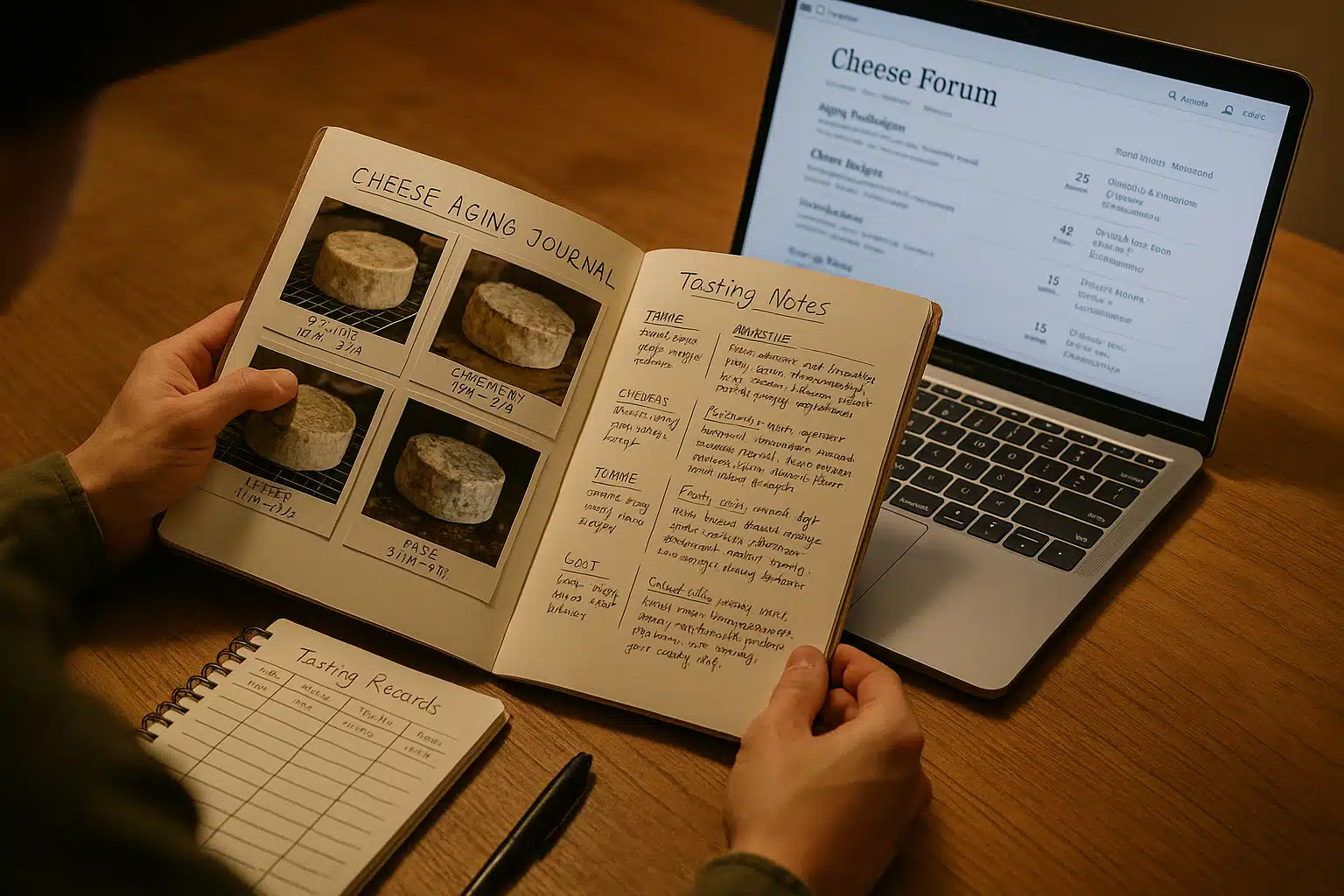
Consider documenting your own cheese aging journey through photos, notes, and tasting records. This personal reference becomes invaluable as you replicate successes and avoid repeating mistakes. Many cheese agers maintain detailed logs noting cheese variety, source, aging duration, environmental conditions, interventions performed, and final results. Over time, these records reveal patterns and inform future decisions.
Cost Considerations and Return on Investment
Building a home cheese cave requires upfront investment, but the costs compare favorably to purchasing equivalent aged artisan cheeses over time.
Initial equipment costs typically include a compact refrigerator (if you don’t already have one available), a quality temperature and humidity controller, a small humidifier, monitoring devices, and storage containers. This initial investment generally ranges from modest to moderate depending on equipment quality and whether you purchase new or used items. Many cheese agers source used refrigerators economically, investing more in reliable controllers and monitoring equipment.
Ongoing operational costs include electricity for the refrigerator and humidifier, occasional replacement of consumables like hygrometer batteries, and the cost of young cheeses for aging. Energy consumption for a small refrigerator running continuously is relatively modest, particularly since cheese caves operate at temperatures higher than standard refrigeration, requiring less cooling energy. The most significant ongoing expense is typically purchasing young cheeses themselves.
The value proposition becomes clear when comparing costs of young versus aged cheeses. Aged artisan cheeses command premium prices reflecting both the time investment and the weight loss that occurs during aging (a cheese might lose 10-20% of its weight to moisture evaporation during aging). By aging cheeses yourself, you pay only for the younger, less expensive cheese plus your modest operational costs, potentially saving substantial amounts while enjoying superior fresh results compared to cheeses that may have traveled long distances and spent time in distribution channels.
Beyond economics, many practitioners find value in the craft itself—the satisfaction of developing skills, understanding traditional food processes, and creating unique products unavailable commercially. Home cheese aging represents both culinary hobby and practical food craft, offering rewards beyond simple cost savings.
Environmental and Sustainability Aspects
Home cheese aging aligns with several sustainability principles and can be implemented with environmental consciousness.
Aging cheese at home reduces transportation impacts compared to purchasing aged cheeses that may have traveled significant distances. Supporting local cheese makers by purchasing their young cheeses strengthens local food systems and reduces overall food miles. The aging process itself—when you control it—ensures no cheese goes to waste due to transportation damage, distribution delays, or retail spoilage.
Choosing energy-efficient equipment minimizes environmental impact. Modern compact refrigerators with good insulation and efficient compressors consume relatively little energy. Using renewable energy sources for power, if available in your location, further reduces carbon footprint. Proper system maintenance—keeping coils clean, ensuring good door seals, and optimizing controller settings—maximizes efficiency and minimizes waste.
The practice connects you more directly with food production processes, fostering appreciation for traditional food crafts and the time required to create quality aged products. This awareness often influences broader food choices, encouraging support for artisan producers and traditional methods over industrial food production.
Conclusion: Your Journey into Artisan Cheese Aging
Converting a compact refrigerator into a functional cheese aging cave using digital environmental controls opens the door to the ancient and rewarding craft of cheese affinage. While the setup requires initial investment of time, money, and learning, the results—developing deep understanding of cheese maturation, creating unique flavors unavailable commercially, and experiencing the satisfaction of practicing traditional food craft—provide rich rewards.
Success in home cheese aging comes from understanding the fundamental principles of temperature and humidity management, starting with appropriate cheeses for your experience level, maintaining consistent care routines, and developing the judgment to recognize both normal aging characteristics and problems requiring intervention. The craft rewards attention, patience, and willingness to learn from both successes and setbacks.
Whether you’re motivated by culinary interest, appreciation for traditional food crafts, economic considerations, or simply curiosity about the aging process, building and operating a home cheese cave offers a unique intersection of science, art, and gastronomy. As you develop experience, you’ll find yourself not just aging cheese but actively participating in a food tradition thousands of years old, adapted with modern technology for contemporary home practice.
Begin with modest goals, invest in quality core equipment, start with beginner-friendly cheeses, and embrace the learning process. Your first successfully aged cheese—when you taste the complex flavors and perfect textures you’ve carefully developed—will confirm that the journey into home cheese aging is one well worth taking. Welcome to the community of home cheese agers, and may your cheese cave produce many delicious results.