Burrata at Home: Taking Your Mozzarella to the Next Level
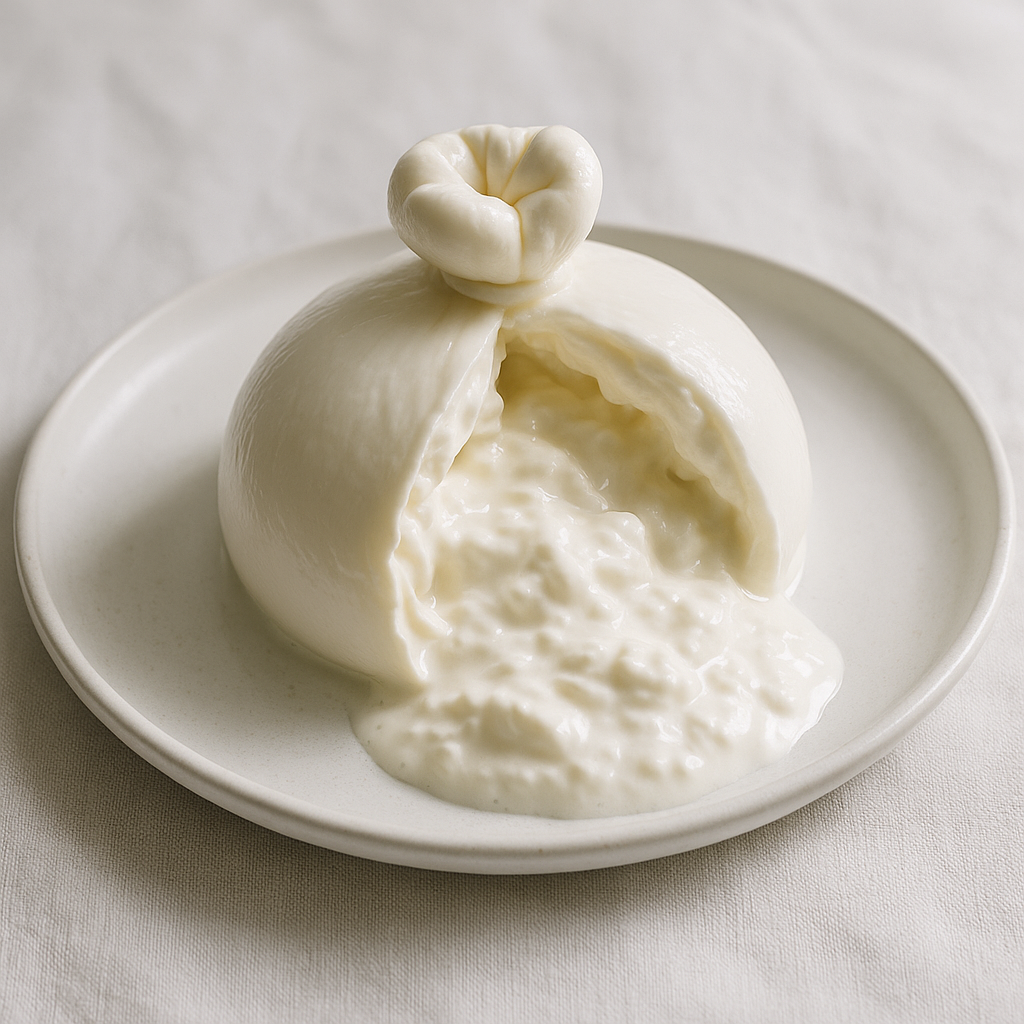
Have you ever dreamed of creating that creamy, luscious burrata cheese right in your own kitchen? If so, you’re in for a culinary adventure that will transform the way you experience cheese. Making homemade burrata is not only an enjoyable and rewarding challenge—it allows you to elevate your dishes with restaurant-quality freshness and a personalized touch that store-bought versions simply cannot match.
In this comprehensive guide, we will explore the art of filling mozzarella skins with stracciatella and cream, transforming simple ingredients into a stunning homemade delicacy. Whether you’re a passionate home cook, a cheese enthusiast, or someone looking to impress guests at your next gathering, this skill will become a treasured addition to your culinary repertoire.
What is Burrata?
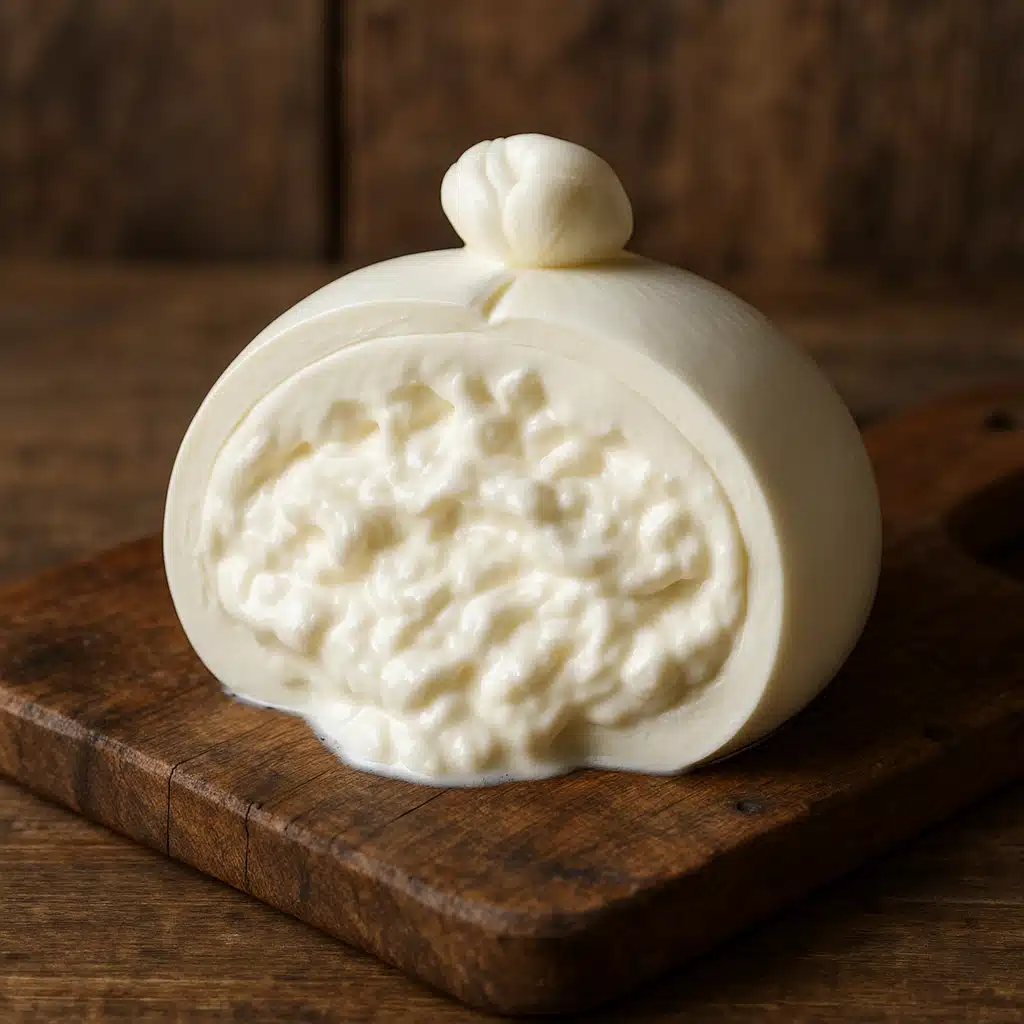
Burrata is a fresh Italian cheese that represents the pinnacle of artisan cheesemaking. Made from mozzarella and cream, this luxurious cheese features an outer shell of solid mozzarella that encases a rich, creamy filling called stracciatella—a mixture of shredded mozzarella curds soaked in fresh cream. The result is a cheese with contrasting textures: a tender, slightly elastic exterior that gives way to an indulgent, flowing center.
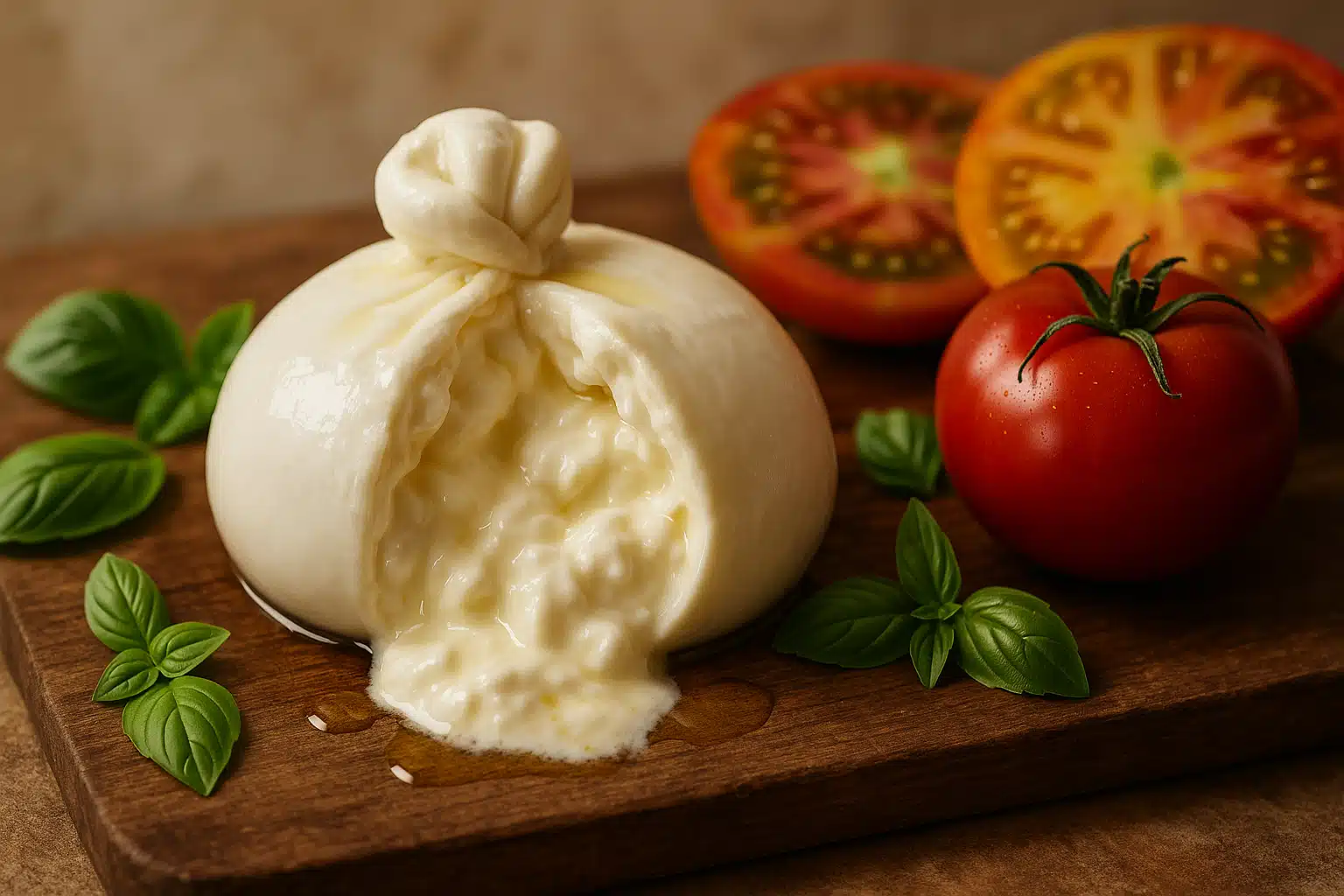
The name “burrata” comes from the Italian word “burro,” meaning butter, which perfectly describes the cheese’s buttery, creamy texture. Traditionally handcrafted by skilled cheesemakers, burrata has gained worldwide popularity for its delicate flavor profile and versatile culinary applications. When you cut into a properly made burrata, the cream should ooze out gently, creating a visually stunning and appetite-inducing presentation.
But why should you consider making it at home? Here are compelling reasons:
- Unmatched Freshness: Homemade burrata offers a taste and texture that surpasses most commercial versions, as you can enjoy it within hours of making it.
- Creative Customization: You can experiment with different flavors, herbs, and fillings to create unique variations tailored to your preferences.
- Impressive Culinary Skill: Mastering burrata-making demonstrates advanced cooking techniques that will impress family and friends.
- Cost-Effective: While artisan burrata can be expensive, making it at home significantly reduces the cost per serving.
- Engaging Experience: The hands-on process provides a satisfying and meditative cooking adventure that connects you with traditional food craftsmanship.
The Basics of Making Burrata
Before diving into the detailed recipe, let’s break down the fundamental steps and principles involved in making burrata. While the process may initially seem complex, it becomes remarkably straightforward once you understand the basic technique. The key is working with the right temperature and handling the cheese gently to maintain its delicate structure.
The process involves three main stages: preparing the mozzarella so it becomes pliable and stretchable, creating the creamy stracciatella filling, and assembling the components into the finished burrata. Each stage requires attention to detail but is entirely achievable for home cooks at any skill level.
What You’ll Need
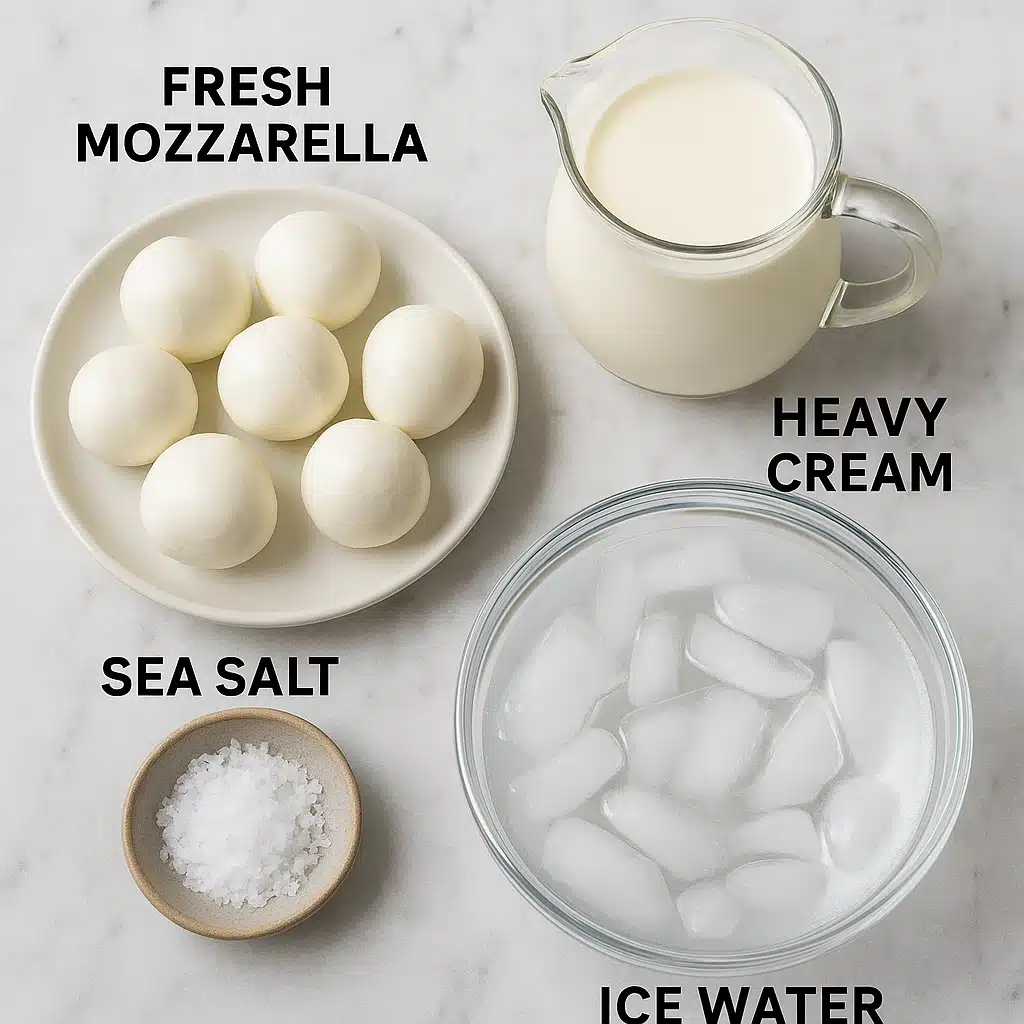
Gathering quality ingredients is essential for successful burrata-making. Here’s what you’ll need:
- Fresh Mozzarella: Approximately 500g (about 1 pound) of high-quality fresh mozzarella. Look for cheese that’s soft, moist, and made from whole milk for the best results.
- Heavy Cream: About 200ml (roughly 3/4 cup) of fresh, full-fat heavy cream or double cream. This creates the signature richness of burrata.
- Salt: Fine sea salt or kosher salt for seasoning the filling and working with the cheese.
- Ice Water: A large bowl filled with ice and cold water to help set the finished burrata and maintain its shape.
- Optional Additions: Fresh herbs, black pepper, or truffle oil for flavored variations.
Additionally, you’ll need some basic kitchen equipment: a large pot for heating water, a mixing bowl, a slotted spoon, and clean kitchen towels. Having everything prepared and within reach before you begin will make the process much smoother.
Step-by-Step Instructions
Follow these detailed steps to create your own restaurant-quality burrata:
Step 1: Prepare the Mozzarella
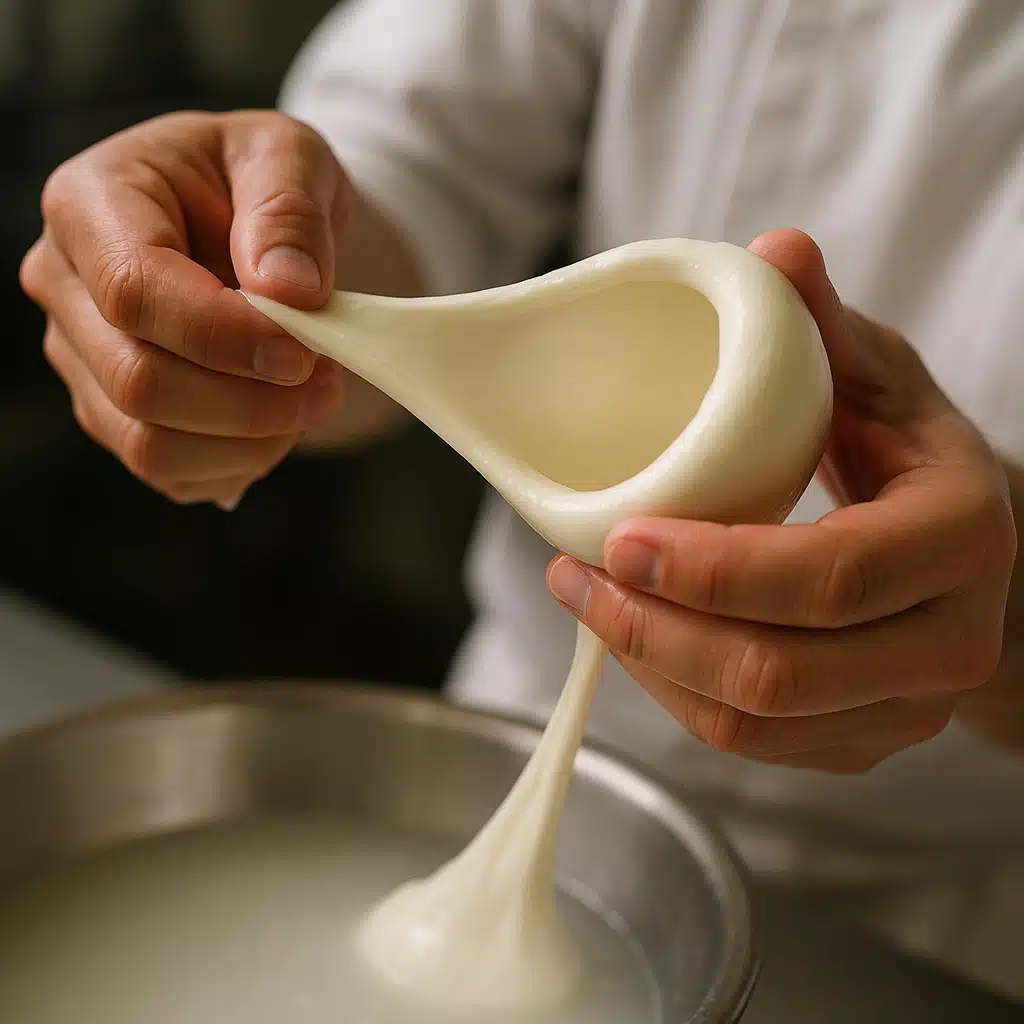
Begin by dividing your fresh mozzarella into two portions. You’ll use approximately two-thirds for creating the outer shells and one-third for the stracciatella filling. Heat water in a large pot until it reaches about 80-85°C (176-185°F)—hot enough to soften the cheese but not boiling. Gently place the larger portion of mozzarella into the hot water and allow it to warm for 2-3 minutes until it becomes soft, pliable, and stretchy. The cheese should feel smooth and elastic, similar to warm taffy.
Step 2: Make the Stracciatella Filling
While the mozzarella is warming, prepare your filling. Take the remaining third of the mozzarella and tear or cut it into small, irregular shreds—this is your stracciatella. Place these shreds in a mixing bowl and pour the heavy cream over them, stirring gently to combine. Add a pinch of salt to taste, adjusting according to your preference. The mixture should be creamy and luxurious, with visible cheese pieces suspended in the cream. Let this sit at room temperature while you work with the heated mozzarella.
Step 3: Form the Mozzarella Skins
Remove a portion of the warmed mozzarella from the hot water using a slotted spoon. Working quickly but carefully (the cheese will be hot), begin stretching it gently with your hands. The goal is to create a thin, even pouch or pocket that can hold the filling. Stretch the cheese outward in a circular motion, rotating as you go, until you have a disc roughly 15-20cm (6-8 inches) in diameter. The cheese should be thin enough to be slightly translucent but thick enough to hold the filling without tearing.
Step 4: Fill and Seal
Place your stretched mozzarella disc in the palm of one hand, creating a shallow bowl shape. Spoon approximately 2-3 tablespoons of the stracciatella and cream mixture into the center of the cheese. Be careful not to overfill, as this will make sealing difficult. Carefully gather the edges of the mozzarella around the filling, pinching and twisting the top to create a secure seal. The finished burrata should resemble a small pouch or purse. Smooth the sealed area gently to integrate it with the rest of the cheese surface.
Step 5: Set the Shape
Immediately transfer your formed burrata into the prepared ice water bath. This rapid cooling helps the cheese maintain its shape and prevents the filling from leaking out. Allow the burrata to rest in the ice water for 5-10 minutes until it feels firm to the touch. This step also stops the cheese from continuing to cook, preserving its delicate texture.
Step 6: Serve or Store
Remove your burrata from the ice water and gently pat it dry with a clean kitchen towel. Your homemade burrata is now ready to serve! For the best flavor and texture, consume within 24 hours. If you need to store it briefly, keep it in its own whey or a light brine in the refrigerator, but always bring it to room temperature before serving for optimal taste and texture.
Serving Suggestions and Applications
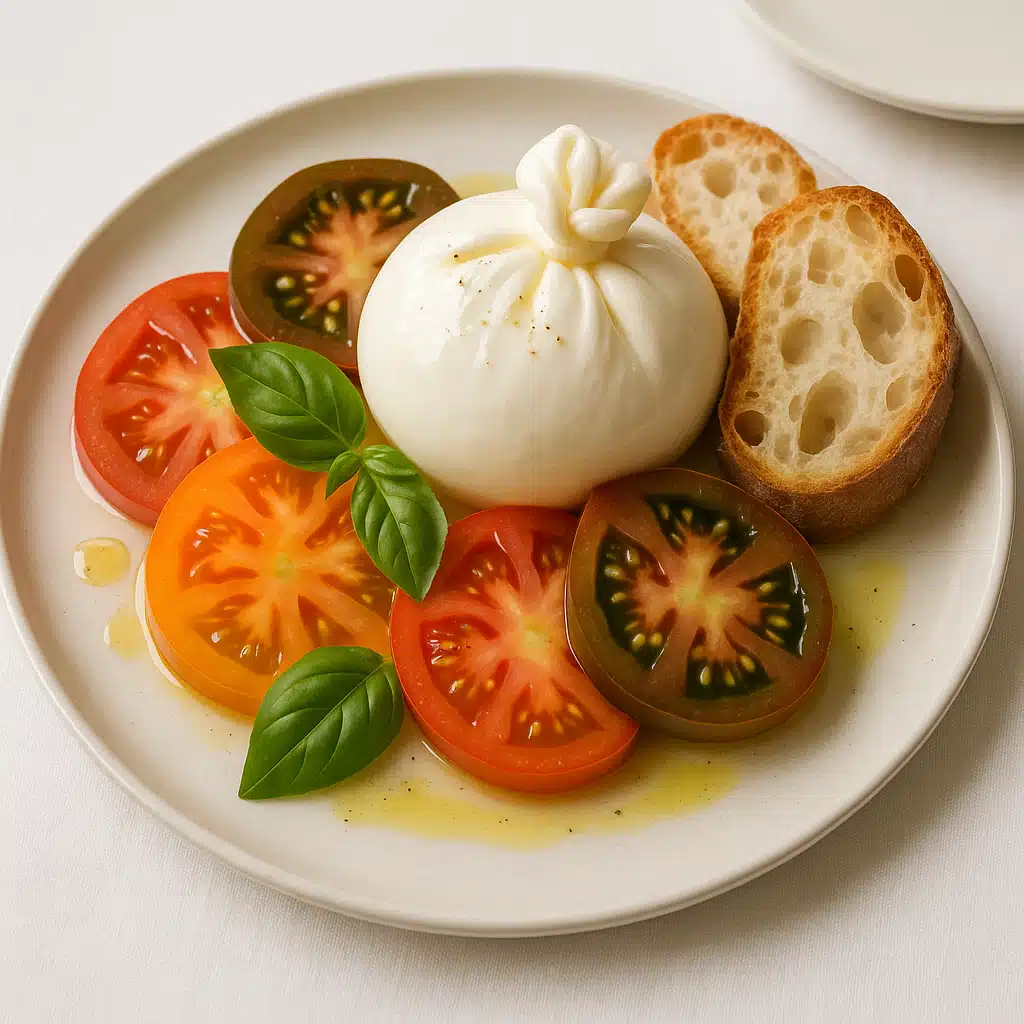
Now that you’ve mastered the art of making burrata, you might be wondering how to showcase your creation. The beauty of burrata lies in its versatility—it can elevate simple dishes into extraordinary culinary experiences. Here are numerous delicious ways to serve your homemade burrata:
Classic Pairings
- Caprese Salad: Pair your burrata with ripe tomatoes, fresh basil leaves, extra virgin olive oil, and a balsamic reduction for a luxurious take on the traditional Italian salad.
- Bruschetta: Spread the creamy interior on toasted bread rubbed with garlic, then top with sun-dried tomatoes, roasted peppers, or sautéed mushrooms.
- Pizza Topping: Add torn pieces of burrata to pizza immediately after it comes out of the oven, allowing the residual heat to slightly melt the cream.
- Pasta Enrichment: Toss burrata with hot pasta, allowing the cream to create an instant, luxurious sauce. Works beautifully with simple preparations featuring olive oil, garlic, and fresh herbs.
Creative Applications
- Grilled Vegetables: Serve alongside or atop grilled eggplant, zucchini, or peppers for a satisfying vegetarian main course.
- Fruit Combinations: Pair with fresh figs, peaches, or melon for a sophisticated appetizer that balances sweet and savory flavors.
- Soup Garnish: Float a small piece of burrata atop tomato soup, roasted red pepper soup, or minestrone for added richness.
- Salad Enhancement: Add to mixed green salads, grain bowls, or roasted vegetable salads for protein and creaminess.
- Sandwich Filling: Use as a luxurious addition to sandwiches with prosciutto, arugula, and sun-dried tomatoes.
When serving burrata, remember that simplicity is key. The cheese itself is the star, so avoid overwhelming it with too many competing flavors. A drizzle of high-quality olive oil, a sprinkle of flaky sea salt, and freshly cracked black pepper are often all you need to highlight its creamy perfection.
Common Questions About Burrata Making
Let’s address some frequently asked questions and common misconceptions about making burrata at home:
Is it difficult to make burrata?
Not at all! While burrata-making requires some practice to perfect the technique, it’s entirely achievable for home cooks. The most challenging aspect is working with the warm cheese quickly before it cools and becomes less pliable. With patience and a few practice attempts, you’ll develop the hand coordination and timing needed to create beautiful burrata consistently. Many people find success on their first try, and the process becomes increasingly intuitive with each batch.
Can I use store-bought mozzarella?
Yes, you can use store-bought mozzarella, and many home cheesemakers do with excellent results. However, the quality of your starting mozzarella significantly impacts the final product. Look for fresh mozzarella packed in water or whey rather than the low-moisture, pre-shredded varieties intended for pizza. Fresh mozzarella made from whole milk will yield the best texture and flavor. If available, mozzarella from specialty cheese shops or Italian markets often provides superior results compared to mass-produced supermarket versions.
What if I don’t have heavy cream?
While heavy cream creates the traditional burrata experience, you can experiment with alternatives if necessary. Whole milk ricotta mixed with a little milk can provide a creamy filling, though with a slightly different texture and flavor profile. Greek yogurt creates a tangier variation that some people enjoy. For a richer option, you might try crème fraîche or mascarpone cheese thinned slightly with milk. However, for your first attempts, traditional heavy cream is recommended to understand the authentic texture and taste before experimenting with variations.
How long does homemade burrata last?
Homemade burrata is best enjoyed fresh, ideally within 24 hours of making it. Unlike aged cheeses, burrata doesn’t improve with time—its magic lies in its freshness. If you must store it, keep it submerged in its own whey or a light brine solution in the refrigerator for up to 2-3 days. However, expect some loss of quality as the texture may become slightly grainy and the flavors less vibrant. Always bring refrigerated burrata to room temperature about 30 minutes before serving for the best taste and texture.
Why does my mozzarella tear when I stretch it?
Tearing typically occurs for three reasons: the mozzarella isn’t warm enough, you’re stretching too aggressively, or the cheese quality isn’t suitable for stretching. Ensure your water is at the proper temperature (80-85°C or 176-185°F) and that the cheese has warmed through completely. Stretch gently and gradually, rotating as you go rather than pulling in one direction. If you’re consistently experiencing tearing, try a different brand of mozzarella, as some commercial varieties lack the proper protein structure for optimal stretching.
Can I make burrata ahead of time for a dinner party?
While burrata is best made as close to serving time as possible, you can prepare it a few hours in advance if necessary. Make the burrata in the morning for an evening gathering, storing it in its whey in the refrigerator. Remove it from refrigeration at least 30 minutes before serving to allow it to come to room temperature. For the freshest presentation and optimal texture, consider making it immediately before your guests arrive—the process can even serve as an entertaining demonstration of your culinary skills.
Tips for Success
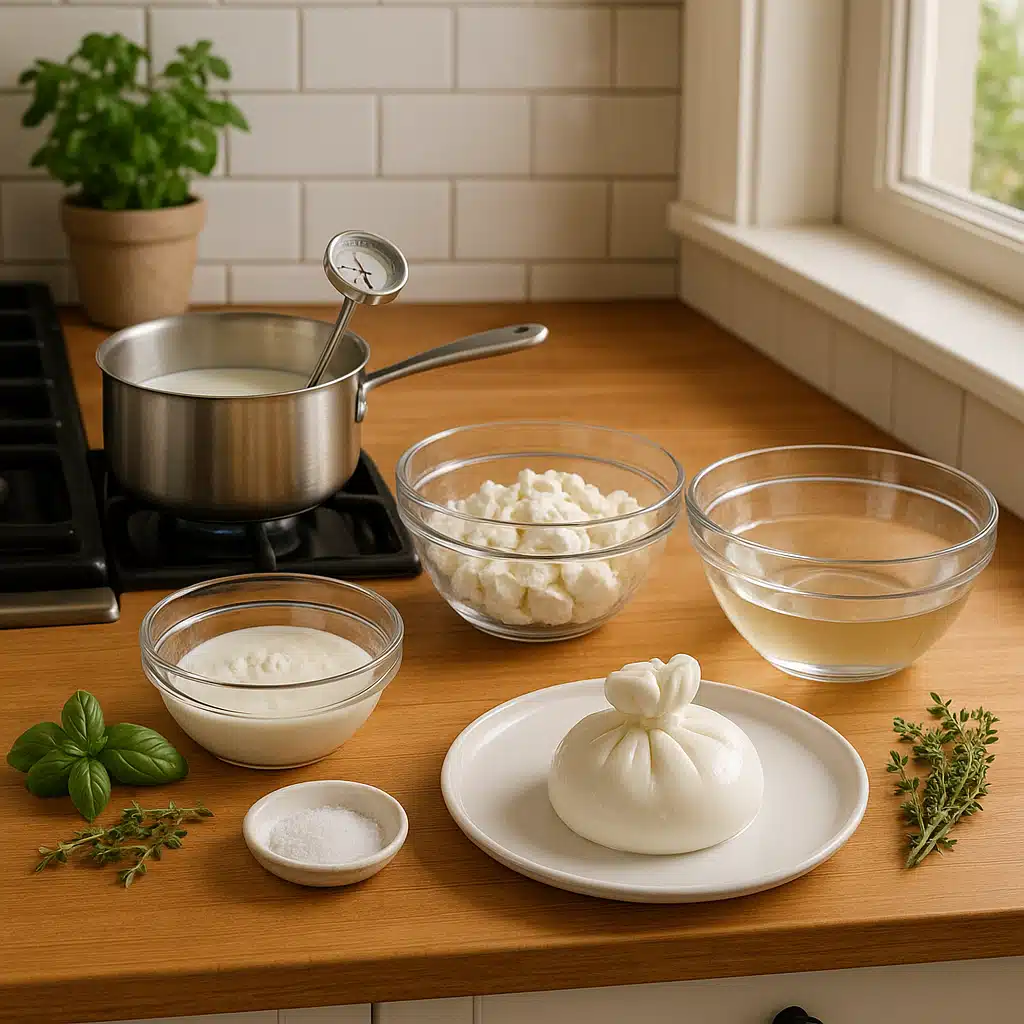
To ensure your burrata-making experience is successful and enjoyable, keep these professional tips in mind:
- Temperature Control: Maintaining the right water temperature is crucial. Too cool and the cheese won’t stretch properly; too hot and it may become rubbery or break down.
- Work Quickly: Mozzarella cools rapidly once removed from hot water. Have your filling ready and work efficiently to form and fill the pouches before the cheese becomes unworkable.
- Don’t Overfill: It’s tempting to add lots of creamy filling, but overfilling makes sealing difficult and increases the risk of leakage. Start with less filling than you think you need.
- Practice Your Technique: Your first burrata may not be perfectly shaped, and that’s completely normal. Each attempt will improve your technique and confidence.
- Quality Ingredients Matter: Since burrata has so few components, each ingredient’s quality significantly impacts the final result. Invest in the best mozzarella and cream you can find.
- Room Temperature Serving: Never serve burrata straight from the refrigerator. The flavors and textures are muted when cold and truly shine at room temperature.
Flavor Variations to Try
Once you’ve mastered the basic technique, experiment with these creative variations to personalize your burrata:
- Herb-Infused: Add finely chopped fresh basil, chives, or parsley to the stracciatella filling for an aromatic twist.
- Truffle Burrata: Mix a few drops of truffle oil into the cream for an luxurious, earthy flavor.
- Spicy Version: Incorporate red pepper flakes or finely minced fresh chili into the filling for a subtle heat.
- Lemon Zest: Add finely grated lemon zest to the stracciatella for a bright, citrusy note that pairs beautifully with seafood dishes.
- Black Pepper: Generously crack black pepper into the filling for a classic Italian flavor profile.
Conclusion
Making homemade burrata is a rewarding culinary experience that brings restaurant-quality freshness and flavor to your table. With just a handful of quality ingredients, proper technique, and some practice, you can master this impressive skill and delight family and friends with your cheesemaking abilities. The process connects you with centuries of Italian cheesemaking tradition while allowing creative expression through flavor variations and presentation.
The beauty of burrata lies not only in its luxurious taste and texture but also in the satisfaction of creating something special with your own hands. Whether you’re serving it as an elegant appetizer, incorporating it into a main course, or simply enjoying it with crusty bread and olive oil, homemade burrata elevates any meal into a memorable occasion.
So why not give it a try? Set aside an afternoon to experiment with this technique, gather your ingredients, and embrace the learning process. Your first attempt may not be perfect, but it will undoubtedly be delicious. With each batch, you’ll refine your skills and develop the confidence to tackle this impressive culinary project regularly. Unlock the joy of burrata-making, take your mozzarella appreciation to the next level, and discover the unparalleled pleasure of fresh, homemade cheese that rivals anything you’ll find in specialty shops or fine restaurants.
Start your burrata-making journey today, and prepare to impress yourself and others with this elegant, creamy masterpiece that celebrates the simple perfection of quality ingredients and time-honored technique.