Why Wavelength and Quality Matter
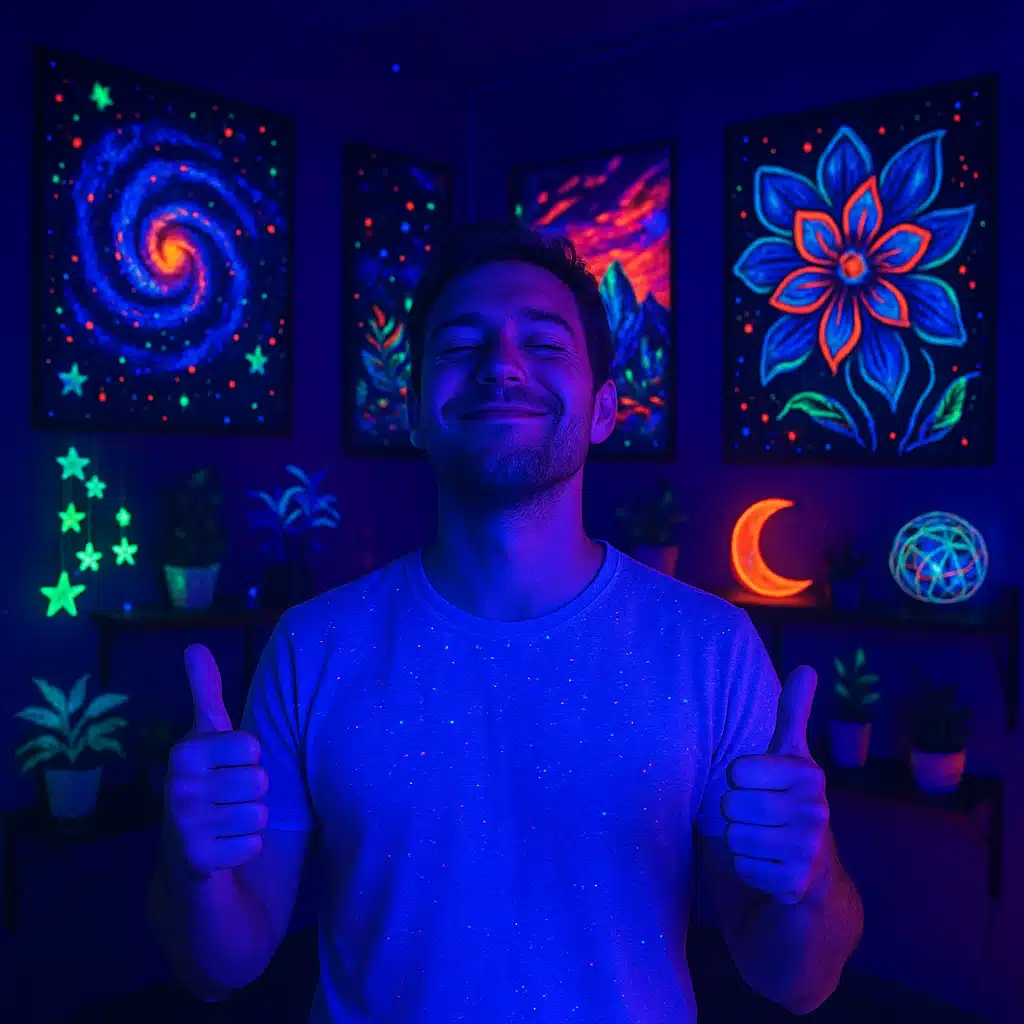
Blacklights have captivated people worldwide with their ability to reveal hidden patterns, create stunning visual effects, and transform ordinary spaces into glowing environments. Whether you’re planning an event, exploring creative hobbies, detecting counterfeit items, or setting up a unique home atmosphere, understanding the science and quality behind blacklights is essential to achieving the results you want.
In this comprehensive guide, we’ll explore why many budget-friendly purple lights fail to deliver, what makes a true 365nm blacklight effective, and how to choose the right product for your specific needs. By the end, you’ll be equipped with the knowledge to make an informed decision and avoid common pitfalls that lead to disappointment.
The Science Behind Blacklights: Understanding UV Wavelengths
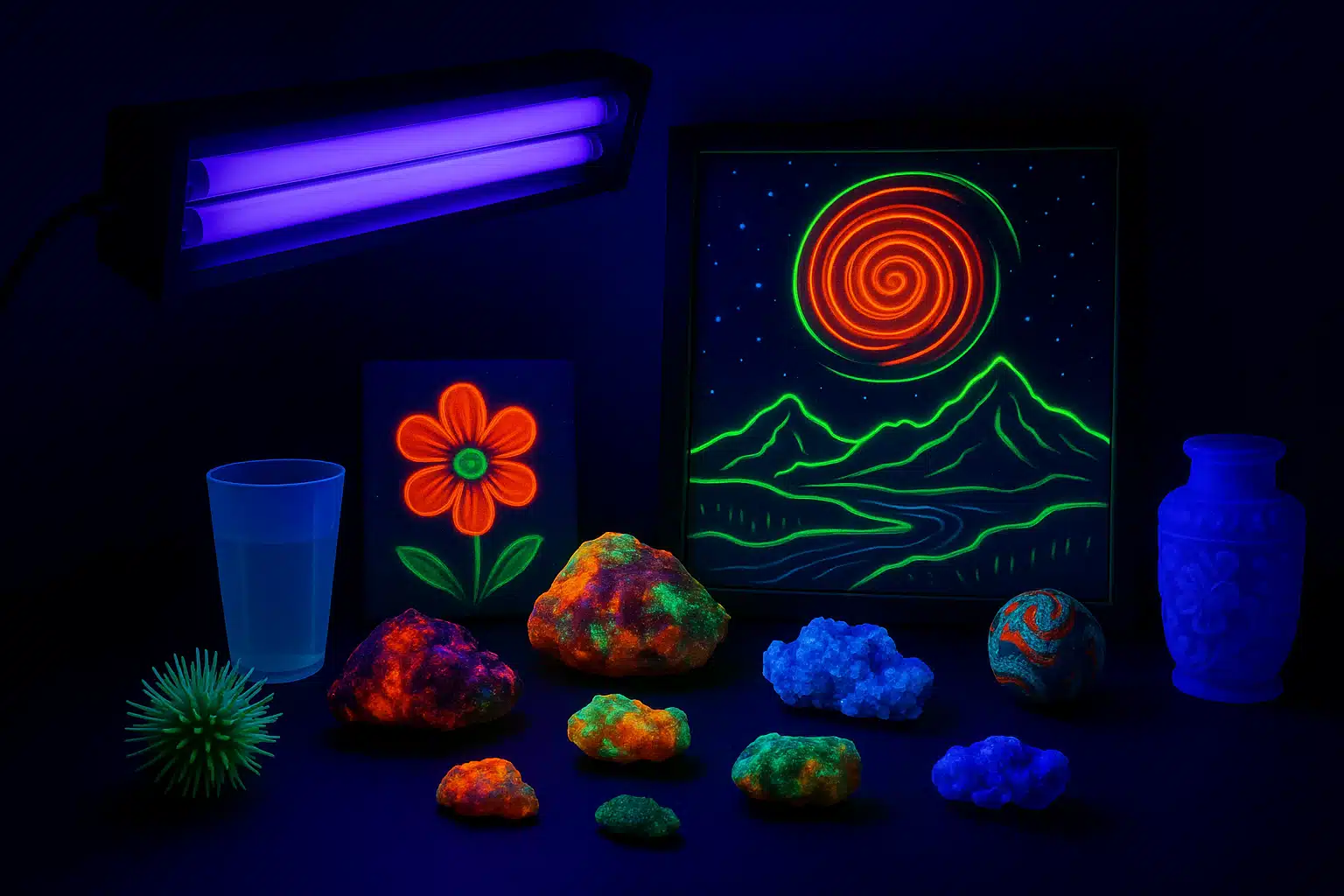
Before diving into product selection, it’s important to understand what makes a blacklight work. Blacklights emit ultraviolet (UV) light, which is invisible to the human eye but causes certain materials to fluoresce—meaning they absorb the UV light and re-emit it as visible light, creating that characteristic glow effect.
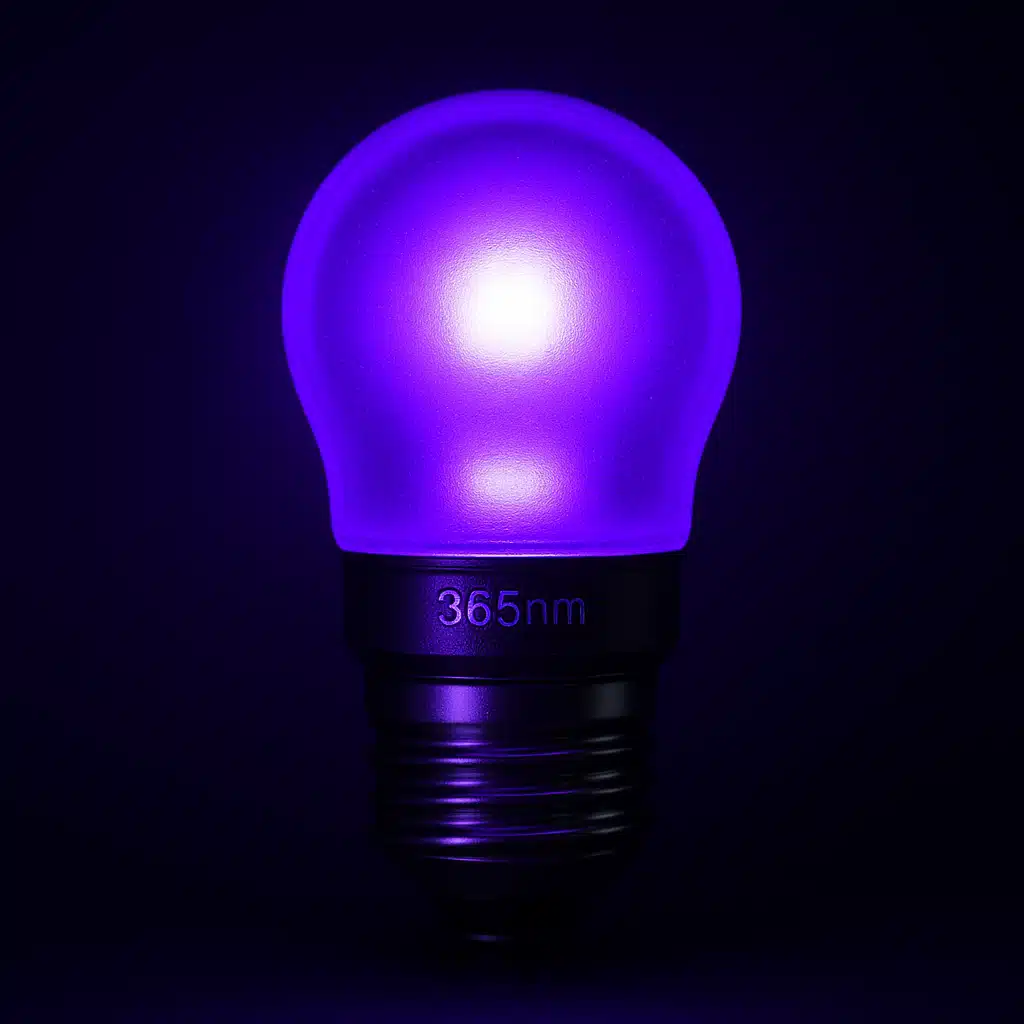
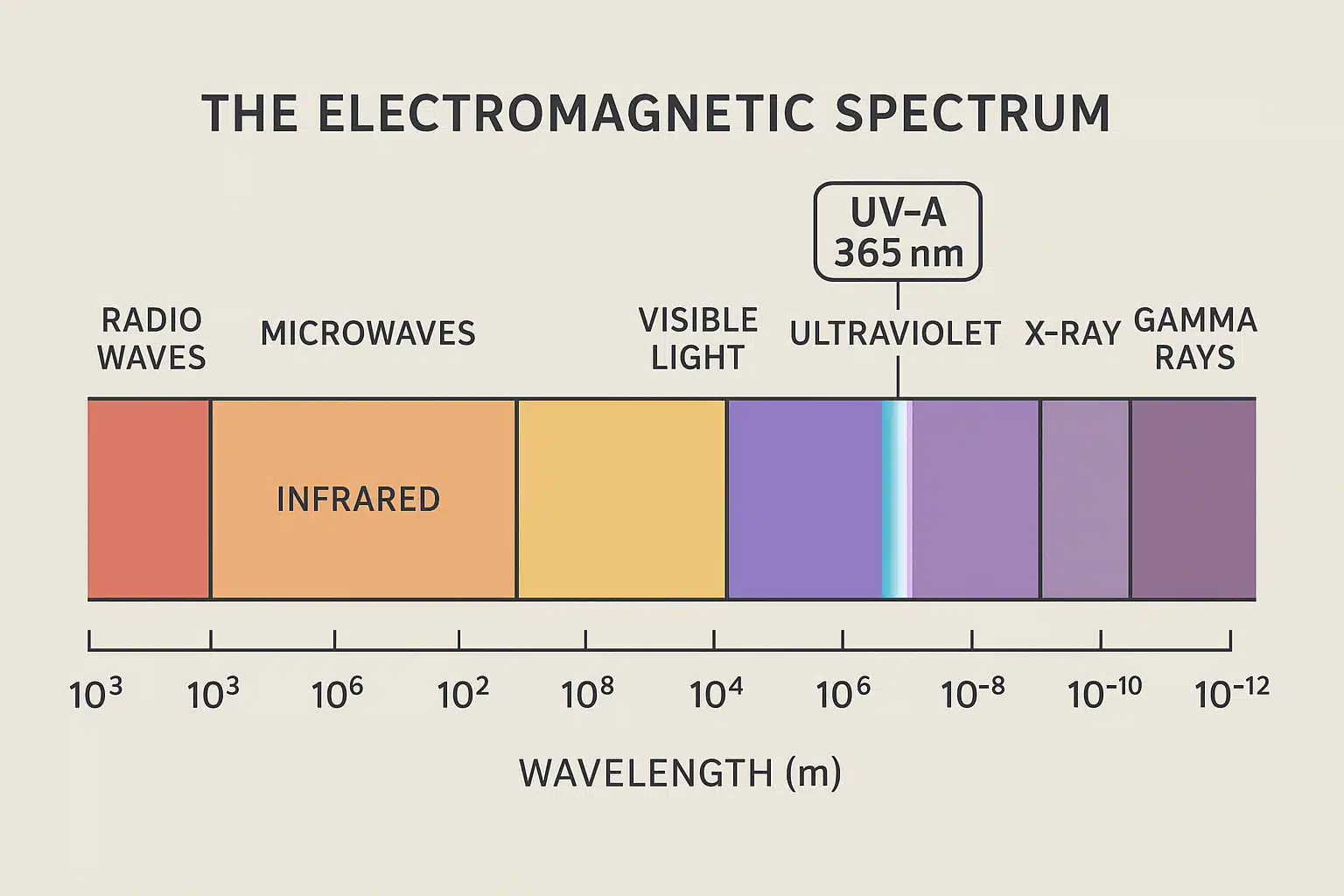
The UV spectrum is divided into different ranges, and the wavelength you choose dramatically affects the results. True blacklights operate at approximately 365 nanometers (365nm), which falls within the UV-A range. This specific wavelength is optimal for causing fluorescent materials to glow brightly while producing minimal visible purple light.
Understanding this technical foundation helps explain why not all purple-colored lights are created equal, and why wavelength specification is the most critical factor when selecting a blacklight.
Why Budget Purple Lights Often Disappoint
When searching online for blacklights, you’ll encounter numerous low-cost options that promise impressive effects. While the affordable price may seem attractive, these products frequently fail to deliver the fluorescent glow you’re expecting. Understanding the reasons behind this disappointment can save you time, money, and frustration.
Incorrect or Unspecified Wavelength
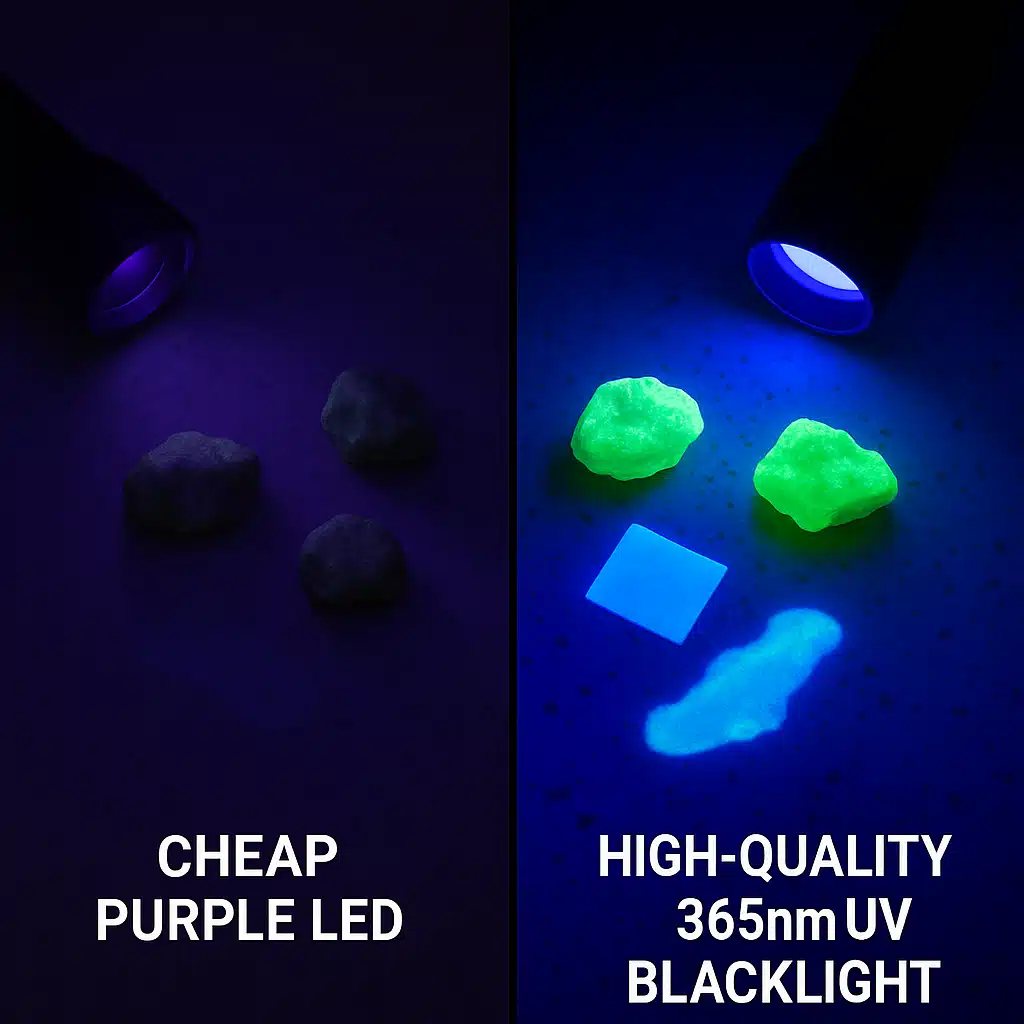
Many inexpensive purple lights emit wavelengths around 395nm to 410nm rather than the optimal 365nm. While these still fall within the UV spectrum, they produce significantly more visible purple light and less effective UV output. The result is a room bathed in purple illumination with minimal fluorescent glow from reactive materials. Manufacturers of budget products often don’t specify the exact wavelength, making it difficult to know what you’re actually purchasing.
Inferior Build Quality and Components
Low-cost blacklights typically use cheaper LED chips, inadequate heat management, and substandard electrical components. These compromises affect both performance and longevity. The lights may initially appear to work but quickly degrade in brightness, develop inconsistent output, or fail entirely within weeks or months. Poor housing materials can also crack or deteriorate, especially if used outdoors or in varied environmental conditions.
Insufficient UV Output Intensity
Even when budget lights claim to operate at 365nm, they often produce insufficient UV intensity to create noticeable fluorescent effects. UV output is measured in various ways, but quality blacklights should provide adequate power to illuminate fluorescent materials from a reasonable distance. Weak UV output means you’ll need to hold objects extremely close to the light source to see any glow, limiting practical applications.
Misleading Marketing and Specifications
Budget product listings often feature exaggerated claims, misleading images, or specifications that don’t match the actual product. Photos may show dramatic fluorescent effects achieved through photo editing rather than the light’s actual performance. Without reliable specifications and honest marketing, consumers have no way to assess quality before purchase.
Essential Features of Quality 365nm Blacklights
Now that you understand what to avoid, let’s explore the characteristics that define a quality blacklight. When evaluating products, these features should guide your decision-making process.
Verified 365nm Wavelength Output
The single most important specification is a clearly stated 365nm wavelength. Quality manufacturers will prominently display this information and provide technical documentation to support their claims. This precise wavelength produces minimal visible purple light while maximizing UV-A output for optimal fluorescent effects. Look for products that specifically mention “365nm” rather than vague terms like “UV light” or “blacklight.”
LED vs. Fluorescent Technology
Modern blacklights primarily use either LED or traditional fluorescent tube technology, each with distinct advantages. LED blacklights offer superior energy efficiency, longer operational life (often 30,000-50,000 hours), instant-on capability without warm-up time, more compact designs, and greater durability since they contain no fragile glass tubes or gases. Fluorescent blacklights, while older technology, can provide broader coverage areas and are sometimes preferred for large-scale installations, though they consume more power and have shorter lifespans.
For most applications, LED-based 365nm blacklights represent the best value and performance, especially for portable, personal, or residential use.
Appropriate Power and Coverage
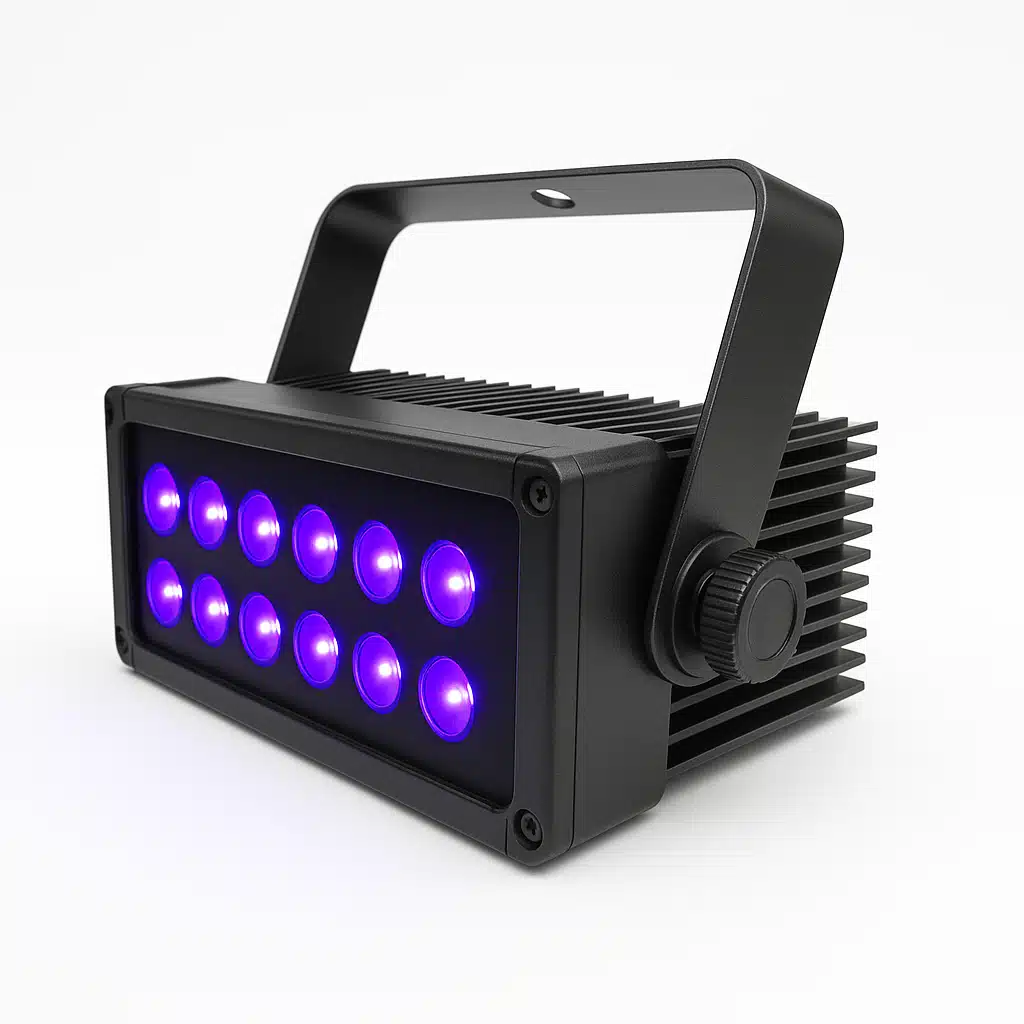
Consider the size of the area you need to illuminate and choose appropriate power levels. Small handheld blacklights (typically 3-12 watts) work well for inspecting documents, minerals, or small objects at close range. Medium-power fixtures (12-50 watts) suit room-sized applications like parties, small performance spaces, or studio work. High-power installations (50+ watts) are designed for large venues, outdoor events, or professional applications requiring extensive coverage.
Durable Construction and Thermal Management
Quality blacklights feature robust housing materials, proper heat dissipation systems (heat sinks or cooling fans for higher-wattage models), weather-resistant construction if intended for outdoor use, and reliable electrical components with appropriate safety certifications. Good thermal management ensures consistent performance and prevents premature LED degradation.
Reputable Manufacturer with Support
Established manufacturers stand behind their products with warranties, responsive customer service, and detailed product information. They invest in quality control and use genuine components rather than the cheapest available alternatives. While this results in higher prices, it also means reliable performance and recourse if problems arise.
Practical Applications: Choosing Based on Your Needs
Different applications require different blacklight characteristics. Understanding your primary use case helps narrow down the right product category and specifications.
Entertainment and Events
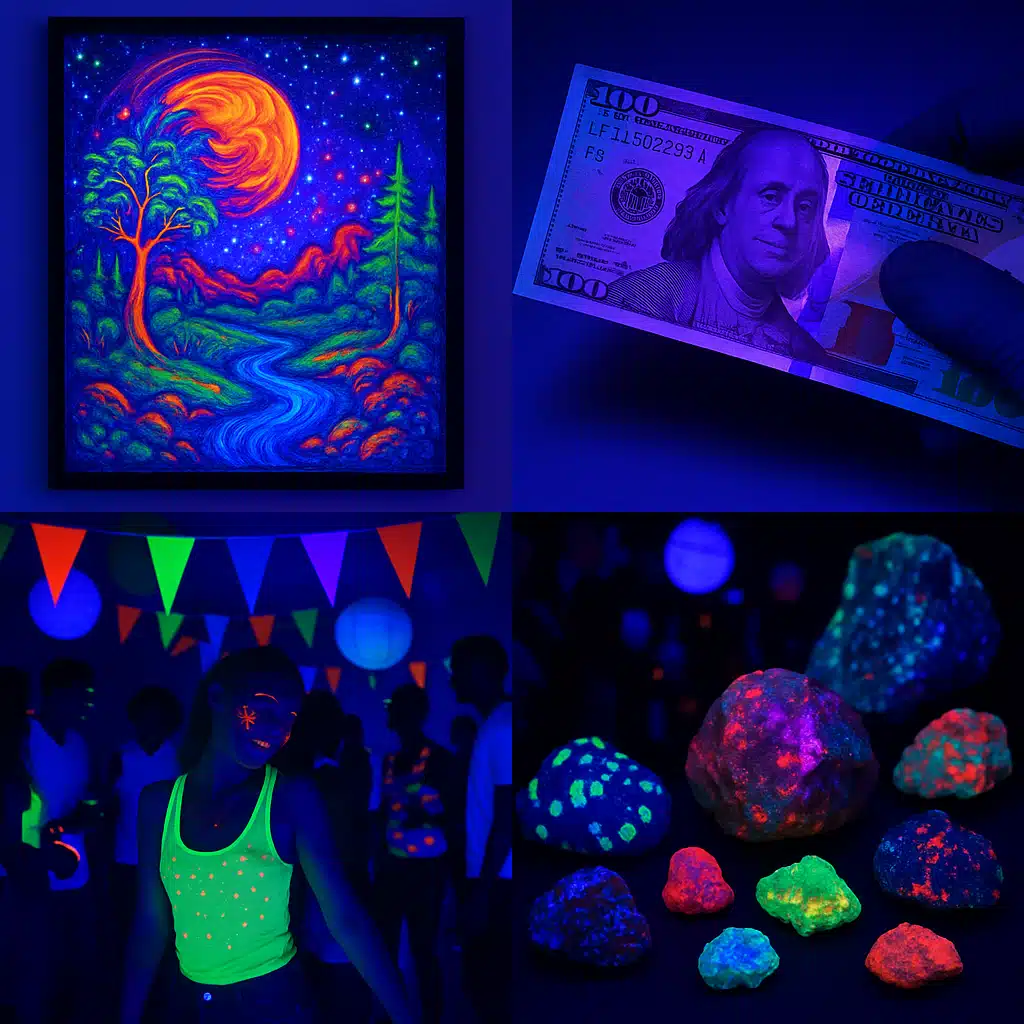
For parties, performances, or entertainment venues, you’ll want blacklights with broad coverage and sufficient power to illuminate clothing, decorations, and body paint across the entire space. Multiple medium-power fixtures strategically positioned often work better than a single high-power unit. Consider fixtures with mounting options and the ability to control or dim the output for different effects throughout an event.
Art and Creative Projects
Artists working with fluorescent paints, inks, or materials benefit from adjustable fixtures that can be positioned precisely. Look for blacklights with focused beam options for detailed work or broader flood patterns for viewing larger pieces. Color accuracy in the fluorescent response is important, making the 365nm wavelength essential rather than the 395nm alternatives that can shift color perception.
Detection and Inspection
For authenticating currency, documents, or collectibles, detecting pet stains, identifying minerals, or inspecting industrial materials, compact handheld blacklights with focused beams work best. These applications require strong UV output in a portable form factor. Battery-powered or rechargeable options provide convenience for fieldwork or situations where power outlets aren’t accessible.
Photography and Visual Arts
Photographers and videographers creating fluorescent effects need blacklights with consistent output, minimal visible light contamination, and appropriate coverage for their subject area. The ability to control intensity and position multiple lights for even coverage becomes important. Consider how the blacklight will interact with your camera settings and whether additional UV filters or techniques will be needed.
Scientific and Educational Use
Laboratory work, educational demonstrations, or scientific observation require reliable, calibrated UV output. Precision matters more than coverage area, and documented specifications with consistent performance across the product’s lifespan are essential. Look for products designed for professional or laboratory use rather than entertainment-focused options.
Common Questions and Misconceptions About Blacklights
Let’s address some frequent misunderstandings and questions that arise when people are selecting their first blacklight.
Can Any UV Light Function as a Blacklight?
Not all UV lights are suitable for creating fluorescent effects. The UV spectrum includes UV-A (315-400nm), UV-B (280-315nm), and UV-C (100-280nm). Only UV-A, specifically around 365nm, is appropriate for blacklight applications. UV-B and UV-C are used for sterilization, medical treatments, and other specialized purposes but won’t produce the fluorescent glow you’re seeking and can be harmful to skin and eyes with exposure.
Is a Higher Price Always Justified?
While price doesn’t guarantee quality, there’s a strong correlation between cost and performance in blacklights. The components needed to produce true 365nm output at adequate intensity simply cost more than generic purple LEDs. However, extremely expensive options may include features you don’t need, such as specialized mounting systems, weatherproofing beyond your requirements, or commercial-grade durability unnecessary for occasional home use. The key is finding the balance between verified quality and your actual needs.
Why Don’t All Materials Glow Under Blacklight?
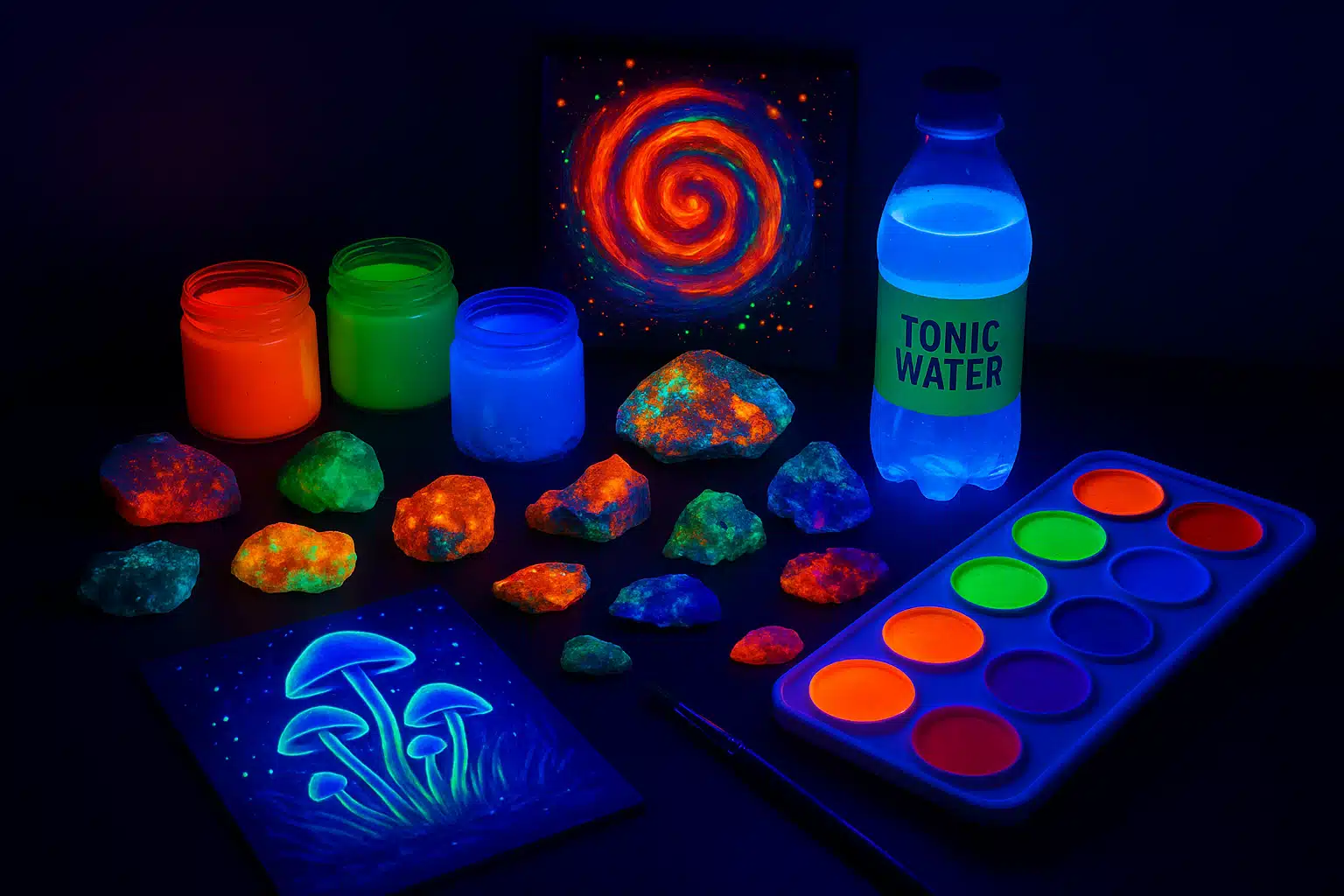
Fluorescence requires materials with specific chemical properties that absorb UV light and re-emit it at visible wavelengths. Common fluorescent materials include certain whitening agents in paper and fabrics, tonic water (due to quinine), many minerals, specific paints and dyes marketed as “UV reactive” or “fluorescent,” some biological materials, and security features in currency and documents. Regular materials without these properties won’t glow regardless of how powerful your blacklight is.
Are Blacklights Safe to Use?
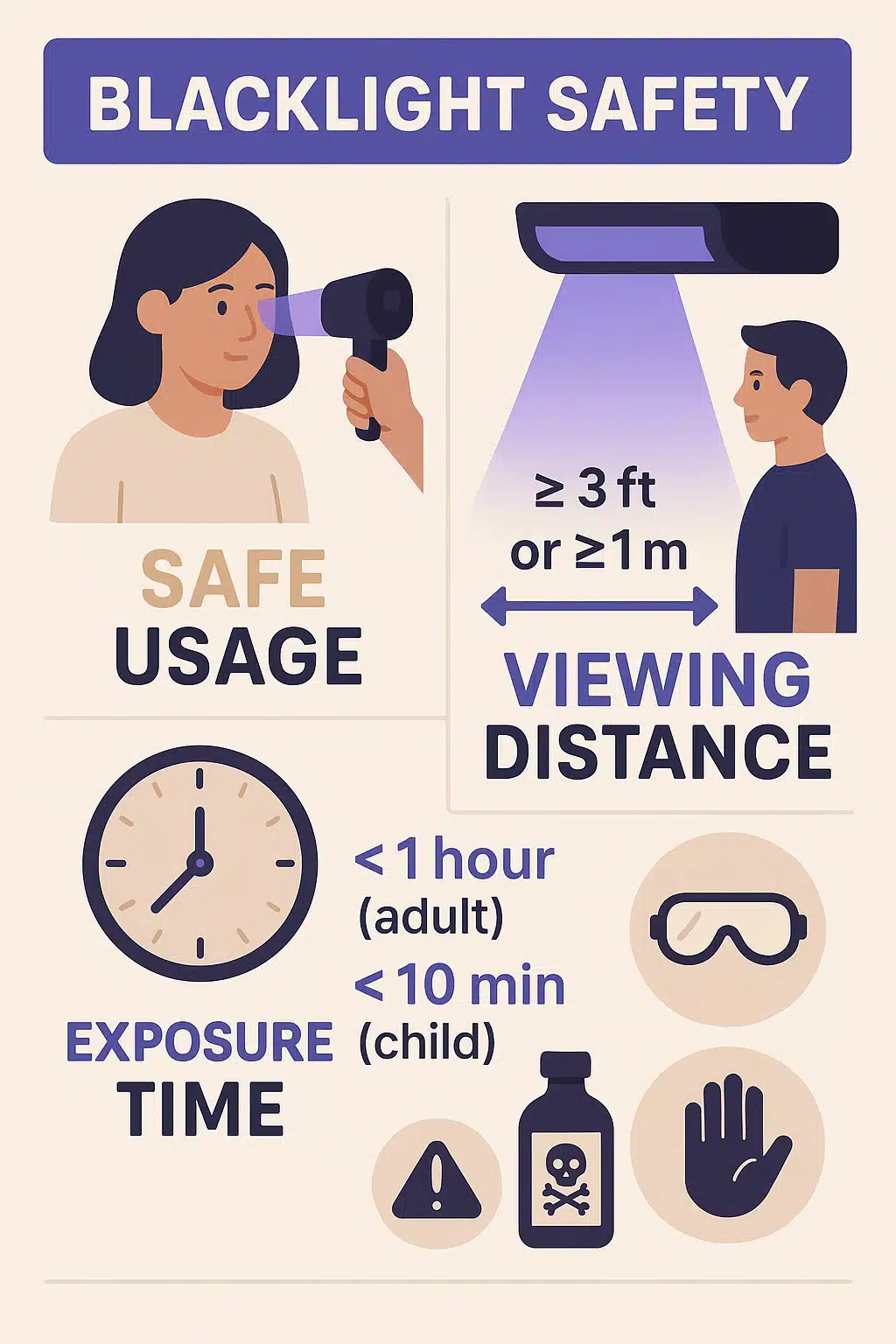
365nm UV-A blacklights are generally safe for occasional use, but prolonged direct exposure should be avoided. They produce significantly less harmful UV radiation than sunlight or tanning beds, but extended exposure can still affect skin and eyes. Practical safety measures include avoiding staring directly at the light source, limiting continuous exposure time, using in well-ventilated areas, and keeping lights at appropriate distances from people. Quality blacklights designed for consumer use incorporate safety features and operate within acceptable UV output levels for their intended applications.
Can I Use Standard Bulbs with Purple Coatings?
Some products apply purple coatings or filters to standard bulbs and market them as blacklights. These typically perform poorly because they’re simply filtering visible light rather than generating true UV output. They may create a purple ambient glow but won’t effectively cause fluorescent materials to react. Purpose-built blacklights use LEDs or phosphors specifically designed to emit UV wavelengths rather than relying on filtering techniques.
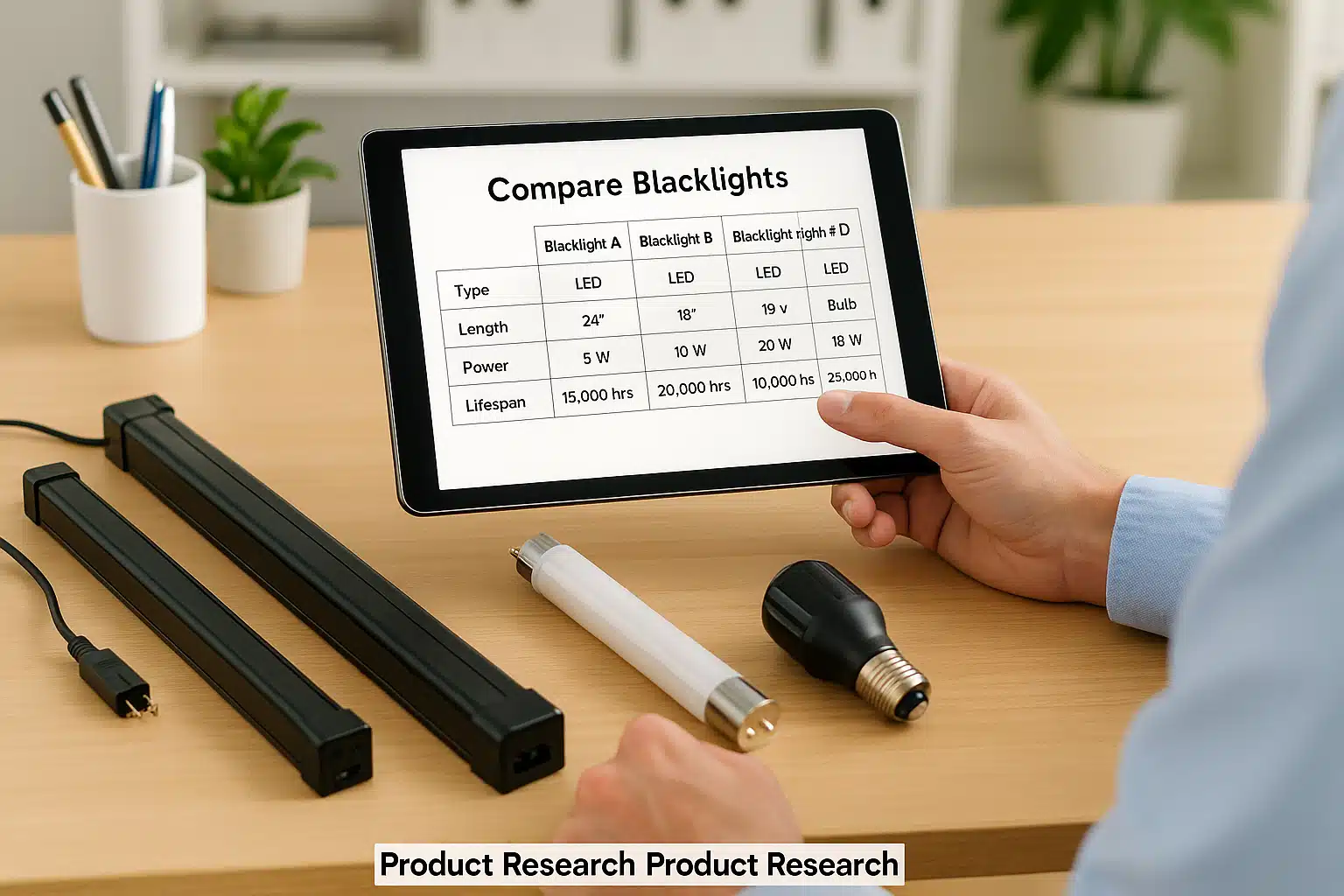
Making Your Purchase Decision: A Practical Checklist
When you’re ready to purchase your first quality blacklight, use this checklist to evaluate options and ensure you’re making an informed decision.
- Verify the wavelength specification: Confirm the product explicitly states 365nm output rather than vague UV claims or higher wavelengths like 395nm.
- Check manufacturer reputation: Research the brand, read reviews from verified purchasers, and look for established companies with track records in lighting products.
- Assess power requirements: Match the wattage and coverage area to your intended application—don’t over-purchase for small needs or under-purchase for large spaces.
- Evaluate construction quality: Look for detailed product images showing build quality, heat management features, and durable materials.
- Consider form factor: Decide whether you need handheld portability, fixed installation, flexible positioning, or specialized mounting options.
- Review warranty and support: Quality manufacturers offer reasonable warranties (typically 1-2 years minimum) and responsive customer service.
- Calculate total cost: Factor in any additional components needed, such as power supplies, mounting hardware, or UV-reactive materials for testing.
- Read detailed reviews: Look for reviews that specifically mention fluorescent effects, wavelength accuracy, and long-term performance rather than just initial impressions.
- Understand return policies: Ensure you can return or exchange the product if it doesn’t meet your expectations or specifications.
Taking time to thoroughly evaluate options before purchasing saves money and frustration while ensuring you get a blacklight that delivers the effects you’re seeking.
Maximizing Your Blacklight Experience
Once you’ve invested in a quality 365nm blacklight, these tips will help you achieve the best results and extend the life of your equipment.
Optimize Your Environment
Blacklights produce the most dramatic effects in darkened environments where visible light is minimized. Even small amounts of ambient light can wash out fluorescent effects and reduce impact. For best results, use blacklights in rooms with good light control, block windows and other light sources, and allow your eyes a few minutes to adjust to the darkness for maximum fluorescent visibility.
Proper Positioning and Distance
The distance between your blacklight and target materials affects intensity and coverage. Too close may create hot spots with uneven illumination, while too far reduces UV intensity and fluorescent response. Experiment with positioning to find the optimal distance for your specific application, typically ranging from 30 centimeters for small objects to several meters for room coverage with higher-wattage fixtures.
Maintain Your Equipment
Quality blacklights require minimal maintenance but benefit from basic care. Keep the light-emitting surface clean and free from dust or debris that can block UV output, ensure adequate ventilation around the fixture to prevent overheating, store portable units in protective cases when not in use, and avoid exposing the equipment to moisture unless it’s specifically rated for wet environments.
Experiment with UV-Reactive Materials
Part of the enjoyment of owning a blacklight is discovering which materials fluoresce. Beyond specifically marketed UV-reactive products, experiment with everyday items like white clothing with optical brighteners, certain beverages, minerals and gemstones, highlighter markers and fluorescent paints, security features on currency and cards, and biological specimens. Building a collection of fluorescent materials expands your creative possibilities.
Final Thoughts: Investing in Quality for Lasting Enjoyment
Choosing your first quality 365nm blacklight represents an investment in creativity, functionality, and reliable performance. While budget options may seem appealing initially, understanding the technical requirements and quality factors that separate effective blacklights from disappointing purple lights empowers you to make decisions that deliver actual results.
The difference between a cheap imitation and a true 365nm blacklight is immediately apparent when you see the vibrant fluorescent glow that quality UV output produces. Whether you’re creating atmosphere for events, pursuing artistic projects, authenticating items, or simply exploring the fascinating world of fluorescence, the right equipment makes all the difference.
Remember that the most expensive option isn’t always necessary, but verifying key specifications—particularly the 365nm wavelength, adequate power output, and quality construction—ensures your purchase will meet expectations and provide years of reliable use. Take time to assess your specific needs, research options thoroughly, and prioritize verified specifications over marketing claims.
With the knowledge you’ve gained from this guide, you’re now prepared to navigate the blacklight market confidently and select a product that transforms your vision into glowing reality. The world of fluorescence awaits, and with the right 365nm blacklight, you’ll unlock its full potential.