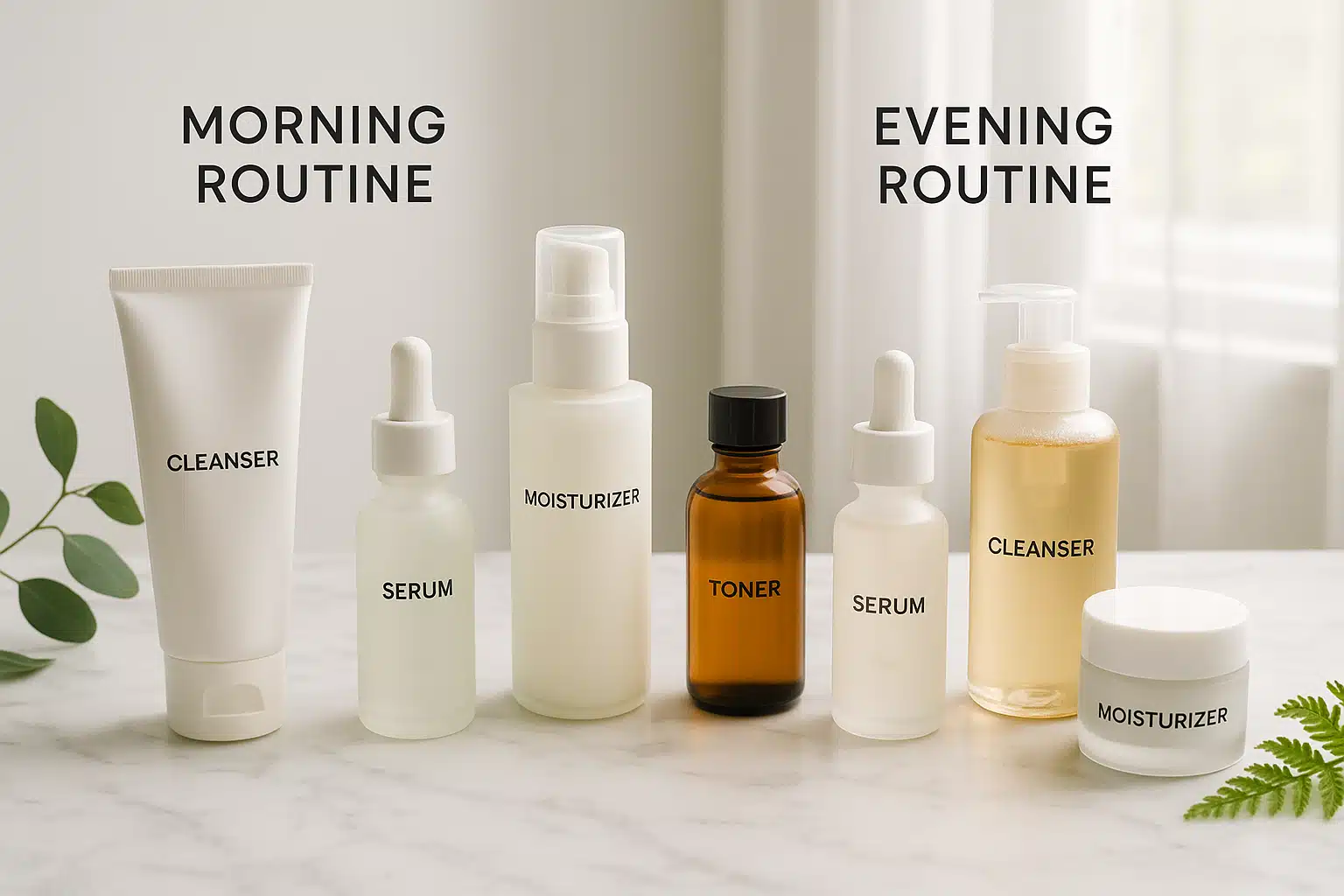
Understanding Skincare Routines: A Complete Guide
Achieving healthy, radiant skin isn’t a matter of luck—it’s the result of consistent care and attention. Just as a balanced diet nourishes your body from within, a well-structured skincare routine supports your skin’s natural functions, helping it breathe, regenerate, and defend itself against environmental stressors like pollution, UV exposure, and daily wear.
A skincare routine is a personalized series of steps performed daily—typically in the morning and evening—designed to cleanse, treat, and protect your skin. Whether you’re dealing with dryness, oiliness, sensitivity, or signs of aging, understanding the fundamentals of skincare can transform your complexion and boost your confidence.
Step 1: Cleansing the Skin

Cleansing is the foundation of any effective skincare routine. It removes dirt, excess oil, makeup, and environmental impurities that accumulate on your skin throughout the day and night. Proper cleansing prepares your skin to absorb the beneficial ingredients in the products that follow.
Morning cleansing washes away the natural oils, sweat, and cellular debris that build up while you sleep. Evening cleansing is even more critical, as it eliminates makeup, sunscreen, pollutants, and the day’s grime that can clog pores and lead to breakouts or dullness.
Choosing the right cleanser depends on your skin type:
- For oily or acne-prone skin: Opt for gel-based or foaming cleansers that are oil-free and non-comedogenic. These formulas help control shine without stripping the skin of essential moisture.
- For dry or sensitive skin: Choose cream-based or milk cleansers enriched with hydrating ingredients like glycerin, ceramides, or hyaluronic acid. These gently cleanse without causing tightness or irritation.
- For combination skin: A balanced, gentle cleanser that addresses both oily and dry areas works best. Look for products labeled as suitable for all skin types.
Consider double cleansing in the evening if you wear makeup or sunscreen: start with an oil-based cleanser or micellar water to dissolve makeup, then follow with a water-based cleanser to remove any remaining residue.
Step 2: Toner (Optional but Beneficial)
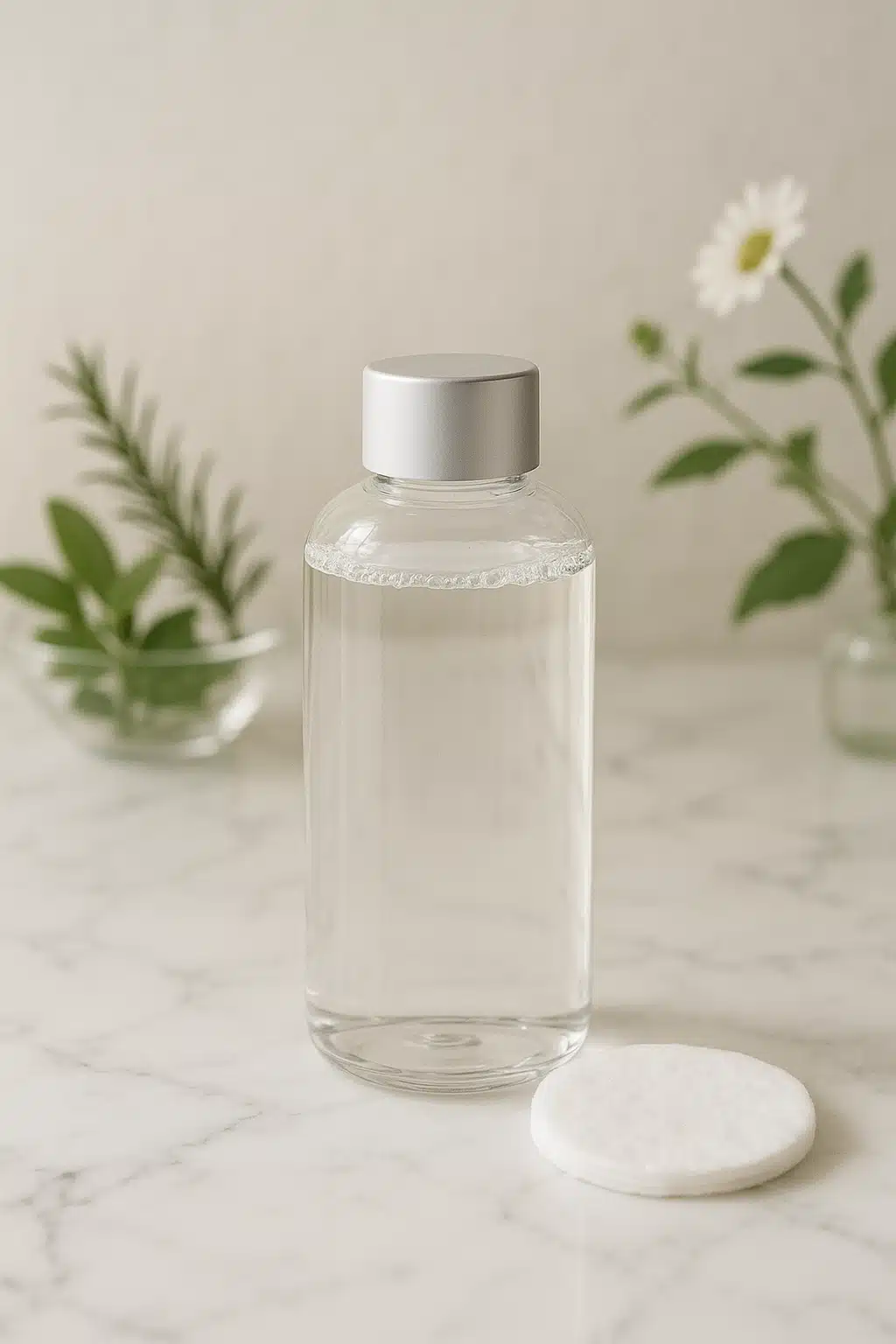
Toners are often misunderstood or skipped entirely, but they serve several important functions in a modern skincare routine. Historically, toners were astringent and alcohol-heavy, designed to remove residual cleanser and restore the skin’s pH balance. Today’s toners are far more sophisticated and gentle.
A good toner can:
- Rebalance your skin’s pH after cleansing
- Provide an initial layer of hydration
- Prep the skin to better absorb serums and moisturizers
- Deliver lightweight active ingredients like antioxidants or soothing agents
- Refine the appearance of pores
Choose alcohol-free formulas, especially if you have dry or sensitive skin. Hydrating toners with ingredients like hyaluronic acid, rose water, or aloe vera are excellent for all skin types. For oily or acne-prone skin, toners containing gentle exfoliants like lactic acid or witch hazel can help keep pores clear.
Step 3: Treatment Serum (Targeted Solutions)
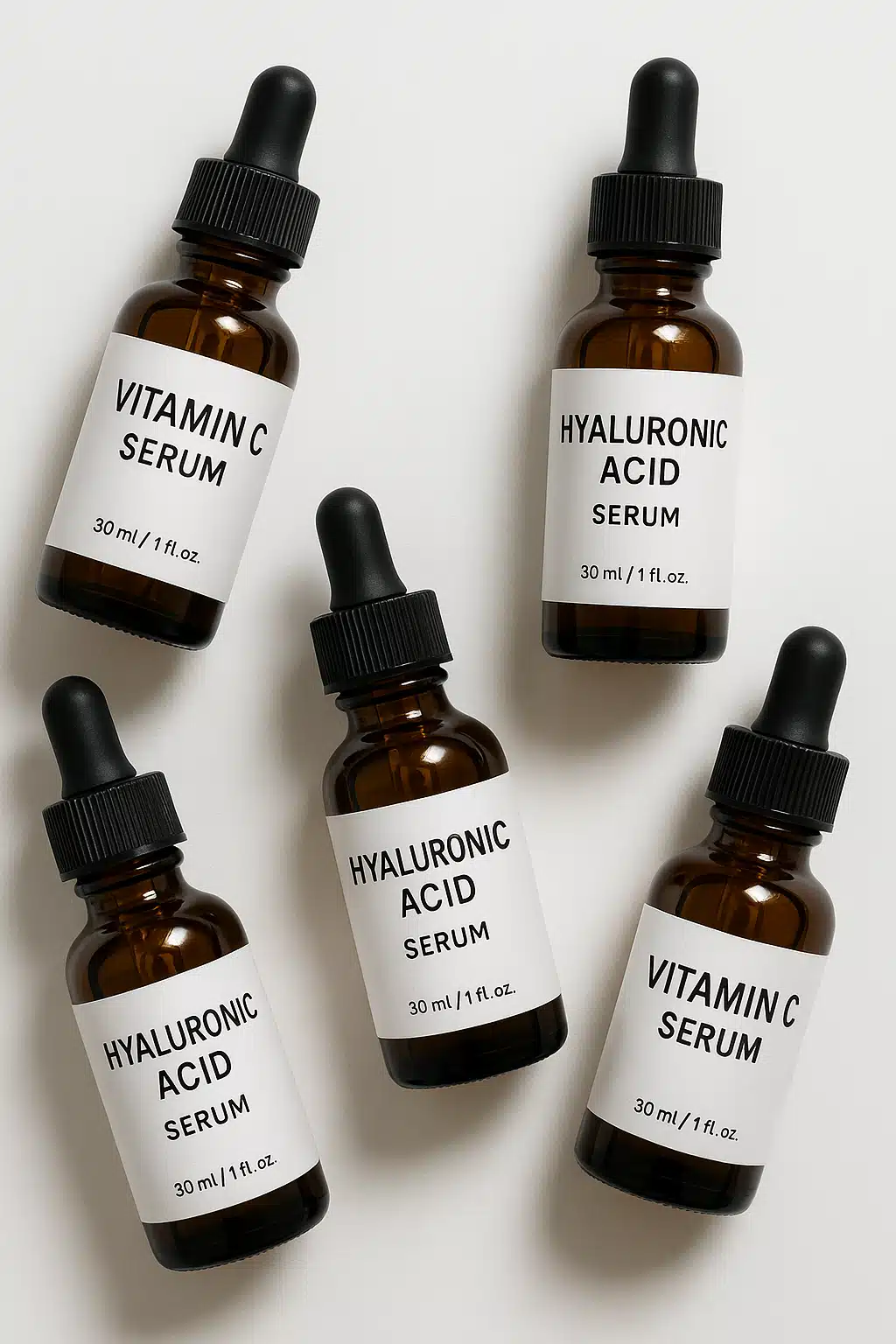
Serums are concentrated formulations packed with active ingredients designed to address specific skin concerns. Unlike moisturizers, which focus primarily on hydration and barrier protection, serums deliver potent compounds that can transform your skin over time.
Here are the most popular types of serums and their benefits:
- Vitamin C serums: Powerful antioxidants that brighten the complexion, fade dark spots and hyperpigmentation, and protect against environmental damage. Best used in morning routines.
- Hyaluronic acid serums: Exceptional hydrators that can hold up to 1000 times their weight in water. Suitable for all skin types, especially dry or dehydrated skin.
- Niacinamide (Vitamin B3) serums: Versatile ingredients that regulate oil production, minimize pores, reduce redness, and improve skin texture. Excellent for oily, combination, and acne-prone skin.
- Retinol and retinoid serums: Gold-standard anti-aging ingredients that accelerate cell turnover, smooth fine lines and wrinkles, and improve skin texture. Best used in evening routines. Start with lower concentrations if you’re new to retinoids.
- Salicylic acid serums: Beta hydroxy acid (BHA) that penetrates pores to dissolve excess oil and dead skin cells. Ideal for acne-prone and oily skin.
- Peptide serums: Support collagen production and skin firmness, helping to reduce signs of aging.
You don’t need to use multiple serums at once. Start with one that addresses your primary concern, and introduce others gradually. Some active ingredients shouldn’t be combined (like retinol and vitamin C in the same routine), so research compatibility or consult a skincare professional.
Step 4: Moisturizer for Your Skin Type
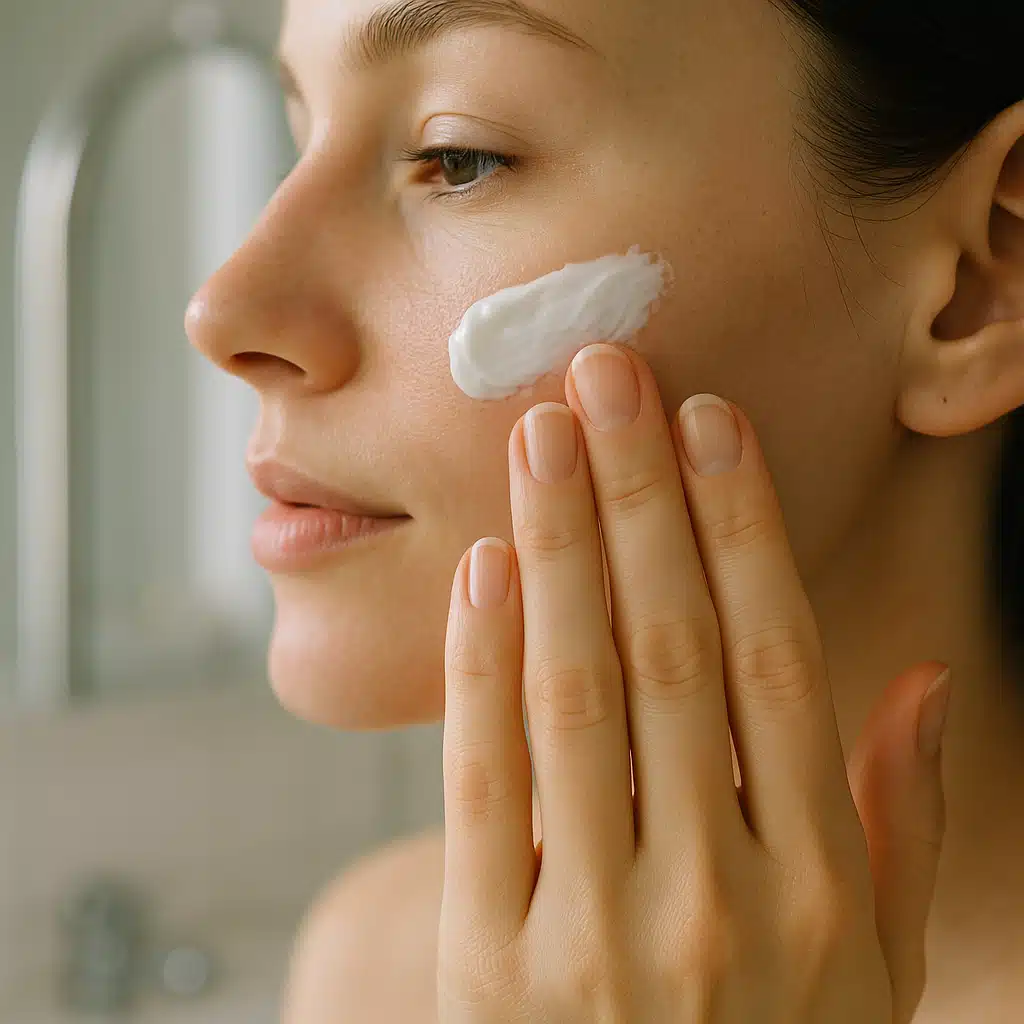
Moisturizing is essential for every skin type, including oily skin. A good moisturizer locks in hydration, strengthens the skin’s protective barrier, and keeps your complexion smooth and supple. The key is choosing the right formula for your specific needs.
For oily and acne-prone skin: Look for lightweight, oil-free, gel-based, or water-gel moisturizers labeled “non-comedogenic,” meaning they won’t clog pores. These provide hydration without adding excess shine or heaviness.
For dry skin: Choose richer, cream-based moisturizers with nourishing ingredients like ceramides, shea butter, squalane, or natural oils. These help repair the skin barrier and prevent moisture loss.
For combination skin: A balanced, medium-weight lotion works well. You might also consider using different moisturizers on different areas—lighter on the T-zone, richer on the cheeks.
For sensitive skin: Opt for fragrance-free, hypoallergenic moisturizers with soothing ingredients like colloidal oatmeal, centella asiatica, or allantoin.
Apply moisturizer while your skin is still slightly damp from cleansing or toning to help seal in moisture.
Step 5: Sunscreen (Morning Routine Essential)

Sunscreen is arguably the most important step in any morning skincare routine. Daily sun protection prevents premature aging, reduces the risk of hyperpigmentation and sun spots, and protects against skin cancer. UV damage is cumulative and occurs even on cloudy days or when you’re indoors near windows.
Choose a broad-spectrum sunscreen that protects against both UVA (aging) and UVB (burning) rays, with an SPF of at least 30. For daily use, SPF 30-50 is ideal.
For oily or acne-prone skin: Look for lightweight, oil-free, mattifying sunscreens. Mineral sunscreens with zinc oxide or titanium dioxide can be less likely to cause breakouts.
For dry skin: Choose hydrating, creamy sunscreens with moisturizing ingredients. Chemical sunscreens often have more elegant textures for dry skin.
For sensitive skin: Mineral (physical) sunscreens are generally gentler and less likely to cause irritation.
Apply sunscreen as the final step of your morning routine, after moisturizer. Reapply every two hours if you’re spending extended time outdoors or after swimming or sweating.
Understanding Your Skin Type
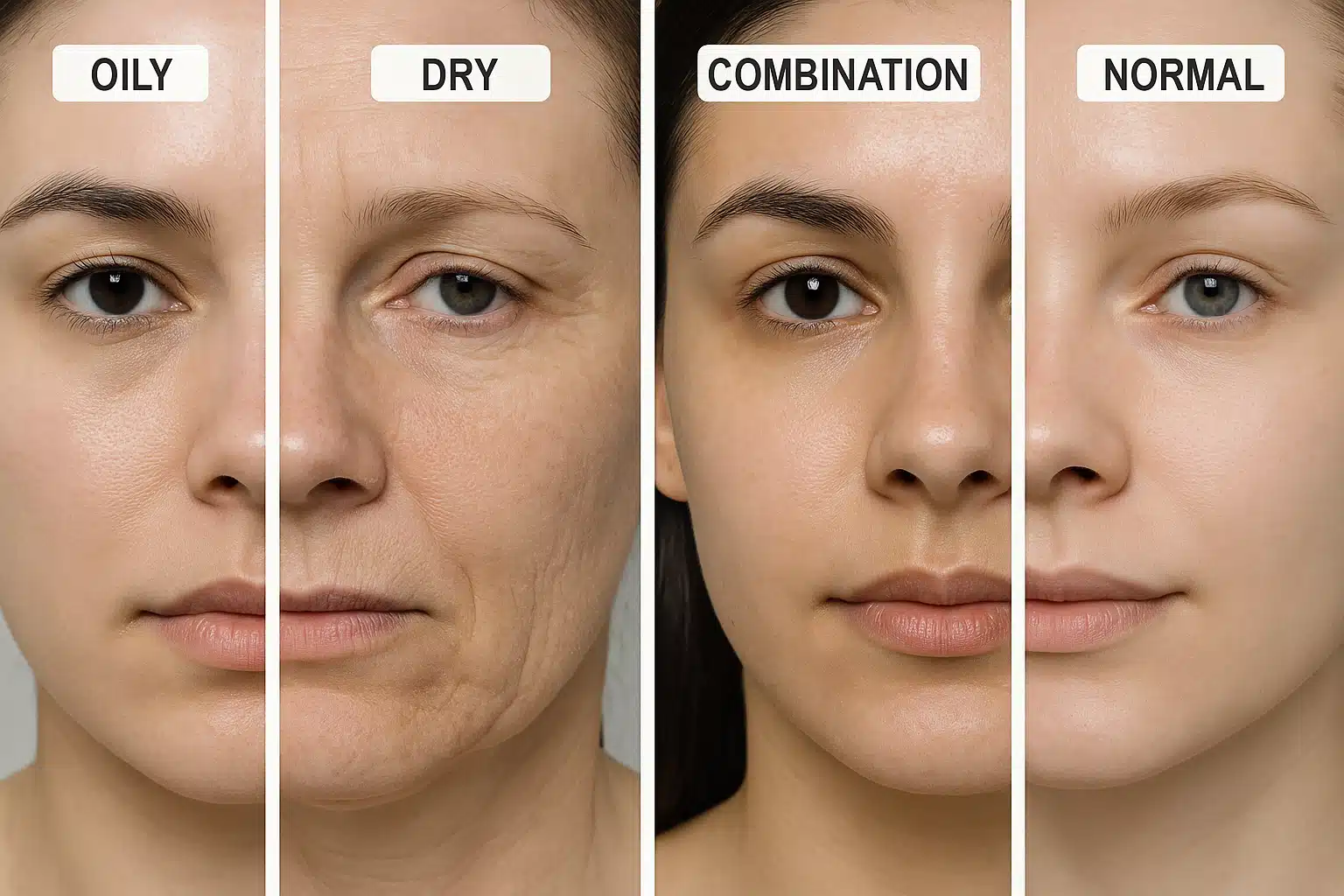
Before you can build an effective skincare routine, you need to understand your skin type. Skin types are generally classified into four main categories, each with distinct characteristics and needs:
Oily Skin
Oily skin produces excess sebum, especially in the T-zone (forehead, nose, and chin). It often appears shiny, has enlarged pores, and is more prone to acne, blackheads, and breakouts. While oily skin can be frustrating, it tends to age more slowly than other skin types.
Key needs: Oil control, thorough but gentle cleansing, lightweight hydration, and non-comedogenic products that won’t clog pores.
Dry Skin
Dry skin produces less natural oil and often feels tight, rough, or uncomfortable, especially after cleansing. It may appear dull, flaky, or show visible fine lines more prominently. Dry skin is more susceptible to irritation and environmental damage.
Key needs: Rich moisture, nourishing ingredients, gentle cleansing, and products that strengthen the skin barrier and prevent water loss.
Combination Skin
Combination skin displays characteristics of both oily and dry skin. Typically, the T-zone is oily while the cheeks are normal to dry. This skin type can be challenging to manage because different areas require different care.
Key needs: Balanced products that hydrate without adding excess oil, gentle cleansing, and sometimes targeted treatments for different zones.
Sensitive Skin
Sensitive skin reacts easily to products, weather, or environmental factors, showing redness, irritation, itching, or burning sensations. It may overlap with other skin types and requires extra care to avoid triggering reactions.
Key needs: Gentle, fragrance-free, hypoallergenic products with soothing ingredients. Minimal product layering and patch-testing new products before full application.
Your skin type may change with seasons, age, hormones, climate, or lifestyle factors. Pay attention to how your skin behaves and adjust your routine accordingly.
Common Skincare Routine Mistakes to Avoid
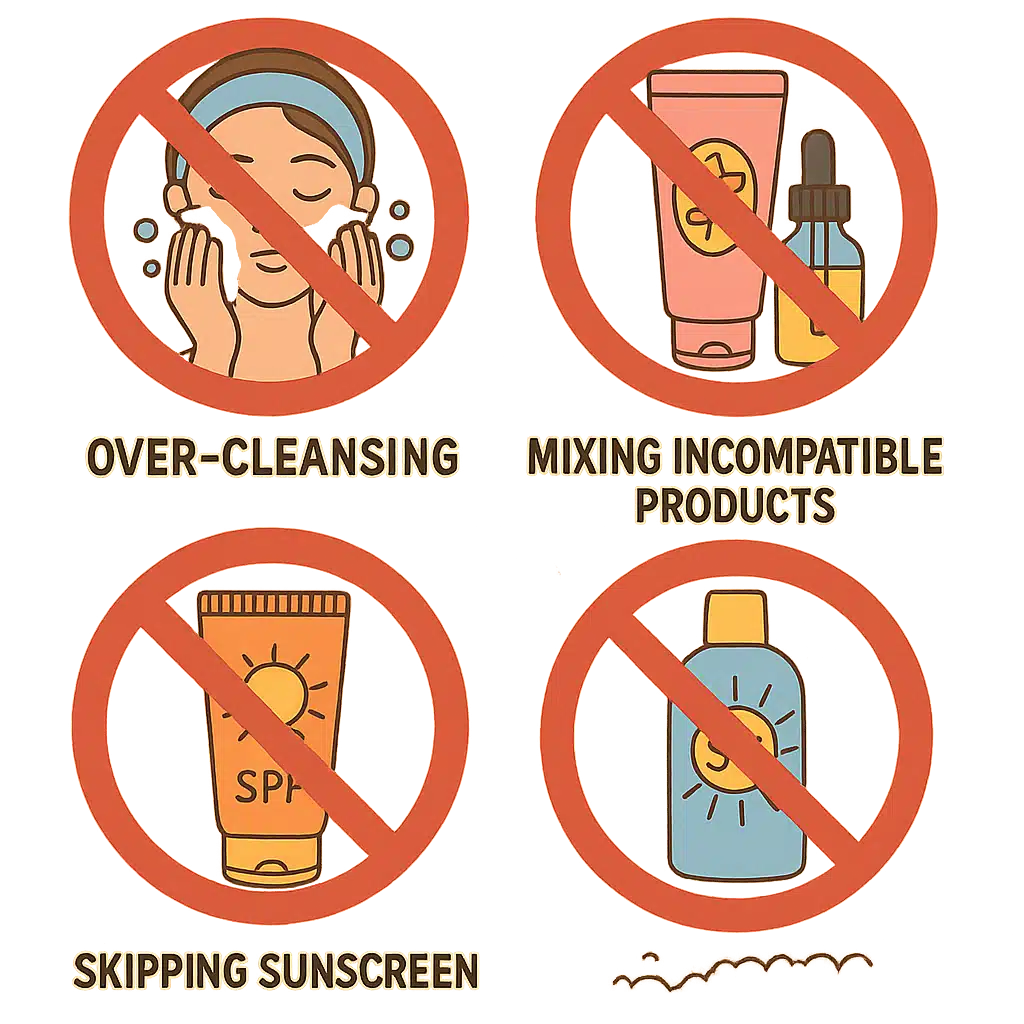
Even with the best intentions, it’s easy to make mistakes that can undermine your skincare efforts. Here are some common pitfalls to avoid:
- Using too many active ingredients at once: Combining powerful actives like retinol, vitamin C, and multiple acids in the same routine can irritate your skin. Introduce new products one at a time and learn which ingredients work well together.
- Skipping sunscreen: Many people only wear sunscreen during summer or on sunny days, but UV damage occurs year-round, even through clouds and windows. Make daily SPF a non-negotiable habit.
- Not cleansing before bed: Sleeping with makeup, sunscreen, and the day’s pollutants on your skin clogs pores, accelerates aging, and prevents your skin from properly regenerating overnight.
- Over-cleansing or over-exfoliating: Washing too frequently or using harsh exfoliants can strip your skin’s protective barrier, leading to increased oil production, irritation, or sensitivity.
- Using products not suited to your skin type: Heavy creams on oily skin or harsh astringents on dry skin can worsen problems rather than solve them.
- Expecting instant results: Skincare requires patience. Most products need 4-12 weeks of consistent use to show visible improvements.
- Ignoring your neck and hands: These areas show aging quickly but are often neglected. Extend your skincare routine beyond your face.
Building Your Personalized Routine
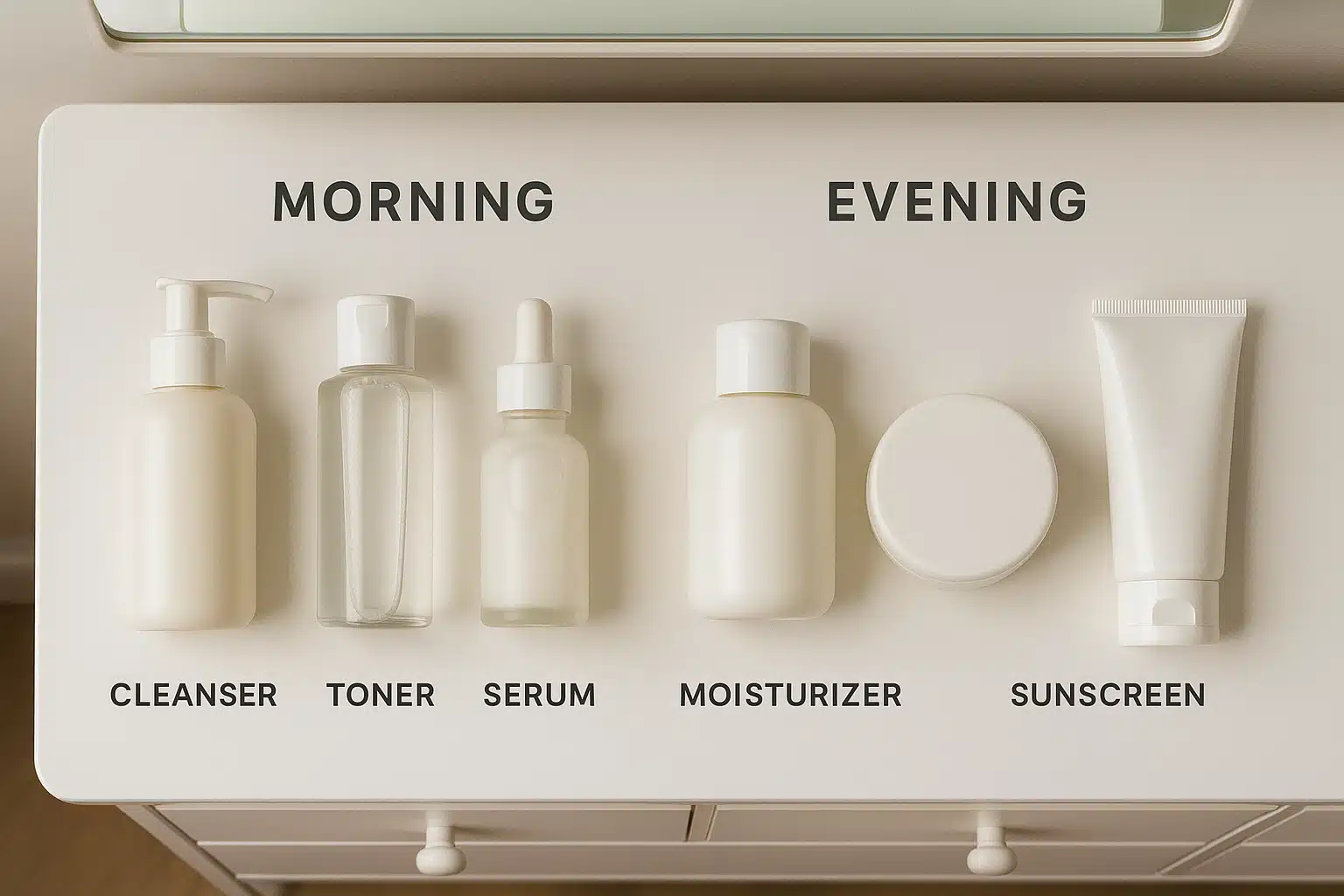
Now that you understand the fundamental steps and your skin type, let’s look at how to structure complete morning and evening routines:
Basic Morning Routine
- Cleanser (gentle, appropriate for your skin type)
- Toner (optional, hydrating or balancing)
- Treatment serum (vitamin C for brightening and antioxidant protection)
- Moisturizer (lightweight, suitable for your skin type)
- Sunscreen (broad-spectrum SPF 30-50)
Basic Evening Routine
- First cleanse (makeup remover or micellar water if wearing makeup/sunscreen)
- Second cleanse (regular facial cleanser)
- Toner (optional)
- Treatment serum (retinol for anti-aging, niacinamide for oil control, or hyaluronic acid for hydration)
- Moisturizer (can be richer than morning formula)
- Optional: Eye cream or targeted spot treatment
Customized Routines by Skin Type
Routine for Dry Skin
Morning:
- Gentle cream or milk cleanser
- Hydrating toner with hyaluronic acid or rose water
- Vitamin C serum (optional)
- Rich moisturizer with ceramides or natural oils
- Hydrating sunscreen with SPF 30-50
Evening:
- Oil-based cleanser or micellar water
- Cream cleanser
- Hydrating toner
- Hyaluronic acid or peptide serum
- Nourishing night cream
- Facial oil (optional, for extra dry skin)
Routine for Oily Skin (Without Active Acne)
Morning:
- Gentle gel or foaming cleanser
- Balancing toner (witch hazel or niacinamide-based)
- Niacinamide serum for oil control
- Lightweight, oil-free gel moisturizer
- Mattifying sunscreen SPF 30-50
Evening:
- Micellar water (if wearing makeup)
- Gel or foaming cleanser
- Balancing toner
- Retinol or niacinamide serum
- Oil-free gel moisturizer or water-gel formula
Routine for Acne-Prone Skin
Morning:
- Gentle, non-stripping cleanser (avoid over-cleansing)
- pH-balancing toner
- Niacinamide or light salicylic acid serum
- Oil-free, non-comedogenic moisturizer
- Oil-free sunscreen (mineral formulas often work well)
Evening:
- Gentle cleanser or alternating between gentle and treatment cleanser (with salicylic acid) every other day
- Balancing toner
- Salicylic acid or benzoyl peroxide treatment serum
- Lightweight, hydrating moisturizer
- Spot treatment for active breakouts (applied after moisturizer)
Important note: If you’re using strong acne treatments, your skin still needs hydration. Don’t skip moisturizer, as this can lead to more irritation and oil production.
Routine for Combination Skin
Morning:
- Gentle, balanced cleanser suitable for all skin types
- Hydrating or balancing toner
- Lightweight serum (vitamin C or niacinamide)
- Balanced moisturizer (not too heavy, not too light)
- Broad-spectrum sunscreen SPF 30-50
Evening:
- Makeup remover (if needed)
- Balanced cleanser
- Toner
- Treatment serum (can vary by zone if needed)
- Balanced moisturizer (consider using gel-cream on T-zone and richer cream on cheeks)
Routine for Sensitive Skin
Morning:
- Fragrance-free, gentle cream or milk cleanser
- Alcohol-free, soothing toner (optional)
- Minimal serum (centella asiatica or simple hyaluronic acid)
- Gentle, fragrance-free moisturizer with soothing ingredients
- Mineral sunscreen (zinc oxide or titanium dioxide-based)
Evening:
- Gentle cleansing milk or cream
- Soothing toner (optional)
- Simple, calming serum if needed
- Rich, fragrance-free moisturizer
Key principle: Keep it simple. Fewer products mean fewer potential irritants. Always patch-test new products on a small area before full application.
Additional Skincare Considerations
Weekly Treatments
Beyond your daily routine, consider incorporating weekly treatments:
- Exfoliation: 1-3 times per week depending on skin type. Use chemical exfoliants (AHAs like glycolic or lactic acid for dry skin; BHAs like salicylic acid for oily skin) or gentle physical exfoliants.
- Face masks: Clay masks for oily skin to absorb excess oil, hydrating sheet masks for dry skin, or soothing masks for sensitive skin.
- Face oils: For extra nourishment, especially for dry or mature skin.
Eye Care
The skin around your eyes is thinner and more delicate than the rest of your face. Consider adding an eye cream to address concerns like dark circles, puffiness, or fine lines. Apply with your ring finger using gentle tapping motions.
Seasonal Adjustments
Your skin’s needs may change with the seasons:
- Winter: Dry air and indoor heating can dehydrate skin. Switch to richer moisturizers and add hydrating serums or facial oils.
- Summer: Heat and humidity may increase oil production. Opt for lighter, gel-based products and be diligent about sunscreen reapplication.
- Spring/Fall: Transitional seasons may require adjusting product weights gradually.
The Importance of Consistency
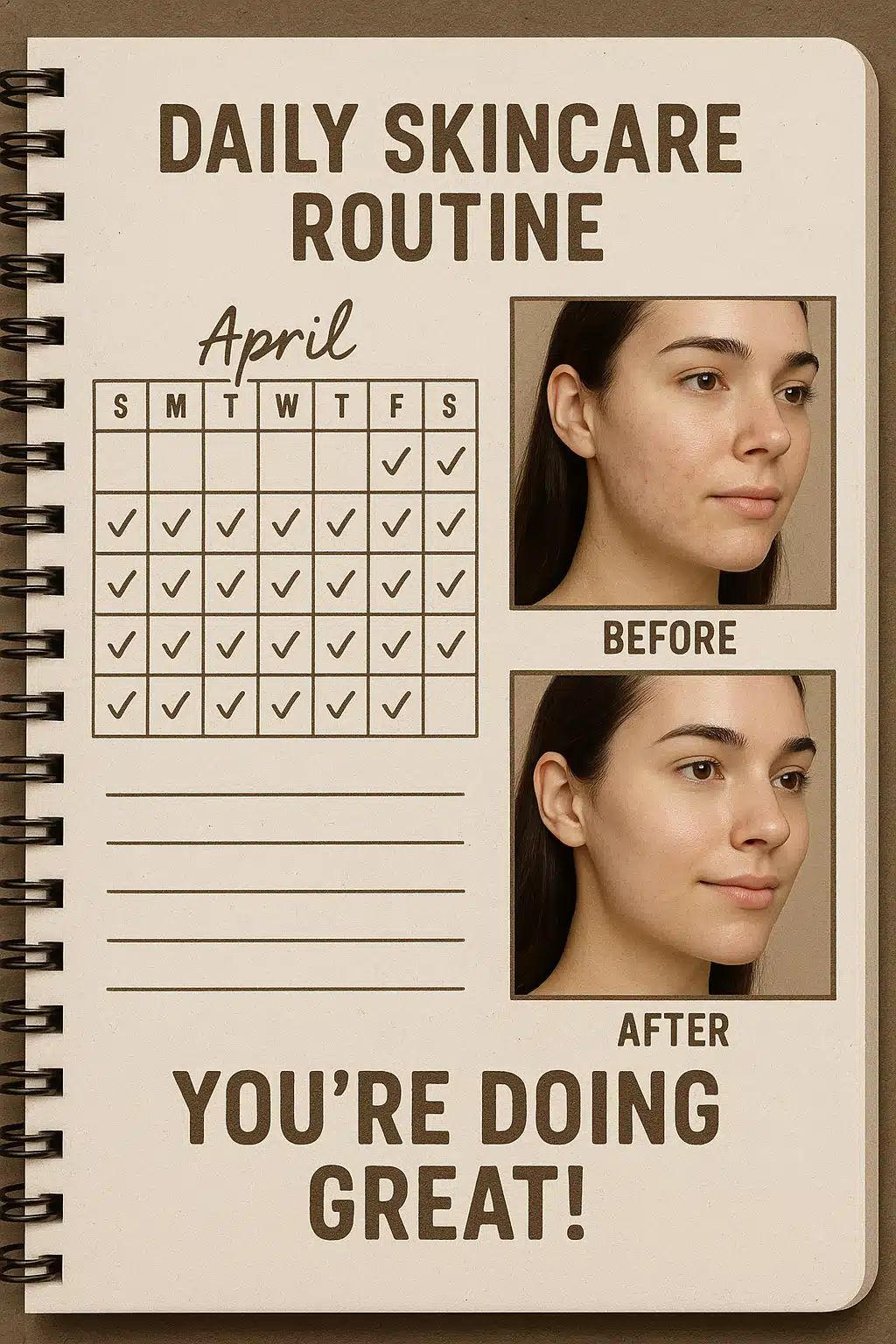
The most effective skincare routine is one you’ll actually follow. Consistency is more important than perfection. It’s better to do a simple three-step routine every day than an elaborate ten-step routine occasionally.
Give products time to work—most ingredients need at least 4-6 weeks to show results, and some (like retinol for anti-aging) may take 3-6 months. Take photos to track your progress, as changes can be gradual and hard to notice day-to-day.
When to Seek Professional Advice
While a good home skincare routine can address many concerns, some situations warrant professional consultation:
- Severe or cystic acne that doesn’t respond to over-the-counter treatments
- Sudden changes in your skin’s behavior or appearance
- Persistent redness, irritation, or suspected allergic reactions
- Suspicious moles or skin growths
- Skin conditions like eczema, psoriasis, or rosacea that need medical management
Dermatologists and licensed estheticians can provide personalized recommendations, prescribe stronger treatments if needed, and help you navigate complex skin concerns.
Final Thoughts: Your Skincare Journey
Building an effective skincare routine is a personal journey. What works beautifully for one person may not suit another, even with the same skin type. Be patient with your skin and yourself as you learn what works best.
Start simple—cleanse, moisturize, and protect with sunscreen—then gradually add targeted treatments as you identify your needs. Listen to your skin: if it feels tight, add more hydration; if it’s breaking out, simplify your routine and check for comedogenic ingredients.
Remember that healthy skin is a long-term investment. The small daily actions you take now will pay dividends in the health, resilience, and appearance of your skin for years to come. With knowledge, patience, and consistency, you can achieve the clear, healthy, radiant complexion you deserve.