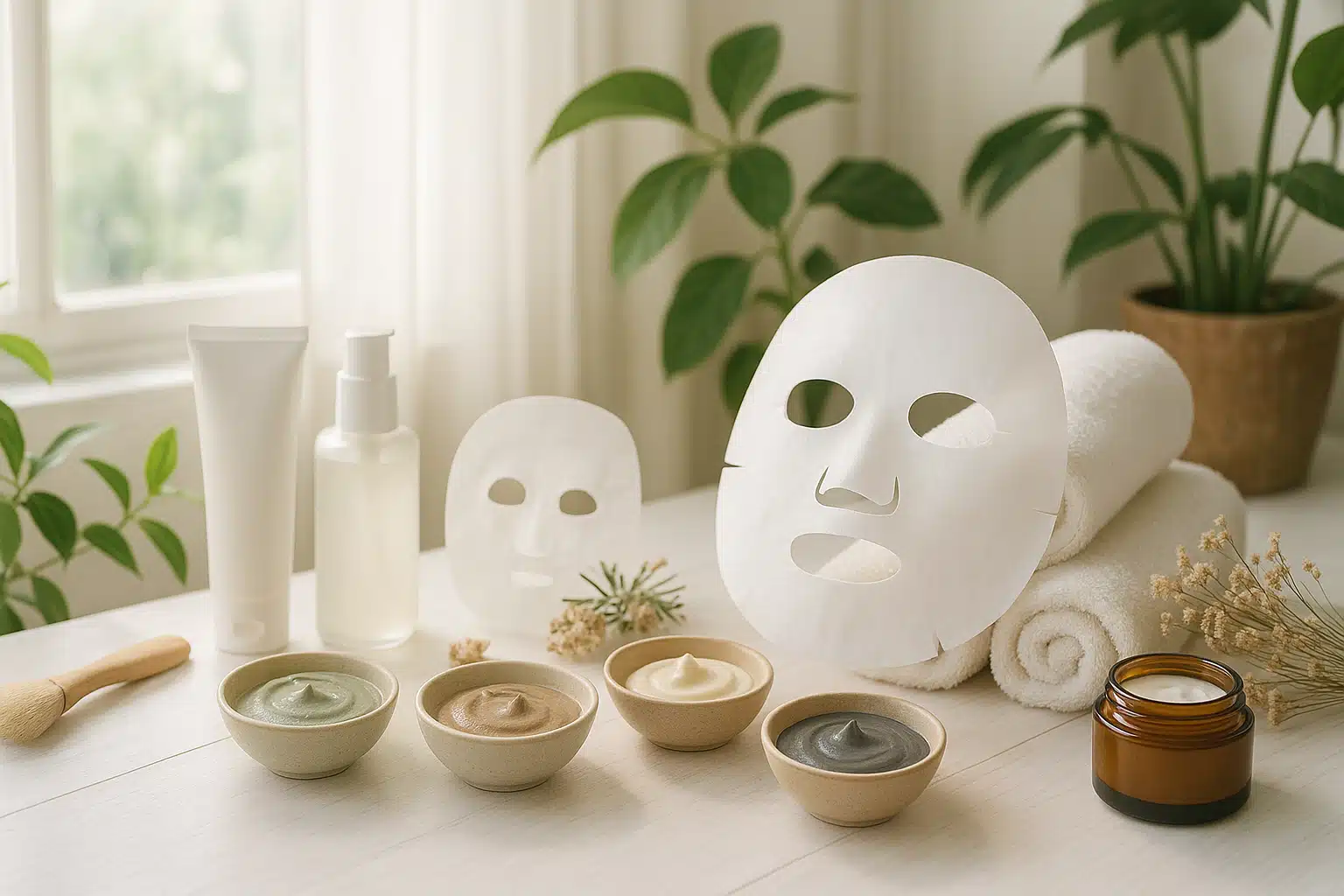
How to Use a Facial Mask
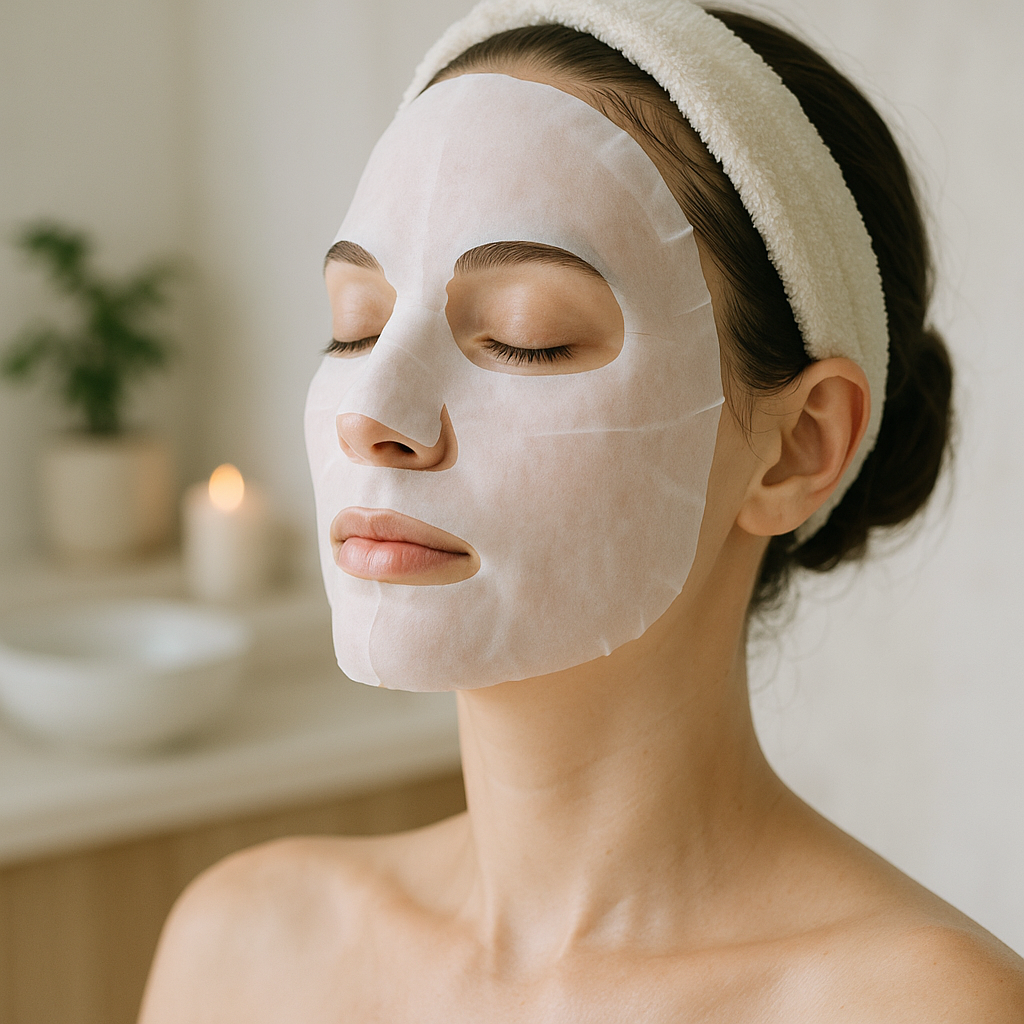
Facial masks have become a cornerstone of modern skincare routines worldwide, offering a convenient and effective way to nourish, hydrate, and revitalize the skin. Among the various types available, sheet masks stand out as particularly popular due to their ease of use and immediate results. These masks typically consist of a thin sheet made from cotton, cellulose, or bio-cellulose fibers, saturated with concentrated serum formulations designed to deliver targeted benefits to your skin.
The serums infused in facial masks contain a diverse array of beneficial ingredients tailored to address different skin concerns. Common components include hyaluronic acid for deep hydration, vitamins C and E for brightening and antioxidant protection, peptides for anti-aging benefits, and niacinamide for improved skin texture. Specialized formulations may incorporate natural extracts such as seaweed for mineral replenishment, aloe vera for soothing irritation, green tea for its antioxidant properties, or charcoal for deep pore cleansing and detoxification.
It’s important to understand that facial masks serve a specific purpose within your skincare routine. While they excel at delivering concentrated doses of active ingredients and hydration, they are not designed to replace cleansing or exfoliating products. Instead, they work best as a complementary treatment that enhances your overall skincare regimen by providing an intensive boost of nourishment that penetrates deeply into the skin layers.
When Is the Best Time to Use a Facial Mask?
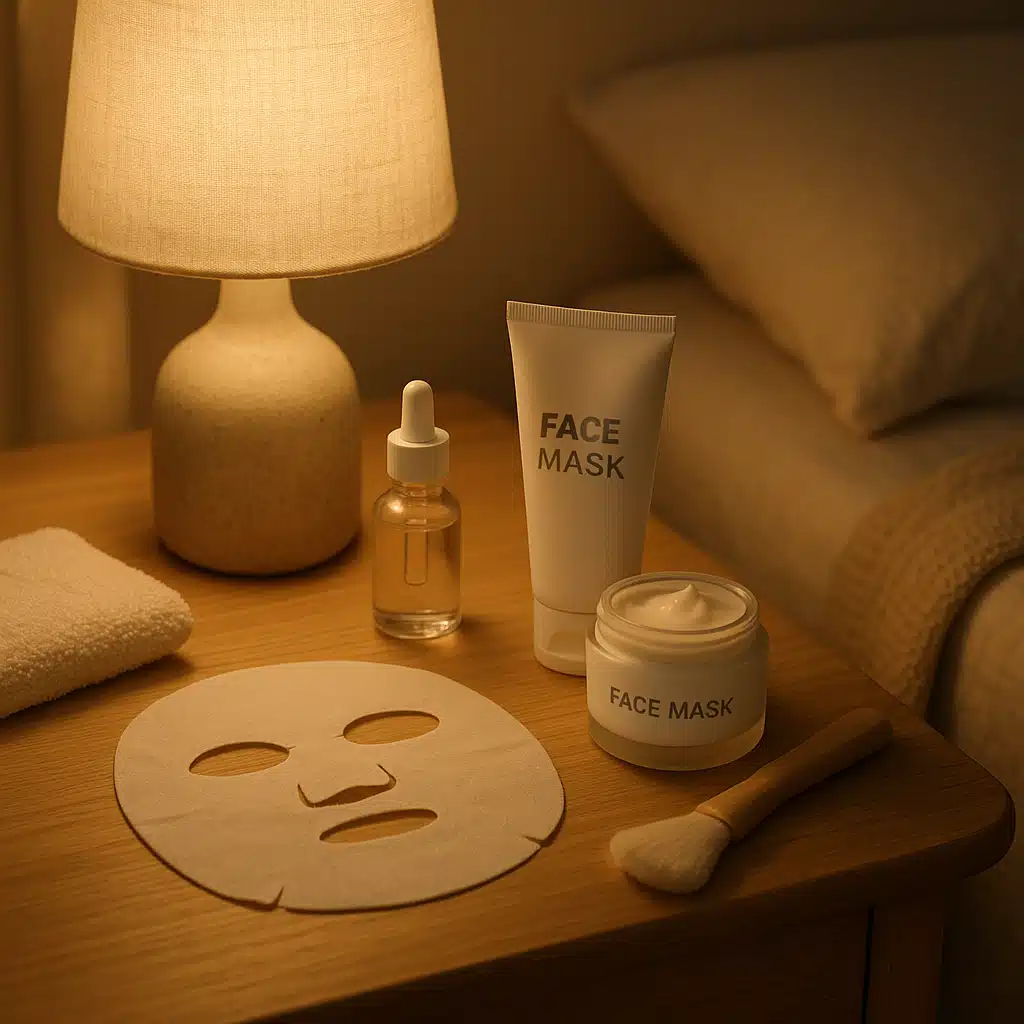
The optimal timing for applying facial masks varies depending on the specific type and intended purpose of the product. Understanding when to use different mask formulations can significantly enhance their effectiveness and help you achieve better results from your skincare routine.
For masks designed primarily for deep cleansing, pore purification, or anti-aging treatments with active ingredients, evening application is generally recommended. Using these masks at night, after thoroughly removing all makeup and daily impurities, allows the active ingredients to work undisturbed while your skin undergoes its natural repair and regeneration process during sleep. This nighttime application is particularly beneficial because your skin is most receptive to treatment during rest periods.
Conversely, hydrating sheet masks, gel-based masks, and cream masks offer greater flexibility in terms of application timing. These can be effectively incorporated into either your morning or evening routine, depending on your personal schedule and preferences. Morning application can provide an excellent hydration boost and create a smooth, glowing canvas for makeup application, while evening use contributes to overnight skin recovery and rejuvenation.
Regardless of the timing you choose, one crucial aspect of proper mask application is maintaining facial relaxation throughout the treatment period. Avoid talking, making facial expressions, or moving your facial muscles excessively while wearing a mask. This stillness allows the mask to maintain optimal contact with your skin and ensures even distribution and absorption of the beneficial ingredients across all areas of your face.
Types of Facial Masks
To fully understand how to incorporate facial masks into your skincare routine effectively, it’s essential to familiarize yourself with the various types available. Facial masks can be broadly categorized into two main groups: homemade masks and commercially manufactured products. While homemade masks offer the advantage of using fresh, natural ingredients you may already have at home—such as dairy products, honey, fruits, seeds, and various botanical extracts—commercially produced masks provide standardized formulations, consistent quality, convenient packaging, and scientifically tested ingredient combinations.
Commercially manufactured masks come in several distinct formats, each with unique characteristics, application methods, and benefits. Understanding these differences will help you select the most appropriate option for your specific skin concerns and lifestyle preferences.
Sheet Masks
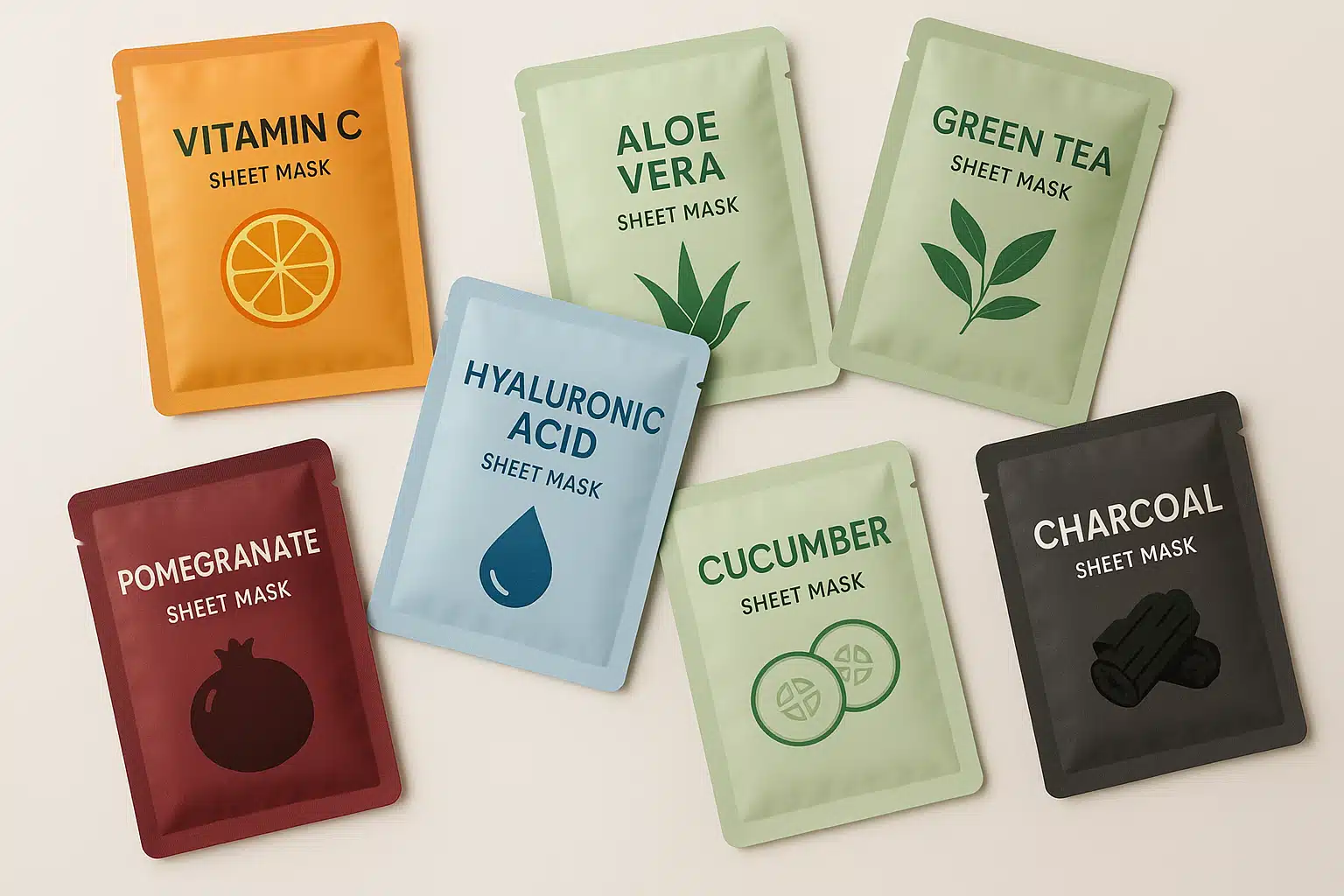
Sheet masks represent one of the most innovative and convenient developments in modern skincare technology. These masks consist of one or multiple layers of biocompatible material—typically cotton, microfiber, hydrogel, or bio-cellulose—pre-soaked in a concentrated serum solution containing various active ingredients tailored to specific skin concerns.
The primary appeal of sheet masks lies in their exceptional convenience and user-friendliness. Unlike traditional masks that require mixing, measuring, or complex application techniques, sheet masks are ready to use immediately upon opening the package. Simply unfold the mask, position it on your clean face, and allow it to work its magic. This simplicity makes them ideal for busy individuals, travel situations, or anyone seeking a quick yet effective skincare treatment.
Sheet masks are suitable for use at various times throughout the day or night, with the exception of those specifically formulated for exfoliation or deep cleansing purposes. They’re particularly popular as a quick pick-me-up before special events, as part of a weekly self-care ritual, during travel to combat skin dehydration, or whenever your skin needs an extra boost of hydration and nourishment. The occlusive nature of the sheet material helps prevent the serum from evaporating, ensuring maximum absorption and effectiveness.
Exfoliating Masks
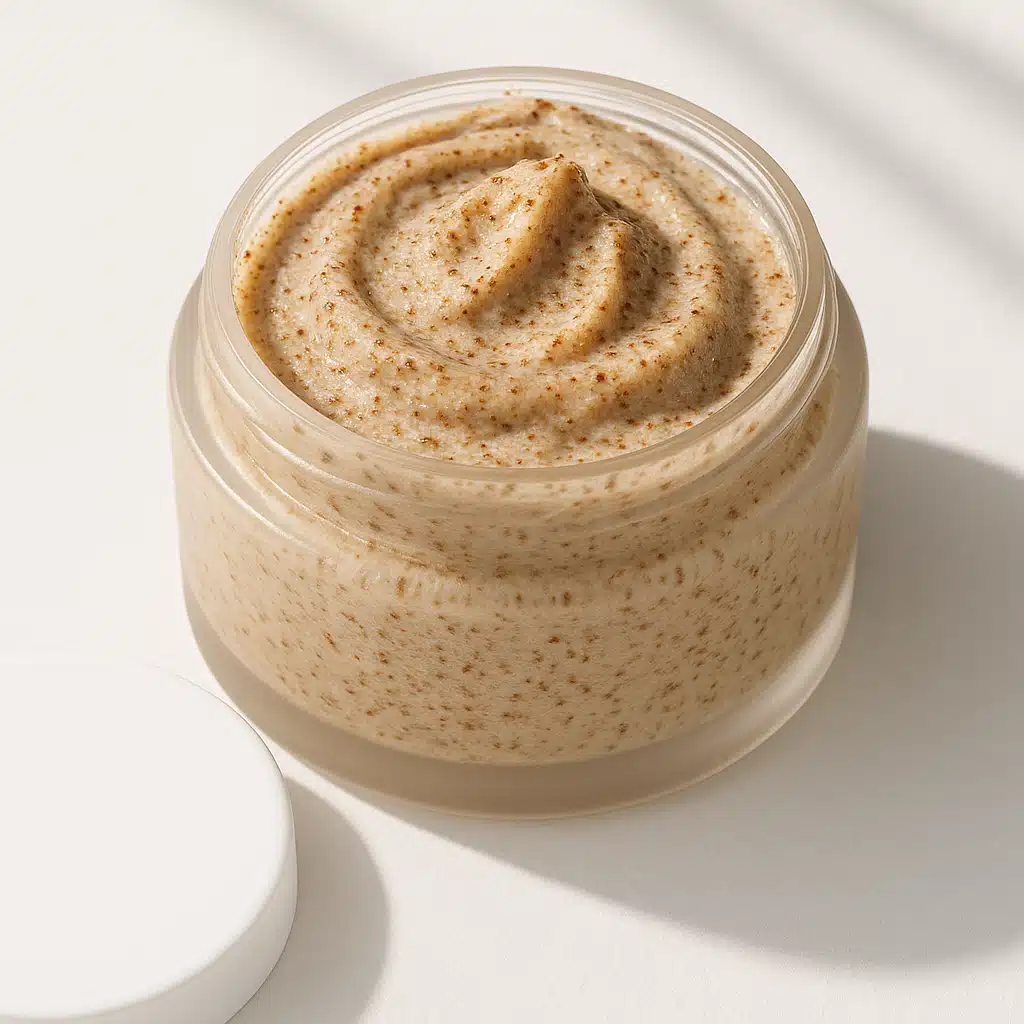
For those seeking to achieve clearer, smoother, and more radiant skin, exfoliating masks offer an excellent solution for removing dead skin cells that accumulate on the surface and can lead to dullness, rough texture, and clogged pores. These specialized masks contain active exfoliating agents that work to slough away the outermost layer of dead cells, revealing the fresher, healthier skin beneath.
Exfoliating masks are available in various formulations to suit different preferences and skin types. Gel-based exfoliating masks often incorporate chemical exfoliants such as alpha-hydroxy acids (AHAs) or beta-hydroxy acids (BHAs), which dissolve the bonds holding dead cells together. Cream-based formulations may combine chemical exfoliants with physical exfoliating particles for a dual-action approach. Traditional clay or mud-based exfoliating masks work by absorbing excess oil and impurities while gentle physical exfoliants buff away dead cells as you rinse.
Frequency of use is a critical consideration with exfoliating masks. While they deliver impressive results, moderation is essential to prevent over-exfoliation, which can compromise your skin’s protective barrier and lead to sensitivity, irritation, redness, excessive dryness, or increased susceptibility to environmental damage. For most skin types, using an exfoliating mask once or twice weekly provides optimal benefits without causing harm. Those with sensitive skin may need to reduce frequency to once per week or less, while individuals with resilient, oily skin might tolerate slightly more frequent use.
Step-by-Step Guide for Using Sheet Masks
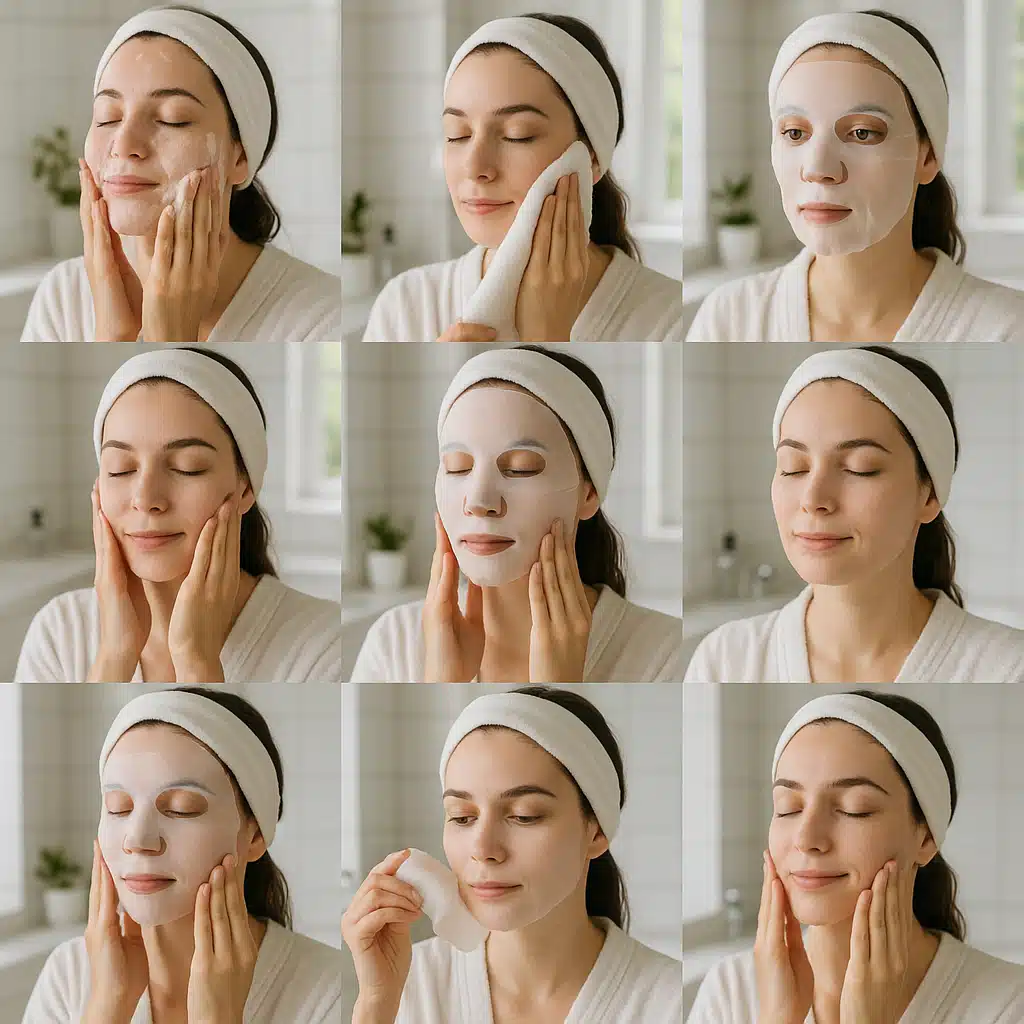
To maximize the benefits of your sheet mask and achieve professional-quality results at home, follow this comprehensive step-by-step application process:
- Thoroughly cleanse your skin: Begin by removing all makeup, sunscreen, and daily impurities using a gentle, pH-balanced cleanser suitable for your skin type. Use lukewarm water rather than hot water, which can strip natural oils and cause irritation. Massage the cleanser in circular motions for at least 60 seconds to ensure complete cleansing, then rinse thoroughly. Gently pat your face dry with a clean, soft towel using pressing motions rather than rubbing, which can irritate the skin and cause unnecessary stretching.
- Apply a balancing toner: After cleansing and before applying your sheet mask, use an alcohol-free toner or essence to restore your skin’s optimal pH balance and prepare it for maximum absorption of the mask’s beneficial ingredients. Apply the toner using clean hands, a cotton pad, or by gently patting it directly onto your skin. This preparatory step helps open pores slightly and creates an ideal environment for the active ingredients in the sheet mask to penetrate effectively.
- Carefully position the sheet mask: Remove the mask from its packaging and unfold it completely. Most sheet masks have a protective layer that should be removed before application. Starting at your forehead, align the mask with your facial contours, ensuring proper positioning of the eye, nose, and mouth openings. Gently smooth the mask outward from the center of your face toward the edges, pressing it firmly against your skin to eliminate air bubbles and ensure complete contact. Pay special attention to areas around the nose, mouth, and jawline where the mask tends to lift.
- Relax for the recommended duration: Leave the sheet mask on your face for the time specified in the product instructions, typically between 15 and 25 minutes. During this period, lie down or recline in a comfortable position to prevent the mask from sliding. Use this time to unwind, meditate, listen to calming music, or practice deep breathing exercises. Avoid making facial expressions, talking, or engaging in activities that require facial muscle movement, as maintaining stillness allows for optimal ingredient absorption.
- Remove without rinsing: After the designated time has elapsed, carefully peel the sheet mask away from your face, starting from the edges and working inward. The mask should still feel slightly damp; if it has become completely dry, you may have left it on too long. Importantly, do not rinse your face after removing the mask. The remaining serum on your skin contains valuable active ingredients that continue to provide benefits. Instead, gently massage any excess serum into your skin using upward and outward motions, allowing it to absorb fully.
Are Expired Facial Masks Harmful?
Just like all skincare and cosmetic products, facial masks have a limited shelf life and are formulated to remain stable and effective only for a specific period. Using masks beyond their expiration date can potentially compromise both the efficacy of the product and the health of your skin, making it essential to pay attention to expiration information.
Before purchasing or using any facial mask, carefully examine the packaging for expiration dates, manufacturing dates, or “period after opening” (PAO) symbols—typically represented by an open jar icon with a number indicating how many months the product remains safe to use after opening. Store unused masks according to the manufacturer’s recommendations, typically in a cool, dry place away from direct sunlight and extreme temperatures, which can accelerate ingredient degradation.
The risks associated with expired masks stem from the breakdown of active ingredients, which lose their potency over time, and the potential for microbial contamination, particularly in products containing natural or organic ingredients without strong preservative systems. Using expired masks may result in reduced effectiveness at best, or at worst, can cause adverse reactions including irritation, inflammation, breakouts, allergic responses, or infections. When in doubt, err on the side of caution and replace expired products rather than risk compromising your skin’s health.
How Long Should a Facial Mask Stay On?
The optimal duration for leaving a facial mask on your skin varies considerably depending on the specific formulation, active ingredients, and intended purpose of the product. While general guidelines suggest that most facial masks should remain on the skin for approximately 5 to 20 minutes, the exact timing should always be determined by the manufacturer’s instructions provided on the product packaging or accompanying literature.
Understanding the importance of proper timing is crucial for achieving desired results. Removing a mask prematurely—before the recommended minimum time—prevents the active ingredients from having sufficient opportunity to penetrate the skin and deliver their full benefits, resulting in diminished effectiveness and suboptimal outcomes. Conversely, leaving a mask on significantly longer than recommended can be counterproductive and potentially harmful. As masks dry out, they can begin to draw moisture back out of your skin, leading to dehydration, tightness, irritation, sensitivity, and in some cases, visible flaking or redness.
Different mask types have varying optimal application times based on their formulations. Hydrating sheet masks typically require 15-20 minutes, clay or mud masks generally need 10-15 minutes, gel masks may recommend 15-20 minutes, and exfoliating masks might only require 5-10 minutes due to their more active formulations. Always set a timer to ensure accurate timing and avoid the temptation to leave masks on “just a little longer” in hopes of enhanced results, as this rarely improves outcomes and may instead cause problems.
How Many Times Can a Facial Mask Be Used?
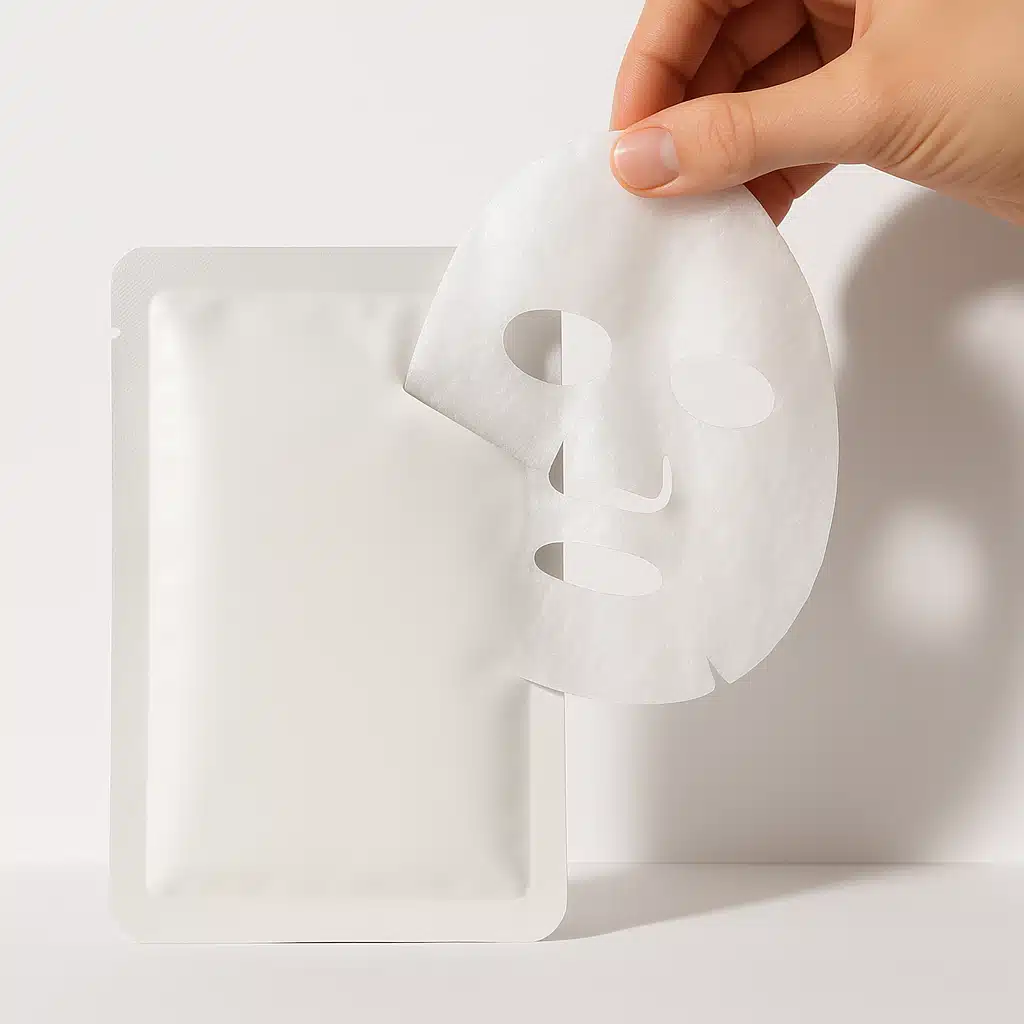
The question of whether facial masks can be reused or are intended for single application only depends primarily on the type of mask and its specific design characteristics. Understanding these distinctions helps ensure both safety and effectiveness while preventing waste or inadvertent misuse.
Sheet masks are universally designed and intended for single use only. These disposable products are formulated with a specific amount of serum calculated to deliver optimal benefits in one application. Once removed from your face, the sheet material has been exposed to bacteria from your skin and the surrounding environment, making reuse unhygienic and potentially harmful. Attempting to save and reuse a sheet mask can introduce bacteria back onto your skin, potentially causing breakouts, infections, or other adverse reactions.
However, some mask formats—particularly certain silicone-based masks, reusable cloth masks designed to be paired with serums, or washable gel masks—are specifically engineered for multiple uses. These products typically come with clear instructions regarding proper cleaning, storage, and the maximum number of applications. If you’re unsure whether a mask is reusable, the packaging or product information will explicitly state this feature, as it’s a significant selling point that manufacturers highlight prominently.
To maximize the effectiveness of any mask, regardless of type, always begin with thoroughly cleansed skin. Properly cleansing removes surface impurities, excess oils, and barriers that might prevent optimal absorption of the mask’s beneficial ingredients. Use a gentle yet effective cleanser appropriate for your skin type, rinse with lukewarm water, and ensure your skin is completely dry before applying the mask. This preparatory step significantly enhances the mask’s ability to deliver its active ingredients effectively.
What to Do After Using a Facial Mask
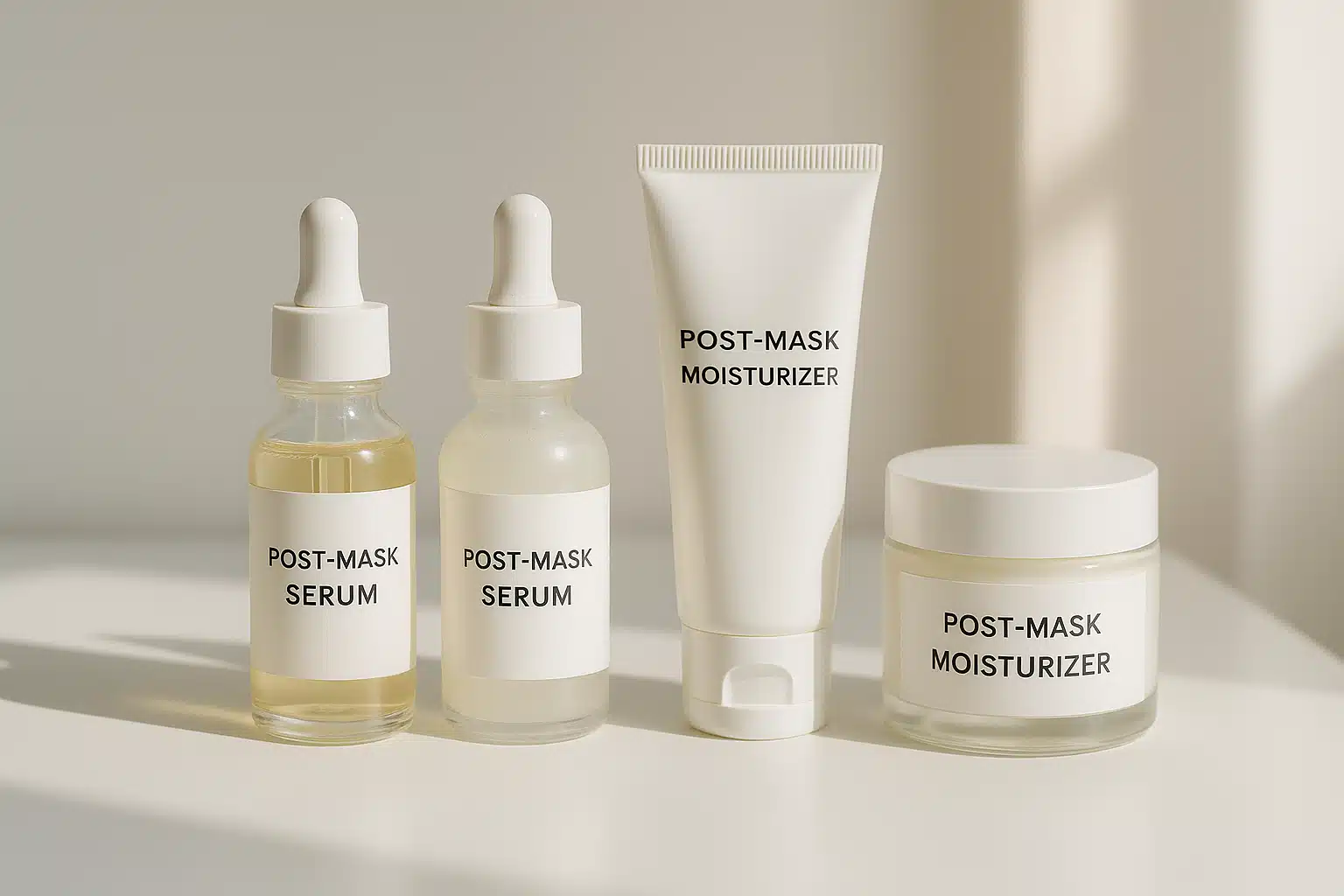
The post-mask skincare routine is just as important as the application process itself, as the steps you take immediately after removing a mask can significantly impact the overall results and long-term benefits. Understanding proper aftercare ensures you maximize the investment you’ve made in your facial mask treatment.
After removing your mask, you may notice that your skin feels slightly sticky or tacky from the residual serum. This sensation might tempt you to immediately wash your face, but resist this urge. Rinsing your face at this stage would be counterproductive, washing away the concentrated active ingredients that are still in the process of being absorbed. These ingredients need adequate time—typically 10 to 15 minutes—to fully penetrate the skin layers and deliver their intended benefits. The slight stickiness is temporary and will dissipate as the serum absorbs completely.
At this post-mask stage, your skin is in an optimal state to receive additional treatment products. The cleansing and hydration provided by the mask have prepared your skin, opened your pores, and created ideal conditions for maximum absorption of subsequent skincare products. This makes the immediate post-mask period the perfect time to apply targeted treatment serums that address your specific skin concerns.
Consider applying serums containing ingredients such as vitamin C for brightening and antioxidant protection, hyaluronic acid for additional hydration, niacinamide for pore refinement and tone evening, retinol or retinol alternatives for anti-aging benefits, or specialized treatments for concerns like hyperpigmentation, acne, or sensitivity. Gently pat these serums into your skin using your fingertips, allowing each product a moment to absorb before applying the next.
Following serum application, the next crucial step is moisturizing. Even if your mask was intensely hydrating, sealing in that moisture with an appropriate moisturizer is essential for maintaining hydration levels and protecting your skin’s barrier function. Choose a moisturizer formulated for your specific skin type—whether that’s a lightweight gel for oily skin, a balanced lotion for combination skin, or a richer cream for dry or mature skin. These products contain occlusive and emollient ingredients that create a protective layer, preventing transepidermal water loss and keeping your skin soft, supple, and comfortable.
If you’ve completed your masking routine during daytime hours, one final and absolutely essential step remains: sun protection. Your skin is particularly receptive and slightly more vulnerable after a mask treatment, making it more susceptible to potential UV damage. Apply a broad-spectrum sunscreen with an SPF of at least 30, ensuring adequate coverage across all exposed areas of your face, neck, and any other treated areas. This protection is vital regardless of weather conditions or whether you plan to spend time outdoors, as harmful UV rays penetrate windows and can cause damage even during brief incidental exposure.
Maximizing Your Mask Experience
Now that you’re thoroughly familiar with all aspects of facial mask usage, from selection through application to post-treatment care, consider these additional tips to enhance your masking experience and extract maximum value from each treatment.
Remember that sheet masks are strictly single-use products that should be properly disposed of immediately after removal. The used sheet material harbors bacteria, dead skin cells, and environmental pollutants that accumulated during the treatment period, making reuse not only ineffective but potentially harmful to your skin. However, this doesn’t mean that everything must go to waste.
The excess serum remaining in the original mask packaging represents a valuable resource that shouldn’t be discarded. This concentrated formula can be applied to other areas of your body that would benefit from the same nourishing ingredients. Consider massaging this leftover serum into your hands, which are often exposed to harsh conditions and show early signs of aging. Your neck and décolletage area, which are frequently neglected in skincare routines despite being highly visible and prone to aging, will appreciate this extra attention. Elbows, knees, and heels—areas that tend toward dryness and roughness—can also benefit significantly from the hydrating and smoothing properties of facial mask serums.
When applying this excess serum to your body, use gentle massaging motions, working the product into the skin until fully absorbed. This not only extends the value of your mask purchase but also promotes circulation and provides a moment of self-care ritual that benefits both your physical appearance and mental wellbeing.
Consistency is key to seeing meaningful results from facial masks. While a single mask application can provide immediate improvements in hydration and glow, incorporating masks regularly into your skincare routine—typically once or twice weekly depending on your skin’s needs and the mask type—produces cumulative benefits that become increasingly noticeable over time. Consider designating specific days as your “mask days” to establish a routine that becomes an enjoyable ritual rather than a chore.
Conclusion
Facial masks represent one of the most accessible, enjoyable, and effective components of a comprehensive skincare routine, offering benefits that range from immediate hydration and radiance to long-term improvements in skin texture, tone, and overall health. By understanding the different types of masks available, selecting formulations appropriate for your specific skin concerns, following proper application techniques, and implementing correct aftercare procedures, you can transform these simple products into powerful tools for achieving and maintaining healthy, glowing skin.
The key principles to remember include always starting with thoroughly cleansed skin, adhering to recommended application times rather than extending them, treating sheet masks as single-use products while making use of excess serum for other body areas, avoiding the temptation to rinse immediately after mask removal, following up with appropriate serums and moisturizers, and protecting your skin with sunscreen during daytime use. These practices ensure safety, maximize effectiveness, and help you achieve the best possible results from each masking session.
Whether you’re new to facial masks or a longtime enthusiast seeking to refine your technique, the comprehensive guidance provided here equips you with the knowledge needed to make informed decisions and develop a masking routine that delivers visible, lasting benefits. Remember that skincare is inherently personal, and what works beautifully for one person may need adjustment for another. Pay attention to how your skin responds, adjust frequency and product selection as needed, and don’t hesitate to experiment with different mask types until you find the combinations that work best for your unique skin.
We hope this detailed guide has provided valuable insights and practical information that will enhance your facial mask experience and contribute to your journey toward healthier, more radiant skin. Here’s to enjoying the simple pleasure and remarkable benefits of regular facial mask treatments as part of your self-care routine.