
Understanding Your Skin Type and Caring for Dry Skin
Knowing your skin type is the foundation of an effective skincare routine. Whether you have dry, oily, combination, normal, or sensitive skin, understanding its unique characteristics helps you choose the right products and treatments. In this comprehensive guide, we’ll walk you through how to identify your skin type at home and provide detailed strategies for caring for dry skin—one of the most common skin concerns worldwide.

Recognizing the Signs of Dry Skin
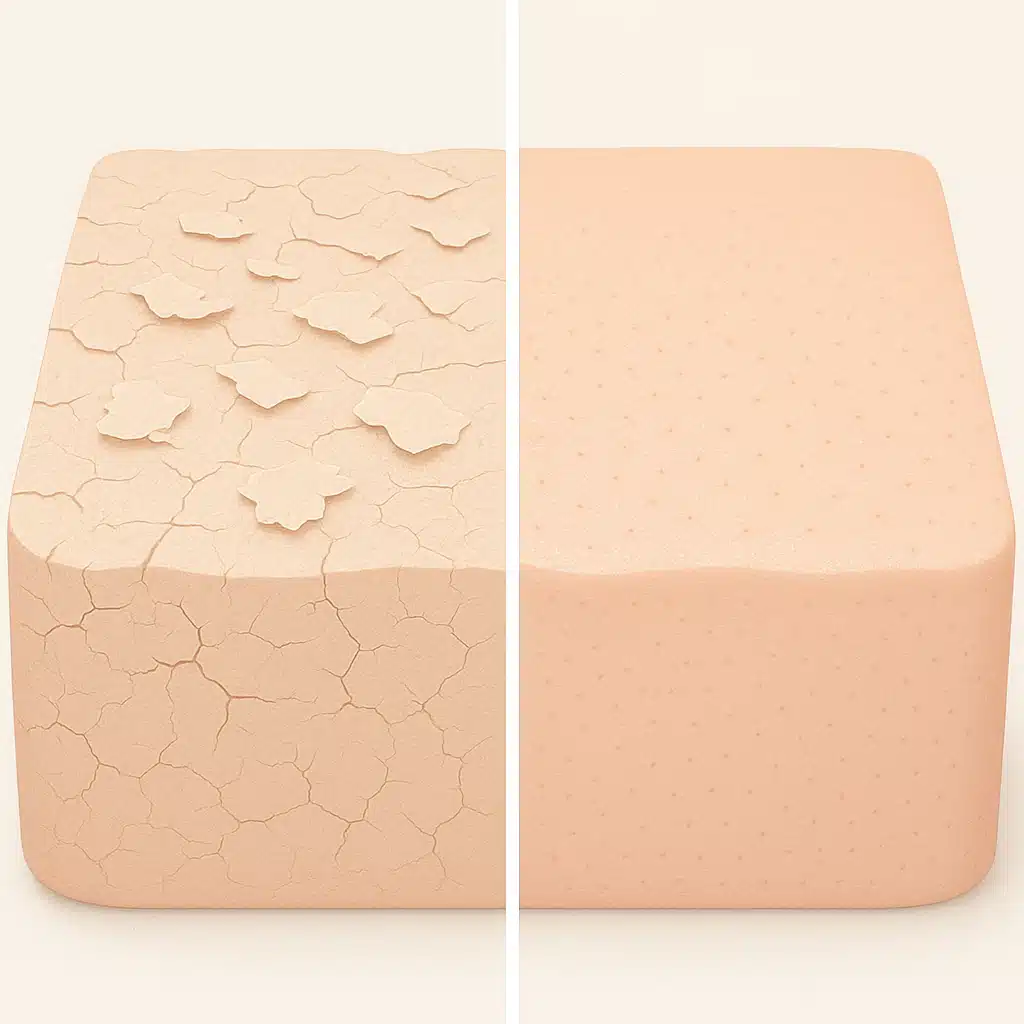
Dry skin exhibits several distinctive characteristics that set it apart from other skin types. Common signs include flakiness, visible fine lines, small or barely visible pores, a rough texture, and occasional tightness or discomfort. Makeup may not apply smoothly on dry skin, often appearing patchy or settling into fine lines. This can affect not only your appearance but also your confidence and overall well-being.
Understanding these signs early allows you to take proactive steps in your skincare routine, preventing further discomfort and maintaining a healthy, radiant complexion.
The Five Main Skin Types Explained
Human skin is generally classified into five distinct types, each with unique needs and characteristics:
- Normal Skin: Balanced oil production, even texture, few blemishes, and minimal sensitivity.
- Oily Skin: Overactive sebaceous glands, visible pores, shiny appearance, and prone to breakouts.
- Dry Skin: Produces less natural oil, often feels tight, may flake or crack, and is sensitive to environmental changes.
- Combination Skin: Features both oily and dry areas, typically with an oily T-zone (forehead, nose, chin) and drier cheeks.
- Sensitive Skin: Easily irritated, prone to redness, itching, and reactions to products or environmental factors.
Identifying your specific skin type is essential because the needs of dry skin differ significantly from those of oily or combination skin. Using products formulated for the wrong skin type can exacerbate existing issues or create new ones.
Two Effective Methods to Identify Your Skin Type
There are two primary approaches to determining your skin type, each with its own advantages:
Method 1: Professional Consultation
Visiting a dermatologist or licensed skincare professional provides the most accurate assessment of your skin type. This is particularly recommended if you have persistent skin concerns such as acne, hyperpigmentation, rosacea, or eczema. A professional can analyze your skin using specialized tools and recommend tailored treatments and products.
Method 2: At-Home Skin Type Test
If professional consultation isn’t immediately accessible, you can perform a simple at-home test to determine your skin type. This method is cost-effective and provides useful insights into your skin’s behavior.

Step-by-Step At-Home Skin Type Test
Follow these steps to accurately determine your skin type from the comfort of your home:
- Cleanse Your Face: Wash your face thoroughly with a mild, fragrance-free cleanser to remove all makeup, oils, and impurities.
- Wait Three Hours: Do not apply any skincare products, cosmetics, or treatments. Let your skin return to its natural state.
- The Paper Test: Take a clean piece of white tissue paper or blotting paper and gently press it against different areas of your face—forehead, nose, cheeks, and chin.
Interpreting the Results:
- Oily Skin: The paper sticks to your skin and shows visible oil spots across most areas.
- Normal Skin: The paper adheres lightly but shows minimal to no oil marks.
- Dry Skin: The paper does not stick and falls away easily, with no oil visible.
- Combination Skin: The paper sticks to some areas (usually the T-zone) but not others (typically the cheeks).
- Sensitive Skin: This type cannot be identified through the paper test alone. If your skin becomes red, itchy, or irritated during the three-hour waiting period without any product application, you likely have sensitive skin.
Understanding Dry Skin in Depth
Dry skin occurs when the skin produces insufficient natural oils (sebum) compared to normal or oily skin types. This leads to a compromised skin barrier, making it difficult to retain moisture. As a result, dry skin often appears flaky, rough, and may develop fine lines or cracks. These tiny fissures in the skin’s surface allow moisture to escape more easily and make the skin more vulnerable to environmental stressors.
Dry skin can affect the entire body, not just the face. Many people with dry facial skin also experience dryness on their scalp, hands, legs, and other areas. This skin type is more susceptible to conditions like eczema and dermatitis and reacts more sensitively to temperature changes, low humidity, and harsh weather conditions.
Common Causes of Dry Skin:
- Genetics: Your skin type is largely inherited from your parents.
- Environmental Factors: Cold weather, low humidity, indoor heating, and air conditioning can strip moisture from the skin.
- Age: As we age, our skin naturally produces less oil, making dryness more common in older adults.
- Lifestyle Factors: Hot showers, harsh soaps, and over-washing can exacerbate dryness.

Dry Skin vs. Dehydrated Skin: What’s the Difference?
While dry skin and dehydrated skin may appear similar, they are fundamentally different conditions requiring different approaches.
Dry Skin is a skin type characterized by a lack of natural oil production. It is a chronic condition influenced primarily by genetics and environmental factors.
Dehydrated Skin is a temporary condition that can affect any skin type—even oily skin. It occurs when the skin lacks sufficient water content rather than oil. Dehydration can result from inadequate water intake, excessive caffeine or alcohol consumption, extreme dieting, certain medications, or the use of harsh skincare products.
Signs of dehydrated skin include dullness, increased sensitivity, more pronounced fine lines, and a tight or uncomfortable feeling. The good news is that dehydrated skin is usually reversible with proper hydration—both internal (drinking plenty of water) and external (using hydrating skincare products).
Fortunately, the care routine for dry skin also effectively addresses dehydration, so following the steps outlined below will benefit both conditions.
Daily Morning Skincare Routine for Dry Skin
Establishing a consistent morning skincare routine helps protect and nourish dry skin throughout the day. Here’s a step-by-step guide:
Step 1: Gentle Cleansing
Start your day by washing your face with a mild, hydrating cleanser. Avoid cleansers containing sulfates, alcohol, or strong fragrances, as these can strip away natural oils and worsen dryness. Look for cream-based or oil-based cleansers that cleanse effectively while maintaining your skin’s moisture barrier.
Step 2: Apply a Hydrating Serum
After cleansing, apply a facial serum formulated for dry skin. Serums are lightweight, fast-absorbing liquids packed with concentrated active ingredients. For dry skin, look for serums containing hyaluronic acid (which attracts and retains moisture), vitamin E (an antioxidant that nourishes and protects), and peptides (which support skin repair).
Serums also help protect your skin from environmental pollutants and free radicals—unstable molecules that can damage skin cells and accelerate aging. By neutralizing these harmful molecules, antioxidant-rich serums help maintain a healthy, youthful complexion.

Step 3: Moisturize Immediately
This is perhaps the most critical step in a dry skin routine. Apply your moisturizer within three minutes of cleansing and applying serum—this is when your skin is most receptive to locking in hydration.
Choose a rich, emollient moisturizer specifically designed for dry skin. Effective ingredients to look for include:
- Hyaluronic Acid: Holds up to 1,000 times its weight in water, providing deep hydration.
- Ceramides: Lipids that restore and maintain the skin’s natural barrier.
- Glycerin: A humectant that draws moisture from the air into the skin.
- B Vitamins (especially B3/Niacinamide): Improve skin texture and strengthen the moisture barrier.
- Shea Butter or Squalane: Rich emollients that soften and smooth the skin.
Avoid moisturizers with alcohol, artificial fragrances, or irritating ingredients that can worsen dryness.
Step 4: Apply Broad-Spectrum Sunscreen
Sun protection is essential for all skin types, but especially for dry skin, which is more vulnerable to UV damage. Apply a broad-spectrum sunscreen with an SPF of 30 or higher every morning, even on cloudy days or when staying indoors (UV rays can penetrate windows).
For dry skin, mineral sunscreens containing zinc oxide or titanium dioxide can be gentler than chemical sunscreens. Look for sunscreens with added moisturizing ingredients to provide additional hydration throughout the day.
Beyond sunscreen, protect your skin by wearing protective clothing, sunglasses, and wide-brimmed hats when outdoors, and seek shade whenever possible, especially during peak sun hours.

Nighttime Skincare Routine for Dry Skin
Your skin repairs and regenerates itself most actively during sleep, making your nighttime routine equally important. Here’s how to optimize your evening skincare for dry skin:
Step 1: Remove Makeup Thoroughly
Begin by removing all traces of makeup, sunscreen, and surface impurities. Use an oil-based makeup remover or cleansing balm, which effectively dissolves makeup and waterproof products without stripping your skin’s natural moisture. Oil-based removers are especially beneficial for dry skin as they cleanse while nourishing.
Step 2: Cleanse Your Face
After removing makeup, cleanse your face with the same gentle, hydrating cleanser you use in the morning. This second cleanse (known as double cleansing) ensures that all remaining dirt, oil, and residue are removed, preparing your skin to absorb the beneficial ingredients in your nighttime products.
Step 3: Exfoliate (Twice Weekly)
Exfoliation is essential for removing dead skin cells that accumulate on the surface, which can make dry skin appear dull and flaky. However, over-exfoliating can damage the skin barrier, so limit this step to 2-3 times per week.
For dry skin, choose a gentle exfoliator with moisturizing properties. Options include:
- Physical Exfoliants: Gentle scrubs with fine, smooth particles (avoid harsh, jagged scrubs that can cause micro-tears).
- Chemical Exfoliants: Products containing lactic acid or PHA (polyhydroxy acids), which are gentler than glycolic acid or salicylic acid and provide hydration while exfoliating.
Exfoliating regularly helps your skin better absorb serums and moisturizers, improving their effectiveness.
Step 4: Apply a Nourishing Serum
Nighttime is the ideal time to use more intensive serums that support skin repair and regeneration. For dry skin, look for serums containing:
- Hyaluronic Acid: For deep hydration.
- Vitamin E: For antioxidant protection and nourishment.
- Niacinamide: To strengthen the skin barrier and improve texture.
- Peptides: To support collagen production and skin repair.
- Retinol (if tolerated): To promote cell turnover and reduce fine lines (start with low concentrations and use cautiously if you have very dry or sensitive skin).
Regular use of targeted serums improves skin texture, softness, and vitality over time.

Step 5: Apply a Rich Night Moisturizer
Your night cream should be richer and more nourishing than your daytime moisturizer. Night creams are formulated to support the skin’s natural repair processes during sleep and provide intense, long-lasting hydration.
Consider your specific skin concerns when choosing a night cream:
- Anti-Aging: Look for ingredients like retinol, peptides, or antioxidants.
- Brightening: Choose creams with vitamin C, niacinamide, or alpha arbutin.
- Intensive Hydration: Opt for formulas with hyaluronic acid, ceramides, and rich plant oils.
Apply your night cream generously, allowing it to fully absorb before going to bed.
Step 6: Don’t Forget Eye Cream
The skin around your eyes is the thinnest and most delicate on your face, with fewer oil glands, making it particularly prone to dryness and early signs of aging. Use a dedicated eye cream formulated for this sensitive area.
Apply a small amount of eye cream using your ring finger (which applies the least pressure) and gently pat it around the orbital bone, avoiding direct contact with the eyes. Look for eye creams containing hydrating and nourishing ingredients like hyaluronic acid, peptides, ceramides, and vitamin E.
Common Mistakes to Avoid When Caring for Dry Skin
Even with the best intentions, certain habits can undermine your efforts to care for dry skin. Avoid these common mistakes:
- Over-Washing: Washing your face too frequently or using hot water strips away natural oils, worsening dryness. Stick to cleansing twice daily with lukewarm water.
- Using Harsh Products: Avoid cleansers with sulfates, alcohol-based toners, and products with strong fragrances or irritating ingredients.
- Skipping Exfoliation: While you shouldn’t over-exfoliate, neglecting this step allows dead skin cells to accumulate, making dry skin appear dull and preventing products from absorbing properly.
- Using Products Formulated for Other Skin Types: Products designed for oily or acne-prone skin often contain drying ingredients that can exacerbate dry skin. Always choose products specifically formulated for dry or sensitive skin.
- Neglecting Sun Protection: UV damage worsens dryness and accelerates skin aging. Never skip sunscreen.
- Not Drinking Enough Water: Internal hydration is just as important as topical hydration. Aim to drink at least 8 glasses of water daily.
- Taking Long, Hot Showers: Hot water strips the skin of its natural oils. Opt for shorter showers with warm (not hot) water.
Additional Tips for Managing Dry Skin
Beyond your daily skincare routine, consider these lifestyle adjustments to support healthy, hydrated skin:
- Use a Humidifier: Especially during winter or in dry climates, a humidifier adds moisture to the air, helping your skin retain hydration.
- Stay Hydrated: Drink plenty of water throughout the day and limit dehydrating beverages like coffee and alcohol.
- Eat a Balanced Diet: Foods rich in omega-3 fatty acids (like salmon, walnuts, and flaxseeds), vitamins A and E, and antioxidants support skin health from within.
- Protect Your Skin in Harsh Weather: Cover exposed skin during cold, windy weather, and avoid prolonged exposure to extreme temperatures.
- Choose Gentle Fabrics: Wear soft, breathable fabrics like cotton that won’t irritate dry skin.
- Manage Stress: Chronic stress can worsen skin conditions. Practice stress-reduction techniques like meditation, yoga, or regular exercise.

When to Seek Professional Help
While most cases of dry skin can be managed with proper skincare and lifestyle adjustments, some situations warrant professional attention:
- Severe dryness that doesn’t improve with over-the-counter products
- Persistent itching, redness, or inflammation
- Cracking or bleeding skin
- Signs of infection (oozing, excessive redness, warmth)
- Skin conditions like eczema, psoriasis, or dermatitis
- Sudden changes in your skin without an obvious cause
A dermatologist can diagnose underlying conditions, prescribe medical-grade treatments, and create a customized skincare plan tailored to your specific needs.
Final Thoughts
Caring for dry skin requires consistency, patience, and the right products. By understanding your skin type, following a tailored skincare routine, avoiding common mistakes, and making supportive lifestyle choices, you can achieve and maintain healthy, comfortable, hydrated skin. Remember that skin changes over time and with seasons, so remain attentive to your skin’s needs and adjust your routine accordingly. With proper care, dry skin can look and feel its best, giving you the confidence that comes with a healthy, radiant complexion.