Complete Guide to Lip Care: Achieving Healthy, Beautiful Lips
Your lips are one of the most expressive and noticeable features of your face, playing a vital role in your overall appearance and confidence. Yet despite their importance, lips are often neglected in daily skincare routines—only receiving attention when they become uncomfortably dry, cracked, or painful. Understanding how to properly care for your lips is essential for maintaining both their health and beauty.
The skin on your lips is remarkably different from the rest of your body. It’s significantly thinner and lacks the oil glands and sweat glands that help protect and moisturize skin elsewhere. This unique characteristic makes lips particularly vulnerable to environmental stressors like dry air, sun exposure, wind, and pollution. In this comprehensive guide, we’ll explore everything you need to know about lip care—from understanding why lips become dry and damaged to implementing effective daily routines and choosing the right products for beautiful, healthy lips.
Understanding Lip Dryness: Common Causes and Contributing Factors
Before exploring treatments and care strategies, it’s important to understand why lips become dry and damaged in the first place. Lip dryness isn’t just a cosmetic concern—it can signal underlying issues with your overall skin health, hydration levels, or lifestyle habits.
Environmental and Weather-Related Factors
Your lips are constantly exposed to environmental conditions that can strip away moisture. Cold weather, low humidity, wind, and intense sun exposure all accelerate moisture evaporation from the lip surface. During winter months, indoor heating systems further reduce humidity levels, compounding the problem. In summer, direct sun exposure and air conditioning create similar dehydrating effects. Unlike other areas of skin that produce natural oils to form a protective barrier, lips have no such defense mechanism, making them particularly susceptible to these environmental challenges.
Behavioral Habits That Damage Lips
Many common habits unknowingly contribute to lip damage. Licking your lips is one of the most harmful practices. While it may provide temporary relief, saliva contains digestive enzymes designed to break down food. When these enzymes contact the delicate lip skin, they actually strip away the protective outer layer, leading to increased dryness and irritation—creating a vicious cycle of licking and drying.
Another damaging habit is picking or peeling flaking skin from lips. This can cause small wounds, bleeding, and even permanent scarring or darkening of the lip tissue. Breathing primarily through your mouth, especially during sleep, also contributes to lip dryness by constantly exposing them to air flow.
Hydration and Nutritional Deficiencies
Your lips serve as an external indicator of your internal health. Dehydration manifests first and most noticeably through dry, wrinkled lips. When your body lacks adequate water intake, it prioritizes vital organs, leaving external tissues like lips without sufficient moisture.
Nutritional deficiencies also play a significant role in lip health. Lack of B vitamins (particularly B2 and B12), iron, zinc, and essential fatty acids can lead to cracking at the corners of the mouth (angular cheilitis), persistent dryness, and slow healing of lip tissue. These nutritional factors are often overlooked when addressing lip care but are fundamental to achieving lasting results.
Building an Effective Lip Care Routine
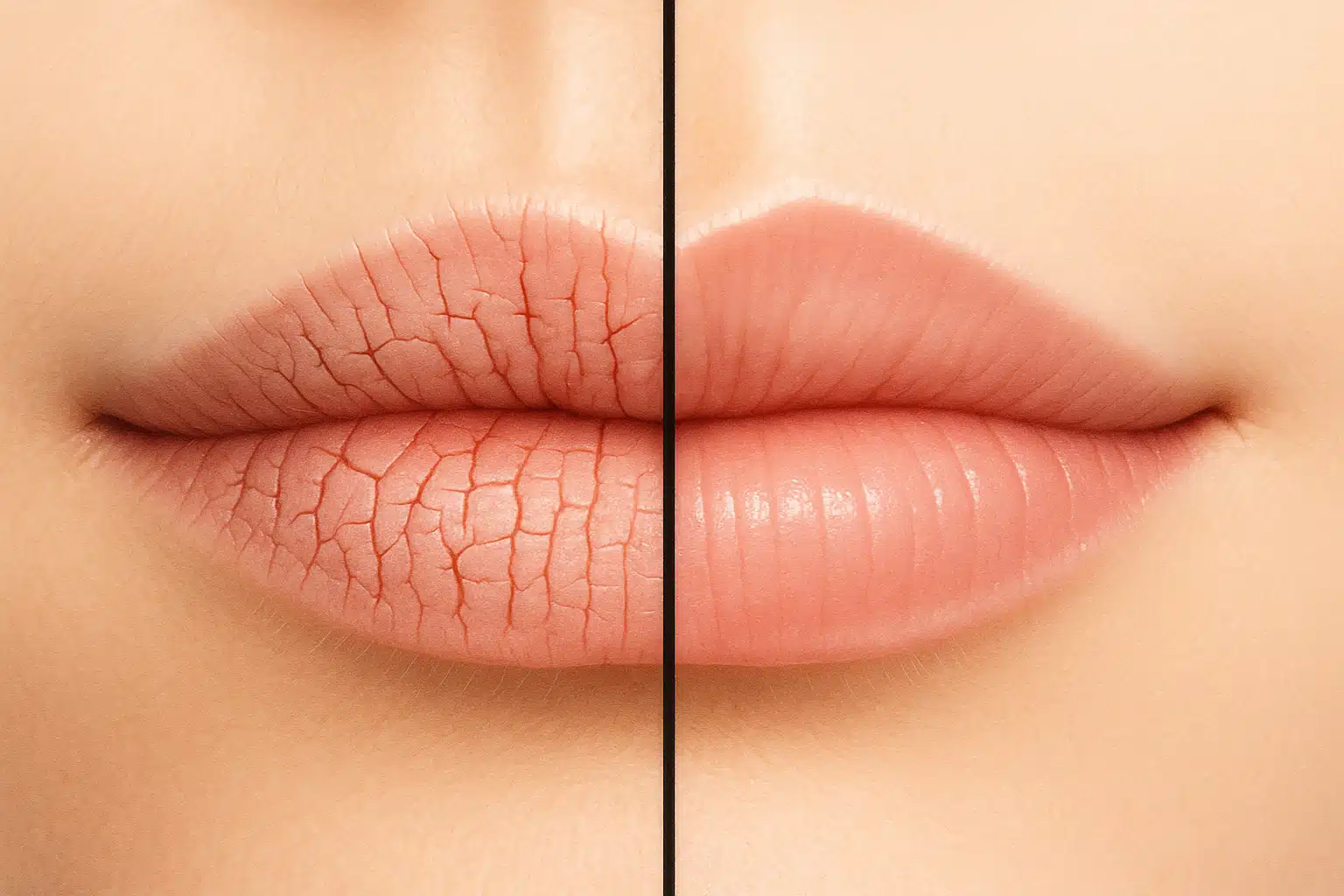
Beautiful, healthy lips are the result of consistent care rather than occasional treatment. Establishing a regular routine with the right steps and products will transform your lip health and appearance. Here’s a comprehensive approach to daily and weekly lip care.
Step 1: Regular Exfoliation
Dead skin cells accumulate on lip surfaces, creating a barrier that prevents moisturizing products from penetrating effectively. Gentle exfoliation removes this layer, allowing treatments to work more efficiently while improving blood circulation for naturally healthier-looking lips.
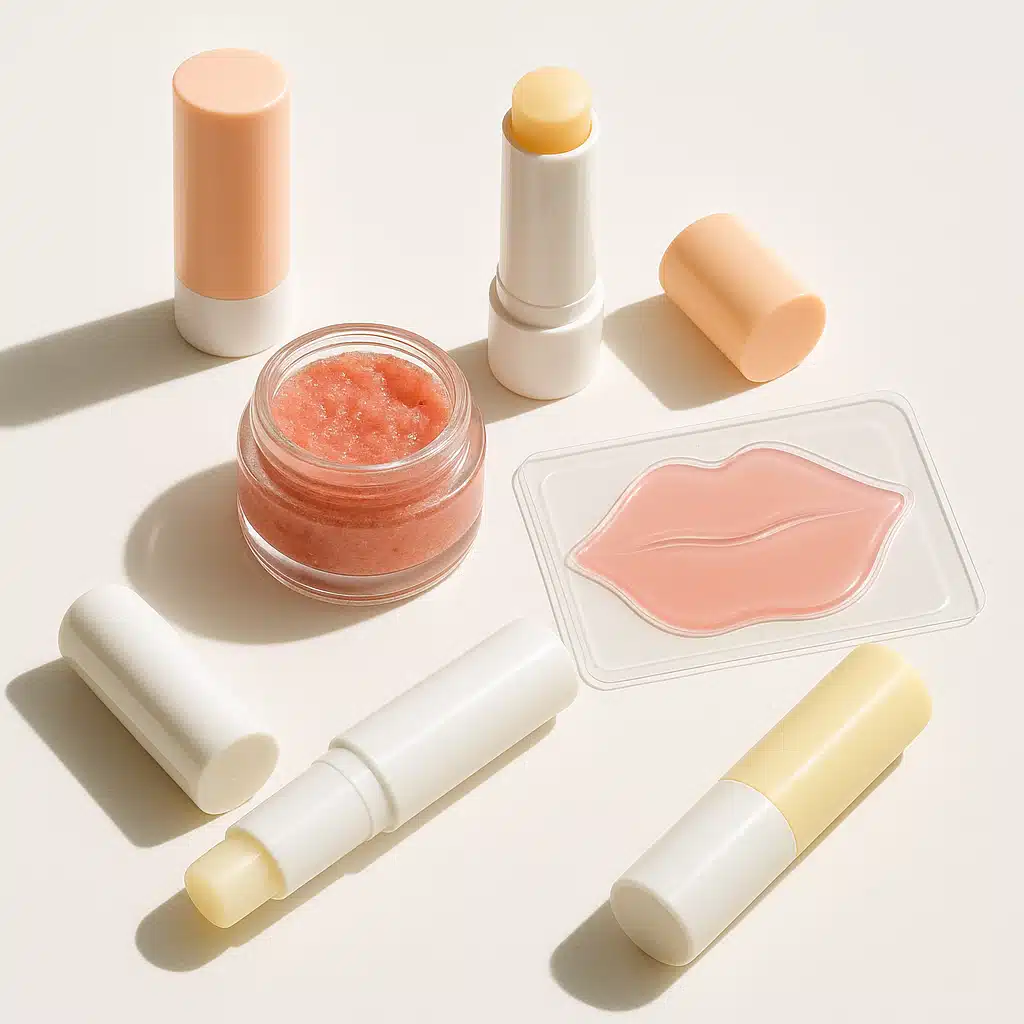
Perform lip exfoliation once or twice weekly using a dedicated lip scrub or a homemade mixture. You can create an effective scrub by combining fine sugar with nourishing oils like coconut, olive, or almond oil. Apply the mixture to damp lips and massage gently in circular motions for 30-60 seconds, then rinse with lukewarm water. This process removes dead skin while the oil component provides immediate moisture.
Avoid over-exfoliating, as this can damage the delicate lip tissue. If your lips are severely cracked or bleeding, skip exfoliation until they’ve healed with moisturizing treatments.
Step 2: Deep Nourishment with Lip Masks
Lip masks and patches have gained popularity as intensive treatment options. These products deliver concentrated doses of hydrating and nourishing ingredients directly to lip tissue. Hydrogel lip patches, sheet-style lip masks, or overnight lip mask creams can provide deep conditioning that regular balms cannot achieve.
Use these treatments before important events for instantly plumper, smoother lips, or incorporate them into your weekly routine as a preventive measure. Many formulations contain hyaluronic acid, collagen, vitamins, and botanical extracts that fill fine lines and restore suppleness to aging or damaged lips.
Step 3: Daily Protection with Quality Lip Balm
This is the cornerstone of any lip care routine. A quality lip balm serves multiple functions: it provides immediate moisture, creates a protective barrier against environmental damage, and locks in hydration throughout the day or night.
Look for lip balms that contain occlusive ingredients (like petroleum jelly, beeswax, or plant waxes) that form a protective seal, humectants (like hyaluronic acid or glycerin) that attract moisture, and emollients (like shea butter, cocoa butter, or plant oils) that soften and smooth lip texture.
Apply lip balm multiple times throughout the day—especially before going outdoors, after eating or drinking, and always before bed. Nighttime application is particularly important because lips repair themselves during sleep, and a thick layer of protective balm maximizes this natural healing process.
Understanding Lip Balm Formulations and Ingredients
Not all lip balms are created equal. Understanding key ingredients and their functions helps you choose products that will genuinely benefit your lips rather than provide only temporary relief.
Petroleum Jelly-Based Formulas
Petroleum jelly (petrolatum) is one of the most effective occlusive ingredients available. It creates an impermeable barrier on the lip surface that prevents moisture loss—clinical studies show it can reduce water evaporation by up to 98%. This makes petroleum jelly-based balms particularly effective for severely dry or cracked lips that need intensive repair.
Quality petroleum jelly used in cosmetic products undergoes multiple refinement stages to remove impurities, making it safe and non-irritating for use on sensitive lip tissue. These formulations provide long-lasting protection and are especially valuable in harsh weather conditions or for overnight treatment.
Natural Oil and Butter-Based Formulas
Plant-based lip balms utilize ingredients like coconut oil, almond oil, jojoba oil, shea butter, and cocoa butter. These natural emollients provide excellent moisturizing properties and contain vitamins and fatty acids that nourish lip tissue. They’re often preferred by those seeking more natural formulations.
However, purely oil-based balms may not provide the same level of moisture-locking protection as petroleum jelly-based products. They work best for mild dryness or as maintenance rather than intensive treatment. Many effective formulations combine natural ingredients with occlusives to provide both nourishment and protection.
Specialized Treatment Ingredients
Advanced lip care products may include additional beneficial ingredients: hyaluronic acid for plumping and moisture retention, ceramides for repairing the skin barrier, vitamins C and E for antioxidant protection, SPF for sun protection, and soothing botanicals like aloe vera or chamomile for irritation relief.
Debunking Common Lip Care Myths
Misinformation about lip care circulates widely. Let’s address some common myths with scientific facts.
Myth: Lip Balm Is Addictive
Fact: Lip balm does not cause physical addiction or make your lips “lazy.” This myth likely stems from people experiencing recurring dryness after stopping use—but this simply reflects the underlying condition returning, not dependency. Since lips lack oil glands, they benefit from external moisturization regardless of how often you apply it. Quality lip balm provides the protective barrier your lips cannot produce naturally.
Myth: Petroleum Jelly Darkens Lips
Fact: Properly refined, cosmetic-grade petroleum jelly does not cause lip darkening. Lip discoloration typically results from sun damage, smoking, certain medications, excessive dryness, or underlying health conditions. In fact, petroleum jelly-based balms can help restore lip color by treating severe dryness and creating a protective barrier against UV damage when used consistently.
Myth: Natural Ingredients Are Always Better
Fact: While natural ingredients offer excellent benefits, “natural” doesn’t automatically mean more effective or safer. Some natural ingredients can cause allergic reactions, and not all provide the occlusive protection needed for severely damaged lips. The best approach is choosing products with proven effective ingredients—whether synthetic or natural—that suit your specific needs and don’t cause personal sensitivities.
Myth: You Don’t Need Lip Protection in Winter or Indoors
Fact: Lips need protection year-round and even indoors. Winter cold and indoor heating create extremely dry conditions, while summer sun and air conditioning have similar dehydrating effects. UV damage occurs even on cloudy days and can penetrate windows. Consistent daily use of protective lip care is essential regardless of season or location.

Nutrition and Lifestyle for Healthier Lips
External care products work best when supported by proper nutrition and healthy lifestyle habits. Beautiful lips truly do begin from within.
Hydration Is Fundamental
Adequate water intake is the foundation of lip health. Aim for approximately 8-10 glasses of water daily, adjusting for activity level, climate, and individual needs. Dehydration manifests first in the lips, so if they’re consistently dry despite using balm, insufficient water intake may be the underlying cause.
Essential Vitamins and Nutrients
Certain nutrients are particularly important for lip health. B vitamins (especially B2, B3, B6, and B12) support skin cell regeneration and repair. Vitamin E provides antioxidant protection and supports healing. Iron and zinc deficiencies can cause cracking and slow healing. Omega-3 fatty acids help maintain cell membrane integrity and reduce inflammation.
Incorporate foods rich in these nutrients: leafy green vegetables, nuts and seeds, fatty fish, eggs, whole grains, legumes, and colorful fruits and vegetables. If you suspect deficiencies, consider consulting a healthcare provider about supplementation.
Lifestyle Factors
Several lifestyle choices significantly impact lip health. Smoking not only darkens lips but also impairs blood circulation and healing. Excessive alcohol and caffeine consumption can contribute to dehydration. Very spicy or salty foods may irritate sensitive lip tissue. Using a humidifier in dry indoor environments helps maintain ambient moisture levels that benefit your lips.
Special Considerations: Color and Volume
Beyond basic health and moisture, many people seek to enhance the natural color and fullness of their lips without invasive procedures.
Restoring Natural Lip Color
Darkened or discolored lips can result from sun damage, smoking, dehydration, certain medications, or simply genetics. While you cannot dramatically change your natural lip color, you can optimize it. Consistently using lip balm with SPF prevents further UV damage. Staying well-hydrated and maintaining good nutrition supports healthy blood flow that gives lips their natural rosy tone. Gentle exfoliation removes discolored dead skin cells.
Tinted lip balms offer a subtle color boost while providing the same protective and moisturizing benefits as clear formulas. These products are ideal for those who want enhancement without the dryness that traditional lipsticks can cause.
Creating the Appearance of Fullness
While topical products cannot permanently change lip size, certain approaches can create a temporarily fuller appearance. Lip plumping products typically contain ingredients like cinnamon, peppermint, or capsicum that cause mild irritation, increasing blood flow and creating temporary swelling. Hyaluronic acid-based products attract moisture into lip tissue for a subtle plumping effect.
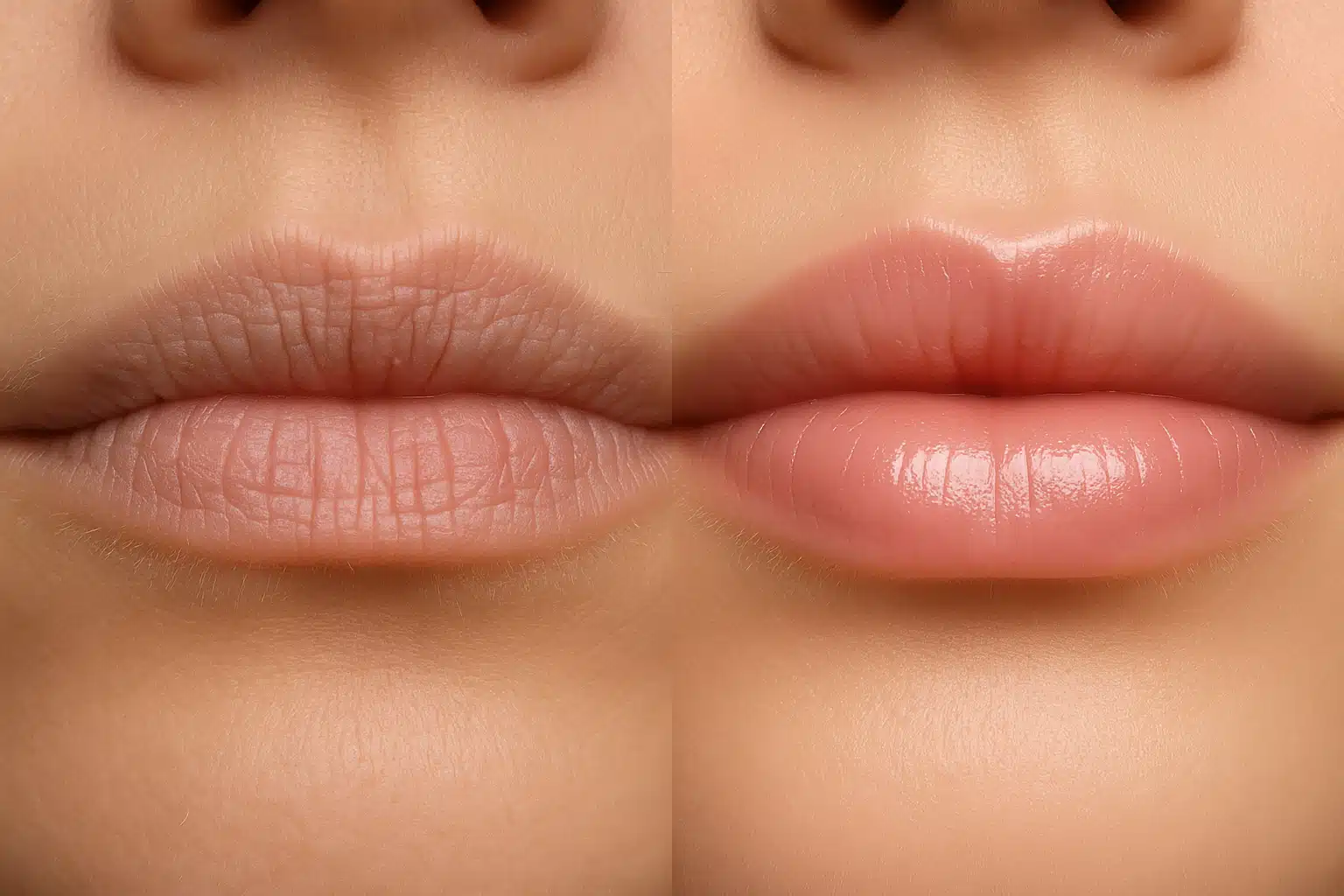
Well-moisturized lips naturally appear fuller because hydrated tissue is plumper than dry, shrunken tissue. Regular use of intensive lip masks and rich balms, especially overnight, can significantly improve lip fullness simply by optimizing hydration. Glossy or light-reflecting lip products also create the illusion of fuller lips through their visual effects.
Lip Care Throughout the Day
Effective lip care isn’t just about nighttime treatment—it requires attention throughout your daily routine.
Morning Routine
Start your day by gently cleansing lips with water and patting dry. Apply a protective lip balm with SPF before sun exposure. If wearing makeup, this creates a smooth base for lipstick application and prevents color from settling into fine lines.
Daytime Maintenance
Reapply lip balm throughout the day, especially after eating, drinking, or spending time outdoors. Keep lip balm accessible—in your bag, desk, car, and pocket—to encourage regular application. If you wear lipstick, either choose moisturizing formulas or apply balm underneath for protection.
Evening Care
Remove all makeup thoroughly, including lip products, as part of your evening cleansing routine. Apply a generous layer of intensive repair balm before bed. This is when lips undergo their natural repair processes, and a protective, nourishing layer maximizes healing overnight. Consider using a richer, more intensive formula at night than during the day.
Addressing Specific Lip Problems
Angular Cheilitis (Cracking at Lip Corners)
Persistent cracking at the corners of the mouth can indicate nutritional deficiencies (particularly B vitamins or iron), fungal infection, or excessive saliva exposure from drooling or lip licking. If this condition doesn’t improve with regular balm use and nutritional improvements, consult a healthcare provider for proper diagnosis and treatment.
Cold Sores
Cold sores are caused by the herpes simplex virus and require different treatment than simple dryness. Antiviral medications are most effective. Keep the area clean and avoid sharing lip products during outbreaks. Once healed, replace lip balms and other products that touched the affected area to prevent reinfection.
Allergic Reactions
If your lips become more irritated after using lip products, you may have sensitivity to specific ingredients. Common culprits include fragrances, flavorings, certain preservatives, or botanical extracts. Switch to fragrance-free, hypoallergenic formulations. If reactions persist, discontinue all products temporarily and consult a dermatologist or allergist.
Frequently Asked Questions About Lip Care
How often should I apply lip balm?
There’s no maximum limit to lip balm application. Apply whenever your lips feel dry or before activities that stress them (going outdoors, before meals, etc.). At minimum, apply in the morning, before bed, and after eating or drinking. Most people benefit from reapplication every 2-3 hours throughout the day.
Is petroleum jelly safe for lips?
Yes, cosmetic-grade petroleum jelly is safe and highly effective for lip care. It’s been used for over a century and is recommended by dermatologists worldwide for treating dry, damaged skin. Look for products specifically formulated for lips to ensure proper refinement and purity.
Why does lipstick look flaky on my lips?
Lipstick flaking indicates dry lips with dead skin cells. Establish a consistent care routine: exfoliate weekly, moisturize daily, and always apply lip balm before lipstick. Choose moisturizing lipstick formulas over ultra-matte varieties, which can be extremely drying.
Do I need lip care in summer?
Absolutely. Summer sun exposure can cause serious damage to lip tissue, including sunburn, premature aging, and increased skin cancer risk. Always use lip balm with broad-spectrum SPF 15 or higher when spending time outdoors. UV protection is essential year-round, not just in winter.
What’s the best alternative to drying lipsticks?
Tinted lip balms and moisturizing lip stains offer color without the drying effects of traditional lipsticks. These products provide sheer to medium coverage while maintaining lip hydration. For more dramatic color, apply hydrating balm underneath conventional lipstick to create a protective barrier.
Can lip care improve aging lips?
Consistent lip care can significantly improve the appearance of aging lips. Proper hydration plumps fine lines, sun protection prevents further UV damage, and ingredients like vitamin E and peptides support collagen production. While topical treatments cannot reverse significant aging, they can optimize lip appearance and prevent additional deterioration.
Should I use different products for day and night?
This can be beneficial but isn’t essential. Daytime products should include SPF and have a comfortable texture under makeup. Nighttime products can be richer and more intensive since appearance and texture matter less during sleep. However, if you find one product that works well for all applications, consistent use is more important than having separate formulas.