Understanding Rennet: A Comprehensive Guide to Animal, Vegetable, and Microbial Varieties
If you’ve ever explored the art of cheese making or carefully read ingredient labels on artisan cheese products, you may have encountered the term “rennet” and wondered what exactly it means. This essential ingredient plays a crucial role in transforming liquid milk into the solid cheese we love, yet it remains mysterious to many home cooks and food enthusiasts. This comprehensive guide will demystify rennet, exploring its various types, applications, and characteristics to help you make informed decisions whether you’re crafting homemade cheese or simply curious about what goes into your favorite dairy products.
What Exactly Is Rennet?
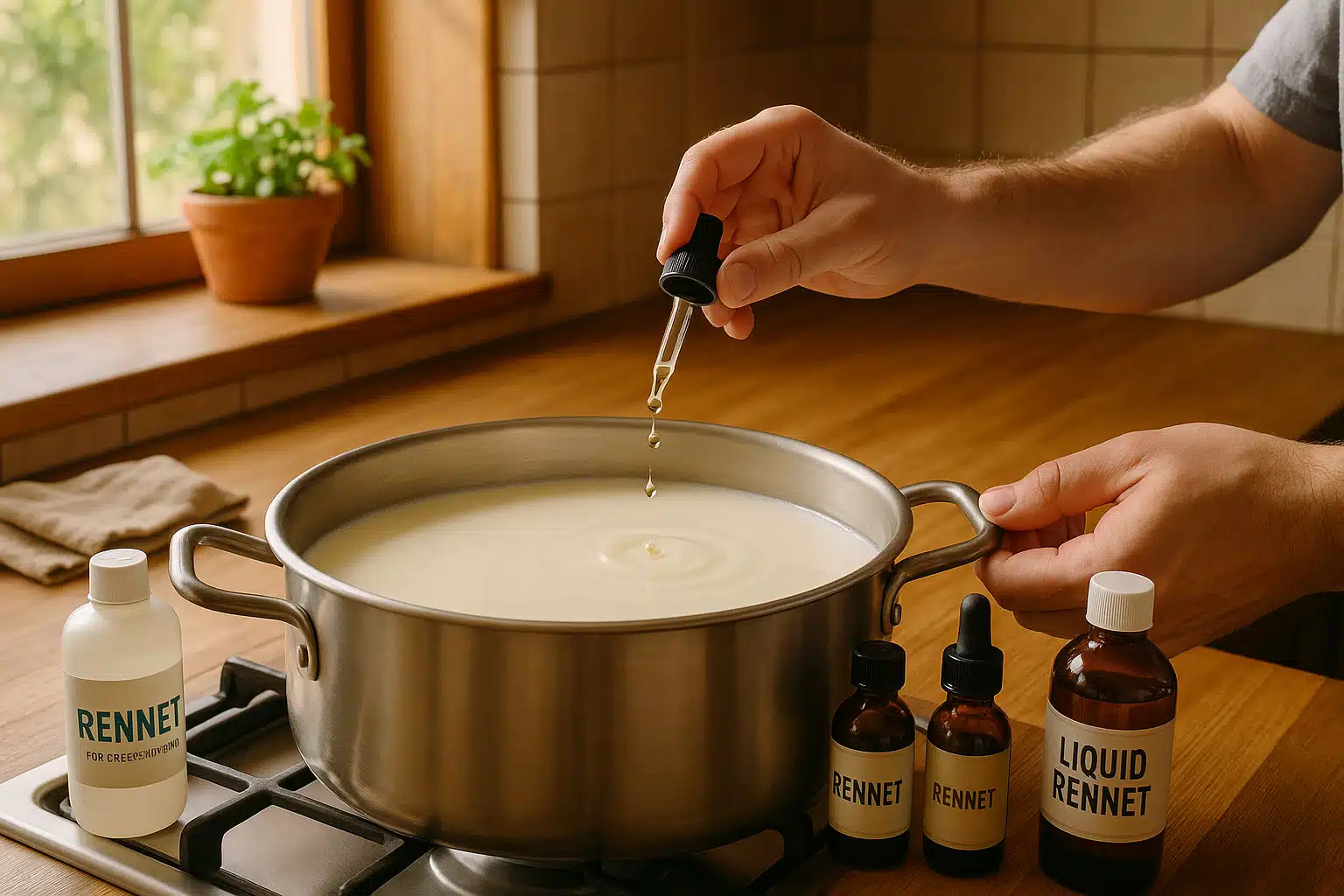
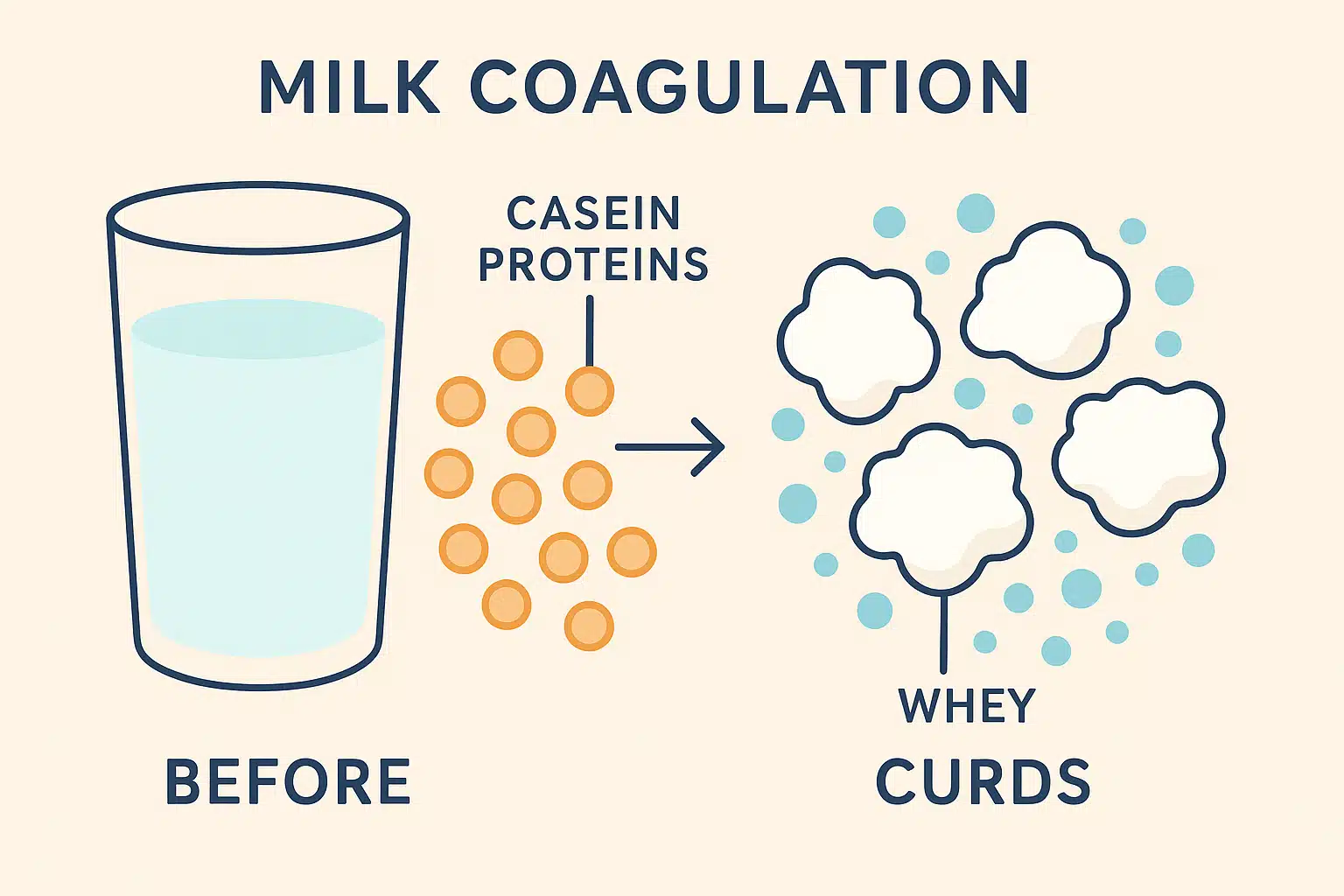
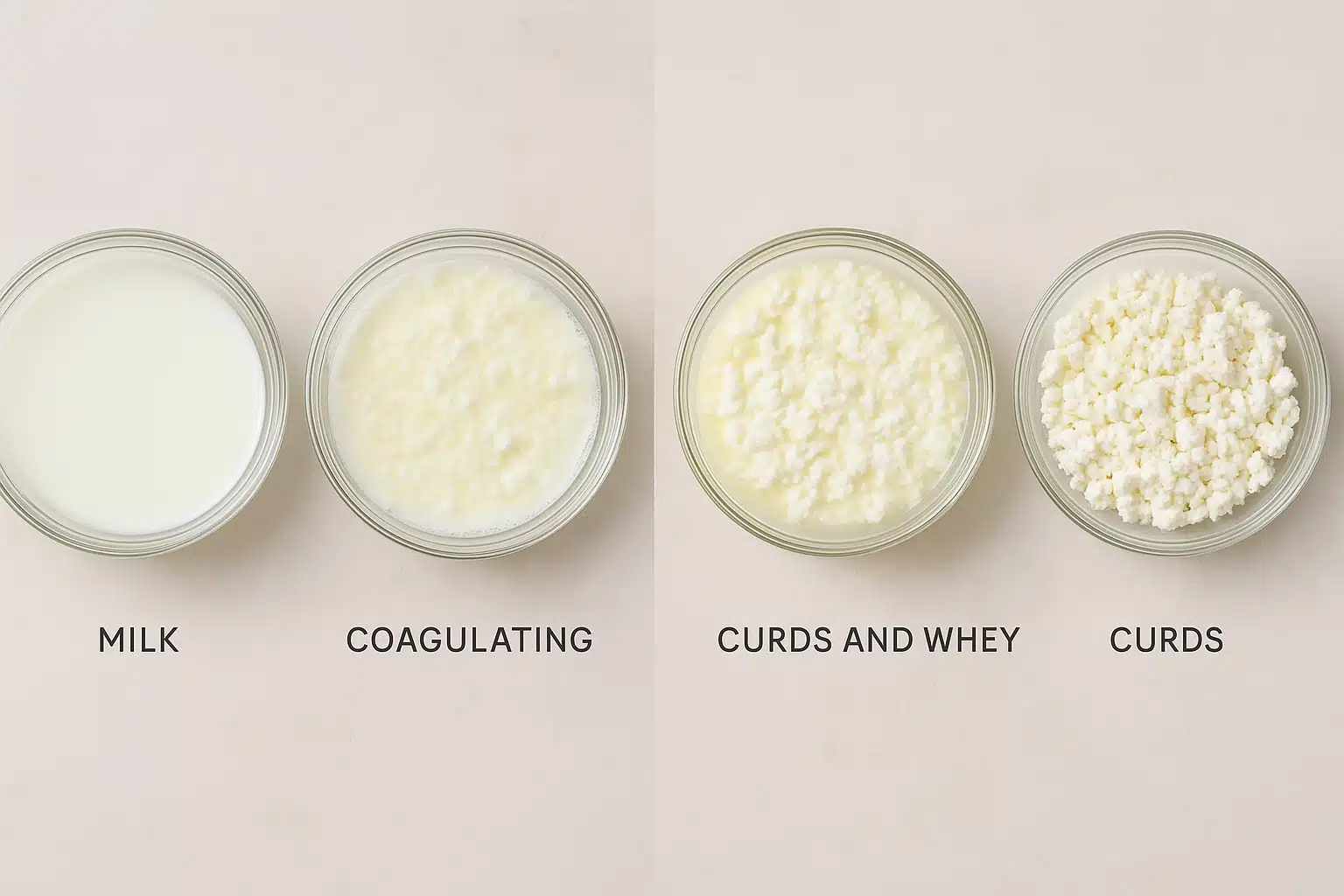
Rennet is a complex of enzymes that serves as a coagulating agent in the cheese-making process. Its primary function is to trigger a biochemical reaction that causes milk proteins to solidify, separating the mixture into two distinct components: curds (solid portions) and whey (liquid portions). This transformation is fundamental to creating virtually all types of cheese, from soft fresh varieties to aged hard cheeses.
The active enzyme responsible for this coagulation is called chymosin, which specifically targets casein proteins in milk. When rennet is added to warm milk, it cleaves these proteins in a precise way that allows them to bond together, forming a gel-like structure. This process has been utilized for thousands of years across cultures worldwide, making rennet one of humanity’s oldest food processing agents.
Understanding rennet is essential not only for cheese makers but also for consumers with dietary restrictions, religious considerations, or ethical preferences, as different rennet types suit different needs and values.
The Three Main Types of Rennet
Rennet comes in several distinct forms, each with unique origins, characteristics, and applications. Understanding these differences will help you choose the most appropriate option for your specific needs, whether you’re making cheese at home, following dietary guidelines, or simply seeking to understand what’s in the products you consume.
Animal Rennet: The Traditional Choice
Animal rennet represents the original and most traditional form of this coagulating agent. It is extracted from the fourth stomach lining (abomasum) of young ruminant animals, most commonly calves, though it can also be sourced from young goats or lambs. This stomach lining naturally contains high concentrations of chymosin, which these animals use to digest their mothers’ milk.
The extraction process involves cleaning and processing the stomach lining, then extracting the enzyme-rich material. Animal rennet has been the gold standard in traditional cheese making for centuries, particularly in European cheese-making traditions.
Key characteristics of animal rennet:
- Produces the most consistent and reliable coagulation results
- Creates complex flavor development, especially important in aged cheeses
- Provides excellent texture formation in hard cheese varieties
- Preferred by traditional cheese makers for premium and aged cheese varieties
- Offers the highest concentration of pure chymosin enzyme
- Works exceptionally well for cheeses requiring extended aging periods
- Not suitable for vegetarians or those following certain religious dietary laws
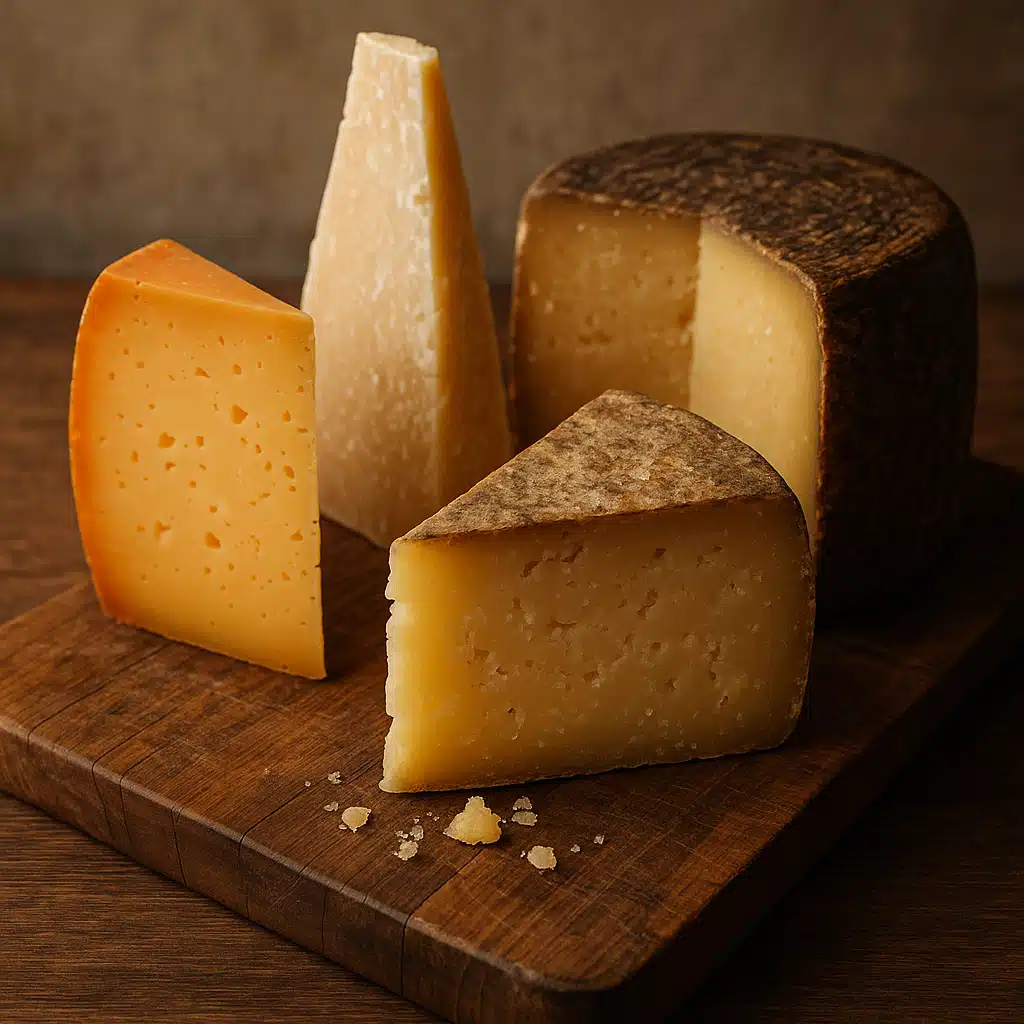
Animal rennet is particularly favored for producing classic aged cheeses such as Parmigiano-Reggiano, aged Cheddar, Gruyère, and other traditional European varieties where flavor complexity and texture development are paramount.
Vegetable Rennet: Plant-Based Alternative
Vegetable rennet, despite its name, doesn’t contain the same chymosin enzyme found in animal rennet. Instead, it consists of coagulating enzymes derived from certain plants that have traditionally been used in cheese making. Common sources include cardoon thistle, artichokes, nettles, fig tree bark, and certain varieties of melon.
These plant-based enzymes work through a similar but not identical mechanism to animal rennet. They break down milk proteins to cause coagulation, though the specific enzymatic action differs slightly, which can affect the final product’s characteristics.
Key characteristics of vegetable rennet:
- Completely suitable for vegetarian diets
- Works particularly well for fresh and soft cheeses
- Produces milder flavor profiles compared to animal rennet
- May create slightly different texture characteristics
- Can sometimes produce bitter flavors in long-aged cheeses
- Less predictable coagulation strength, requiring recipe adjustments
- Historically used in Mediterranean and Portuguese cheese-making traditions
- Generally more expensive and less readily available than other types
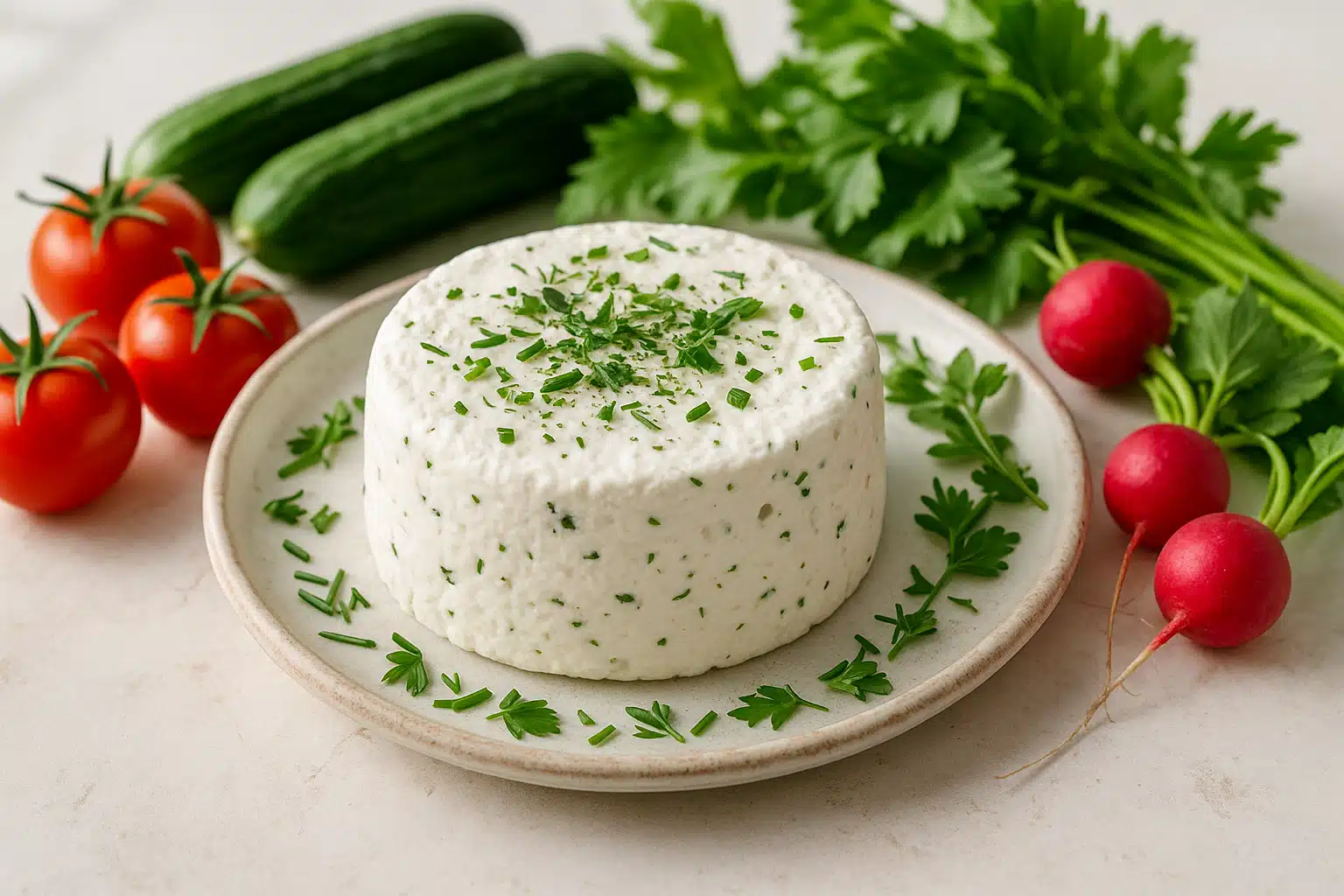
Vegetable rennet is ideal for making fresh cheeses like cottage cheese, cream cheese, and certain varieties of mozzarella. It’s also traditionally used in some regional specialties, particularly certain Portuguese and Spanish cheeses where the distinctive flavor profile is actually desired.
Microbial Rennet: Modern Innovation
Microbial rennet represents a more modern innovation in cheese making. It is produced through fermentation processes using specific species of mold, yeast, or bacteria—most commonly Mucor miehei, Mucor pusillus, or Endothia parasitica. These microorganisms naturally produce enzymes with coagulating properties similar to animal rennet.
The production process involves cultivating these microorganisms in controlled conditions, then extracting and purifying the enzymes they produce. This method offers a consistent, scalable, and cost-effective alternative to animal rennet while remaining suitable for vegetarian diets.
Key characteristics of microbial rennet:
- Suitable for vegetarian and many religious dietary requirements
- More affordable than animal rennet in most markets
- Provides consistent results with reliable coagulation strength
- Available in convenient powder form with extended shelf life
- Works well for a wide variety of cheese types
- May produce slightly different flavor profiles in aged cheeses
- Can sometimes create softer curd formation than animal rennet
- Widely available and easy to source globally
- Commonly used in commercial cheese production worldwide
Microbial rennet has become increasingly popular among both home cheese makers and commercial producers. It offers an excellent balance of performance, convenience, and accessibility while accommodating various dietary preferences. It works well for most cheese varieties, from mozzarella and ricotta to cheddar and gouda, though some traditional cheese makers prefer animal rennet for specific aged varieties.
Fermentation-Produced Chymosin: The Newest Innovation
A fourth category worth mentioning is fermentation-produced chymosin (FPC), also called genetically engineered rennet. This represents the most recent advancement in rennet technology. Scientists have isolated the gene responsible for producing chymosin and introduced it into microorganisms such as bacteria, yeast, or fungi. These modified organisms then produce pure chymosin identical to that found in animal rennet.
This method combines the advantages of animal rennet’s performance with the ethical and practical benefits of microbial production. FPC now accounts for the majority of rennet used in commercial cheese production worldwide, particularly in regions with advanced biotechnology industries.
Advantages of fermentation-produced chymosin:
- Produces results virtually identical to animal rennet
- Suitable for most vegetarian consumers (though some strict vegetarians may object to the genetic modification process)
- Highly consistent in quality and strength
- Cost-effective for large-scale production
- Environmentally sustainable compared to animal-derived sources
- No animal slaughter required for production
How to Select the Right Rennet for Your Needs
Choosing the appropriate rennet depends on several factors related to your specific situation, values, and intended use. Consider these important aspects when making your decision:
Dietary and Ethical Considerations
Your personal dietary requirements or ethical stance should be the primary consideration. If you follow a vegetarian diet, vegetable or microbial rennet are appropriate choices. For those following religious dietary laws such as kosher or halal guidelines, specific certified versions of microbial or animal rennet may be required. Those concerned about genetic modification may prefer traditional vegetable or animal rennet over fermentation-produced chymosin.
Type of Cheese Being Made
Different cheeses have different requirements that make certain rennet types more suitable:
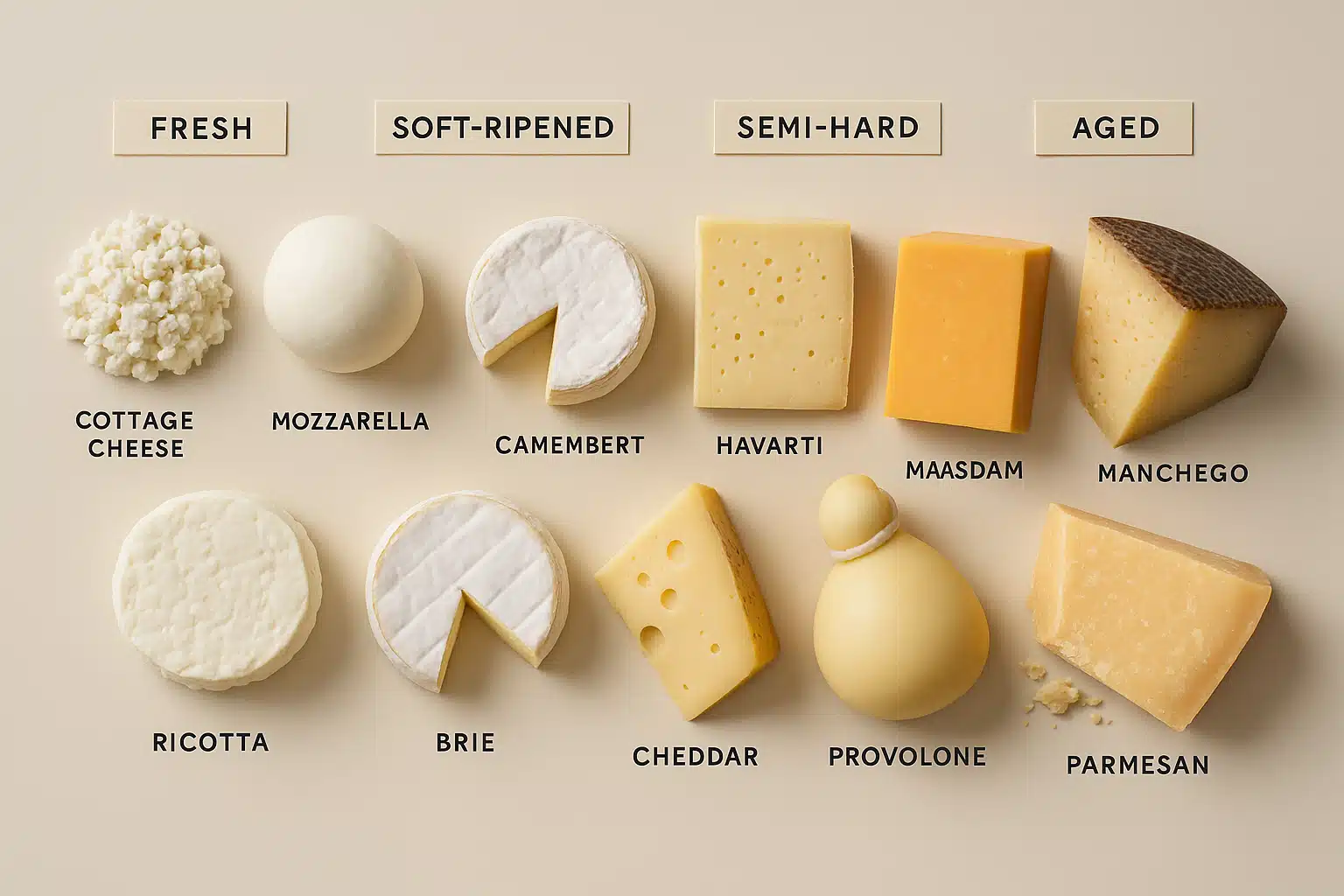
- Fresh cheeses (ricotta, cottage cheese, cream cheese): Any rennet type works well, though some fresh cheeses don’t require rennet at all
- Soft cheeses (brie, camembert, fresh mozzarella): Vegetable, microbial, or animal rennet all perform adequately
- Semi-hard cheeses (cheddar, gouda, colby): Microbial or animal rennet recommended
- Hard aged cheeses (parmesan, aged cheddar, gruyère): Animal rennet or FPC preferred for optimal flavor development
- Stretched cheeses (mozzarella, provolone): Any type works, though texture may vary slightly
Desired Flavor Profile
For cheeses that will be aged for extended periods, the type of rennet can influence flavor development. Animal rennet and FPC typically produce the most complex flavor profiles in aged cheeses. Vegetable rennet may introduce bitter notes in long-aged varieties but can add interesting character to certain styles. Microbial rennet generally produces clean, mild flavors suitable for most applications.
Availability and Cost
Practical considerations matter too. Microbial rennet is typically the most widely available and affordable option globally. Animal rennet may be harder to source in some regions and is generally more expensive. Vegetable rennet is often the most difficult to find and most costly option. Consider what’s readily available in your area and fits your budget.
Form and Convenience
Rennet comes in several physical forms, each with advantages:
- Liquid rennet: Easy to measure and mix, requires refrigeration, shorter shelf life
- Tablet form: Convenient storage, longer shelf life, requires dissolving before use
- Powder form: Longest shelf life, easy storage, requires careful measurement

Common Questions About Rennet
Is rennet necessary for all cheese varieties?
No, not all cheeses require rennet. Some fresh cheeses are made using acid coagulation instead, where an acidic ingredient like lemon juice, vinegar, or citric acid causes the milk proteins to coagulate. Examples include paneer, ricotta, queso blanco, and some styles of cottage cheese. These acid-coagulated cheeses have different textures and characteristics compared to rennet-coagulated varieties, typically resulting in a more crumbly or grainy texture rather than the smooth, elastic texture rennet produces.
Can I substitute one type of rennet for another in recipes?
Substitution is possible but not always straightforward. Different rennet types have varying strengths and coagulation characteristics. Animal rennet and fermentation-produced chymosin can generally be substituted for each other with minimal adjustment. Microbial rennet may require slight modifications to quantities or timing. Vegetable rennet behaves differently enough that recipes specifically designed for it may not work well with direct substitution. When substituting, follow the manufacturer’s guidelines for strength equivalents and be prepared to adjust based on results.
How much rennet do I need for cheese making?
The amount varies based on rennet type, strength, milk volume, and cheese variety. Generally, for liquid rennet, approximately 1/4 teaspoon can coagulate about 4 liters (1 gallon) of milk. Tablet rennet typically uses 1/4 tablet for the same volume. However, always follow the specific instructions provided with your rennet product, as strength can vary significantly between brands and types. Using too little rennet results in weak curds, while too much can create bitter flavors and tough textures.
How should rennet be stored?
Proper storage is essential for maintaining rennet potency. Liquid rennet should be refrigerated and typically maintains strength for 7-12 months when properly stored. Tablet and powder forms can be stored in a cool, dry place away from direct sunlight and generally last 1-2 years or longer. Always check expiration dates, as rennet loses strength over time. Some cheese makers store tablets in the freezer to extend shelf life even further.
Is rennet safe for people with lactose intolerance?
Rennet itself contains no lactose—it’s purely an enzyme. However, the cheese made with rennet may or may not be suitable for lactose-intolerant individuals depending on the aging process. Fresh cheeses retain more lactose, while aged cheeses have minimal lactose content because the aging process allows bacteria to consume most of it. The type of rennet used doesn’t affect the lactose content of the final cheese.
How can I tell if store-bought cheese was made with animal or vegetable rennet?
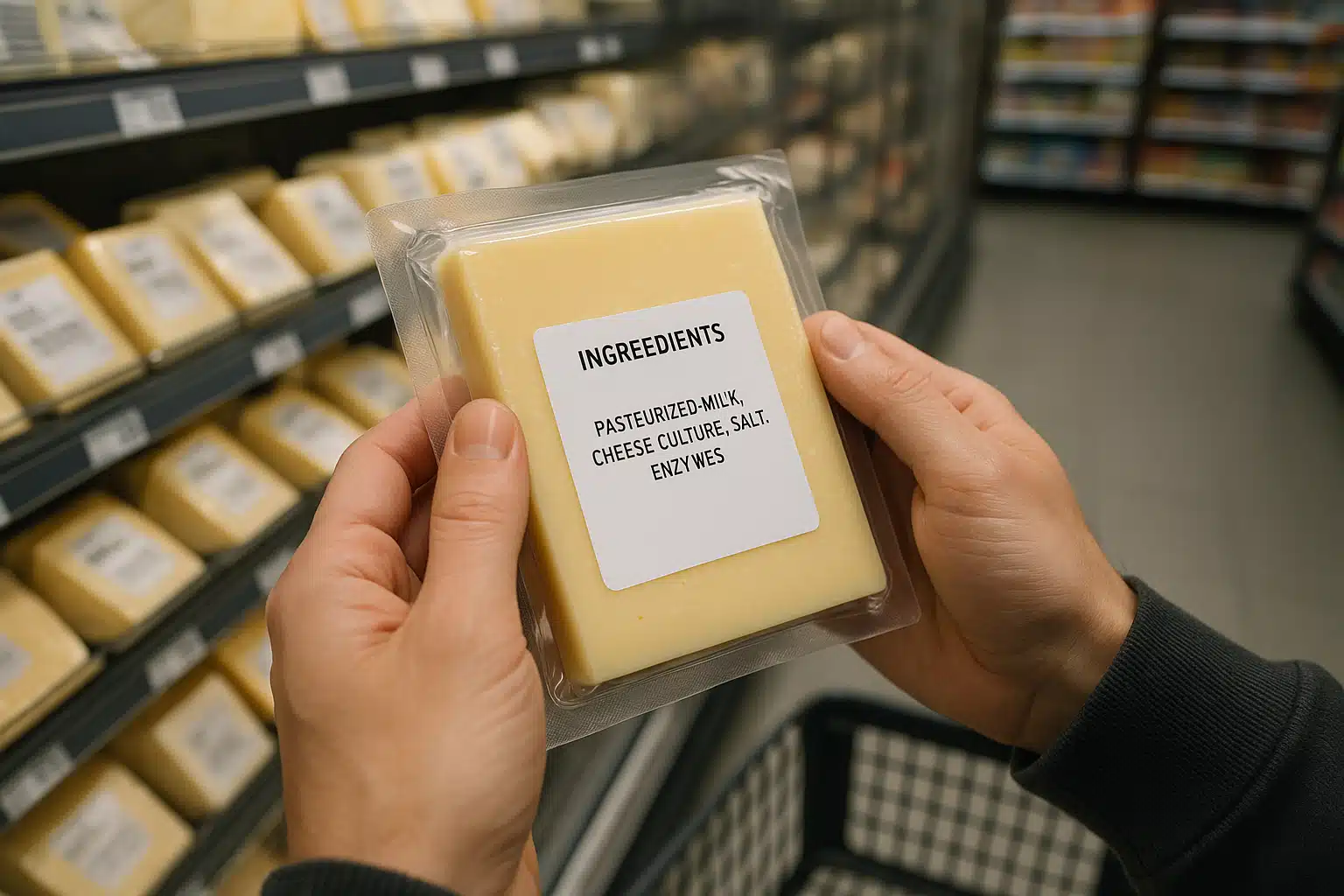
Manufacturers are typically required to list “rennet,” “enzymes,” or specify “animal rennet,” “microbial enzymes,” or “vegetable rennet” in the ingredients list. In many regions, if the label simply states “enzymes” without specification, it’s most likely microbial rennet or fermentation-produced chymosin, as these are the most commonly used in commercial production. If you require certainty for dietary or religious reasons, contact the manufacturer directly or look for products with vegetarian certification.
The Science Behind Rennet’s Action
Understanding the basic science of how rennet works can help you become a better cheese maker. Milk contains casein proteins that naturally exist in a stable suspension. These proteins have a protective outer layer (called kappa-casein) that keeps them from clumping together. When rennet is added to milk at the proper temperature (typically 30-40°C or 86-104°F), the chymosin enzyme specifically cleaves this protective layer.
Once the protective layer is removed, the casein proteins begin to bond with each other, forming a three-dimensional network that traps fat, water, and other milk components. This network is what we see as curd formation. The process typically takes 30-60 minutes, during which the milk transforms from liquid to a custard-like consistency.
The whey—containing water, lactose, and soluble proteins—is then separated from the curds through cutting and draining. The remaining curds are processed further through various techniques (pressing, salting, culturing, aging) to create the final cheese product. The specific characteristics of the rennet used influence the strength of the curd network, the efficiency of whey drainage, and ultimately the texture and flavor of the finished cheese.
Tips for Working with Rennet Successfully
Whether you’re a beginner or experienced cheese maker, these practical tips will help you achieve better results when working with rennet:
- Temperature matters: Always add rennet to milk at the temperature specified in your recipe, typically between 30-40°C (86-104°F). Temperature that’s too low results in slow or incomplete coagulation; too high can kill the enzymes.
- Dilute before adding: Mix liquid or dissolved rennet with cool, non-chlorinated water before adding to milk. This ensures even distribution throughout the milk.
- Avoid chlorinated water: Chlorine can inhibit rennet activity. Use filtered, bottled, or boiled and cooled water when diluting rennet.
- Stir gently and thoroughly: After adding rennet, stir for 1-2 minutes using slow, up-and-down motions to distribute evenly, then stop stirring and let the milk rest undisturbed.
- Don’t disturb during coagulation: Movement during the coagulation period can prevent proper curd formation. Avoid bumping the container or stirring.
- Test for clean break: Before cutting curds, test readiness by inserting a knife and lifting gently. If the curd breaks cleanly with clear whey in the separation, it’s ready.
- Adjust for milk type: Different milk sources (cow, goat, sheep, buffalo) may require different amounts of rennet or coagulation times.
- Consider milk quality: Fresh, high-quality milk coagulates more reliably than ultra-pasteurized or older milk.
Troubleshooting Common Rennet Issues
Even experienced cheese makers occasionally encounter problems. Here are solutions to common rennet-related issues:
Problem: Milk doesn’t coagulate or takes much longer than expected
Possible causes and solutions:
- Rennet too old or improperly stored—replace with fresh rennet
- Temperature too low—ensure milk is at proper temperature before adding rennet
- Chlorinated water used—use non-chlorinated water for diluting rennet
- Ultra-pasteurized milk—use regular pasteurized or raw milk instead
- Insufficient rennet—increase amount slightly following product guidelines
Problem: Curds are too soft or weak
Possible causes and solutions:
- Insufficient rennet—increase amount next time
- Milk disturbed during coagulation—keep completely still during setting
- Coagulation time too short—allow more time before cutting
- Temperature fluctuation—maintain consistent temperature throughout process
Problem: Cheese has bitter flavor
Possible causes and solutions:
- Too much rennet used—reduce amount
- Wrong rennet type for aging period—use animal rennet or FPC for long-aged cheeses
- Excessive aging with vegetable rennet—use different rennet type or shorter aging
The Environmental and Ethical Considerations
As consumers become more conscious of the environmental and ethical implications of food production, understanding the sustainability aspects of different rennet types becomes important.
Animal rennet is a byproduct of meat production, specifically from young animals raised for veal. Some view this as efficient use of animal byproducts, while others have ethical concerns about supporting these industries. The supply is inherently limited by meat production volumes.
Vegetable rennet has minimal environmental impact and no animal welfare concerns, but the limited supply and specialized harvesting make it less practical for large-scale production. It represents a traditional, low-technology solution.
Microbial rennet offers good sustainability as production can be scaled efficiently with minimal environmental impact. No animals are harmed, and resources are used efficiently. This represents a practical middle ground for most applications.
Fermentation-produced chymosin offers perhaps the best environmental profile—highly efficient production, no animal products required, consistent quality, and scalable to meet global demand. However, some consumers have concerns about genetic modification technology.
Conclusion: Making Your Rennet Choice
Rennet remains an essential ingredient in the ancient art of cheese making, bridging traditional craftsmanship with modern food science. Whether you’re creating your first batch of homemade mozzarella, pursuing cheese making as a serious hobby, or simply trying to understand what goes into the foods you consume, understanding the different types of rennet empowers you to make informed choices.
Each rennet type—animal, vegetable, microbial, and fermentation-produced chymosin—offers distinct advantages and considerations. Your choice should reflect your personal values, dietary requirements, intended cheese type, and practical considerations like availability and cost. There’s no single “best” option; rather, the optimal choice depends on your specific context and priorities.
For those beginning their cheese-making journey, microbial rennet often provides the best starting point due to its availability, affordability, consistency, and suitability for most cheese varieties. As you gain experience, you might experiment with different types to discover how they affect your final products.
Remember that cheese making is both science and art. While understanding rennet is crucial, successful cheese making also requires attention to milk quality, temperature control, timing, sanitation, and aging conditions. Don’t be discouraged by initial challenges—even experienced cheese makers continue learning and refining their techniques throughout their journey.
Armed with this comprehensive understanding of rennet, you’re now equipped to select the appropriate type for your needs and use it effectively to create delicious homemade cheeses or make informed purchasing decisions when buying artisan cheese products.