
Understanding Compression Socks: A Complete Guide
Compression socks have become an increasingly popular wellness and medical accessory for people around the world. Whether you’re an athlete seeking performance enhancement, a professional who stands or sits for extended periods, a frequent traveler, or someone managing circulatory concerns, understanding how to properly use compression socks can significantly improve your comfort and health outcomes.
This comprehensive guide will walk you through everything you need to know about compression socks—from what they are and how they work, to proper usage techniques, timing recommendations, and potential considerations. By the end of this article, you’ll have the knowledge needed to make informed decisions about incorporating compression therapy into your daily routine.
What Are Compression Socks and How Do They Work?
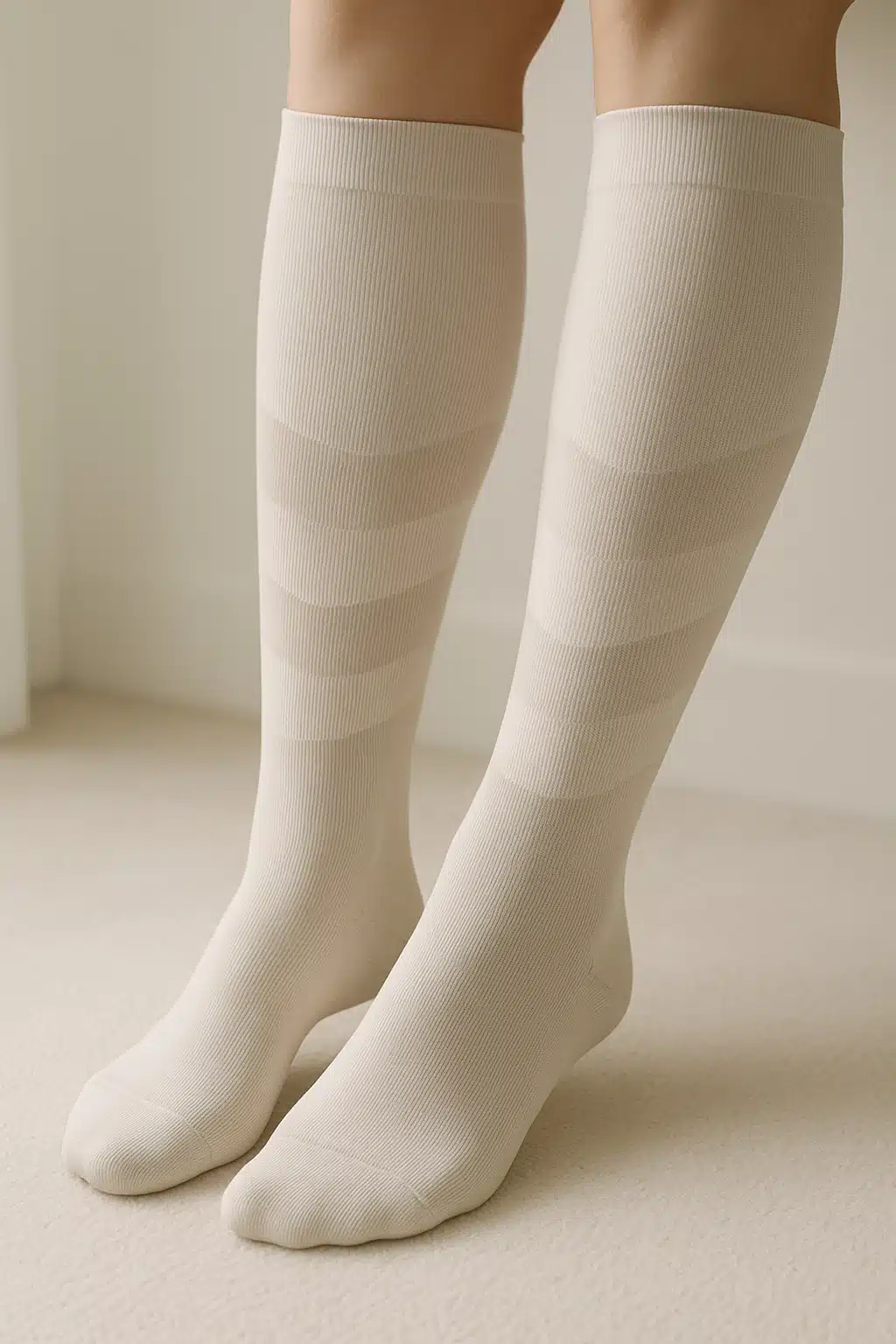
Compression socks are specially engineered hosiery designed to apply graduated pressure to your lower legs and feet. Unlike regular socks, they are tighter at the ankle and gradually become less constrictive as they move up the leg. This graduated compression design helps promote better blood circulation from your extremities back toward your heart.
The science behind compression therapy is straightforward: by applying controlled pressure to the surface veins, arteries, and muscles, compression socks help circulating blood move more efficiently. This pressure assists the valves in your veins to function properly, preventing blood from pooling in your lower legs—a condition that can lead to swelling, discomfort, and more serious circulatory issues.
Healthcare professionals commonly recommend compression socks for various purposes including reducing leg swelling, minimizing the appearance of varicose veins, preventing blood clots during long periods of immobility, managing symptoms of chronic venous insufficiency, and supporting athletic recovery. The effectiveness of compression therapy has been validated through numerous clinical studies, making it a trusted intervention worldwide.
Step-by-Step Guide: How to Put On Compression Socks Properly
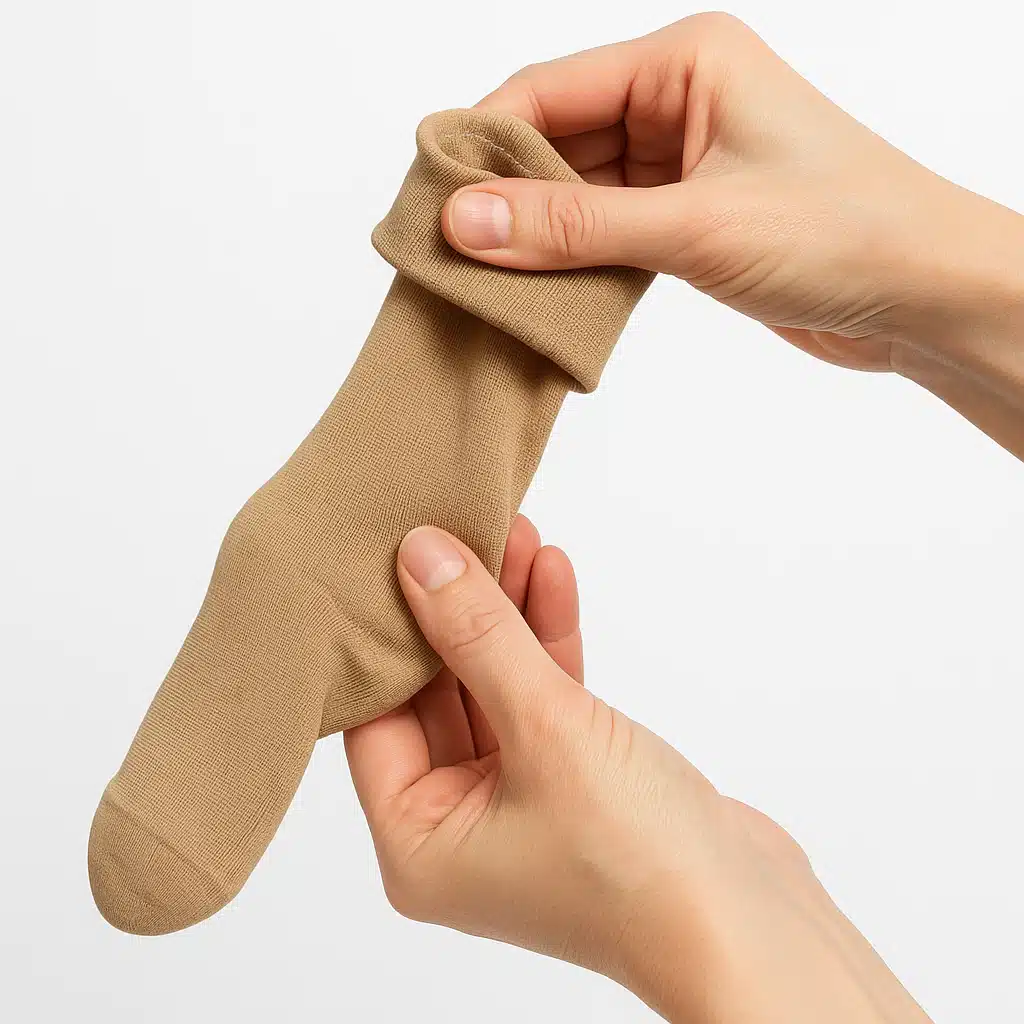
One of the most common challenges people face with compression socks is simply getting them on correctly. Due to their snug fit and specialized fabric, compression socks require a different approach than regular hosiery. Following the proper technique will make the process easier and ensure the socks function as intended.
The best time to put on compression socks is in the morning, ideally before you get out of bed or shortly after waking. At this time, your legs typically have the least amount of swelling, making it easier to pull the socks on and ensuring they fit properly throughout the day.
Proper Application Technique
- Prepare the sock: Turn the compression sock inside out, but only down to the heel pocket. This creates a pocket that will go over your foot first.
- Insert your foot: Slip your foot into the heel pocket, ensuring your heel is properly positioned in the designated area of the sock.
- Gradually pull upward: Slowly pull the sock up over your ankle and calf, using both hands to gently work the material upward. Avoid bunching the fabric—instead, use smooth, continuous motions.
- Smooth out wrinkles: Once the sock is fully on, carefully smooth out any wrinkles or bunched fabric. Wrinkles can create pressure points that reduce effectiveness and comfort.
- Check the fit: The sock should feel snug but not painfully tight. There should be no gaps, and the heel should remain in its proper position.
If you find it difficult to put on compression socks manually, especially if you have limited mobility or flexibility, consider using a sock aid device. These helpful tools are designed specifically to assist with donning compression hosiery and can make the process significantly easier and more comfortable.
Optimal Duration: How Long Should You Wear Compression Socks?

The appropriate duration for wearing compression socks depends on your specific needs and the reason you’re using them. However, there are general guidelines that apply to most situations.
For general wellness and prevention purposes, compression socks are most beneficial when worn during periods of prolonged sitting or standing. This typically means wearing them during your active daytime hours when you’re upright and engaging in your normal activities. Most experts recommend wearing compression socks from the time you wake up until you prepare for bed.
As a general rule, you can wear compression socks for 8-12 hours during the day. For optimal comfort and circulation, consider removing them every 4-6 hours for a 15-minute break. During this break, elevating your legs to a horizontal position or slightly above heart level can enhance the circulatory benefits.
It’s important to note that compression socks are typically not necessary during sleep unless specifically prescribed by a healthcare provider for a particular medical condition. When you’re lying down, gravity isn’t working against your circulatory system in the same way, so the compression assistance becomes less critical.
Usage Recommendations by Activity
- Office work or desk jobs: Wear throughout your workday, especially if you sit for extended periods
- Standing professions: Put them on before your shift begins and wear throughout your working hours
- Travel: Wear during flights or long car journeys, and for several hours after arrival
- Athletic activities: Can be worn during exercise and for several hours afterward to support recovery
- Pregnancy: Wear during daytime hours, particularly in the second and third trimesters
Always listen to your body. If compression socks become uncomfortable or painful, remove them and consult with a healthcare professional to ensure you have the correct compression level and size.
When Should You Wear Compression Socks?

Understanding when to wear compression socks can help you maximize their benefits. While individual circumstances vary, there are several common situations where compression therapy is particularly valuable.
Daily Situations That Benefit From Compression
Long periods of sitting or standing: Whether you work at a desk, in retail, in healthcare, or in any profession that keeps you stationary for hours, compression socks help prevent the pooling of blood in your lower legs. This reduces fatigue, swelling, and discomfort.
Travel: Extended travel, particularly air travel, is one of the most important times to wear compression socks. The combination of prolonged sitting, reduced cabin pressure, and limited movement significantly increases the risk of developing blood clots—a condition known as deep vein thrombosis (DVT). Compression socks have been shown in multiple studies to reduce this risk substantially.
Physical activity and sports: Many athletes wear compression socks during training and competition to improve performance and reduce muscle fatigue. Additionally, wearing them after intense exercise can support faster recovery by facilitating the removal of metabolic waste products from muscles.
Pregnancy: Pregnant individuals often experience increased leg swelling and discomfort due to hormonal changes and increased blood volume. Compression socks can provide significant relief during this time.
Post-surgical recovery: After certain surgical procedures, particularly those involving the legs or prolonged bed rest, healthcare providers often recommend compression socks to prevent blood clots and reduce swelling.
Medical Conditions That May Benefit From Compression Therapy
- Varicose veins or spider veins
- Chronic venous insufficiency
- Lymphedema
- Peripheral edema (leg swelling)
- Orthostatic hypotension
- Postural tachycardia syndrome (POTS)
- History of blood clots
If you have any of these conditions, consult with a healthcare professional before beginning compression therapy. They can recommend the appropriate compression level and usage pattern for your specific situation.
Choosing the Right Compression Level
Compression socks are available in different compression levels, measured in millimeters of mercury (mmHg). Selecting the appropriate level is crucial for both comfort and effectiveness.
- 8-15 mmHg (mild compression): Suitable for minor leg fatigue, slight swelling, or preventive use during travel and long periods of sitting or standing
- 15-20 mmHg (moderate compression): Ideal for mild varicose veins, minor to moderate swelling, prevention during pregnancy, and recovery from minor injuries
- 20-30 mmHg (firm compression): Recommended for moderate to severe varicose veins, moderate to severe edema, post-surgical recovery, and prevention of blood clots
- 30-40 mmHg (extra firm compression): Typically used for severe venous conditions, lymphedema, and other serious circulatory issues; usually requires a prescription
- 40-50 mmHg and higher: Medical-grade compression for severe conditions; always requires professional medical supervision
For general wellness and prevention, most people find 15-20 mmHg or 20-30 mmHg to be appropriate. However, if you have a specific medical condition, always consult with a healthcare provider to determine the right compression level for your needs.
Potential Side Effects and How to Avoid Them
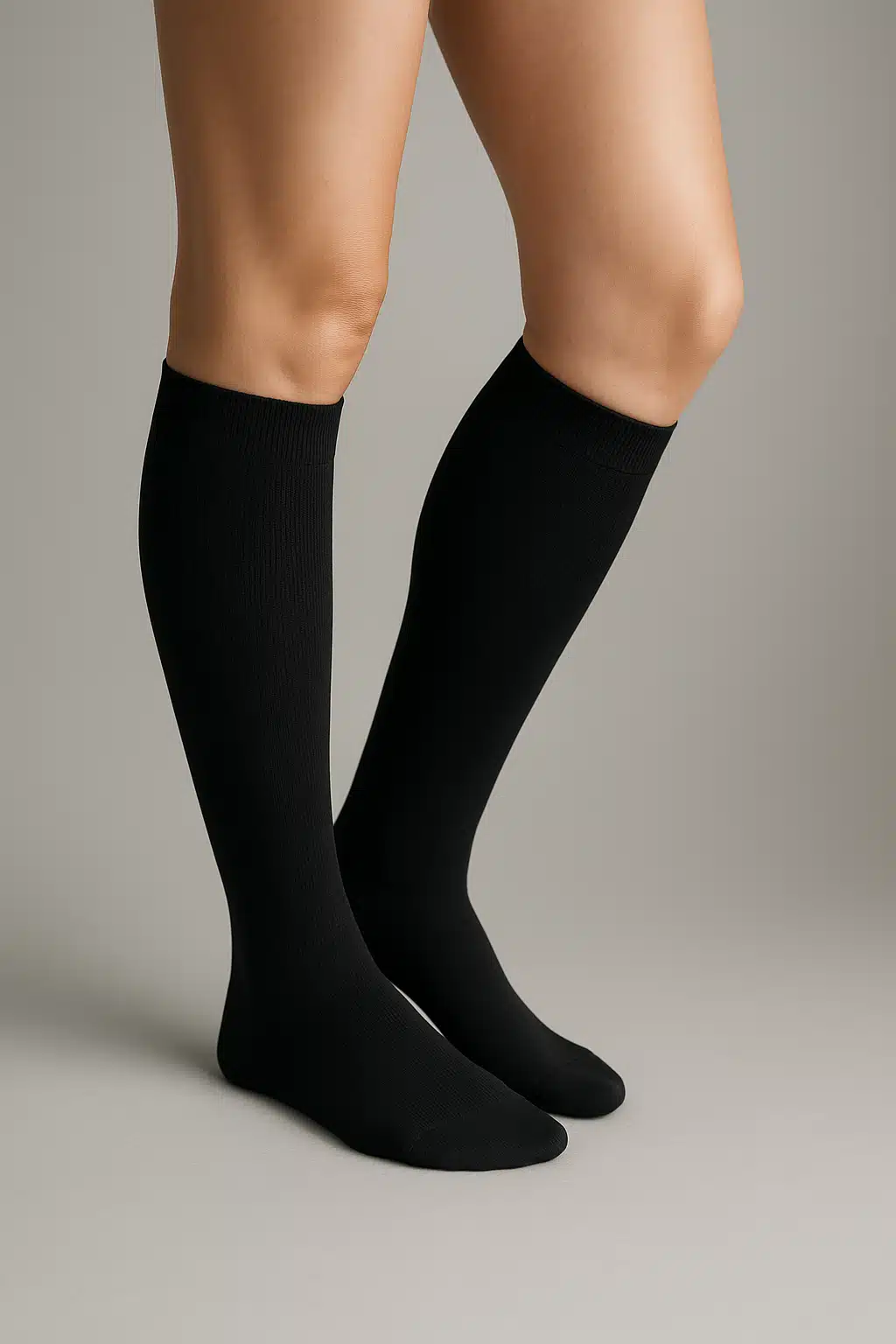
While compression socks are generally safe and well-tolerated, some people may experience side effects, particularly if the socks are ill-fitting, of poor quality, or used incorrectly. Being aware of these potential issues and knowing how to prevent them will help ensure a positive experience with compression therapy.
Skin Irritation, Itching, or Redness
Some individuals may experience skin irritation when wearing compression socks. This can manifest as itching, redness, rashes, or general discomfort. These reactions are most commonly caused by:
- Allergic reactions to certain materials or dyes used in the fabric
- Poor-quality materials that don’t allow adequate breathability
- Excessive friction from ill-fitting socks
- Socks that are too tight or have uncomfortable seams
How to prevent it: Choose compression socks made from high-quality, breathable materials. Look for products that are hypoallergenic and free from harsh dyes or chemicals. Ensure proper sizing—socks that are too tight or too loose can both cause irritation. If you have sensitive skin, consider compression socks specifically designed for this concern, often made with softer, moisture-wicking fabrics.
Restricted Blood Flow
There’s a common misconception that compression socks restrict blood flow. In reality, properly fitted compression socks with the appropriate compression level do the opposite—they enhance circulation by supporting the natural pumping action of your leg muscles and veins.
However, compression socks that are too tight or of an inappropriately high compression level can potentially impede circulation. Signs that your compression socks may be too tight include:
- Numbness or tingling in your feet or legs
- Discoloration of the toes or feet
- Increased pain rather than relief
- Difficulty walking or moving comfortably
How to prevent it: Always follow sizing guidelines carefully, measuring your legs at the recommended points (typically ankle, calf, and sometimes thigh circumference). Start with a lower compression level if you’re new to compression therapy, and gradually increase if needed. Never wear compression socks that feel painfully tight, and remove them immediately if you experience numbness or discoloration.
Bruising and Discomfort
Bruising can occur when compression socks are poorly made, don’t fit properly, or are worn incorrectly. This typically happens when fabric bunches up, creating areas of concentrated pressure, or when the top band of the sock is too tight and digs into the leg.
How to prevent it: Invest in quality compression socks from reputable manufacturers. Ensure you apply them correctly without wrinkles or bunching. The top band should be snug but not constricting—you should be able to fit a finger comfortably under it. If you notice marks or indentations that last more than a few minutes after removing the socks, they may be too tight.
Foot Pain or Discomfort
After wearing compression socks, your legs and feet should feel refreshed and energized, not painful or exhausted. If you experience foot pain after wearing compression socks, this is usually an indication that something isn’t right—either the fit, the compression level, or the application method.
How to prevent it: Ensure you’re wearing the correct size and compression level. Pay attention to how the sock feels throughout the day—mild awareness of pressure is normal, but pain is not. If discomfort develops, take a break and reassess the fit. You may need a different size or compression level.
When to Seek Medical Advice
Consult a healthcare professional before using compression socks if you have:
- Peripheral arterial disease or poor arterial circulation
- Peripheral neuropathy or decreased sensation in your legs
- Severe leg deformities or unusual leg shapes
- Skin infections or open wounds on your legs
- Significant swelling that extends above the knee
Additionally, stop using compression socks and seek medical attention if you develop persistent pain, skin breakdown, increased swelling, or any signs of infection while wearing them.
Caring for Your Compression Socks
Proper care and maintenance of your compression socks will extend their lifespan and ensure they continue to provide effective compression. Most compression socks will maintain their elasticity and compression properties for approximately 3-6 months with regular use and proper care.
Washing Guidelines
- Wash compression socks after each use to remove oils, dead skin cells, and bacteria
- Use mild detergent without bleach or fabric softeners, which can damage elastic fibers
- Hand washing is ideal, but machine washing on a delicate cycle in a mesh laundry bag is acceptable
- Use cool or lukewarm water rather than hot water
- Rinse thoroughly to remove all detergent residue
Drying Guidelines
- Air drying is best—lay flat or hang to dry away from direct heat or sunlight
- Never put compression socks in the dryer, as high heat damages elastic fibers
- Don’t wring or twist the socks, as this can distort the compression gradient
- Ensure socks are completely dry before wearing or storing
Having multiple pairs allows you to rotate them, ensuring you always have a clean pair while others are being washed and dried. Most users find that owning 3-4 pairs provides adequate rotation for daily use.
Conclusion: Making Compression Socks Work for You
Compression socks offer proven benefits for a wide range of people, from those seeking to prevent circulatory issues to individuals managing existing conditions. By understanding how to properly use, care for, and select compression socks, you can maximize their effectiveness and comfort.
Remember these key points:
- Put compression socks on in the morning when leg swelling is minimal
- Use proper application technique to avoid bunching and ensure even compression
- Wear them during active daytime hours, particularly during prolonged sitting or standing
- Choose the appropriate compression level for your needs
- Invest in quality products made from breathable, comfortable materials
- Remove socks if you experience pain, numbness, or other concerning symptoms
- Care for your compression socks properly to maintain their effectiveness
If you’re considering compression socks for a medical condition, always consult with a healthcare professional first. They can provide personalized recommendations based on your specific health situation and ensure you select the most appropriate compression level and style.
With the right approach, compression socks can become a valuable addition to your daily routine, supporting better circulation, reduced discomfort, and improved overall leg health.