Complete Guide: What to Do After Using a Sheet Mask for Maximum Results
Sheet masks have become a cornerstone of modern skincare routines worldwide, beloved for their convenience, effectiveness, and luxurious self-care experience. These single-use facial treatments, soaked in concentrated serums packed with vitamins, antioxidants, and hydrating ingredients, offer an accessible way to address various skin concerns from dullness and dehydration to fine lines and uneven texture.
However, what you do immediately after removing a sheet mask is just as important as the masking process itself. Many people make the mistake of either washing their face right away or skipping subsequent skincare steps, which can significantly reduce the benefits of the treatment. This comprehensive guide will walk you through the essential post-mask steps to lock in benefits, maximize absorption, and achieve that coveted healthy, radiant glow.
Understanding Sheet Masks: Origins and Benefits
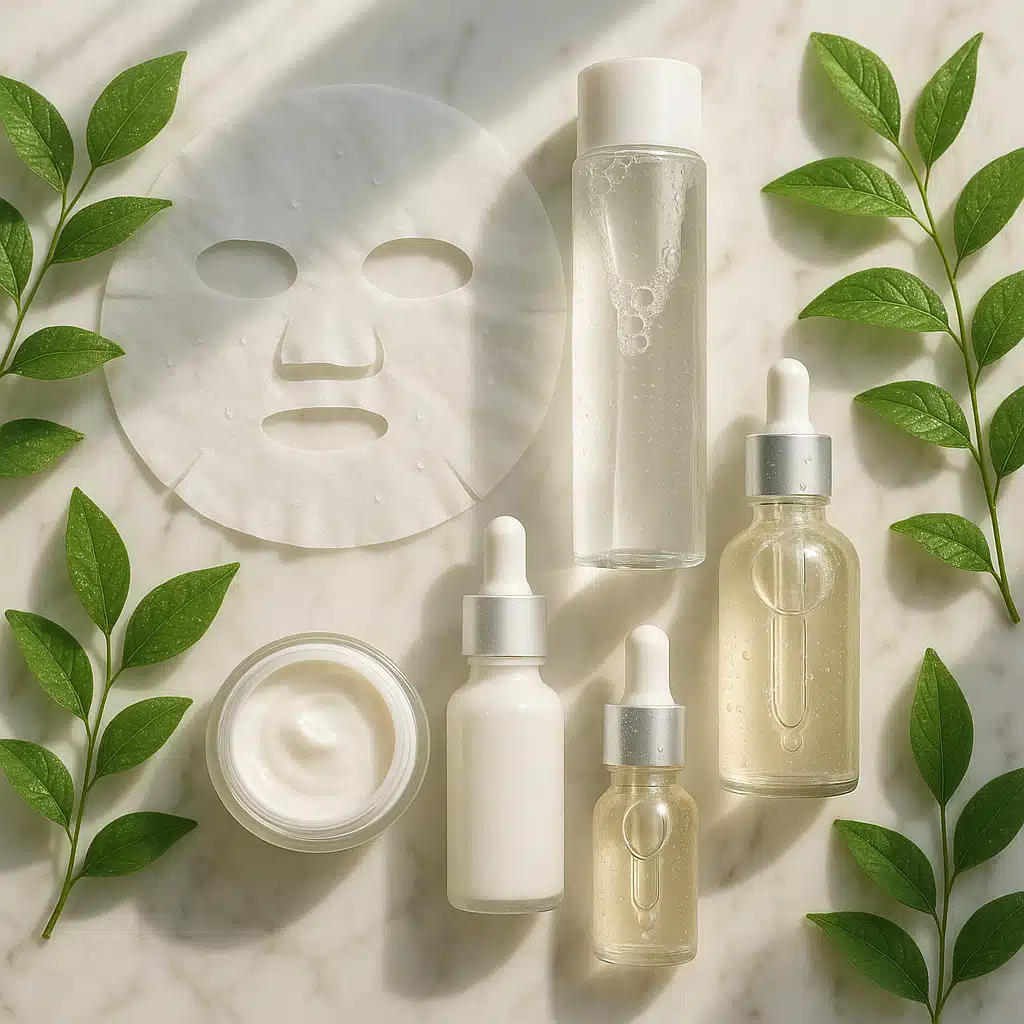
Sheet masks originated in South Korea as part of the innovative K-beauty movement and have since gained global popularity. These pre-cut facial sheets are typically made from materials such as cotton, cellulose, bamboo fiber, hydrogel, or bio-cellulose, each offering different adherence properties and serum-holding capacities.
What makes sheet masks particularly effective is their occlusive nature. The physical barrier created by the mask prevents the serum from evaporating too quickly, allowing active ingredients to penetrate deeper into the skin layers. Different formulations target specific concerns including hydration, brightening, anti-aging, pore refining, soothing irritation, and oil control.
Regular use of sheet masks—typically two to three times per week—can significantly improve skin texture, tone, and overall appearance when combined with a proper skincare routine.
Proper Sheet Mask Application: Timing and Technique
To get the most out of your sheet mask experience, proper preparation and application are essential. Always start with thoroughly cleansed skin to remove makeup, dirt, oil, and environmental pollutants that could create a barrier preventing serum absorption.
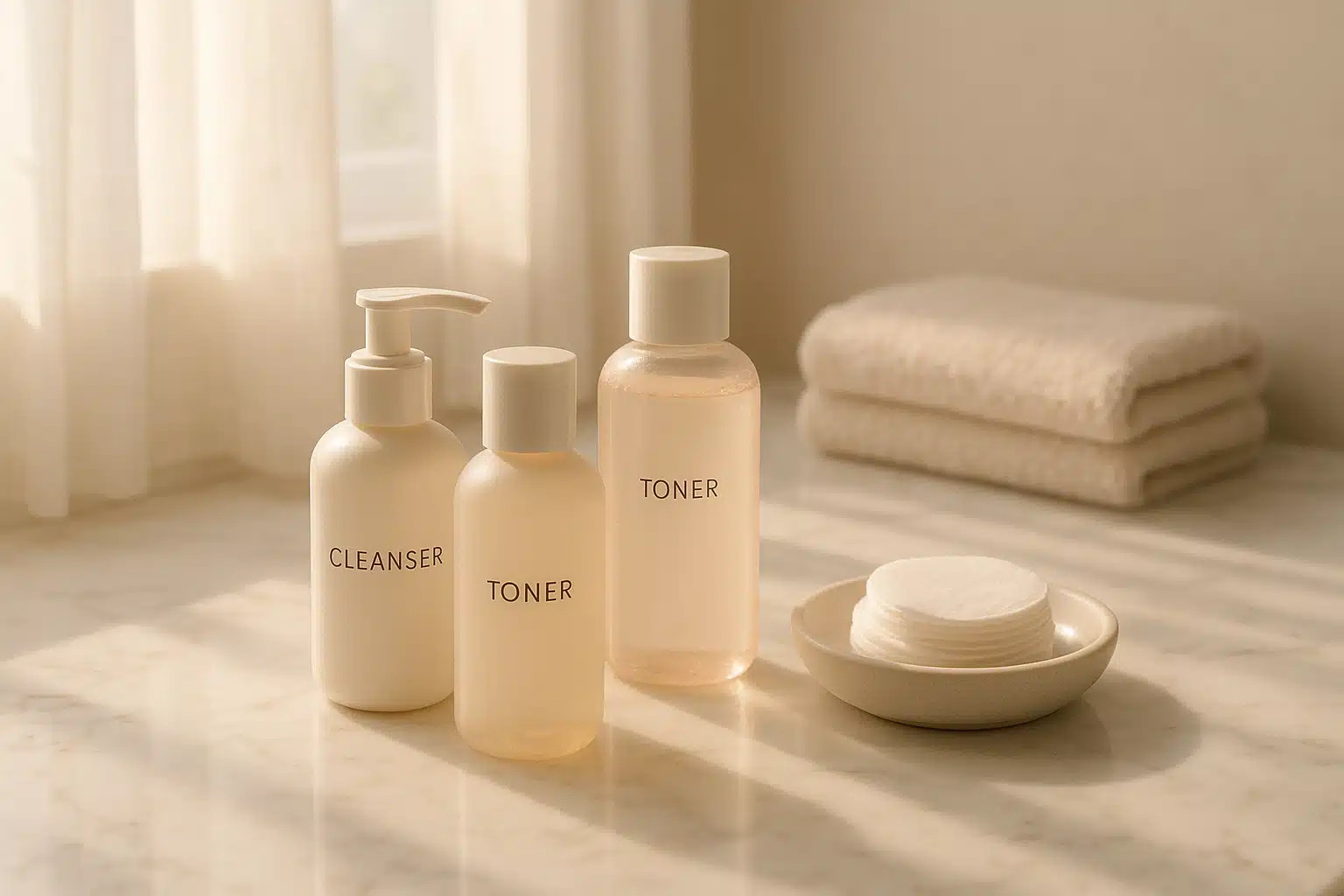
Begin by washing your face with a gentle cleanser appropriate for your skin type. For oily or combination skin, look for gel or foaming cleansers that help control sebum production without stripping the skin. For dry or sensitive skin, cream or oil-based cleansers provide gentle cleansing while maintaining moisture balance.
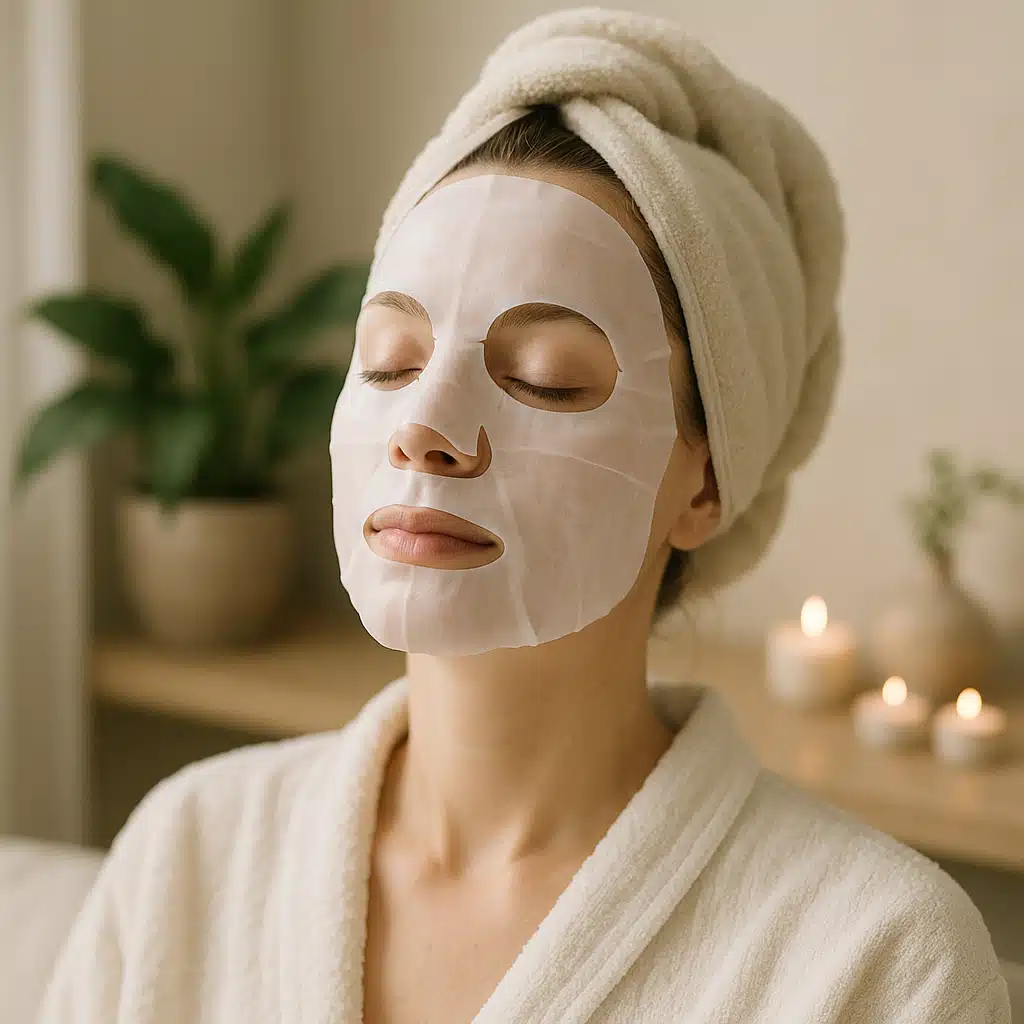
After cleansing, apply a toner to balance your skin’s pH level and prepare it for better absorption. Then carefully unfold the sheet mask and align it with your facial features, smoothing out any air bubbles or wrinkles. Most masks have cutouts for eyes, nose, and mouth.
The optimal masking time is typically 15 to 20 minutes. Find a comfortable position, preferably lying down, and use this time to relax completely. For best results, apply sheet masks in the evening before bed. Nighttime application allows the skin to enter its natural repair mode during sleep, maximizing nutrient absorption and regeneration.
Essential Post-Mask Skincare Steps
Step 1: Massage in Remaining Serum
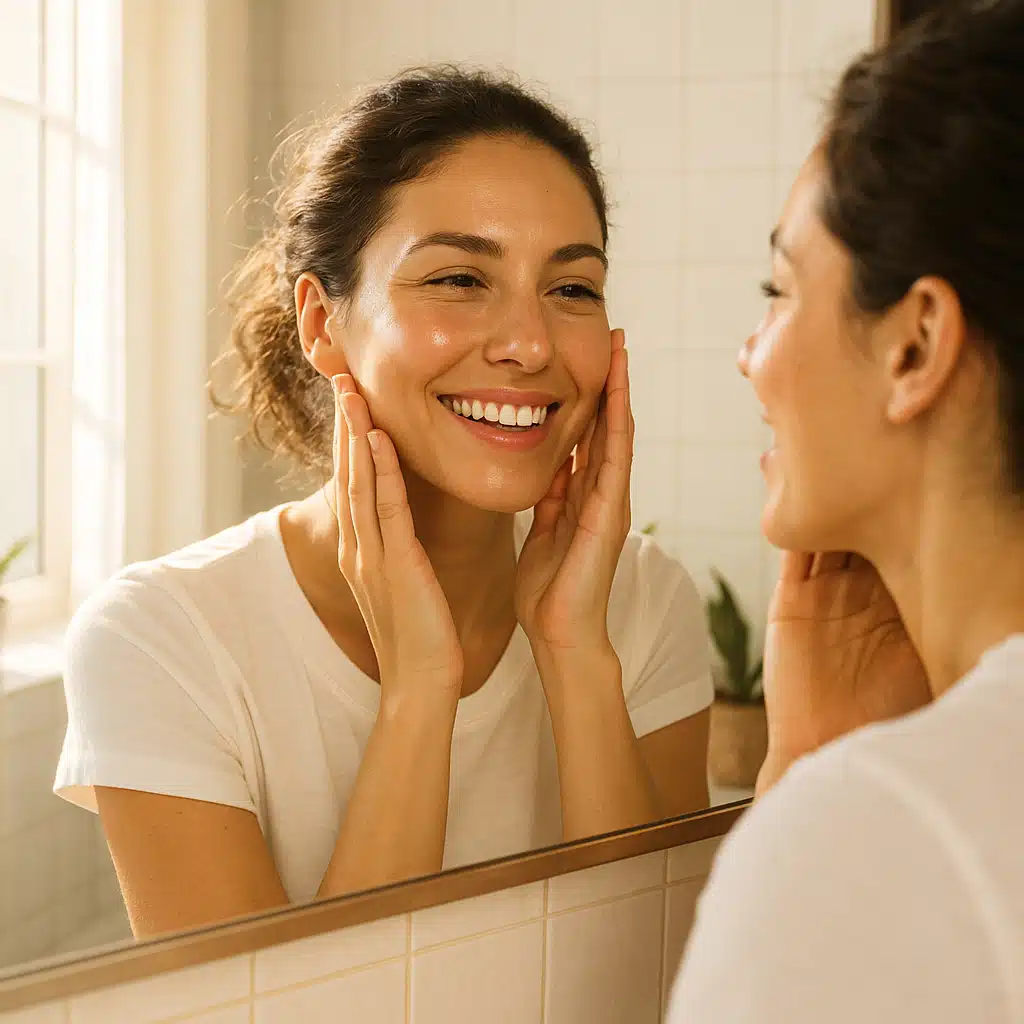
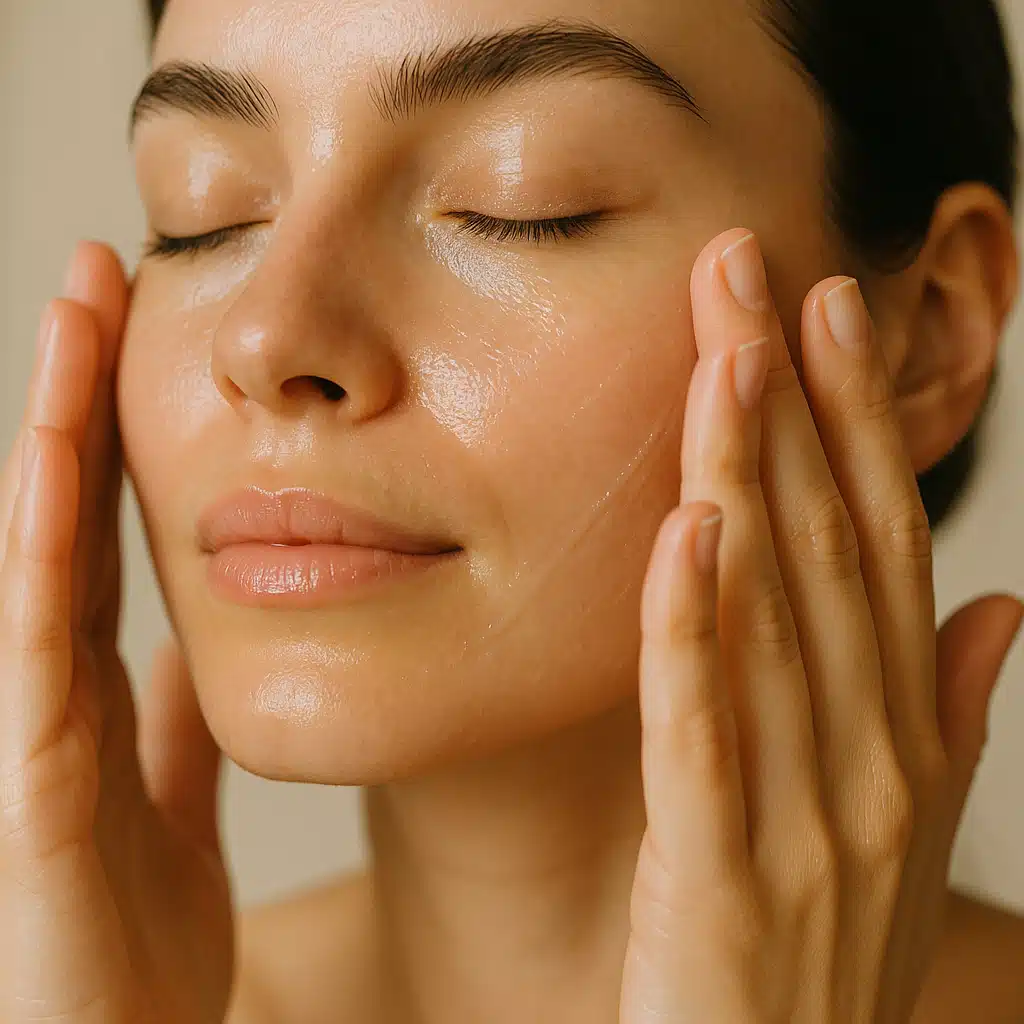
After removing the sheet mask, you’ll notice your skin feels saturated with the remaining serum. This is perfectly normal and beneficial. Instead of washing it away or leaving it to sit, take a few minutes to gently massage the excess serum into your skin using clean fingertips.
Use upward and outward motions, which help promote lymphatic drainage and prevent sagging. Pay attention to areas that tend to show early signs of aging, such as the forehead, around the eyes, nasolabial folds, and jawline. The gentle massage stimulates blood circulation, enhances absorption, and provides a relaxing facial experience.
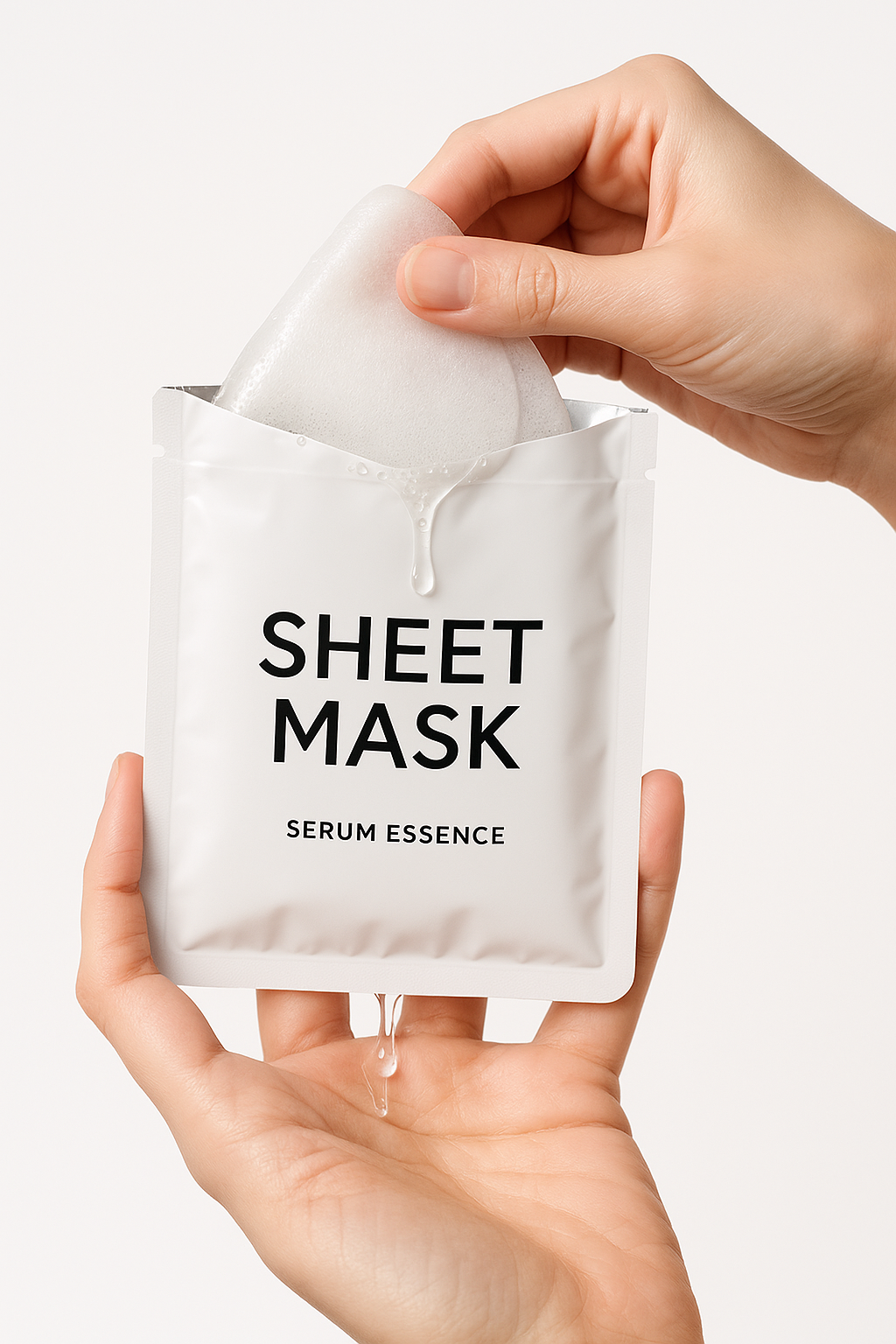
Don’t forget about your neck and décolletage—these areas are often neglected in skincare routines but show visible signs of aging. Most sheet mask packages contain extra serum that you can squeeze out and apply to these areas, helping maintain firmness and minimize the appearance of wrinkles and crepey skin.
Step 2: Apply Toner for Enhanced Absorption
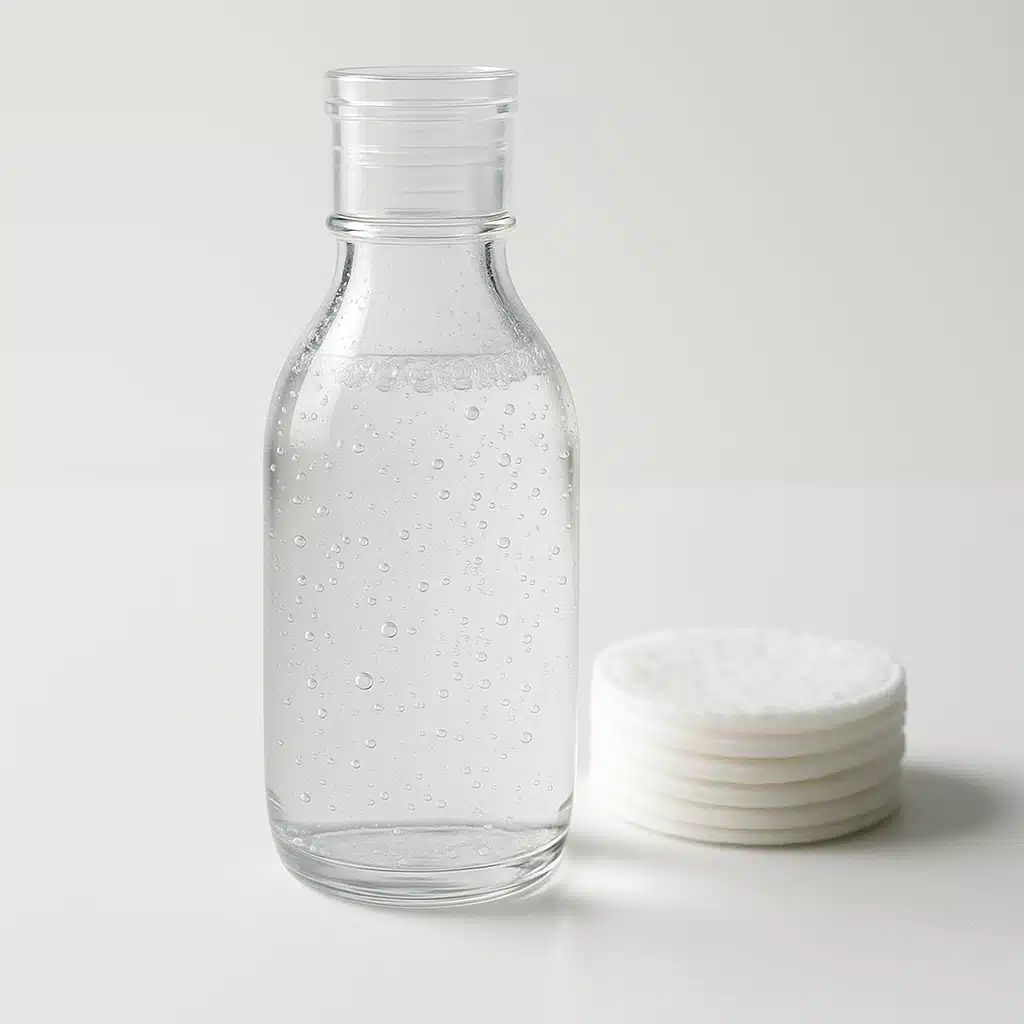
While it might seem counterintuitive to apply toner after using a serum-soaked mask, this step serves an important purpose in your post-mask routine. A second application of toner after removing the sheet mask acts as a lightweight preparation layer for subsequent products.
Choose a hydrating or treatment toner rather than an astringent type. These toners provide an additional layer of hydration, help any remaining serum penetrate more evenly, and create an optimal base for moisturizer application. Toners with ingredients like hyaluronic acid, glycerin, or botanical extracts can further boost hydration levels.
Apply toner by gently patting it into the skin with your hands or using a cotton pad with light sweeping motions. The patting method is particularly effective as it promotes absorption and gives your skin an energizing mini-massage.
Step 3: Seal Everything In with Moisturizer
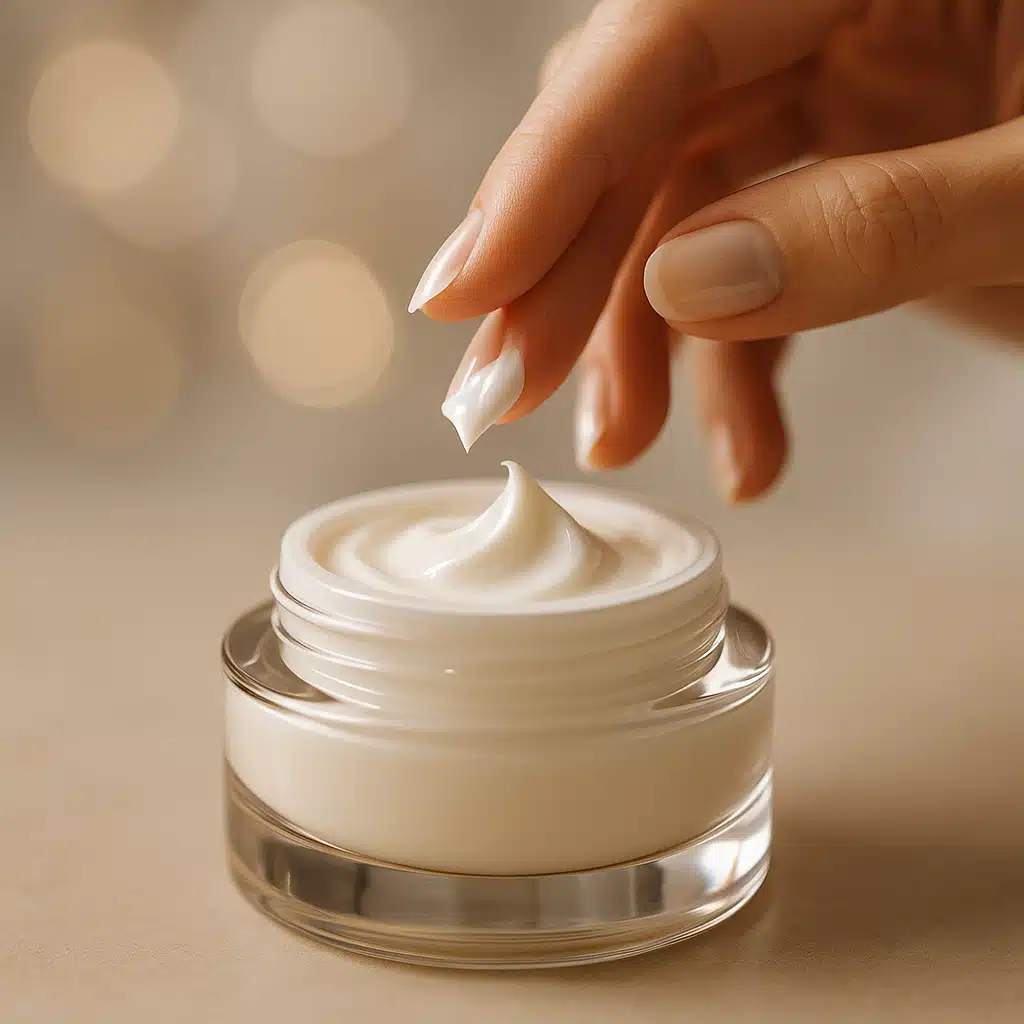
This is perhaps the most critical step in your post-mask routine. While sheet masks deliver a concentrated dose of active ingredients, they don’t create a lasting barrier to prevent moisture loss. Without a proper moisturizer, the beneficial ingredients can evaporate from your skin surface, diminishing the mask’s effectiveness.
Choose a moisturizer appropriate for your skin type. Those with dry skin should opt for richer creams containing emollients like shea butter, ceramides, or plant oils. If you have oily or combination skin, lightweight gel-based or water-based moisturizers with ingredients like hyaluronic acid work best, providing hydration without heaviness.
Apply moisturizer while your skin is still slightly damp from the mask serum and toner. This helps lock in all the layers of hydration and active ingredients. Use gentle upward strokes and don’t forget to extend application down to your neck.
The moisturizer creates an occlusive barrier that prevents trans-epidermal water loss (TEWL), keeping your skin plump, supple, and glowing for hours after your masking session.
Step 4: Sun Protection for Daytime Masking
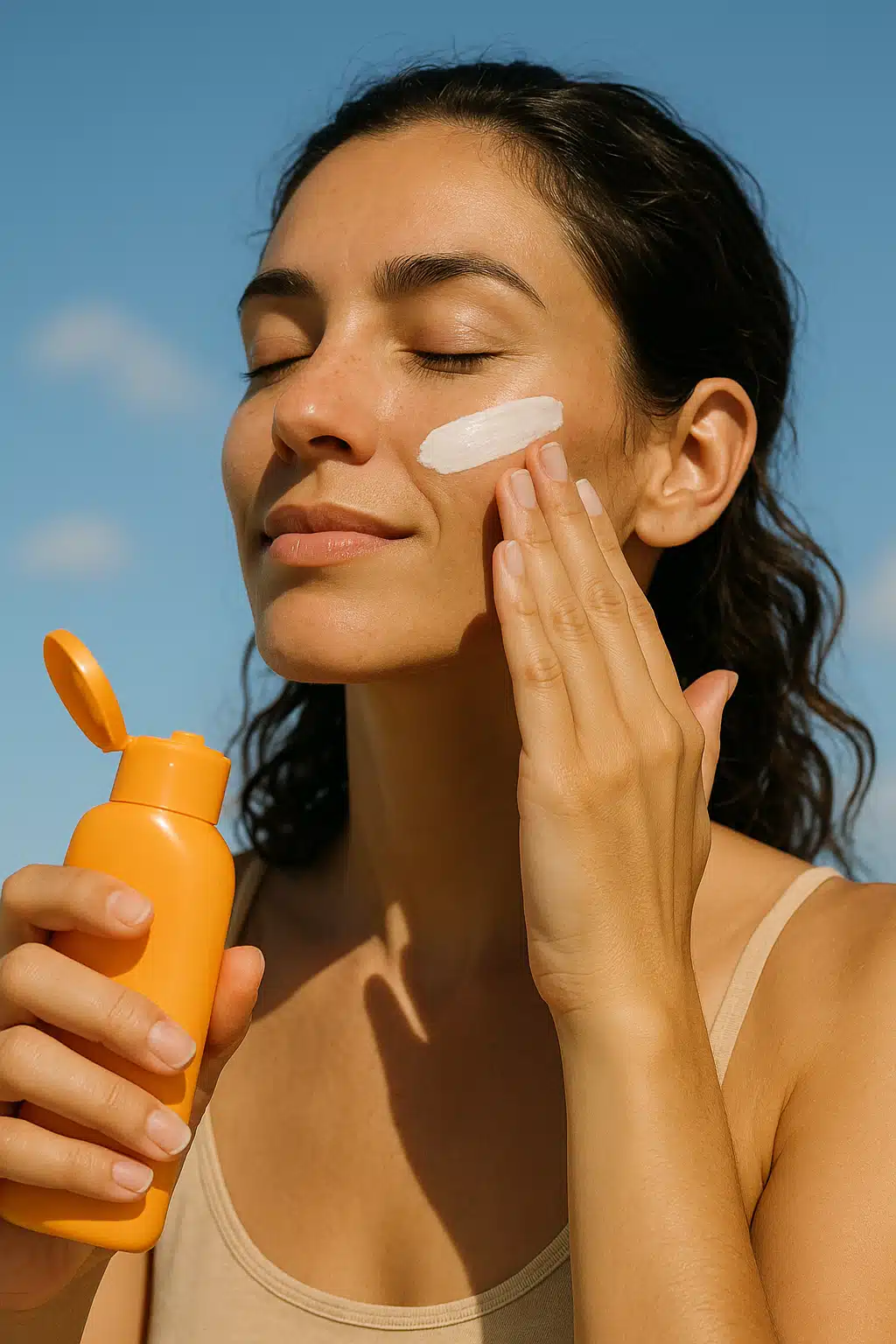
If you choose to use your sheet mask during the morning or daytime hours, sun protection becomes an essential final step. Some active ingredients commonly found in sheet masks—such as vitamin C, AHAs, or certain botanical extracts—can increase photosensitivity, making your skin more vulnerable to UV damage.
After allowing your moisturizer to absorb for a few minutes, apply a broad-spectrum sunscreen with at least SPF 30. Choose formulations that work well with your skin type—mineral sunscreens with zinc oxide or titanium dioxide are excellent for sensitive skin, while chemical sunscreens often provide a more cosmetically elegant finish under makeup.
Consistent sun protection not only prevents immediate concerns like sunburn but also protects against long-term damage including premature aging, hyperpigmentation, loss of elasticity, and increased skin cancer risk. This step should be non-negotiable regardless of weather conditions, as UV rays penetrate clouds and windows.
Common Sheet Mask Mistakes to Avoid
Leaving the Mask On Too Long
One of the most common misconceptions is that leaving a sheet mask on longer will deliver better results. In reality, once the mask begins to dry out—usually after 20-25 minutes—it can actually start drawing moisture back out of your skin, leaving it dehydrated and tight.
Always follow the recommended time on the package, typically between 10 to 20 minutes. Set a timer if needed. When you remove the mask, it should still feel moist and your skin should feel plump and hydrated, not tight or dry.
Washing Your Face Immediately After
After removing a sheet mask, your face might feel slightly sticky or tacky from the concentrated serum. This can create an urge to wash your face immediately, but doing so is one of the biggest post-mask mistakes you can make.
The residual serum contains valuable active ingredients that need time to absorb into your skin. Washing immediately not only removes these beneficial components but also strips away the hydration you just provided. Instead, massage the serum in gently and allow at least 5-10 minutes for absorption before applying additional products.
The slightly tacky feeling will disappear once you apply toner and moisturizer, which help blend and seal in the serum effectively.
Neglecting the Eye Area
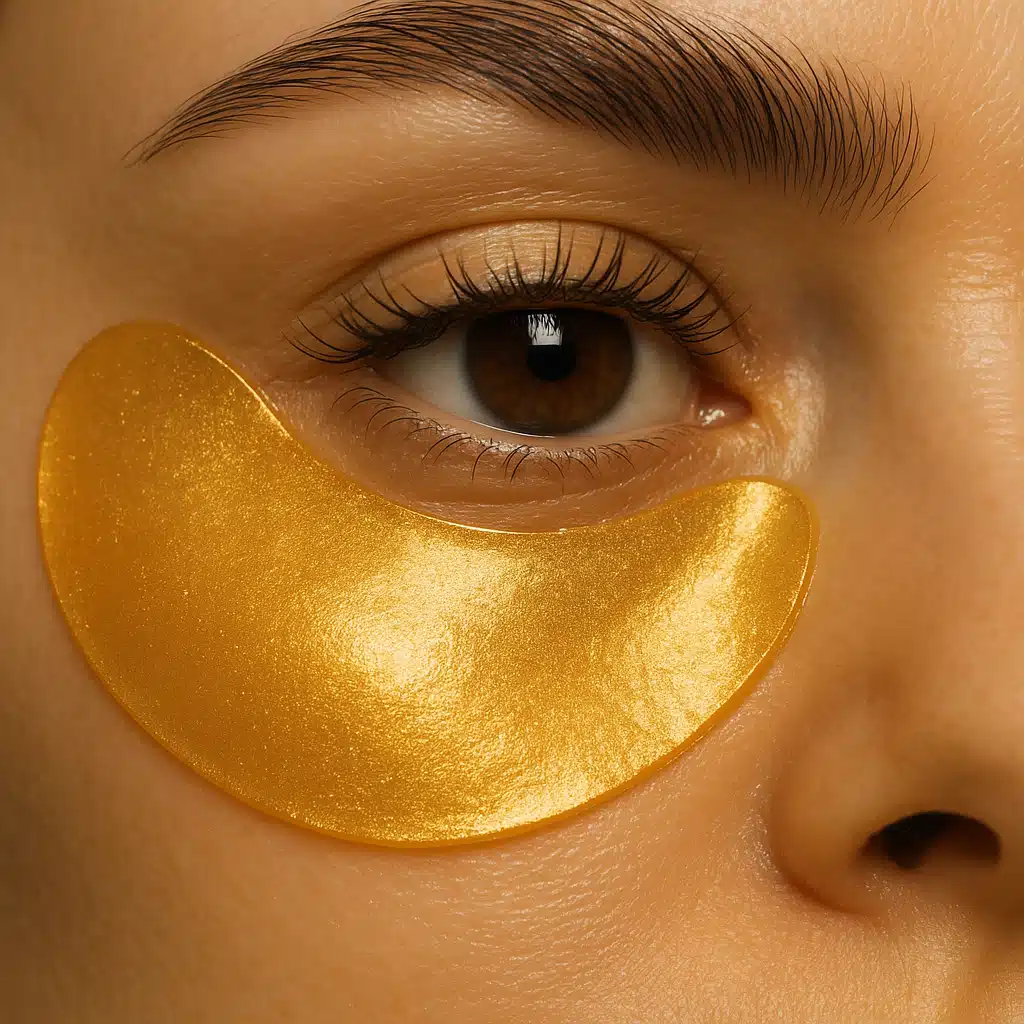
Most sheet masks are designed with cutouts for the eyes, nose, and mouth, which means the delicate skin around your eyes doesn’t receive the same treatment as the rest of your face. This area has thinner skin with fewer oil glands, making it particularly prone to dryness, fine lines, and signs of fatigue.
To address this, consider using a dedicated under-eye mask alongside your facial sheet mask, or apply a targeted eye cream or serum after removing the face mask. Look for products with ingredients like caffeine to reduce puffiness, peptides to address fine lines, or hyaluronic acid for intense hydration.
You can also gently pat some of the excess serum from your sheet mask around the orbital area, being careful not to get product directly in your eyes.
Skipping Neck and Chest Care
The neck and décolletage are often called the “truth tellers” because they can reveal your age even when facial skin looks youthful. These areas have thinner skin and are constantly exposed to environmental stressors, yet they’re frequently overlooked in skincare routines.
After your sheet mask session, make it a habit to extend your skincare down past your jawline. Use the excess serum left in the mask package on your neck and chest area. Follow with the same toner and moisturizer you use on your face, applying with upward strokes to help support skin firmness.
For those particularly concerned about neck aging, consider adding a specialized neck cream to your routine. These products are formulated specifically for the unique needs of this area, often containing firming ingredients and richer textures.
Optimizing Your Sheet Mask Routine
Frequency and Consistency
For most skin types, using sheet masks two to three times per week delivers optimal results without overwhelming the skin. However, frequency can be adjusted based on individual needs. During particularly dry seasons, travel, or periods of stress, you might increase usage to every other day.
Conversely, if you have very sensitive or reactive skin, starting with once weekly and gradually increasing frequency allows you to monitor how your skin responds. Consistency matters more than intensity—regular use over time produces more significant improvements than sporadic intensive treatments.
Choosing the Right Mask for Your Concerns
Not all sheet masks are created equal. Selecting masks formulated for your specific skin concerns maximizes their effectiveness. Hydrating masks with hyaluronic acid suit nearly all skin types and provide a moisture boost. Brightening masks containing vitamin C, niacinamide, or licorice extract help with hyperpigmentation and dull complexion.
Anti-aging formulations feature ingredients like peptides, collagen, or adenosine to address fine lines and loss of firmness. Soothing masks with centella asiatica, aloe vera, or chamomile benefit sensitive, irritated, or post-procedure skin. Purifying masks with charcoal, clay, or tea tree oil help control oil and minimize breakouts.
You can rotate different mask types throughout the week to address multiple concerns, or focus on one primary issue with consistent use of targeted formulations.
Enhancing the Experience
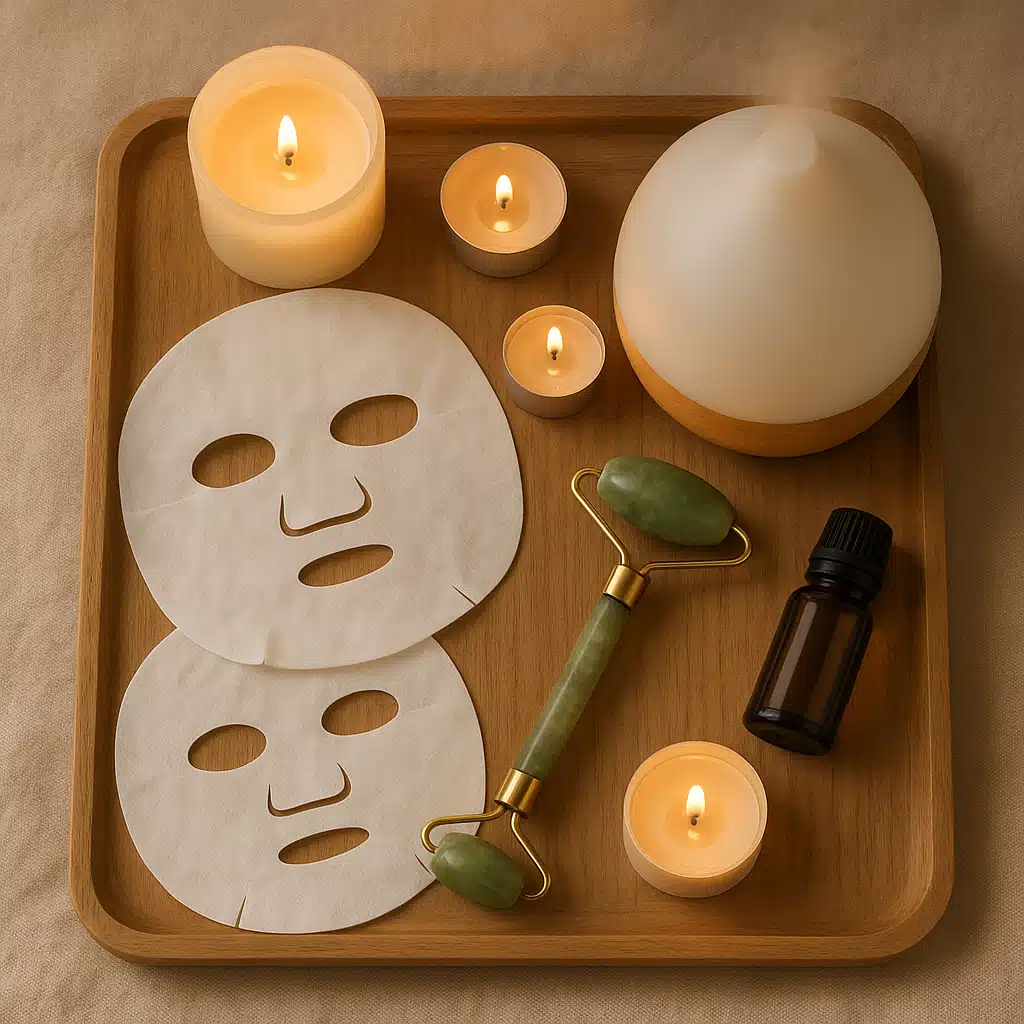
Transform your sheet mask routine from a simple skincare step into a holistic self-care ritual. Consider refrigerating masks before use for an extra cooling, de-puffing effect—particularly beneficial for morning application. Play calming music, dim the lights, and practice deep breathing or meditation during your masking time.
Some people enjoy using jade rollers or gua sha tools after removing the mask to further enhance circulation and absorption. The cooling sensation of these tools combined with the massage technique can improve lymphatic drainage and create a spa-like experience at home.
Building a Complete Skincare System
Sheet masks work best as part of a comprehensive skincare approach rather than as standalone treatments. Your daily routine should include gentle cleansing morning and evening, toner application, targeted treatments like serums or essences, moisturizer, and daytime sun protection.
Sheet masks serve as a intensive treatment that complements this foundation, providing concentrated active ingredients and a hydration boost. Think of them as the special occasion enhancement to your everyday skincare wardrobe—valuable and effective, but most powerful when paired with consistent daily care.
Track your skin’s response to different products and routines. Keep notes on which mask types deliver the best results for your concerns, how your skin feels the morning after masking, and any sensitivities you notice. This information helps you refine your routine over time for increasingly personalized and effective care.
Conclusion: Maximizing Your Sheet Mask Investment
Sheet masks offer an accessible, effective, and enjoyable way to elevate your skincare routine and address specific concerns. However, the true value of these treatments emerges only when you follow proper post-mask care steps. By massaging in remaining serum, applying toner, sealing everything with an appropriate moisturizer, and protecting with sunscreen during the day, you create an optimal environment for active ingredients to work their magic.
Avoid common mistakes like leaving masks on too long, washing immediately after removal, or neglecting the delicate eye and neck areas. Instead, approach sheet masking as a complete ritual that extends beyond the 20 minutes the mask sits on your face.
With consistency, proper technique, and thoughtful product selection, sheet masks can deliver visible improvements in hydration, brightness, texture, and overall skin health. Your skin will thank you with a healthy, radiant glow that reflects the care and attention you’ve invested in your skincare journey.