Understanding Skin Rejuvenation and Brightening
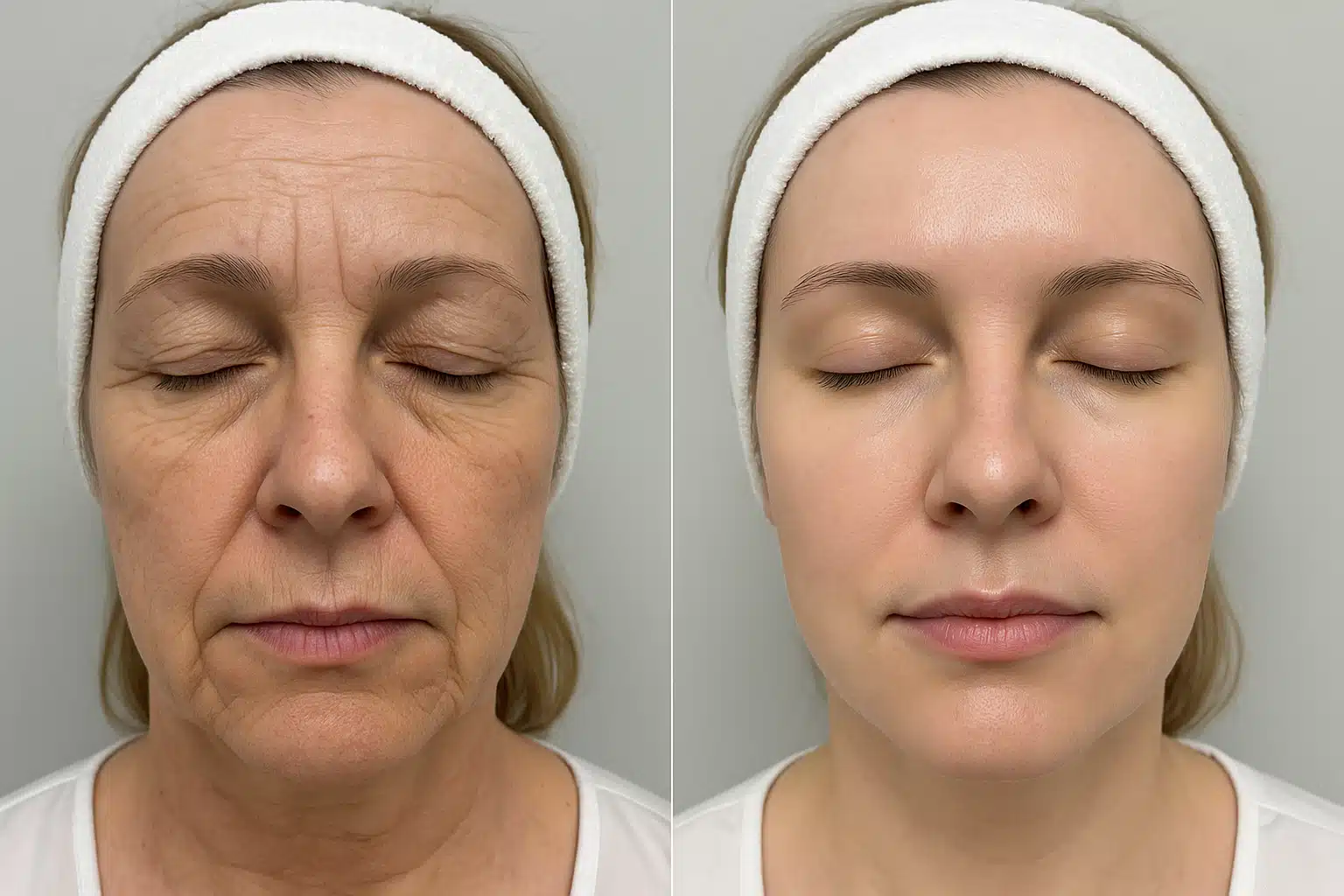
Skin aging is a universal experience that affects everyone, regardless of where they live. While the passage of time naturally impacts our skin’s appearance, numerous external factors accelerate this process. Environmental pollution, prolonged sun exposure, tobacco use, and lifestyle choices all contribute to premature aging and skin damage. The good news is that modern skincare science offers multiple approaches to maintain youthful, radiant skin and address existing concerns before they become more pronounced.
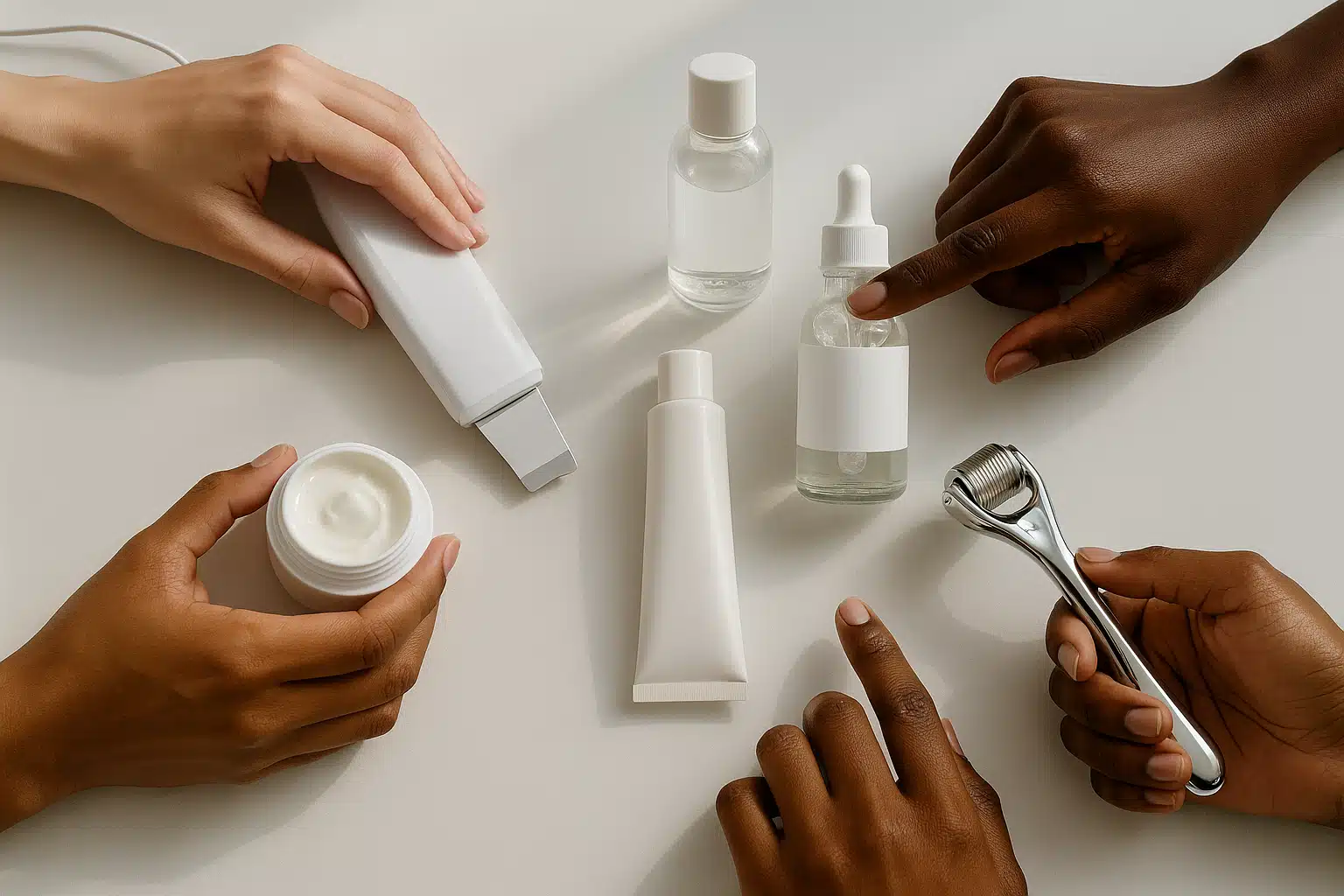
Today’s skincare landscape presents an impressive array of rejuvenation methods suitable for all genders and skin types. These treatments range from professional clinical procedures to at-home care routines, each designed to address specific concerns and deliver visible results. Understanding these options empowers you to make informed decisions about your skincare journey and discover which approaches align best with your needs and goals.
Common Skin Concerns and Conditions
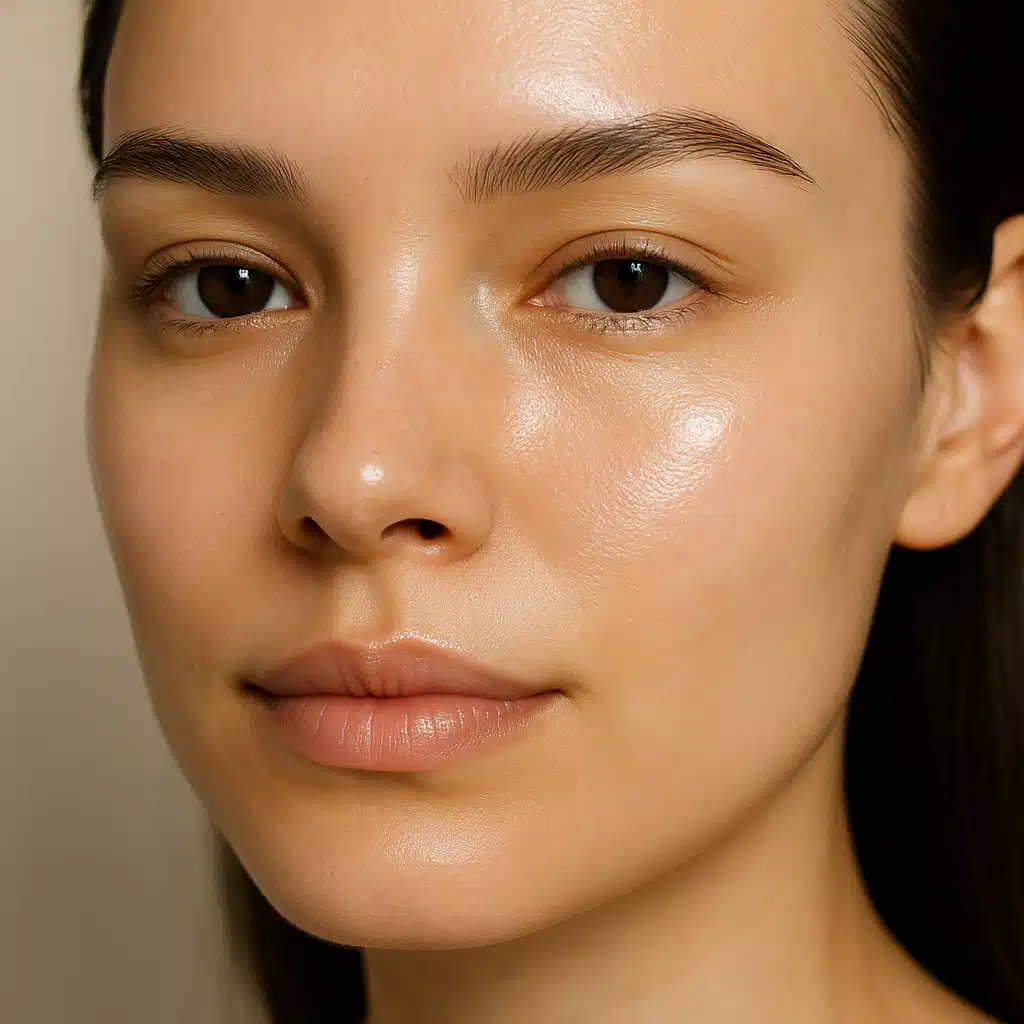
Throughout our lives, virtually everyone encounters various skin challenges that can affect appearance, comfort, and confidence. These conditions vary significantly in their severity, duration, and impact. While some are temporary and respond well to basic care, others require professional attention and specialized treatment approaches. Understanding these common skin concerns helps you recognize when to seek expert guidance and which rejuvenation methods might be most beneficial.
Skin conditions can manifest as temporary irritations or develop into chronic concerns that require ongoing management. Some conditions are primarily cosmetic, affecting appearance without health implications, while others may indicate underlying health issues that warrant medical evaluation. Regardless of severity, addressing skin concerns early often leads to better outcomes and prevents complications.
Prevalent Skin Conditions
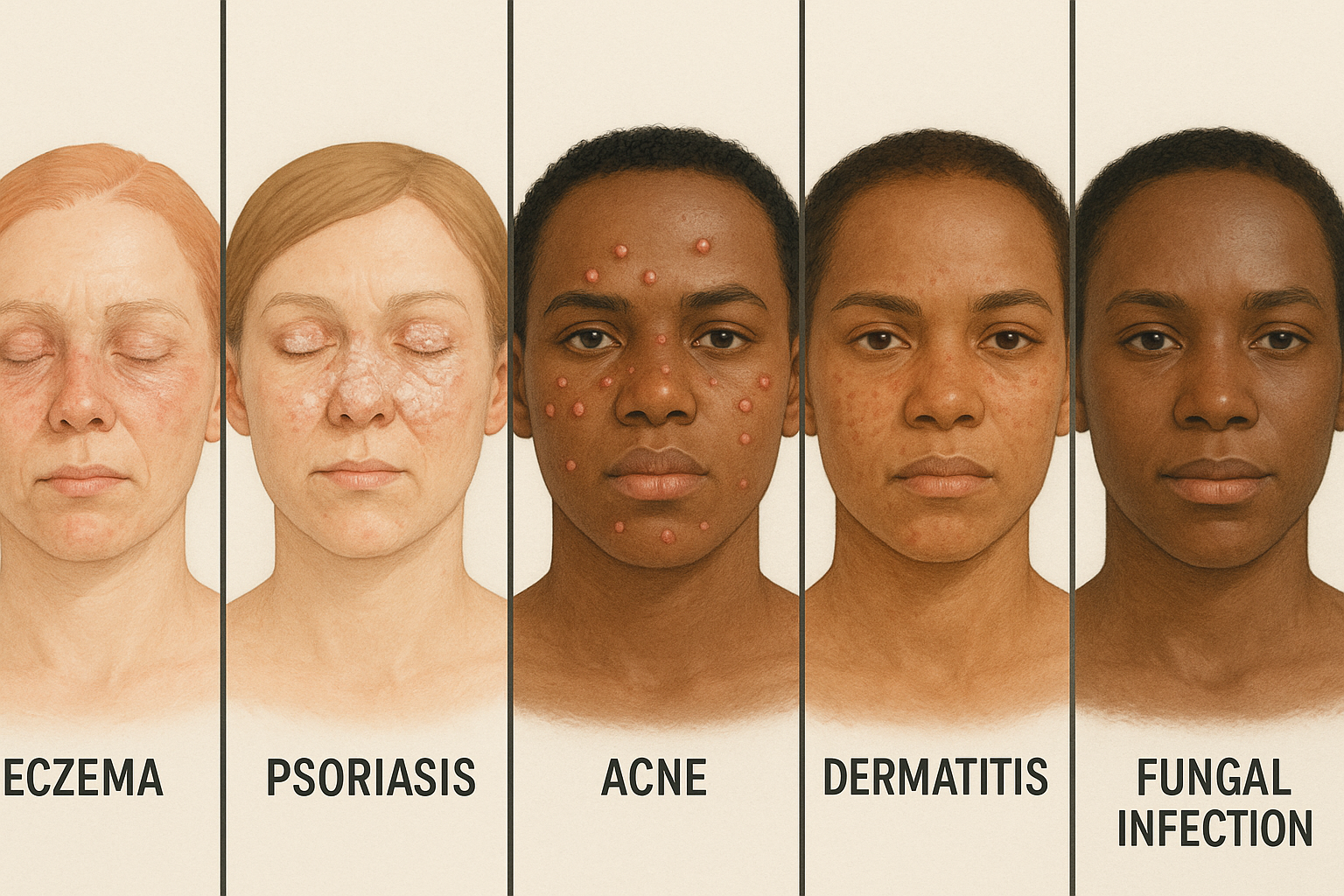
- Acne: Inflammatory condition affecting oil glands and hair follicles, causing pimples, blackheads, and cysts
- Psoriasis: Autoimmune condition causing rapid skin cell buildup, resulting in scaling and inflammation
- Eczema (Dermatitis): Inflammatory condition causing itchy, red, and dry skin patches
- Vitiligo: Pigmentation disorder causing loss of skin color in patches
- Urticaria (Hives): Allergic reaction causing raised, itchy welts on the skin
- Milia: Small, white bumps formed when dead skin cells become trapped beneath the surface
- Rosacea: Chronic condition causing facial redness, visible blood vessels, and sometimes acne-like bumps
- Skin Cancer: Abnormal growth of skin cells, often developing in sun-exposed areas
- Cold Sores: Viral infection causing painful blisters, typically around the mouth
- Fungal Infections: Various conditions caused by fungi affecting different areas of the body
- Hyperpigmentation: Darkened patches of skin caused by excess melanin production
- Age Spots: Flat, darkened areas appearing with age, especially in sun-exposed regions
When experiencing any persistent or concerning skin changes, consulting with a qualified dermatologist or skincare professional is essential. Early intervention often prevents minor issues from becoming more significant problems and ensures you receive appropriate treatment tailored to your specific condition.
Professional Skin Rejuvenation Treatments
Modern dermatology and aesthetic medicine offer numerous advanced treatments designed to address specific skin concerns, reverse signs of aging, and enhance overall skin quality. These professional methods typically deliver more dramatic and faster results than at-home approaches, utilizing specialized equipment and medical-grade ingredients. Each treatment works through different mechanisms to stimulate the skin’s natural healing and regeneration processes.
Choosing the right professional treatment depends on multiple factors, including your specific concerns, skin type, desired outcomes, budget, and tolerance for downtime. Understanding how each method works helps you set realistic expectations and select treatments that align with your goals.
Mesotherapy: Targeted Nutrient Delivery
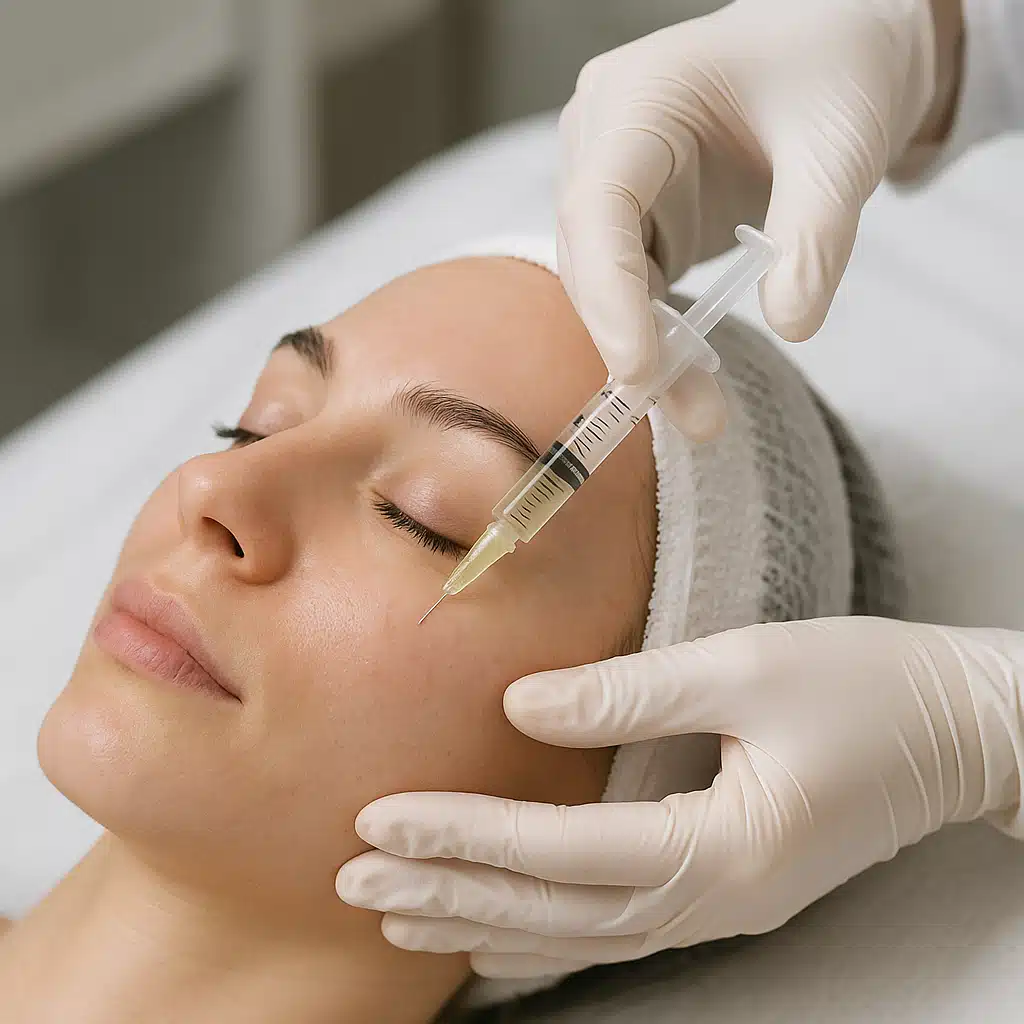
Mesotherapy represents an innovative approach to skin rejuvenation that delivers concentrated beneficial compounds directly into the skin layers where they’re needed most. This treatment involves using very fine needles to inject customized formulations containing active ingredients that work synergistically to improve skin quality, texture, and appearance.
The typical mesotherapy formulation includes a carefully balanced combination of hyaluronic acid for deep hydration, nucleic acids that support cellular function, amino acids as building blocks for proteins, vitamins providing antioxidant protection, peptides that signal collagen production, and growth factors that stimulate skin regeneration. This powerful cocktail of ingredients addresses multiple aging concerns simultaneously.
By stimulating the skin’s natural collagen production, mesotherapy improves elasticity and firmness, creating a more youthful appearance. The hyaluronic acid component enhances the skin’s ability to attract and retain moisture, resulting in plumper, more hydrated skin with diminished fine lines. Beyond anti-aging benefits, mesotherapy effectively reduces hyperpigmentation and uneven skin tone, promoting a brighter, more uniform complexion.
Treatment safety depends largely on the quality and composition of the products used, as well as the expertise of the practitioner. Before undergoing mesotherapy, a qualified professional will assess your medical history and may recommend preliminary tests to ensure the treatment is appropriate for your individual circumstances.
HIFU Therapy: Non-Surgical Skin Tightening
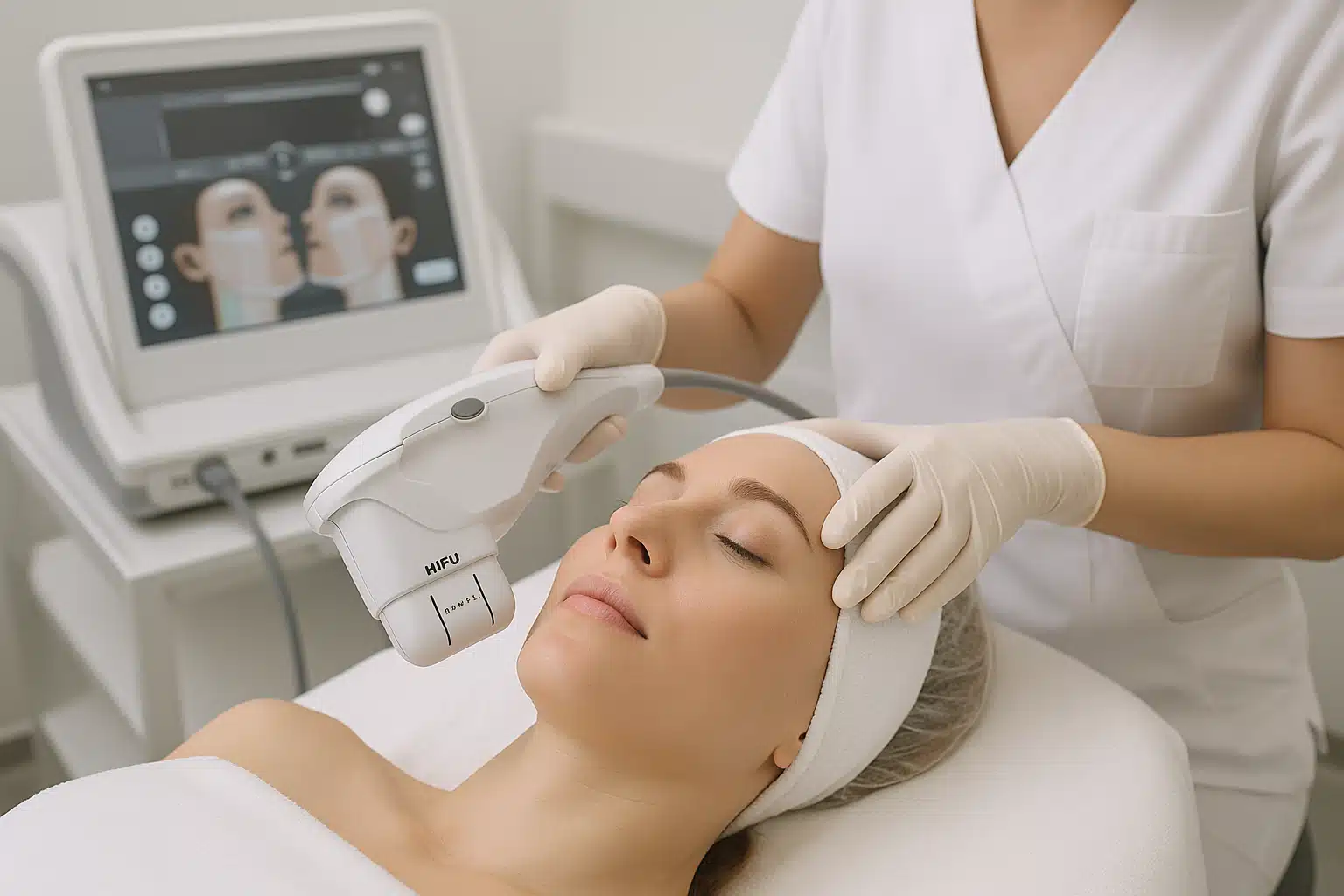
High-Intensity Focused Ultrasound (HIFU) therapy has revolutionized non-surgical facial rejuvenation by harnessing the power of focused ultrasound energy to lift and tighten skin without incisions or significant downtime. This advanced technology delivers precisely targeted thermal energy to specific depths beneath the skin’s surface, triggering the body’s natural regenerative response.
HIFU works by generating controlled heat at predetermined depths within the skin tissue. When cells detect this thermal stimulus, they interpret it as a signal to begin repair processes, particularly increased collagen and elastin production. Unlike surface treatments, HIFU can target the deepest layers of skin, including the same tissue addressed during surgical facelifts, while leaving the surface completely intact and undamaged.
This treatment effectively addresses multiple concerns across various facial and body areas. Common treatment zones include the cheeks for mid-face lifting, the brow area to reduce drooping, the eyelids for a more open appearance, the neck to tighten loose skin, and the décolletage to improve chest skin quality. HIFU also smooths wrinkles and fine lines, particularly those caused by skin laxity rather than facial expressions.
Compared to surgical lifting procedures, HIFU offers numerous advantages including no incisions or scarring, minimal to no downtime, lower cost, reduced risk of complications, and natural-looking results that develop gradually over several months. The treatment stimulates your body’s own collagen production, so improvements continue developing for up to six months post-treatment, with results potentially lasting one to two years.
Microneedling: Collagen Induction Therapy
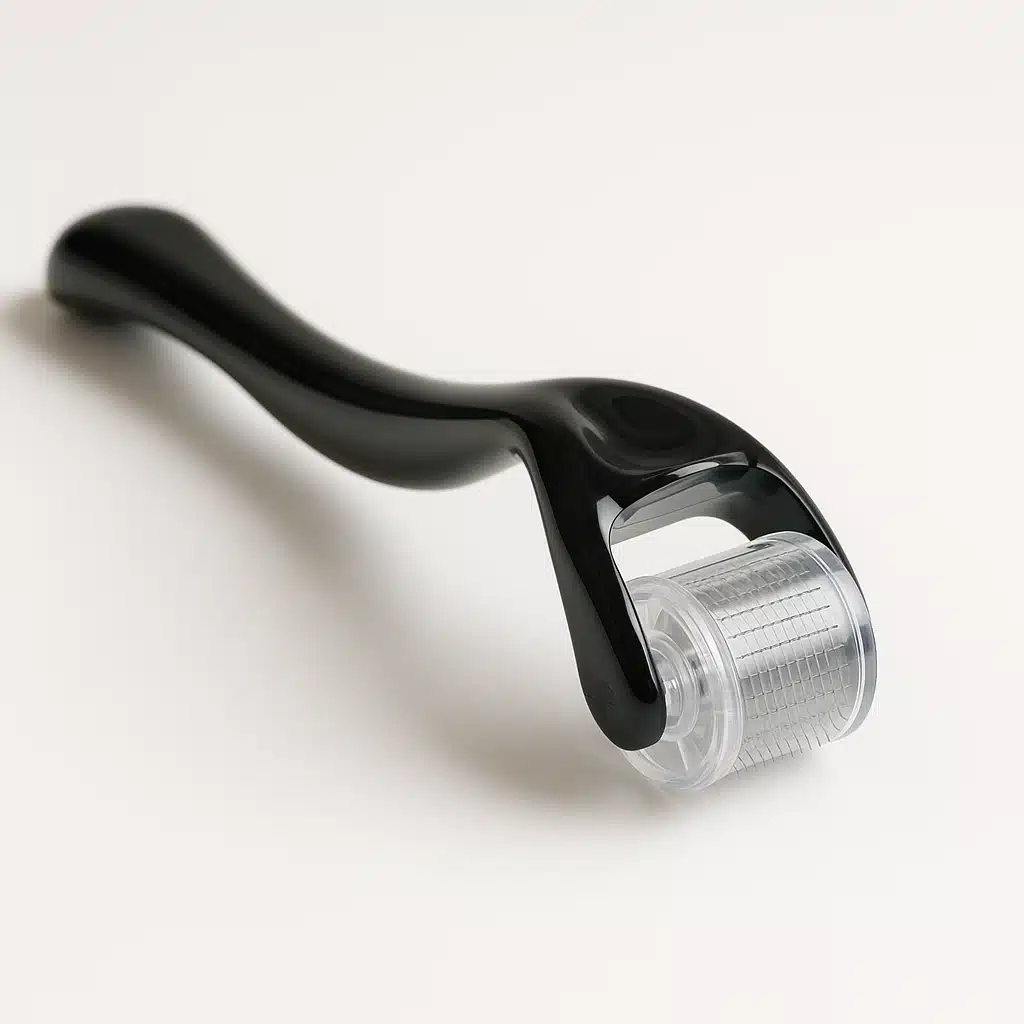
Microneedling, also known as collagen induction therapy, utilizes the skin’s remarkable healing capabilities to improve texture, tone, and overall appearance. This treatment involves creating thousands of microscopic, controlled injuries in the skin using fine needles, which triggers the body’s natural wound-healing cascade, resulting in increased collagen and elastin production.
The procedure is remarkably versatile, addressing numerous skin concerns including fine lines and wrinkles, acne scars and other scarring, hyperpigmentation and uneven skin tone, sun damage, enlarged pores, stretch marks, and even hair loss when performed on the scalp. The new collagen and elastin produced during the healing process create thicker, more resilient skin with improved texture and appearance.
Microneedling offers particular advantages for individuals with darker skin tones. Unlike some laser treatments that can cause post-inflammatory hyperpigmentation in melanin-rich skin due to heat generation, microneedling creates mechanical rather than thermal injury, significantly reducing discoloration risk while delivering excellent results across all skin types.
Professional microneedling treatments typically deliver superior results compared to at-home devices, as clinical equipment can penetrate deeper and is used by trained practitioners who understand proper technique and safety protocols. However, at-home derma rollers and microneedling pens are available for maintenance between professional treatments or for those seeking more budget-friendly options.
It’s important to understand that microneedling requires a series of treatments to achieve optimal results, typically spaced four to six weeks apart. Following treatment, the skin may appear red and feel sensitive for a few days, similar to mild sunburn. Proper aftercare is crucial to maximize results and prevent complications, including keeping the skin clean, avoiding sun exposure, and using recommended post-treatment products.
Maintaining strict hygiene during and after treatment is essential since the micro-channels created temporarily compromise the skin’s protective barrier. Professional treatments in clinical settings with proper sterilization protocols significantly reduce infection risk compared to at-home use with inadequate sanitation.
Microdermabrasion: Physical Exfoliation Treatment
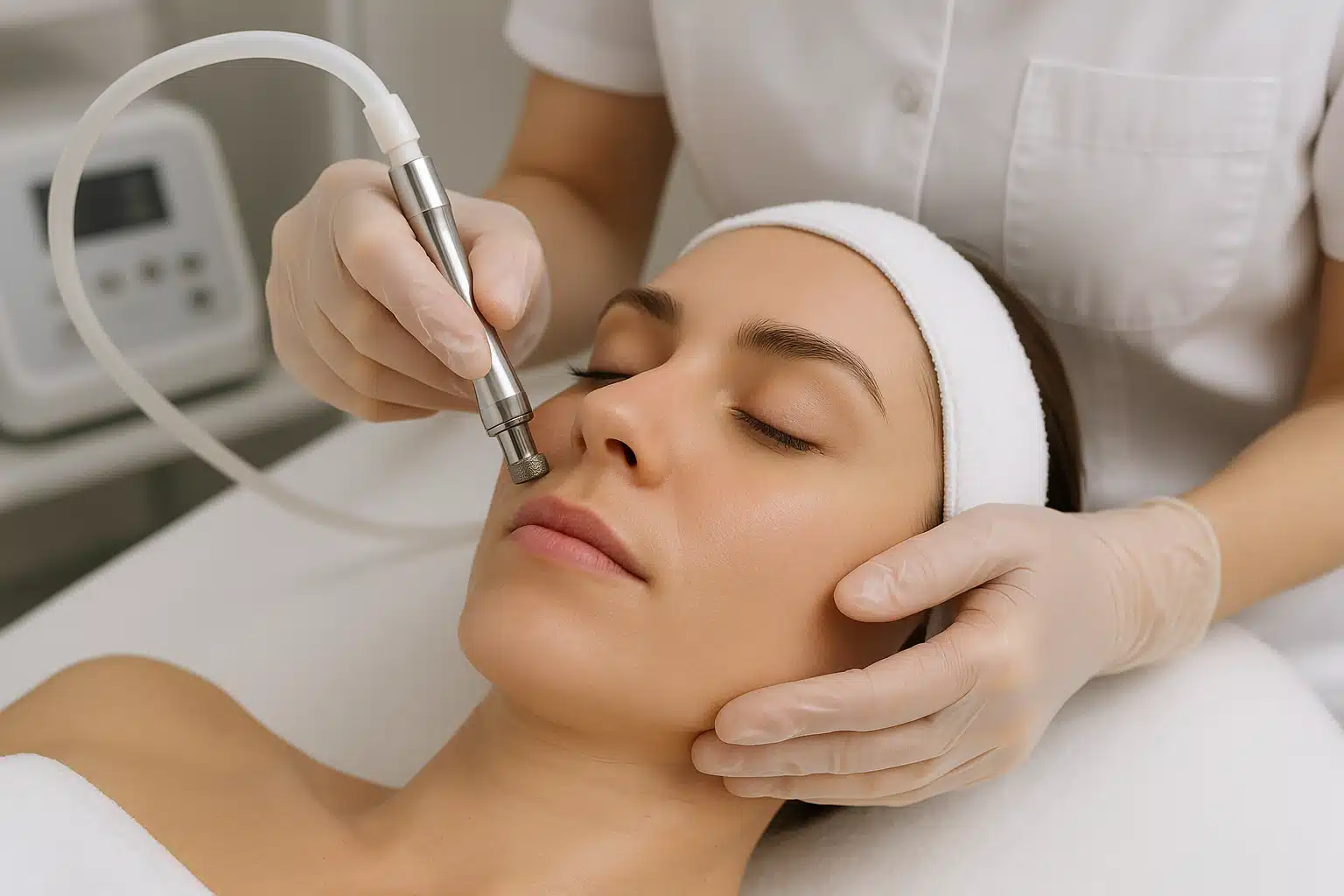
Microdermabrasion offers a gentle yet effective approach to skin resurfacing through mechanical exfoliation. This treatment removes the outermost layer of dead skin cells using either fine crystals or a diamond-tipped wand, revealing fresher, more radiant skin underneath while simultaneously stimulating cellular turnover and collagen production.
This versatile treatment addresses multiple concerns including fine lines and superficial wrinkles, sun damage and age spots, acne scars and other minor scarring, enlarged pores, uneven skin texture, dull or rough skin, and melasma. Because it works at the surface level without using heat or chemicals, microdermabrasion is suitable for virtually all skin types and tones, with minimal risk of complications or adverse reactions.
Compared to more intensive resurfacing procedures like chemical peels or ablative laser treatments, microdermabrasion offers gentler results with essentially no downtime. Most people can return to normal activities immediately following treatment, making it an excellent option for those with busy schedules who cannot accommodate recovery time.
While professional treatments deliver the most dramatic results, at-home microdermabrasion devices are available for maintenance and gradual improvement. These devices typically use less aggressive abrasion than professional equipment, requiring consistent use over time to achieve visible results.
Following treatment, temporary side effects may include mild redness, slight swelling, skin sensitivity, and a tight or dry sensation. These effects typically resolve within a few hours to a day. Most practitioners recommend a series of treatments spaced two to four weeks apart for optimal results, followed by maintenance sessions as needed.
At-Home Skin Rejuvenation Methods
While professional treatments deliver powerful results, establishing an effective at-home skincare routine forms the foundation of healthy, youthful-looking skin. These daily practices and products work continuously to maintain and enhance your skin’s appearance, prevent premature aging, and complement professional treatments when you choose to pursue them.
At-home skincare offers numerous advantages including convenience, affordability, customization to your specific needs, and the ability to address concerns consistently over time. Building a comprehensive routine with quality products can deliver remarkable improvements and help maintain results from professional treatments.
Facial Masks: Targeted Treatment
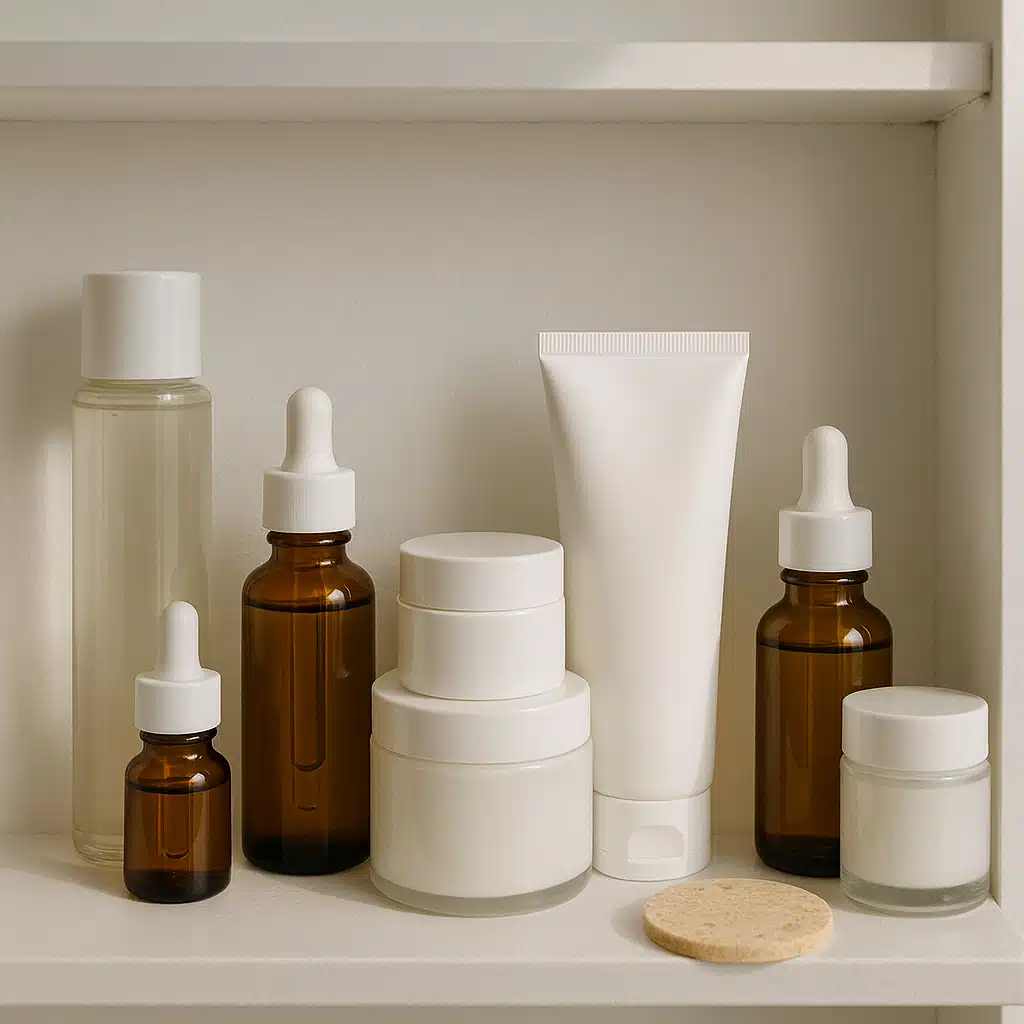
Facial masks provide concentrated doses of beneficial ingredients designed to address specific skin concerns in a relatively short treatment time. These products come in various formulations including clay masks for deep cleansing and oil control, sheet masks for intensive hydration, gel masks for soothing and cooling effects, cream masks for nourishing dry skin, and peel-off masks for exfoliation and pore refinement.
Masks have been used for centuries across cultures worldwide as effective skincare treatments. Modern formulations combine traditional ingredients with advanced skincare science to deliver visible results. Whether you choose natural, DIY masks made from kitchen ingredients or commercially formulated products with researched active ingredients, masks can provide numerous benefits including deep hydration, temporary plumping of fine lines, brightening and evening skin tone, reducing the appearance of pores, calming inflammation and redness, and delivering antioxidant protection.
For optimal results, choose masks formulated for your specific skin type and concerns. Clay and charcoal masks work well for oily, acne-prone skin, while hydrating sheet masks and cream masks benefit dry or mature skin. Most masks should be applied to clean skin and left on for 10 to 30 minutes, depending on the product type and instructions. Consistency matters—incorporating masks into your routine once or twice weekly can deliver cumulative benefits over time.
Skin Serums: Concentrated Active Ingredients
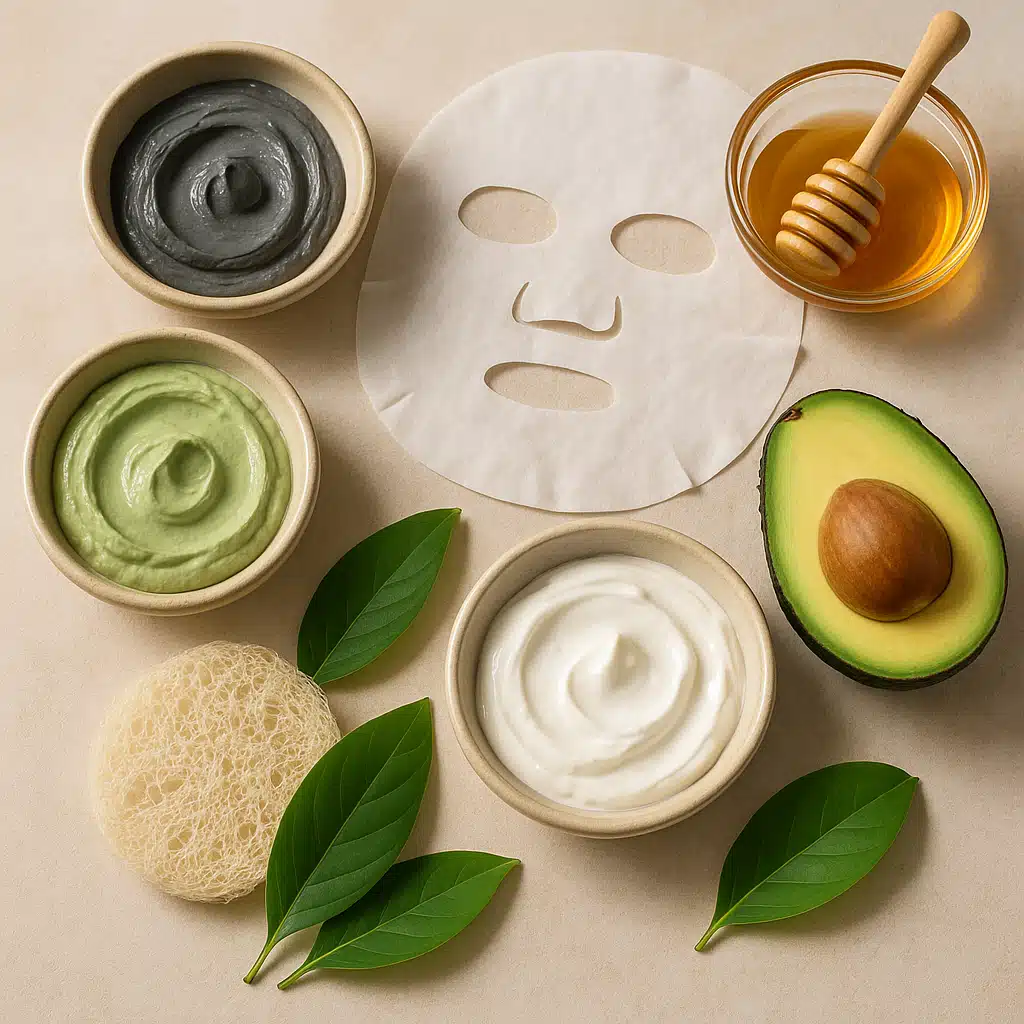
Serums represent the powerhouse products in any skincare routine, delivering highly concentrated active ingredients in lightweight formulations designed to penetrate deeply and work at the cellular level. Unlike moisturizers that primarily work at the surface to prevent water loss, serums contain smaller molecules that can reach deeper skin layers where they exert their beneficial effects.
The serum category includes numerous specialized formulations targeting different concerns. Vitamin C serums provide antioxidant protection, brighten skin, and promote collagen production. Hyaluronic acid serums deliver intensive hydration by attracting and binding water molecules. Retinol and retinoid serums accelerate cell turnover, reduce wrinkles, and improve texture. Niacinamide serums strengthen the skin barrier, reduce inflammation, and minimize pores. Peptide serums signal collagen and elastin production for firmer, more resilient skin.
Due to their concentrated nature and lightweight texture, serums absorb quickly and deliver visible results often within weeks of consistent use. For optimal effectiveness, apply serums to clean, slightly damp skin before moisturizer, allowing the active ingredients to penetrate without barrier interference. Many people benefit from using different serums morning and evening—for example, antioxidant serums in the morning for daytime protection and retinol at night for repair and renewal.
While some believe serums can replace moisturizers, most dermatologists recommend using both products in sequence. Serums deliver active ingredients, while moisturizers seal in those ingredients and provide additional surface hydration. This layered approach maximizes benefits and addresses skin needs comprehensively.
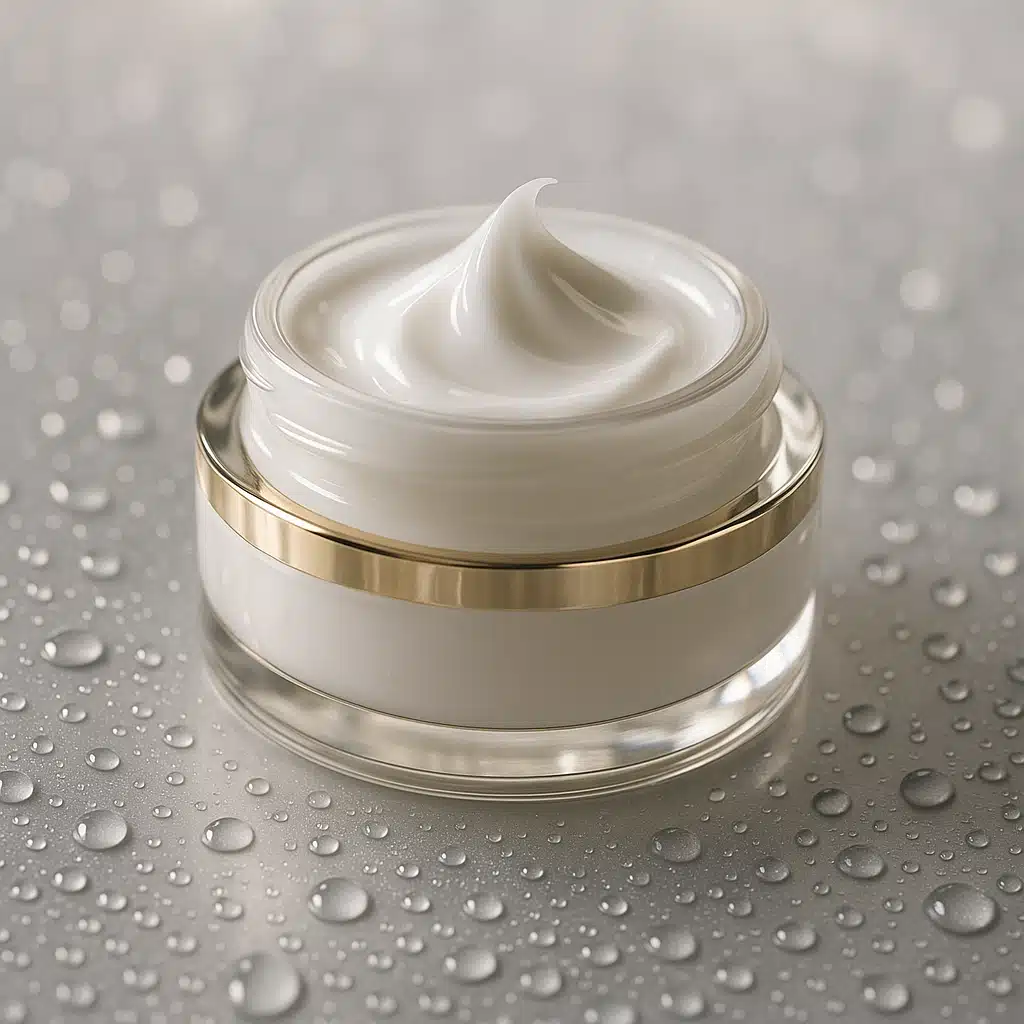
Moisturizing Creams: Essential Hydration
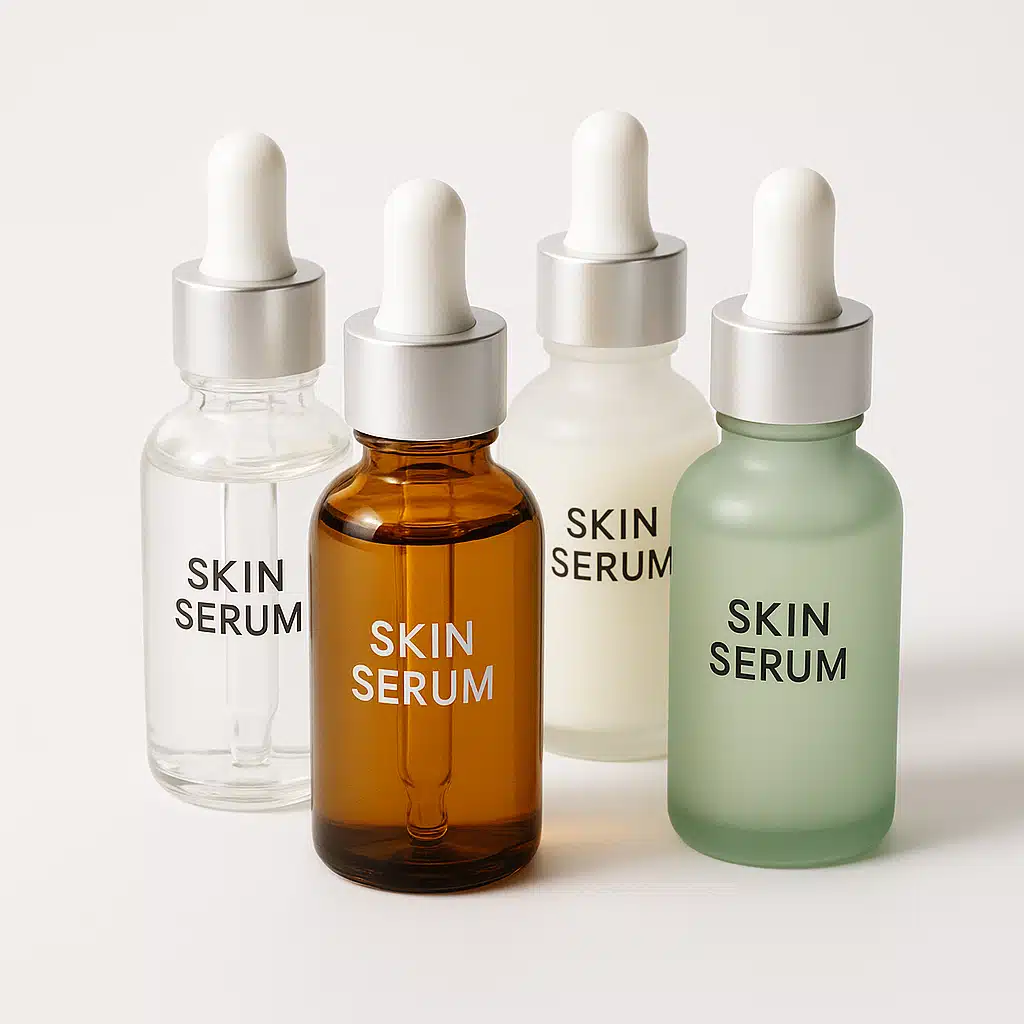
Moisturizers form an essential component of every skincare routine, regardless of skin type or concern. These products work by creating a protective barrier on the skin’s surface that prevents water loss while delivering hydrating and nourishing ingredients. Proper moisturization maintains the skin’s barrier function, protects against environmental damage, and creates optimal conditions for healthy cell function.
Dry skin is one of the most common concerns people face, becoming increasingly prevalent with age as natural oil production decreases and barrier function weakens. Environmental factors including harsh weather, indoor heating and air conditioning, and exposure to drying cleansers and products can further compromise skin hydration. Dehydrated skin appears dull, feels tight and uncomfortable, shows more pronounced fine lines and wrinkles, and is more susceptible to irritation and sensitivity.
Modern moisturizers go beyond simple hydration to deliver multiple benefits through carefully formulated ingredient combinations. Look for products containing humectants like hyaluronic acid and glycerin that attract water into the skin, emollients like ceramides and fatty acids that smooth and soften, occlusives like petrolatum and dimethicone that seal in moisture, and active ingredients like antioxidants, peptides, and vitamins that provide additional benefits.
Choosing the right moisturizer depends on your skin type and needs. Those with oily or combination skin benefit from lightweight, oil-free gel or lotion formulations that hydrate without adding excess oil. Dry and mature skin types require richer cream formulations with more emollient ingredients. Sensitive skin needs fragrance-free, minimal-ingredient formulas to reduce irritation risk.
Apply moisturizer twice daily—morning and evening—to clean skin, ideally while skin is still slightly damp to lock in hydration. During daytime, choose a moisturizer with SPF protection to shield skin from UV damage, a primary cause of premature aging. At night, use a more intensive repair-focused moisturizer that supports the skin’s natural overnight regeneration processes.
Creating Your Personalized Skin Rejuvenation Plan
With numerous skin rejuvenation methods available, selecting the most appropriate approach for your unique situation can feel overwhelming. No single treatment works best for everyone—effectiveness depends on multiple individual factors including your specific skin concerns, skin type and tone, desired results, budget considerations, tolerance for downtime, and overall health status.
For example, while microneedling might deliver excellent results for acne scarring in one person, HIFU therapy might better address skin laxity concerns in another. Some treatments work synergistically when combined, providing enhanced results beyond what either treatment could achieve alone. Many people benefit from a comprehensive approach that combines professional treatments with consistent at-home care.
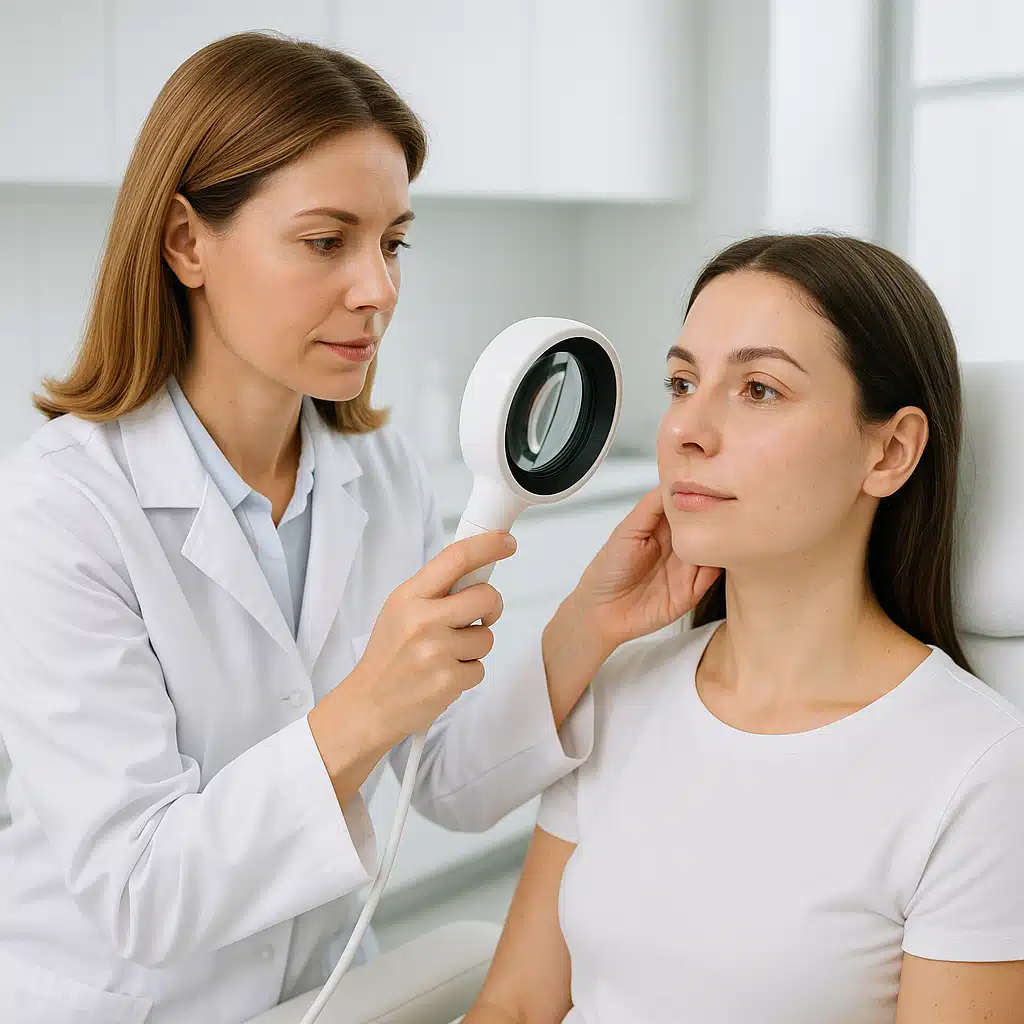
Consulting with qualified skincare professionals—dermatologists, aesthetic physicians, or licensed aestheticians—provides invaluable guidance tailored to your individual needs. These experts can assess your skin condition, discuss your goals and expectations, explain which treatments are most suitable for your situation, create a customized treatment plan, and provide realistic expectations about results and timelines.
During your consultation, be prepared to discuss your complete medical history, current medications and supplements, previous cosmetic treatments and their results, specific concerns and areas you want to address, desired outcomes, and practical considerations like budget and available time for treatments and recovery.
Remember that prevention remains the most effective anti-aging strategy. While treatments can address existing concerns and reverse some damage, protecting your skin from harmful factors prevents problems from developing in the first place. Essential preventive measures include daily broad-spectrum sunscreen use, avoiding tobacco and limiting alcohol consumption, maintaining proper hydration, following a nutrient-rich diet with antioxidants, getting adequate sleep for skin repair, managing stress levels, and establishing a consistent, appropriate skincare routine.
Final Thoughts on Skin Rejuvenation
The journey to healthier, more youthful-looking skin offers numerous pathways, from advanced professional treatments to effective at-home care routines. Each method discussed provides unique benefits and addresses specific concerns, allowing you to customize an approach that aligns with your individual needs, goals, and circumstances.
Understanding that skin rejuvenation is not a one-size-fits-all endeavor empowers you to make informed decisions about your skincare journey. Whether you choose professional treatments like mesotherapy, HIFU, microneedling, or microdermabrasion, or focus on optimizing your at-home routine with quality serums, masks, and moisturizers, consistency and patience are key to achieving and maintaining results.
Many people find that combining professional treatments with diligent at-home care delivers the most impressive and long-lasting results. Professional treatments provide dramatic improvements and address specific concerns, while daily skincare maintains and enhances those results between treatments and prevents new concerns from developing.
Remember that healthy, radiant skin reflects not only external care but also overall wellness. Adequate sleep, proper nutrition, stress management, hydration, and sun protection all contribute significantly to skin health and appearance. By taking a holistic approach that addresses both internal and external factors, you create optimal conditions for your skin to look and feel its best at any age.
Begin your skin rejuvenation journey by assessing your current concerns, researching appropriate treatments, consulting with qualified professionals, and committing to consistent care. With the right approach tailored to your unique needs, achieving and maintaining healthy, youthful, glowing skin is an attainable goal that enhances both appearance and confidence.