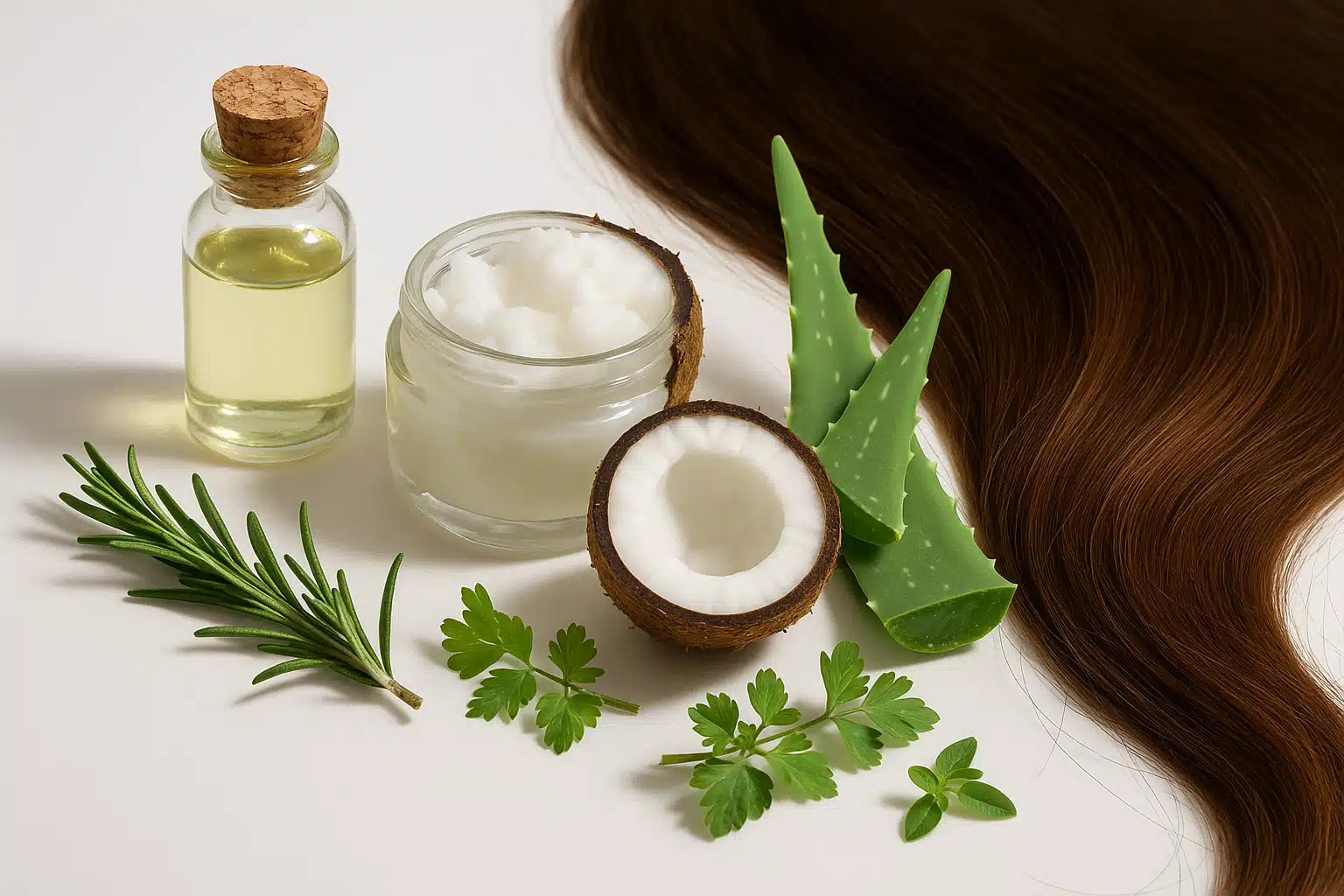
Comprehensive Guide to Treating Dandruff: Effective Methods and Natural Remedies
Dandruff is one of the most common scalp conditions affecting people worldwide. Research indicates that approximately 50% of the global population experiences dandruff at some point in their lives, making it a widespread concern that transcends age, gender, and geography. Characterized by white or yellowish flakes on the scalp and shoulders, dandruff can also be accompanied by itching, irritation, and discomfort.
While numerous commercial anti-dandruff shampoos are readily available in the market, many people are turning to natural home remedies as safe, effective alternatives. These natural treatments often work gently on the scalp without harsh chemicals, making them suitable for long-term use and sensitive skin types. This comprehensive guide explores proven methods for treating dandruff, combining both traditional remedies and modern approaches to help you achieve a healthier, flake-free scalp.
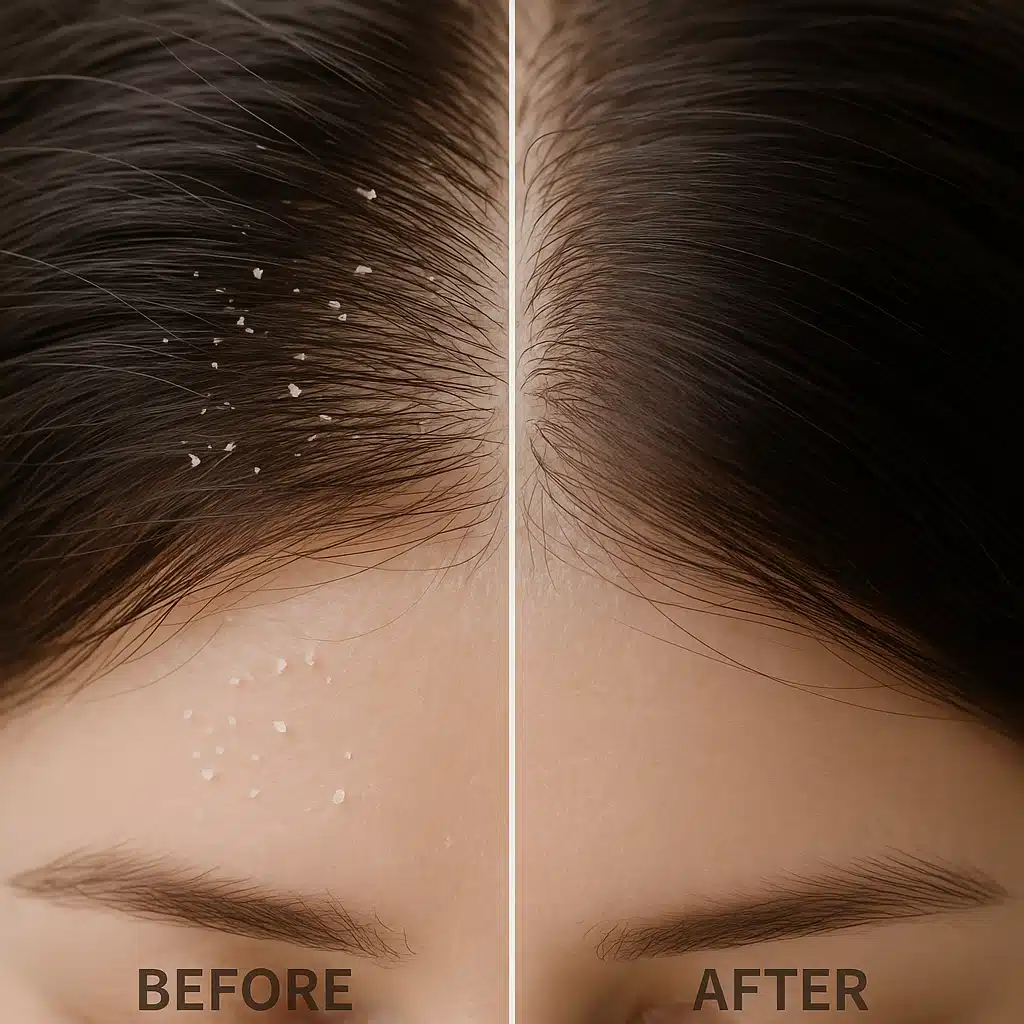
Understanding Dandruff: Causes and Triggers
Before exploring treatment methods, it’s essential to understand what causes dandruff. The condition typically results from several factors including excessive fungal growth on the scalp (particularly Malassezia), seborrheic dermatitis, dry skin, sensitivity to hair products, and infrequent shampooing. Environmental factors, stress, and certain medical conditions can also contribute to dandruff development.
Identifying the underlying cause of your dandruff can help you select the most appropriate treatment method. While the remedies discussed below work for most common dandruff cases, persistent or severe conditions should be evaluated by a healthcare professional or dermatologist.
Method 1: Tea Tree Oil and Shampoo Combination
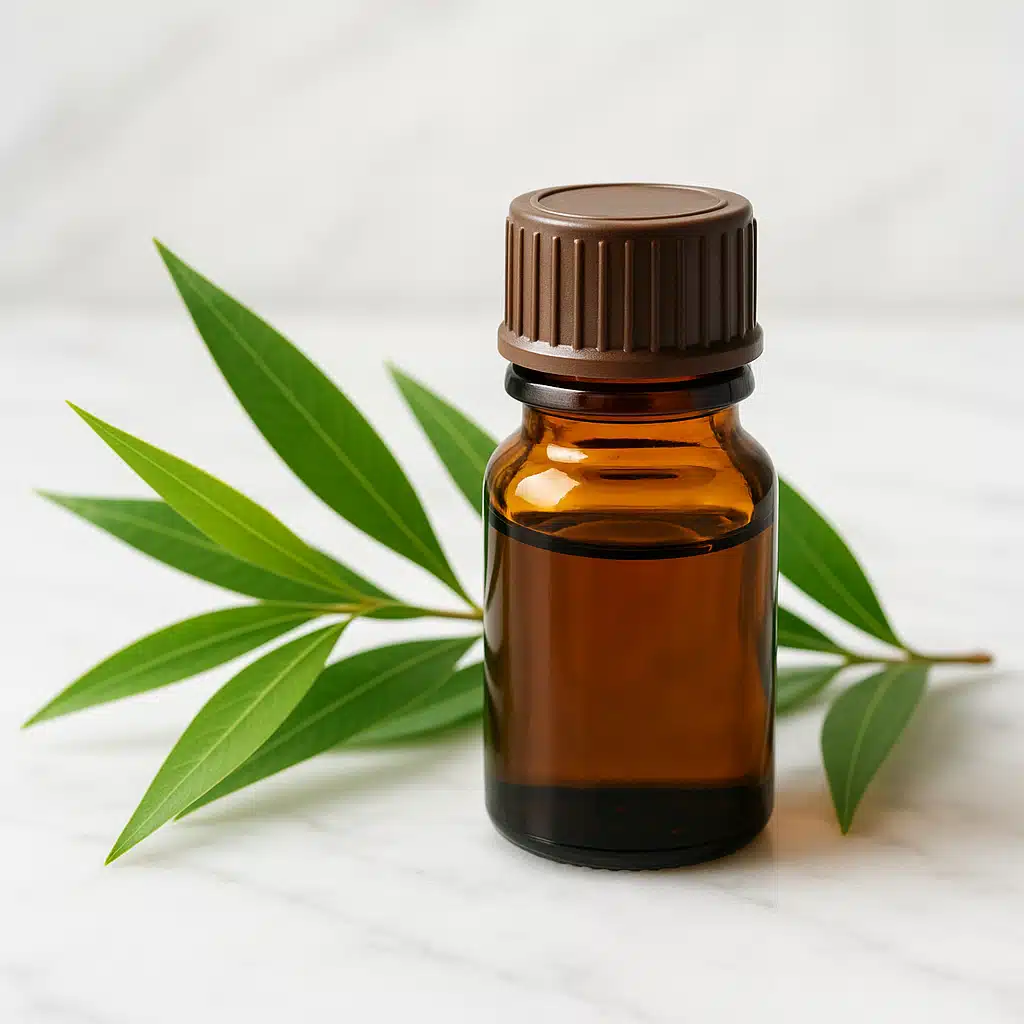
Tea tree oil has emerged as one of the most effective natural treatments for dandruff due to its powerful antifungal and antibacterial properties. Since excessive fungal growth is a primary cause of dandruff, incorporating tea tree oil into your hair care routine can address the problem at its source.
The most effective concentration for dandruff treatment is approximately 5% tea tree oil. You can either purchase a specialized anti-dandruff shampoo containing this concentration or create your own treatment by adding 5 to 10 drops of pure tea tree oil to your regular shampoo bottle. Shake the bottle thoroughly to ensure even distribution of the oil throughout the shampoo.
To use this treatment, apply the tea tree oil-infused shampoo to wet hair and massage it into your scalp for 2-3 minutes, allowing the active ingredients to penetrate the skin. Rinse thoroughly with lukewarm water. For best results, use this treatment consistently 2-3 times per week until the dandruff clears completely, which typically takes 4-6 weeks.
Important Safety Precautions for Tea Tree Oil
While tea tree oil is generally safe for topical use, it contains compounds that are toxic if ingested. Keep the product away from your mouth and supervise children during use. If tea tree oil accidentally enters your eyes, rinse immediately with warm water for several minutes. Should redness, swelling, or persistent irritation occur, seek medical attention promptly.
Never apply undiluted tea tree oil directly to your scalp, as this concentration can cause severe irritation, burning, and inflammation. Always dilute it with a carrier oil or shampoo. If you experience itching, tingling, burning, redness, or any adverse reaction while using tea tree oil, discontinue use immediately and consider alternative treatments.
Method 2: Lemongrass Oil for Scalp Inflammation Relief
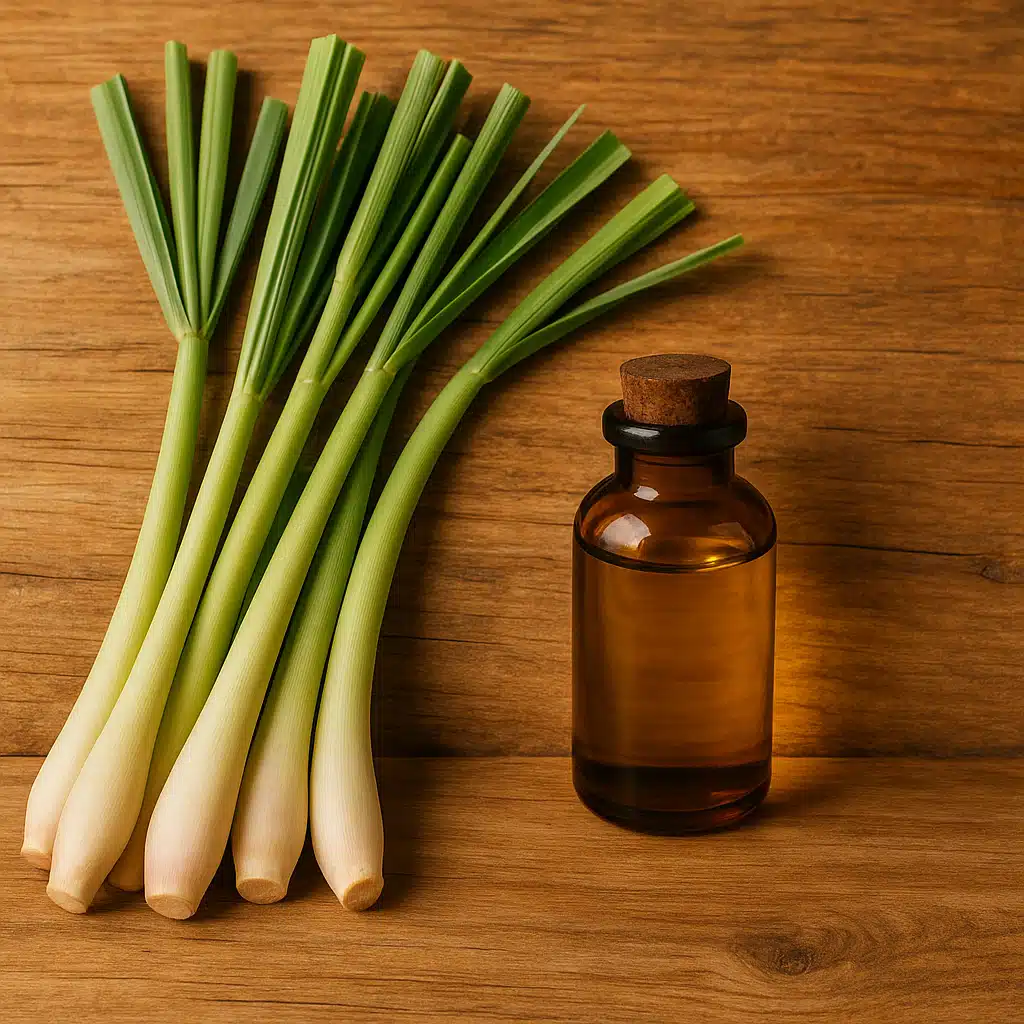
Lemongrass oil, also known as lemon leaf oil, offers powerful antibacterial and antifungal properties similar to tea tree oil, making it an excellent alternative for dandruff treatment. What distinguishes lemongrass oil is its additional soothing qualities, which help calm scalp irritation and reduce inflammation associated with dandruff.
Research has shown that lemongrass oil can significantly reduce dandruff flaking while promoting a healthier scalp environment. Its antimicrobial properties target the fungal overgrowth that causes dandruff, while its anti-inflammatory compounds address the redness and discomfort many people experience.
To incorporate lemongrass oil into your hair care routine, you can either purchase a shampoo that contains lemongrass oil as an active ingredient or create your own treatment. Add 5-8 drops of pure lemongrass essential oil to your regular shampoo bottle and shake well to combine. Apply the mixture to wet hair, massage thoroughly into the scalp, and leave it on for 3-5 minutes before rinsing.
For optimal results, use lemongrass oil shampoo consistently for at least 2 to 3 weeks, washing your hair every other day or as needed based on your hair type. Many users report visible improvements within the first two weeks, with significant reduction in flaking and itching.
As with tea tree oil, never apply undiluted lemongrass oil directly to your scalp, as this can cause irritation, burning, or allergic reactions. Always dilute it properly with a carrier product. Perform a patch test on your inner wrist before first use to ensure you don’t have sensitivity to this essential oil.
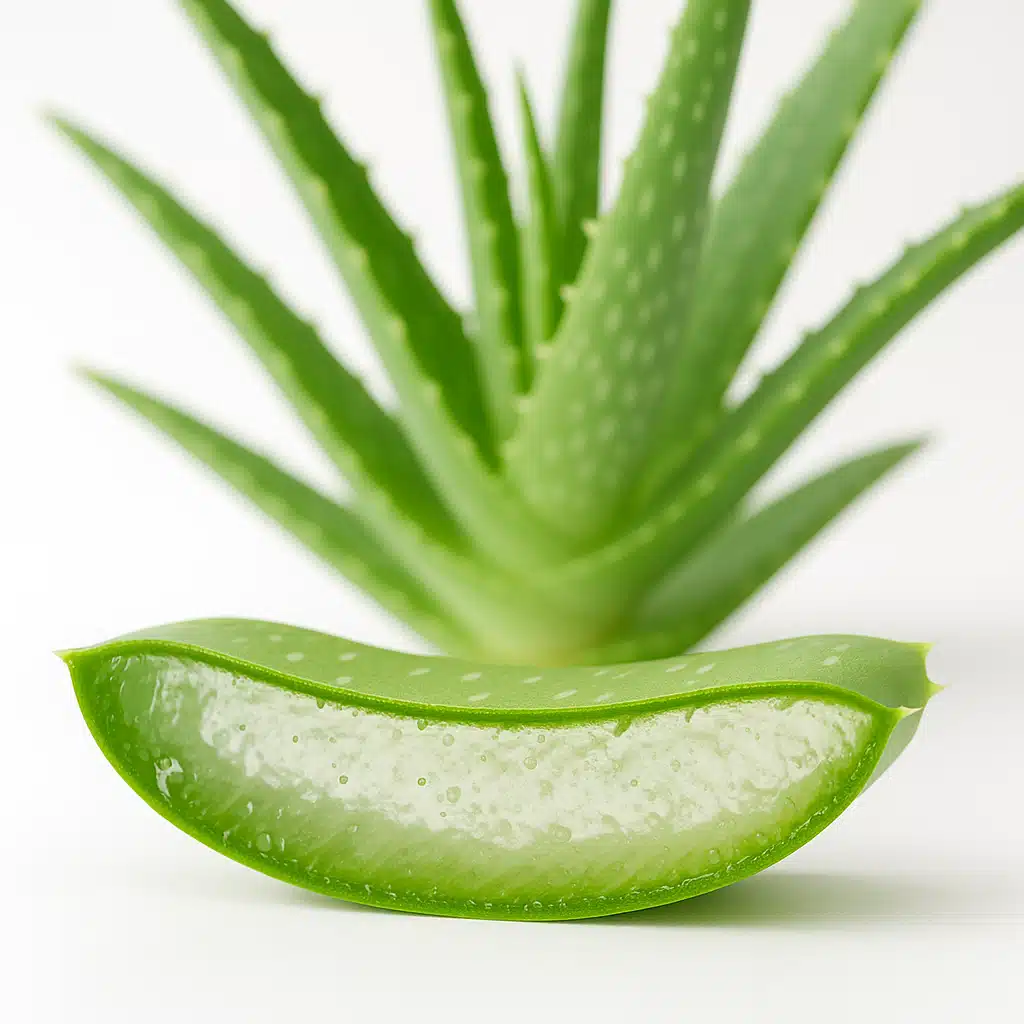
Method 3: Aloe Vera Gel Scalp Massage Treatment
Aloe vera has been used for centuries as a natural healing remedy for various skin conditions, and its benefits extend to scalp health and dandruff treatment. This remarkable plant contains over 75 active compounds, including vitamins, minerals, enzymes, amino acids, and polysaccharides that work together to soothe, heal, and protect the scalp.
The gel extracted from aloe vera leaves is particularly rich in antioxidants and amino acids that provide powerful anti-inflammatory properties. These compounds quickly calm scalp irritation caused by dandruff, reducing redness, itching, and discomfort. Additionally, aloe vera possesses natural antibacterial and antifungal properties that address the root causes of dandruff by combating fungal overgrowth on the scalp.
How to Apply Aloe Vera for Dandruff Treatment
For this treatment, use pure aloe vera gel—either freshly extracted from an aloe leaf or a high-quality, preservative-free product. Apply a generous amount of gel directly to your scalp, using your fingertips to work it through your hair from roots to tips. Massage the gel thoroughly into your scalp using circular motions for 3-5 minutes to ensure proper absorption and to stimulate blood circulation.
Allow the aloe vera gel to remain on your scalp for approximately one hour. During this time, the active compounds penetrate the skin and work to reduce inflammation and combat fungal growth. After the treatment period, wash your hair thoroughly with a mild, sulfate-free shampoo. It’s crucial to dry your hair and scalp completely after washing to prevent moisture buildup, which can contribute to fungal growth.
Perform this treatment 2 to 3 times per week consistently until you notice significant improvements in your dandruff condition. Most people see results within 3-4 weeks of regular use. For enhanced results, consider using a gentle, sulfate-free anti-dandruff shampoo on the days between your aloe vera treatments.
Safety Testing and Precautions
While aloe vera is generally safe for most people, it can cause sensitivity or allergic reactions in some individuals. Before applying aloe vera gel to your entire scalp, conduct a patch test to check for adverse reactions. Apply a small amount of gel to the inside of your wrist and wait 24 hours. If no inflammation, redness, or itching occurs, the product is likely safe for use on your scalp.
If you experience itching, inflammation, rash, or increased sensitivity to direct sunlight after using aloe vera gel, discontinue use immediately. While rare, some people may be allergic to compounds in aloe vera, particularly latex found in the outer leaf layer. Using pure inner-leaf gel reduces this risk.
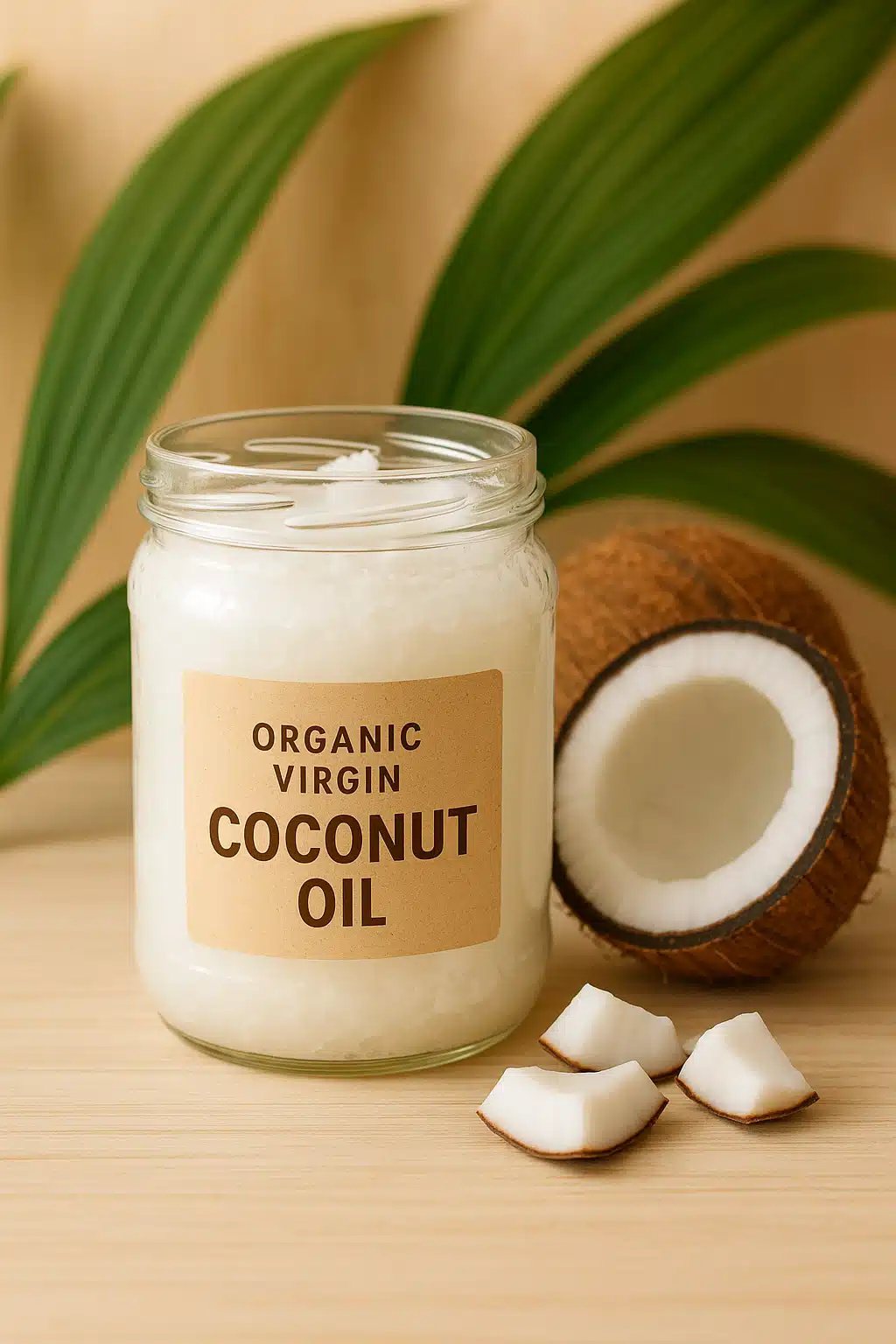
Method 4: Coconut Oil Deep Conditioning Treatment
Coconut oil has gained widespread recognition as a versatile natural remedy for various hair and scalp conditions. Scientific research has demonstrated that coconut oil is remarkably effective in reducing scalp inflammation, moisturizing dry skin, and creating an environment less favorable to fungal growth—all factors that contribute to dandruff prevention and treatment.
The unique composition of coconut oil includes medium-chain fatty acids, particularly lauric acid, which possesses powerful antimicrobial and anti-inflammatory properties. These compounds penetrate the scalp to address both the symptoms and underlying causes of dandruff. Additionally, coconut oil forms a protective barrier on the scalp that helps lock in moisture and prevents dryness—a common dandruff trigger.
Application Methods for Coconut Oil Treatment
For quick treatment, warm 2-3 tablespoons of virgin coconut oil until it liquefies (coconut oil is typically solid at room temperature). Apply the warm oil directly to your scalp and work it through your hair, focusing on the roots and scalp surface. Massage the oil into your scalp using circular motions for several minutes to enhance absorption and stimulate circulation. Leave the oil on for 5 to 10 minutes, then wash your hair thoroughly with a clarifying shampoo to remove all traces of oil.
For a more intensive treatment, apply coconut oil to your scalp and hair before bedtime and leave it on overnight. This extended contact time allows the beneficial compounds to penetrate deeply and work more effectively. To protect your bedding, wear a shower cap or wrap your hair in a soft towel. In the morning, rinse your hair thoroughly with warm water and follow with a gentle shampoo to remove the oil completely.
The massage technique is crucial for maximizing the benefits of coconut oil treatment. Spend at least 5 minutes massaging the oil into your scalp, as this helps the oil penetrate hair follicles and skin pores. The massage also improves blood circulation to the scalp, which promotes overall scalp health.
For enhanced absorption, mix your coconut oil with a small amount of warm water before application, or apply it to slightly damp hair after showering. The moisture helps distribute the oil more evenly and may improve its penetration into the scalp.
If applying pure coconut oil seems too intensive for your routine, look for shampoos and conditioners that contain coconut oil as a key ingredient. While these products may be less concentrated than pure oil treatments, they still provide many benefits and are easier to incorporate into regular hair washing.
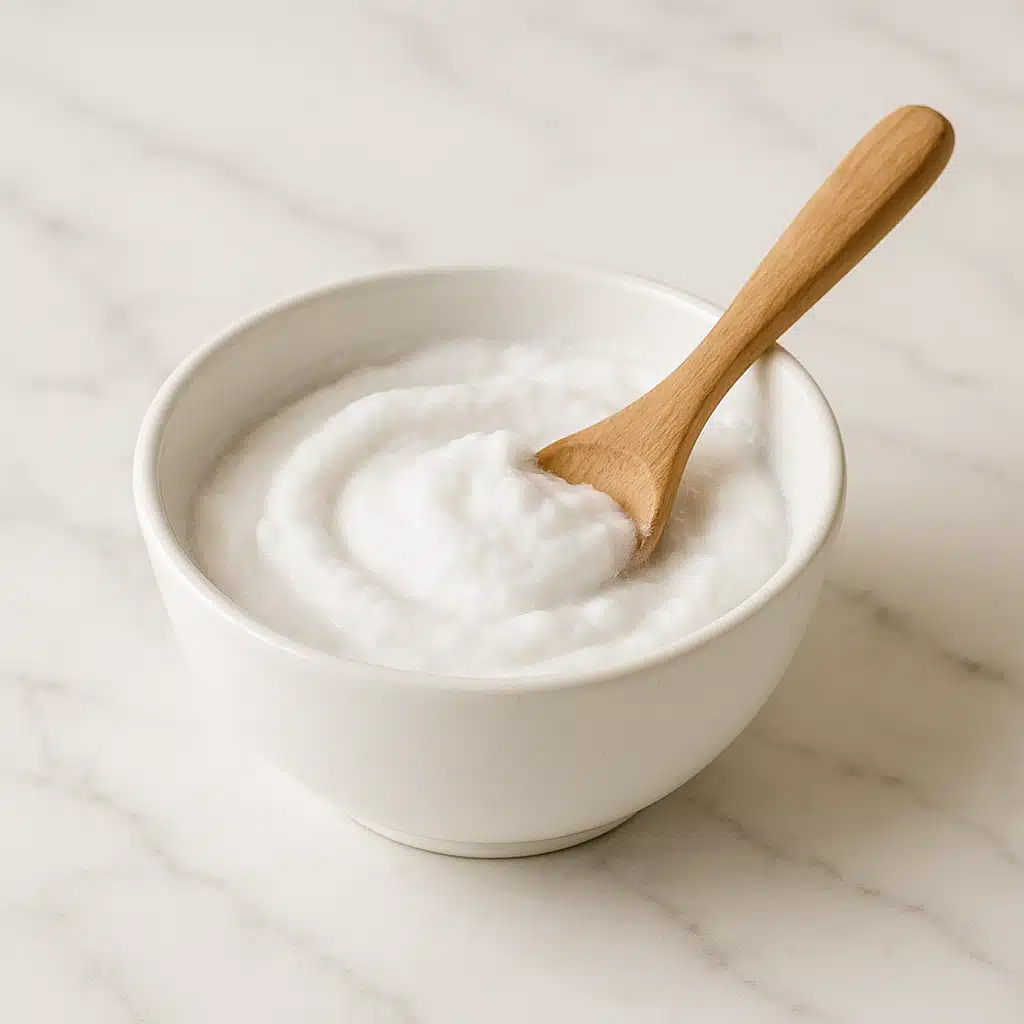
Method 5: Baking Soda Scalp Exfoliation
Baking soda, chemically known as sodium bicarbonate, offers unique exfoliating properties that make it an effective treatment for dandruff. Unlike other remedies that focus primarily on antifungal action, baking soda works by physically removing dead skin cells, excess oil, and product buildup from the scalp—all factors that contribute to dandruff formation and persistence.
The slightly alkaline nature of baking soda helps balance the scalp’s pH level, creating an environment less favorable for fungal growth. Additionally, baking soda possesses mild antifungal and antibacterial properties that complement its exfoliating action, addressing multiple aspects of dandruff simultaneously.
Preparing and Applying Baking Soda Treatment
To create an effective baking soda treatment, start with three-quarters of a cup of warm water. Add 4 tablespoons of baking soda to the water and mix thoroughly until you achieve a paste-like consistency. The paste should be thick enough to adhere to your scalp but spreadable enough to work through your hair.
Apply this paste directly to your scalp, focusing on areas with the most dandruff. Use your fingertips to gently massage the paste into your scalp, working in circular motions. This massage action enhances the exfoliating effect and helps the mixture reach all affected areas. Allow the paste to remain on your scalp for 1 to 3 minutes—no longer, as extended exposure can lead to dryness and irritation.
After the treatment period, rinse your hair and scalp thoroughly with lukewarm water. Make sure to remove all traces of baking soda, as residue can cause dryness. Follow with a moisturizing conditioner to counteract any drying effects from the baking soda.
For enhanced antifungal action, consider adding 3-5 drops of tea tree oil to your baking soda mixture. This combination provides both physical exfoliation and chemical antifungal treatment, potentially improving results.
Important Usage Guidelines and Precautions
Due to its strong exfoliating and alkaline properties, baking soda should be used sparingly. Limit this treatment to once per week to prevent over-drying and damaging your scalp’s natural protective barrier. Overuse of baking soda can strip away natural oils, leading to increased dryness, irritation, and potentially worsening dandruff in the long term.
If your scalp becomes inflamed, excessively dry, or if your hair feels brittle and damaged after using baking soda, discontinue this treatment immediately. These signs indicate that baking soda may be too harsh for your particular scalp type.
To minimize dryness, always follow baking soda treatment with a deeply moisturizing conditioner. Natural oils like coconut oil, argan oil, or jojoba oil can be applied to the hair lengths (avoiding the scalp) to restore moisture and prevent hair damage.
Method 6: Aspirin-Enhanced Shampoo Treatment
One of the most scientifically-backed approaches to dandruff treatment involves salicylic acid, a beta-hydroxy acid that effectively treats scalp conditions by exfoliating dead skin cells and reducing inflammation. Interestingly, common aspirin tablets contain acetylsalicylic acid, which converts to salicylic acid—the same active ingredient found in many commercial anti-dandruff shampoos.
Salicylic acid works by softening and dissolving the keratin that binds dead skin cells together, allowing them to be easily washed away. This action reduces the visible flaking associated with dandruff while also helping to unclog hair follicles. Additionally, salicylic acid has anti-inflammatory properties that soothe scalp irritation and redness.
Creating Your Aspirin Shampoo Treatment
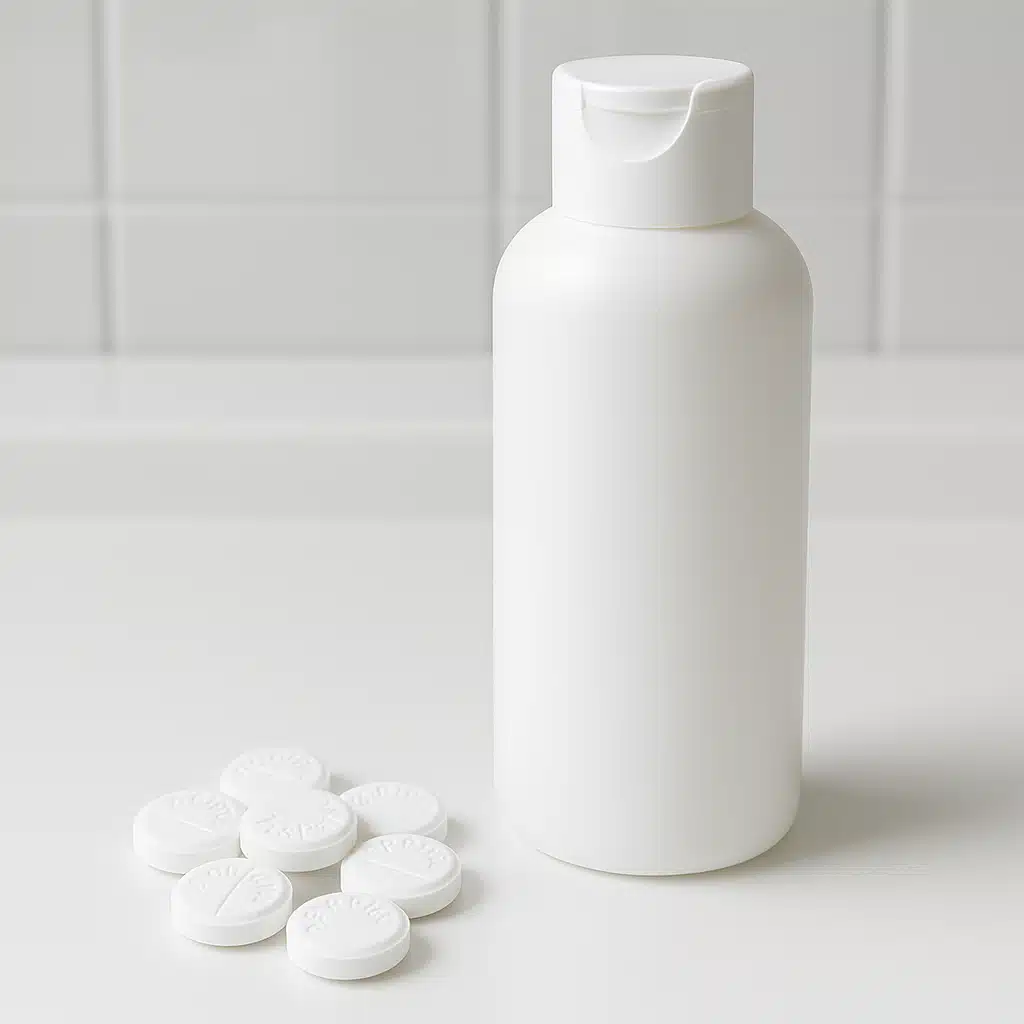
To create this effective treatment, crush one or two aspirin tablets (325 mg regular strength) into a fine powder using a mortar and pestle or the back of a spoon. Add the crushed aspirin to approximately one tablespoon of your regular shampoo and mix thoroughly until the powder is evenly distributed throughout the shampoo.
Apply this aspirin-enhanced shampoo to wet hair and massage it into your scalp, ensuring it contacts all affected areas. Allow the mixture to remain on your scalp for 2 to 3 minutes—this contact time is essential for the salicylic acid to work effectively. The brief waiting period allows the active ingredient to break down the bonds holding dead skin cells together.
After the treatment period, rinse your hair and scalp thoroughly with lukewarm water. Make sure to remove all traces of the shampoo mixture. Follow with your regular conditioner if desired, though avoid applying conditioner directly to the scalp, as this may interfere with the treatment’s effectiveness.
Use this aspirin shampoo treatment 2 to 4 times per week until your dandruff is completely resolved. Many users report noticeable improvements within 2-3 weeks of consistent use. Once the dandruff clears, you can reduce frequency to once per week as a maintenance treatment.
Alternative Products and Safety Considerations
Instead of creating your own aspirin-shampoo mixture, you can purchase commercial anti-dandruff shampoos that contain salicylic acid as an active ingredient. These products are specifically formulated with optimal concentrations and additional ingredients that enhance effectiveness and minimize potential irritation.
While aspirin is generally safe for topical use, monitor your scalp for any adverse reactions. If you experience inflammation, redness, burning, excessive dryness, or persistent itching after using this treatment, discontinue use immediately. People with aspirin allergies or sensitivities should avoid this treatment method entirely.
Be cautious if you have open wounds, cuts, or severe scalp irritation, as salicylic acid may cause stinging or burning on damaged skin. Pregnant women should consult their healthcare provider before using salicylic acid-based treatments, even topically.
Additional Tips for Dandruff Prevention and Scalp Health
While the treatments outlined above can effectively address existing dandruff, preventing recurrence requires a comprehensive approach to scalp health. Consider implementing these additional strategies alongside your chosen treatment method.
Maintain a consistent hair washing schedule appropriate for your hair type. Washing too infrequently allows oils and dead skin cells to accumulate, while washing too frequently can strip natural oils and cause dryness. Most people benefit from washing every 2-3 days, though individual needs vary.
Manage stress levels, as psychological stress can trigger or worsen dandruff and other scalp conditions. Incorporate stress-reduction techniques such as exercise, meditation, or adequate sleep into your routine.
Ensure your diet includes adequate omega-3 fatty acids, B vitamins, and zinc, as deficiencies in these nutrients have been linked to scalp conditions. Consider eating more fatty fish, nuts, seeds, and leafy greens, or consult with a healthcare provider about supplementation.
Limit use of hair styling products that can build up on the scalp, and when you do use them, ensure thorough cleansing. Choose products labeled as non-comedogenic or scalp-friendly.
Spend moderate time in sunlight, as UV exposure may help control the fungal growth associated with dandruff. However, protect your skin from excessive sun exposure by wearing hats or using scalp-safe sunscreen.
Stay hydrated by drinking adequate water throughout the day. Proper hydration supports overall skin health, including the scalp.
When to Seek Professional Medical Advice
While the natural remedies and home treatments discussed in this guide work effectively for most common dandruff cases, certain situations warrant professional medical evaluation. Consult a dermatologist or healthcare provider if your dandruff persists despite consistent treatment for 4-6 weeks, if you experience severe itching that interferes with daily activities or sleep, if your scalp becomes red, swollen, or develops painful areas, if you notice hair loss in addition to dandruff, or if the flaking spreads beyond your scalp to your face, ears, or other areas.
These symptoms may indicate more serious conditions such as psoriasis, seborrheic dermatitis, or fungal infections that require prescription medications or specialized treatments. A healthcare professional can provide accurate diagnosis and recommend appropriate medical interventions.
Additionally, if you’re immunocompromised or have underlying health conditions, consult your doctor before trying new treatments, even natural ones, as your condition may require special considerations.
Conclusion: Finding the Right Dandruff Treatment for You
Treating dandruff effectively often requires patience, consistency, and sometimes experimentation to find the method that works best for your specific situation. The six natural remedies outlined in this guide—tea tree oil, lemongrass oil, aloe vera gel, coconut oil, baking soda, and aspirin—offer safe, accessible alternatives to commercial products, each with unique benefits and mechanisms of action.
Start with the method that appeals most to you based on ingredient availability and your scalp’s specific needs. If one treatment doesn’t produce desired results within 3-4 weeks of consistent use, try another approach. Some people find that combining methods—such as using coconut oil treatments twice weekly with tea tree oil shampoo on other days—provides optimal results.
Remember that achieving a dandruff-free scalp is a gradual process. Most natural treatments require 4-6 weeks of consistent application before significant improvements become visible. Maintain realistic expectations and continue your chosen treatment regimen even after symptoms improve to prevent recurrence.
With the right approach and consistency, you can successfully manage dandruff and enjoy a healthier, more comfortable scalp. These natural remedies offer gentle yet effective solutions that work with your body’s natural processes, providing lasting relief without harsh chemicals or unwanted side effects.