
Transform Your Kitchen Byproduct: Creative and Practical Uses for Liquid Whey
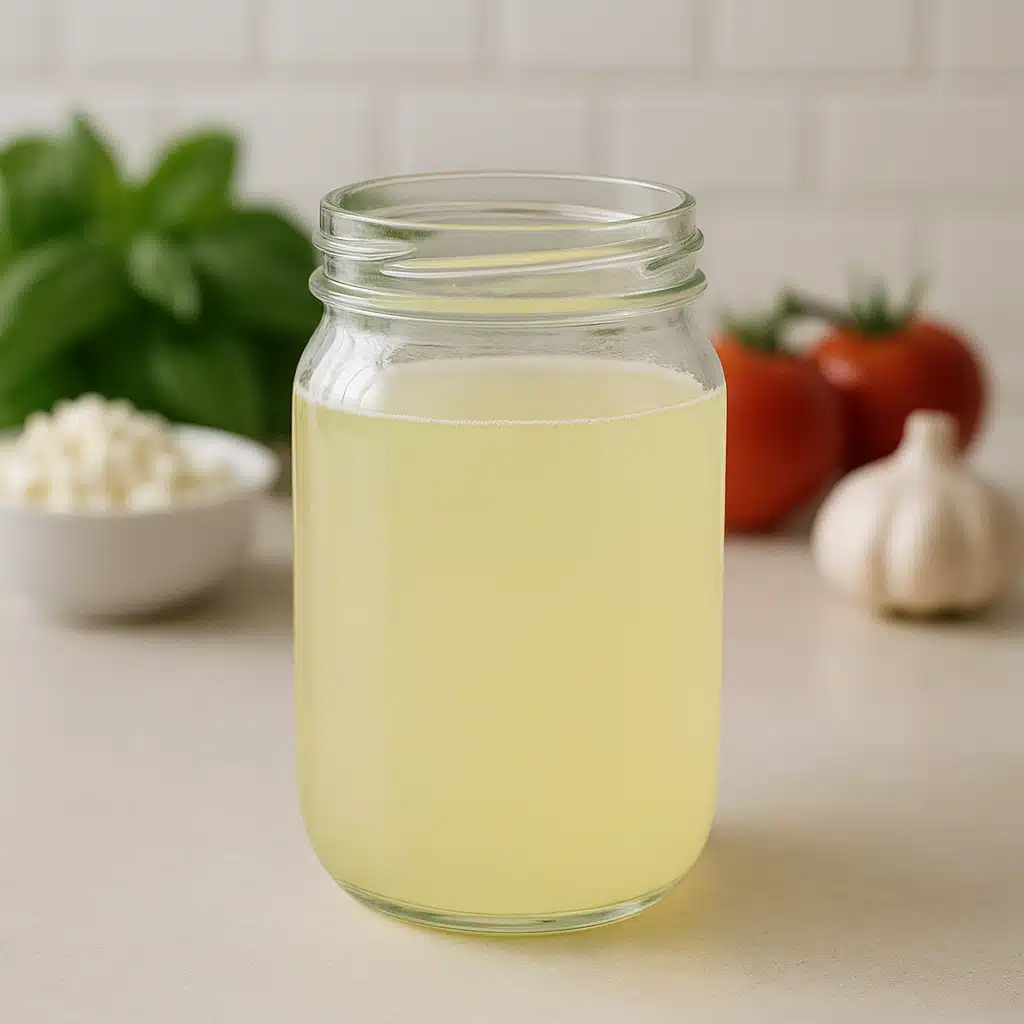
Liquid whey is a nutrient-rich byproduct that remains after cheese-making or straining yogurt. This pale, translucent liquid is often discarded without a second thought, yet it contains valuable proteins, vitamins, minerals, and beneficial acids that can be repurposed in countless ways. Whether you’re passionate about reducing food waste, seeking natural nutrition boosters, or looking for eco-friendly solutions around your home and garden, liquid whey deserves a second look. This comprehensive guide presents ten innovative and practical applications for liquid whey that will transform how you view this overlooked kitchen treasure.
1. Natural Garden Fertilizer and Soil Enrichment
Liquid whey contains an impressive array of nutrients that plants readily absorb, including calcium, potassium, phosphorus, and various proteins. These elements support robust plant development, strengthen cell walls, and promote healthy foliage and fruit production. To use whey as a garden fertilizer, dilute it with water at a ratio of approximately 1 part whey to 4 or 5 parts water. This dilution prevents overwhelming plants with too much acidity or nitrogen at once. Apply the mixture directly to the soil around your vegetables, flowers, herbs, or fruit plants during your regular watering schedule. You’ll notice healthier growth patterns, improved resistance to stress, and potentially increased yields. This method works exceptionally well for container gardens, raised beds, and traditional in-ground plots alike.

2. Protein-Rich Supplement for Livestock and Pets
Farm animals and domestic pets can benefit significantly from the high-quality protein found in liquid whey. Chickens, pigs, cattle, goats, and even dogs find whey palatable and nutritious. The amino acids support muscle development, egg production in poultry, and overall health. When introducing whey to animal feed, start with small quantities mixed into their regular food or water. Gradually increase the amount over several days to allow their digestive systems to adjust. For poultry, you can add it to their drinking water or mix it with grain feed. Larger livestock can consume it directly or have it incorporated into their feed mix. Always ensure fresh water is available, and monitor animals for any digestive sensitivities during the introduction period.

3. Enhanced Baking and Bread Making
Incorporating liquid whey into your baking transforms ordinary recipes into nutritionally superior creations. Substitute whey for water, milk, or other liquids in bread dough, pancake batter, waffle mix, muffins, quick breads, and pizza dough. The proteins in whey contribute to a tender crumb structure and improved moisture retention, meaning your baked goods stay fresh longer. The slight tanginess adds complexity to flavor profiles without being overwhelming. Whey also enhances browning due to its lactose content, resulting in beautifully golden crusts. For bread-making specifically, the acidity can strengthen gluten development and improve dough texture. Start by replacing half the liquid in your favorite recipe, then adjust according to your taste preferences and desired results.

4. Nutritious Smoothie and Shake Base
Liquid whey serves as an excellent foundation for smoothies and protein shakes, offering a lean protein source with minimal fat content. Unlike thick dairy products, whey blends smoothly without creating an overly heavy texture. Combine it with fresh or frozen fruits such as berries, bananas, mangoes, or peaches, along with leafy greens like spinach or kale for added nutrients. You can also add nut butters, seeds, oats, or natural sweeteners like honey or dates. The resulting beverage provides sustained energy, supports muscle recovery after exercise, and helps maintain satiety between meals. This application is particularly valuable for athletes, fitness enthusiasts, or anyone seeking convenient nutrition on busy mornings.

5. Flavorful Addition to Soups and Sauces
The subtle tanginess and creamy qualities of liquid whey make it an ideal ingredient for enhancing soups, stews, gravies, and sauces. Use it as a base liquid when preparing vegetable soups, chicken broths, or creamy bisques. The whey adds body and depth without the heaviness of cream or the sodium content of commercial stocks. In sauces, whey can replace wine, stock, or milk to create silky textures and complex flavor notes. It works particularly well in white sauces, pasta sauces, and reduction sauces for meat dishes. The proteins help emulsify ingredients and create smooth consistencies. The mild acidity balances rich flavors and brightens overall taste profiles, making dishes more dynamic and interesting.

6. Homemade Cheese Production
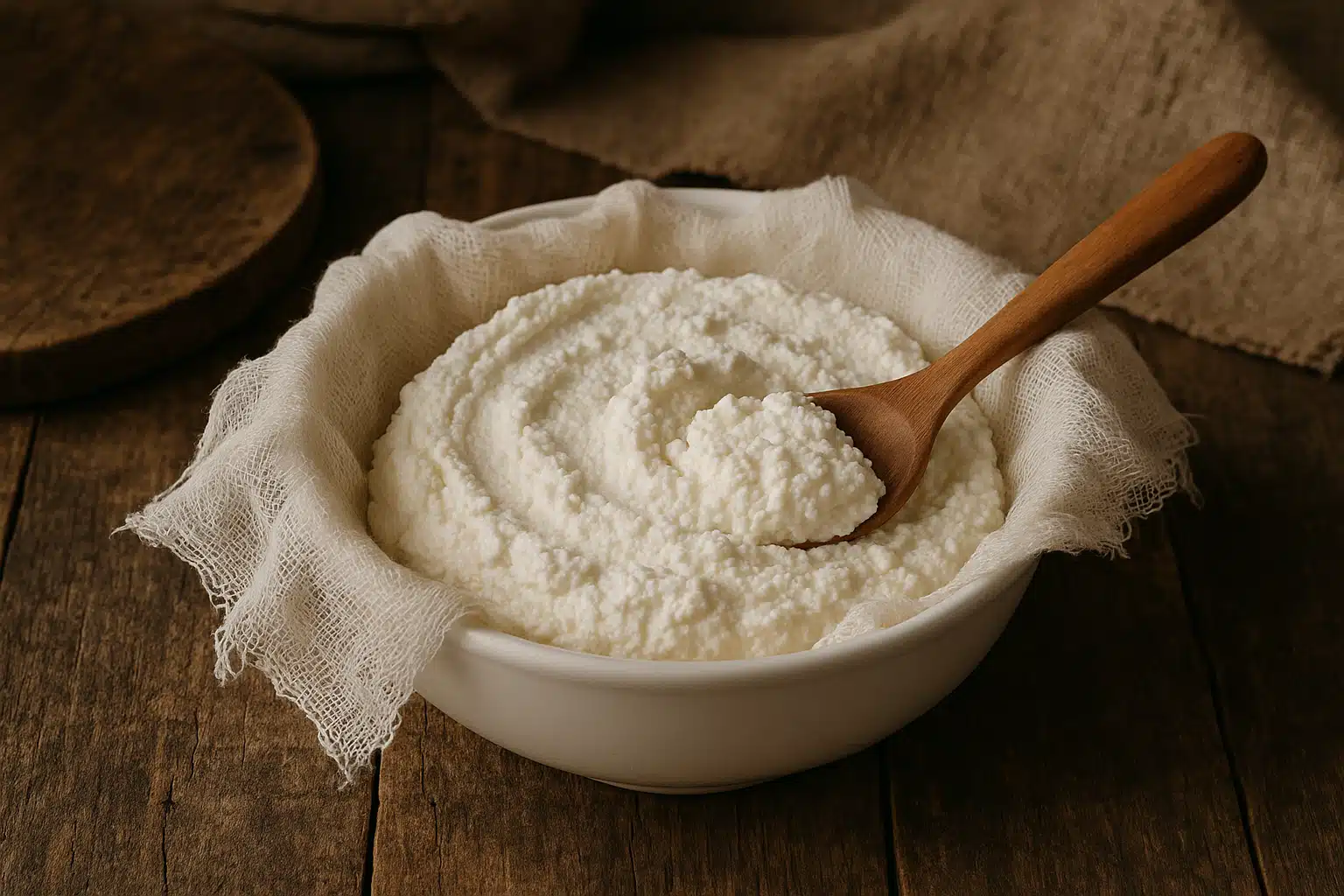
One of the most satisfying uses for liquid whey is creating additional cheese from what many consider waste. Ricotta cheese is traditionally made from whey by heating it to near-boiling temperatures and adding an acidic ingredient such as lemon juice, vinegar, or citric acid. This process causes the remaining proteins to coagulate into soft, fluffy curds. Strain these curds through cheesecloth, add salt to taste, and you have fresh ricotta perfect for lasagna, stuffed pasta, spreads, or desserts. You can also create flavored cheese spreads by blending the ricotta with herbs, spices, honey, or savory ingredients. This technique effectively utilizes nearly every component of your original dairy product, minimizing waste while maximizing culinary possibilities.
7. Healthy Treats for Dogs
Pet owners looking for natural, nutritious supplements will find liquid whey an excellent addition to their dog’s diet. The high-quality protein supports muscle maintenance, while minerals contribute to bone health and overall vitality. Pour whey into ice cube trays or silicone molds and freeze them to create refreshing treats ideal for warm weather. These frozen portions provide hydration along with nutrition and can help cool down active dogs. Alternatively, mix small amounts of whey into your dog’s regular food as a flavor enhancer and nutritional boost. Always introduce new foods gradually and monitor for any digestive reactions. Consult with your veterinarian if your dog has specific dietary restrictions or health conditions.

8. Tenderizing Marinades for Meat and Poultry
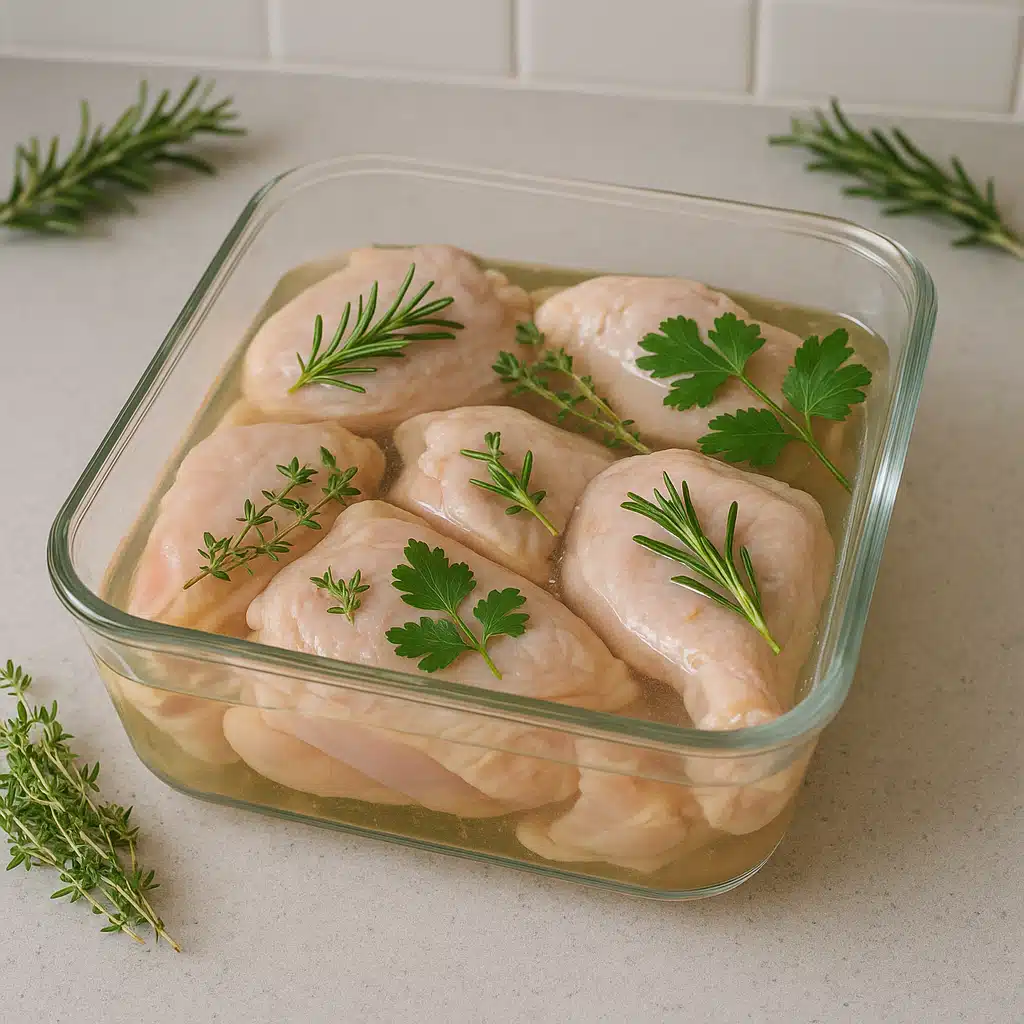
The natural acidity in liquid whey makes it highly effective as a meat marinade and tenderizer. Lactic acid gently breaks down tough protein fibers in beef, pork, chicken, turkey, and fish, resulting in more tender, succulent dishes. Place your chosen protein in a non-reactive container or resealable bag, cover completely with whey, and refrigerate for several hours or overnight. For additional flavor, add herbs, spices, garlic, or aromatics to the marinade. The whey penetrates the meat fibers while infusing subtle tangy notes that complement rather than overpower the natural flavors. After marinating, pat the meat dry before cooking to achieve proper browning. This technique works exceptionally well with tougher cuts that benefit from extended tenderizing.
9. Natural Skincare and Face Masks
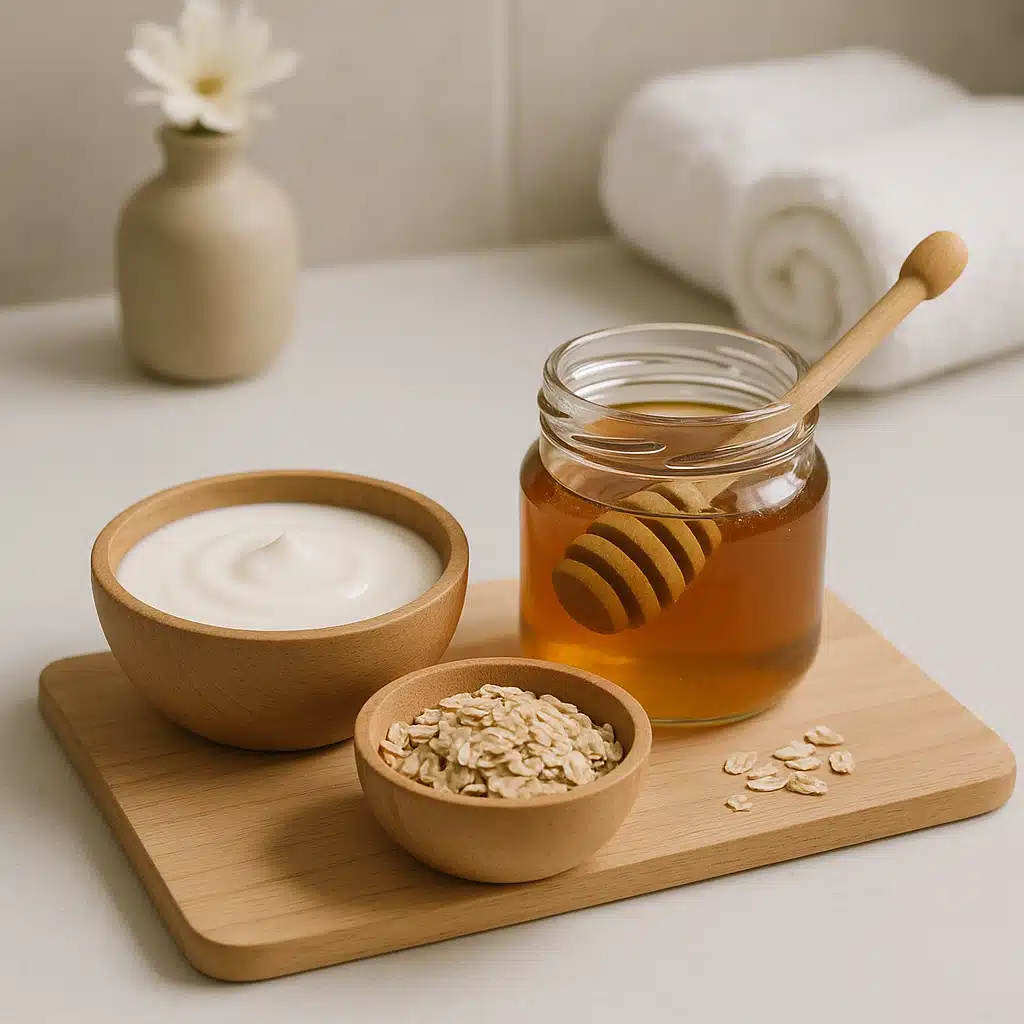
Beauty enthusiasts are discovering the benefits of incorporating liquid whey into natural skincare routines. The lactic acid in whey acts as a gentle chemical exfoliant, helping remove dead skin cells and promoting cell turnover for smoother, brighter skin. It also provides hydration and can help balance skin pH. Create a simple face mask by mixing whey with ingredients like honey for antibacterial properties, oatmeal for soothing effects, yogurt for additional lactic acid, or mashed avocado for moisturizing benefits. Apply the mixture to clean skin, leave for 10-15 minutes, then rinse thoroughly with lukewarm water. Use this treatment once or twice weekly for best results. Always perform a patch test first to ensure you don’t have sensitivity to whey on your skin.
10. Fermentation Starter for Vegetables
Liquid whey contains beneficial bacteria and enzymes that make it an excellent starter culture for fermenting vegetables. Traditional fermented foods like sauerkraut, pickles, kimchi, and other cultured vegetables benefit from the lactobacilli naturally present in whey. These beneficial microorganisms convert sugars into lactic acid, preserving vegetables while creating distinctive tangy flavors and enhancing digestibility. To use whey in fermentation, add approximately two tablespoons per quart of vegetables along with appropriate salt and water. The whey jumpstarts the fermentation process, often reducing the time needed and helping ensure successful results. Fermented foods support digestive health, provide probiotics, and offer unique flavor profiles that enliven meals throughout the year.

Understanding Liquid Whey: Safety and Common Questions
Many people wonder about the safety and proper handling of liquid whey. Fresh whey is completely safe to consume and use when it comes from properly prepared cheese or strained yogurt. It should smell mildly tangy and pleasant, with a pale yellow or greenish tint. Store whey in sealed containers in the refrigerator, where it typically remains fresh for up to six months, though quality is best within the first few weeks. Some separation or settling is normal. If whey develops an off odor, unusual colors, or mold, discard it. Another common misconception is that whey is only useful in cooking—as this guide demonstrates, its applications extend to gardening, animal care, beauty, and food preservation. The nutritional profile of whey includes complete proteins with all essential amino acids, B vitamins, calcium, phosphorus, and beneficial organic acids, making it far too valuable to waste.
Embrace Zero-Waste Living with Liquid Whey
Liquid whey represents an opportunity to reduce kitchen waste while accessing valuable nutrition and functionality. By implementing even a few of these ten applications, you’ll discover that this overlooked byproduct deserves respect as a versatile, beneficial ingredient. Whether you’re nourishing your garden, enhancing your cooking, supplementing your pets’ diet, supporting your skincare routine, or exploring traditional food preservation techniques, liquid whey offers practical solutions that align with sustainable living principles. The next time you make cheese or strain yogurt, remember that the liquid remaining is not waste—it’s a resource waiting to enrich multiple aspects of your daily life. Start with the applications that best fit your lifestyle, experiment with different uses, and enjoy the satisfaction of maximizing every element of your food while supporting your health, home, and environment.