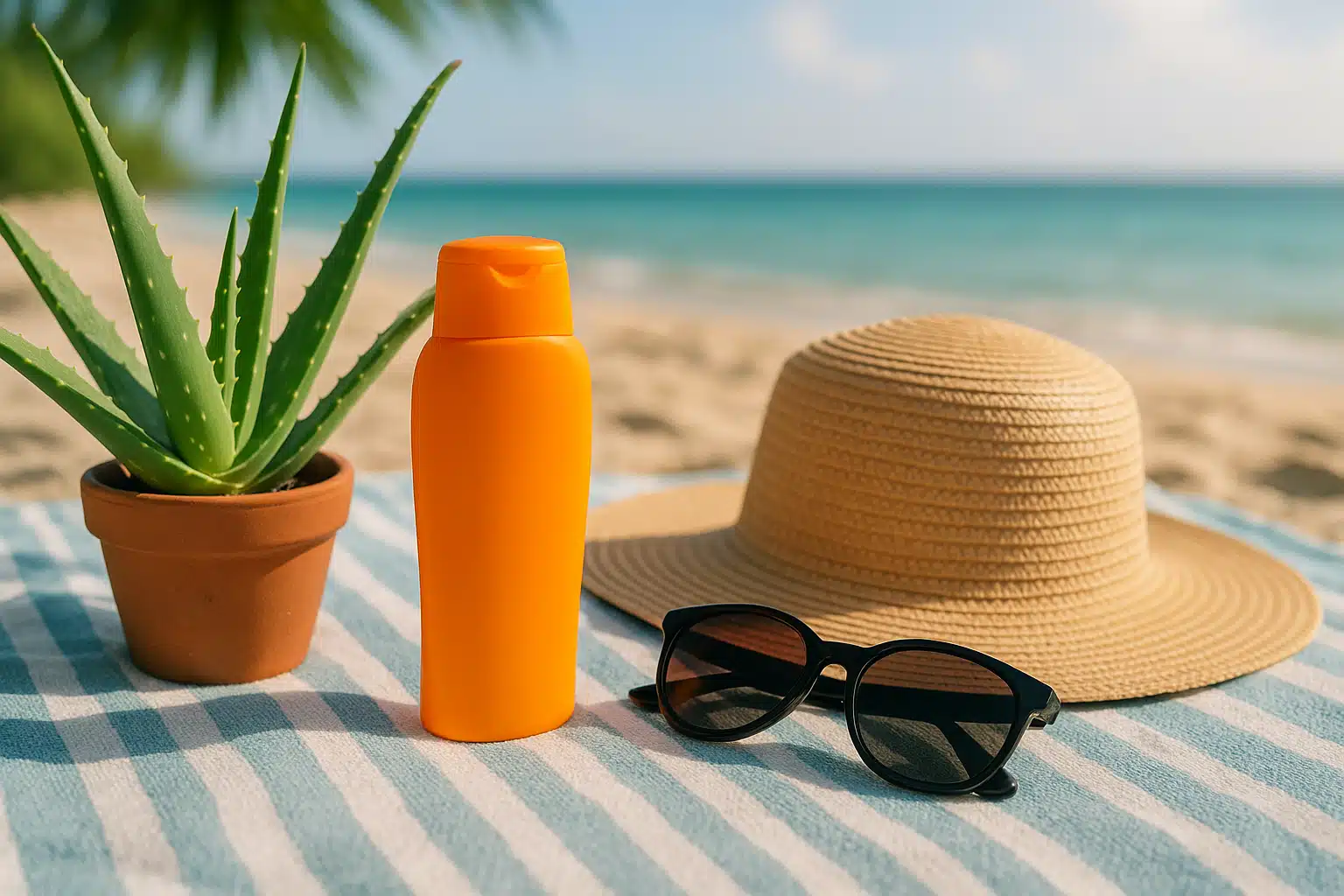
Understanding Sunburn: Causes and Symptoms
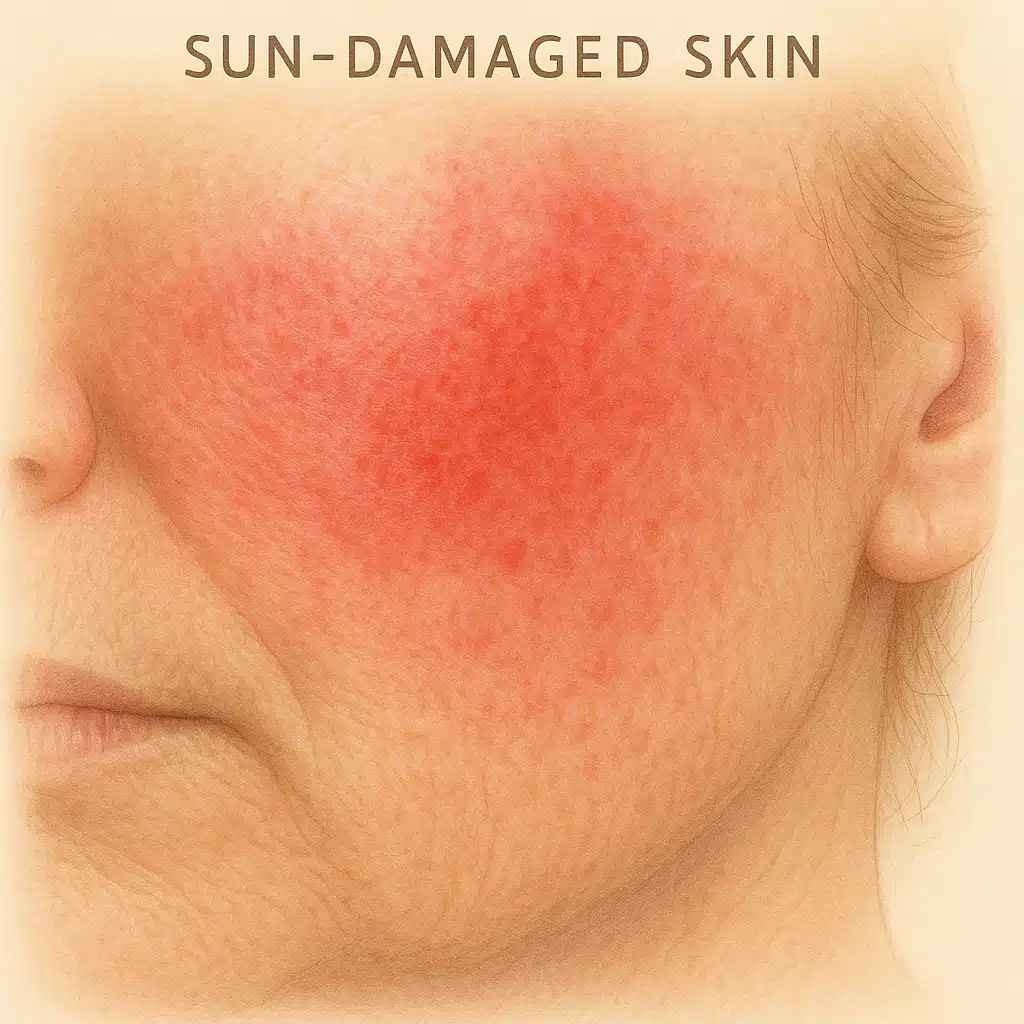
Sunburn is a common form of skin damage caused by overexposure to ultraviolet (UV) radiation from the sun or artificial sources like tanning beds. When skin is exposed to excessive UV rays, it triggers an inflammatory response that results in the characteristic redness, pain, warmth, and tenderness associated with sunburn.
The severity of sunburn can vary from mild redness to severe blistering, depending on factors such as skin type, duration of exposure, and intensity of UV radiation. Typically, symptoms appear within a few hours of exposure and peak around 12 to 24 hours later. The affected skin may begin to itch intensely after several days, and peeling usually starts within three to eight days as the damaged skin cells shed and new ones regenerate.
Understanding the healing timeline is important: mild sunburn usually resolves within three to five days, while more severe cases can take several weeks to heal completely. During this period, proper care and treatment are essential to minimize discomfort, prevent infection, and support the skin’s natural recovery process.
Prevention: The First Line of Defense
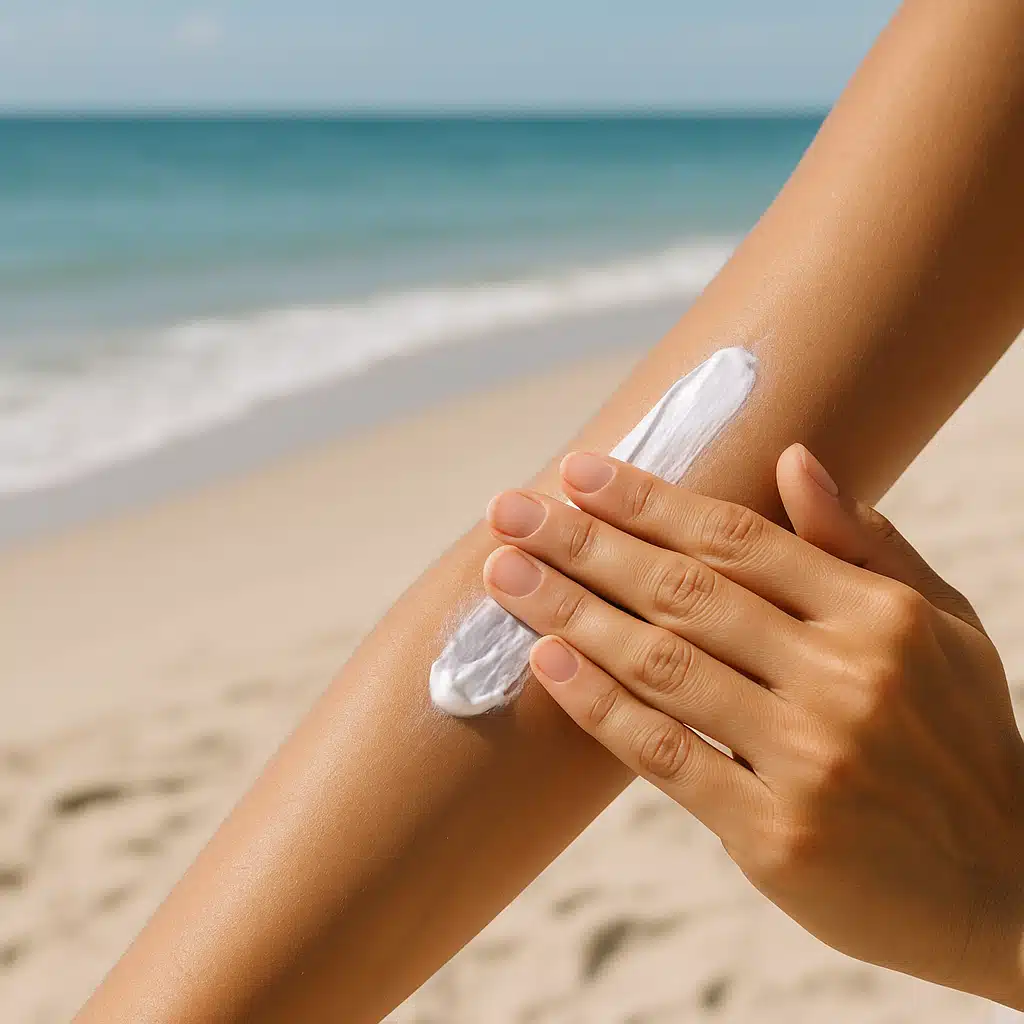
Before exploring treatment options, it’s crucial to emphasize that prevention is always more effective than cure. Using broad-spectrum sunscreen with an appropriate SPF (Sun Protection Factor) can significantly reduce your risk of sunburn and its long-term consequences, including premature aging and increased risk of skin cancer.
Effective sun protection involves multiple strategies: applying sunscreen 15-30 minutes before sun exposure, reapplying every two hours or after swimming or sweating, seeking shade during peak UV hours (typically between 10 AM and 4 PM), and wearing protective clothing such as wide-brimmed hats and UV-blocking sunglasses.
However, despite our best efforts, sunburn can still occur. Whether you’ve forgotten to reapply sunscreen, underestimated the sun’s intensity on a cloudy day, or experienced unexpected prolonged exposure, knowing how to treat sunburn effectively can significantly reduce discomfort and promote faster healing.
Effective Home Remedies for Sunburn Relief
The following remedies use accessible household items and natural ingredients to soothe sunburned skin, reduce inflammation, and support the healing process. While some may seem unconventional, they are based on the beneficial properties of their ingredients and have been used successfully for sunburn treatment.
Cold Milk Compress Treatment
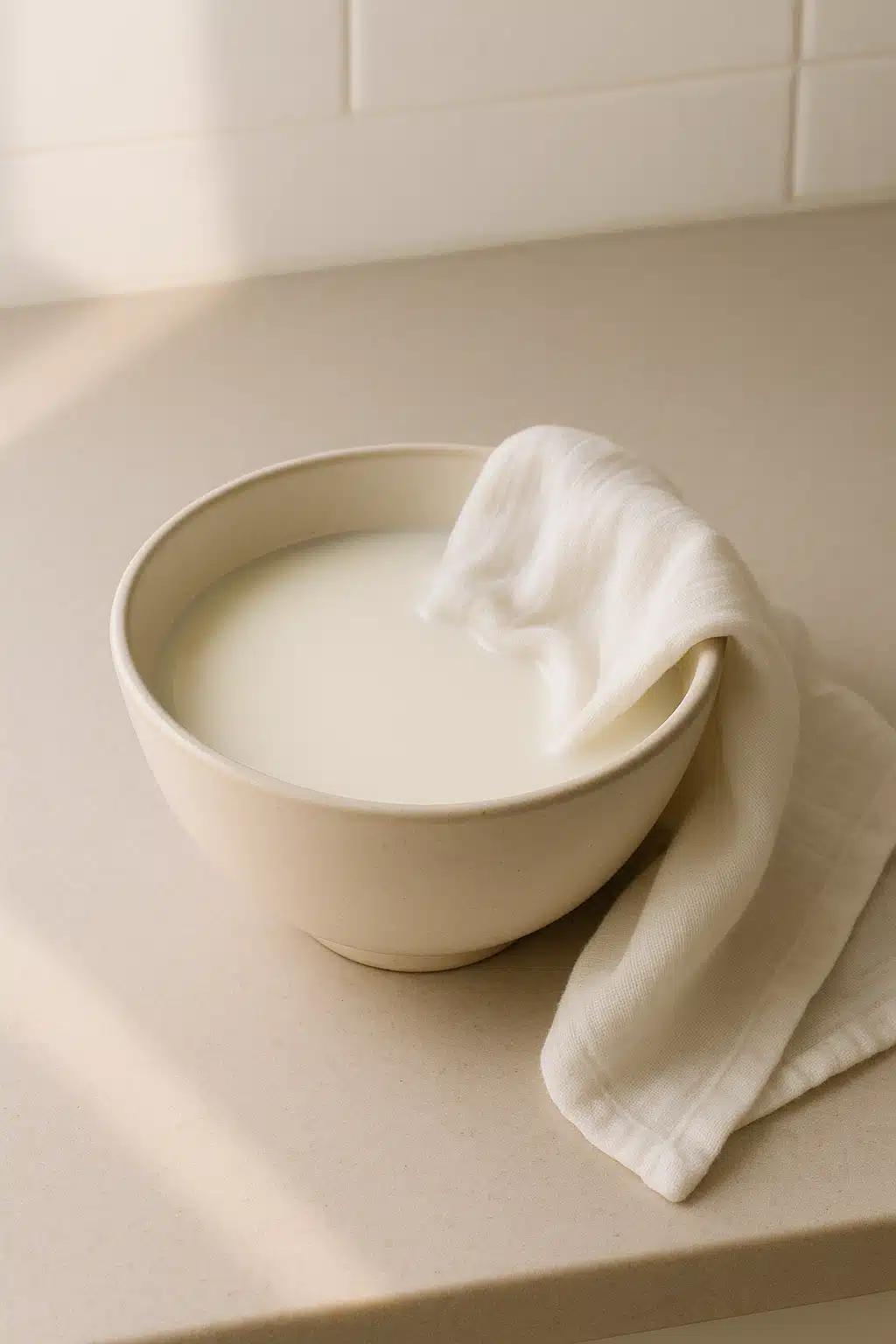
Milk compresses offer a surprisingly effective treatment for sunburn relief. The science behind this remedy lies in milk’s composition: it contains proteins, fats, and lactic acid that work together to soothe inflamed skin. The protein forms a thin protective layer over the burned area, while the fat content helps retain moisture and the lactic acid gently exfoliates dead skin cells.
To use this method, pour cold milk into a clean bowl. The milk should be refrigerator-cold but not frozen. If you have enough milk, you can soak the affected area directly; otherwise, soak a clean, soft cloth in the milk and gently apply it to the sunburned skin. Leave the compress on for 10-15 minutes, then rinse with cool water and pat dry gently.
The cooling effect of cold milk immediately reduces the burning sensation and heat in the affected area. The pH level of milk, which is close to that of healthy skin, helps restore balance to sun-damaged skin. You can repeat this treatment several times daily for maximum relief.
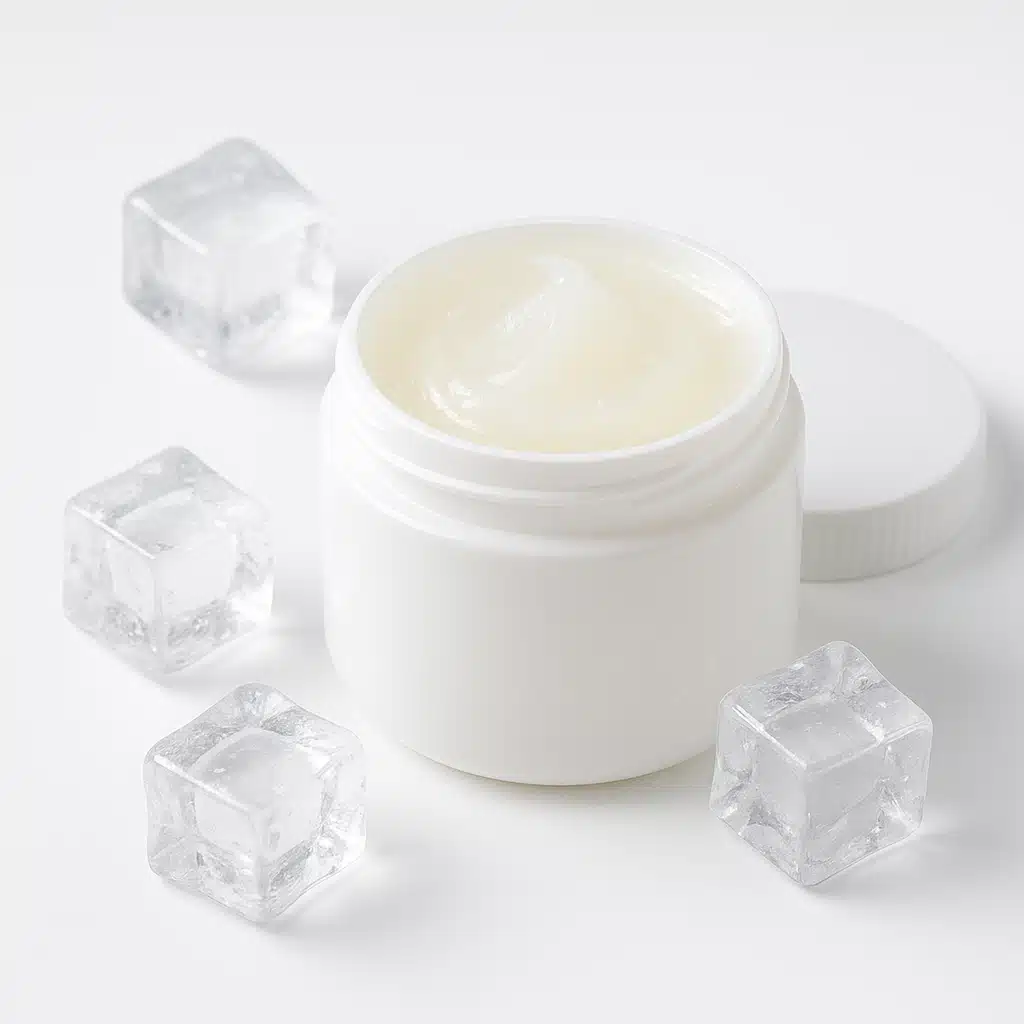
Chilled Petroleum Jelly Application
Sunburn compromises the skin’s natural barrier function, leading to increased water loss and dehydration. This is why sunburned skin often feels tight and uncomfortable. Maintaining proper hydration of the affected area is essential for pain relief and accelerated healing.
Petroleum jelly creates an occlusive barrier that locks in moisture and protects damaged skin from further irritation. For enhanced relief, place your petroleum jelly container in the refrigerator for 15-30 minutes before application. The combination of cooling and moisturizing properties provides immediate comfort.
Apply a thin layer of the chilled petroleum jelly to clean, slightly damp skin. This helps seal in moisture while the cold provides temporary pain relief. Reapply as needed, especially after bathing or showering. This method is particularly effective for preventing the skin from drying out and cracking as it heals.
Important Note: If your sunburn is severe and includes blistering, consult a healthcare professional before applying any topical treatments. Blistered skin requires special care to prevent infection.
Colloidal Oatmeal Bath
Intense itching is one of the most frustrating symptoms of sunburn, especially during the peeling phase. Scratching provides temporary relief but can damage healing skin, potentially leading to scarring or infection. An oatmeal bath offers a gentle, effective solution to this problem.
Oatmeal contains compounds called avenanthramides, which have anti-inflammatory and antioxidant properties. These compounds help reduce itching, redness, and irritation. Additionally, oatmeal acts as a natural humectant, attracting and retaining moisture in the skin.
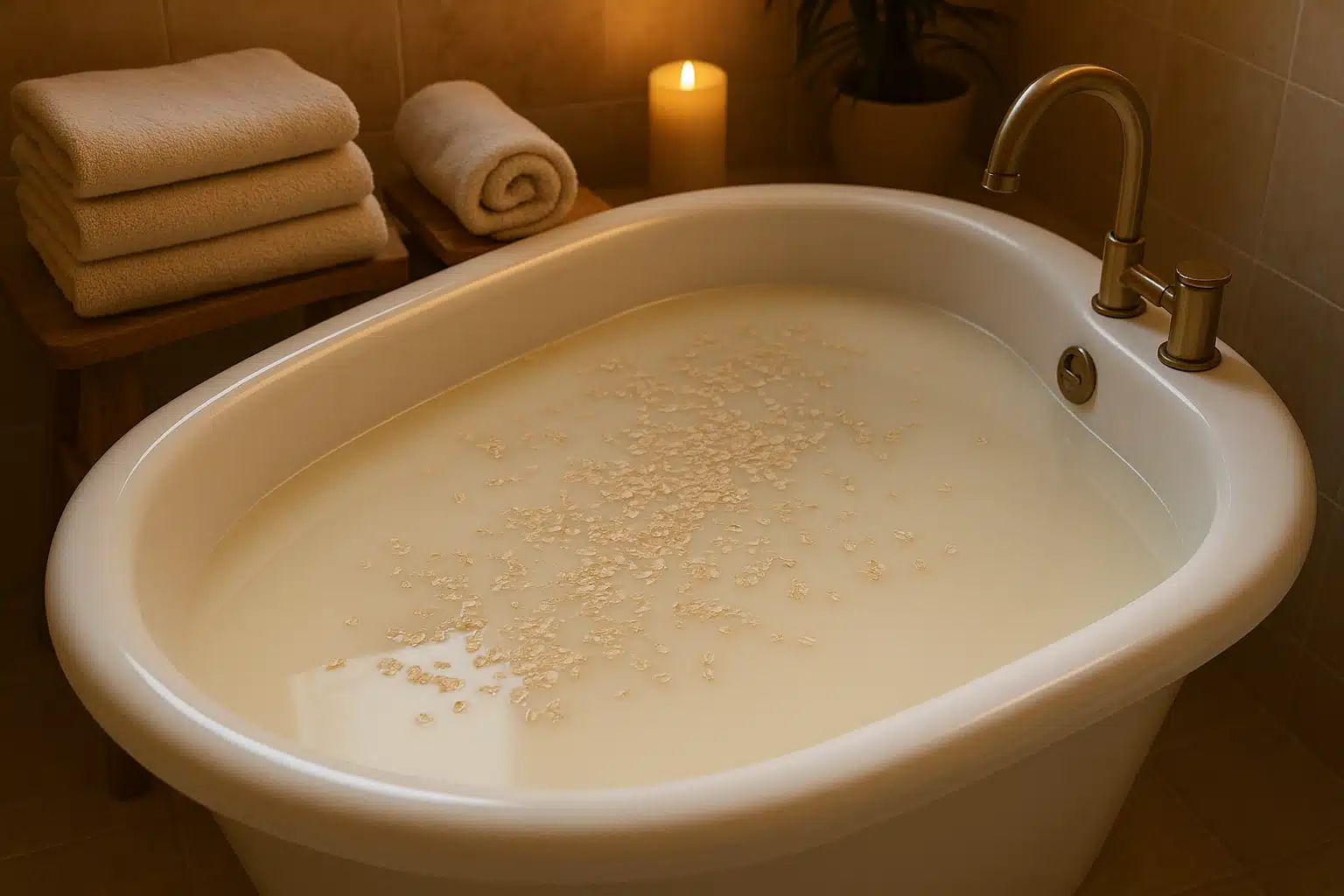
To prepare an oatmeal bath, grind one to two cups of plain oatmeal (unflavored and unsweetened) into a fine powder using a blender or food processor. Fill your bathtub with lukewarm water—not hot, as hot water can further irritate sunburned skin. Add the ground oatmeal and mix thoroughly with your hands until the water becomes milky.
Soak in the bath for 15-20 minutes, gently splashing the oatmeal water over exposed areas. Pat your skin dry gently with a soft towel—avoid rubbing. Follow with a gentle, fragrance-free moisturizer to seal in hydration. You can enjoy this soothing bath two to three times daily during the acute phase of sunburn.
If you don’t have access to a bathtub, create an oatmeal compress by placing ground oatmeal in a clean cloth, tying it closed, and soaking it in cool water. Gently press this compress against affected areas, or mix oatmeal with cool water in a basin and pour it over sunburned skin.
DIY Aspirin Paste for Localized Relief
For targeted treatment of specific sunburned areas—such as shoulders, nose, ears, or lips—a homemade aspirin paste can provide concentrated relief. Aspirin contains acetylsalicylic acid, which has anti-inflammatory properties that help reduce redness, swelling, and discomfort.
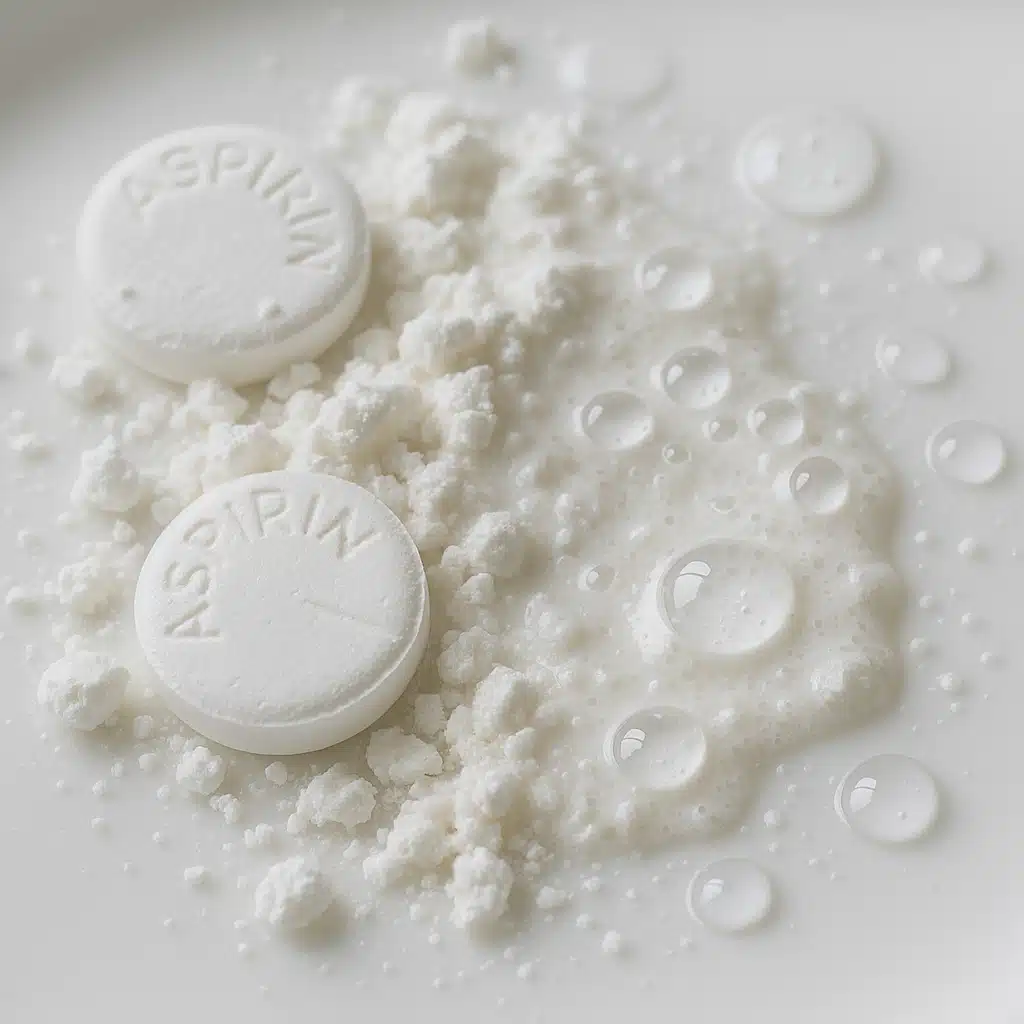
To create this paste, crush two to three uncoated aspirin tablets into a fine powder using a spoon or mortar and pestle. Add a few drops of cool water gradually, mixing until you achieve a spreadable paste consistency—not too runny or too thick.
Apply the paste directly to the affected area and leave it on for approximately five minutes. The paste may feel slightly cool and tingly. Afterward, rinse thoroughly with cool water and pat dry. You can also take aspirin orally (following package directions and considering any personal contraindications) to address pain and inflammation systemically.
Caution: Do not use this remedy if you have an aspirin allergy or sensitivity. Avoid applying to broken or blistered skin. The paste has a bitter taste, so if applying near the mouth, be careful not to ingest it.
Yogurt Application for Cooling and Protection
While aloe vera gel is widely known for its sunburn-soothing properties, plain yogurt serves as an excellent alternative that you may already have in your refrigerator. Yogurt provides immediate cooling relief and delivers multiple benefits for damaged skin.
The probiotics in yogurt have antibacterial properties that help protect compromised skin from potential infection—particularly important if you’ve inadvertently scratched itchy areas. The lactic acid in yogurt gently exfoliates dead skin cells, while the fat content moisturizes and soothes.
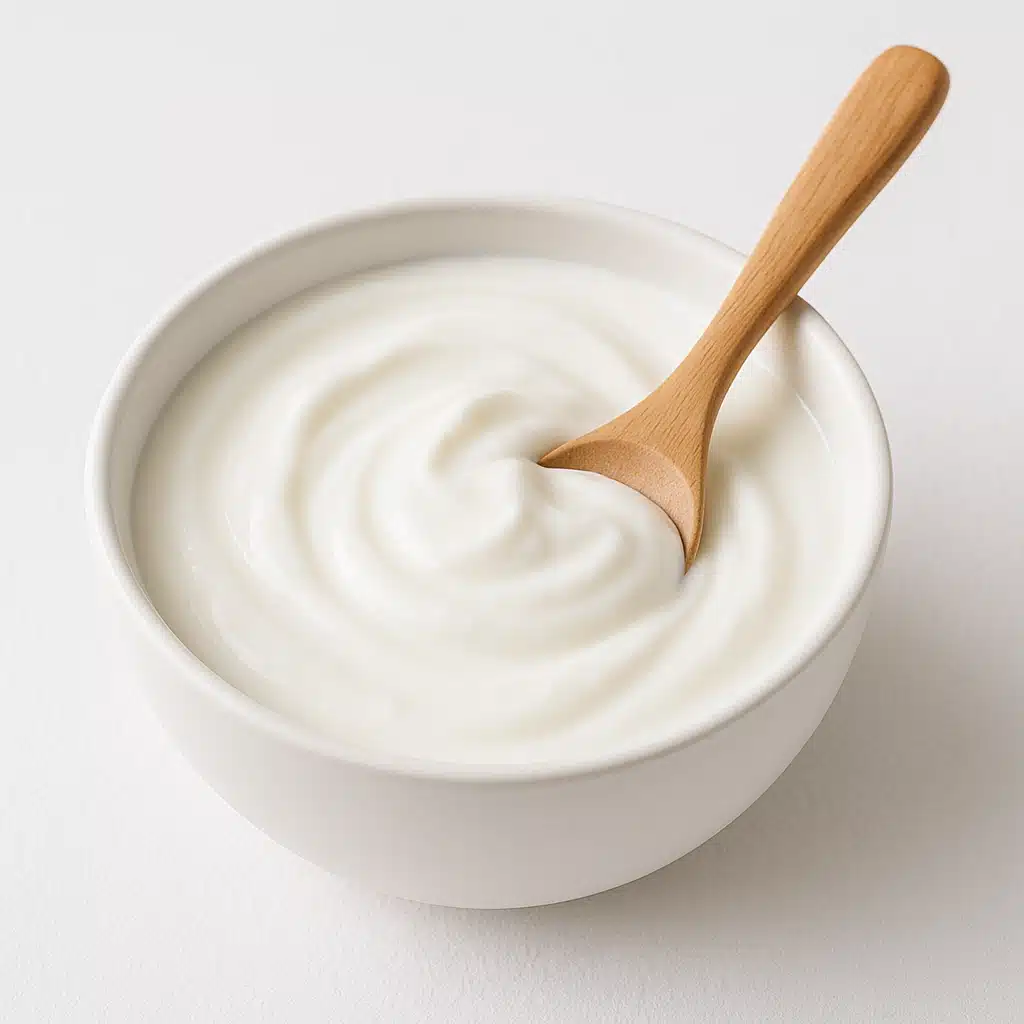
Use plain, unsweetened, full-fat yogurt for best results. Apply a generous layer directly to clean, sunburned skin. Leave it on for 10-15 minutes, enjoying the cooling sensation. Rinse with cool water and gently pat dry. The protein and fat in yogurt create a temporary protective layer that helps retain moisture and reduce discomfort.
This treatment can be repeated several times throughout the day. For enhanced cooling, keep the yogurt refrigerated until just before application. The combination of cold temperature and yogurt’s beneficial compounds provides substantial relief from burning and itching.
Apple Cider Vinegar Treatment
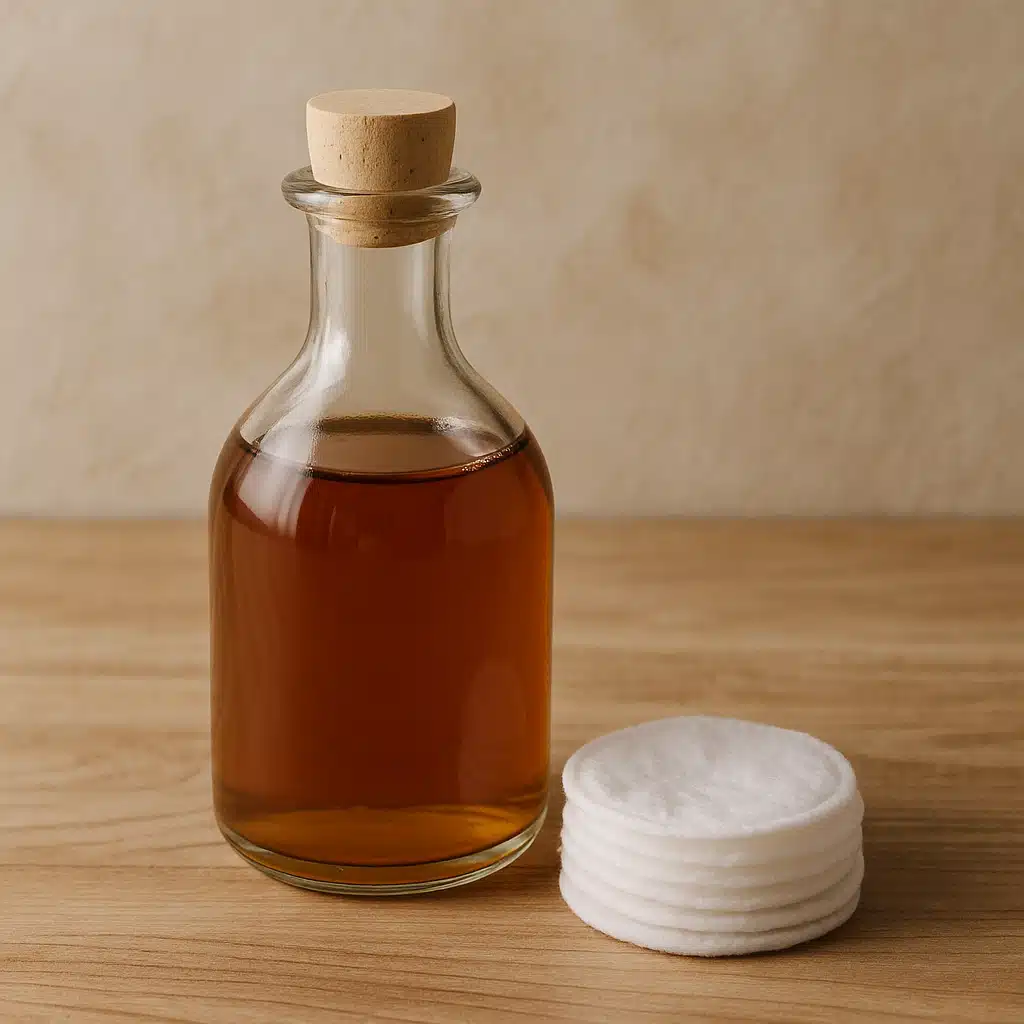
Apple cider vinegar has gained recognition as a versatile natural remedy, and its application for sunburn is supported by its unique properties. It acts as a natural antiseptic and helps balance the skin’s pH, which can be disrupted by sun damage.
The acetic acid in apple cider vinegar has antimicrobial properties that help prevent infection in compromised skin. Additionally, it can help reduce inflammation and promote faster healing. Some users report that it helps prevent peeling or reduces its severity, though individual results may vary.
To use apple cider vinegar for sunburn, dilute it with equal parts cool water—undiluted vinegar may be too strong for sensitive, damaged skin. Soak a cotton ball or clean cloth in the diluted solution and gently dab it onto affected areas. Allow it to air dry naturally.
You may experience a slight stinging sensation initially, which should subside quickly. If the stinging is intense or persists, rinse immediately and use a more diluted solution or discontinue use. Apply this treatment two to three times daily during the healing process.
Alternatively, you can add one to two cups of apple cider vinegar to a lukewarm bath and soak for 15-20 minutes for whole-body treatment.
Tea Bag Compress Therapy
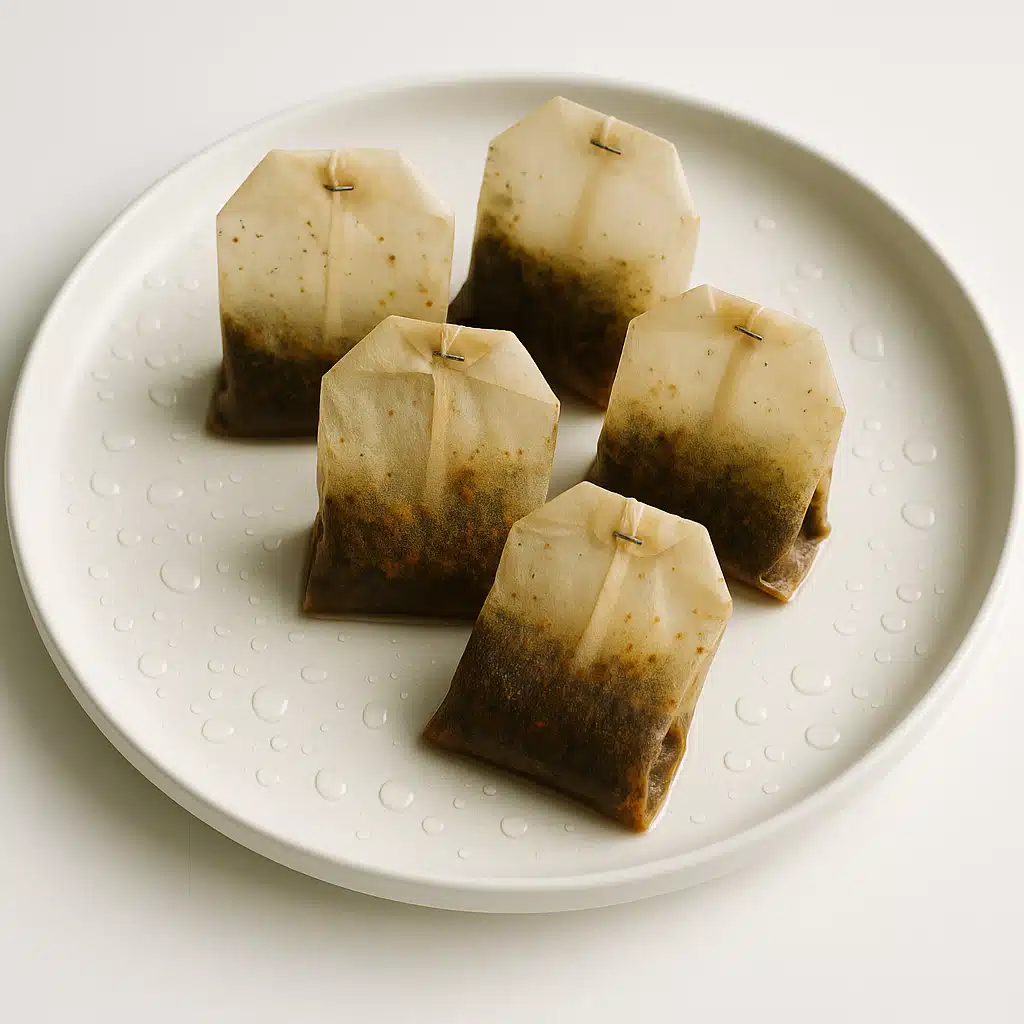
Tea, particularly black and green varieties, contains tannins and antioxidants that offer significant benefits for sunburned skin. These compounds have anti-inflammatory properties that reduce swelling and redness, while antioxidants help neutralize free radicals generated by UV exposure.
Chamomile tea is another excellent option, known for its calming and anti-inflammatory properties. It’s particularly gentle and suitable for sensitive skin or facial sunburns.
To prepare a tea compress, brew several tea bags in hot water as you normally would, but allow the tea to steep longer for a stronger concentration. Remove the tea bags and let them cool completely in the refrigerator—this step is important as hot or warm compresses can worsen sunburn discomfort.
Once cooled, place the tea bags directly on affected areas, or soak a clean cloth in the cooled tea and apply as a compress. Leave in place for 10-15 minutes. You can also pour cooled tea into a spray bottle and mist over larger sunburned areas for easy application.
The tannins in tea help draw heat from the skin, providing immediate relief, while the antioxidants support the skin’s natural healing processes. This treatment can be repeated several times daily and is especially soothing before bedtime.
Vitamin E Therapy
Understanding the mechanism of sunburn at the cellular level helps explain why vitamin E is such an effective treatment. UV radiation generates free radicals—unstable molecules that damage healthy cells by stealing electrons. This oxidative stress is responsible for much of the pain, inflammation, and long-term damage associated with sunburn.
Vitamin E is a powerful antioxidant that neutralizes free radicals by donating electrons, effectively stopping the chain reaction of cellular damage. This not only reduces immediate discomfort but also minimizes long-term consequences such as premature aging and DNA damage.
You can use vitamin E both internally and externally. Taking vitamin E supplements orally provides systemic antioxidant support. Follow the dosage recommendations on the product label or as advised by a healthcare professional.
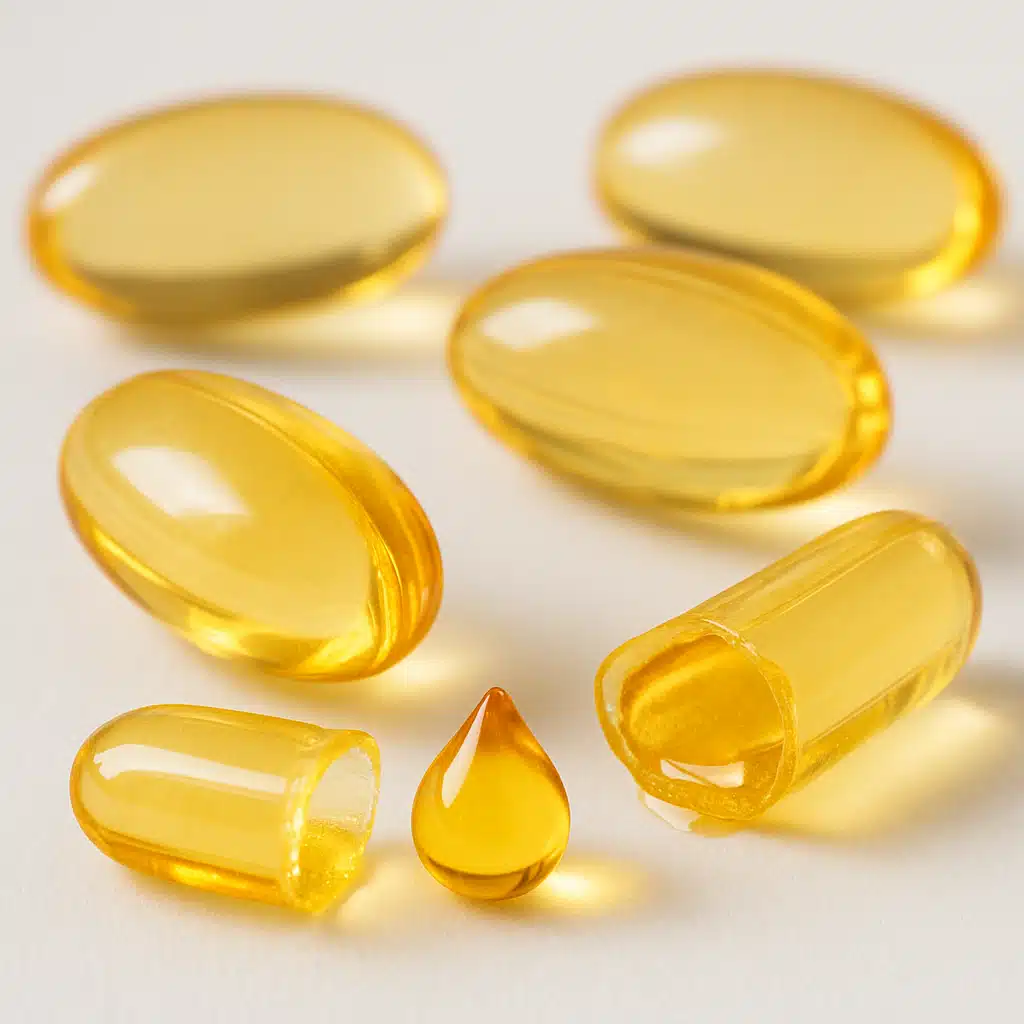
For topical application, pierce several vitamin E capsules with a clean pin and squeeze the oil directly onto sunburned areas. Gently massage the oil into the skin. The oil helps moisturize while delivering concentrated antioxidant protection to the most affected areas.
Many dermatologists recommend combining both oral and topical vitamin E application for optimal results. The topical application provides immediate, localized benefits, while oral supplementation supports overall skin health and systemic healing.
Vitamin D Supplementation
While it may seem counterintuitive, vitamin D supplementation can play a role in recovering from sunburn. Often called the “sunshine vitamin,” vitamin D is primarily produced when our skin is exposed to UVB rays. This essential nutrient is crucial for numerous bodily functions, including bone health, immune system regulation, cardiovascular health, and mood support.
When you have sunburn, you’ll naturally limit sun exposure during the healing period, which can temporarily reduce your vitamin D production. Maintaining adequate vitamin D levels supports overall health and may aid the skin’s recovery process through its anti-inflammatory and immune-supporting properties.
Some research suggests that adequate vitamin D levels may help reduce inflammation associated with sunburn and support the skin’s healing mechanisms. However, vitamin D should be viewed as part of a comprehensive approach to recovery rather than a standalone sunburn treatment.
Consider taking a vitamin D supplement during the healing period, especially if you’re avoiding sun exposure completely. Consult with a healthcare provider about appropriate dosage, as individual needs vary based on factors such as geographic location, season, diet, and baseline vitamin D levels.
Raw Honey Application
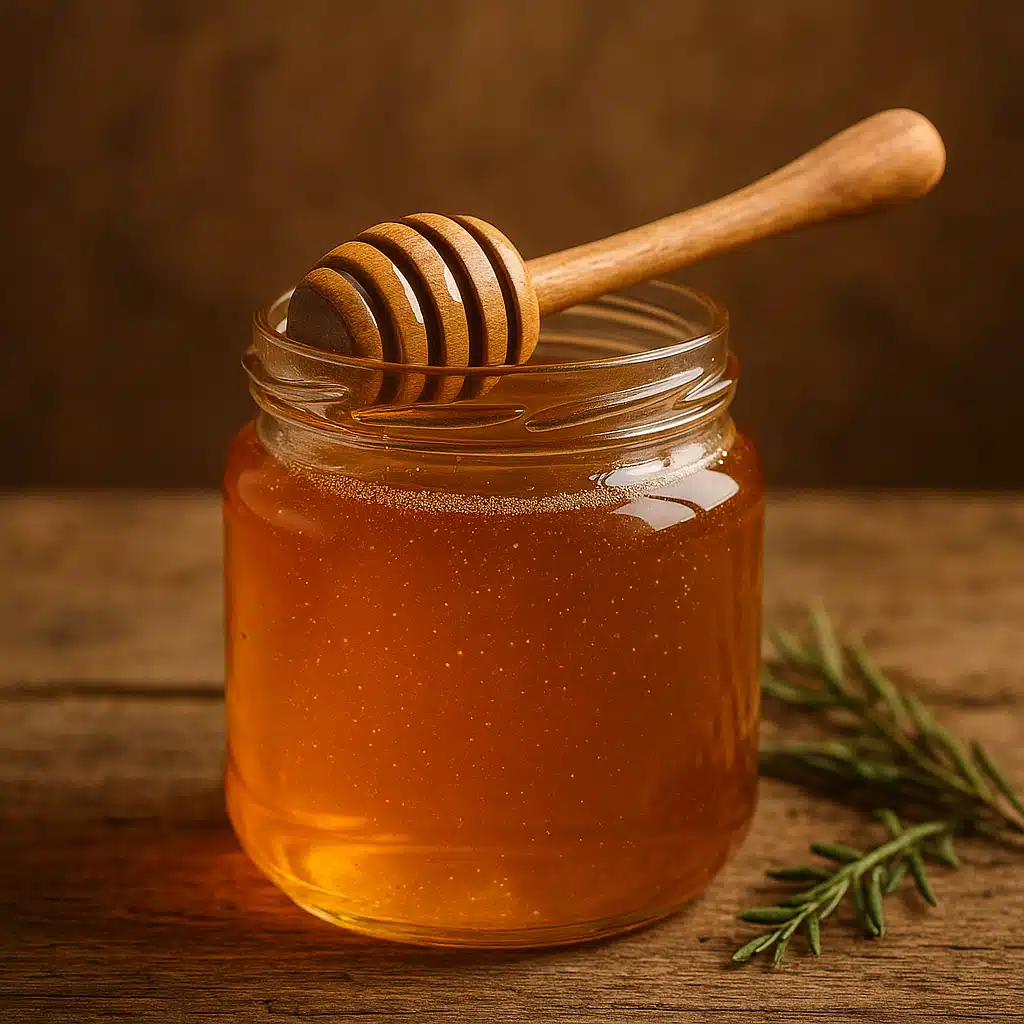
Raw, organic honey has been used for wound healing across cultures for thousands of years, and modern research confirms its effectiveness. Honey possesses remarkable properties that make it particularly suitable for treating burns, including sunburn.
Honey has natural antibacterial and antimicrobial properties due to its production of hydrogen peroxide and its low pH. This helps prevent infection in compromised skin. It also has anti-inflammatory effects that reduce swelling and pain. Additionally, honey creates a moist healing environment while drawing moisture from the air to hydrate the skin.
Research comparing honey to conventional burn treatments has shown promising results, with some studies indicating that honey may perform as well as or better than certain antibiotic ointments and synthetic burn creams in promoting healing and preventing infection.
To use honey for sunburn, apply a thin layer of raw, organic honey to clean, affected skin. Leave it on for 15-20 minutes to allow the beneficial compounds to penetrate. Rinse with cool water and pat dry gently. The slight stickiness is a minor inconvenience compared to the soothing benefits.
For best results, use raw honey rather than processed varieties, as raw honey retains more of its beneficial enzymes and compounds. Manuka honey, in particular, has been studied extensively for wound healing and may offer additional benefits, though it is typically more expensive than regular raw honey.
Baking Soda Bath Treatment
Baking soda (sodium bicarbonate) might seem like an unexpected remedy for sensitive, sunburned skin, but it actually provides significant relief, particularly for itching and inflammation. Despite its alkaline nature, when properly diluted in bathwater, baking soda helps soothe irritated skin without causing further damage.
Baking soda has anti-inflammatory properties and helps restore the skin’s pH balance, which can be disrupted by sun damage. It also has mild antiseptic qualities that help keep healing skin clean and free from bacteria.
To prepare a baking soda bath, fill your bathtub with lukewarm water—never hot, as this will exacerbate burning and discomfort. Add one to two cups of baking soda and stir with your hand until it dissolves completely.
Soak in the bath for 15-20 minutes, periodically splashing the water over exposed areas. The itching relief is often immediate and can last for several hours after the bath. After soaking, pat your skin dry very gently with a soft towel and apply a fragrance-free moisturizer while the skin is still slightly damp to lock in hydration.
You can enjoy a baking soda bath once or twice daily during the acute phase of sunburn. Many people find that an evening baking soda bath before bed significantly improves sleep quality by reducing nighttime itching and discomfort.
Cucumber Paste for Inflammation
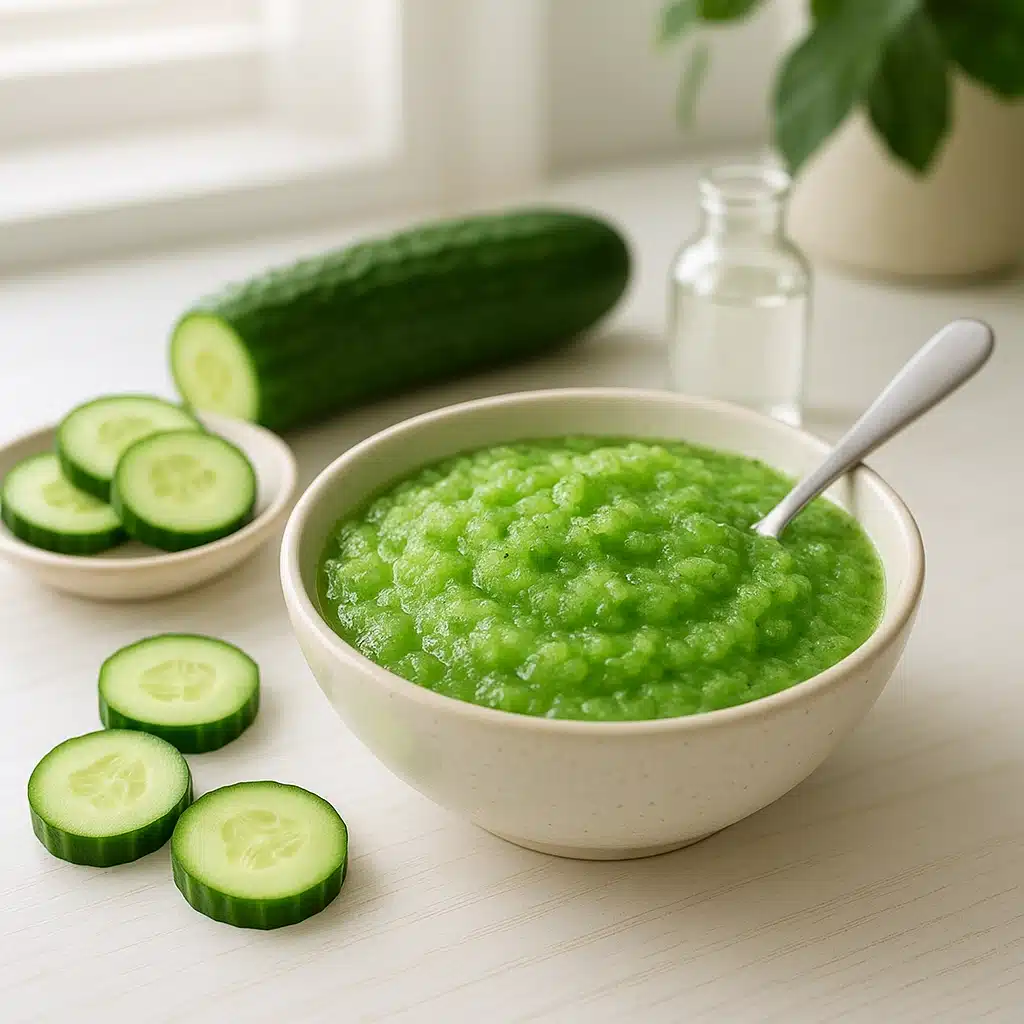
Cucumber is more than just a refreshing salad ingredient—it’s a powerful natural remedy for inflamed, sunburned skin. Cucumbers are composed of approximately 95% water, making them incredibly hydrating. They also contain vitamin C, caffeic acid, and other antioxidants that help reduce swelling and irritation.
The natural cooling properties of cucumber provide immediate relief from the burning sensation, while its anti-inflammatory compounds address the underlying inflammation. Some compounds in cucumber have been shown to inhibit pro-inflammatory enzymes, similar to how non-steroidal anti-inflammatory drugs (NSAIDs) work, but in a gentler, natural way.
To create a cucumber treatment, refrigerate one or two large cucumbers until they’re thoroughly chilled. The cold temperature enhances the soothing effect. Place the cucumbers in a blender or food processor and blend until you achieve a smooth, paste-like consistency.
Apply the cucumber paste generously to affected areas. You can leave it on for 15-30 minutes, reapplying if it begins to dry out. The cooling sensation should be immediately noticeable. Once you rinse off the paste with cool water, you’ll likely notice reduced redness and a significant decrease in pain and tightness.
For convenience, you can also simply slice chilled cucumbers and place the slices directly on sunburned areas—this works particularly well for facial sunburn. The cucumber paste method, however, provides more complete coverage for larger affected areas.
This treatment can be repeated multiple times throughout the day. Many people find it especially helpful during the peeling phase, as it reduces itching and keeps the healing skin hydrated and comfortable.
Additional Care Tips for Sunburn Recovery

Beyond topical treatments, several general care practices significantly impact recovery speed and comfort during sunburn healing:
Stay Hydrated: Sunburn draws fluid to the skin’s surface and away from the rest of your body, potentially leading to dehydration. Drink plenty of water—more than you typically would—to help your body heal and prevent complications.
Take Cool Showers: Cool (not cold) showers provide temporary relief. Avoid hot water, harsh soaps, and vigorous scrubbing. Pat skin dry gently rather than rubbing.
Moisturize Regularly: Apply fragrance-free, gentle moisturizers or aloe vera gel several times daily to prevent dryness and support the skin barrier. Products containing aloe vera, soy, or calamine are particularly soothing.
Avoid Further Sun Exposure: Keep sunburned skin completely covered or stay indoors until healing is complete. Damaged skin is more vulnerable to additional UV damage.
Don’t Pop Blisters: If blisters form, leave them intact. They protect the healing skin underneath. Popping them increases infection risk and can lead to scarring.
Wear Loose Clothing: Choose soft, breathable fabrics that won’t irritate healing skin. Tight clothing can rub against sunburned areas and increase discomfort.
Consider Over-the-Counter Pain Relief: Non-prescription pain relievers such as ibuprofen or acetaminophen can help reduce pain and inflammation. Follow package directions and consult a healthcare provider if you have any concerns.
When to Seek Medical Attention

While most sunburns can be effectively treated at home with the remedies described above, certain situations require professional medical attention. Seek immediate care if you experience any of the following:
- Severe blistering covering a large portion of your body
- Signs of infection such as increased pain, swelling, pus, or red streaks extending from the burn
- Fever higher than 102°F (39°C) accompanied by chills
- Severe headache, confusion, nausea, or vomiting
- Dehydration symptoms including dizziness, dry mouth, reduced urination, or extreme thirst
- Fainting or feeling faint
- Eye pain or vision changes
- Sunburn that doesn’t improve after a few days of home treatment
Infants and young children with sunburn should be evaluated by a healthcare provider, as their skin is more delicate and they’re at higher risk for complications. Similarly, individuals with compromised immune systems or certain medical conditions should consult with their healthcare provider about appropriate sunburn treatment.
Long-Term Skin Health After Sunburn
Experiencing sunburn should serve as a reminder to improve sun protection practices. Repeated sunburns significantly increase the risk of premature aging, wrinkles, age spots, and skin cancer. After your skin heals, commit to better sun safety:
- Use broad-spectrum sunscreen with SPF 30 or higher daily, even on cloudy days
- Reapply sunscreen every two hours when outdoors, or more frequently if swimming or sweating
- Seek shade during peak UV hours
- Wear protective clothing, including wide-brimmed hats and UV-blocking sunglasses
- Be aware that UV rays reflect off water, sand, and snow, increasing exposure
- Check medications, as some can increase sun sensitivity
- Perform regular skin self-examinations to monitor for changes
- Schedule annual skin checks with a dermatologist, especially if you have a history of sunburns
Remember that there is no such thing as a “safe” tan—any change in skin color from sun exposure indicates damage at the cellular level. By taking sunburn seriously and implementing comprehensive sun protection strategies, you can enjoy outdoor activities while minimizing your risk of both short-term discomfort and long-term health consequences.