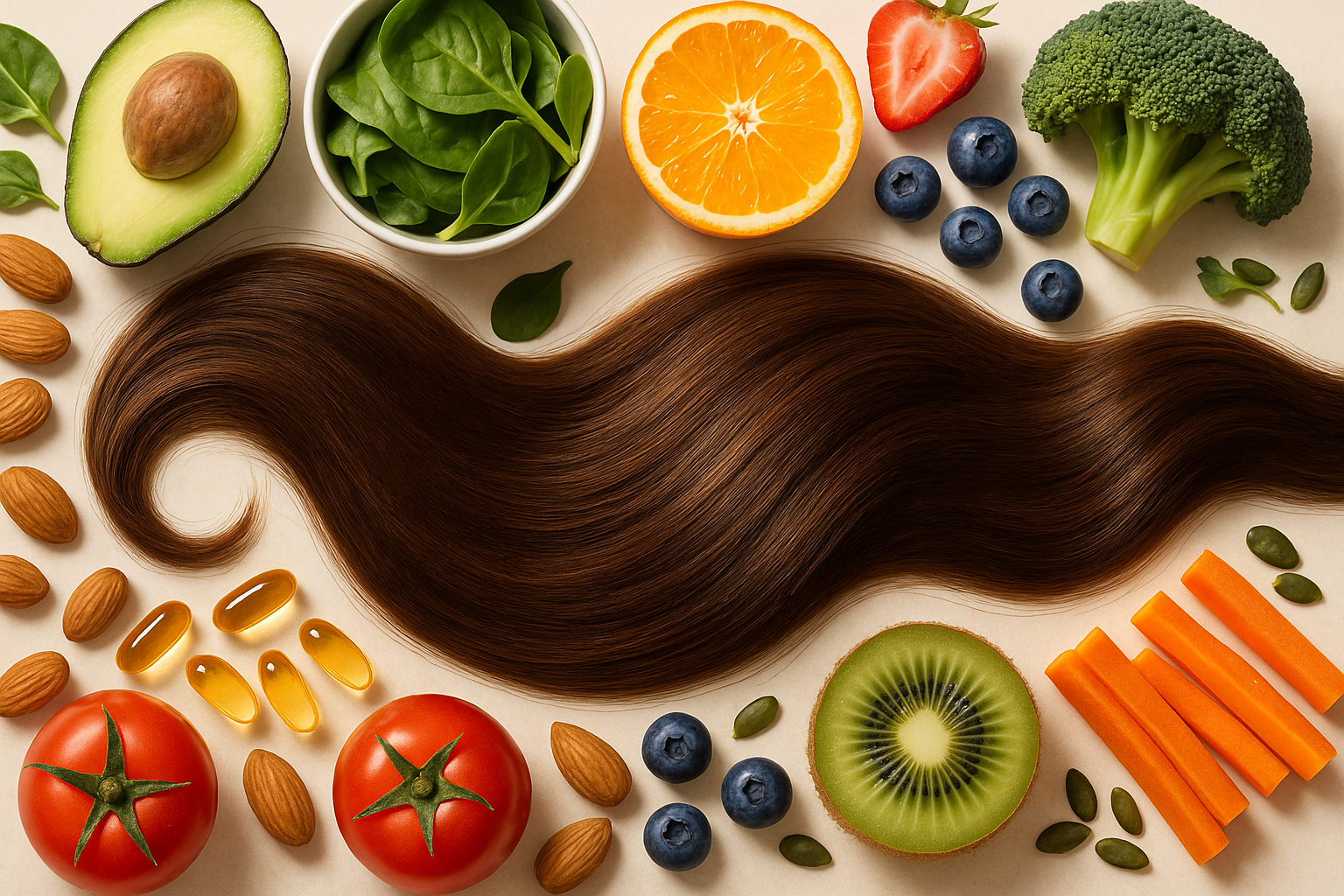
Understanding Hair Growth: Essential Vitamins and Nutrients for Healthy Hair
In recent years, natural approaches to supporting hair health have gained significant popularity worldwide. More people are turning to nutrient-based solutions to address hair thinning, loss, and slow growth. Understanding which vitamins and minerals your body needs can make a meaningful difference in maintaining strong, healthy hair throughout your life.
Hair health is deeply connected to overall nutrition. When your body receives adequate levels of specific vitamins and minerals, your hair follicles function optimally, producing strong strands that grow at a healthy rate. Conversely, nutritional deficiencies can manifest as thinning hair, slow growth, or increased shedding.
The Science Behind Nutritional Support for Hair
Modern research has validated what traditional wellness practices have known for centuries: certain natural compounds and nutrients play critical roles in hair maintenance and growth. Scientists and nutritionists have studied botanical ingredients and essential nutrients used across different cultures and time periods, identifying which components genuinely support hair follicle function and strand strength.
These studies have revealed that specific vitamins, minerals, and proteins work synergistically to create optimal conditions for hair growth. When these nutrients are present in adequate amounts, they support the complex biological processes that govern the hair growth cycle, helping individuals maintain fuller, healthier hair as they age.
Understanding these nutrients and how they function allows you to make informed decisions about your diet and supplementation strategy, creating a foundation for long-term hair health.
Zinc and Protein: The Foundation for Thicker, Stronger Hair
The Critical Role of Zinc
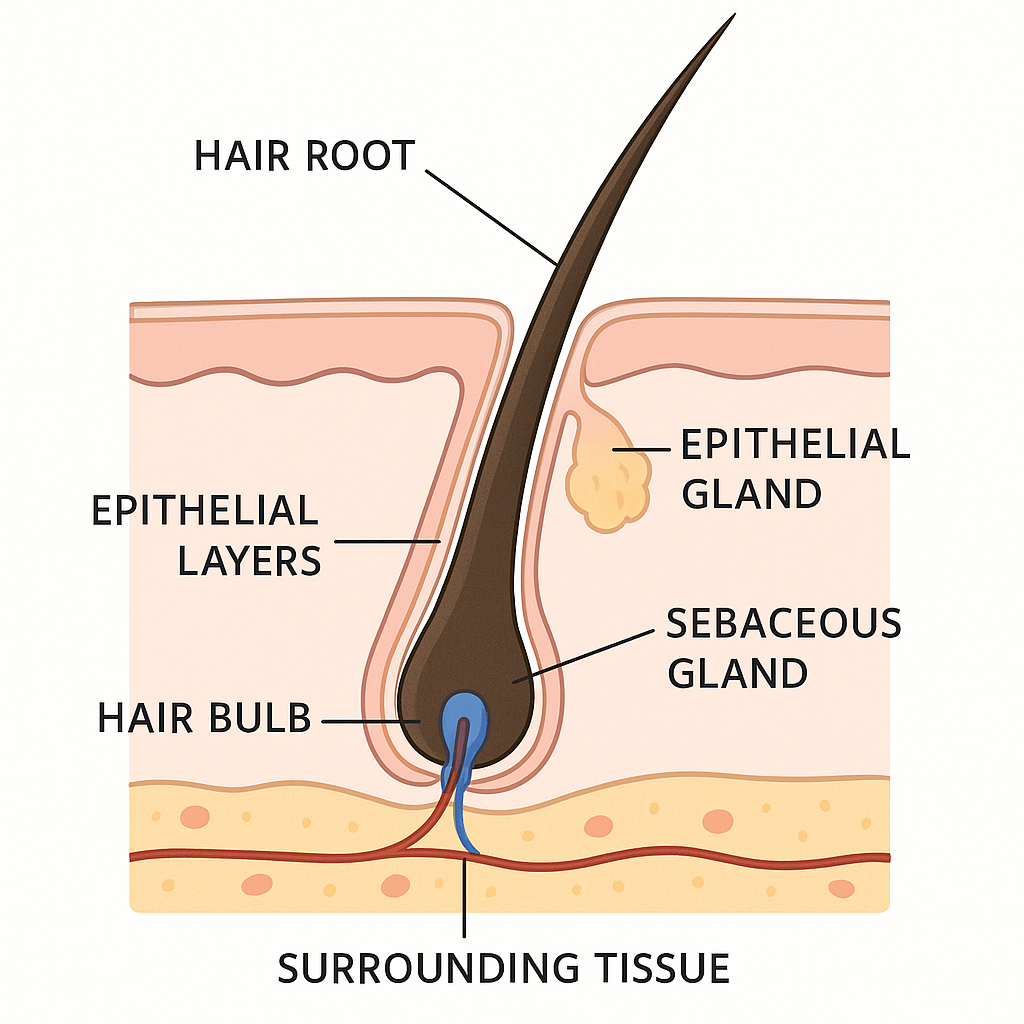
Zinc is an essential trace mineral that plays multiple roles in maintaining healthy hair. This mineral is directly involved in hair tissue growth and repair, helping to keep the oil glands around hair follicles functioning properly. When zinc levels are adequate, hair follicles remain strong and productive.
One of the hallmark signs of zinc deficiency is increased hair shedding or thinning. People with low zinc levels often notice their hair becoming finer or experiencing more than the normal amount of daily hair loss. However, balance is key: while zinc deficiency can cause hair problems, excessive supplementation has also been linked to hair issues in some clinical observations.
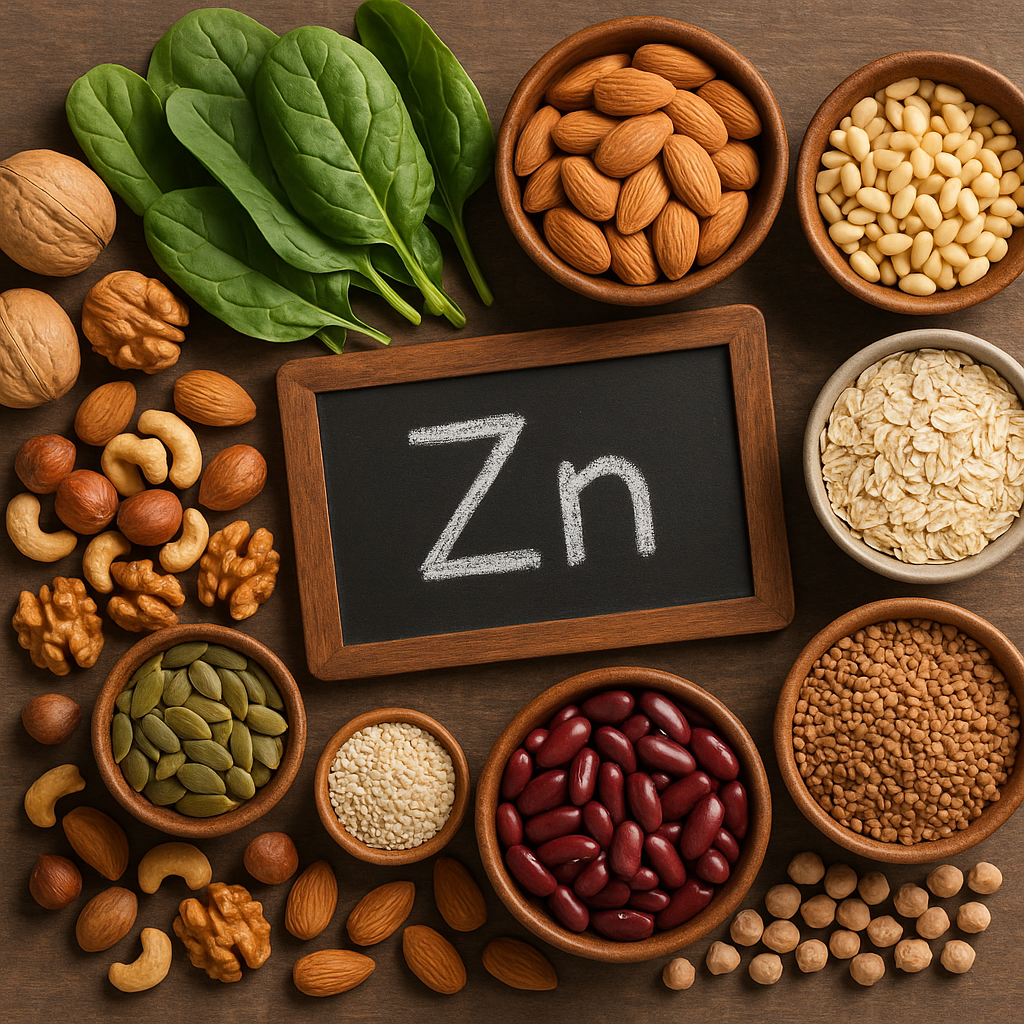
For this reason, nutrition experts generally recommend obtaining zinc through a varied, whole-foods diet rather than relying solely on high-dose supplements. Foods naturally rich in zinc include shellfish, legumes such as lentils and chickpeas, seeds (particularly pumpkin and hemp seeds), nuts, whole grains, and leafy green vegetables like spinach. Meat sources include beef, lamb, and poultry.
Protein: The Building Block of Hair
Hair strands are primarily composed of a protein called keratin, making adequate protein intake essential for hair production and strength. When your body doesn’t receive sufficient protein, it may prioritize vital functions over hair growth, leading to thinner hair or increased shedding.
Research studies, including controlled experiments, have demonstrated that protein deficiency can significantly reduce hair growth rates and even trigger hair loss. The hair growth cycle may shift, with more follicles entering the resting phase rather than the active growth phase.
Fortunately, protein deficiency is relatively uncommon in most developed regions where varied diets are accessible. However, individuals following restrictive diets, those with certain health conditions, or people experiencing high physical stress may need to pay closer attention to their protein intake.
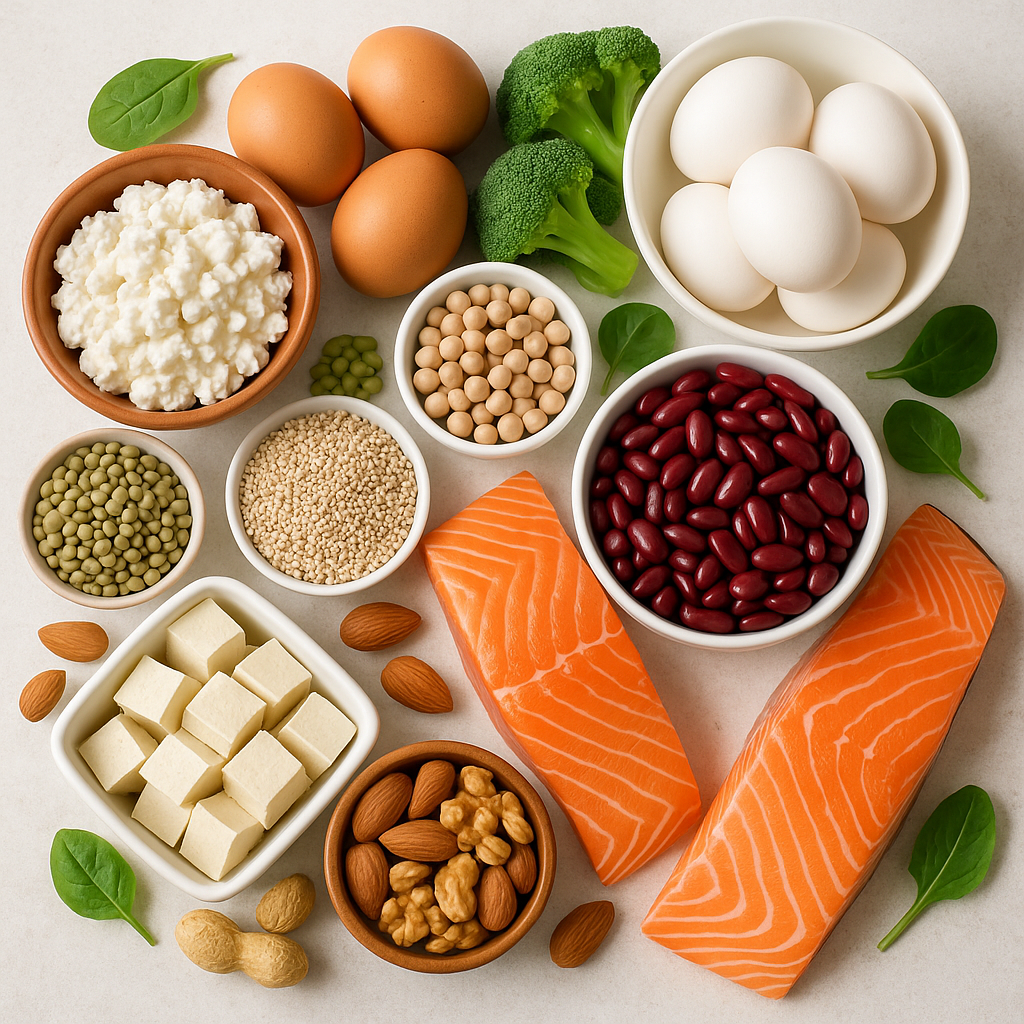
Quality protein sources include lean meats, fish, eggs, dairy products, legumes, nuts, seeds, and whole grains. For those following plant-based diets, combining different protein sources throughout the day ensures you receive all essential amino acids needed for optimal hair protein synthesis.
Iron: Preventing Hair Loss Through Better Circulation
Iron is a vital mineral that serves a crucial function in your body’s ability to transport oxygen. Red blood cells use iron to carry oxygen from your lungs to every cell in your body, including the cells in your hair follicles. This oxygen delivery is essential for cellular energy production and the metabolic processes that drive hair growth.
When iron levels drop too low, a condition called iron deficiency anemia develops. This condition affects oxygen delivery throughout the body and can have noticeable effects on hair health. Hair follicles require consistent oxygen and nutrient supply to maintain the growth phase of the hair cycle. Without adequate iron, follicles may prematurely enter the resting phase, leading to increased shedding and reduced hair density over time.
Iron deficiency is one of the most common nutritional deficiencies globally, particularly affecting women of childbearing age due to menstrual blood loss, pregnant women due to increased demands, and individuals following certain dietary patterns that limit iron-rich foods.
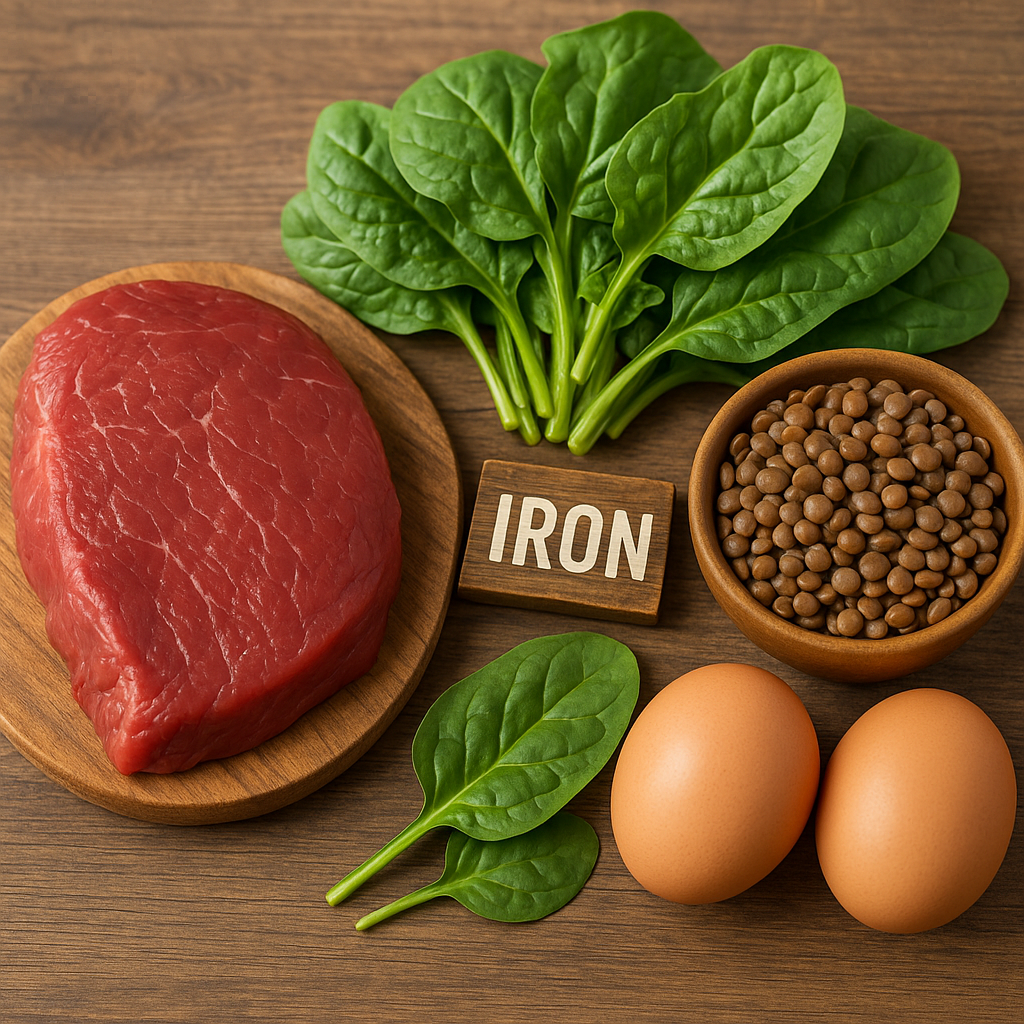
Foods naturally high in iron include red meat, poultry, fish, eggs, legumes (beans and lentils), dark leafy greens like spinach and kale, fortified cereals and grains, and dried fruits. The body absorbs iron from animal sources (heme iron) more efficiently than iron from plant sources (non-heme iron). Consuming vitamin C-rich foods alongside iron-rich plant foods can significantly enhance iron absorption.
If you suspect iron deficiency, it’s important to have your levels tested by a healthcare provider before beginning supplementation, as excessive iron can cause health problems. Symptoms of iron deficiency often include fatigue, pale skin, brittle nails, and increased hair shedding.
Essential Vitamins for Optimal Hair Growth
Vitamin E: Supporting Circulation and Protection
Vitamin E is a fat-soluble antioxidant that plays several important roles in maintaining healthy hair. This vitamin is particularly valued for its ability to support healthy blood circulation and protect cells from oxidative stress caused by free radicals.
Good blood circulation to the scalp is essential for hair health. Hair follicles depend on a steady supply of oxygen and nutrients delivered through the bloodstream. Vitamin E contributes to cardiovascular health and proper blood flow, helping ensure that follicles receive what they need to produce strong, healthy hair strands.
Research has indicated that vitamin E’s antioxidant properties may help protect hair follicles from environmental damage and oxidative stress, which can accelerate hair aging and contribute to hair loss over time.
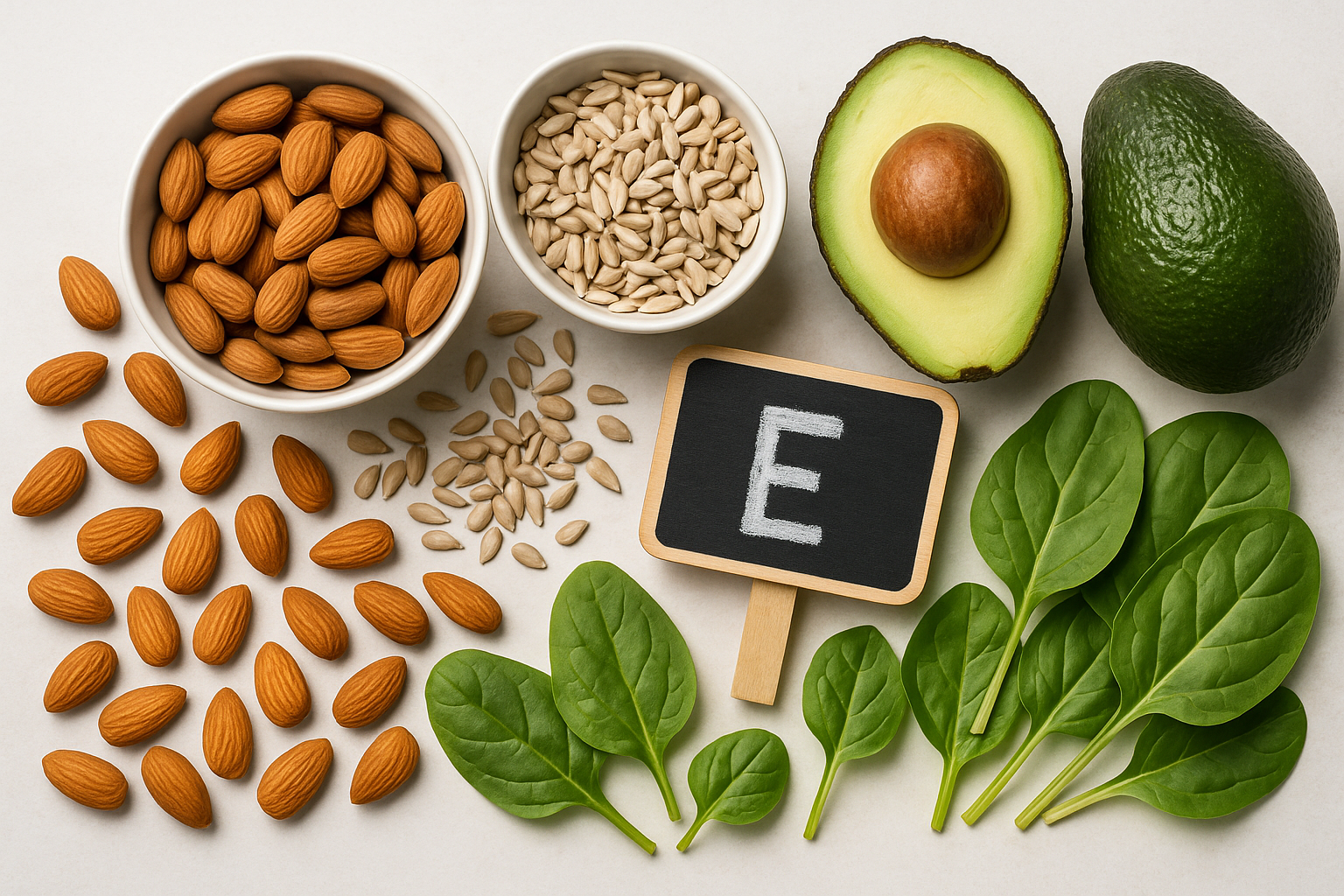
Natural sources of vitamin E include nuts (especially almonds and hazelnuts), seeds (sunflower seeds are particularly rich), vegetable oils, avocados, spinach, and other green leafy vegetables. A balanced diet typically provides adequate vitamin E for most people.
B-Complex Vitamins: Energy for Hair Follicles
The B-vitamin family plays critical roles in hair health, with several B vitamins being particularly important. These water-soluble vitamins help create red blood cells, which carry oxygen and nutrients to the scalp and hair follicles. They also play roles in energy metabolism and protein synthesis.
Biotin (vitamin B7) has received considerable attention for its role in hair health. This vitamin is involved in the production of keratin, the protein that forms the structure of hair strands. While biotin deficiency is rare, when it occurs, it can lead to hair thinning and loss.
Other important B vitamins for hair include B12 (which helps form red blood cells), folate (B9, important for cell division), and B6 (involved in protein metabolism). Vitamin B12 deficiency, which can occur in people following strict plant-based diets or those with certain absorption issues, may contribute to hair problems.
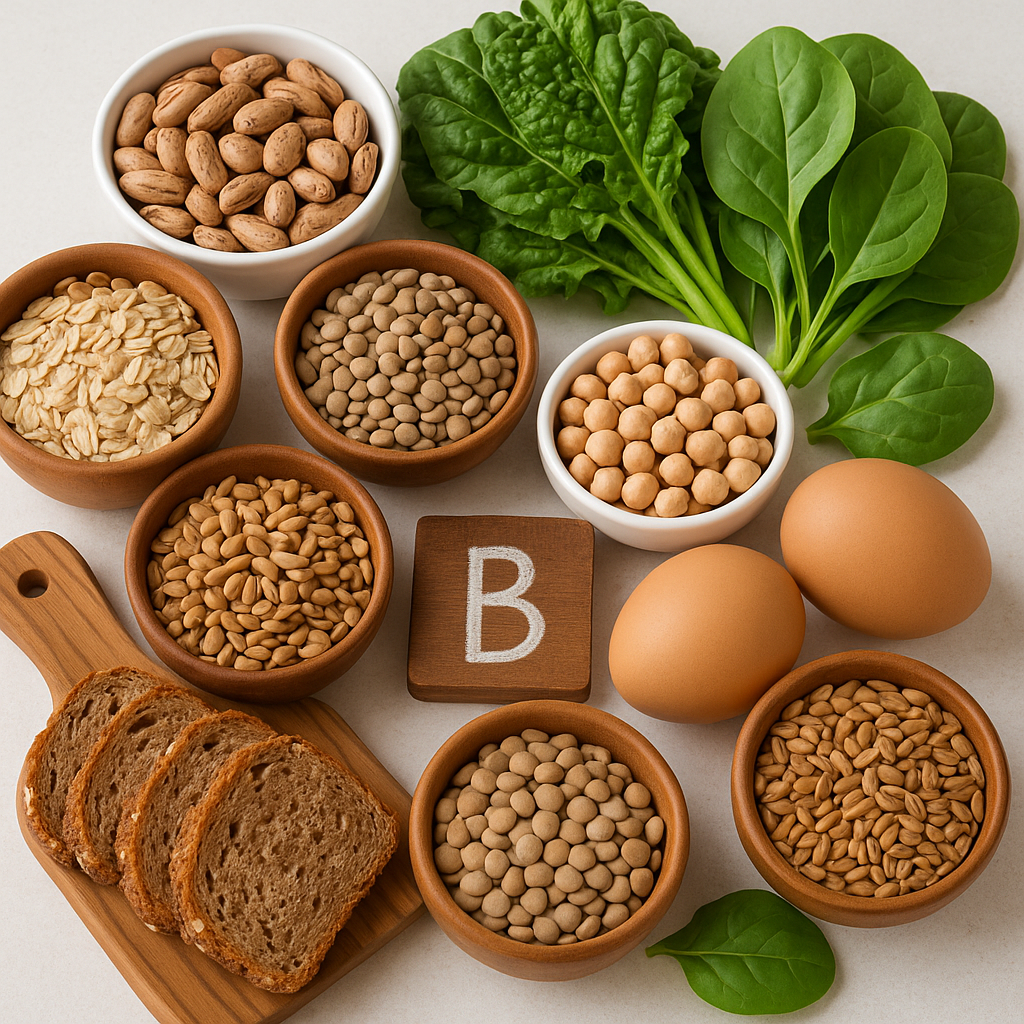
Good food sources of B vitamins include whole grains, meat, fish, eggs, dairy products, legumes, leafy greens, nuts, and seeds. Since B vitamins work together, obtaining them through a varied diet or a balanced B-complex supplement is often more beneficial than focusing on individual B vitamins in isolation.
Vitamin D: The Follicle Stimulator
Vitamin D is increasingly recognized for its importance in hair health. Research has shown that vitamin D plays a role in the creation of new hair follicles and may help awaken dormant follicles. Vitamin D receptors are present in hair follicles, suggesting this vitamin has direct effects on hair growth cycles.
Low vitamin D levels have been associated with various forms of hair loss in multiple research studies. While the exact mechanisms are still being studied, it appears that adequate vitamin D levels are necessary for normal hair follicle cycling.
The body produces vitamin D when skin is exposed to sunlight, but many people have insufficient levels, especially those living in higher latitudes, people who spend most of their time indoors, individuals with darker skin tones, or during winter months. Dietary sources of vitamin D include fatty fish, egg yolks, fortified dairy products, and fortified plant-based milk alternatives.
Because it’s difficult to obtain sufficient vitamin D from food alone, and sun exposure carries its own risks, many health professionals recommend vitamin D testing and supplementation when appropriate.

Vitamin A: Balancing Sebum Production
Vitamin A is essential for all cell growth, including hair cells. This vitamin also helps skin glands produce sebum, the oily substance that moisturizes the scalp and helps keep hair healthy. Without adequate sebum, hair can become dry and brittle.
However, balance is crucial with vitamin A. While deficiency can lead to hair problems, excessive vitamin A intake has also been linked to hair loss. The key is obtaining vitamin A through a balanced diet or using supplements within recommended guidelines.
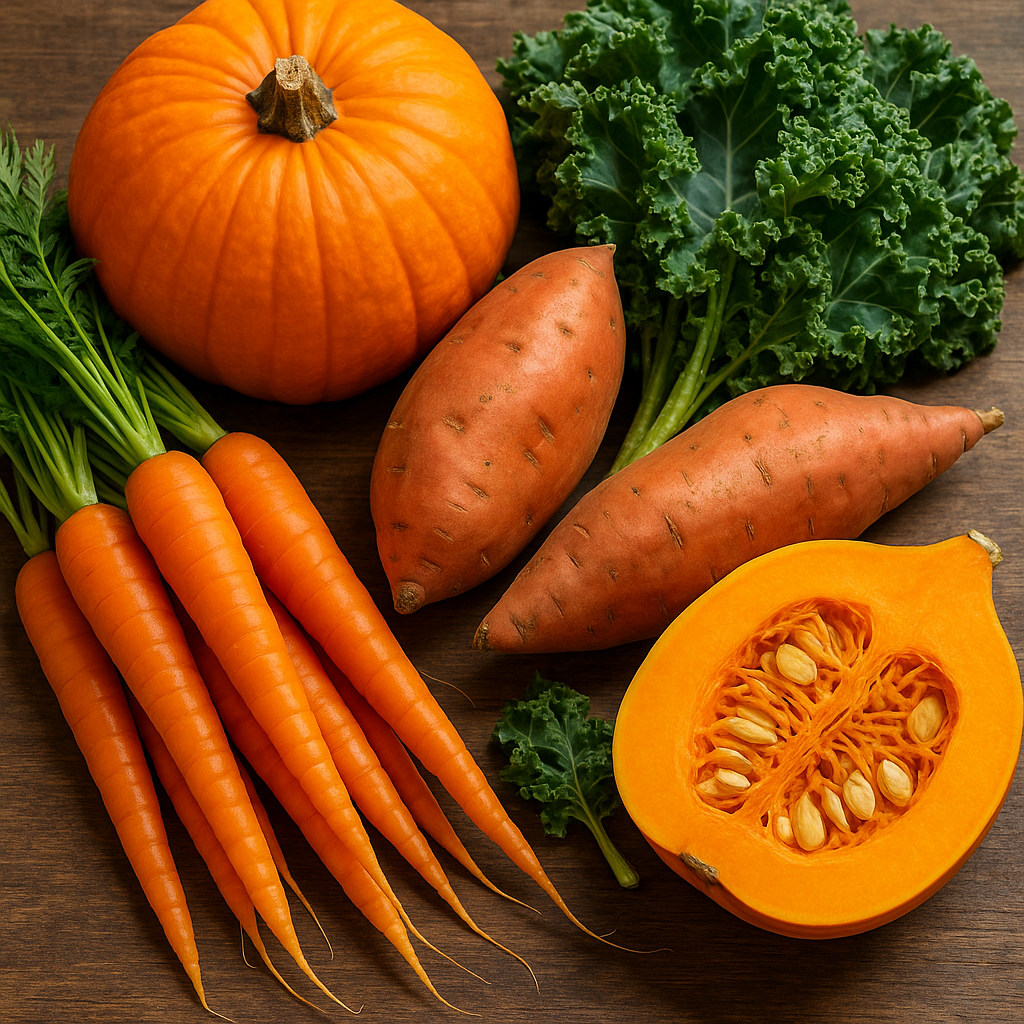
Good sources of vitamin A include sweet potatoes, carrots, pumpkins, spinach, kale, and other orange and dark green vegetables (which provide beta-carotene, which the body converts to vitamin A), as well as animal sources like eggs, milk, and liver (which provide pre-formed vitamin A).
Vitamin C: Collagen Production and Iron Absorption
Vitamin C is a powerful antioxidant that helps protect hair follicles from oxidative stress caused by free radicals. Beyond its antioxidant properties, vitamin C is essential for producing collagen, an important structural protein that strengthens hair and prevents it from becoming brittle and breaking.
Additionally, vitamin C significantly enhances the absorption of iron from plant-based foods, making it an important nutrient for preventing iron-deficiency anemia, which can contribute to hair loss.
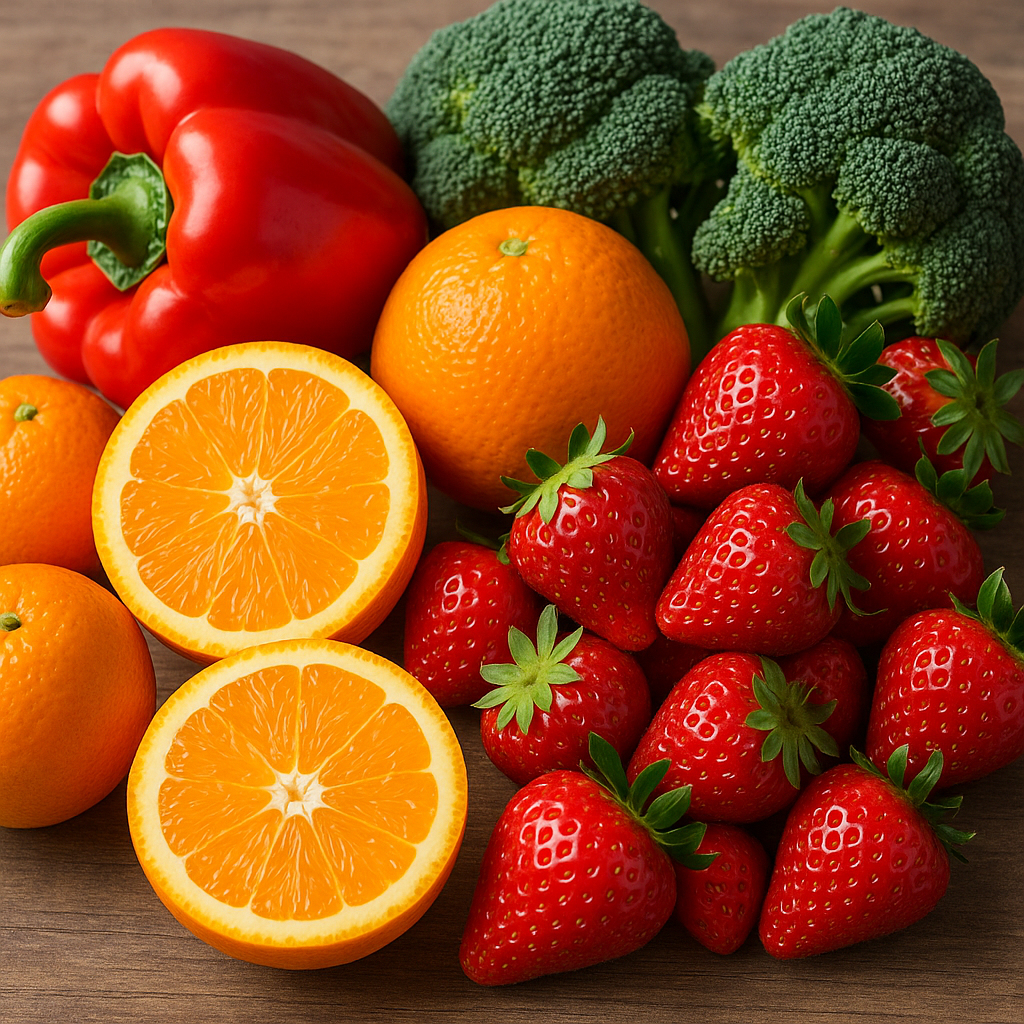
Since the body cannot produce or store vitamin C, it must be obtained regularly through diet or supplementation. Excellent sources include citrus fruits, strawberries, bell peppers, guava, kiwi, broccoli, Brussels sprouts, and many other fruits and vegetables.
Additional Nutrients That Support Hair Health
Omega-3 Fatty Acids
Omega-3 fatty acids are essential fats that your body cannot produce on its own. These healthy fats nourish hair follicles, support scalp health, and may help reduce inflammation that can contribute to hair loss. They also help keep hair shiny and moisturized.
The best sources of omega-3 fatty acids include fatty fish like salmon, mackerel, sardines, and herring, as well as plant sources such as flaxseeds, chia seeds, walnuts, and algae-based supplements. For those who don’t regularly consume fish, omega-3 supplements derived from fish oil or algae can help ensure adequate intake.
Selenium
Selenium is a trace mineral with antioxidant properties that helps protect cells, including hair follicle cells, from damage. This mineral also plays a role in hair growth and the health of hair follicles. However, like many nutrients, balance is important—both deficiency and excess can potentially cause hair problems.
Good dietary sources of selenium include Brazil nuts (just a few provide the daily requirement), fish, meat, eggs, and whole grains. Most people can easily meet selenium needs through diet without supplementation.
Creating a Comprehensive Approach to Hair Health
While understanding individual vitamins and minerals is important, hair health is best supported through a comprehensive approach that combines proper nutrition, healthy lifestyle habits, and appropriate hair care practices.
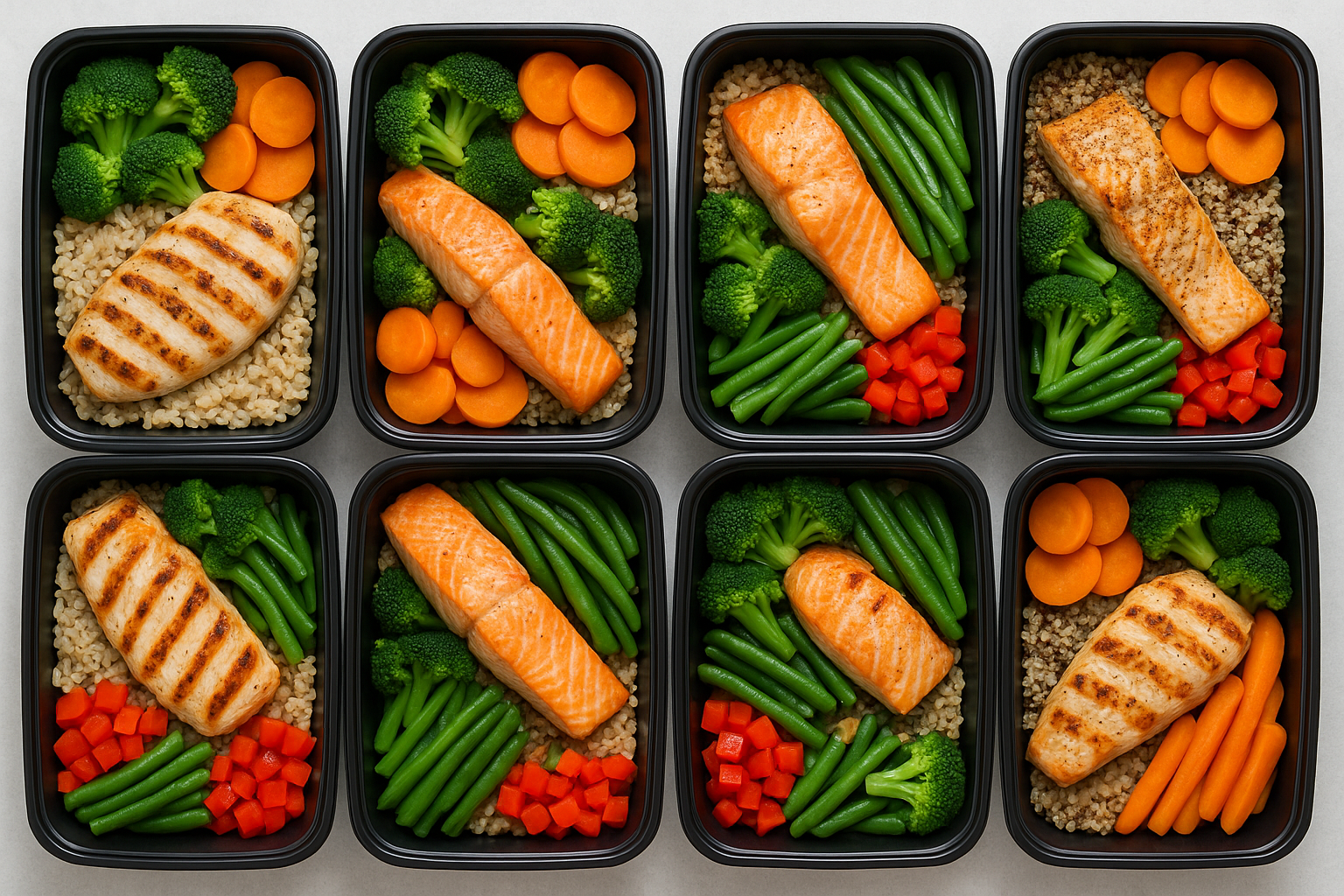
A balanced diet rich in whole foods—including plenty of vegetables, fruits, whole grains, quality proteins, and healthy fats—provides the foundation for healthy hair. This approach delivers not only the specific nutrients discussed above but also countless other beneficial compounds that work together to support overall health, which in turn supports hair health.
Beyond nutrition, other factors affecting hair health include stress management, adequate sleep, avoiding harsh chemical treatments, protecting hair from excessive heat styling, and gentle hair handling to minimize mechanical damage.
When to Seek Professional Guidance
While optimizing your vitamin and mineral intake can support hair health, it’s important to recognize when hair loss or changes in hair quality warrant professional evaluation. Sudden or excessive hair shedding, patchy hair loss, or dramatic changes in hair texture can sometimes indicate underlying health conditions that require medical attention.
Certain forms of hair loss may be related to hormonal imbalances, autoimmune conditions, scalp infections, or other medical issues that nutrition alone cannot address. Consulting with a healthcare provider, dermatologist, or trichologist (hair and scalp specialist) can help identify the root cause of hair concerns and determine the most appropriate treatment approach.
Before beginning any new supplement regimen, especially if you’re taking medications or have existing health conditions, it’s wise to consult with a healthcare professional. They can assess whether you have any nutritional deficiencies through blood tests and recommend appropriate dosages that won’t interfere with your overall health or medications.
Remember that hair growth is a slow process. Hair typically grows about half an inch per month, and changes in hair growth patterns or quality often take several months to become noticeable. Patience and consistency are essential when implementing nutritional strategies to support hair health.

Building Your Hair Health Nutrition Plan
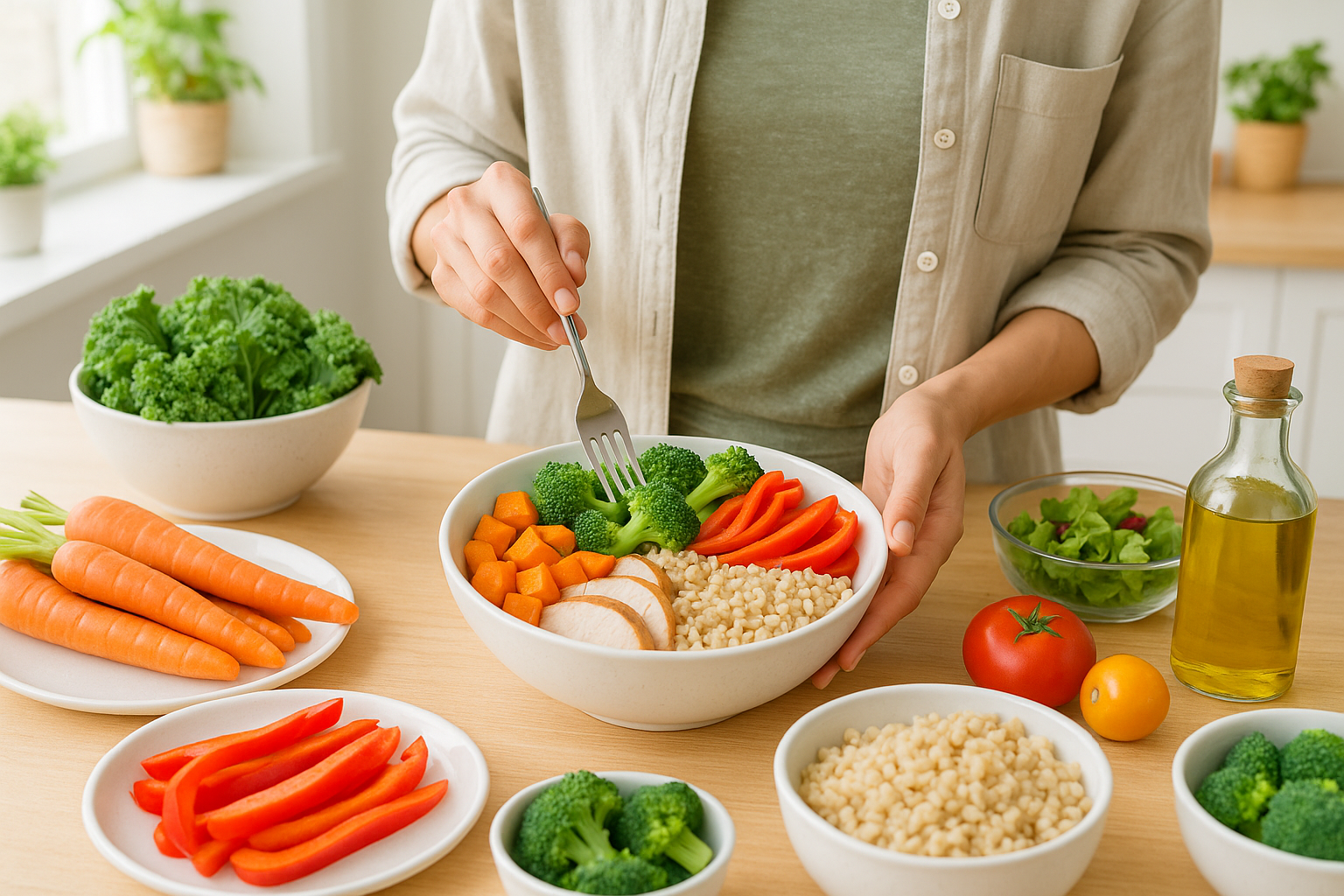
Creating an effective nutrition plan for hair health doesn’t need to be complicated. Start by assessing your current diet and identifying potential gaps. Are you eating a variety of colorful vegetables? Do you include adequate protein at most meals? Are you consuming foods rich in the key nutrients discussed above?
If you identify significant gaps in your nutrition, work on incorporating more whole food sources of these nutrients first. Whole foods provide nutrients in forms that are often better absorbed and utilized by the body, along with fiber and other beneficial compounds.
Supplements can be helpful when dietary intake is insufficient or when specific deficiencies have been identified through testing. However, supplements should complement, not replace, a healthy diet. High-quality multivitamins designed to support hair, skin, and nails often contain many of the key nutrients discussed in this article in balanced ratios.
Consistency is more important than perfection. Small, sustainable changes to your daily eating patterns will provide better long-term results than dramatic but short-lived dietary overhauls.
Conclusion: Nourishing Your Hair From Within
Healthy, strong hair begins with proper nutrition. The vitamins and minerals discussed in this article—including zinc, iron, vitamins E, D, A, C, B-complex, protein, omega-3 fatty acids, and selenium—all play important roles in supporting the complex biological processes that govern hair growth and maintenance.
While no single nutrient is a miracle cure for hair concerns, ensuring your body receives adequate amounts of all these essential nutrients creates the optimal internal environment for healthy hair growth. Combined with proper hair care practices, stress management, and overall healthy lifestyle habits, nutritional optimization can help you maintain the fullest, healthiest hair possible for your individual genetics.
Remember that hair health reflects overall health. The same nutritional choices that support vibrant hair also support energy, immunity, cognitive function, and long-term wellness. By prioritizing nutrient-dense foods and addressing any deficiencies, you’re investing not just in your hair, but in your total well-being.