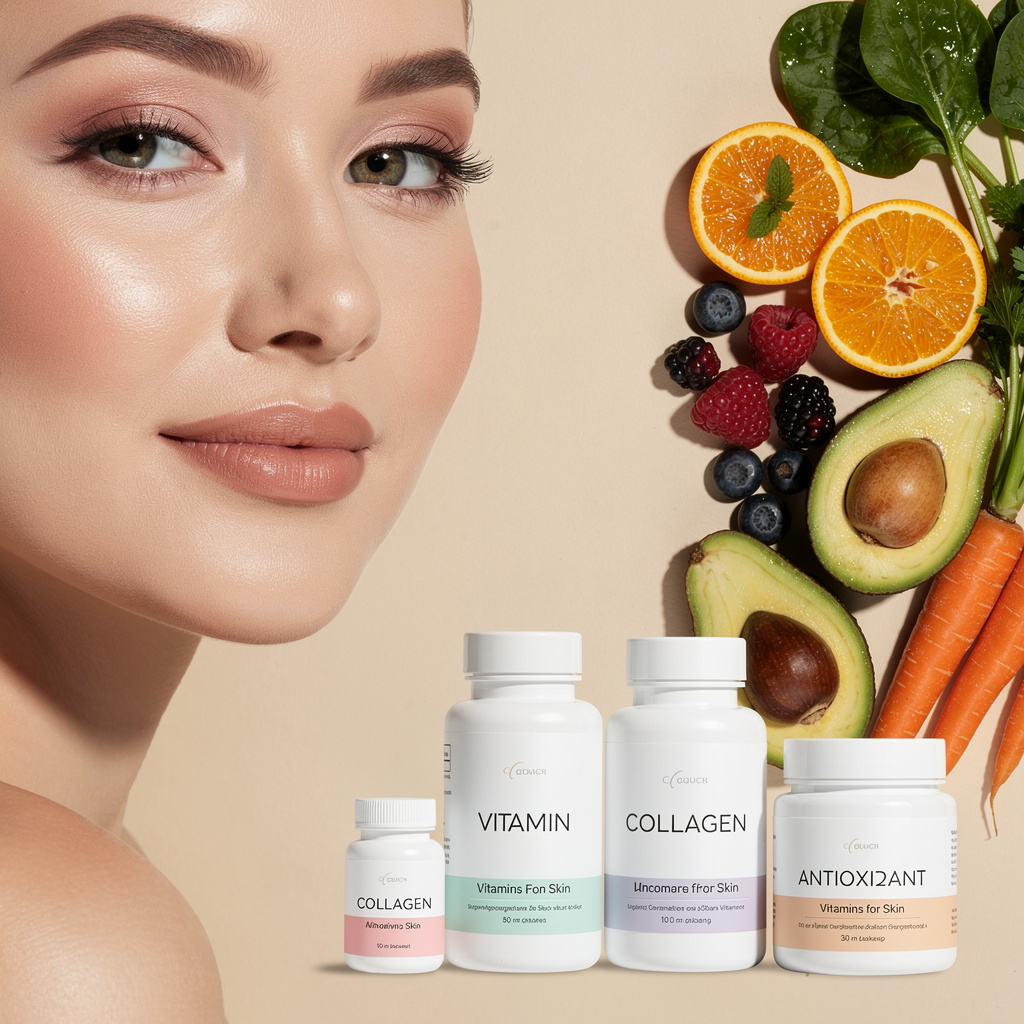
Understanding Essential Vitamins for Healthy, Radiant Skin
Maintaining healthy, glowing skin goes far beyond topical treatments and cleansing routines. Your skin reflects your overall health and wellness, revealing when it’s well-nourished or when it’s lacking essential nutrients. In this comprehensive guide, we explore the vital vitamins that support skin health from within, helping you understand how proper nutrition contributes to a vibrant, youthful complexion.
Your skin is your body’s largest organ and serves as a visible indicator of your internal health. When your body receives adequate vitamins, minerals, antioxidants, healthy fats, and other essential nutrients, your skin responds with improved texture, tone, and resilience. Conversely, nutritional deficiencies often manifest as dullness, dryness, premature aging, or other skin concerns.
Achieving truly healthy skin requires a holistic approach that addresses not just the surface, but the deeper dermal layers where cellular regeneration and repair occur. By understanding which vitamins play critical roles in skin health and incorporating them into your daily routine—whether through diet, supplementation, or topical application—you can support your skin’s natural ability to heal, protect, and renew itself.
The Most Important Vitamins for Skin Health and Beauty
While numerous nutrients contribute to skin wellness, certain vitamins stand out for their powerful effects on skin appearance, function, and longevity. These vitamins work through various mechanisms—supporting collagen synthesis, neutralizing oxidative stress, enhancing moisture retention, and protecting against environmental damage. Let’s explore the key vitamins that scientific research has identified as essential for maintaining healthy, beautiful skin.
Vitamin C: The Brightening and Anti-Aging Powerhouse
Vitamin C, also known as ascorbic acid, is perhaps the most celebrated vitamin in skincare, and for good reason. This water-soluble nutrient plays multiple vital roles in maintaining skin health and appearance, making it an indispensable component of any comprehensive skincare approach.
One of Vitamin C’s primary functions is serving as a cofactor in collagen synthesis. Collagen is the structural protein that gives skin its firmness and elasticity. As we age, collagen production naturally declines, leading to wrinkles, sagging, and loss of youthful contours. Adequate Vitamin C intake supports ongoing collagen production, helping to maintain skin structure and minimize the visible signs of aging.
Beyond collagen support, Vitamin C functions as a potent antioxidant, neutralizing free radicals generated by UV exposure, pollution, and metabolic processes. This antioxidant activity helps prevent oxidative damage that can accelerate skin aging and contribute to uneven pigmentation.
Vitamin C also inhibits melanin production, making it effective for reducing hyperpigmentation, age spots, and post-inflammatory discoloration. Regular use can result in a more even skin tone and enhanced natural radiance.
Additionally, this vitamin supports the skin’s barrier function and helps maintain proper hydration levels, contributing to a plump, healthy appearance. While the skin naturally contains high concentrations of Vitamin C, these levels decline with age and environmental exposure, making supplementation or topical application particularly beneficial.

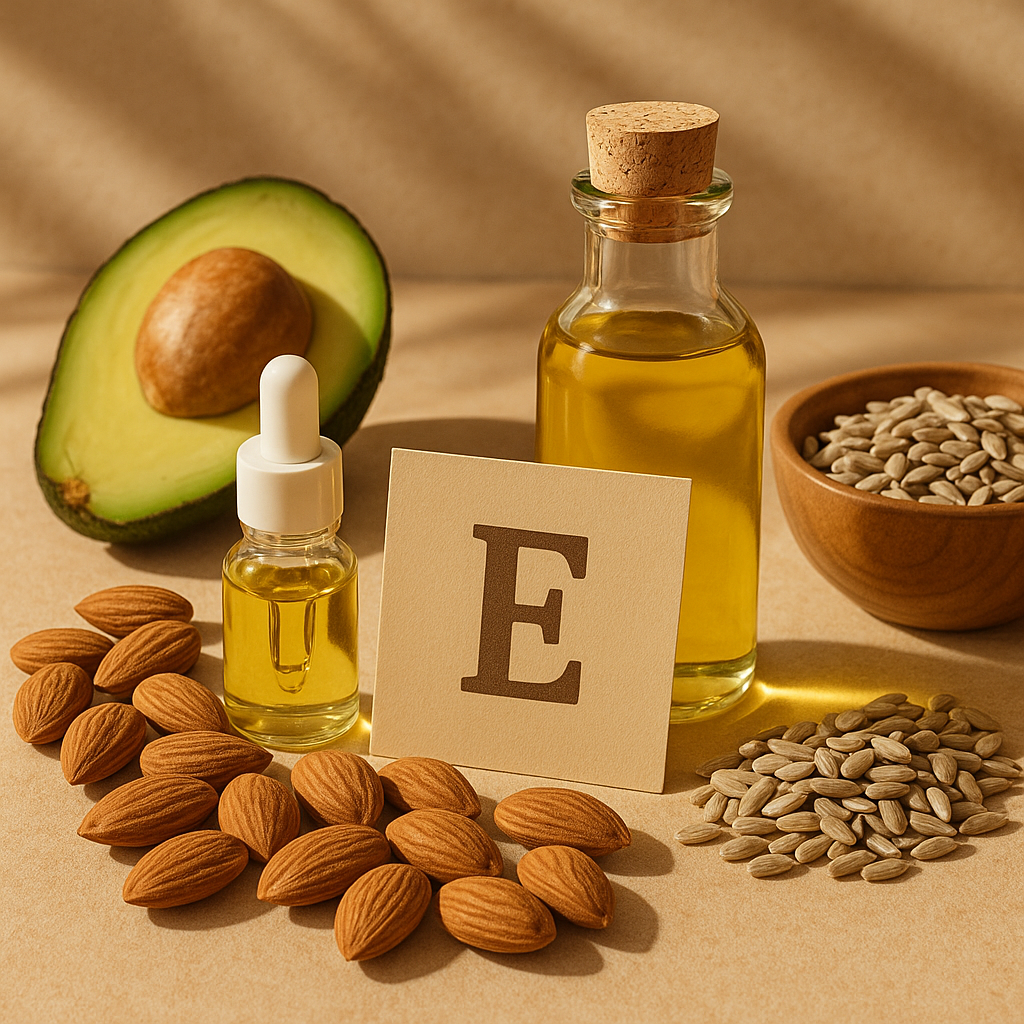
Vitamin E: The Protective Moisture Guardian
Vitamin E, a fat-soluble nutrient that exists in eight different forms, is another cornerstone of skin health. Tocopherol, the most biologically active form, provides comprehensive benefits that make it a staple ingredient in countless skincare formulations worldwide.
The primary role of Vitamin E in skin health is protection. As a powerful lipid-soluble antioxidant, it embeds itself in cell membranes where it intercepts free radicals before they can damage cellular structures. This protective function is particularly important for defending against photoaging—the premature skin aging caused by ultraviolet radiation exposure.
Vitamin E works synergistically with Vitamin C, with each vitamin helping to regenerate the other after neutralizing free radicals. This partnership creates a more robust antioxidant defense system than either vitamin provides alone.
Beyond antioxidant activity, Vitamin E significantly contributes to skin hydration and barrier function. It helps prevent transepidermal water loss, keeping skin moisturized and supple. This moisture-retention property makes Vitamin E particularly beneficial for those with dry or sensitive skin conditions.
Vitamin E also possesses anti-inflammatory properties that can help calm irritated skin and support the healing process. Some research suggests it may help reduce the appearance of scars and support skin recovery after damage, though results vary among individuals.
The skin naturally contains Vitamin E, but levels decrease with sun exposure and age. Topical application can help replenish these stores, while dietary intake ensures adequate systemic levels to support skin health throughout the body.
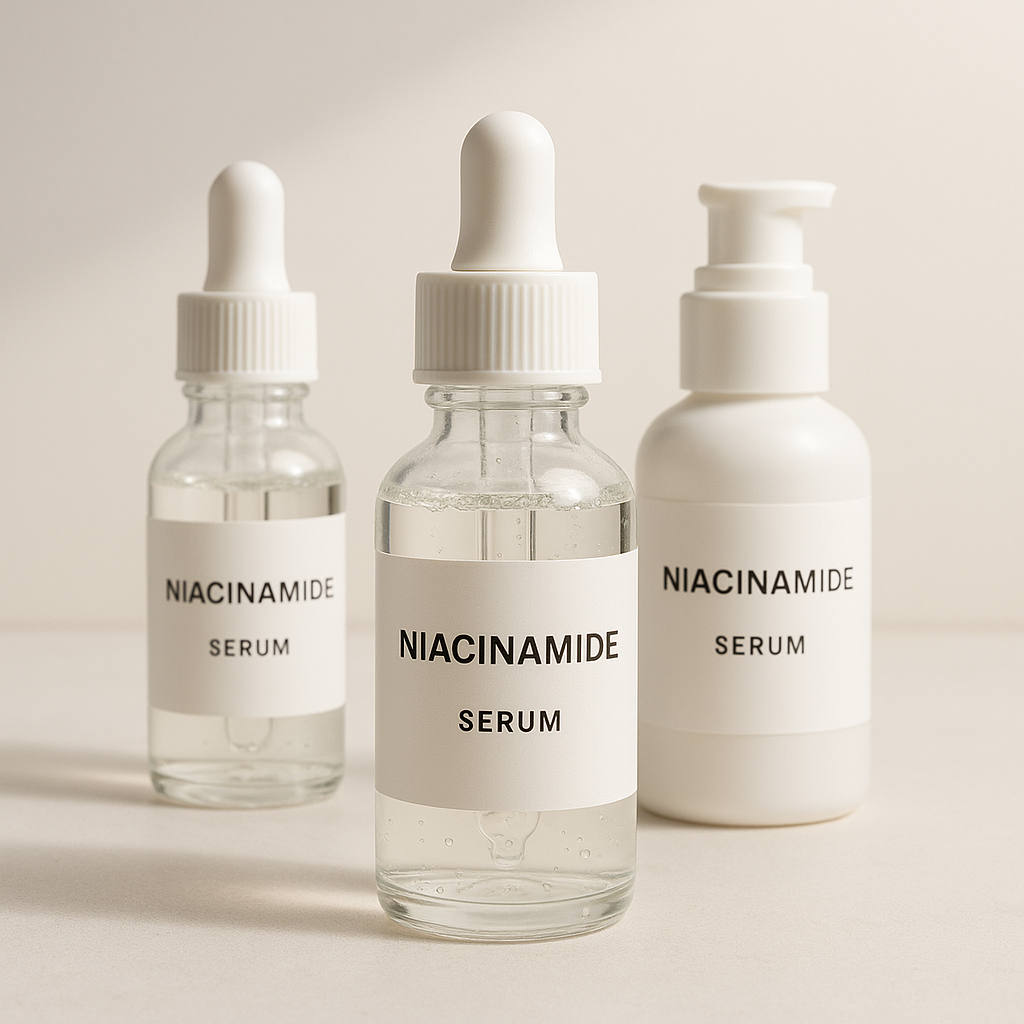
Vitamin B3 (Niacinamide): The Multi-Functional Skin Enhancer
Vitamin B3, particularly in its niacinamide form, has emerged as one of the most versatile and well-researched vitamins for skin health. This water-soluble nutrient offers an impressive range of benefits that address multiple skin concerns simultaneously, making it suitable for virtually all skin types.
One of niacinamide’s most significant contributions is strengthening the skin’s barrier function. It stimulates the production of ceramides and other lipids that comprise the skin’s protective barrier, reducing transepidermal water loss and improving the skin’s ability to retain moisture. This results in better hydration, improved texture, and enhanced resilience against environmental stressors.
Niacinamide also regulates sebum production, making it beneficial for those with oily or combination skin. By balancing oil production, it can help minimize the appearance of enlarged pores and reduce the likelihood of breakouts.
Like Vitamin C, niacinamide addresses hyperpigmentation by inhibiting the transfer of melanin to skin cells. This property makes it effective for reducing dark spots, evening skin tone, and enhancing overall radiance without the irritation sometimes associated with other brightening ingredients.
Research demonstrates that niacinamide supports collagen production and improves skin elasticity, contributing to a firmer, more youthful appearance. It also exhibits anti-inflammatory properties that can help calm redness and irritation, making it particularly suitable for sensitive skin.
Additionally, niacinamide provides antioxidant protection and may help repair DNA damage caused by UV exposure, offering another layer of defense against premature aging.
The versatility and gentleness of niacinamide have made it increasingly popular in skincare formulations worldwide, with concentrations typically ranging from 2% to 10% in effective products.
Additional Vitamins That Support Skin Health
While Vitamins C, E, and B3 are the most extensively studied for topical skincare applications, several other vitamins play important supporting roles in maintaining healthy skin from within.
Vitamin A and Retinoids
Vitamin A and its derivatives (retinoids) are essential for skin cell production and turnover. Retinoids are among the most effective ingredients for addressing signs of aging, including fine lines, wrinkles, and texture irregularities. They work by increasing cell turnover, stimulating collagen production, and regulating sebum production. While powerful, retinoids require careful use and gradual introduction to minimize potential irritation.
Vitamin D
Often called the “sunshine vitamin,” Vitamin D plays roles in skin cell growth, repair, and metabolism. It also contributes to the skin’s immune function and may help with certain inflammatory skin conditions. While sun exposure helps the body produce Vitamin D, supplementation may be necessary for those with limited sun exposure or those living in regions with reduced sunlight during certain seasons.
B-Complex Vitamins
Beyond B3, other B vitamins contribute to skin health. Biotin (B7) supports the health of skin, hair, and nails. Riboflavin (B2) aids in cellular respiration and tissue maintenance. Pantothenic acid (B5) helps with skin hydration and wound healing. A comprehensive B-complex supplement can ensure adequate intake of all these supportive nutrients.
Incorporating Skin-Essential Vitamins Into Your Routine
Understanding which vitamins benefit skin health is only the first step. Implementing this knowledge through both dietary choices and targeted skincare products creates the foundation for lasting skin health and beauty.
Nutritional Approach
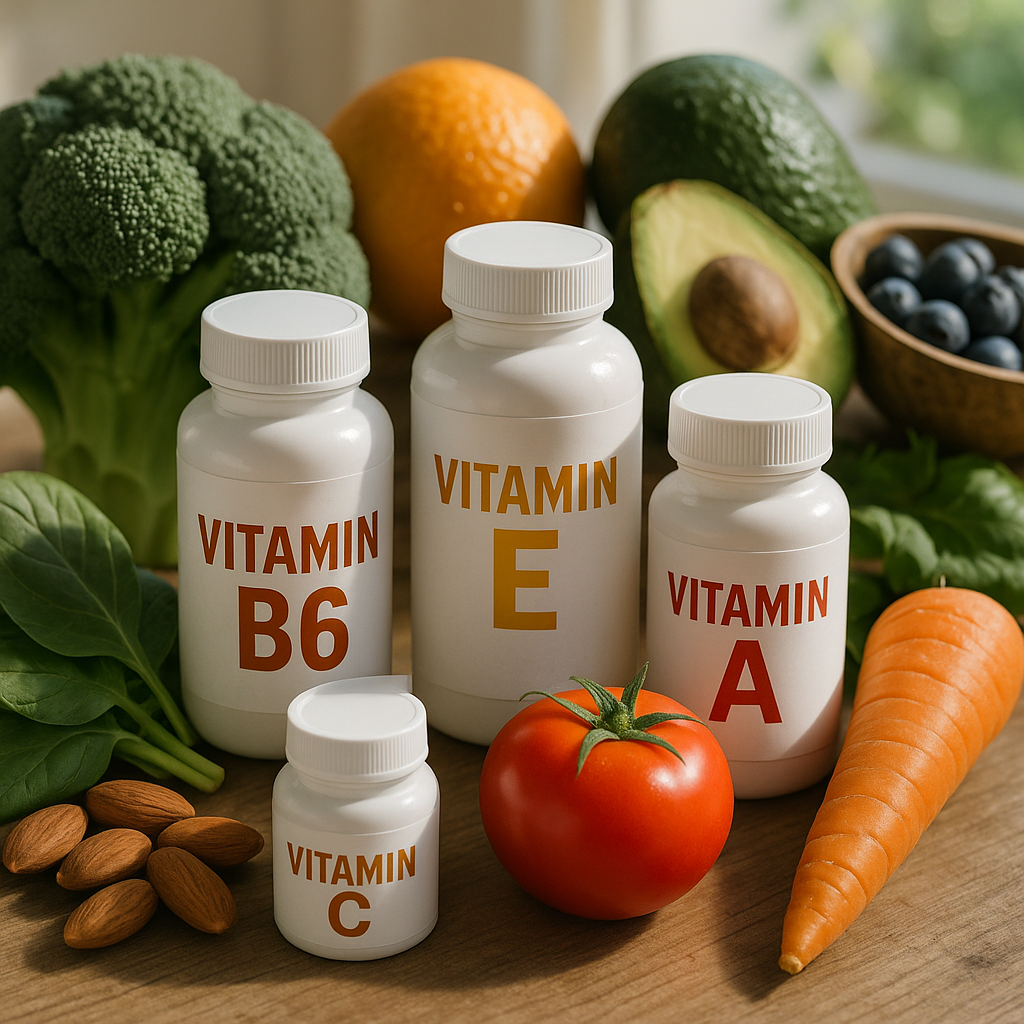
A balanced diet rich in colorful fruits and vegetables, nuts, seeds, whole grains, and healthy fats provides a natural source of skin-supporting vitamins. Citrus fruits, berries, and leafy greens deliver Vitamin C. Nuts, seeds, and plant oils provide Vitamin E. Whole grains, legumes, and lean proteins contain B vitamins. Fatty fish and fortified foods supply Vitamin D.
For those who struggle to obtain adequate nutrients through diet alone, high-quality supplements can help fill the gaps. Consult with a healthcare provider to determine which supplements might benefit your individual needs.
Topical Application
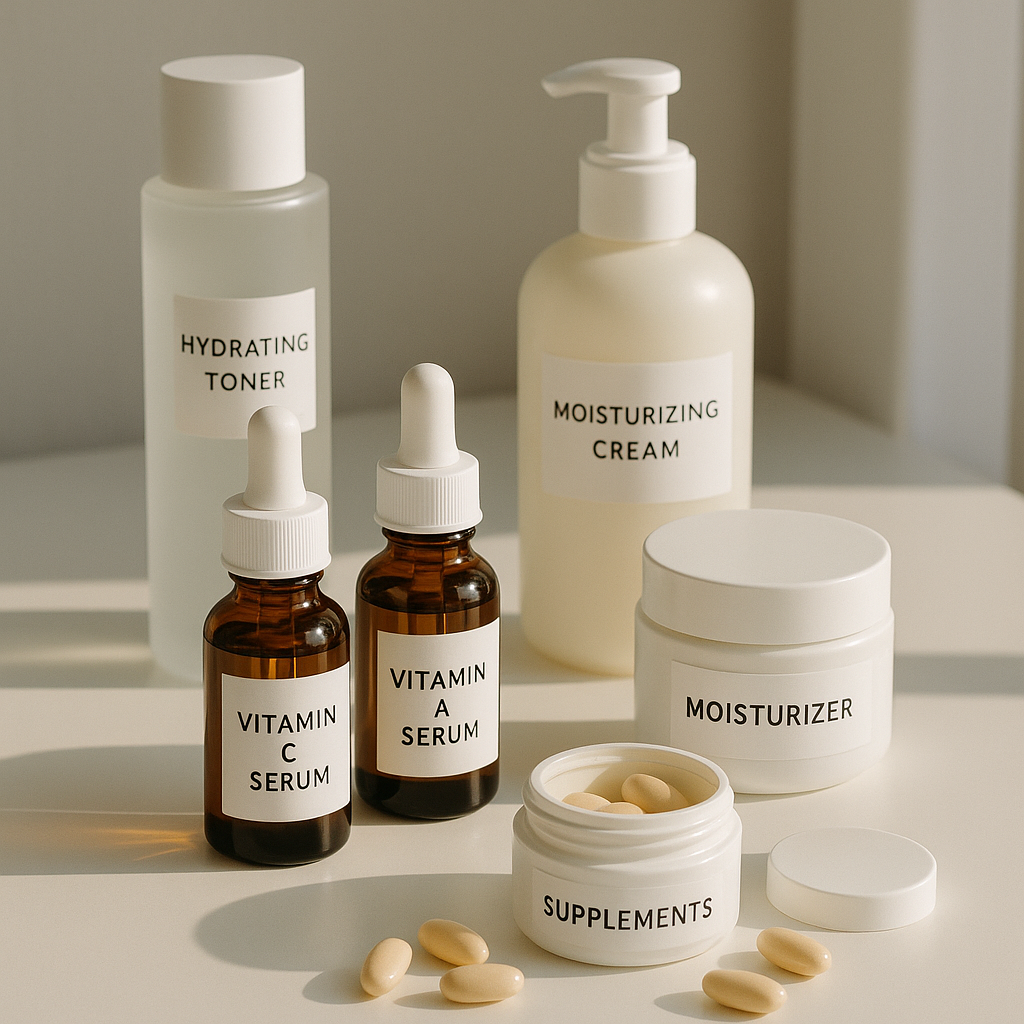
Topical skincare products allow you to deliver vitamins directly to the skin at concentrations higher than diet alone can achieve. Look for well-formulated serums, creams, and treatments containing stable forms of vitamins in effective concentrations.
When incorporating vitamin-based products into your routine, introduce them gradually and pay attention to how your skin responds. Some vitamins, particularly retinoids and high-concentration Vitamin C, may cause initial adjustment periods. Patience and consistency typically yield the best results.
Layer products appropriately, generally applying water-based serums before oil-based products, and always finish your morning routine with broad-spectrum sun protection to preserve the benefits of antioxidant vitamins.
Final Thoughts on Vitamins for Skin Health
Healthy, radiant skin reflects the cumulative effect of consistent care, proper nutrition, and protective habits. Vitamins play irreplaceable roles in supporting skin function, appearance, and resilience throughout life. By understanding these essential nutrients and incorporating them through both internal and external approaches, you create optimal conditions for your skin to thrive.
Remember that visible improvements take time. Skin cells regenerate on a cycle of approximately 28 days, meaning consistent use of vitamin-rich products and adequate nutritional intake for several weeks or months may be necessary before dramatic changes become apparent. Patience, combined with a comprehensive approach that addresses both inner health and outer care, delivers the most sustainable and satisfying results.
Whether you’re addressing specific concerns like hyperpigmentation and aging, or simply maintaining healthy skin, these essential vitamins provide the building blocks your skin needs to look and feel its best at any age.