Discovering Ancient Life
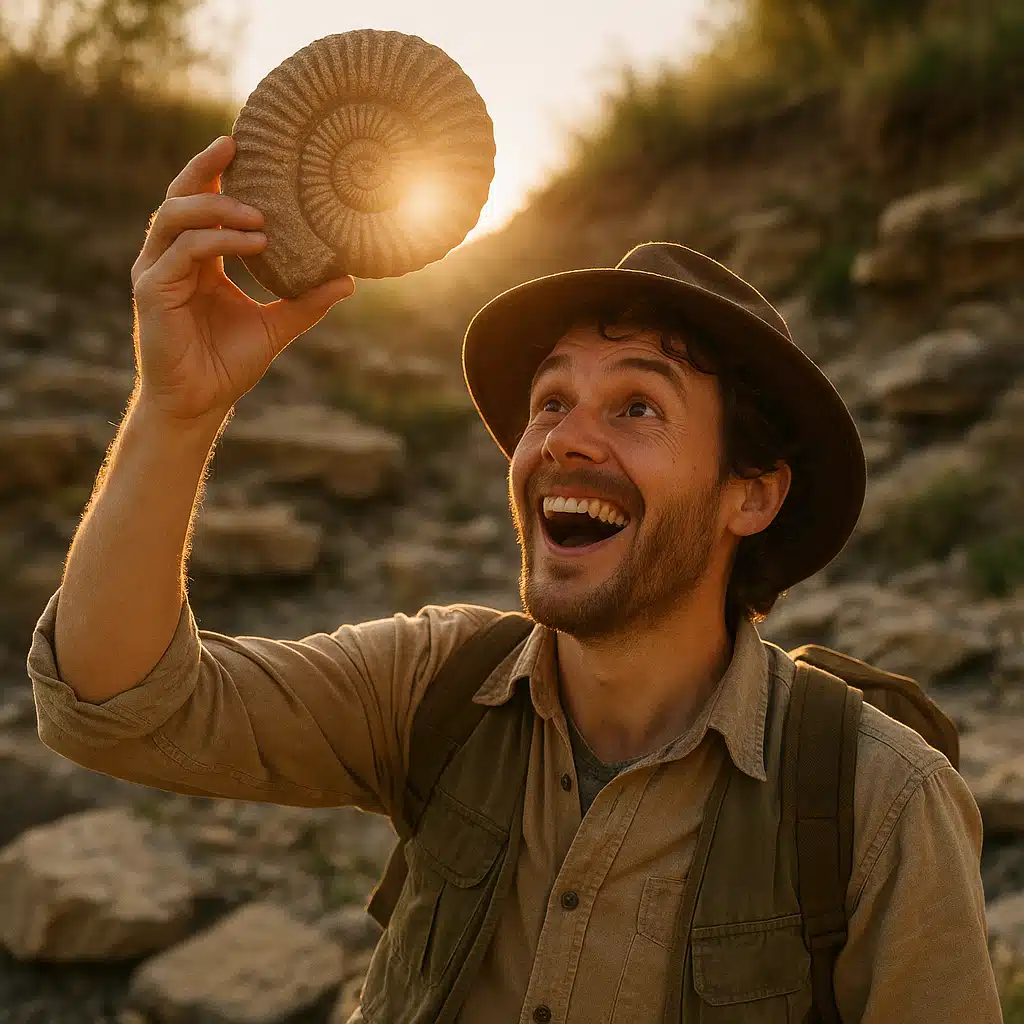
Fossil hunting offers an extraordinary opportunity to connect with Earth’s distant past and uncover evidence of life that existed millions of years ago. Whether you’re a curious beginner or an aspiring paleontology enthusiast, this comprehensive guide will equip you with the knowledge and tools needed to begin your fossil-hunting journey. We’ll explore the best locations to search, the types of rocks that preserve ancient life, and practical strategies for successful fossil discovery.
The Significance of Fossil Discovery
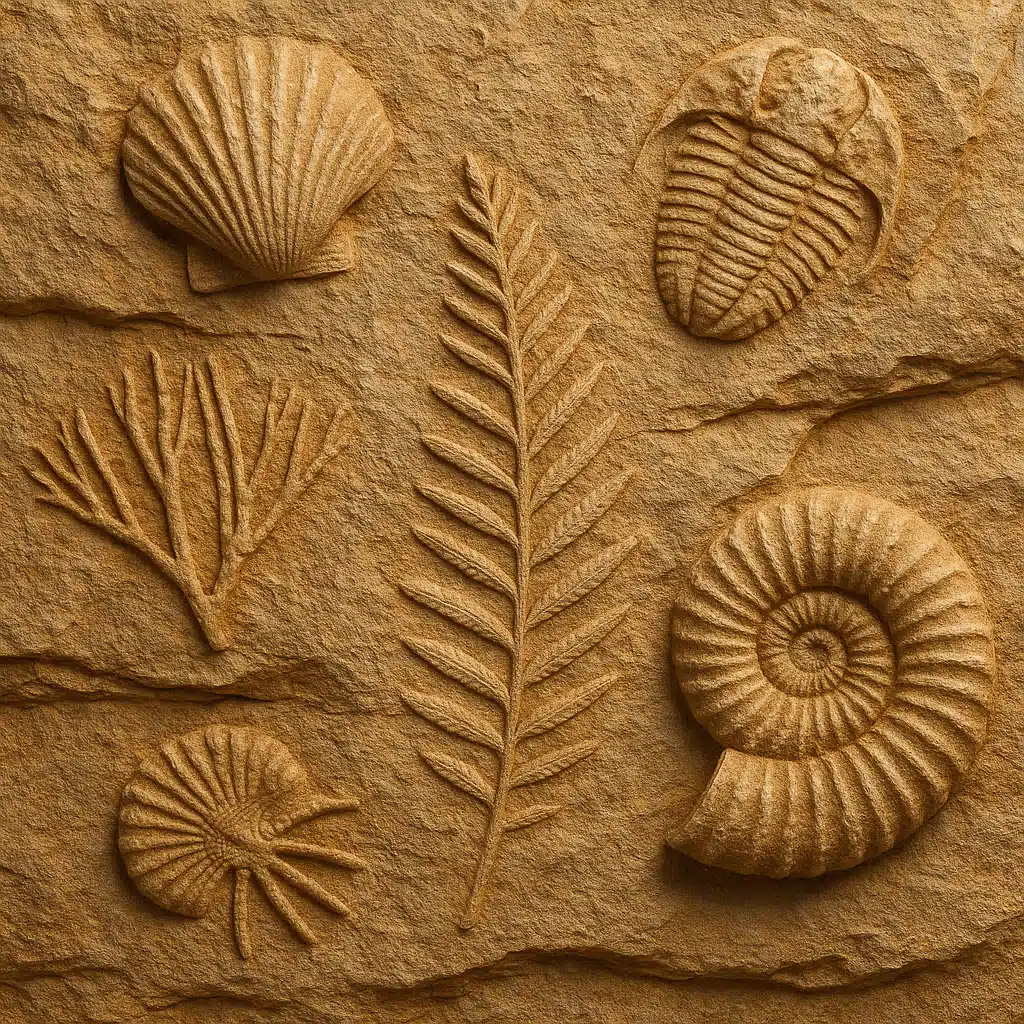
Fossils serve as windows into Earth’s biological and geological history, providing invaluable evidence about life forms that inhabited our planet long before human existence. These preserved remains and traces of ancient organisms—including animals, plants, fungi, and microorganisms—offer scientists and enthusiasts alike crucial information about evolutionary processes, past ecosystems, and environmental conditions.
Each fossil represents a remarkable preservation event, capturing a moment in time that can reveal details about ancient climates, continental arrangements, mass extinction events, and the development of complex life forms. By studying fossils, we gain perspective on how life has adapted to changing environments over geological time scales, information that proves increasingly relevant as we face contemporary environmental challenges.
For amateur collectors, fossil hunting combines outdoor adventure with scientific discovery, offering hands-on learning experiences that connect us to the deep history of life on Earth. The thrill of uncovering a creature that lived hundreds of millions of years ago creates a tangible connection to our planet’s remarkable story.
Prime Locations: Understanding Sedimentary Rock Types
Success in fossil hunting depends largely on understanding which rock types preserve ancient life and where these formations are most accessible. Sedimentary rocks—formed through the accumulation and compression of sediments over time—are the primary repositories of fossils. Among sedimentary rocks, limestone and shale stand out as particularly fossil-rich formations worth targeting in your search.
Limestone: Ancient Ocean Floors
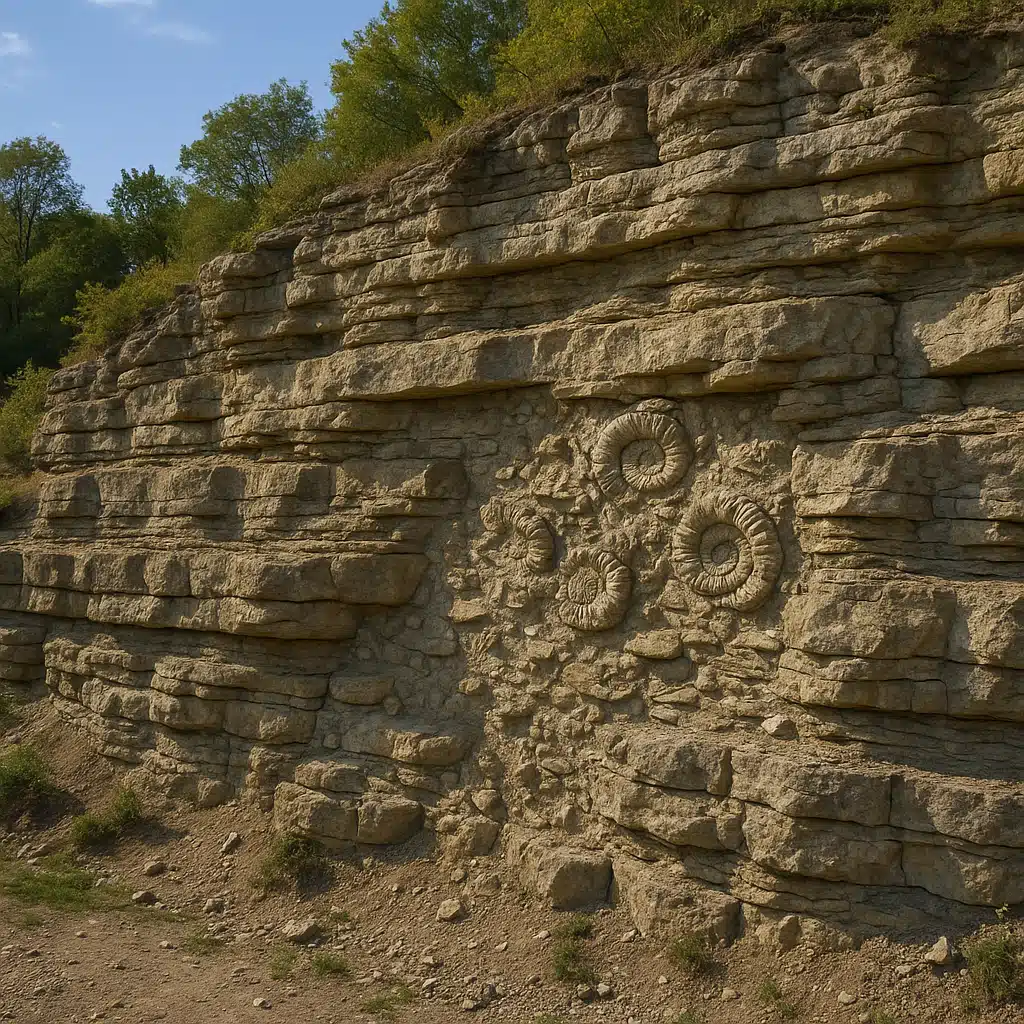
Limestone formations represent some of the most productive fossil-hunting grounds available. This sedimentary rock forms primarily in warm, shallow marine environments where calcium carbonate accumulates from the skeletal remains of countless marine organisms.
Formation Process: Limestone develops through biological and chemical processes in marine settings. The calcium carbonate shells and skeletons of corals, mollusks, brachiopods, crinoids, and other sea creatures accumulate on ocean floors. Over millions of years, these deposits compact and lithify into limestone rock, often preserving the organisms that contributed to its formation.
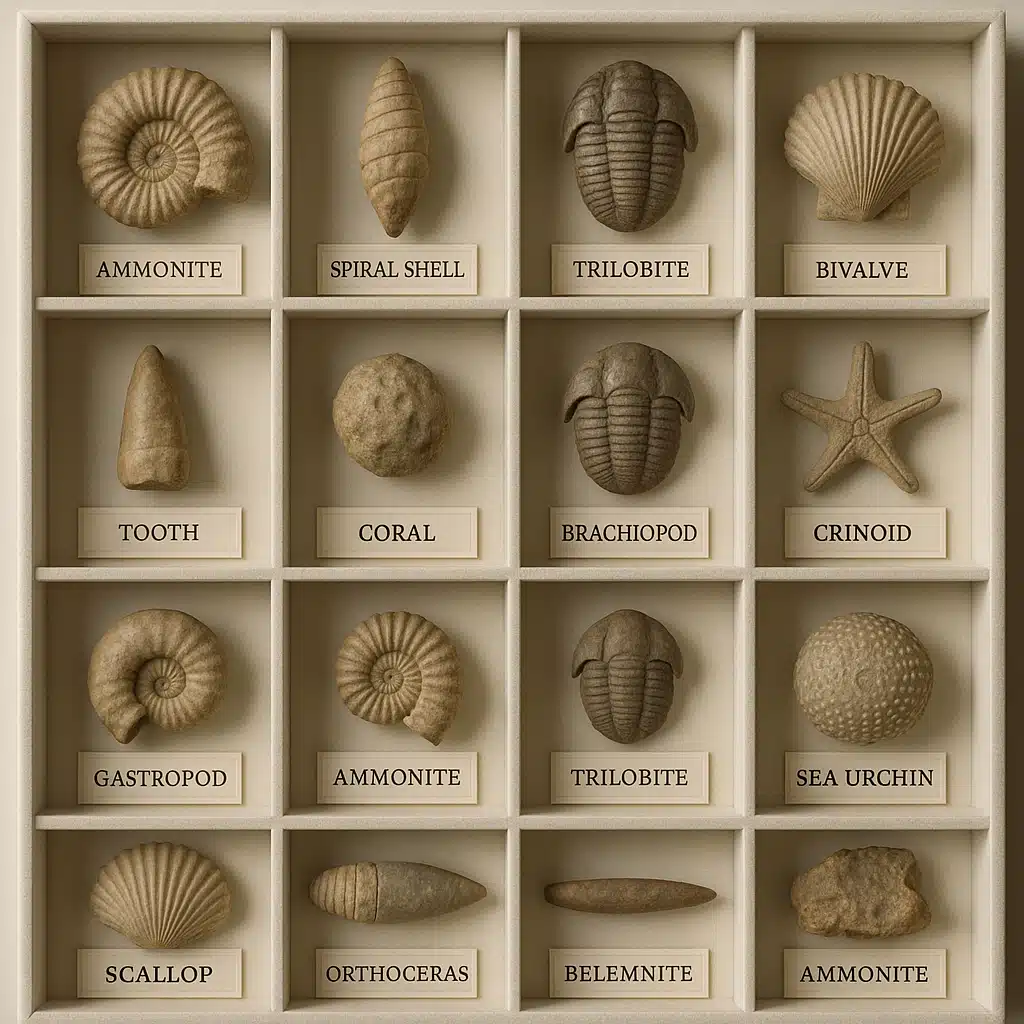
What You’ll Find: Limestone commonly contains fossils of marine invertebrates including spiral-shelled ammonites, bivalve mollusks, sea urchins, trilobites, and coral formations. Some limestone deposits also preserve fish remains and occasionally marine reptiles.
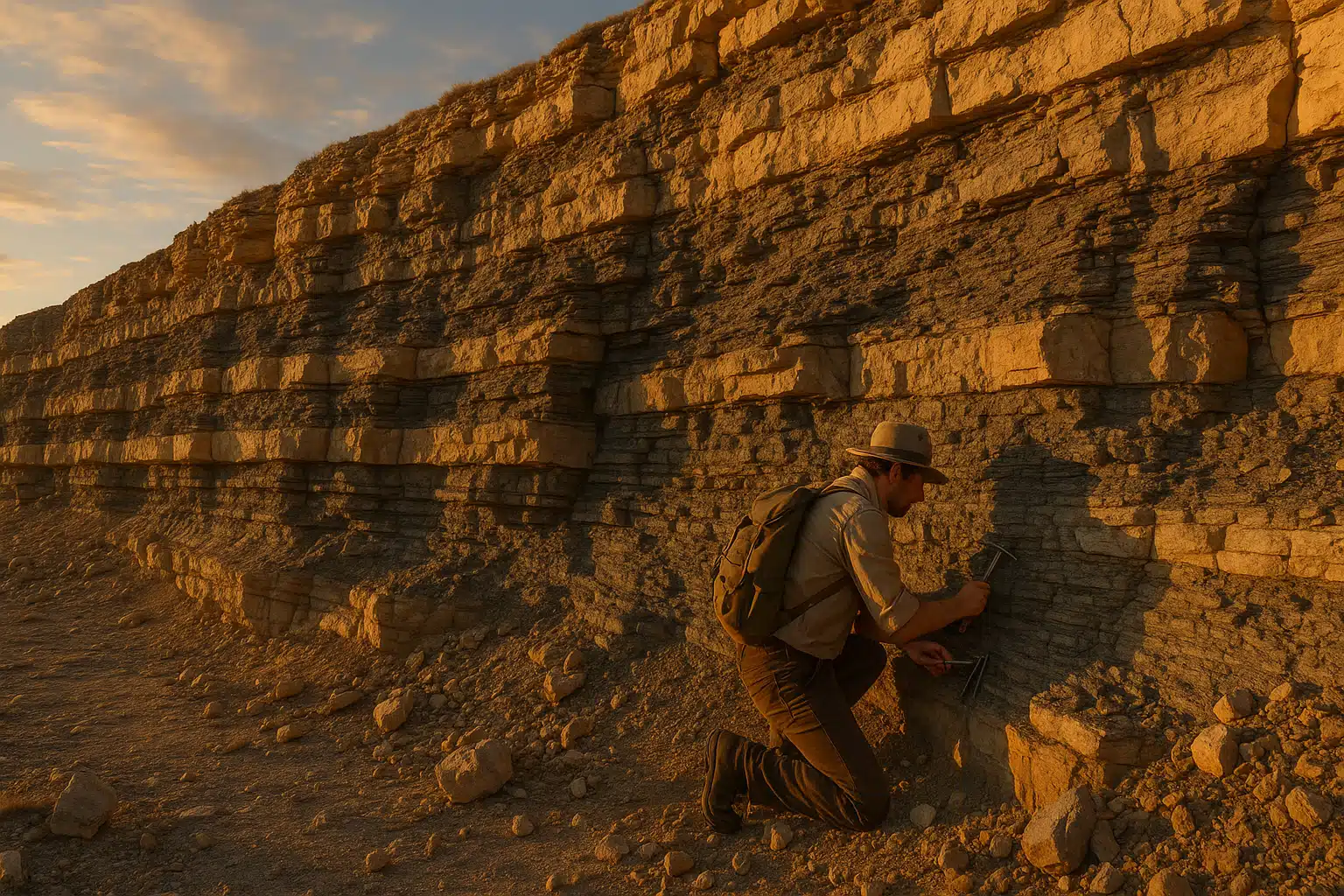
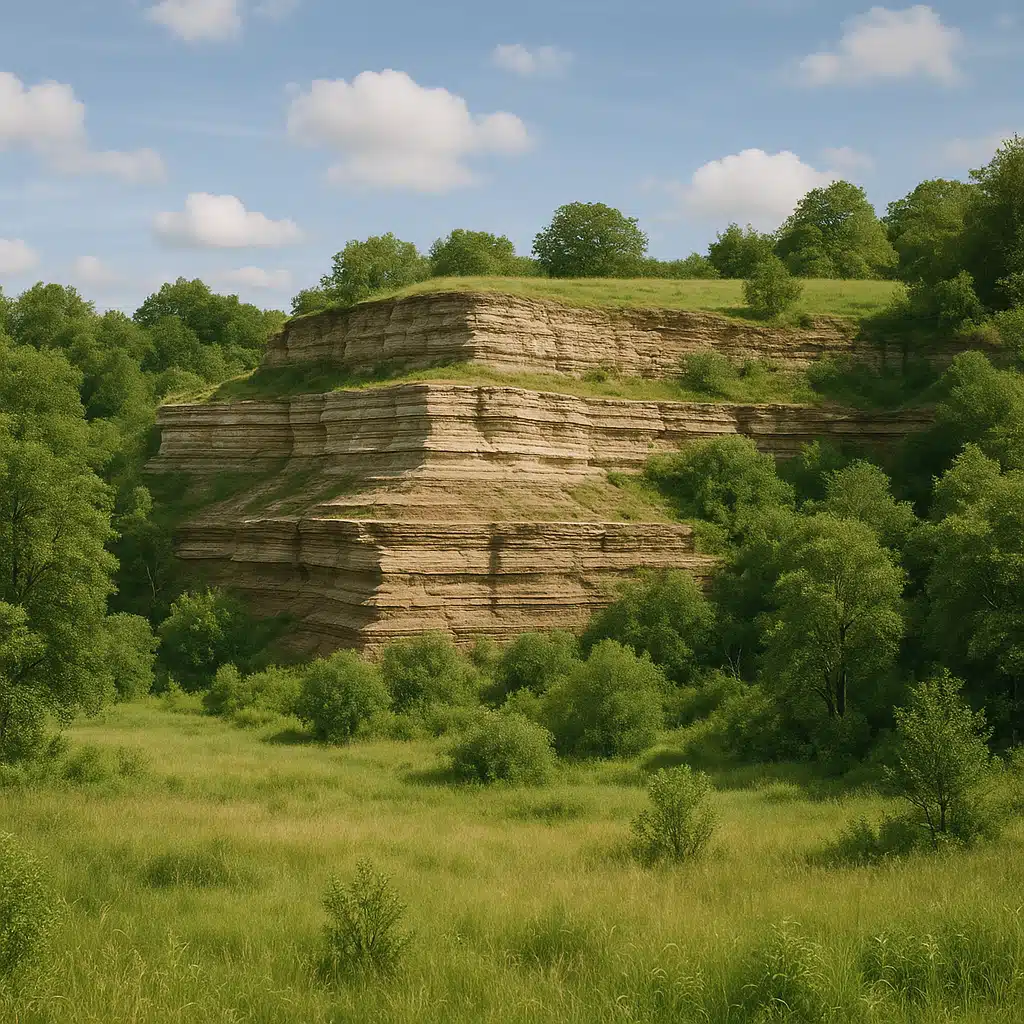
Where to Search: Look for limestone in areas with visible rock exposures such as quarries, road cuts, cliff faces, stream banks, and coastal areas. Regions that were once covered by ancient shallow seas—which includes many continental interiors—often feature accessible limestone formations. Weathered limestone surfaces may reveal fossils that have been naturally exposed through erosion.
Shale: Preserved in Fine Detail
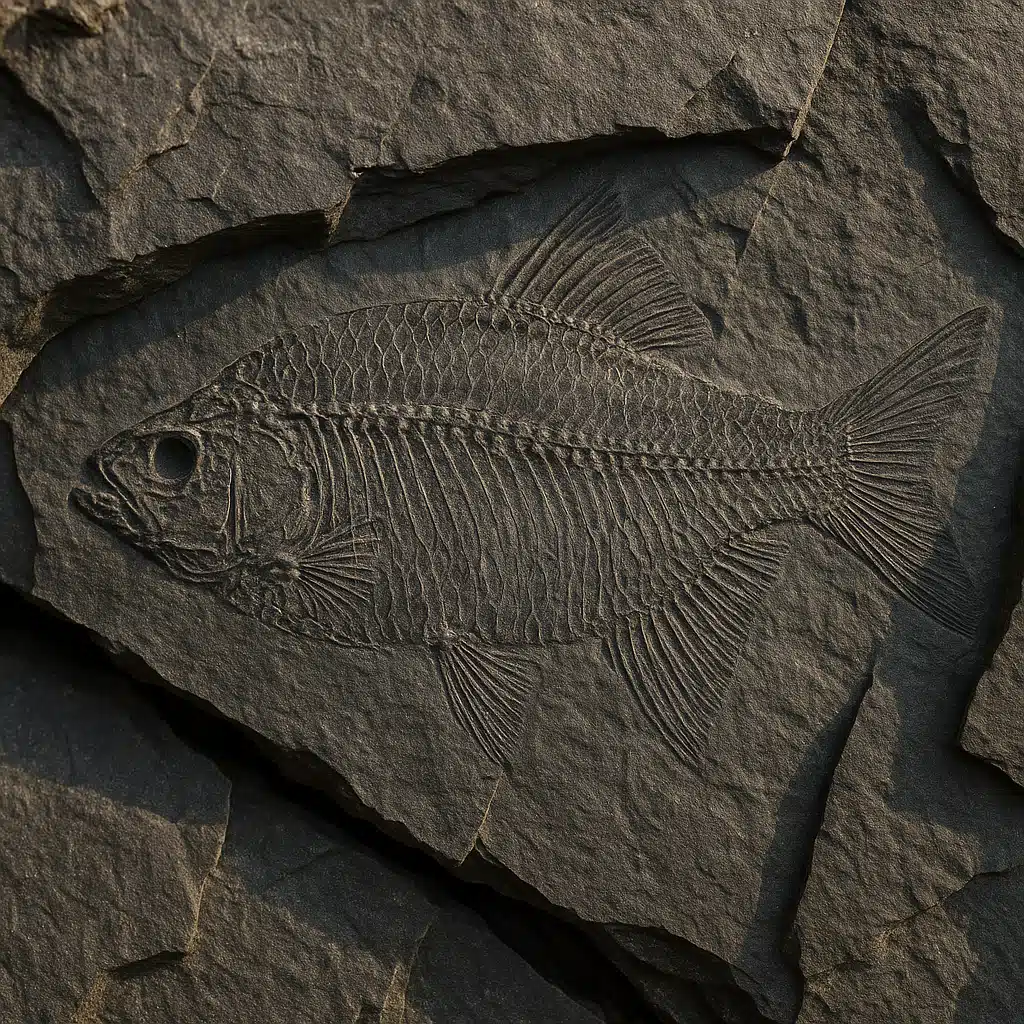
Shale formations offer different fossil-hunting opportunities, often preserving more delicate organisms and fine details that coarser sediments cannot capture.
Formation Process: Shale forms from extremely fine sediments—primarily clay and silt—that settle in calm water environments such as deep ocean basins, lake bottoms, river deltas, and lagoons. The fine-grained nature of shale allows it to preserve delicate structures including soft tissue impressions, plant leaves, insect wings, and fish scales.
What You’ll Find: Shale deposits commonly contain fossils of fish, plants, insects, crustaceans, and sometimes early amphibians or reptiles. The fine layering of shale often means fossils can be found by carefully splitting the rock along its natural bedding planes, revealing remarkably detailed impressions.
Where to Search: Shale exposures appear in similar settings to limestone—road cuts, stream banks, cliff faces, and quarries. Look for areas with visible layering where the rock naturally splits into thin sheets. Regions that once contained ancient river systems, lakes, or offshore marine environments frequently contain shale formations.
Reading the Rocks: Identification Tips
Developing the ability to identify promising rock formations significantly improves your fossil-hunting success rate. Here are key characteristics to observe:
- Layering: Look for distinct horizontal layers or bedding planes, which indicate sedimentary origin and often contain fossils concentrated on specific surfaces.
- Color and Texture: Limestone typically appears light gray to tan and may have a granular or crystalline texture. Shale ranges from gray to black and splits easily into thin layers.
- Weathering Patterns: Fossils often weather differently than surrounding rock, creating raised or recessed patterns on exposed surfaces.
- Existing Evidence: If you find one fossil in an area, more are likely nearby, as organisms often lived and died in concentrated populations.
When examining rock surfaces, use changing light angles to help reveal fossil patterns. Morning or late afternoon sunlight hitting rock faces at low angles can highlight subtle surface variations that indicate fossil presence.
Essential Equipment for Fossil Hunters
Having the right tools makes fossil hunting safer, more productive, and more enjoyable. While you don’t need extensive equipment to begin, certain items significantly improve your experience and success rate.
Core Tools
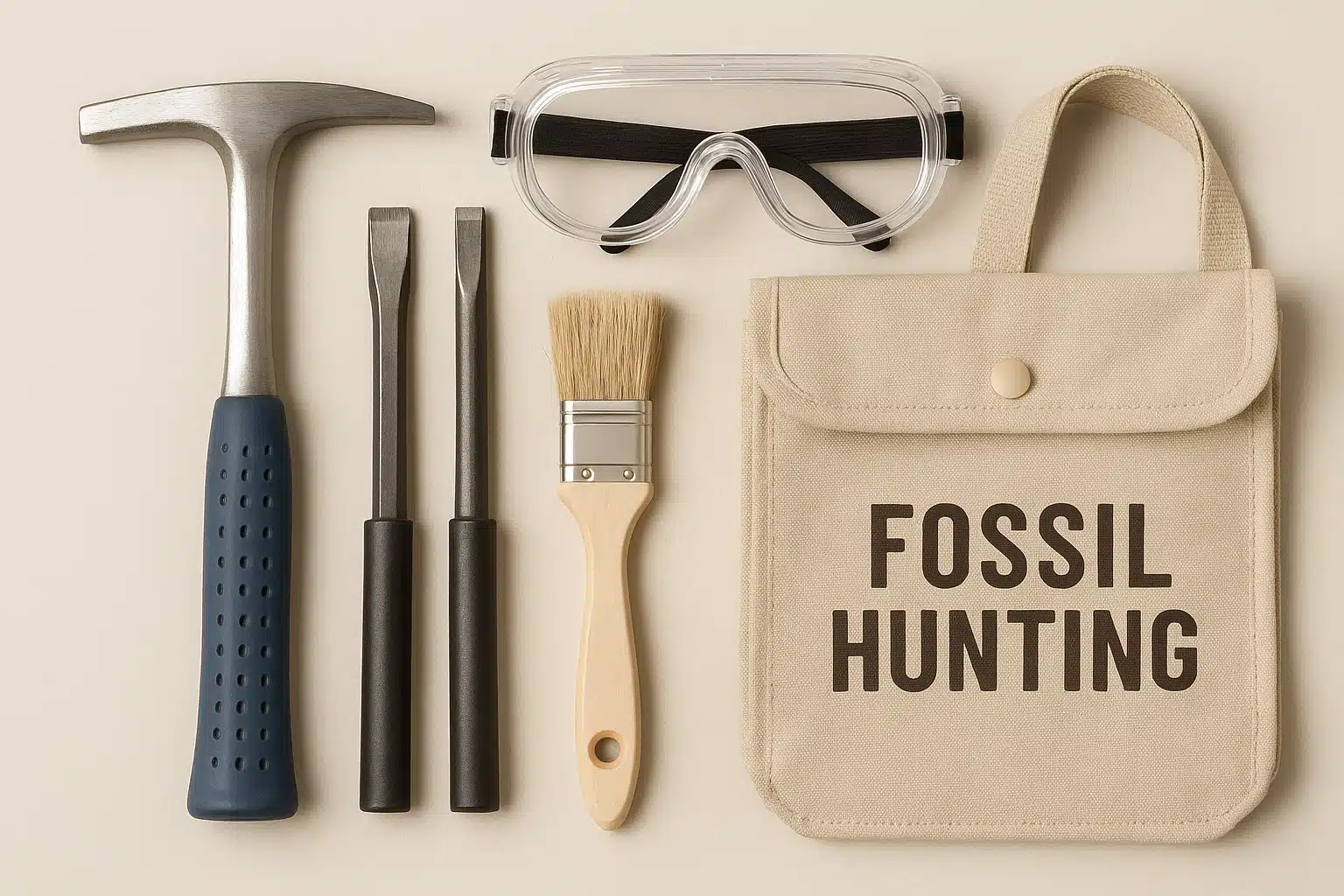
- Rock Hammer: A geological hammer with a flat striking surface and pick end is essential for breaking rocks and extracting fossils. Choose a hammer weighing between 1-3 pounds for general fossil hunting.
- Chisels: Flat chisels in various sizes allow precise removal of matrix rock surrounding fossils without damaging specimens.
- Safety Goggles: Eye protection is non-negotiable when striking rocks, as fragments can fly unexpectedly.
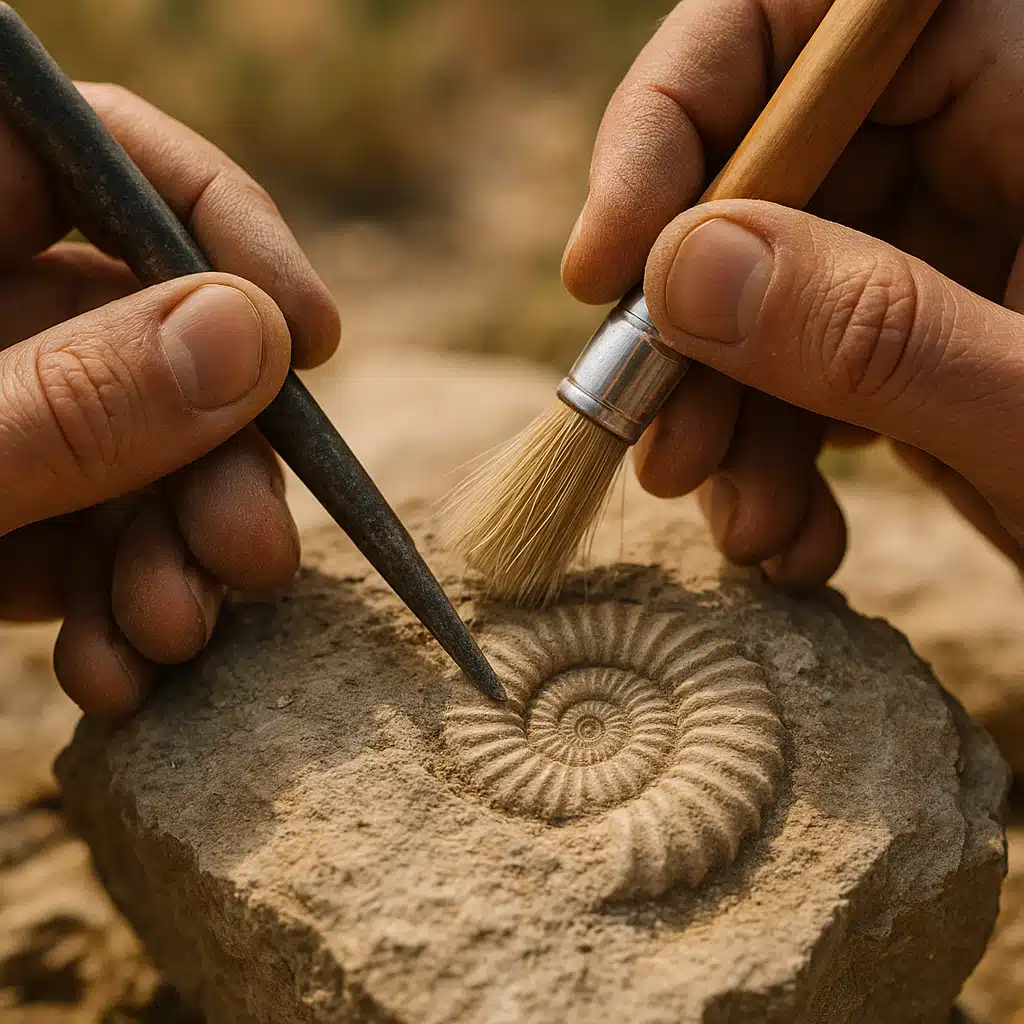
- Brushes: Soft-bristled brushes help clean loose sediment from fossils without causing damage.
- Hand Lens or Magnifier: A 10x magnification lens helps identify small fossils and examine fine details.
Collection and Documentation
- Collection Bags or Containers: Bring various sizes of bags or containers with padding to protect fossils during transport.
- Newspaper or Bubble Wrap: Wrap individual specimens to prevent damage from contact with other rocks.
- Labels and Marker: Document where each fossil was found with location details and date.
- Field Notebook: Record observations about rock types, formations, and fossil discoveries.
- Camera or Smartphone: Photograph fossils in situ (in their original position) before removal, which provides scientific context.
Personal Gear
- Sturdy Footwear: Boots with ankle support and good tread prevent injuries on uneven terrain.
- Work Gloves: Protect hands from sharp rocks and blisters.
- Appropriate Clothing: Dress in layers and wear clothes you don’t mind getting dirty or dusty.
- Sun Protection: Hat, sunscreen, and sunglasses for outdoor exposure.
- Hydration and Snacks: Bring adequate water and energy-sustaining food.
- First Aid Kit: Basic supplies for treating minor cuts and injuries.
- Backpack: Comfortable pack to carry all equipment and specimens.
Techniques for Successful Fossil Discovery
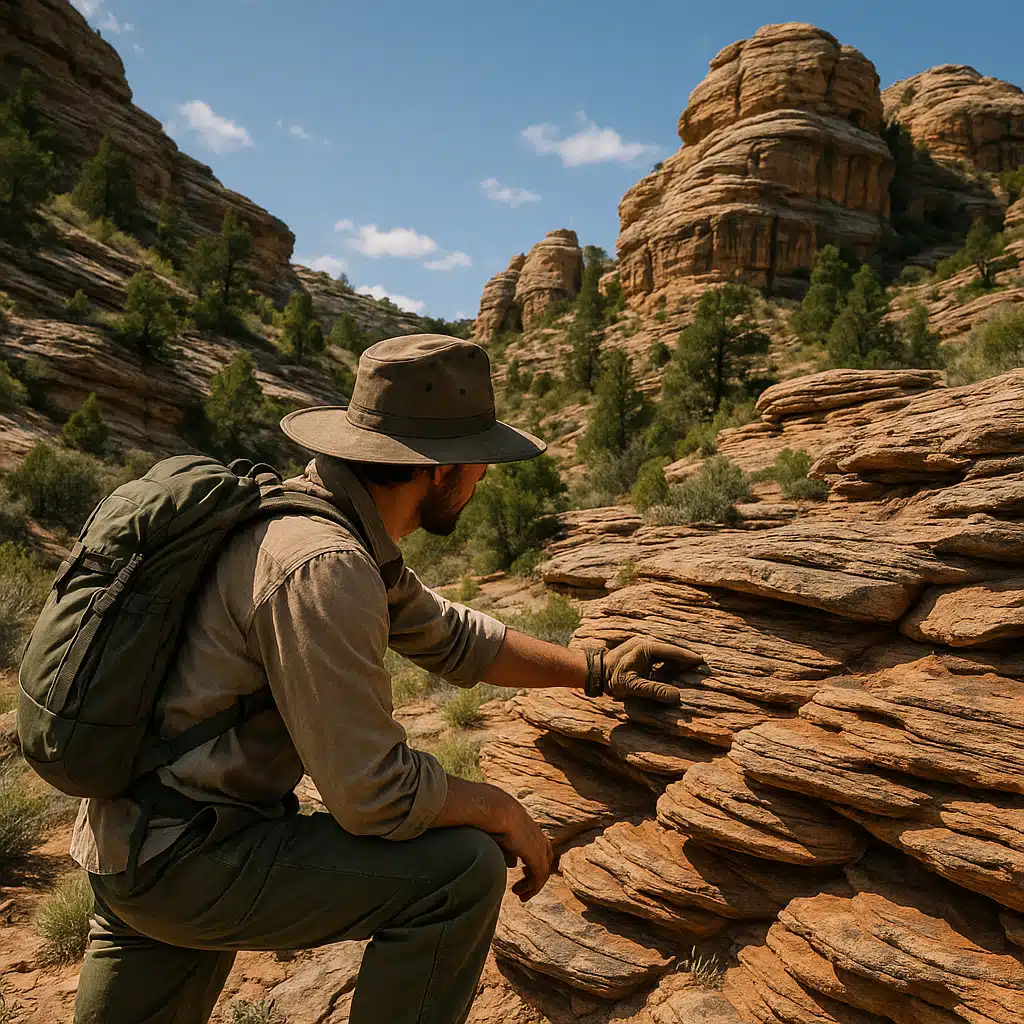
Finding fossils requires patience, observation skills, and systematic searching techniques. These strategies will increase your success rate significantly.
Systematic Searching
Rather than random searching, approach fossil hunting methodically:
- Survey the Area: Before beginning detailed examination, scan the entire location to identify the most promising formations and exposures.
- Check Exposed Surfaces First: Examine weathered rock faces where erosion may have already revealed fossils.
- Look at Different Angles: Change your viewing angle and use varying light conditions to spot fossil patterns.
- Examine Loose Material: Check talus slopes and debris piles at the base of exposures—erosion often frees fossils from parent rock.
- Split Shale Carefully: When working with shale, gently split along bedding planes using a chisel, examining each surface as you separate layers.
Recognition Skills
Developing the ability to distinguish fossils from ordinary rock features takes practice but follows certain principles:
- Look for Patterns: Fossils often display symmetry, repetition, or organized structures unlike random rock textures.
- Color Differences: Fossils may appear lighter or darker than surrounding matrix due to different mineral composition.
- Texture Variations: Shell fossils often have distinctive ridges, growth lines, or surface patterns.
- Shape Recognition: Familiarize yourself with common fossil shapes—spirals, segments, radiating patterns—through guidebooks and online resources.
Extraction Methods
When you discover a fossil, careful extraction preserves both the specimen and scientific information:
- Photograph First: Document the fossil in its original position before removal.
- Assess the Situation: Determine how the fossil is oriented within the rock and plan your extraction approach.
- Work Gradually: Remove matrix rock slowly, working away from the fossil rather than directly on it.
- Leave Matrix Attached: For fragile specimens, it’s often better to extract them with some surrounding rock for protection.
- Stop if Uncertain: If a fossil appears significant or delicate, consider consulting experts rather than risking damage.
Research and Planning Your Fossil Hunt
Successful fossil hunting begins before you ever reach a collection site. Thorough research and planning dramatically improve your chances of finding interesting specimens while ensuring you hunt legally and safely.
Geological Research
Understanding the geological history of your region reveals the most promising locations:
- Geological Maps: Government geological surveys provide maps showing rock types, ages, and formations in various regions.
- Fossil Guidebooks: Regional guides describe known fossil localities and the types of specimens found there.
- Academic Resources: University geology departments and natural history museums often publish information about local fossil-bearing formations.
- Online Databases: Digital platforms catalog fossil finds by location and geological period.
Legal Considerations
Fossil collecting regulations vary significantly by location and land ownership. Always verify legal status before collecting:
- Public Land Regulations: Many countries allow casual fossil collecting on certain public lands but prohibit it on protected areas or require permits.
- Private Property: Always obtain explicit permission from landowners before entering private property.
- Protected Specimens: Some fossil types may be legally protected; familiarize yourself with restrictions in your area.
- Commercial vs. Personal: Regulations often distinguish between personal collecting and commercial fossil extraction.
- Permit Requirements: Some locations require advance permits or impose collection limits.
Responsible collecting ensures fossil hunting remains accessible while preserving scientifically significant sites for research and future generations.
Community Resources
Connecting with other fossil enthusiasts accelerates your learning and provides valuable location information:
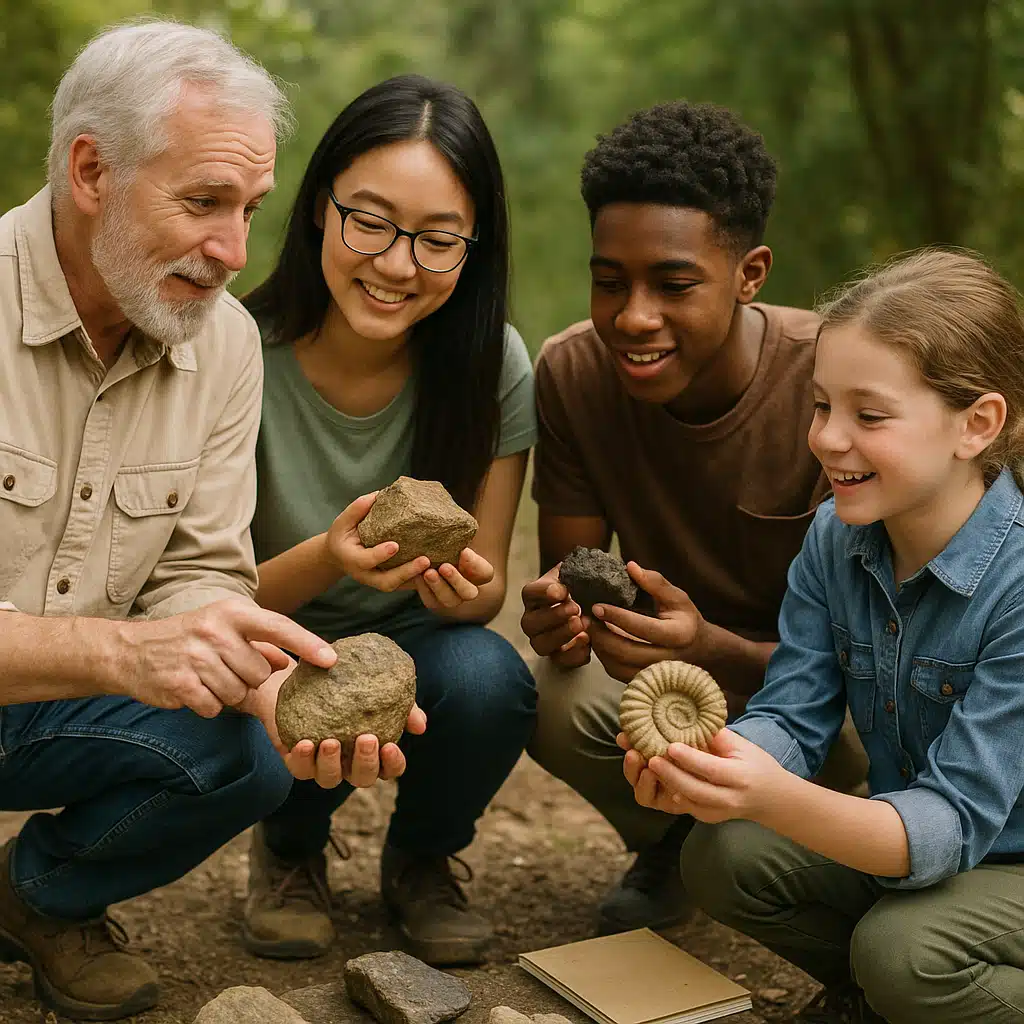
- Fossil Clubs: Local paleontology societies organize field trips, provide mentorship, and share knowledge.
- Online Forums: Digital communities discuss recent finds, identification help, and location information.
- Social Media Groups: Regional fossil hunting groups share tips and organize group expeditions.
- Museum Programs: Natural history museums often host fossil-related events and educational programs.
- University Programs: Some geology departments welcome amateur participation in fossil walks or citizen science projects.
Safety Practices for Fossil Hunters
Fossil hunting takes you into outdoor environments that may present various hazards. Following safety guidelines protects you and ensures enjoyable expeditions.
Environmental Awareness
- Weather Monitoring: Check forecasts before departure and watch for changing conditions, especially in exposed areas like cliffs or canyons.
- Terrain Assessment: Evaluate stability before climbing on rock faces or entering areas where rockfall might occur.
- Water Hazards: Be cautious near streams and coastal areas where water levels may change rapidly.
- Wildlife Awareness: Research local wildlife and take appropriate precautions.
- Temperature Extremes: Prepare for heat or cold with appropriate clothing and supplies.
Personal Safety
- Inform Others: Always tell someone your destination and expected return time.
- Hunt with Partners: Whenever possible, explore with companions rather than alone.
- Communication Devices: Carry a charged mobile phone or radio, though recognize that remote areas may lack coverage.
- Navigation Tools: Bring maps, compass, or GPS devices to prevent getting lost.
- Emergency Supplies: Pack first aid materials, emergency shelter, and extra food and water.
- Physical Limitations: Choose sites appropriate for your fitness level and experience.
Tool Safety
- Eye Protection: Never strike rocks without safety goggles—rock fragments can cause serious eye injuries.
- Proper Technique: Learn correct hammer and chisel use to avoid hand injuries.
- Stable Position: Maintain balanced footing when using tools.
- Tool Maintenance: Keep tools in good condition; damaged tools can slip or break unexpectedly.
- Awareness of Others: When hunting in groups, maintain safe distances when using hammers and chisels.
After the Hunt: Caring for Your Fossils
Proper handling, cleaning, and storage preserve your fossils and maintain their scientific and aesthetic value.
Cleaning Techniques
Cleaning methods depend on fossil type and matrix material:
- Dry Cleaning: Begin with soft brushes to remove loose sediment. This method works well for delicate specimens.
- Water Cleaning: Many fossils can be gently washed with water and soft brushes. Avoid prolonged soaking, which may damage some specimens.
- Mechanical Preparation: Dental picks and small tools can carefully remove stubborn matrix from durable fossils.
- Consolidation: Fragile specimens may benefit from stabilizing treatments using appropriate consolidants.
- Professional Preparation: Valuable or delicate fossils may warrant professional cleaning services.
Documentation and Organization
Maintaining detailed records enhances both personal enjoyment and scientific value of your collection:
- Catalog System: Assign each specimen a unique number and maintain a database or notebook with collection details.
- Location Data: Record precise collection location, geological formation, and date found.
- Identification: Research and document fossil type, age, and any distinctive features.
- Photography: Create photographic records of specimens from multiple angles.
- Labels: Create permanent labels with catalog numbers and basic information.
Storage Solutions
- Individual Protection: Store specimens separately or with padding to prevent contact damage.
- Climate Control: Maintain stable temperature and humidity to prevent deterioration.
- Organization: Group fossils by type, location, or geological period for easy access.
- Display Options: Consider dedicated display cases that protect specimens while allowing viewing.
- Long-term Stability: Use acid-free materials for storage and avoid adhesives that may damage fossils over time.
Common Questions About Fossil Hunting
Can anyone find fossils, or do you need special training?
Fossil hunting is accessible to anyone with interest and patience. While formal training in geology or paleontology certainly helps, beginners can successfully find fossils by learning basic rock identification, researching promising locations, and developing observational skills through practice. Many accomplished amateur collectors are self-taught through field experience and study of reference materials.
How do I know if a rock contains fossils before breaking it?
Complete certainty isn’t always possible, but several indicators suggest fossil presence: visible shell fragments or patterns on the surface, rock formations known to be fossil-bearing, weathered areas showing partial fossil exposure, and the overall character of sedimentary rocks like limestone and shale. Experience teaches you to recognize promising specimens, though some fossil hunting inevitably involves exploratory breaking of likely candidates.
What should I do if I find something that might be scientifically important?
If you discover an unusual, large, or potentially significant fossil, document its exact location with photographs and GPS coordinates if possible, but consider leaving it in place. Contact local universities with geology or paleontology departments, natural history museums, or geological survey offices. Scientifically important fossils often provide more value when extracted and studied by professionals who can properly document and preserve contextual information.
Are fossils found near the surface or do I need to dig deep?
Most amateur fossil hunting focuses on surface finds and shallow exposures rather than deep excavation. Erosion naturally exposes fossils on weathered rock surfaces, stream banks, cliff faces, and quarry walls. When fossils do require extraction, they’re typically embedded in visible rock formations rather than buried under substantial soil or sediment. Deep excavation is generally unnecessary and often impractical for casual collectors.
Can I sell fossils I find?
The legality of selling fossils depends on where they were collected and local regulations. Fossils found on private property with owner permission can often be sold, while fossils from public lands may be restricted. Some jurisdictions prohibit commercial fossil sales entirely or require licenses. Research applicable laws before collecting with intent to sell, and maintain thorough documentation of collection locations and permissions.
How can I identify the fossils I find?
Fossil identification involves comparing your specimens to reference materials including field guides, online databases, and museum collections. Start by determining the broad category—plant, invertebrate marine animal, vertebrate, etc.—then narrow down possibilities based on distinctive features, rock type, and geological age of the formation. Online fossil forums and local fossil clubs provide identification assistance, and university or museum paleontologists sometimes offer identification services for interesting specimens.
What’s the difference between a fossil and a regular rock formation?
This distinction confuses beginners, as some rock formations mimic fossil appearance. True fossils show evidence of biological origin: organized structures like shells, bones, or plant tissue; growth patterns; bilateral symmetry; or repeated segmentation. Features like concretions, crystal formations, or weathering patterns may superficially resemble fossils but lack biological organization. Learning to distinguish genuine fossils from pseudofossils develops with experience and reference to identification guides.
Ethical Fossil Collecting Principles
Responsible fossil hunting balances personal enjoyment with preservation of paleontological resources for science and future generations.
- Respect Regulations: Follow all applicable laws regarding fossil collection on public and private lands.
- Obtain Permission: Never collect on private property without explicit landowner consent.
- Leave Rare Specimens: If you discover potentially significant or unusual fossils, consider reporting them to scientific institutions rather than collecting them.
- Document Thoroughly: Maintain detailed collection records that preserve scientific context.
- Minimize Impact: Avoid unnecessary damage to rock formations and surrounding environment.
- Share Knowledge: Contribute to scientific understanding by sharing information about finds with relevant institutions.
- Educate Others: Promote responsible collecting practices within the fossil hunting community.
- Support Conservation: Advocate for protection of important fossil sites and support organizations working to preserve paleontological heritage.
Expanding Your Paleontological Knowledge
Fossil hunting becomes increasingly rewarding as you develop deeper understanding of paleontology, geology, and Earth history.
Educational Resources
- Field Guides: Invest in quality fossil identification guides specific to your region or areas you plan to explore.
- Online Courses: Many universities and educational platforms offer paleontology and geology courses accessible to casual learners.
- Museum Visits: Natural history museums provide invaluable opportunities to examine authentic fossils and learn from expert interpretations.
- Scientific Literature: Accessible paleontology journals and popular science publications keep you informed about current discoveries.
- Documentary Content: Quality documentaries explore paleontological topics and fossil discoveries worldwide.
Skills Development
- Geological Knowledge: Study rock types, formation processes, and geological time scales to better understand fossil contexts.
- Paleontological Understanding: Learn about different fossil types, evolutionary history, and ancient ecosystems.
- Preparation Techniques: Develop skills in fossil cleaning, stabilization, and repair.
- Photography: Improve fossil photography skills to document specimens effectively.
- Scientific Method: Apply systematic observation and documentation practices to your collecting.
Contributing to Science
Amateur fossil collectors can make meaningful contributions to paleontological knowledge:
- Citizen Science Projects: Participate in organized programs that use volunteer fossil hunters to survey and document fossil localities.
- Data Sharing: Submit finding information to paleontological databases that track fossil distributions.
- Unusual Discoveries: Report potentially significant finds to appropriate scientific institutions.
- Collection Donations: Consider donating scientifically valuable specimens to museums or universities where they can be studied and preserved.
- Collaboration: Some amateur collectors develop collaborative relationships with professional paleontologists.
Conclusion: Beginning Your Fossil Hunting Journey
Fossil hunting offers a unique combination of outdoor adventure, scientific discovery, and connection to Earth’s deep history. By focusing your search on sedimentary rock formations—particularly limestone and shale—equipping yourself with appropriate tools, learning proper techniques, and following ethical collecting practices, you position yourself for successful and rewarding fossil discoveries.
Remember that fossil hunting develops through experience. Your first expeditions may yield modest finds, but each trip builds observational skills, geological understanding, and intuition for promising locations. The thrill of discovering tangible evidence of ancient life that existed millions of years before human civilization makes every fossil hunt potentially extraordinary.
Start with accessible locations in your region, connect with local fossil hunting communities, invest in essential equipment, and approach each expedition with patience and curiosity. Whether you discover common shell fossils or rare specimens, each find represents a remarkable connection to our planet’s biological heritage and your own contribution to understanding life’s long history on Earth.
The ancient world awaits your discovery—begin your fossil hunting journey today and uncover the stories preserved in stone for millions of years.