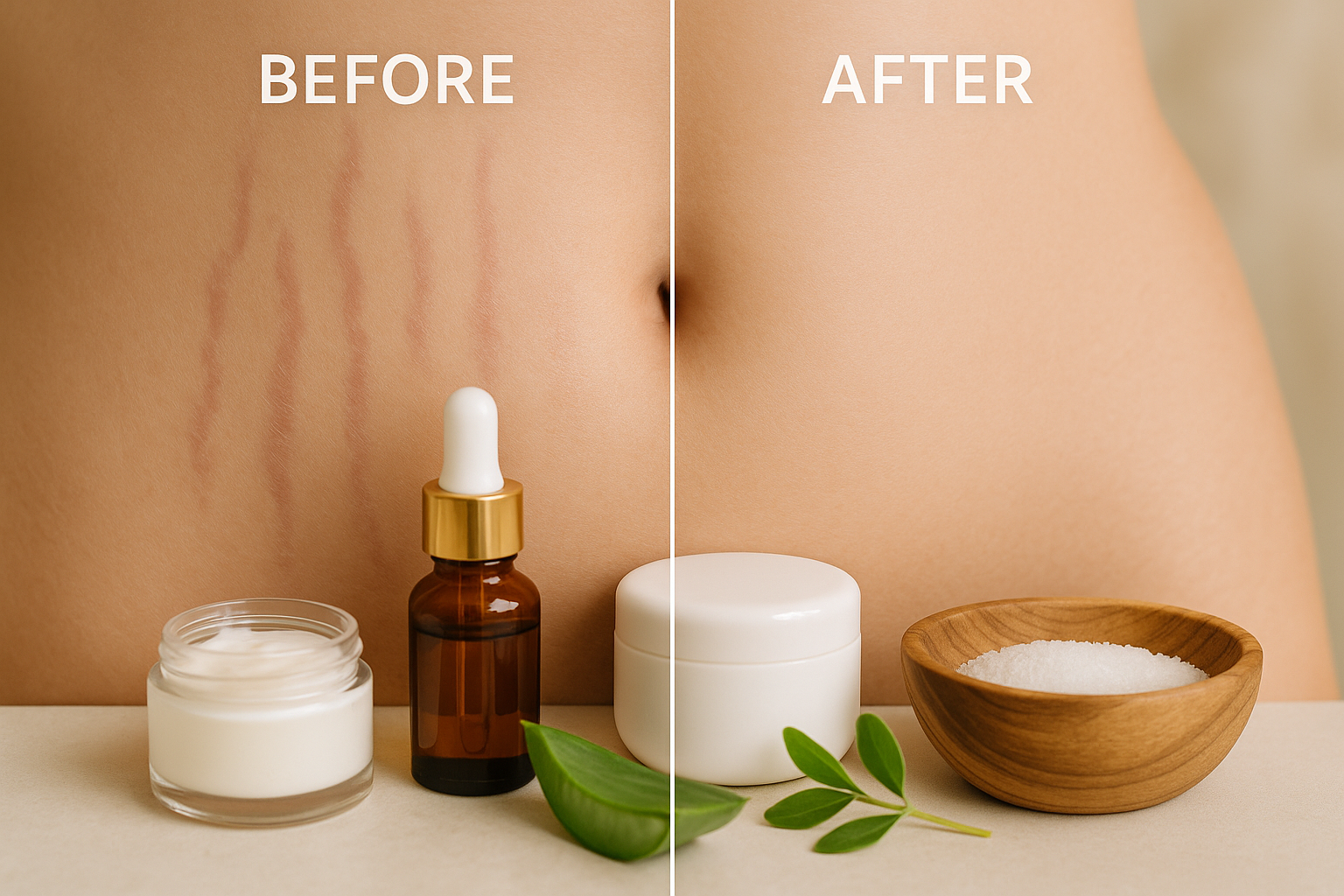
Understanding Stretch Marks: Causes and Characteristics
Stretch marks, medically known as striae, are a common skin condition that affects millions of people worldwide. These marks appear as parallel lines on the skin’s surface and typically follow a predictable pattern of development. When they first form, stretch marks often display vivid colors ranging from red to purple or even dark brown, depending on your natural skin tone. Over time, these marks gradually fade, becoming lighter, silvery, and shinier as they mature.
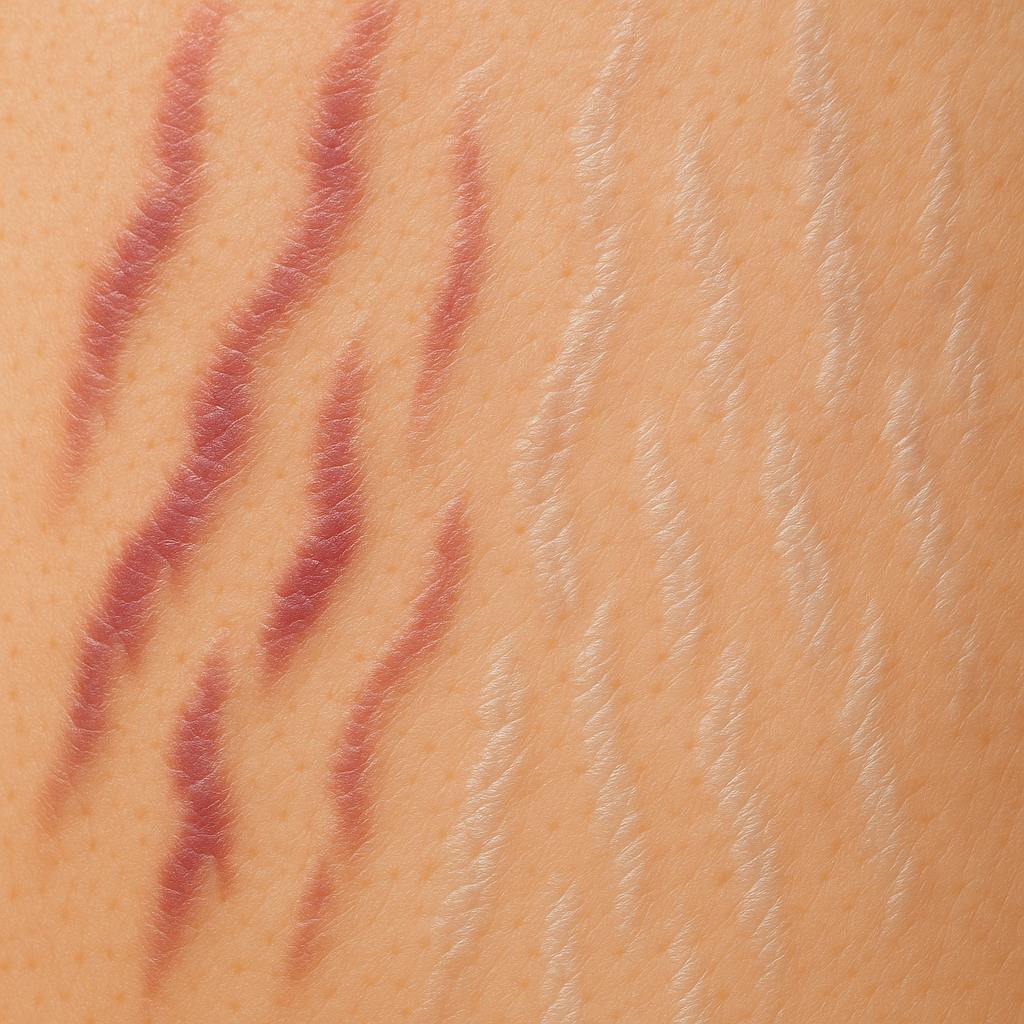
While genetics play a substantial role in determining who develops stretch marks, the fundamental cause is rapid stretching of the skin that exceeds its elastic capacity. This stretching causes the dermis—the middle layer of skin—to tear, allowing deeper skin layers to show through. Common triggers include rapid weight fluctuations (both gain and loss), pregnancy, growth spurts during puberty, muscle building through intensive exercise, and even hormonal changes associated with certain medical conditions.
Stretch marks affect people of all genders, though research indicates they occur more frequently in women, particularly during pregnancy and adolescence. It’s important to understand that stretch marks are purely cosmetic concerns and pose no health risks. They can appear on various parts of the body, most commonly on the abdomen, breasts, hips, buttocks, thighs, and upper arms.
This comprehensive guide explores the most effective treatment methods for reducing the appearance of stretch marks, from accessible home remedies to professional clinical interventions.
Vitamin A and Retinoids: The Science-Backed Approach
Vitamin A represents one of the most researched and effective ingredients for addressing stretch marks. In skincare formulations, Vitamin A typically appears as retinoids—a family of compounds that includes retinol, tretinoin, and other derivatives. These powerful ingredients work by increasing cell turnover, stimulating collagen production, and improving the overall texture and appearance of skin.
Landmark research from the mid-1990s demonstrated that Vitamin A derivatives can significantly reduce the appearance of stretch marks, particularly when they’re still in their early, red or purple stage. While scientists continue to study exactly how retinoids work on stretch marks, the evidence clearly shows their effectiveness in improving skin smoothness, reducing discoloration, and enhancing the overall appearance of affected areas.
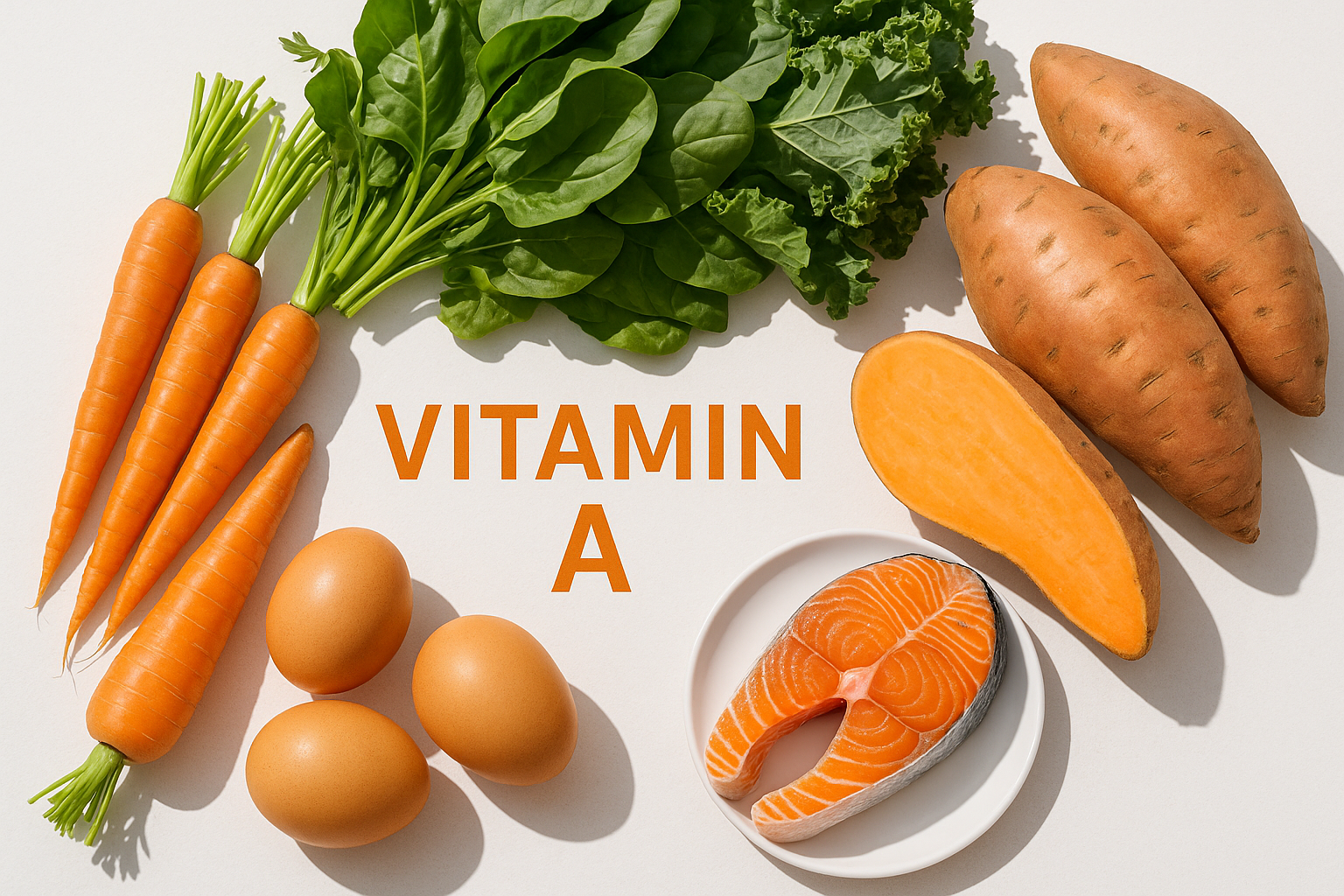
Beyond topical applications, maintaining adequate Vitamin A intake through diet supports overall skin health and may help prevent future stretch marks. Your body converts beta-carotene from plant sources and utilizes preformed Vitamin A from animal sources to maintain healthy skin structure. Incorporating Vitamin A-rich foods into your daily diet provides multiple health benefits while supporting skin elasticity and repair.
Excellent dietary sources of Vitamin A include:
- Carrots and sweet potatoes (high in beta-carotene)
- Dark leafy greens like spinach and kale
- Fatty fish such as salmon and mackerel
- Dairy products including cheese and milk
- Eggs (particularly the yolk)
- Orange and red fruits like cantaloupe and red peppers
- Citrus fruits including grapefruit and oranges
Sugar Scrub: Natural Exfoliation Method
Physical exfoliation using natural ingredients offers an accessible and cost-effective approach to reducing stretch marks. Sugar serves as an excellent natural exfoliant due to its granular texture, which gently removes dead skin cells and promotes cellular renewal. Regular exfoliation can improve the appearance of stretch marks by encouraging the growth of fresh, healthy skin and enhancing the penetration of moisturizing ingredients.
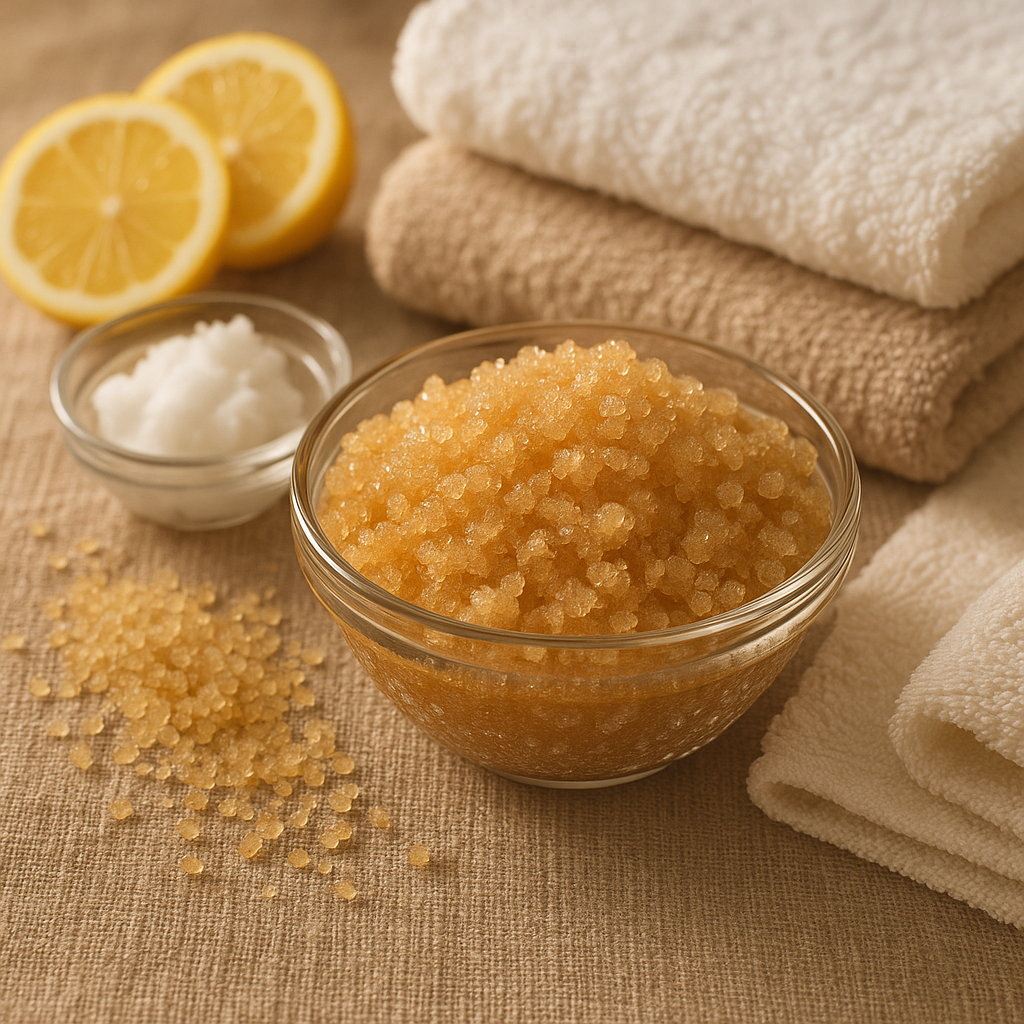
Creating an effective sugar scrub at home requires just a few simple ingredients that you may already have in your kitchen. The combination of sugar’s exfoliating properties with the moisturizing benefits of natural oils creates a treatment that addresses both the texture and hydration needs of skin affected by stretch marks.
To prepare and use a sugar scrub for stretch marks:
- Combine one cup of granulated white or brown sugar with ¼ cup of a nourishing carrier oil such as olive oil, coconut oil, sweet almond oil, or jojoba oil.
- Add the juice of half a lemon to the mixture for added vitamin C and natural brightening properties.
- Mix thoroughly until you achieve a paste-like consistency that spreads easily but isn’t too liquid.
- Apply the scrub to damp skin in the areas affected by stretch marks.
- Using circular motions, massage the scrub into your skin for 8 to 10 minutes, applying gentle but firm pressure.
- Rinse thoroughly with warm water and pat your skin dry.
- Follow with a moisturizer to lock in hydration.
- Repeat this treatment 2-3 times per week for optimal results.
Consistency is key with this method. While you won’t see overnight results, regular use over several weeks to months can lead to noticeable improvements in the texture and appearance of stretch marks.
Aloe Vera: Nature’s Skin Repair Agent
Aloe vera has earned its reputation as a healing powerhouse in skincare traditions around the world. This succulent plant contains over 75 potentially active compounds, including vitamins, minerals, enzymes, amino acids, and polysaccharides, all working together to support skin health. For stretch marks specifically, aloe vera offers multiple benefits: it deeply hydrates the skin, promotes collagen synthesis, reduces inflammation, and accelerates the healing process of damaged skin tissue.
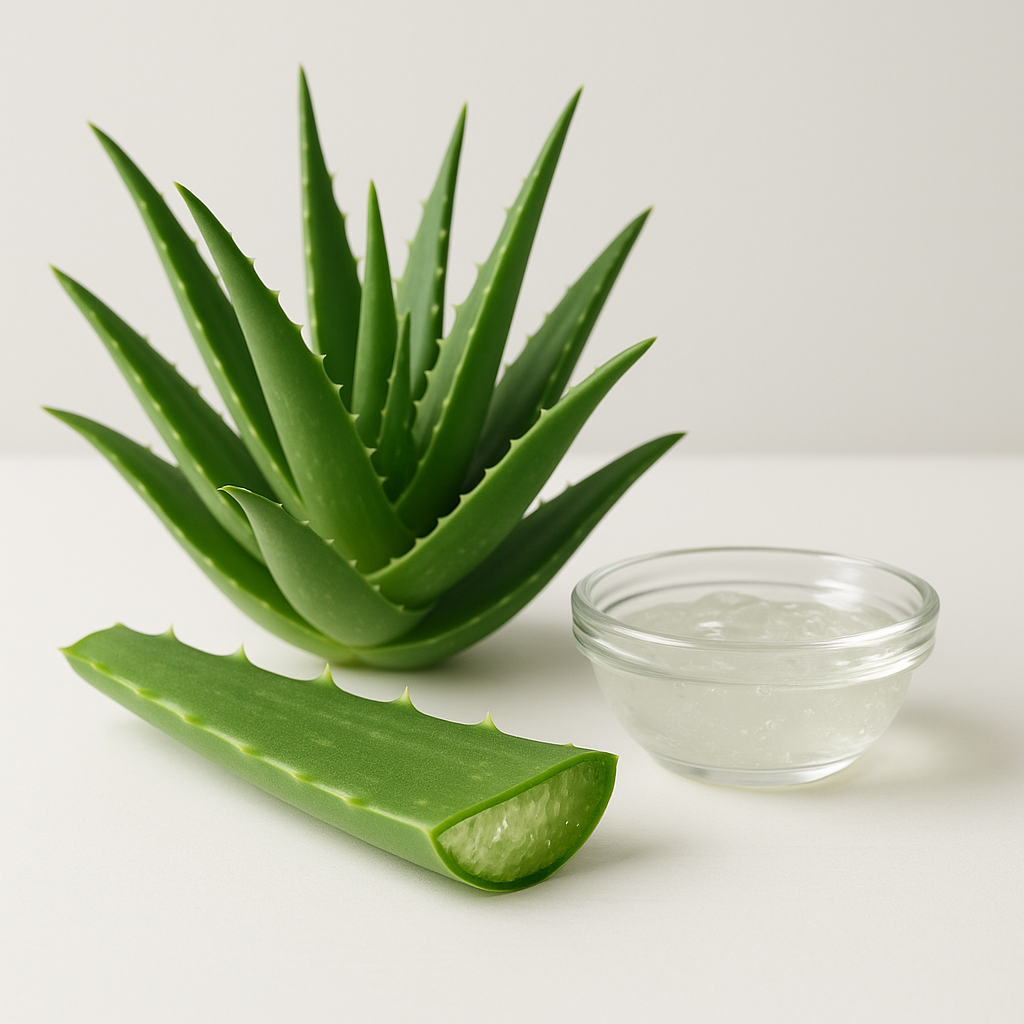
The enzymes present in aloe vera gel help remove dead skin cells while simultaneously stimulating the regeneration of new, healthy tissue. This dual action makes it particularly effective for treating scars and stretch marks. Additionally, aloe vera’s high water content provides essential hydration that keeps skin supple and elastic, potentially preventing new stretch marks from forming.
Using pure aloe vera for stretch marks is remarkably simple:
- If using a fresh aloe vera plant, carefully cut a mature leaf and slice it lengthwise to expose the clear gel inside.
- Scoop out the gel using a spoon or squeeze it directly from the leaf.
- Apply the fresh gel generously to areas affected by stretch marks.
- Massage the gel into your skin using circular motions for approximately two minutes.
- Allow the gel to remain on your skin—there’s no need to rinse it off. It will absorb naturally.
- Apply this treatment twice daily, ideally morning and evening, for best results.
For enhanced effectiveness, you can combine aloe vera with Vitamin E, creating a synergistic treatment that maximizes skin healing and repair. Vitamin E is a powerful antioxidant known for its ability to protect skin cells, improve moisture retention, and reduce the appearance of scars.
To create an aloe vera and Vitamin E treatment:
- Prepare ¼ cup (approximately 60ml) of pure aloe vera gel in a clean bowl.
- Pierce 10 Vitamin E capsules with a pin and squeeze the oil into the aloe vera gel.
- Mix thoroughly until the ingredients are well combined.
- Store the mixture in a clean, airtight container in the refrigerator (it will keep for about one week).
- Apply a generous amount to your stretch marks and massage for 3-5 minutes.
- Leave on the skin to absorb completely.
- Use this enhanced treatment once daily, preferably before bedtime.
Hyaluronic Acid: Boosting Collagen Production
Hyaluronic acid represents one of the most exciting developments in modern skincare science. This naturally occurring substance is found throughout the body, with particularly high concentrations in skin, connective tissue, and eyes. In the skin, hyaluronic acid serves as a crucial component of the extracellular matrix, helping to retain moisture, maintain structure, and facilitate the healing process.
What makes hyaluronic acid particularly valuable for treating stretch marks is its ability to hold up to 1,000 times its weight in water, providing deep hydration that plumps the skin and makes stretch marks less noticeable. More importantly, hyaluronic acid stimulates fibroblasts—the cells responsible for producing collagen. Collagen is the most abundant protein in your skin, providing the structural framework that keeps it firm, smooth, and elastic.
As we age, natural production of both hyaluronic acid and collagen decreases, which is why skin becomes less resilient and more prone to damage, including stretch marks. By supplementing with hyaluronic acid, either topically or orally, you can support your skin’s natural repair mechanisms and improve its resistance to stretching.
Topical hyaluronic acid serums can be applied directly to stretch marks, where they provide immediate hydration and support collagen synthesis over time. These products work best when applied to slightly damp skin, which helps the hyaluronic acid draw moisture into the deeper layers of skin.
Oral hyaluronic acid supplements work from within, supporting overall skin health and hydration throughout the body. Research suggests that oral supplementation can increase skin moisture content and reduce the depth of wrinkles, with similar benefits potentially extending to the appearance of stretch marks.
For best results, consider using both topical and oral forms of hyaluronic acid as complementary approaches to stretch mark treatment. Allow at least 8-12 weeks of consistent use to see noticeable improvements, as collagen production and skin remodeling are gradual processes.
Coconut Oil: Simple Yet Effective Treatment
Coconut oil has become one of the most popular natural remedies for various skin concerns, including stretch marks. This tropical oil contains a unique combination of fatty acids—primarily lauric acid, capric acid, and caprylic acid—that give it exceptional moisturizing and healing properties. These medium-chain fatty acids are small enough to penetrate the skin effectively, delivering hydration and nutrients to the deeper layers where stretch marks form.
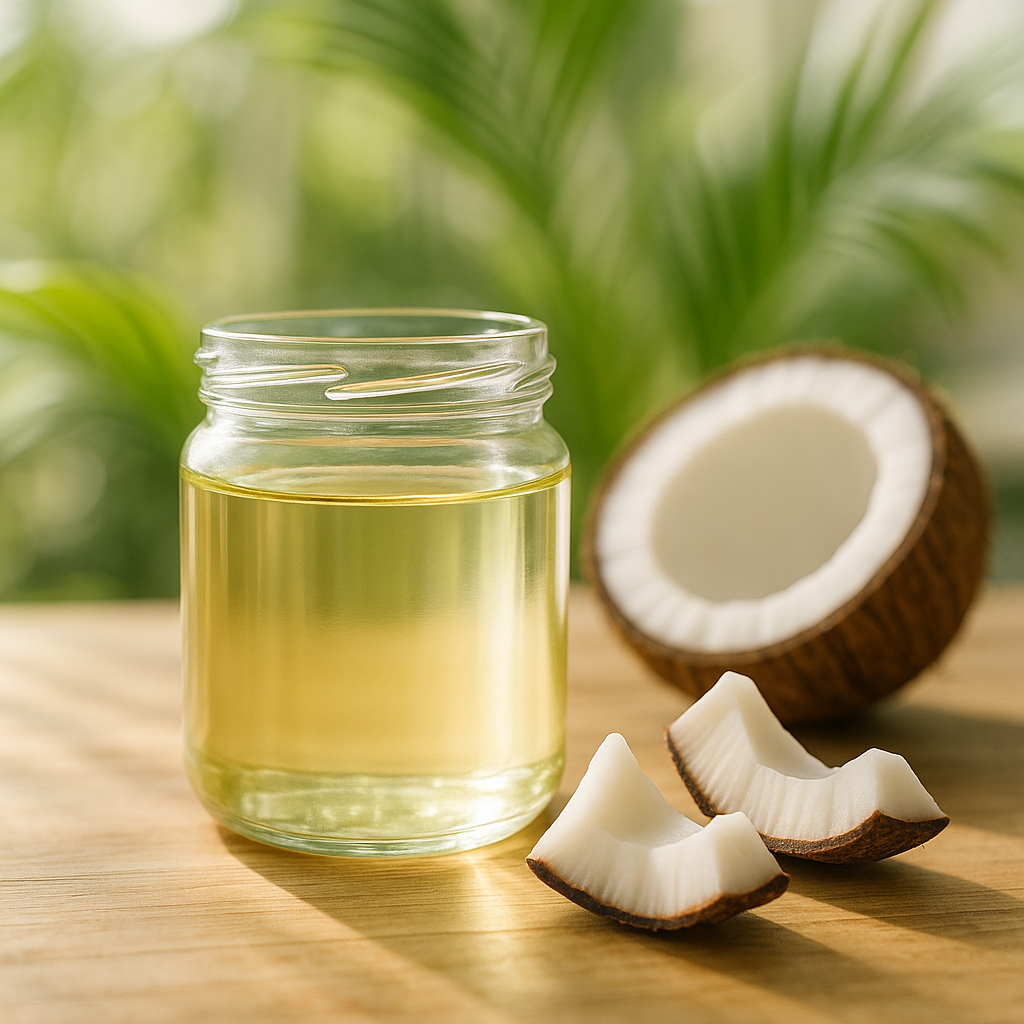
The effectiveness of coconut oil for stretch marks lies in multiple mechanisms. First, its rich fatty acid content deeply moisturizes the skin, improving elasticity and making stretch marks less noticeable. Second, coconut oil contains antioxidants that protect skin cells from damage and support the healing process. Third, it has natural anti-inflammatory properties that may help reduce the redness associated with new stretch marks.
One of coconut oil’s greatest advantages is its simplicity of use and excellent safety profile. Most people tolerate coconut oil well, though those with coconut allergies should obviously avoid it. Additionally, because coconut oil is solid at room temperature but melts on contact with warm skin, it’s easy to apply and absorbs well without leaving an overly greasy residue.
To use coconut oil for stretch mark treatment:
- Choose virgin or extra virgin coconut oil, which retains more beneficial compounds than refined versions.
- Ensure your skin is slightly damp before application, as this helps lock in moisture.
- Take a small amount of coconut oil (it will melt in your hands) and warm it between your palms.
- Apply the oil generously to all areas affected by stretch marks.
- Massage gently but thoroughly for 2-3 minutes to enhance absorption.
- Allow the oil to absorb for 10-15 minutes before dressing.
- Apply at least once daily, preferably twice (morning and evening) for optimal results.
- Continue this routine consistently for several months to see gradual improvement.
For enhanced benefits, some people combine coconut oil with a few drops of essential oils known for skin repair properties, such as lavender, frankincense, or helichrysum. However, always dilute essential oils properly and perform a patch test first to ensure you don’t experience any adverse reactions.
Professional Clinical Treatments for Stretch Marks
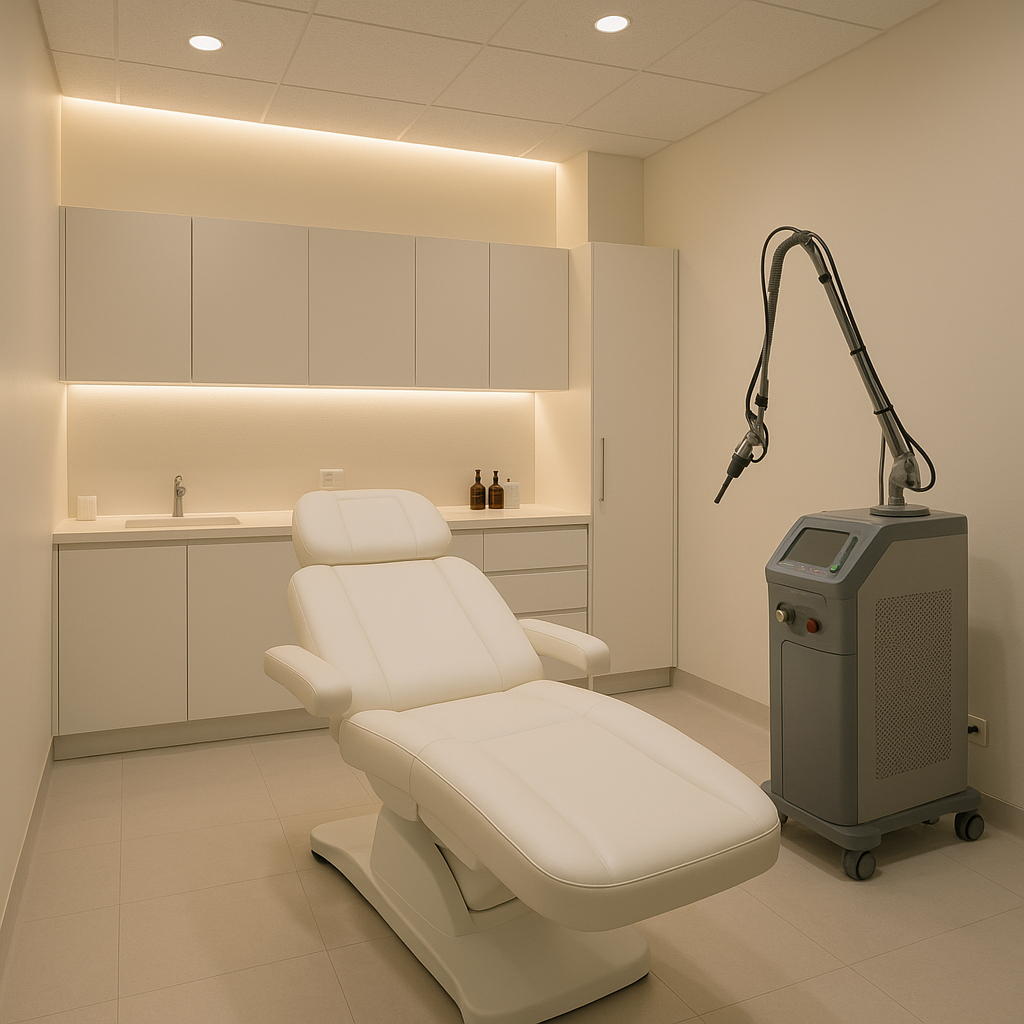
While home remedies can be effective, especially for newer stretch marks, professional clinical treatments offer more intensive and often faster results. These advanced procedures use sophisticated technology to target stretch marks at deeper levels than topical treatments can reach. Three primary clinical approaches have shown significant effectiveness: laser therapy, microneedling, and microdermabrasion.
Microdermabrasion
Microdermabrasion is a mechanical exfoliation technique that removes the outermost layer of skin using fine crystals or a diamond-tipped wand. This controlled exfoliation is far more thorough than what can be achieved with home scrubs, effectively removing dead skin cells and stimulating the production of fresh, new skin. The process also triggers the body’s natural healing response, increasing collagen and elastin production in the treated area.
Research and clinical experience have demonstrated that microdermabrasion can significantly improve the appearance of stretch marks, particularly when combined with other treatments. The procedure works best on older, lighter stretch marks, though it can also benefit newer ones. Multiple sessions are typically required—usually 6 to 12 treatments spaced 2-4 weeks apart—to achieve optimal results.
Microdermabrasion is generally considered safe with minimal downtime. After treatment, the skin may appear slightly pink or feel sensitive for a few hours to a couple of days, but these effects are temporary. The procedure is non-invasive and doesn’t require anesthesia, making it an accessible option for many people.
Microneedling (Collagen Induction Therapy)
Microneedling represents one of the most innovative approaches to treating stretch marks. This technique uses a device equipped with fine needles that create thousands of tiny, controlled punctures in the skin. While this might sound uncomfortable, the procedure is typically performed with topical numbing cream, making it well-tolerated by most patients.
The science behind microneedling is elegant: these micro-injuries trigger the skin’s natural wound healing process without causing significant damage. As the skin repairs these tiny punctures, it produces new collagen and elastin fibers, gradually remodeling the area and improving the appearance of stretch marks. The channels created by the needles also allow for better penetration of topical treatments that may be applied during or after the procedure.
Microneedling has gained popularity because it can be effective on stretch marks of various ages and colors. The treatment typically requires 3-6 sessions spaced 4-6 weeks apart, with continued improvement visible for several months after the final treatment as collagen continues to develop. Recovery time is minimal, usually involving mild redness and sensitivity for 24-48 hours.
Laser Therapy
Laser therapy encompasses several different types of treatments, each working through distinct mechanisms to improve stretch marks. The two main categories are ablative lasers, which remove the skin’s surface layer, and non-ablative lasers, which work beneath the skin’s surface without removing tissue.
Ablative lasers, such as CO2 and erbium lasers, vaporize the outer layers of skin, allowing new, smoother skin to grow in its place. These treatments are more intensive and require longer recovery periods but can produce dramatic results for severe stretch marks.
Non-ablative lasers, including fractional lasers and pulsed dye lasers, work by heating the dermis to stimulate collagen production without damaging the skin’s surface. Pulsed dye lasers are particularly effective for red or purple stretch marks, as they target blood vessels and reduce discoloration. Fractional lasers create thousands of microscopic treatment zones that trigger collagen remodeling while leaving surrounding tissue intact for faster healing.
Laser treatments typically require multiple sessions—anywhere from 3 to 8 treatments depending on the severity of stretch marks and the type of laser used. Results develop gradually over several months as new collagen forms and skin texture improves. While laser therapy can be highly effective, it requires proper evaluation by a qualified practitioner to determine the most appropriate type of laser for your specific situation.
Considerations for Professional Treatments
When considering professional treatments, several factors should guide your decision:
- Timing: Professional treatments tend to be most effective on newer stretch marks (those less than a year old that still have some redness or purple coloration). However, even mature, white stretch marks can show improvement with appropriate treatment.
- Skin type: Certain treatments work better on specific skin tones. Darker skin tones may require special considerations with laser therapy to avoid pigmentation changes.
- Cost: Professional treatments typically require multiple sessions and can represent a significant investment. Prices vary widely depending on geographic location, provider expertise, and the extent of treatment needed.
- Recovery time: Consider how much downtime you can accommodate, as this varies among different procedures.
- Provider qualifications: Always seek treatment from qualified, experienced practitioners in reputable clinics to ensure both safety and effectiveness.
Prevention: The Best Medicine
While this guide has focused extensively on treating existing stretch marks, prevention remains the most effective strategy. Once stretch marks form, they become permanent features of your skin, though they can be significantly improved. Understanding how to prevent stretch marks can save you considerable time, effort, and expense in the future.
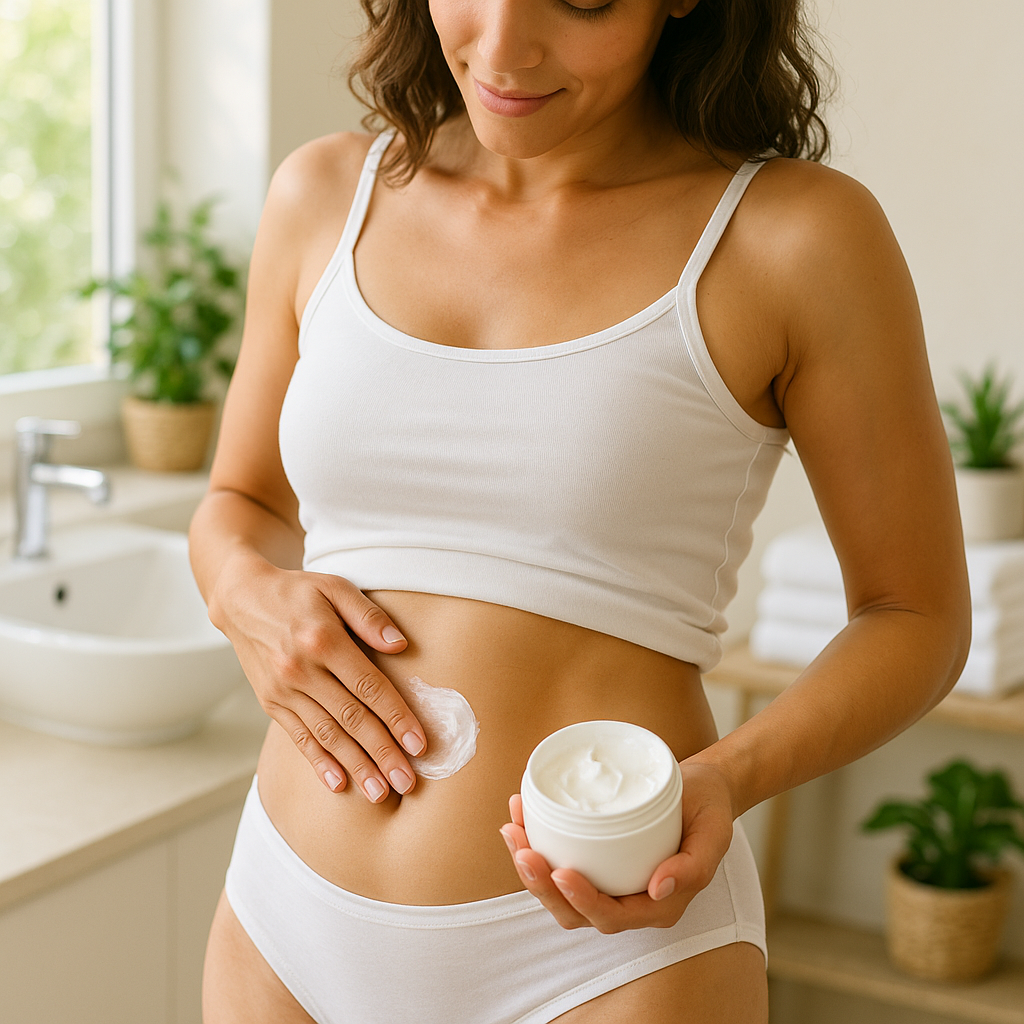
Key prevention strategies include:
- Maintain consistent hydration: Drink adequate water throughout the day to keep your skin hydrated from within. Well-hydrated skin is more elastic and better able to accommodate stretching without tearing.
- Moisturize regularly: Apply rich moisturizers or oils to areas prone to stretch marks daily, especially during periods of growth or weight change. This helps maintain skin suppleness and flexibility.
- Manage weight gradually: Avoid rapid weight gain or loss when possible, as sudden changes don’t give skin adequate time to adjust. Gradual weight changes allow skin to adapt more effectively.
- Eat a balanced diet: Consume foods rich in vitamins C, D, E, zinc, and protein, all of which support collagen production and skin health. A nutritious diet provides the building blocks your skin needs to maintain its structure and elasticity.
- Stay physically active: Regular exercise improves circulation, supports healthy weight management, and promotes overall skin health.
- Address stretch marks early: If you notice new stretch marks forming, begin treatment immediately when they’re still red or purple. This is when they’re most responsive to intervention.
Remember that some stretch marks may be unavoidable, particularly those related to pregnancy or growth spurts during puberty. Genetics also play a significant role—if your parents had stretch marks, you’re more likely to develop them as well. In these cases, the goal shifts from prevention to early intervention and acceptance.
Setting Realistic Expectations
It’s important to approach stretch mark treatment with realistic expectations. Complete elimination of stretch marks is rarely possible, especially for mature, well-established marks. However, significant improvement in their appearance is achievable through consistent, appropriate treatment.
The effectiveness of any treatment depends on several factors:
- Age of stretch marks: Newer marks respond much better to treatment than older ones.
- Individual skin characteristics: Factors like skin type, age, and overall health affect treatment outcomes.
- Consistency: Most treatments require regular, long-term application or multiple sessions to produce results.
- Severity: Mild stretch marks respond better than severe cases with deep, wide marks.
- Treatment type: Some methods are more effective than others, with professional treatments generally producing more dramatic results than home remedies.
A comprehensive approach that combines multiple strategies—such as topical treatments, proper nutrition, adequate hydration, and professional procedures when appropriate—typically yields the best results. Patience is essential, as visible improvement usually takes several weeks to months of consistent effort.
Most importantly, remember that stretch marks are a normal part of many people’s lives. They tell stories of growth, change, and life experiences. While pursuing treatment options is a valid choice, learning to accept these marks as part of your unique body is equally valuable. Many people find that their concern about stretch marks diminishes over time as they recognize that these marks don’t define their worth or beauty.
Final Thoughts
Stretch marks may be a common concern, but they’re also highly treatable with the right approach. From simple home remedies using natural ingredients to sophisticated professional treatments, numerous options exist to improve their appearance. The key is to start treatment as early as possible, maintain consistency with your chosen methods, and combine multiple approaches for synergistic effects.
Whether you choose natural remedies like vitamin A, sugar scrubs, aloe vera, hyaluronic acid, and coconut oil, or opt for professional treatments such as microdermabrasion, microneedling, or laser therapy, remember that improvement takes time. Stay patient, remain consistent, and adjust your approach based on the results you see.
By understanding the causes of stretch marks, implementing prevention strategies, and choosing appropriate treatments, you can significantly improve their appearance and feel more confident in your skin. The journey to reducing stretch marks is as much about self-care and patience as it is about the specific products and procedures you use.