
How to Take Care of Your Skin After 40: A Complete Guide
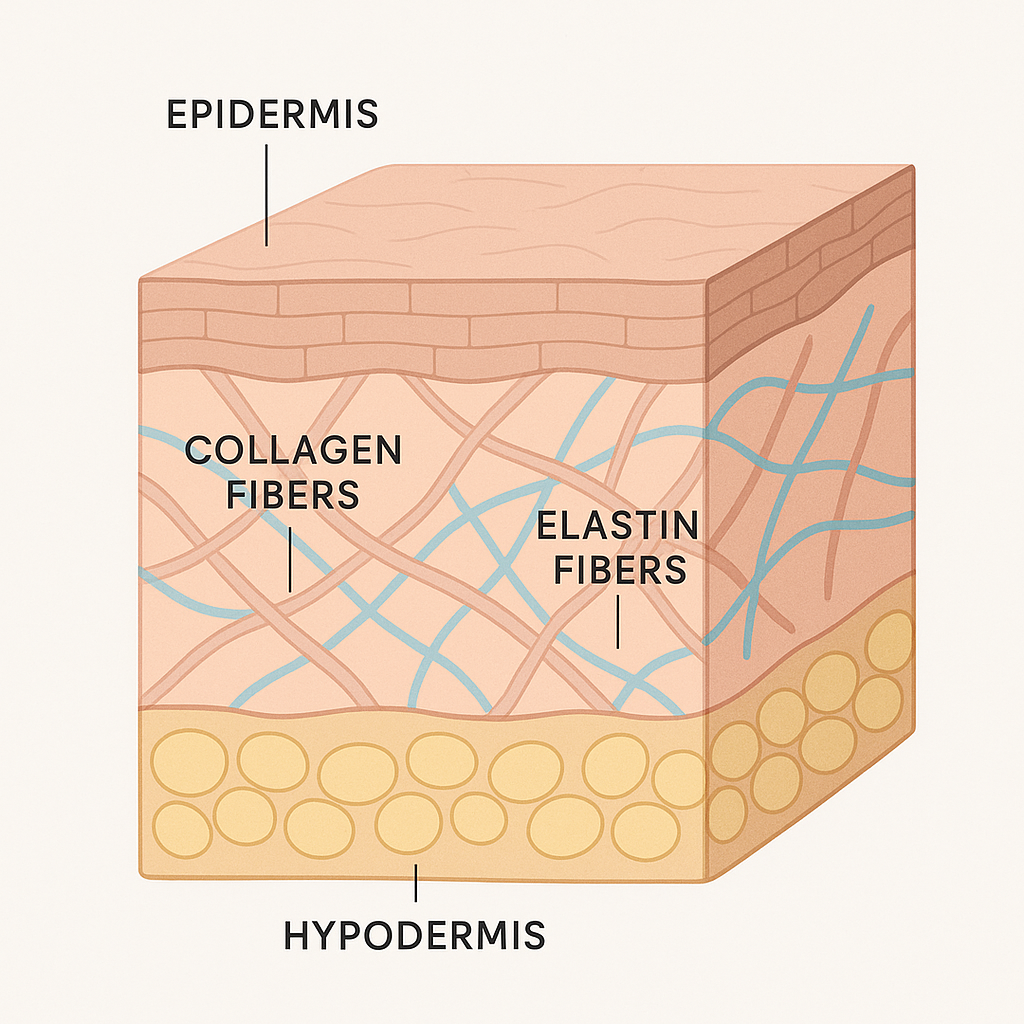
Reaching your 40s is a milestone that brings wisdom, confidence, and a new chapter in life. It’s also a time when your skin begins to show visible changes due to natural aging processes. After the age of 40, your skin requires more intentional and specialized care. This is because the production of collagen and elastin—two essential proteins responsible for keeping skin firm, smooth, and youthful—begins to slow down significantly. The dermis, which is the second layer of your skin, becomes less efficient at regenerating these vital components, leading to the appearance of fine lines, wrinkles, loss of elasticity, and changes in texture and tone.
Understanding these changes is the first step toward adapting your skincare routine. With the right products, consistent habits, and a few lifestyle adjustments, you can maintain healthy, radiant skin well into your 40s, 50s, and beyond. This guide will walk you through daily and weekly skincare practices, product recommendations, and lifestyle tips that support long-term skin health.
Understanding Skin Changes After 40
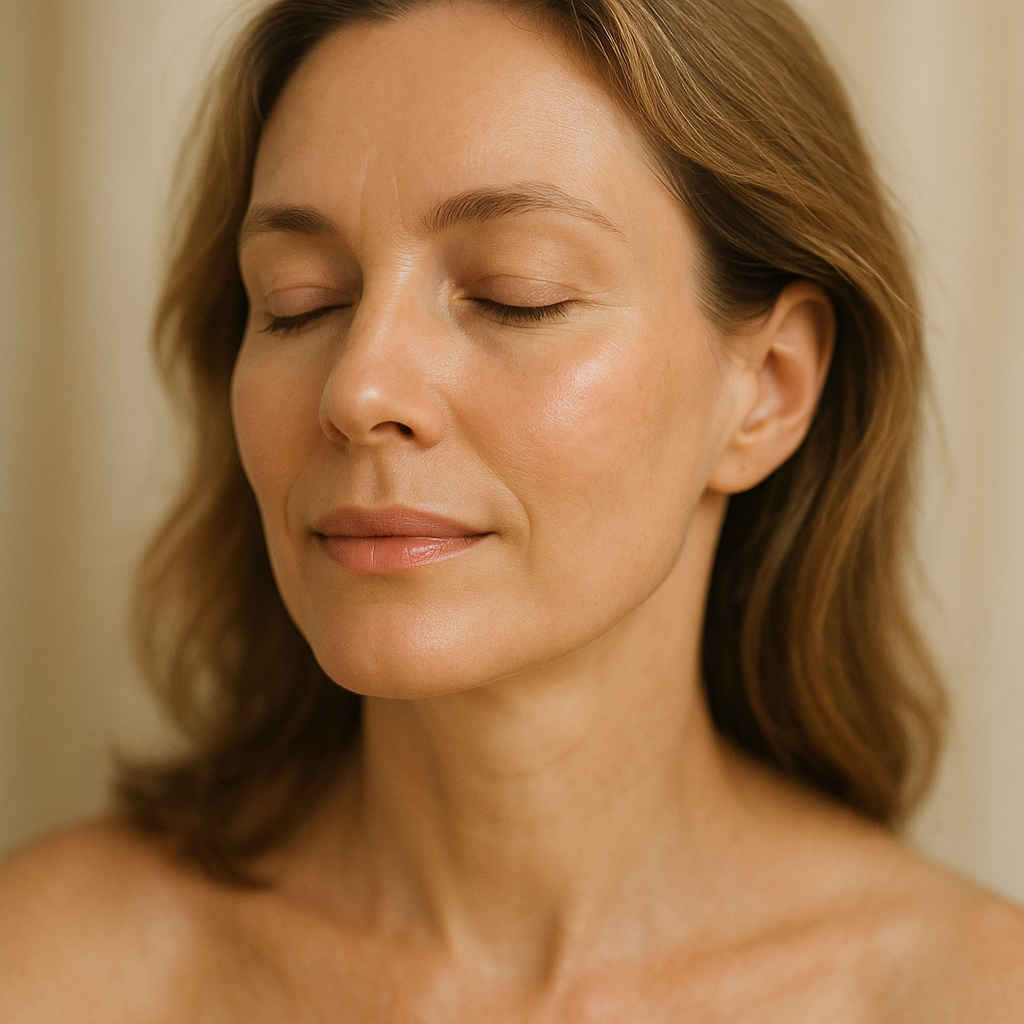
As you age, several biological processes affect the appearance and health of your skin. Collagen production decreases by approximately 1% per year after your mid-20s, and this decline becomes more noticeable in your 40s. Elastin fibers, which give skin its bounce and resilience, also break down over time. Additionally, cell turnover slows, meaning dead skin cells linger longer on the surface, leading to a duller complexion. Hormonal changes, particularly in women approaching or experiencing perimenopause, can also impact skin moisture, thickness, and sensitivity.
These changes make it essential to shift from a one-size-fits-all approach to a more targeted, nutrient-rich skincare regimen. Choosing products with active ingredients like retinoids, peptides, hyaluronic acid, and antioxidants becomes increasingly important.
Daily Skincare Routine for Skin Over 40
A consistent daily skincare routine is the foundation of healthy skin at any age, but it becomes especially critical after 40. Your routine should focus on cleansing, hydration, protection, and targeted treatment. Here’s how to structure your morning and evening regimen for optimal results.
Morning Routine
Start your day by gently cleansing your face if you have normal to oily skin. If your skin is dry or sensitive, you may choose to skip the morning cleanse and simply rinse with lukewarm water or use a gentle toner. Cleansing removes overnight oils, sweat, and any residue from nighttime products, preparing your skin to absorb the treatments and moisturizers you apply next.
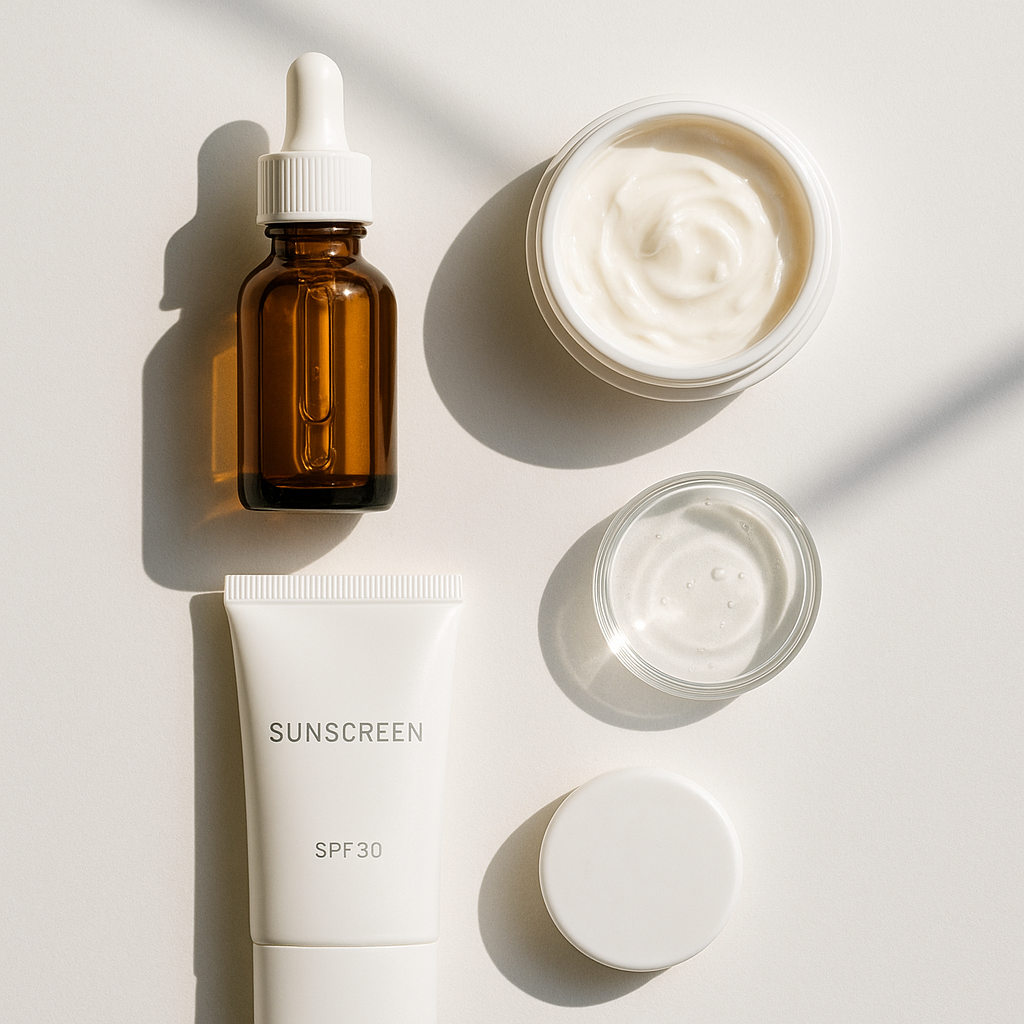
After cleansing, apply a serum rich in antioxidants such as vitamin C. This helps protect your skin from environmental stressors like pollution and UV radiation, while also brightening your complexion and supporting collagen synthesis. Follow with a moisturizer suited to your skin type. Look for formulas that contain hyaluronic acid, ceramides, or peptides to lock in hydration and support the skin barrier.
The final and most crucial step in your morning routine is sun protection. Apply a broad-spectrum sunscreen with at least SPF 30 every single day, regardless of the weather or whether you plan to spend time outdoors. UV exposure is one of the leading causes of premature aging, including wrinkles, sunspots, and loss of firmness. If your moisturizer or makeup contains SPF, that’s a bonus, but a dedicated sunscreen is always recommended for full coverage.
Evening Routine
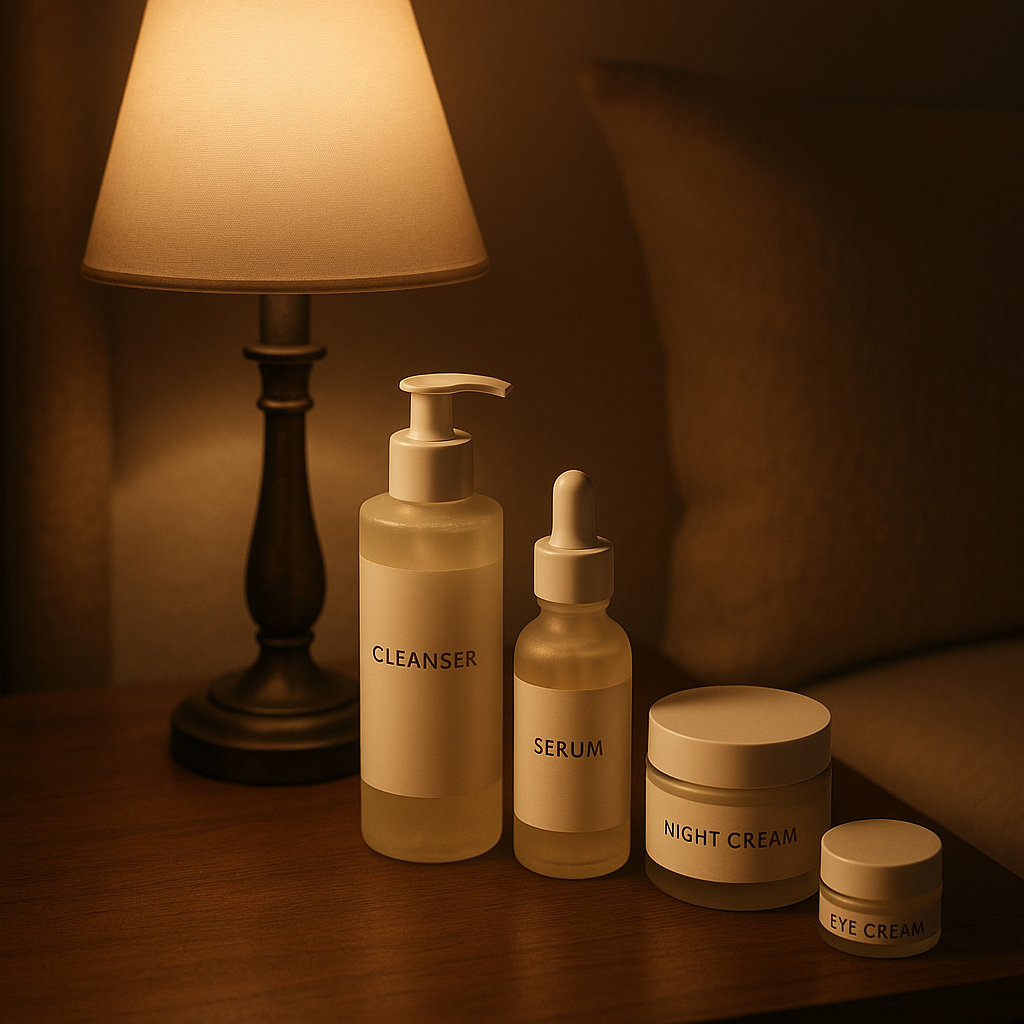
Your evening skincare routine is when the real repair and rejuvenation happen. Begin by thoroughly cleansing your face to remove makeup, sunscreen, dirt, and impurities accumulated throughout the day. Use a cleanser appropriate for your skin type—whether it’s a foaming cleanser, cleansing milk, micellar water, or cleansing balm. Double cleansing (using an oil-based cleanser followed by a water-based one) is highly effective for ensuring all traces of makeup and sunscreen are removed.
Once your skin is clean, apply a treatment serum or toner. Ingredients like retinol, glycolic acid, niacinamide, or peptides are excellent choices for nighttime use. Retinol, in particular, is a gold standard for anti-aging, as it promotes cell turnover, stimulates collagen production, and helps reduce the appearance of fine lines and hyperpigmentation. If you’re new to retinol, start slowly to allow your skin to adjust.
Next, apply a richer night cream or facial oil. Nighttime moisturizers are typically more emollient and packed with nourishing ingredients that support skin repair while you sleep. Look for products with shea butter, squalane, or plant oils that deeply hydrate and restore the skin barrier.
Don’t forget the delicate skin around your eyes. Use a dedicated eye cream every night to address concerns like dark circles, puffiness, crow’s feet, and loss of firmness. Eye creams are formulated to be gentle yet effective, with ingredients like caffeine, peptides, and vitamin K.
Weekly Skincare Treatments for Mature Skin
In addition to your daily routine, incorporating weekly treatments can significantly enhance your skin’s appearance and health. These treatments help remove dead skin cells, boost circulation, deliver concentrated nutrients, and provide a spa-like experience at home.
Exfoliation
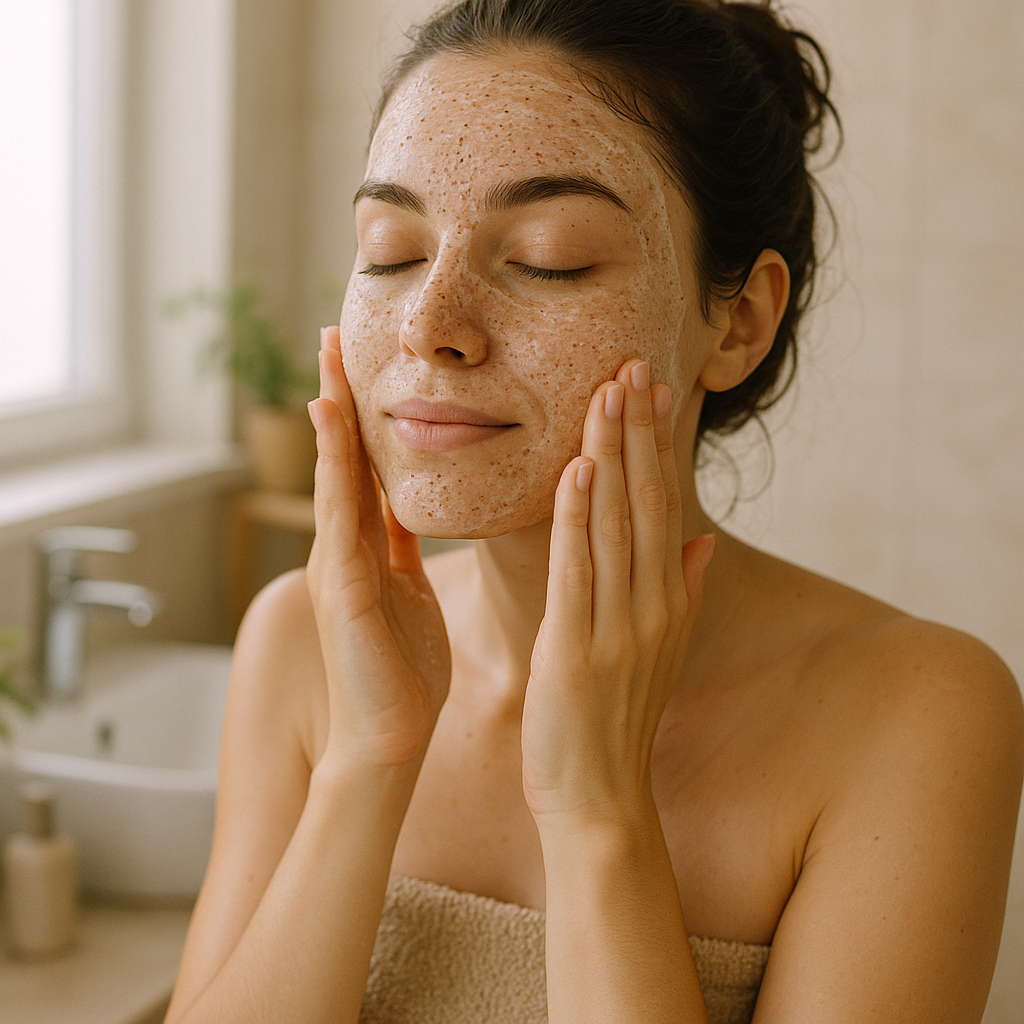
Exfoliating once or twice a week is essential for maintaining a smooth, radiant complexion. As cell turnover slows with age, dead skin cells can accumulate on the surface, leading to dullness, rough texture, and clogged pores. Exfoliation helps to slough away these cells, revealing fresher, brighter skin underneath and improving the absorption of serums and moisturizers.
Choose between physical exfoliants (scrubs with fine granules) or chemical exfoliants (products containing alpha hydroxy acids like glycolic acid or beta hydroxy acids like salicylic acid). Chemical exfoliants are often gentler and more effective for mature skin. If you have oily or combination skin, you may exfoliate twice a week; if your skin is dry or sensitive, once a week is sufficient.
Face Masks
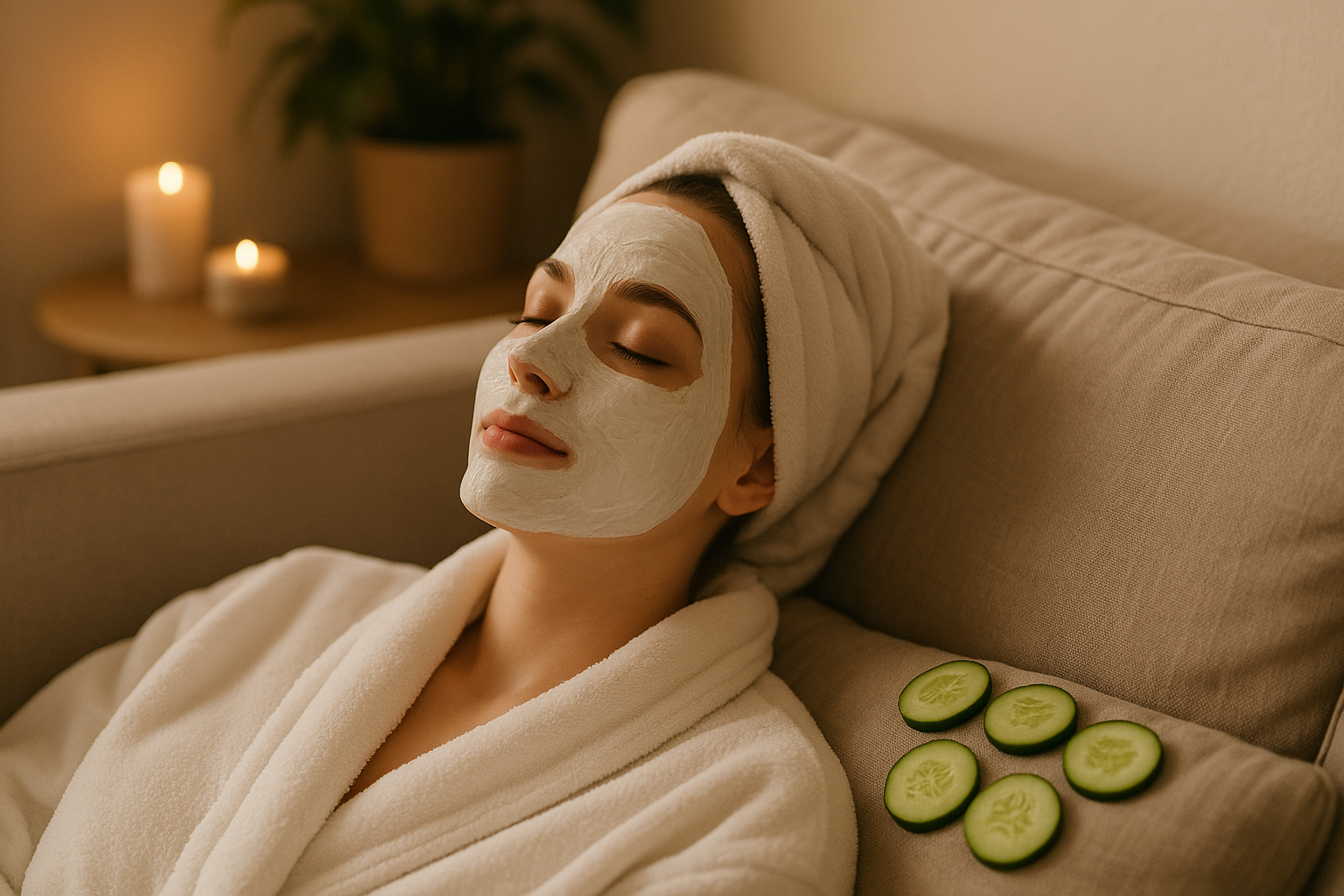
Face masks are a powerful addition to your weekly routine. They deliver concentrated doses of active ingredients and can address specific concerns like dehydration, dullness, or loss of firmness. Hydrating masks with ingredients like hyaluronic acid or aloe vera are ideal for plumping and soothing the skin. Lifting and firming masks often contain clay, collagen, or peptides to tighten and rejuvenate. Revitalizing masks with vitamin C or niacinamide can brighten and even out skin tone.
Apply your chosen mask once or twice a week, following the product’s instructions. Many masks work best on clean, exfoliated skin, so consider using them after your weekly exfoliation session for maximum benefit.
Lifestyle Habits That Support Healthy Skin After 40
Skincare products are important, but they work best when combined with healthy lifestyle choices. What you put into your body and how you treat it daily has a direct impact on the health and appearance of your skin.
Quit Smoking
If you smoke, quitting is one of the most impactful things you can do for your skin—and your overall health. Smoking accelerates skin aging by restricting blood flow, depleting oxygen and nutrients, and breaking down collagen and elastin. It also causes deep lines around the mouth and contributes to a dull, uneven complexion. The benefits of quitting begin almost immediately and continue to improve over time.
Stay Hydrated
Drinking plenty of water throughout the day is essential for maintaining skin hydration from the inside out. Water helps flush out toxins, supports cell function, and keeps your skin plump and supple. Aim for at least 8 glasses of water daily, and adjust based on your activity level and climate.
Eat a Balanced Diet
A nutrient-rich diet plays a vital role in skin health. Focus on consuming plenty of fresh fruits and vegetables, which are packed with vitamins, minerals, and antioxidants that protect against free radical damage and support collagen production. Foods rich in omega-3 fatty acids (like salmon, walnuts, and flaxseeds), vitamin C (citrus fruits, berries, leafy greens), and vitamin E (nuts, seeds, avocados) are particularly beneficial for skin.
Get Enough Sleep
Sleep is when your body repairs and regenerates, including your skin. Aim for 7 to 9 hours of quality sleep each night. During deep sleep, growth hormones peak, aiding in cell repair and collagen production. Lack of sleep can lead to dullness, dark circles, and accelerated aging.
Manage Stress
Chronic stress can wreak havoc on your skin, triggering inflammation, breakouts, and accelerating aging. Practice stress management techniques like meditation, yoga, deep breathing, or engaging in hobbies you enjoy. Taking care of your mental health is just as important as your skincare routine.

Final Thoughts
Taking care of your skin after 40 is about embracing a holistic approach that combines the right products, consistent routines, and healthy lifestyle choices. While aging is a natural and beautiful process, there’s no reason you can’t look and feel your best at every stage of life. By understanding your skin’s changing needs and adapting your care accordingly, you can maintain a radiant, healthy complexion for years to come.
Remember, consistency is key. It may take several weeks to see noticeable improvements, so be patient and stay committed to your routine. And always consult with a dermatologist or skincare professional if you have specific concerns or conditions that require personalized advice.