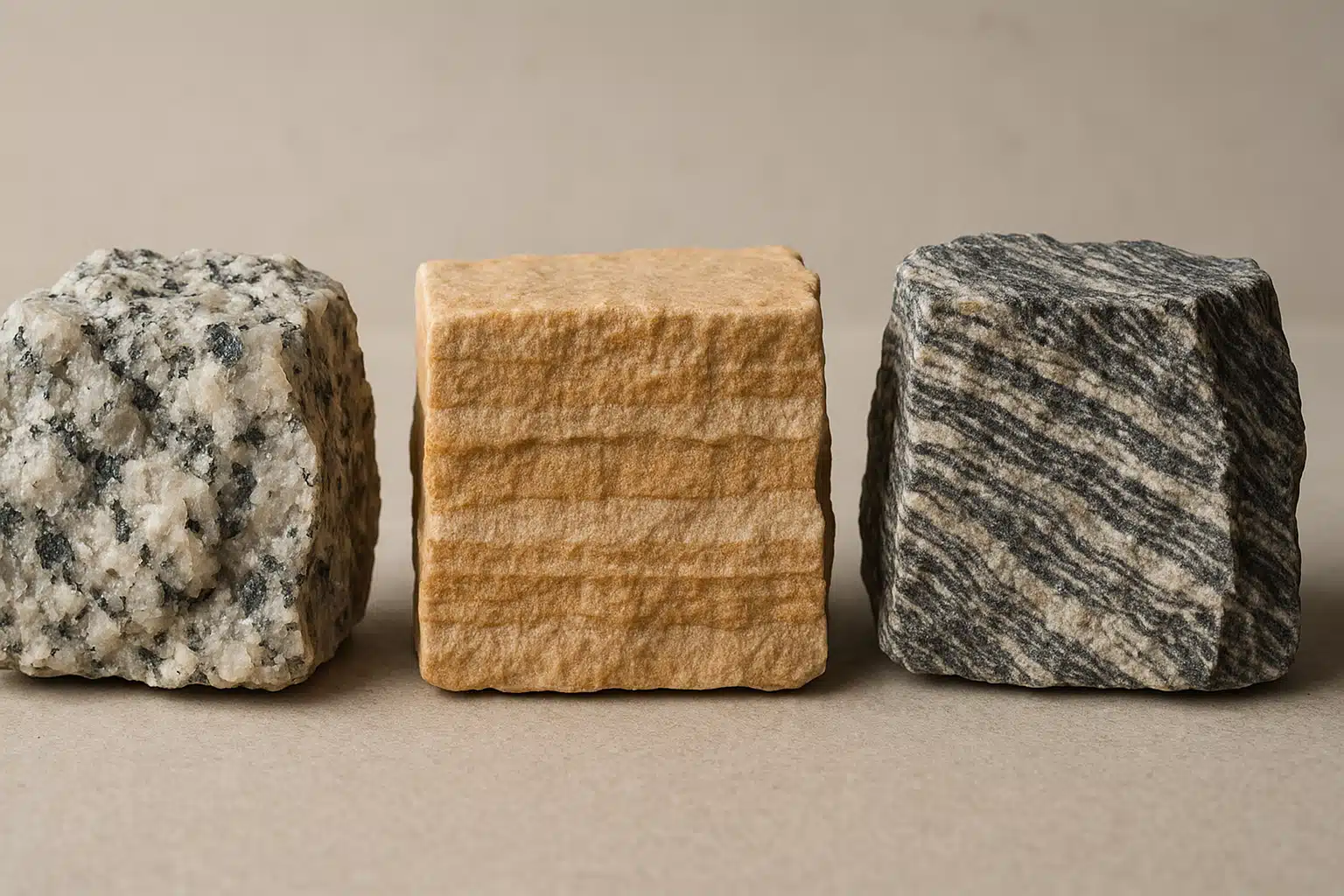
Rocks form the foundation of our planet and play a crucial role in shaping the world we inhabit. From the mountains we climb to the buildings we live in, rocks are integral to both natural landscapes and human civilization. This comprehensive guide explores the three fundamental rock types—igneous, sedimentary, and metamorphic—and explains how they form, transform, and contribute to our daily lives. Whether you’re a student, educator, hobbyist, or simply curious about Earth sciences, understanding these geological foundations will deepen your appreciation of the natural world.
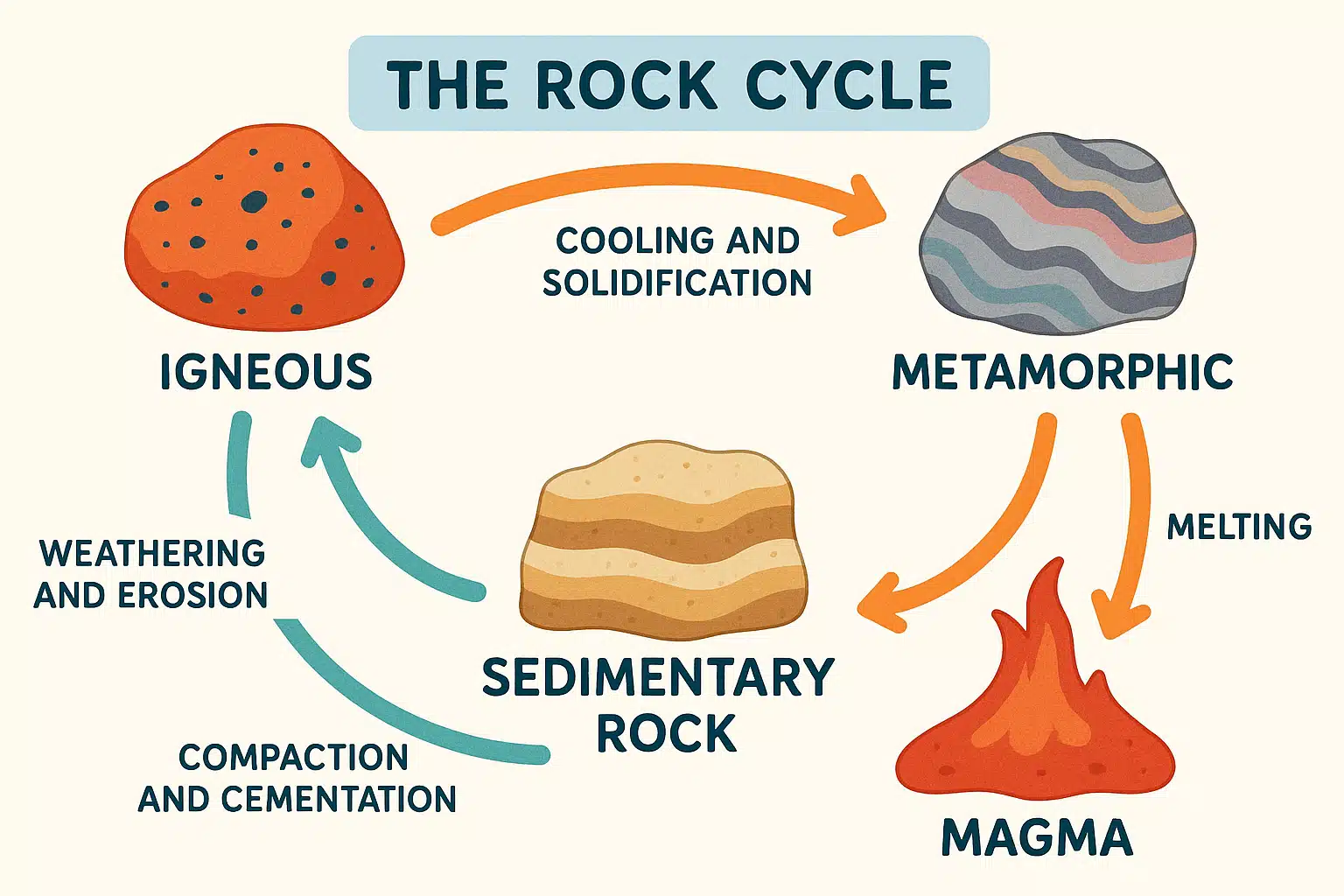
The Rock Cycle: Nature’s Continuous Transformation Process
The rock cycle is one of Earth’s most fundamental processes, demonstrating that rocks are not static objects but dynamic materials constantly changing over geological time. This perpetual cycle involves the creation, destruction, and reformation of rocks through various natural processes including volcanic activity, weathering, erosion, heat, and pressure.
Understanding the rock cycle helps us comprehend how:
- Igneous rocks: Form when molten material (magma or lava) cools and solidifies, creating the initial rock material from Earth’s interior
- Sedimentary rocks: Develop when particles from weathered rocks, organic materials, and minerals accumulate in layers and become compacted over thousands to millions of years
- Metamorphic rocks: Emerge when existing rocks undergo transformation due to intense heat, pressure, or chemical processes without melting completely
This cycle operates on timescales ranging from thousands to millions of years, with rocks constantly moving between these three categories through natural geological processes. No rock type is permanent—what exists as granite today may become sand tomorrow and metamorphic rock millions of years in the future.
Igneous Rocks: Born from Fire and Molten Earth
Igneous rocks derive their name from the Latin word “ignis,” meaning fire—a fitting description for rocks formed from molten material. These rocks represent the original solid material of Earth’s crust and provide direct evidence of volcanic and magmatic processes occurring beneath our feet.
How Igneous Rocks Form
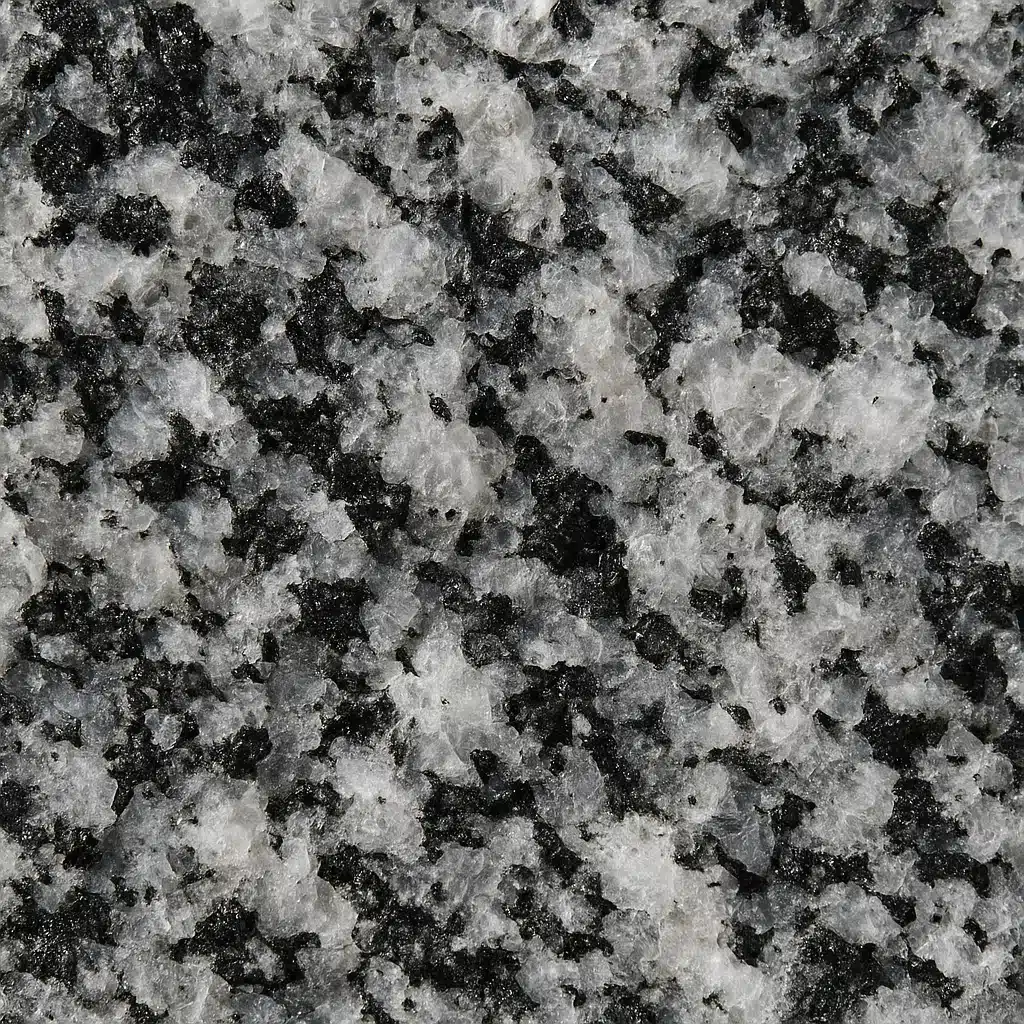
Igneous rocks form through the cooling and solidification of magma or lava. The rate of cooling significantly influences the final characteristics of the rock:
- Intrusive (Plutonic) Igneous Rocks: Form when magma cools slowly deep beneath Earth’s surface, allowing large mineral crystals to develop. Examples include granite, diorite, and gabbro. The slow cooling process—sometimes taking thousands of years—creates visible crystal structures that give these rocks their distinctive appearance.
- Extrusive (Volcanic) Igneous Rocks: Develop when lava erupts onto Earth’s surface and cools rapidly, resulting in fine-grained or glassy textures. Examples include basalt, pumice, and obsidian. Rapid cooling prevents large crystals from forming, creating smoother textures.
Common Igneous Rock Types and Their Uses
Igneous rocks serve numerous practical purposes in modern society:
- Granite: Widely used in construction, countertops, monuments, and decorative features due to its durability, aesthetic appeal, and resistance to weathering
- Basalt: Employed in road construction, railroad ballast, and as aggregate in concrete production
- Pumice: Utilized in personal care products, construction materials, and industrial abrasives due to its lightweight, porous nature
- Obsidian: Historically used for cutting tools and weapons; today valued in jewelry and decorative arts
Sedimentary Rocks: Earth’s Historical Archives
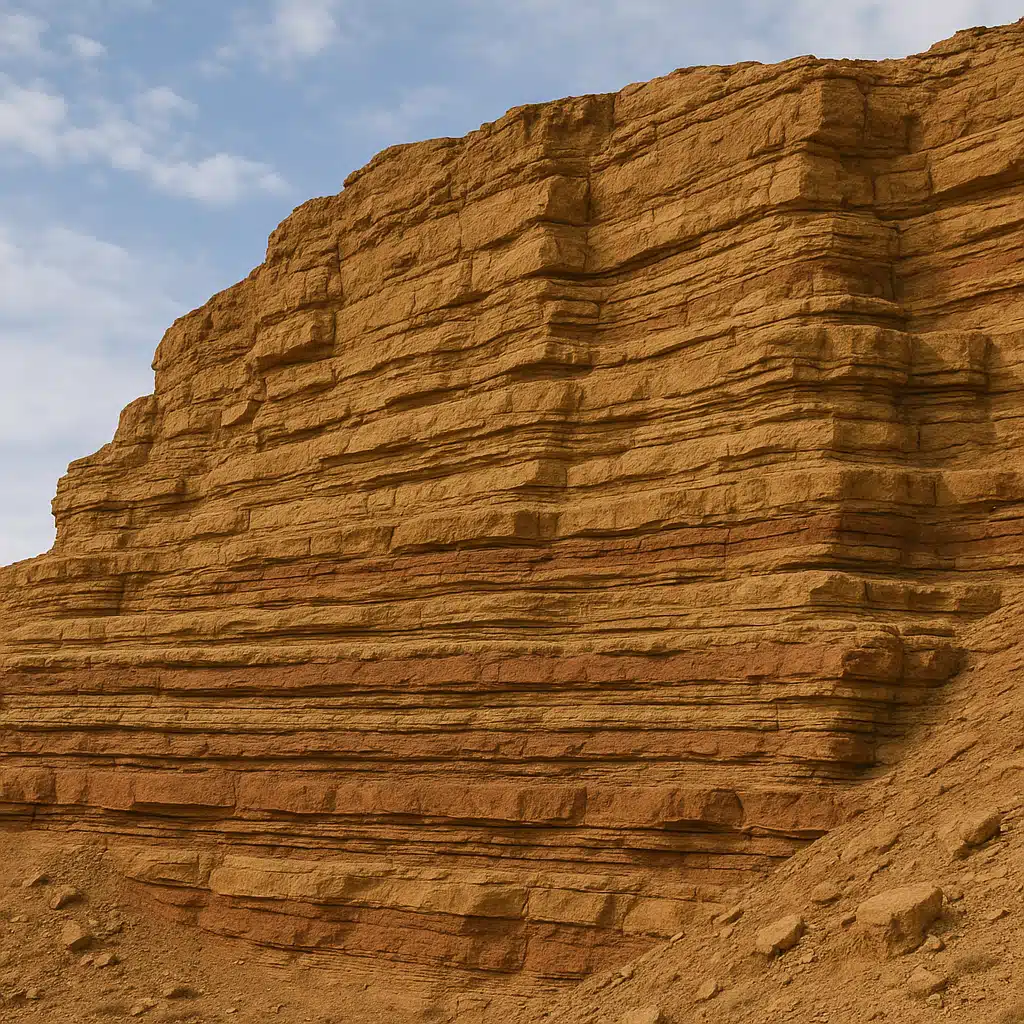
Sedimentary rocks are nature’s storytellers, preserving evidence of past environments, climates, and life forms. Covering approximately 75% of Earth’s land surface, these rocks form through the accumulation and consolidation of sediments—fragments of other rocks, minerals, and organic materials transported by water, wind, or ice.
The Formation Process
Sedimentary rocks form through a multi-stage process that can span millions of years:
- Weathering: Existing rocks break down through physical, chemical, or biological processes
- Erosion and Transport: Water, wind, ice, or gravity move the weathered materials
- Deposition: Sediments settle in layers in environments such as riverbeds, lake bottoms, ocean floors, or desert basins
- Compaction: Overlying sediment layers compress the materials beneath
- Cementation: Minerals precipitate from groundwater, binding sediment particles together into solid rock
Types of Sedimentary Rocks
Sedimentary rocks fall into three main categories:
- Clastic Sedimentary Rocks: Formed from fragments of other rocks. Examples include sandstone (from sand), shale (from clay and silt), and conglomerate (from rounded pebbles and gravel)
- Chemical Sedimentary Rocks: Result from mineral precipitation from water solutions. Examples include rock salt (halite), gypsum, and some types of limestone
- Organic Sedimentary Rocks: Develop from accumulated organic materials. Examples include coal (from plant matter) and certain limestones (from marine organism shells)
Why Sedimentary Rocks Matter
These rocks are invaluable for several reasons:
- Fossil Preservation: Sedimentary rocks contain most of Earth’s fossil record, providing windows into past life and environmental conditions
- Natural Resource Reservoirs: They host significant deposits of fossil fuels (oil, natural gas, coal), groundwater, and various mineral resources
- Construction Materials: Sandstone, limestone, and shale serve as building materials and raw materials for cement production
- Climate Records: Layering patterns and composition reveal information about historical climate patterns and geological events
Metamorphic Rocks: Transformation Through Extreme Conditions
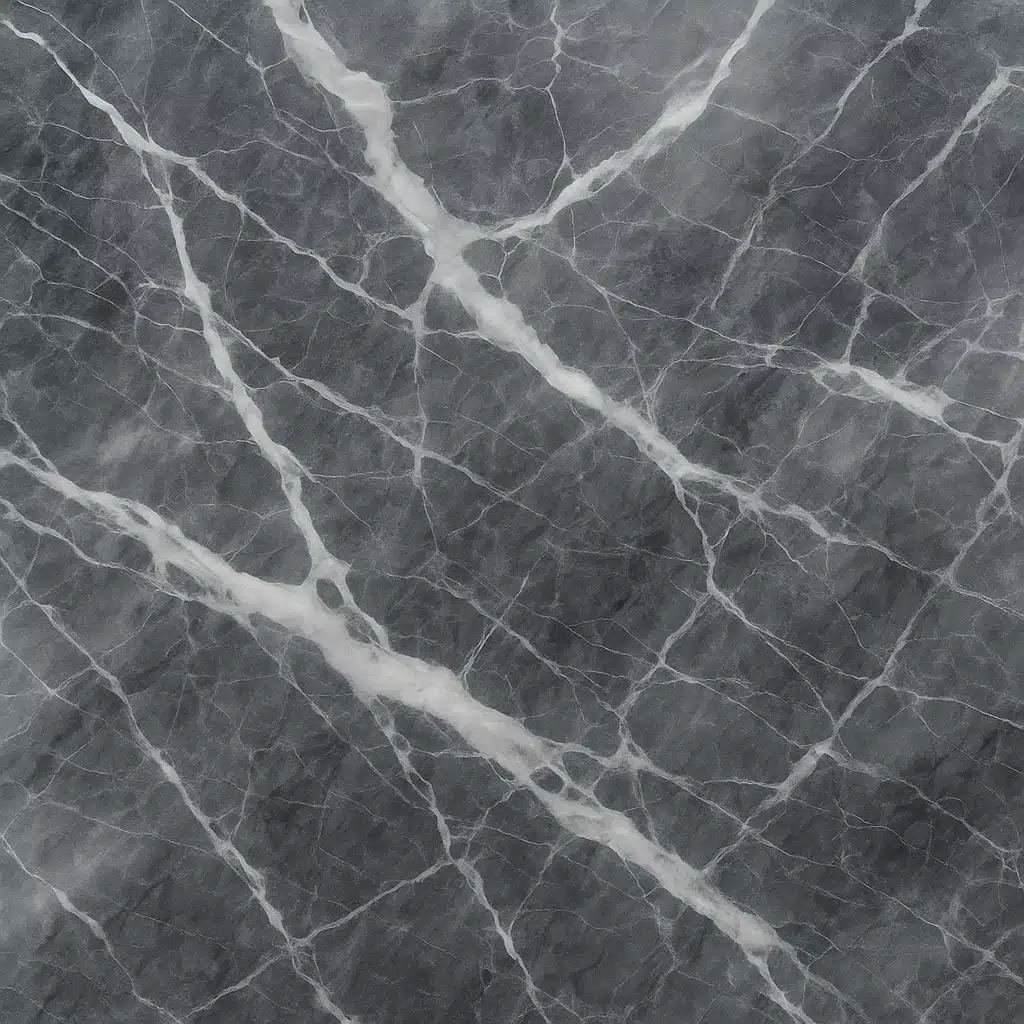
Metamorphic rocks represent transformation at its most dramatic. The term “metamorphic” comes from Greek words meaning “change in form,” perfectly describing how these rocks undergo profound alterations while remaining solid. Heat, pressure, and chemically active fluids reorganize mineral structures and compositions, creating entirely new rock types with distinct properties.
Metamorphic Processes
Metamorphism occurs through several mechanisms:
- Contact Metamorphism: Happens when rocks come into contact with hot magma, causing localized changes. The heat alters the surrounding rock without melting it completely
- Regional Metamorphism: Occurs over large areas due to tectonic plate movements, typically during mountain-building events where rocks experience both high pressure and temperature
- Dynamic Metamorphism: Results from intense pressure along fault zones where rocks are crushed and sheared
- Hydrothermal Metamorphism: Involves chemical changes caused by hot, mineral-rich fluids circulating through rocks
Common Metamorphic Transformations
Understanding parent rocks and their metamorphic products reveals the power of geological forces:
- Shale → Slate → Phyllite → Schist → Gneiss: This progressive sequence shows increasing metamorphic intensity, with each stage exhibiting different textures and mineral alignments
- Limestone → Marble: Heat and pressure recrystallize calcite in limestone, creating the interlocking crystal structure that makes marble valuable for sculpture and architecture
- Sandstone → Quartzite: Quartz grains fuse together under heat and pressure, creating an extremely hard, durable rock
- Granite → Gneiss: Existing igneous rocks can undergo metamorphism, developing distinctive banding patterns
Applications and Value
Metamorphic rocks offer unique properties that make them valuable:
- Marble: Prized for sculptures, decorative elements, flooring, and countertops due to its workability and aesthetic qualities
- Slate: Used for roofing tiles, flooring, billiard tables, and chalkboards because it splits easily into flat sheets
- Quartzite: Employed in construction and as decorative stone due to its exceptional hardness and durability
- Schist: Sometimes used as decorative stone and in understanding tectonic processes
Practical Applications: How Rocks Shape Modern Life
Understanding rock types extends far beyond academic interest—rocks are fundamental to modern civilization and numerous industries:
Construction and Architecture
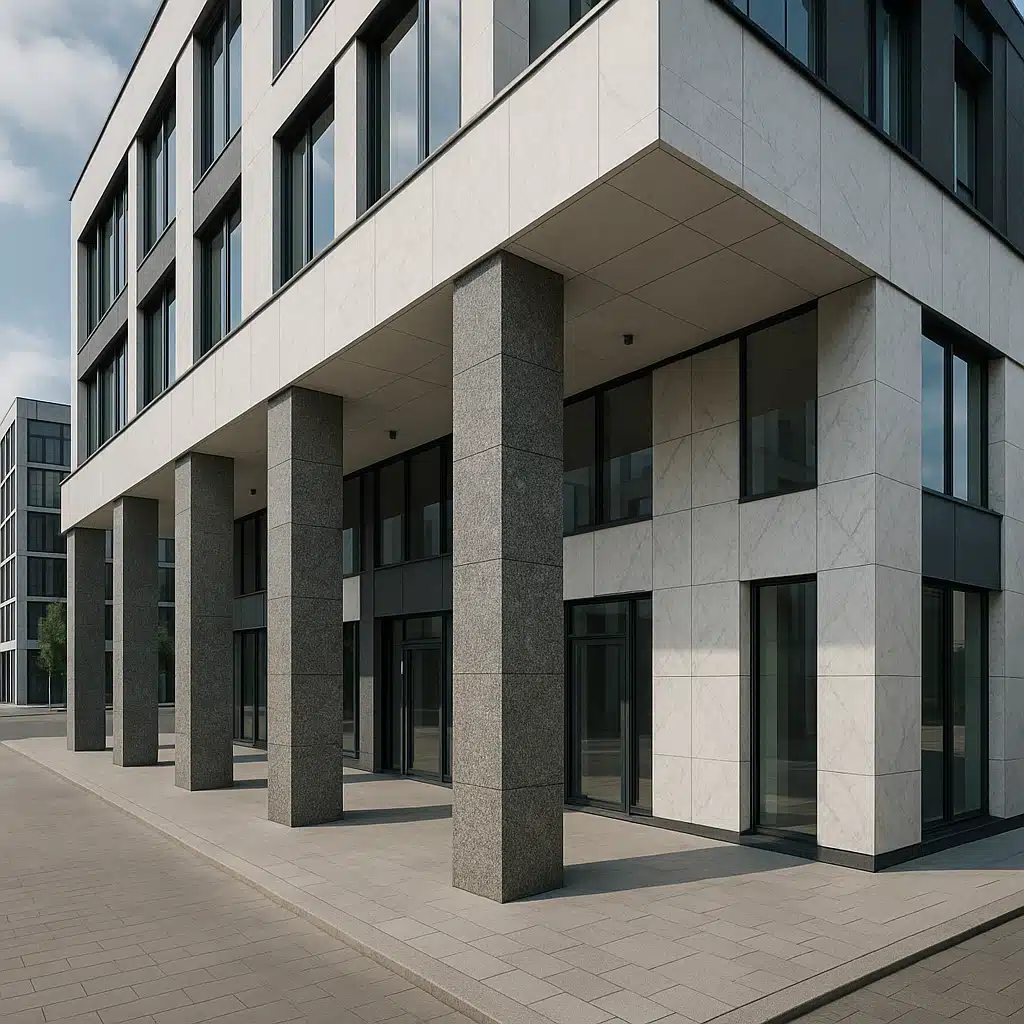
Rocks serve as primary building materials worldwide:
- Granite and marble provide durable, attractive materials for buildings, monuments, and interior design
- Limestone serves as the base for cement and concrete production
- Slate offers weather-resistant roofing solutions
- Sandstone and other sedimentary rocks create aesthetically pleasing facades and structural elements
Energy and Natural Resources
Sedimentary rocks particularly contain vital energy resources:
- Oil and natural gas accumulate in porous sedimentary rocks like sandstone and limestone
- Coal deposits represent accumulated organic material transformed over millions of years
- Uranium ores often occur in sedimentary formations
- Geothermal energy systems utilize heat from rocks deep underground
Environmental and Scientific Applications
Rock knowledge contributes to environmental management and scientific advancement:
- Understanding rock formations aids in groundwater management and aquifer protection
- Geological mapping helps predict natural hazards like landslides and earthquakes
- Rock analysis provides climate change data spanning millions of years
- Mineral extraction depends on understanding rock types and formations
Debunking Common Misconceptions About Rocks
Several misconceptions about rocks persist in popular understanding. Clarifying these helps develop accurate geological knowledge:
Misconception 1: All Rocks Are Essentially the Same
Reality: Rocks exhibit enormous diversity in composition, formation processes, physical properties, and ages. Each rock type has distinctive characteristics resulting from specific geological conditions. A piece of basalt differs fundamentally from limestone in origin, mineral content, texture, and behavior under various conditions.
Misconception 2: Rocks Are Permanent and Unchanging
Reality: Rocks continuously change through the rock cycle, though typically over geological timescales imperceptible to humans. Today’s granite may weather into sediment, compact into sedimentary rock, and eventually transform into metamorphic rock through tectonic processes. Nothing in geology is truly permanent.
Misconception 3: Rocks Form Quickly
Reality: While some igneous rocks can form relatively rapidly (days to years for volcanic rocks), most rock formation processes require thousands to millions of years. Sedimentary rocks need extended periods for sediment accumulation and lithification, while metamorphic transformations occur deep underground over immense timescales.
Misconception 4: You Can Always Identify Rocks by Appearance Alone
Reality: While visual characteristics help, accurate rock identification often requires testing hardness, observing crystal structure with magnification, conducting acid tests, or analyzing mineral composition. Some rocks appear similar despite different origins and compositions.
Getting Started with Rock Collection and Identification
Developing practical skills in recognizing and understanding rocks enriches appreciation of the natural world. Whether pursuing geology as a hobby or educational interest, these foundational steps help build knowledge:
Essential Tools and Resources
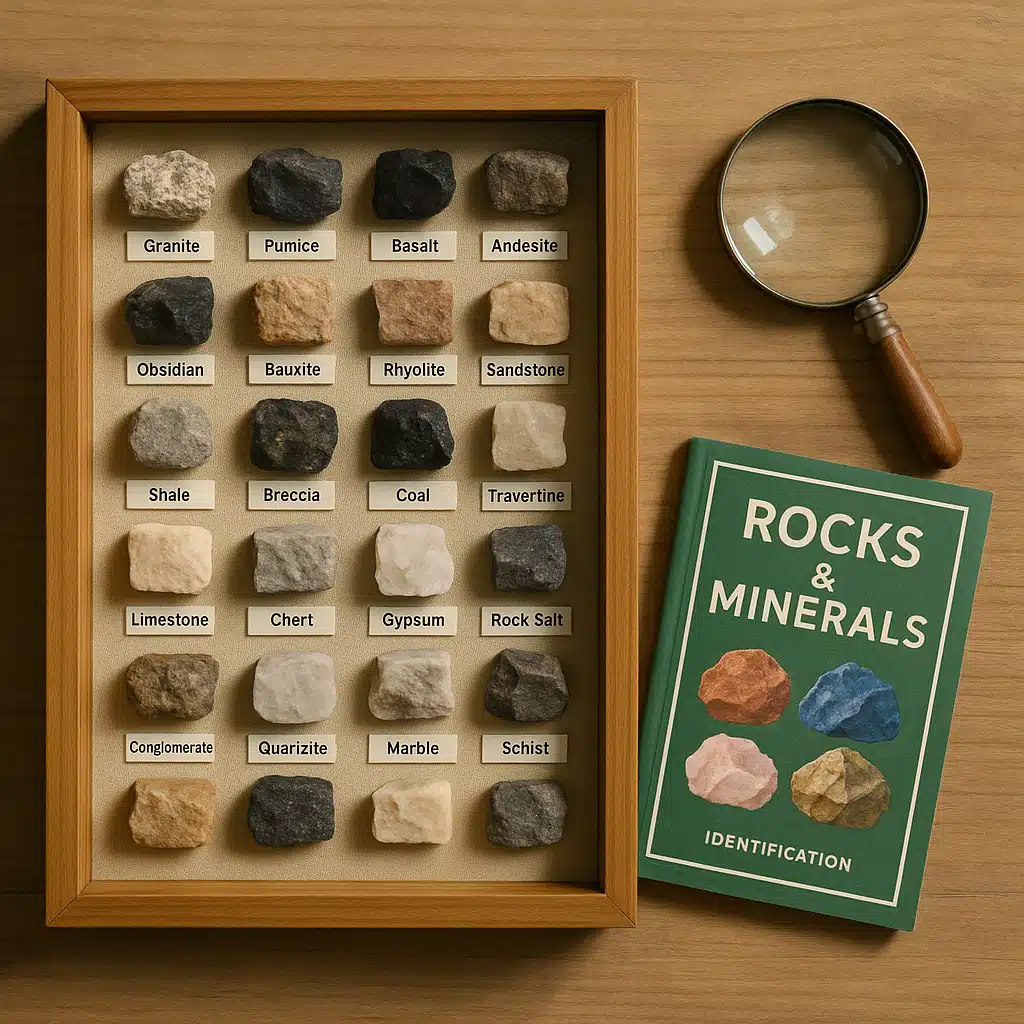
- Field Guides: Comprehensive identification guides with photographs and descriptions
- Hand Lens: 10x magnification for examining crystal structure and texture
- Rock Hammer: For carefully collecting samples (where permitted)
- Field Notebook: Recording location, observations, and classifications
- Storage Solutions: Labeled containers or display cases for organizing collections
- Testing Kits: Tools for hardness tests, streak tests, and acid reactions
Identification Steps
Follow this systematic approach to identify unknown rocks:
- Observe texture: Is it coarse or fine-grained? Are crystals visible? Is it glassy, foliated, or layered?
- Assess color and composition: What colors are present? Can you identify individual minerals?
- Test hardness: Use the Mohs scale to determine scratch resistance
- Look for distinctive features: Fossils suggest sedimentary rocks; banding indicates metamorphic rocks; crystal patterns point to igneous origins
- Consider context: Where was the specimen found? Geographic location provides clues about formation
- Consult references: Compare observations with field guides and identification charts
The Environmental Importance of Understanding Rocks
Beyond practical applications, understanding rocks contributes to environmental stewardship and conservation efforts:
- Soil Formation: Rocks weather into soil, providing the foundation for terrestrial ecosystems and agriculture
- Water Quality: Rock types influence groundwater chemistry and availability
- Carbon Cycle: Sedimentary rocks play roles in long-term carbon storage, relevant to climate considerations
- Habitat Creation: Different rock types create diverse habitats for specialized plants and animals
- Erosion Patterns: Understanding rock durability helps predict and manage erosion
This knowledge informs responsible land management, resource extraction, construction planning, and conservation strategies worldwide.
Conclusion: Appreciating Earth’s Solid Foundation
The three main rock types—igneous, sedimentary, and metamorphic—represent fundamental categories in understanding our planet’s geology. Each type forms through distinct processes, exhibits unique characteristics, and serves specific purposes in both natural systems and human applications. The rock cycle demonstrates that these categories are not isolated but interconnected through continuous transformation processes operating over geological time.
Whether you encounter granite countertops in your home, limestone buildings in your community, or marble sculptures in museums, you’re experiencing the practical legacy of geological processes spanning millions of years. Understanding these rocks enhances appreciation for Earth’s dynamic nature and the deep time scales over which our planet operates.
From supporting construction projects to preserving fossil records, from storing vital resources to shaping landscapes, rocks form the literal foundation of our world. By understanding their origins, transformations, and characteristics, we gain insight into Earth’s past, present, and future—knowledge that proves increasingly valuable as we navigate environmental challenges and resource management in the modern era.