Understanding Marinated Goat Cheese Balls
Marinated goat cheese balls represent one of the most elegant and thoughtful homemade gifts you can create. These delightful spheres of creamy, tangy cheese are preserved in aromatic herb-infused oil, creating a gourmet experience that’s surprisingly simple to make at home. Whether you’re looking for a unique gift for food enthusiasts, planning an impressive appetizer for gatherings, or simply wanting to elevate your own culinary repertoire, marinated goat cheese balls offer a perfect solution that combines visual appeal, exceptional flavor, and practical longevity.
The beauty of this preparation lies in its versatility and accessibility. Unlike many homemade gifts that require specialized equipment or advanced cooking skills, marinated goat cheese balls can be crafted by anyone with access to quality ingredients and a few hours of time. The result is a product that rivals anything found in specialty food shops, yet carries the personal touch that makes edible gifts so memorable.
The Science and Benefits of Marinating Goat Cheese
Marinating goat cheese isn’t just about creating something delicious—it’s a time-honored preservation technique that offers multiple benefits for both flavor and food safety.
Flavor Development and Enhancement
When goat cheese is submerged in herb-infused oil, a gradual flavor exchange occurs. The cheese’s natural tangy, slightly acidic profile becomes complemented and enhanced by the aromatics in the oil. Fresh herbs release their essential oils into the surrounding medium, while garlic, peppercorns, and other aromatics contribute their distinctive notes. Over time, these flavors penetrate the surface of the cheese, creating layers of taste that develop with each passing day.
The fat in the olive oil also plays a crucial role in flavor perception. Since many flavor compounds are fat-soluble, the oil acts as a carrier, distributing aromatic molecules evenly and intensifying the overall taste experience. This is why marinated goat cheese tastes so much more complex and satisfying than plain cheese served with a simple drizzle of oil.
Preservation and Extended Shelf Life
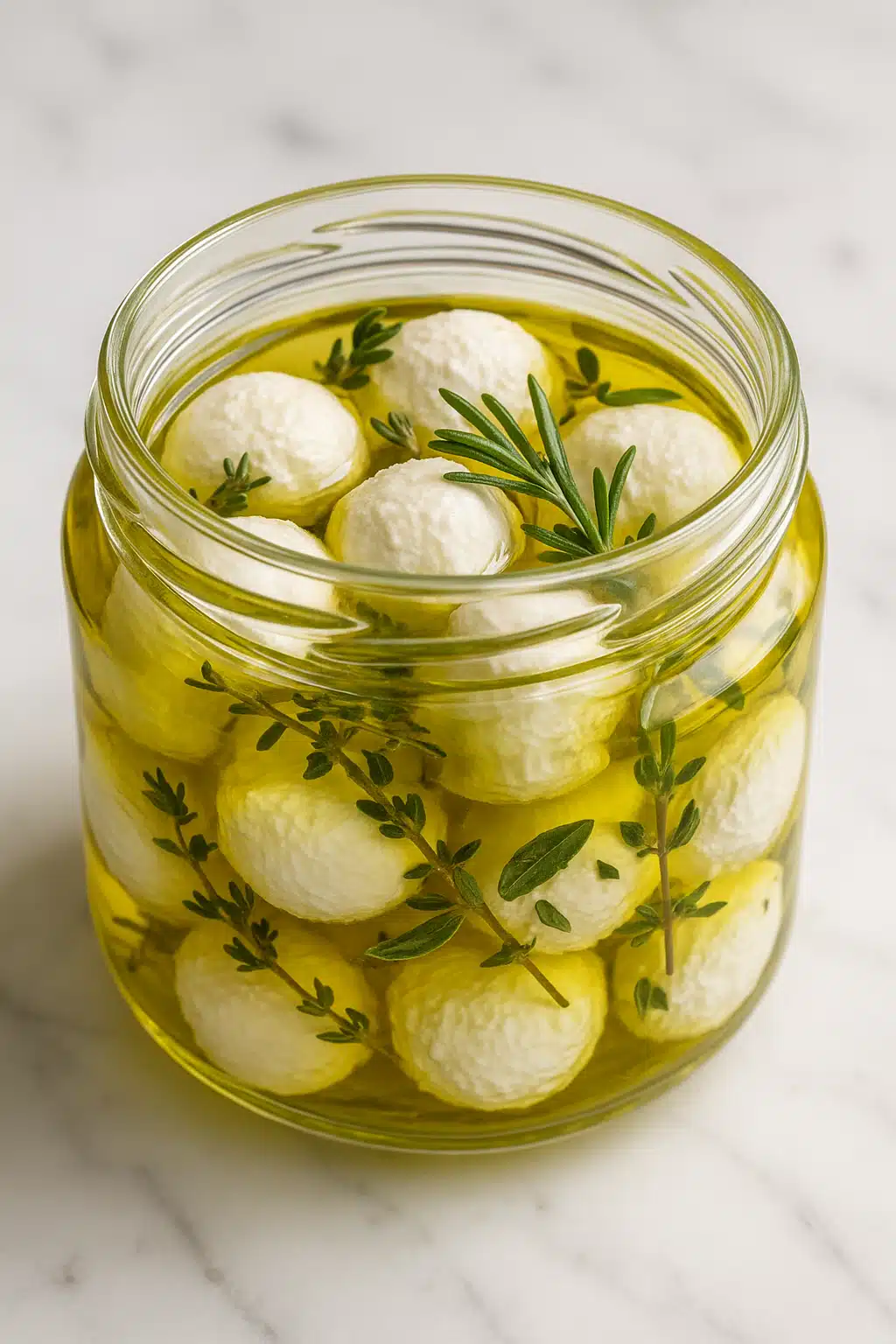
The oil creates an anaerobic environment that significantly extends the cheese’s freshness. By limiting exposure to air, the marinade prevents oxidation and inhibits the growth of certain spoilage organisms. When properly prepared and stored under refrigeration, marinated goat cheese balls can maintain their quality for two to three weeks, and sometimes longer—far exceeding the typical shelf life of fresh goat cheese.
This preservation quality makes marinated goat cheese balls particularly valuable as gifts. Unlike fresh cheese that must be consumed within days, these marinated versions give recipients flexibility in when and how they enjoy their gift, reducing pressure and waste.
Customization and Creative Expression
Perhaps the most exciting aspect of marinated goat cheese is the endless possibility for customization. Unlike many recipes that require precise measurements and techniques, this preparation invites experimentation. You can create Mediterranean-inspired versions with oregano and sun-dried tomatoes, French-style variations with herbes de Provence, or even adventurous combinations featuring citrus zest, honey, or exotic spices.
This flexibility allows you to tailor each batch to the recipient’s preferences or the occasion, making your gift truly personal and thoughtful.
Essential Ingredients and Quality Considerations
The simplicity of marinated goat cheese balls means that ingredient quality directly impacts the final result. Since you’re working with just a handful of components, each one plays a starring role.
Selecting the Right Goat Cheese
Fresh goat cheese, often labeled as chèvre, forms the foundation of this recipe. Look for soft, fresh varieties that are smooth and creamy in texture—avoid aged or crumbly goat cheeses, as they won’t hold their shape when formed into balls. The cheese should have a clean, tangy flavor without any off-notes or excessive saltiness.
When shopping, check the production date if available and choose the freshest option. The cheese should be bright white in color and have a pleasant, mild goat-milk aroma. If you have access to artisan cheese makers or specialty food stores, you’ll often find superior products compared to mass-market options, though supermarket varieties work perfectly well for most applications.
Choosing Your Oil
Extra virgin olive oil is the traditional choice and for good reason. Its fruity, slightly peppery flavor complements goat cheese beautifully while providing the healthy fats and antioxidants that olive oil is known for. Select a high-quality extra virgin olive oil with a flavor profile you enjoy, as its taste will be prominent in the final product.
Some creators prefer using milder oils for a more neutral base that allows herbs and cheese to shine. Light olive oil, avocado oil, or grapeseed oil are excellent alternatives if you want the marinade’s other flavors to take center stage. You can also blend oils to achieve a custom flavor profile.
Fresh Herbs and Aromatics
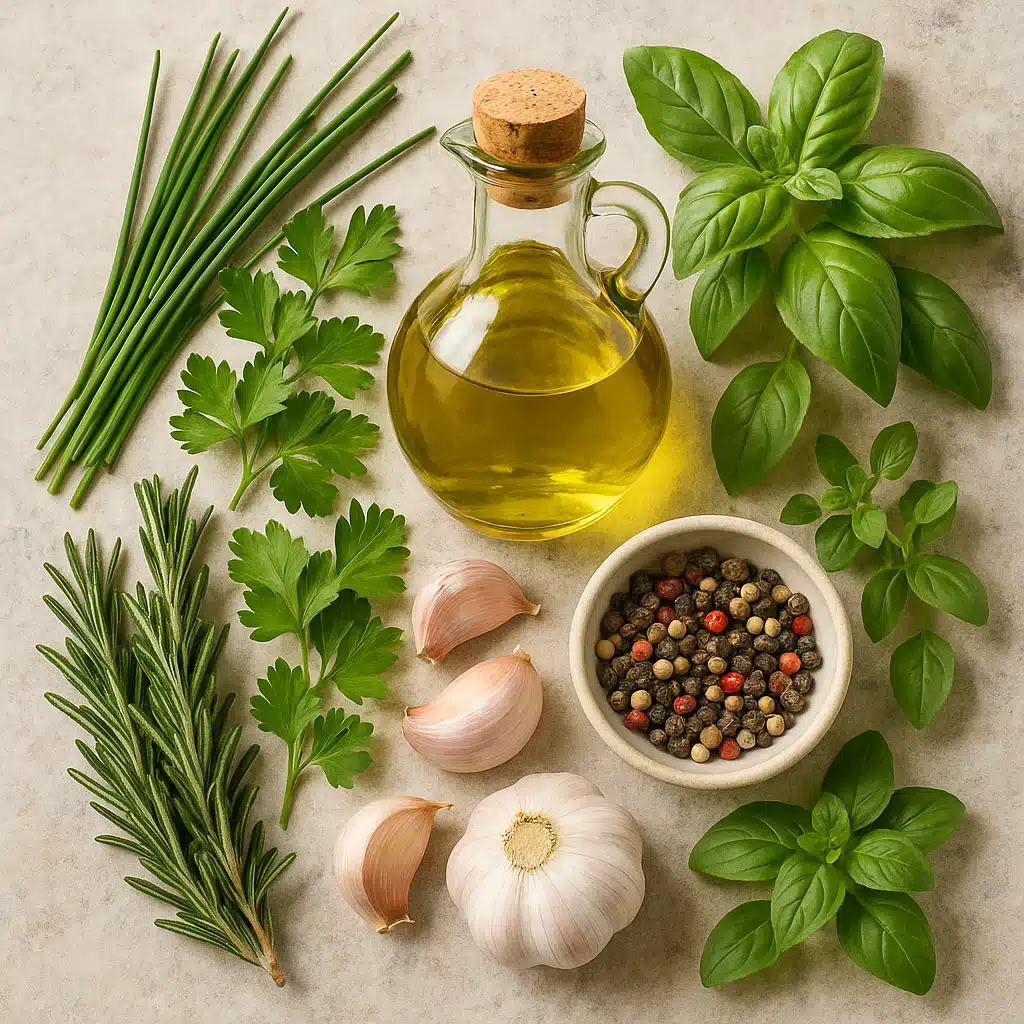
Fresh herbs are non-negotiable for achieving the best results. While dried herbs have their place in cooking, fresh varieties provide the vibrant flavor and visual appeal that make marinated goat cheese special. Rosemary, thyme, basil, oregano, and marjoram are all excellent choices, either used individually or in combination.
Beyond herbs, consider adding thinly sliced garlic cloves, whole peppercorns, red pepper flakes, lemon zest, or bay leaves. Each addition contributes its own character to the marinade, creating complexity and depth. The aromatics also add visual interest, turning your jar into an attractive gift even before it’s opened.
Step-by-Step Preparation Guide
Creating marinated goat cheese balls is a straightforward process, but attention to detail ensures the best results. Follow these comprehensive steps for success.
Preparation and Setup
Begin by ensuring all your equipment and containers are thoroughly clean. Sterilizing your jars isn’t strictly necessary if you’re refrigerating the cheese, but clean containers prevent contamination and extend shelf life. Wash jars in hot, soapy water and dry completely, or run them through a dishwasher cycle.
Remove the goat cheese from refrigeration about 15-20 minutes before working with it. Slightly softened cheese is easier to shape and less likely to crack when rolled. If your cheese is very cold and firm, it may crumble rather than form smooth balls.
Forming the Cheese Balls
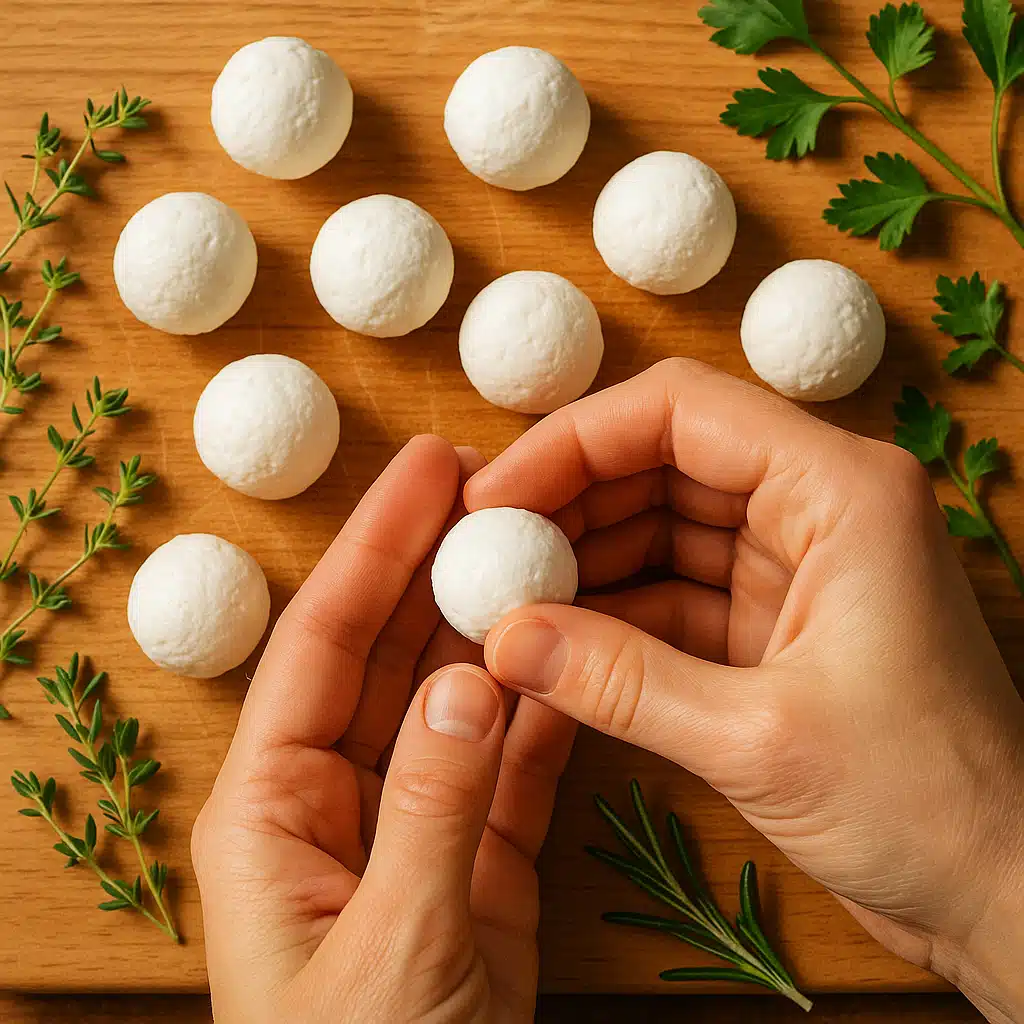
Scoop approximately one tablespoon of goat cheese and roll it between your palms to form a ball about 2.5 centimeters (one inch) in diameter. The warmth of your hands will help smooth the surface. If the cheese sticks to your hands, lightly dampen your palms with cold water or a tiny amount of oil.
Place completed balls on a plate or tray lined with parchment paper, spacing them so they don’t touch. Continue until you’ve used all the cheese. For a standard portion, expect to create 12-16 balls from a typical cheese log. Once formed, you can refrigerate the balls briefly to firm them up before adding to the marinade, though this step is optional.
Creating the Marinade
In a bowl, combine your olive oil with the herbs and aromatics you’ve chosen. If using garlic, slice it thinly rather than crushing it—whole or sliced garlic releases flavor more gradually than crushed, preventing the marinade from becoming overwhelmingly garlicky over time. Strip the leaves from woody herbs like rosemary and thyme, or leave small sprigs intact for visual appeal.
Add any additional flavorings like peppercorns, red pepper flakes, lemon zest, or bay leaves. Stir gently to distribute everything evenly. If desired, you can warm the oil very gently with the herbs to help release their essential oils more quickly, but allow it to cool completely before adding the cheese.
Assembling and Storing
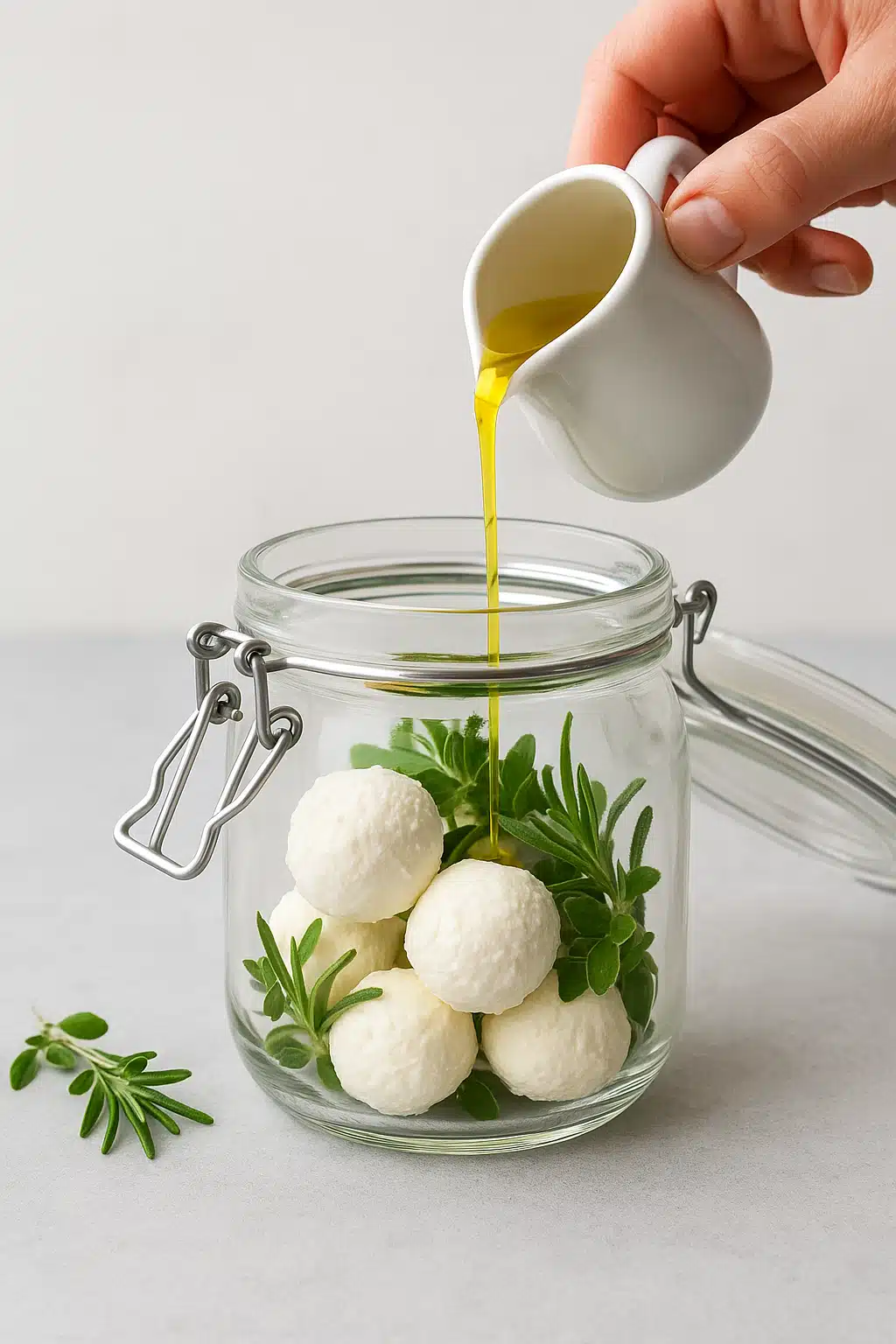
Carefully transfer the cheese balls to your clean jar, arranging them gently to avoid crushing or deforming them. As you layer the balls, tuck herbs and aromatics between and around them for even flavor distribution and attractive presentation.
Once all the cheese is in the jar, pour the herb-infused oil over the top, ensuring the cheese balls are completely submerged. If any cheese remains exposed above the oil line, it may develop mold or dry out. Use a clean spoon or chopstick to release any trapped air bubbles and help the oil settle around the cheese.
Seal the jar tightly and refrigerate immediately. The cheese should marinate for at least 24 hours before serving, but the flavor continues to develop and improve over three to five days. For gifting, preparing the cheese three to four days in advance allows flavors to fully meld while still leaving the recipient plenty of time to enjoy the product at its peak.
Creative Marinade Variations
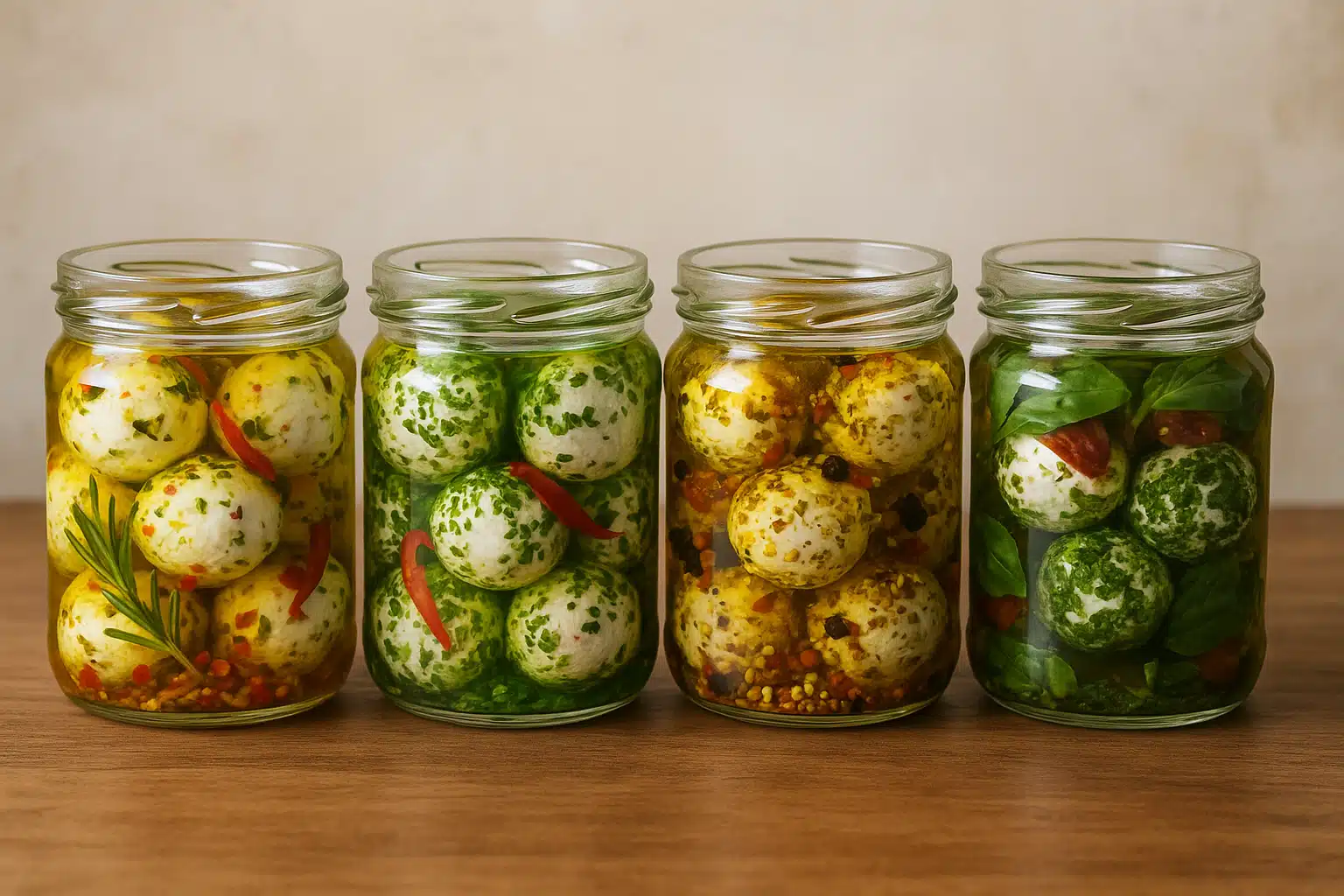
One of the most enjoyable aspects of making marinated goat cheese is experimenting with different flavor profiles. Here are several tested combinations that work beautifully:
Mediterranean Blend
Combine olive oil with fresh oregano, basil, sun-dried tomatoes (julienned), Kalamata olives (pitted and halved), and a few strips of lemon zest. This bright, savory combination evokes the flavors of coastal cuisine and pairs wonderfully with crusty bread.
Provençal-Style
Use a mixture of thyme, rosemary, and lavender (use lavender sparingly as it’s potent) with whole black peppercorns and thinly sliced garlic. This aromatic French-inspired version offers a sophisticated, herbaceous character.
Spicy and Bold
For those who enjoy heat, create a marinade with red pepper flakes, fresh chile slices, black peppercorns, and rosemary. The spice develops and intensifies as the cheese marinates, creating a pleasantly warming sensation.
Sweet and Savory
Add a small amount of honey to your oil along with thyme, orange zest, and a few crushed coriander seeds. This unexpected combination creates a complex flavor profile that works especially well with fruit and nut accompaniments.
Asian-Inspired
Though less traditional, an Asian-influenced marinade using neutral oil, thinly sliced ginger, star anise, Sichuan peppercorns, and a touch of sesame oil creates an intriguing fusion that surprises and delights adventurous eaters.
Feel free to combine ideas from multiple profiles or create your own signature blend. Keep notes on your experiments so you can recreate successful combinations and refine those that need adjustment.
Serving and Presentation Ideas
Marinated goat cheese balls shine in various serving contexts, from casual gatherings to elegant entertaining. Presentation enhances the eating experience and showcases your effort.
As Part of a Cheese Board
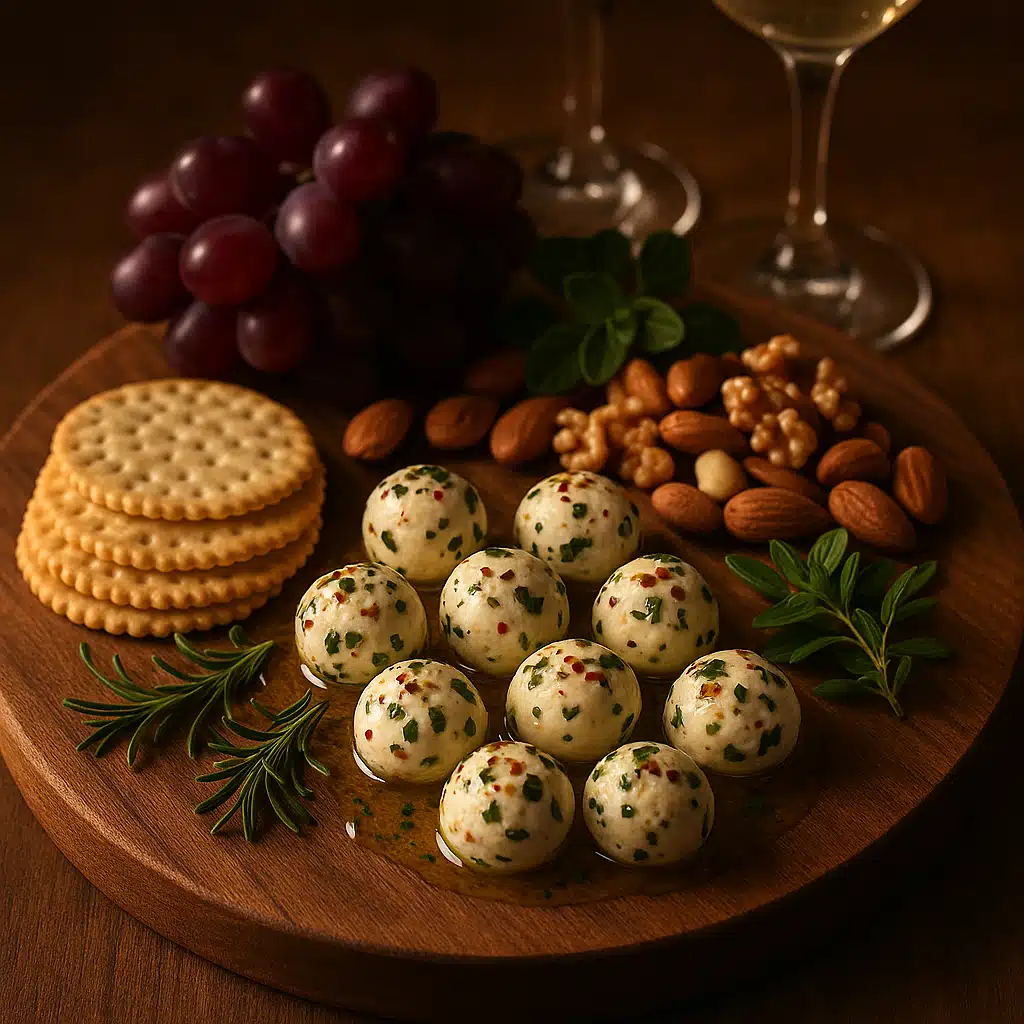
Transfer several cheese balls to a small serving dish, spooning some of the flavored oil and herbs over them. Arrange on a large board or platter alongside complementary items like crackers, sliced baguette, fresh and dried fruits, nuts, olives, cured meats, and honey. The variety of textures, flavors, and colors creates an impressive spread that encourages guests to explore different combinations.
Simple Appetizer Presentation
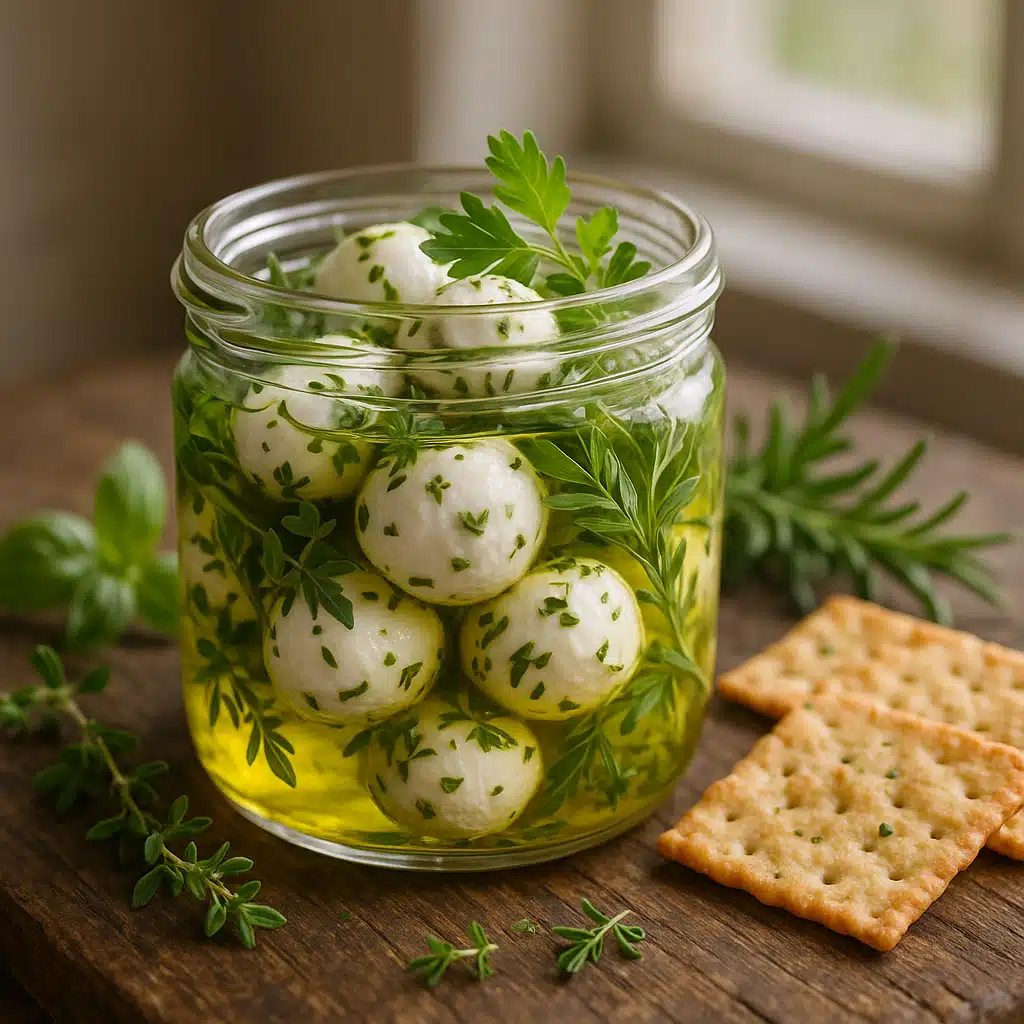
For a more focused presentation, serve the marinated cheese balls in the jar they were prepared in, accompanied by small plates, cocktail forks or toothpicks, and crisp crackers or bread. This rustic, casual approach works well for intimate gatherings and allows the beautiful layering of cheese, herbs, and oil to serve as its own decoration.
Individual Servings
Place one or two cheese balls on small appetizer plates with a drizzle of the marinade oil, a few accompaniments, and a piece of fresh bread. This plated approach works well for dinner parties or more formal events where you want to control portions and presentation.
Creative Uses
Beyond serving as an appetizer, marinated goat cheese balls can be incorporated into salads, pasta dishes, or grain bowls. Break them apart and toss with warm pasta, fresh vegetables, and the marinade oil for a quick, flavorful meal. Or place a cheese ball atop a salad where it will soften slightly and create a creamy dressing when broken apart.
Beverage Pairings
The tangy, herbaceous flavors of marinated goat cheese pair beautifully with crisp white wines, particularly Sauvignon Blanc, unoaked Chardonnay, or dry rosé. Sparkling wines and champagne also complement the cheese’s acidity wonderfully. For non-alcoholic options, consider sparkling water with citrus, herbal teas served cold, or fresh lemonade.
Gifting Your Marinated Goat Cheese
The visual appeal and gourmet nature of marinated goat cheese balls make them exceptional gifts. Proper packaging and presentation elevate your homemade creation to gift-worthy status.
Container Selection
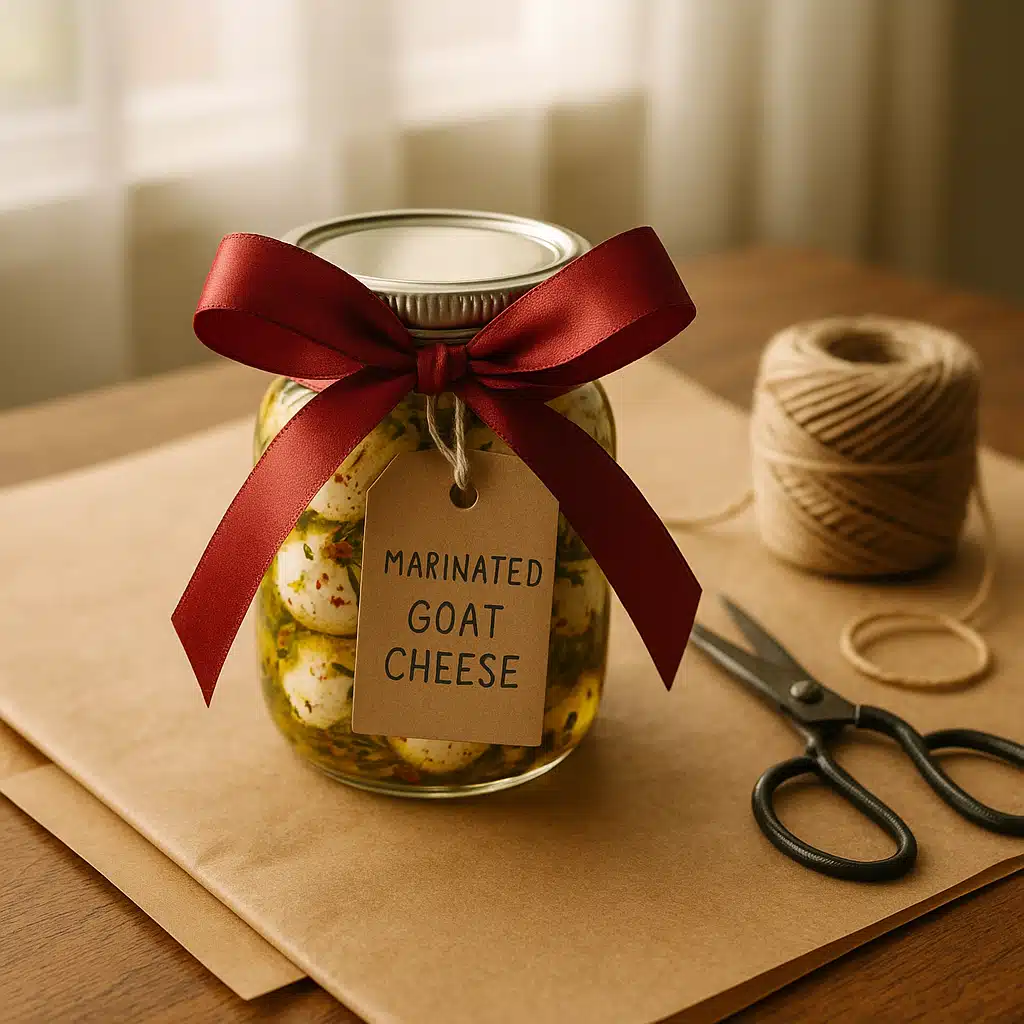
Clear glass jars showcase the beautiful layers of cheese, herbs, and golden oil, turning the contents into the decoration itself. Choose jars with wide mouths for easy removal of the cheese balls, and ensure lids seal tightly to prevent leaks during transport. Jars with decorative embossing or vintage-style closures add charm without additional effort.
Labels and Information
Create or purchase attractive labels that include the product name, the marinade ingredients (important for allergy awareness), the date prepared, and storage instructions. Remind recipients to keep the cheese refrigerated and note the suggested use-by date (typically two to three weeks from preparation). You might also include serving suggestions or pairing ideas.
Additional Touches
Consider packaging the jar with complementary items like a small box of crackers, a cheese knife, or a jar of honey. Tie a ribbon around the lid or place the jar in a small gift bag or box. Including a recipe card with ideas for using the cheese adds a personal, thoughtful element that recipients will appreciate.
Occasions for Gifting
Marinated goat cheese balls make appropriate gifts for numerous occasions: hostess gifts for dinner parties, holiday presents for food lovers, housewarming gifts, thank-you gifts, or additions to gift baskets. They’re particularly appreciated by those who enjoy cooking, entertaining, or gourmet foods but may not take the time to make such items themselves.
Common Mistakes and How to Avoid Them
Even simple recipes can go wrong without proper attention. Here are the most common pitfalls and how to prevent them:
Using Dried Instead of Fresh Herbs
This is perhaps the most significant mistake. Dried herbs lack the vibrant flavor and visual appeal of fresh ones. While dried herbs have their place in cooking, they cannot provide the aromatic complexity that makes marinated goat cheese special. If fresh herbs are truly unavailable, consider postponing your project rather than settling for inferior results.
Insufficient Marinating Time
Impatience is understandable, but serving the cheese too soon means missing out on the flavor development that makes this preparation worthwhile. The minimum marinating time is 24 hours, but 3-5 days produces notably better results. Plan ahead and resist the urge to sample too early.
Incomplete Oil Coverage
Any cheese exposed to air will dry out or potentially develop mold. Always ensure cheese balls are completely submerged, and if you remove some for serving, push the remaining balls back under the oil surface. If needed, add a bit more oil to maintain full coverage.
Working with Too-Cold Cheese
Cheese straight from the refrigerator is difficult to shape and tends to crack. Allow it to soften slightly at room temperature before forming balls. This makes the process easier and produces smoother, more attractive results.
Over-Flavoring the Marinade
More isn’t always better. Using too many herbs, too much garlic, or overly strong aromatics can overwhelm the delicate cheese flavor. Start with moderate amounts and remember that flavors intensify over time. You can always add more herbs to future batches, but you cannot remove flavors once they’ve infused the cheese.
Ignoring Food Safety
While the oil provides some preservation, marinated goat cheese must be kept refrigerated at all times. Never leave it at room temperature for more than two hours, and always use clean utensils when removing cheese from the jar to prevent introducing contaminants that could cause spoilage.
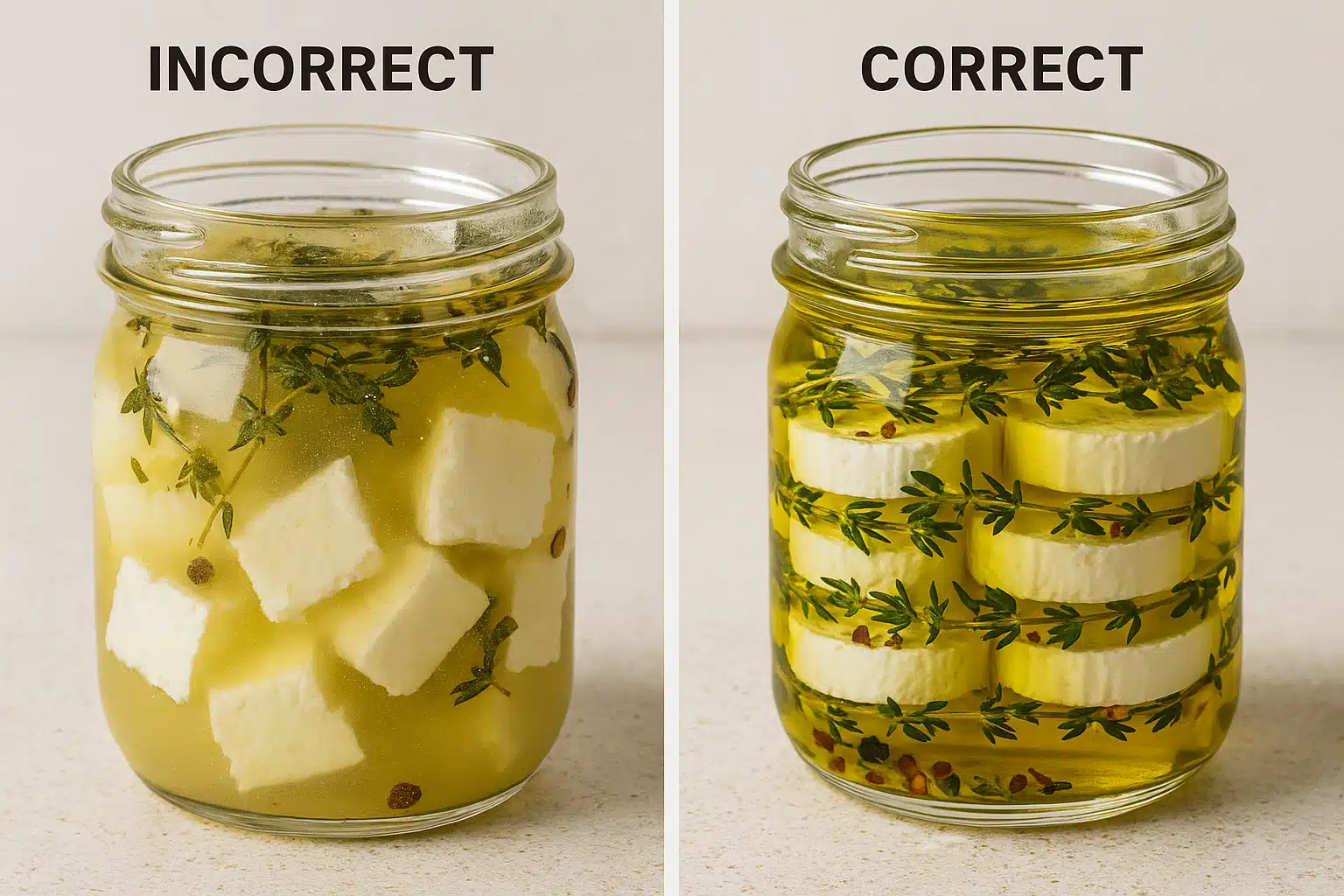
Storage, Shelf Life, and Food Safety
Proper storage ensures your marinated goat cheese remains delicious and safe to eat throughout its shelf life.
Refrigeration Requirements
Marinated goat cheese must always be stored in the refrigerator at temperatures below 4°C (40°F). The oil will solidify or become cloudy when cold—this is completely normal and does not affect quality. Simply let the jar sit at room temperature for 15-20 minutes before serving to allow the oil to return to liquid form.
Expected Shelf Life
When properly prepared and stored, marinated goat cheese balls typically remain fresh for two to three weeks. The oil preservation method, combined with refrigeration, significantly extends the cheese’s natural shelf life. However, always inspect the cheese before consuming—if you notice any off odors, unusual colors, or mold growth, discard the entire jar.
Safe Handling Practices
Always use clean utensils when removing cheese from the jar. Introducing bacteria from hands or used utensils can cause premature spoilage. If sharing the cheese at a gathering, transfer a portion to a serving dish rather than having guests take cheese directly from the storage jar. This keeps the remaining cheese uncontaminated and extends its usable life.
Freezing Considerations
While technically possible, freezing is not recommended for marinated goat cheese balls. Freezing alters the cheese’s texture, making it grainy or crumbly upon thawing. The fresh, creamy quality that makes this cheese special is lost in the freezing process. Instead, prepare quantities you can reasonably consume within the three-week window.
Using the Flavored Oil
Once you’ve finished the cheese, don’t discard the beautifully flavored oil. It makes an excellent bread dip, salad dressing base, or cooking oil for vegetables. However, because it has been in contact with cheese, it should be used within a few days of the cheese being consumed and must remain refrigerated.
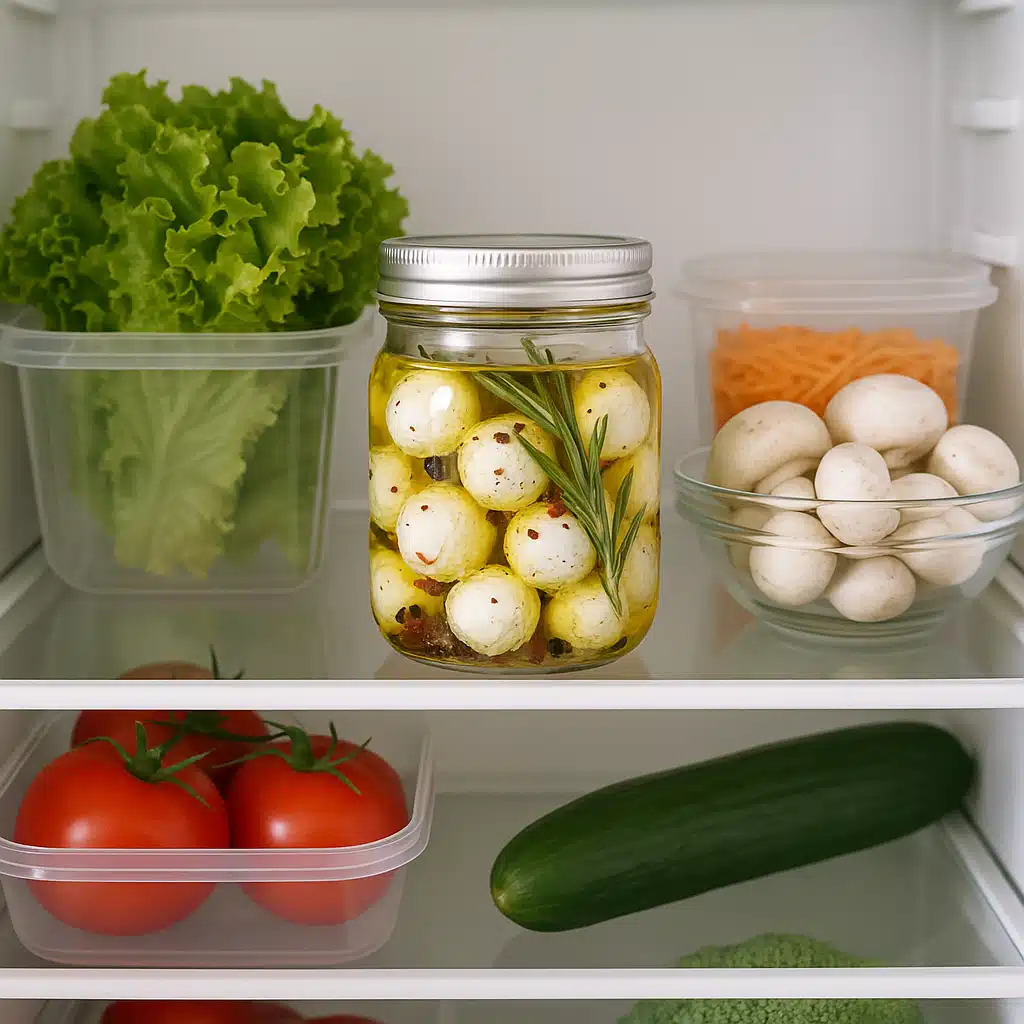
Nutritional Considerations and Dietary Information
Understanding the nutritional profile of marinated goat cheese helps you make informed decisions about incorporating it into your diet or sharing it with others who may have specific dietary requirements.
Nutritional Profile
Goat cheese is naturally rich in protein, calcium, and healthy fats while being lower in calories than many other cheeses. A typical serving (approximately 28 grams or one ounce) contains around 75-90 calories, 5-6 grams of fat, 5-6 grams of protein, and provides a good amount of calcium and vitamins A and B.
The added olive oil increases the calorie and fat content, but also contributes heart-healthy monounsaturated fats and antioxidants. Because the cheese is served with some of its marinade oil, exact nutritional values vary depending on how much oil is consumed with each serving.
Dietary Considerations
Marinated goat cheese balls are naturally gluten-free, making them suitable for those with celiac disease or gluten sensitivity, provided they’re served with gluten-free crackers or bread. They’re also naturally low in carbohydrates, fitting well into low-carb or ketogenic eating patterns.
For those following vegetarian diets, goat cheese typically contains vegetarian-friendly rennet, though it’s worth verifying with the cheese producer if this is a concern. The recipe is not suitable for vegans due to the dairy content.
Lactose Content
Goat cheese generally contains less lactose than cow’s milk cheese, and many people with mild lactose intolerance can enjoy it without issues. However, those with severe lactose intolerance or dairy allergies should avoid goat cheese as it still contains milk proteins and some lactose.
Portion Control
While nutritious, cheese is calorie-dense, and the added oil increases the energy content further. Enjoying marinated goat cheese as part of a varied diet with appropriate portion sizes allows you to appreciate its flavors and benefits without excessive calorie intake. One to two cheese balls typically constitute a reasonable serving size as part of an appetizer or snack.
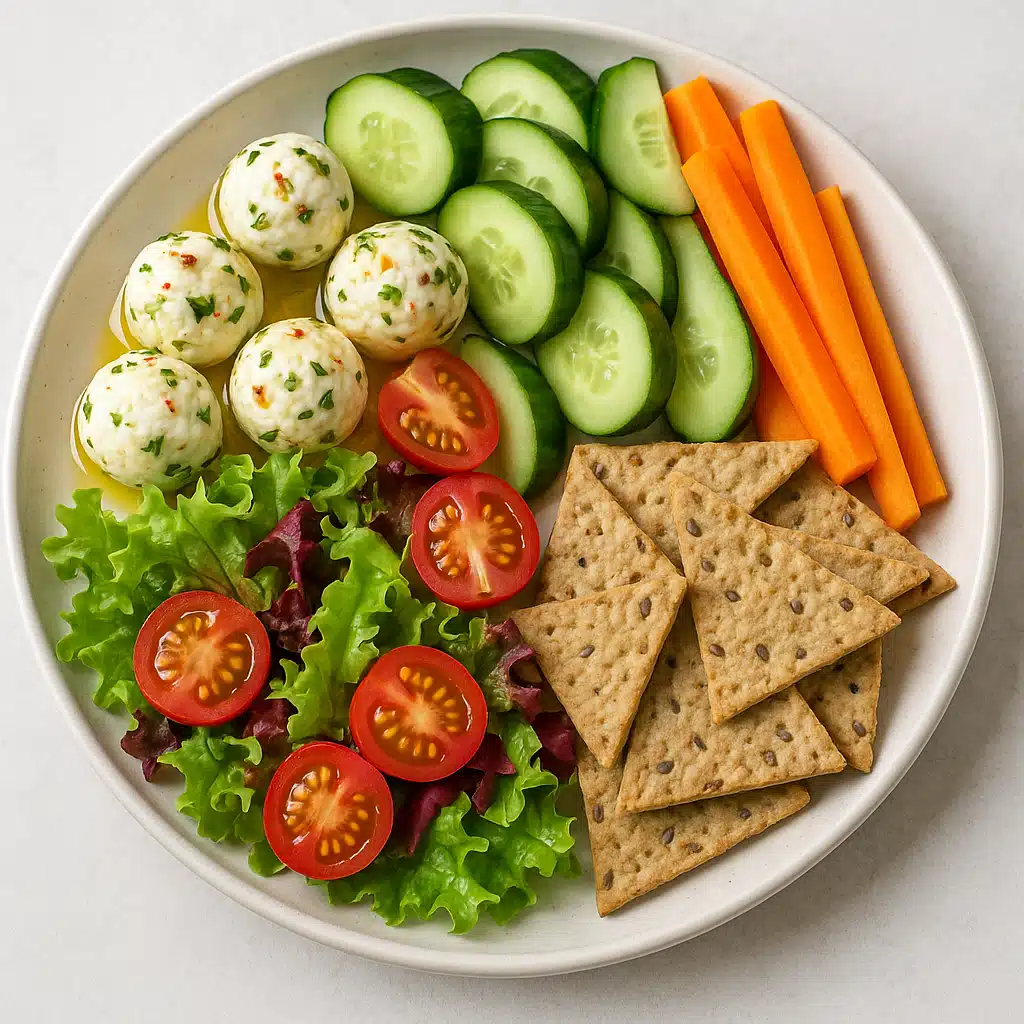
Scaling Production for Events or Sales
If you’re considering making larger quantities for events, markets, or even small-scale sales, several factors require attention.
Batch Planning
The recipe scales easily—simply multiply ingredients proportionally. However, working with large quantities of soft cheese can be time-consuming. Plan your production timeline accordingly, and consider recruiting help for the cheese-rolling stage. An efficient approach is to set up an assembly line with one person forming cheese balls while another prepares jars and marinade.
Consistency and Standardization
When producing multiple batches, maintaining consistency becomes important. Standardize your cheese ball size, marinade recipe, and ingredient proportions. Consider using a small scoop to ensure uniform sizing, and keep detailed notes on your process and measurements.
Commercial Considerations
If you’re considering selling marinated goat cheese, research local regulations regarding food production and sales. Many regions require commercial kitchen facilities, proper licensing, and adherence to specific food safety protocols for selling homemade foods. Cottage food laws vary significantly by location, so thorough research is essential before beginning any commercial venture.
Pricing Strategy
If selling at markets or to specialty stores, calculate your costs carefully, including ingredients, containers, labels, and your time. Artisan food products like marinated goat cheese typically command premium prices due to their handmade nature and quality ingredients, but prices must remain competitive with similar products in your market.
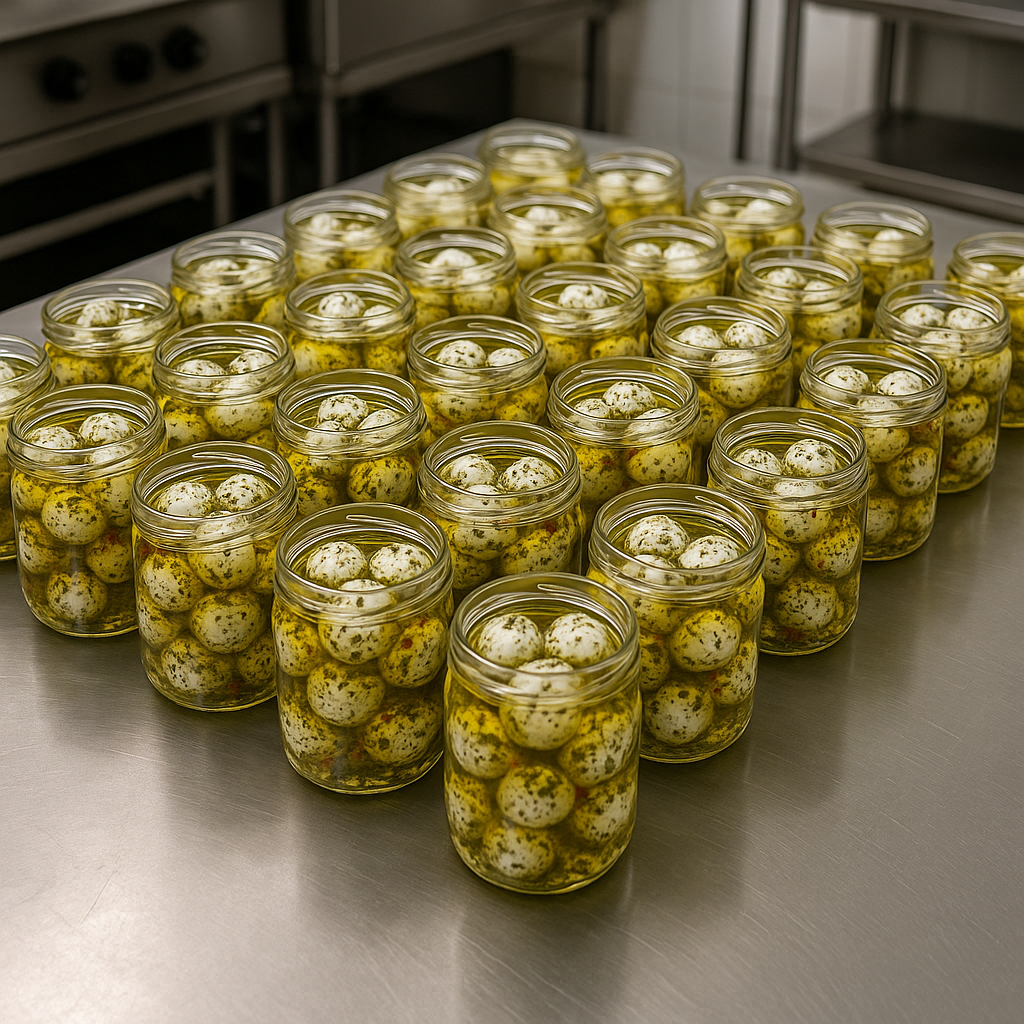
Troubleshooting Common Issues
Even experienced cooks occasionally encounter problems. Here’s how to address common issues:
Cheese Balls Falling Apart
If your cheese balls won’t hold their shape, the cheese may be too cold and crumbly, or too warm and soft. Aim for a slightly softened but not overly warm consistency. Some goat cheese varieties are also more crumbly by nature—if possible, choose a creamier style labeled as fresh soft goat cheese rather than aged or crumbled varieties.
Bland Flavor
If the cheese tastes insufficiently flavored, you likely need either more herbs in the marinade or additional marinating time. Remember that flavors develop gradually—patience is key. If you’ve already consumed some of the cheese and find it bland, add more fresh herbs to the remaining marinade and allow several more days for flavor development.
Overly Strong or Bitter Taste
Too much garlic, overly long marinating times, or certain herbs can create unpleasantly strong flavors. If this occurs, you can dilute the flavor by adding more neutral oil and allowing the cheese to sit briefly in the milder marinade. For future batches, reduce the quantity of strong aromatics and taste-test the marinade before adding cheese.
Oil Separation or Cloudiness
Cold temperatures cause olive oil to solidify and become cloudy—this is normal and not a quality issue. Simply let the jar sit at room temperature briefly before serving. If the oil appears separated with water or liquid at the bottom, this may indicate moisture from the cheese or herbs. This isn’t necessarily problematic if the product smells and tastes normal, but ensure everything remains refrigerated and consume promptly.
Mold Development
If you notice any mold, discard the entire contents immediately. Mold typically develops when cheese isn’t fully submerged in oil or when contaminants are introduced through improper handling. Prevention through proper technique is far better than attempting to salvage affected cheese.
Frequently Asked Questions
Can I use other types of cheese?
Yes, though results will vary. Fresh mozzarella balls (bocconcini) work beautifully with this method. Feta can also be marinated, though it should be kept in larger pieces rather than rolled into balls. Soft cow’s milk cheeses like fresh chevre-style cheese are suitable alternatives if goat cheese is unavailable or disliked.
How far in advance can I make these for gifting?
Ideally, prepare marinated goat cheese balls 3-5 days before gifting to allow flavors to develop while still leaving the recipient 2-3 weeks to enjoy them. Always include the preparation date on your label so recipients know the freshness timeline.
What if I don’t have fresh herbs?
Fresh herbs are strongly recommended, but if absolutely unavailable, use dried herbs sparingly (about one-third the amount of fresh) and supplement with other fresh aromatics like garlic, lemon zest, or peppercorns. The results won’t be quite as spectacular, but can still be enjoyable.
Is it safe to keep garlic in oil?
When properly refrigerated and consumed within 2-3 weeks, garlic-infused oil poses minimal risk. The concern about garlic in oil relates to botulism, which can develop when garlic is stored in oil at room temperature for extended periods. Refrigeration and timely consumption prevent this risk.
Can I reuse the marinade oil for another batch?
This is not recommended. Once the oil has been in contact with cheese, it contains dairy proteins and moisture that reduce its shelf life and safety profile. Instead, use the flavored oil for cooking or dressings within a few days of finishing the cheese.
Conclusion: The Art of Edible Gifts
Marinated goat cheese balls represent the perfect intersection of thoughtfulness, flavor, and practicality in homemade gift-giving. Unlike many elaborate culinary projects that require specialized skills or equipment, this elegant preparation is accessible to anyone who can follow basic instructions and exercise patience while flavors develop.
The true beauty of marinated goat cheese balls lies in their versatility. They adapt to various flavor profiles through simple marinade adjustments, suit numerous occasions from casual gatherings to formal events, and scale easily whether you’re making a single jar for a friend or multiple batches for a holiday gift list. Their impressive appearance and gourmet status belie their simplicity, making the giver seem more accomplished than the actual effort required.
Beyond their gift potential, these marinated delights offer practical benefits for everyday entertaining. Having a jar in your refrigerator means you’re always prepared for unexpected guests or impromptu gatherings. The extended shelf life removes pressure to consume them immediately, while the developing flavors actually improve over time rather than deteriorating like many prepared foods.
Whether you’re seeking the perfect hostess gift, looking to impress at your next gathering, or simply wanting to explore artisan food preparation at home, marinated goat cheese balls deliver on all fronts. The combination of creamy, tangy cheese with aromatic herbs and quality olive oil creates a sophisticated taste experience that rivals expensive specialty shop offerings, yet costs a fraction of the price and carries the irreplaceable value of being handmade.
As you experiment with different herb combinations and presentation styles, you’ll develop your own signature versions that reflect your taste and creativity. Each batch becomes an opportunity to refine your technique and explore new flavor possibilities, making the process as rewarding as the final product.
So gather your ingredients, select your favorite herbs, and begin your journey into the delicious world of marinated goat cheese balls. Your friends, family, and dinner guests will thank you, and you’ll discover that creating gourmet gifts at home is not only achievable but genuinely enjoyable. The simple act of rolling cheese and steeping it in fragrant oil transforms basic ingredients into something memorable and special—the essence of thoughtful, edible gift-giving.