Understanding Cheese Starter Cultures: A Beginner’s Guide
Cheese making is an ancient craft that has captivated food enthusiasts around the world for centuries. Whether you’re interested in creating artisan cheeses at home or simply want to understand the science behind your favorite dairy products, learning about starter cultures is essential. At the heart of every great cheese are microorganisms known as starter cultures, which transform simple milk into complex, flavorful cheeses with distinct textures and characteristics.
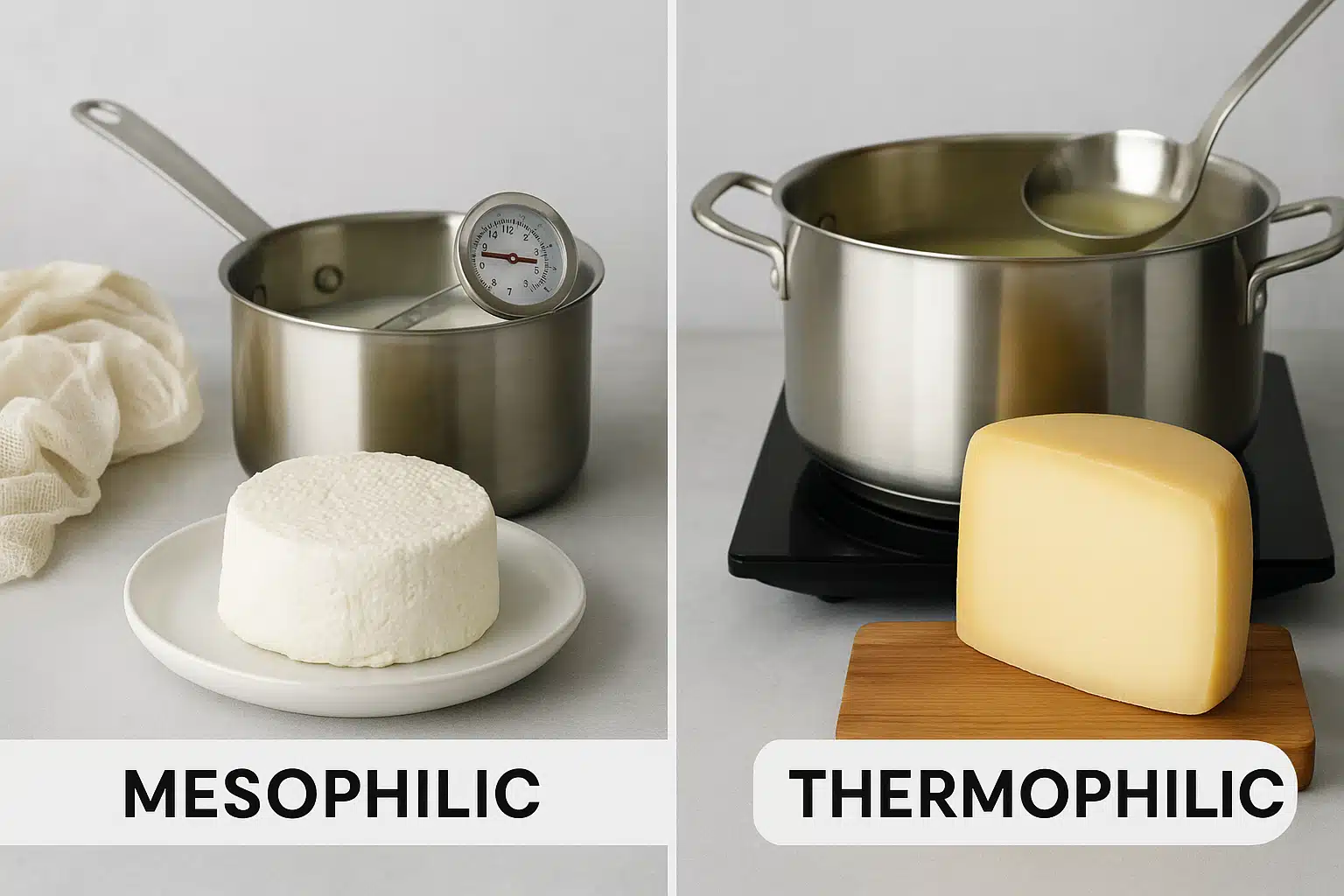
Two primary categories of starter cultures dominate the cheese-making world: mesophilic and thermophilic cultures. Each type plays a unique role in determining the final characteristics of your cheese, from texture and moisture content to flavor profile and aging potential. This comprehensive guide will help you understand the fundamental differences between these cultures and how to choose the right one for your cheese-making projects.
What Are Cheese Starter Cultures?
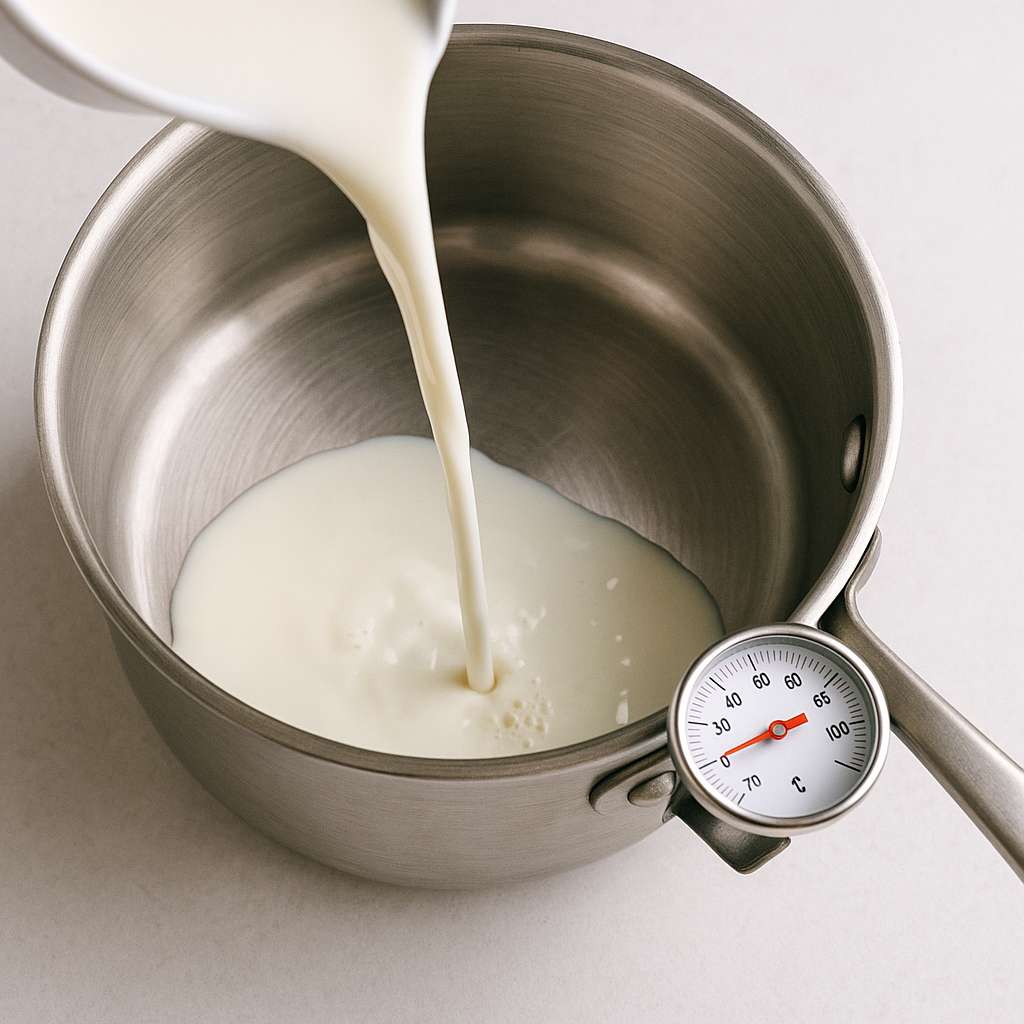
Starter cultures are carefully selected strains of bacteria that initiate and control the fermentation process in cheese making. These beneficial microorganisms perform several critical functions that transform liquid milk into solid cheese. Understanding their role is fundamental to mastering the art and science of cheese production.
The primary function of starter cultures is to convert lactose (milk sugar) into lactic acid through a process called acidification. This acidification serves multiple purposes: it helps separate the milk into curds and whey, creates an environment that prevents harmful bacteria from growing, and contributes significantly to the cheese’s final flavor, aroma, and texture. Without these cultures, cheese making would be unreliable and potentially unsafe.
Beyond acidification, starter cultures influence protein breakdown, moisture retention, and the development of characteristic flavor compounds. They work in harmony with other cheese-making ingredients like rennet and salt to create the wide variety of cheeses enjoyed globally. The type of culture you select will have a profound impact on your cheese-making success.
Mesophilic Cultures: The Moderate Temperature Choice
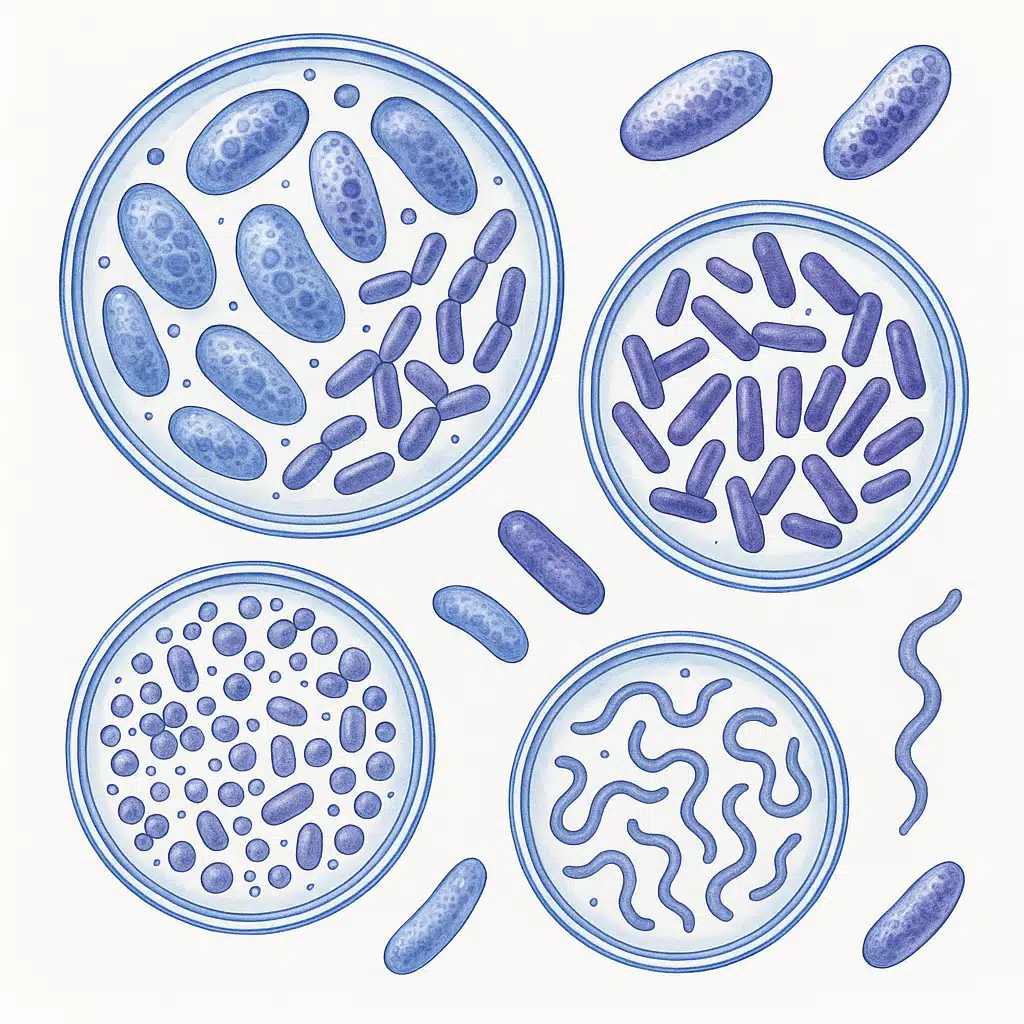
Mesophilic cultures are bacteria strains that thrive at moderate temperatures, typically between 20°C and 30°C (68°F to 86°F). The term “mesophilic” comes from Greek words meaning “middle” and “loving,” referring to their preference for medium temperature ranges. These cultures are workhorses in the cheese-making world and are used to produce a vast array of popular cheese varieties.
Common bacterial strains in mesophilic cultures include Lactococcus lactis subspecies lactis and cremoris, along with Leuconostoc species. These bacteria work slowly and steadily at room temperature, developing complex flavors over extended periods. This gradual fermentation process is particularly valuable for cheeses that require longer aging and maturation times.
Key Characteristics of Mesophilic Cultures
- Temperature Range: Work optimally between 20°C and 30°C (68°F to 86°F), making them suitable for cheese production without extensive heating equipment
- Flavor Development: Create mild, buttery, and sometimes slightly tangy flavors that develop complexity during aging
- Texture Impact: Produce softer, more pliable textures with higher moisture retention
- Aging Compatibility: Excellent for cheeses that benefit from extended ripening periods, allowing flavors to mature gradually
- Versatility: Suitable for both fresh cheeses consumed within days and aged varieties that mature over months or years
Common Cheeses Made with Mesophilic Cultures
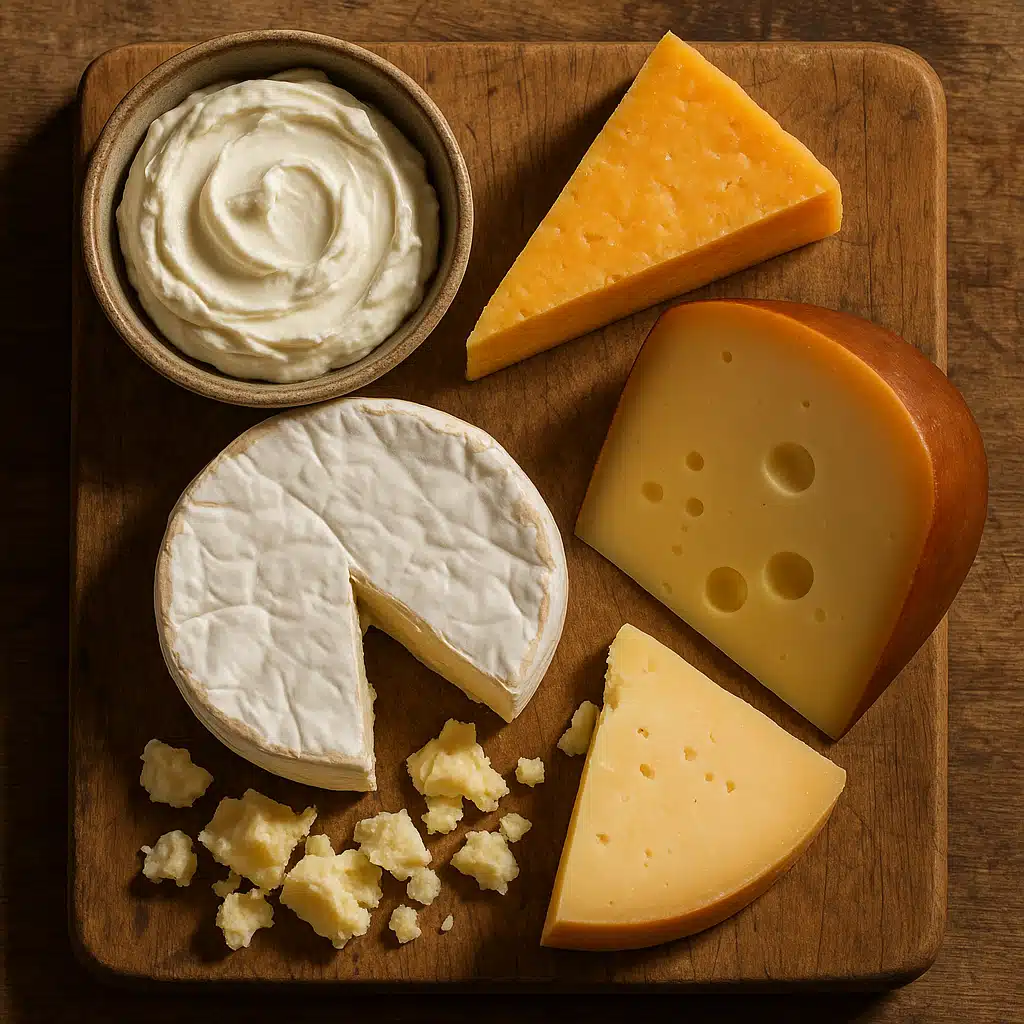
Mesophilic cultures are the foundation for numerous cheese varieties worldwide. Fresh cheeses like cream cheese, cottage cheese, fromage blanc, and chèvre all rely on mesophilic cultures for their characteristic mild flavors and creamy textures. These cultures are also essential for semi-soft cheeses such as Gouda, Edam, and Havarti, which feature smooth textures and balanced flavor profiles.
Perhaps most notably, mesophilic cultures are crucial for producing aged hard cheeses including Cheddar, Colby, Monterey Jack, and many traditional farmhouse cheeses. These varieties develop their distinctive sharp, complex flavors over months or years of aging, with the mesophilic cultures continuing to work slowly throughout the maturation process.
Thermophilic Cultures: The High-Heat Specialists
Thermophilic cultures are heat-loving bacteria that perform optimally at higher temperatures, generally between 30°C and 45°C (86°F to 113°F), with some strains tolerating even higher temperatures. The term “thermophilic” derives from Greek words meaning “heat” and “loving.” These cultures are essential for cheeses that undergo cooking or scalding during production.
The primary bacterial strains in thermophilic cultures include Streptococcus thermophilus and various Lactobacillus species such as Lactobacillus helveticus, Lactobacillus delbrueckii, and Lactobacillus casei. These bacteria work rapidly at elevated temperatures, producing lactic acid quickly and efficiently, which is crucial for certain cheese-making techniques.
Key Characteristics of Thermophilic Cultures
- Temperature Range: Function optimally at 30°C to 45°C (86°F to 113°F), maintaining activity during heated cheese-making processes
- Acidification Speed: Produce lactic acid rapidly, which is essential for achieving proper curd formation in cooked cheeses
- Texture Impact: Contribute to firmer, more elastic textures with lower moisture content
- Aging Requirements: Often used in cheeses that age relatively quickly or have specific aging conditions
- Heat Stability: Remain active and viable during the cooking and scalding processes that would inhibit mesophilic cultures
Common Cheeses Made with Thermophilic Cultures
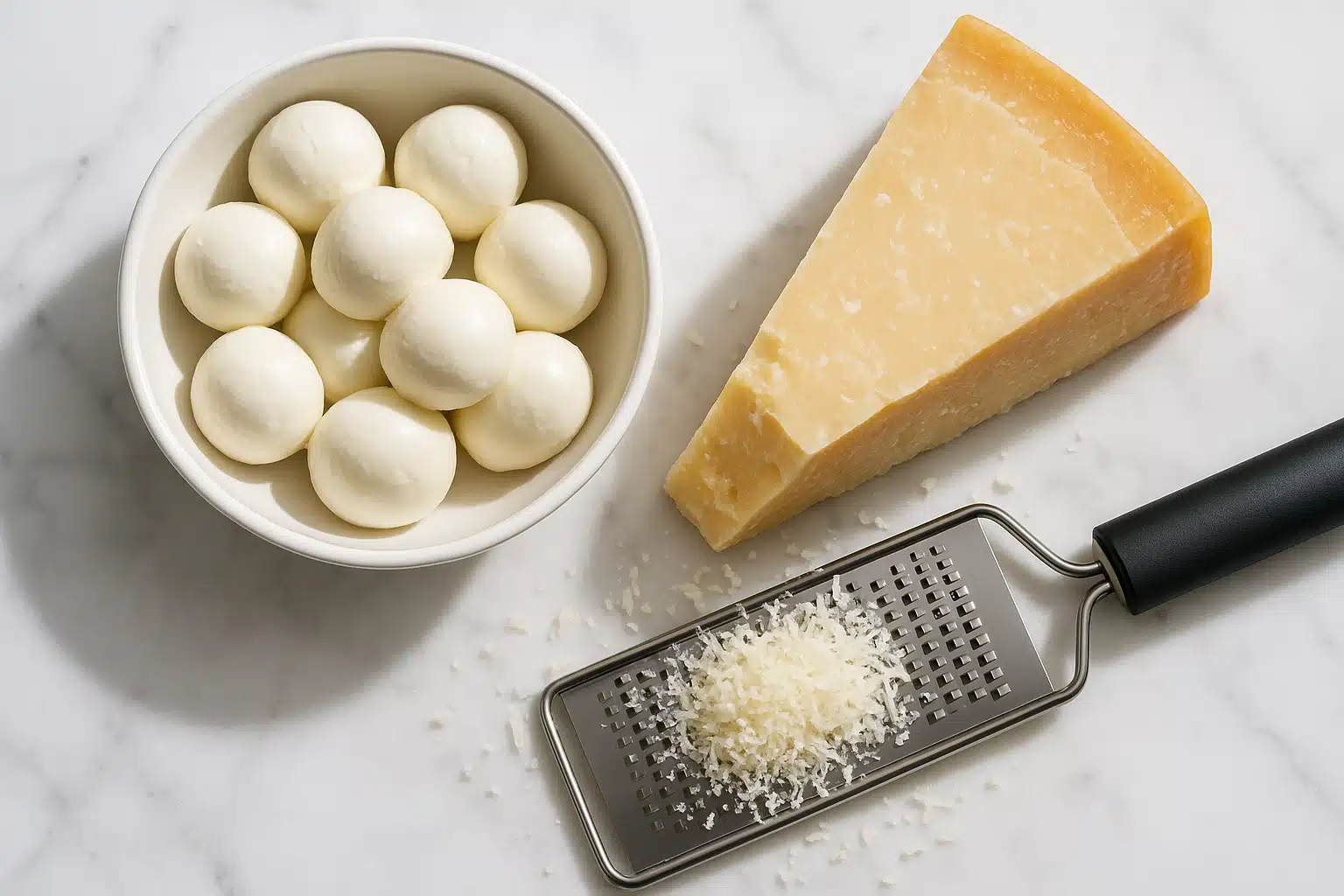
Thermophilic cultures are indispensable for Italian-style cheeses, particularly those with stretched curd. Mozzarella, whether fresh or low-moisture, depends on thermophilic cultures to develop its characteristic stretch and mild flavor. Provolone, another stretched-curd cheese, similarly relies on these heat-loving bacteria.
Hard, aged Italian cheeses represent another major category that requires thermophilic cultures. Parmesan (Parmigiano-Reggiano), Romano, Asiago, and Gruyère all undergo cooking processes that reach temperatures where only thermophilic cultures can survive and function. Swiss-style cheeses, including Emmental and other varieties with characteristic holes (eyes), also depend on thermophilic cultures, often combined with specific propionic acid bacteria that create carbon dioxide during aging.
Ricotta, while technically a whey cheese, often incorporates thermophilic cultures when made from whole milk, contributing to its delicate texture and slightly sweet flavor.
Comparing Mesophilic and Thermophilic Cultures
Understanding the practical differences between these two culture types will help you make informed decisions in your cheese-making endeavors. While both accomplish the fundamental task of acidification, their operational differences lead to distinctly different cheese characteristics.
Temperature Requirements and Processing
The most obvious difference lies in temperature tolerance. Mesophilic cultures work at ambient or slightly warmed temperatures, making them accessible for home cheese makers without specialized heating equipment. You can often work with mesophilic cultures using simple water baths or even room temperature environments in moderate climates.
Thermophilic cultures, conversely, require sustained higher temperatures throughout the cheese-making process. This typically necessitates more controlled heating methods, such as double boilers or temperature-controlled cheese vats. The higher heat also means you must be more attentive to temperature maintenance to ensure optimal culture performance.
Flavor and Texture Outcomes
Mesophilic cultures tend to produce cheeses with more complex, developed flavors, especially in aged varieties. The slower fermentation allows for gradual flavor compound development, resulting in nuanced taste profiles. Texturally, these cheeses often have higher moisture content and softer, more pliable bodies.
Thermophilic cultures create cheeses with cleaner, sometimes sweeter flavor profiles, particularly when fresh. The rapid acidification and lower moisture content result in firmer textures with more elastic or granular qualities. Aged thermophilic cheeses develop sharpness and crystalline texture characteristics that distinguish them from their mesophilic counterparts.
Aging and Storage Considerations
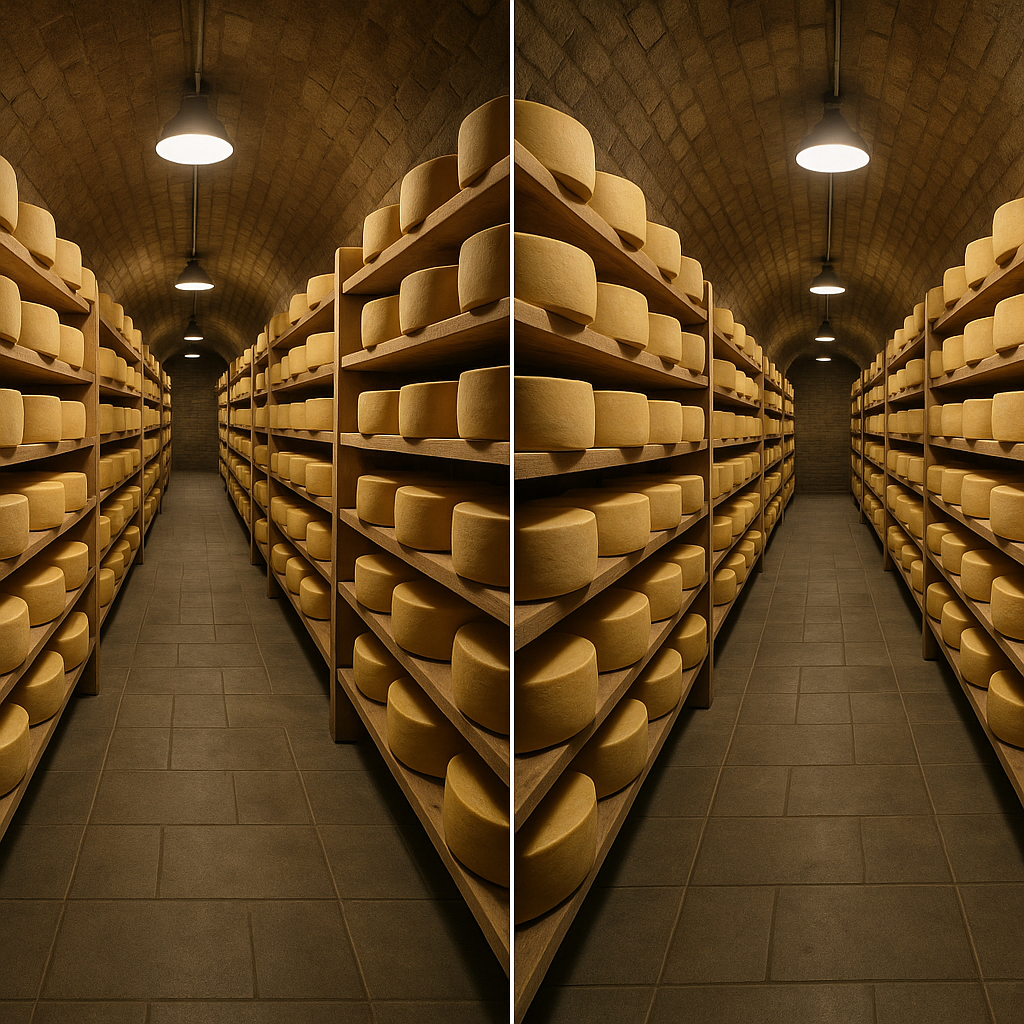
Cheeses made with mesophilic cultures often benefit from longer aging periods, with some varieties improving over many months or even years. The cultures continue working slowly during aging, contributing to ongoing flavor development. These cheeses typically require careful humidity and temperature control during maturation.
Thermophilic cheeses may have shorter optimal aging windows, though many hard Italian varieties age beautifully for extended periods. The lower moisture content in many thermophilic cheeses provides natural protection against unwanted microbial growth, sometimes simplifying storage requirements.
Selecting the Right Culture for Your Cheese-Making Project
Choosing between mesophilic and thermophilic cultures depends on several factors related to your specific cheese-making goals, available equipment, and desired outcomes. Consider these guidelines when planning your next cheese-making project.
Consider Your Target Cheese Variety
The type of cheese you want to make is the primary determining factor. If you’re planning to create fresh cheeses for immediate consumption or within a few weeks, mesophilic cultures work well for cream cheese, chèvre, or cottage cheese. For stretched-curd cheeses like mozzarella or cheeses requiring cooked curds, thermophilic cultures are essential.
Research your target cheese variety thoroughly. Traditional recipes specify which culture type to use, and following these guidelines typically yields the most authentic results. Many cheese-making resources and recipe books clearly indicate whether a cheese requires mesophilic or thermophilic cultures.
Evaluate Your Equipment and Environment
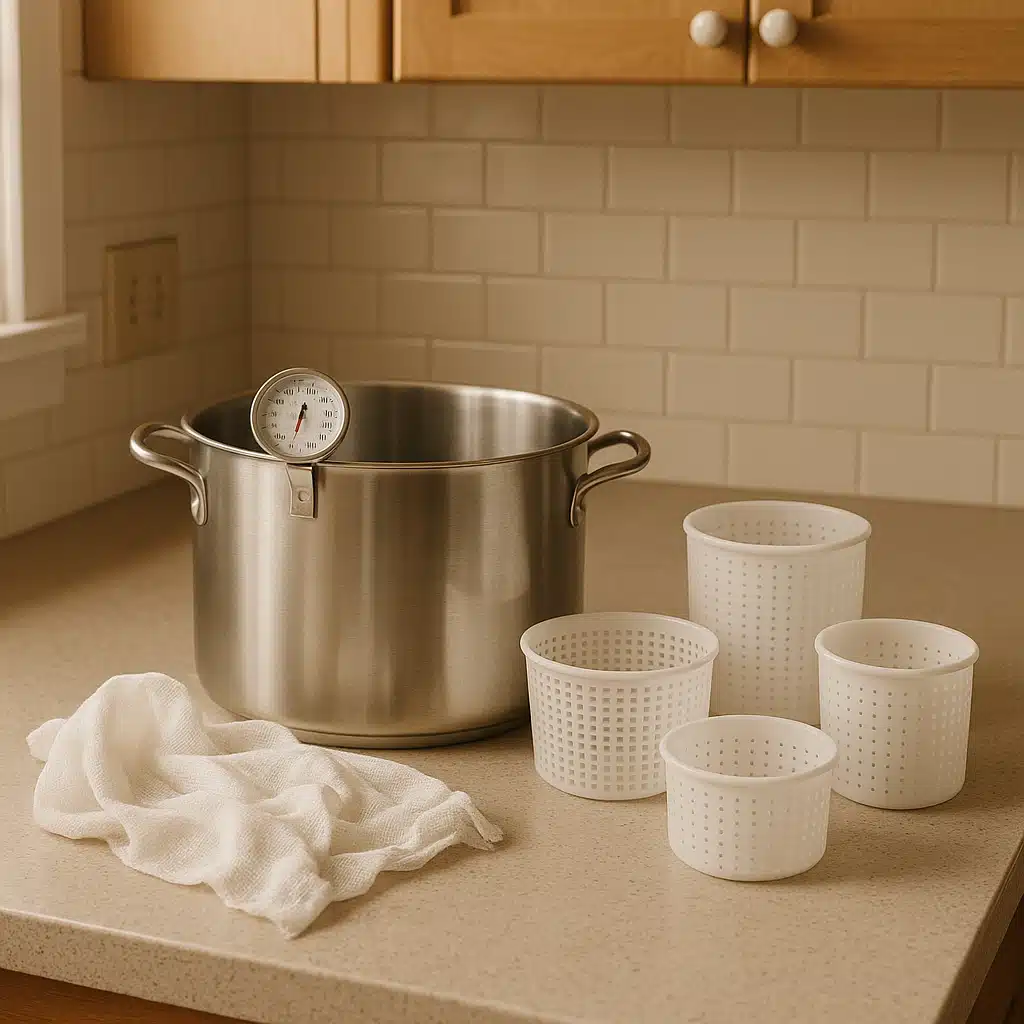
Assess your cheese-making setup realistically. If you have limited equipment and are working in a home kitchen, mesophilic cultures may be more forgiving and easier to manage. They require less precise temperature control and work well with basic equipment like large pots and simple thermometers.
For thermophilic cultures, ensure you have reliable methods to maintain higher temperatures consistently for extended periods. This might include double boilers, slow cookers, or dedicated cheese-making equipment with temperature controls. Without proper heating capability, thermophilic cultures won’t perform optimally.
Factor in Time and Aging Capacity
Consider how long you’re willing to wait for your cheese to be ready. Fresh mesophilic cheeses can be ready in days, while aged varieties require weeks, months, or longer. If you don’t have appropriate aging space with controlled temperature and humidity, focus on fresh or short-aged cheeses regardless of culture type.
Thermophilic cheeses like mozzarella can be ready within hours of making, offering quick gratification. However, aged thermophilic varieties like Parmesan require many months of careful aging. Match your culture choice to your patience level and available aging facilities.
Practical Applications and Examples
Let’s explore specific scenarios that illustrate when to use each culture type. These practical examples will help solidify your understanding and give you confidence in making culture selections for your own projects.
Scenario 1: Making Fresh Mozzarella
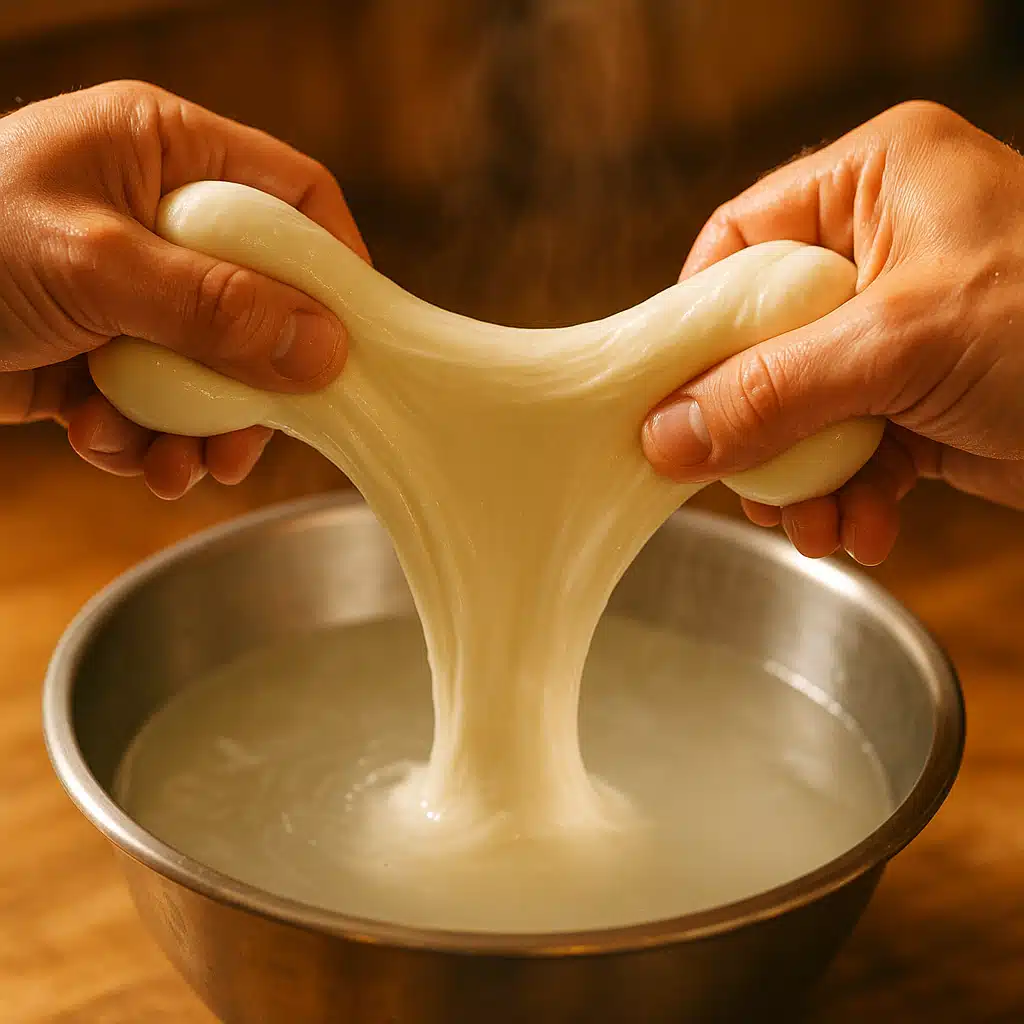
You want to make fresh mozzarella for pizza night. Mozzarella requires thermophilic culture because the cheese-making process involves heating the curds to temperatures around 40-45°C (104-113°F) and then stretching them in hot water. Mesophilic cultures would be killed or inhibited at these temperatures, failing to provide the necessary acidification. The thermophilic culture allows rapid acid development while remaining active during the heating and stretching processes, resulting in that characteristic elastic texture and mild, milky flavor.
Scenario 2: Creating Aged Cheddar
You’re interested in making a traditional farmhouse cheddar to age for several months. This project calls for mesophilic culture. The cheddar-making process involves relatively moderate temperatures, and the cheese develops its characteristic sharp, complex flavor through extended aging. The mesophilic culture works slowly throughout the aging period, breaking down proteins and developing the flavor compounds that give aged cheddar its distinctive taste. The culture’s performance at lower temperatures also contributes to cheddar’s semi-firm yet sliceable texture.
Scenario 3: Producing Cream Cheese
You want to make homemade cream cheese for bagels. Mesophilic culture is the clear choice here. Cream cheese is a fresh, unaged cheese that requires gentle acidification at moderate temperatures. The mesophilic culture acidifies the cream over 12-24 hours at room temperature or slightly warmed, creating the characteristic tangy flavor and thick, spreadable texture. The process requires no heating beyond initial pasteurization, making it perfect for mesophilic culture application.
Scenario 4: Making Swiss Cheese
You’re attempting Swiss-style cheese with its characteristic holes. This requires thermophilic culture, specifically combined with Propionibacterium freudenreichii. Swiss cheese production involves cooking curds at higher temperatures (around 50-55°C or 122-131°F), which only thermophilic cultures can withstand. The thermophilic starter provides initial acidification, while the propionic bacteria create the carbon dioxide that forms the eyes during aging. This combination of cultures at elevated temperatures creates Swiss cheese’s distinctive sweet, nutty flavor and firm, elastic texture.
Common Questions About Cheese Cultures
As you begin your cheese-making journey, you’ll likely encounter several questions about working with starter cultures. Here are answers to some of the most frequently asked questions that both beginners and experienced cheese makers often have.
Can You Mix Mesophilic and Thermophilic Cultures?
Yes, some cheese varieties actually require combinations of both culture types. Certain Alpine cheeses and some specialty varieties benefit from mixed cultures, with each type contributing different characteristics. However, this is advanced territory. For beginners, it’s best to use cultures as specified in tested recipes. Mixed-culture cheeses require careful temperature management to ensure both culture types perform optimally without one dominating or inhibiting the other.
When recipes call for mixed cultures, they typically involve a specific temperature sequence that allows each culture type to work during its optimal temperature range. This technique requires experience and precision, so master single-culture cheeses before attempting mixed-culture varieties.
Do You Need Special Equipment for Cheese Making?
For mesophilic cheese making, you can start with surprisingly minimal equipment: a large stainless steel pot, an accurate thermometer, cheesecloth, a colander, and basic kitchen tools. Many successful home cheese makers begin with equipment they already own. As you progress, you might invest in cheese molds, a pH meter, or aging equipment, but these aren’t necessary for initial experiments.
Thermophilic cheese making may require slightly more equipment, particularly for maintaining consistent higher temperatures. A double boiler setup, candy thermometer, or slow cooker can help maintain the necessary heat. For stretched-curd cheeses like mozzarella, you’ll also need heat-resistant gloves and bowls for the hot water stretching process.
How Do You Store Cheese Cultures?
Both mesophilic and thermophilic cultures typically come in freeze-dried or frozen forms. Freeze-dried cultures stored in sealed packets should be kept in the freezer and can last for years when properly stored. Once opened, use the entire packet or reseal carefully and return to the freezer immediately, using within a few weeks.
Frozen liquid cultures must remain frozen until use. Allow them to thaw in the refrigerator before adding to milk, never at room temperature. Proper storage maintains culture viability and ensures consistent cheese-making results. Always check expiration dates and follow manufacturer storage instructions.
Can You Reuse Cultures from Previous Batches?
This practice, called “back-slopping,” was traditional before commercial cultures became available. You can save a portion of whey or finished cheese from one batch to inoculate the next. However, this technique carries risks: bacterial balance can shift over successive generations, potentially leading to inconsistent results or off-flavors.
For consistent, reliable results, especially as a beginner, use fresh commercial cultures for each batch. Once you’ve gained substantial experience and can recognize when cultures are performing properly, you might experiment with back-slopping for one or two successive batches, but always maintain fresh commercial cultures as backup.
Why Did My Culture Not Work?
Culture failure usually stems from a few common issues. Temperature problems are the primary culprit: too hot, and you’ll kill the bacteria; too cold, and they won’t activate properly. Always use an accurate thermometer and monitor temperature carefully throughout the process.
Milk quality also affects culture performance. Ultra-pasteurized milk often doesn’t work well because the intense heat treatment changes milk proteins. Use pasteurized (not ultra-pasteurized) or raw milk for best results. Additionally, milk with antibiotics residues or chlorinated water can inhibit bacterial growth. If using tap water, let it sit uncovered for several hours to allow chlorine to dissipate, or use filtered water.
Finally, expired or improperly stored cultures lose viability. Always check dates and storage conditions before use.
Tips for Success with Cheese Cultures
Mastering cheese cultures takes practice, but following these guidelines will significantly increase your success rate and help you produce consistently excellent cheese.
Maintain Sanitation Standards
Clean and sanitize all equipment thoroughly before cheese making. While you’re intentionally introducing beneficial bacteria through your starter culture, you want to prevent competing bacteria from interfering with the process. Use food-safe sanitizers and ensure everything that touches your milk or cheese is properly cleaned. This doesn’t mean sterile conditions are necessary—just clean, sanitized equipment and good hygiene practices.
Control Temperature Precisely
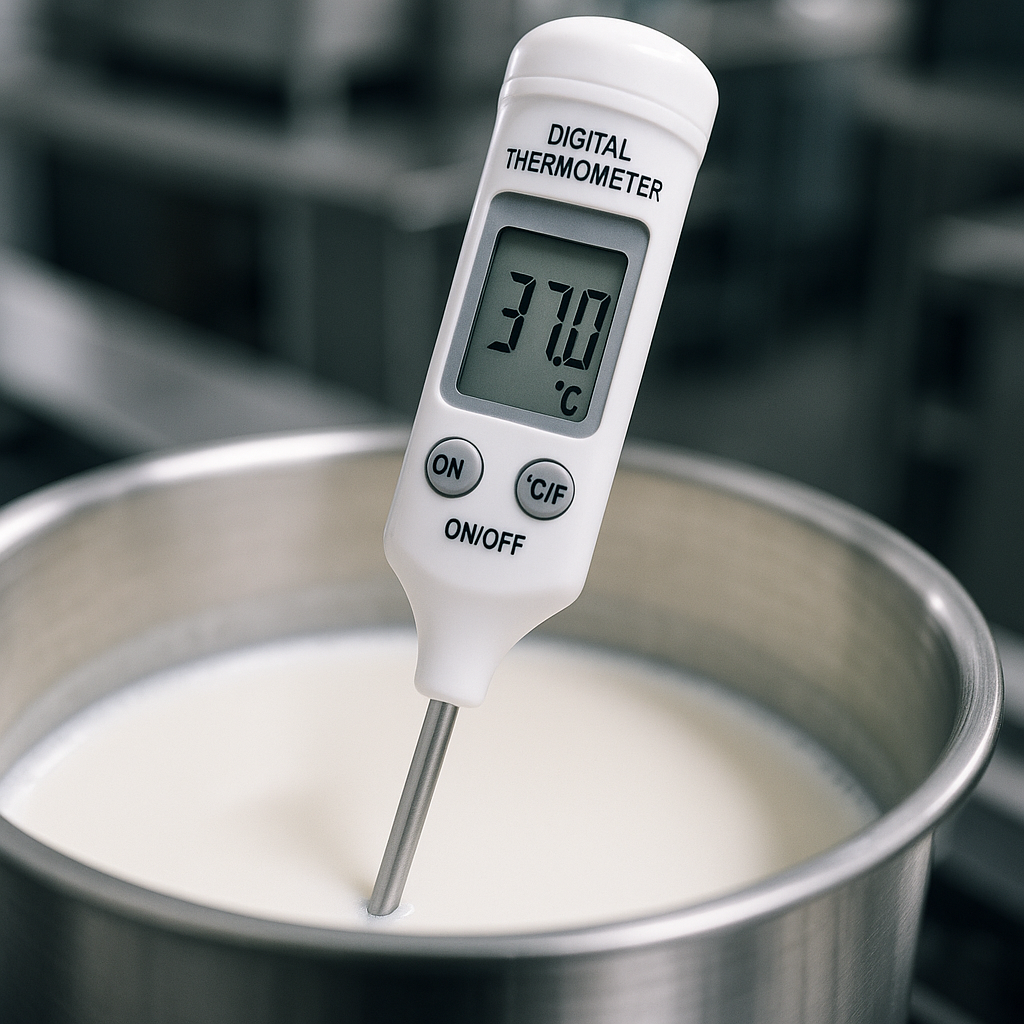
Invest in a quality thermometer and use it consistently. Temperature is perhaps the single most critical factor in successful culture performance. For mesophilic cultures, maintain temperatures in the 20-30°C (68-86°F) range. For thermophilic cultures, keep temperatures between 30-45°C (86-113°F). Even a few degrees variance can significantly impact acidification rates and final cheese characteristics.
Follow Recipes Carefully at First
When starting out, follow tested recipes precisely. Cheese making involves chemistry and microbiology, and seemingly small changes can have significant effects. Once you understand how cultures behave and have several successful batches under your belt, you can begin experimenting with modifications. But initially, trust the recipe and measure ingredients accurately.
Keep Detailed Notes
Document each batch: culture type and amount used, milk type and volume, temperatures at each stage, timing, and final results. This record-keeping helps you replicate successes and troubleshoot problems. Note sensory observations about flavor, texture, and appearance. Over time, these notes become an invaluable personal reference guide.
Be Patient with the Process
Cheese making cannot be rushed. Cultures work at their own pace, influenced by temperature, milk composition, and other factors. Attempting to speed the process by increasing temperature excessively or adding extra culture usually backfires, creating off-flavors or texture problems. Trust the timeline in your recipe and let the cultures do their work properly.

The Science Behind Culture Selection
Understanding the scientific principles underlying culture performance can deepen your appreciation for the cheese-making process and help you make better decisions when troubleshooting or experimenting.
Bacterial Metabolism and Cheese Development
Both mesophilic and thermophilic cultures are lactic acid bacteria (LAB), meaning they produce lactic acid as their primary metabolic byproduct. This acidification is crucial because it causes milk proteins (casein) to coagulate, forming curds. The rate and extent of acidification directly affect curd formation, moisture expulsion, and final cheese texture.
Beyond lactic acid production, these cultures generate various enzymes and metabolic compounds that break down milk components during aging. Proteins break into smaller peptides and amino acids, contributing to flavor complexity. Fats undergo lipolysis, creating flavor compounds. These processes continue throughout aging, which is why aged cheeses develop increasingly complex flavor profiles.
Temperature Adaptation Mechanisms
The fundamental difference between mesophilic and thermophilic cultures lies in their cellular adaptations to temperature. Thermophilic bacteria have evolved enzymes and cellular structures that remain stable and functional at higher temperatures. Their membranes contain different lipid compositions that maintain proper fluidity at heat levels that would destabilize mesophilic bacterial membranes.
Conversely, mesophilic bacteria have optimized their cellular machinery for moderate temperatures. While they can tolerate brief exposure to higher heat, prolonged elevated temperatures denature their enzymes and disrupt cellular functions, rendering them inactive or dead. This is why you cannot substitute one culture type for another without fundamentally changing the cheese-making process.
pH and Cheese Safety
The acidification provided by starter cultures serves a critical safety function. As pH drops (becomes more acidic), conditions become increasingly hostile to pathogenic bacteria. Most harmful bacteria cannot survive or grow at the low pH levels achieved during proper cheese making. This is why acidification is not just about flavor and texture—it’s essential for producing safe cheese.
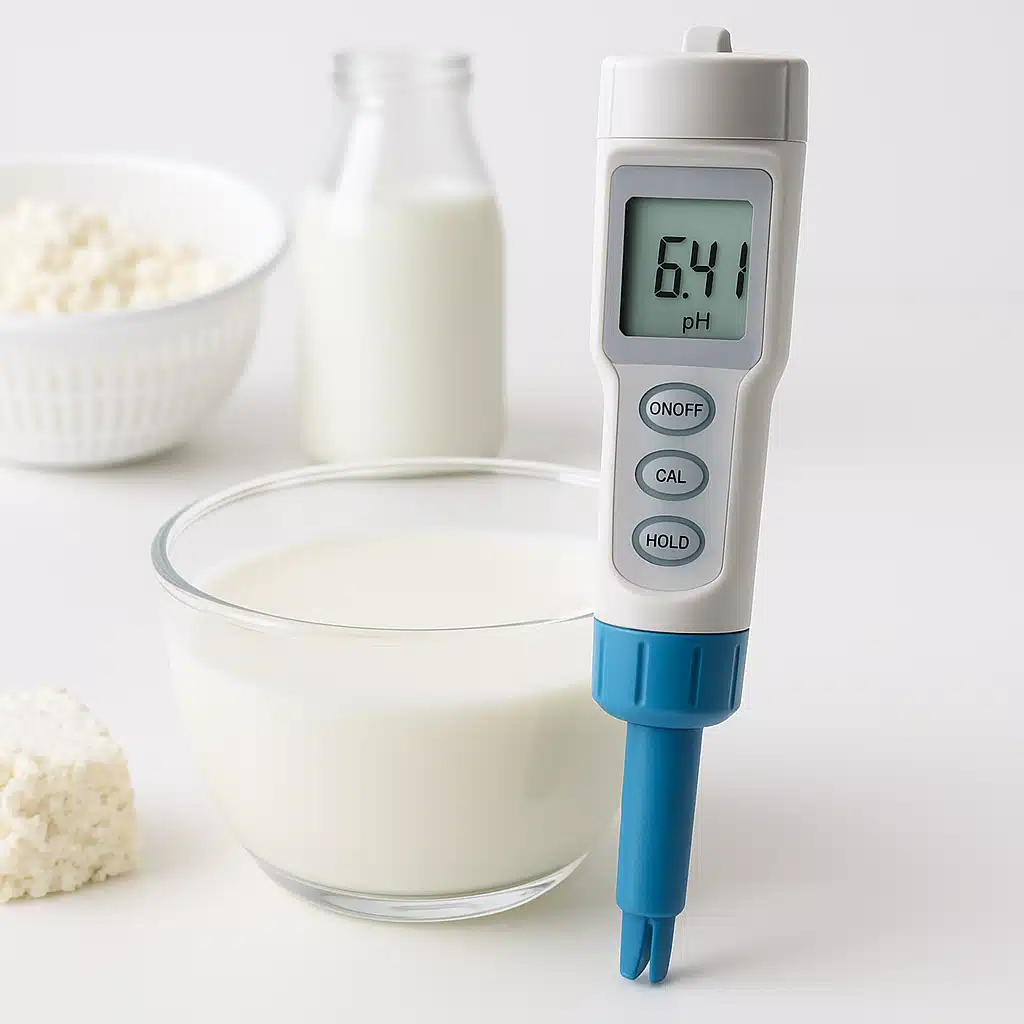
Different cheese varieties target different pH endpoints. Fresh cheeses might reach pH 4.6-4.8, while aged cheeses often stop acidification at slightly higher pH levels (5.0-5.4) to allow for proper aging characteristics. Understanding these targets helps you monitor culture performance and ensure both quality and safety.
Advanced Culture Considerations
As you gain experience with cheese making, you may want to explore more nuanced aspects of culture selection and management. These advanced concepts can help you refine your techniques and expand your cheese-making repertoire.
Direct-Set vs. Mother Cultures
Cheese cultures come in two primary formats. Direct-set cultures (also called direct vat inoculation or DVI cultures) are added directly to your milk in small quantities. They’re convenient, consistent, and ideal for home cheese makers. Each packet typically contains enough culture for a specific volume of milk.
Mother cultures require an additional preparation step: you activate the freeze-dried culture in a small amount of milk, incubate it to multiply the bacteria, then use this activated culture to inoculate your cheese milk. This method is more economical for large-scale operations but requires additional time, equipment, and expertise. For most home cheese makers, direct-set cultures offer the best balance of convenience and reliability.
Single-Strain vs. Multi-Strain Cultures
Some cultures contain a single bacterial strain, while others include multiple strains working synergistically. Multi-strain cultures typically provide more complex flavor development and greater consistency across varying conditions. They offer some insurance—if conditions aren’t optimal for one strain, others may compensate.
Single-strain cultures give you precise control over specific characteristics but require more careful management. Advanced cheese makers sometimes combine different single-strain cultures to create custom blends for unique cheese profiles. However, this requires substantial knowledge about how different strains interact.
Aromatic vs. Non-Aromatic Cultures
Within mesophilic cultures, you’ll encounter aromatic and non-aromatic varieties. Non-aromatic cultures primarily produce lactic acid without significant flavor compounds. Aromatic cultures produce additional metabolic byproducts like diacetyl, which contributes buttery flavors and aromas.
For cheeses like Gouda, aromatic mesophilic cultures create characteristic buttery notes. For cheddar or cheeses where you want aging to develop the primary flavors, non-aromatic cultures might be preferred. Understanding this distinction helps you select cultures that align with your target flavor profile.
Adjunct Cultures and Secondary Fermentation
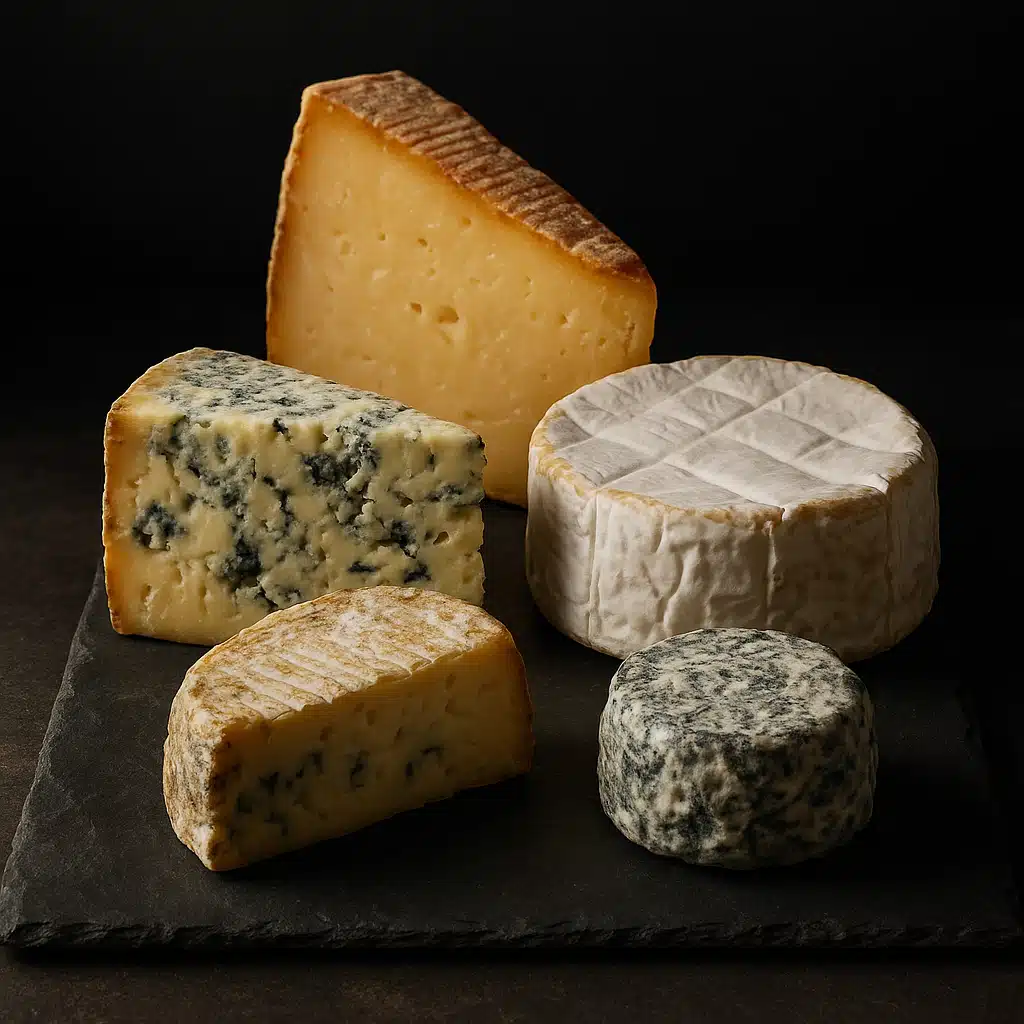
Some cheeses require additional bacterial or fungal cultures beyond the primary starter culture. Propionibacterium for Swiss cheese eyes, Penicillium roqueforti for blue cheeses, Penicillium candidum for white-rind cheeses, and Brevibacterium linens for washed-rind cheeses are examples of adjunct cultures that work alongside mesophilic or thermophilic starters.
These secondary cultures typically become active during aging rather than the initial cheese-making process. They create distinctive flavor compounds, visual characteristics, and textural changes. Using adjunct cultures opens up possibilities for creating sophisticated, complex cheeses, though they require additional knowledge about aging environments and techniques.
Troubleshooting Common Culture Problems
Even experienced cheese makers occasionally encounter issues with starter cultures. Recognizing problems early and understanding their causes helps you salvage batches or learn from mistakes.
Slow Acidification
If your milk isn’t acidifying within the expected timeframe, several factors might be responsible. Temperature is the most common culprit—verify your thermometer accuracy and ensure you’re maintaining the proper range for your culture type. Milk quality can also slow acidification; ultra-pasteurized milk or milk with antibiotic residues inhibits bacterial growth.
Using insufficient culture or culture that has expired or been improperly stored will also result in slow acidification. Finally, chlorinated water can inhibit bacterial growth, so use filtered water or let tap water sit uncovered for several hours before use.
Over-Acidification
Excessive acidification creates cheese that’s too sour, with crumbly, dry texture. This usually results from allowing cultures to work too long, using excessive culture quantities, or maintaining temperatures that are too high. Follow recipe timing carefully and don’t try to speed the process by adding extra culture.
Temperature spikes can cause cultures to work too rapidly. Monitor temperature consistently throughout the process. If you notice acidification happening much faster than expected, cool the milk slightly to slow bacterial activity.
Off-Flavors
Unpleasant flavors can result from contamination by unwanted bacteria or molds. Strict sanitation prevents most contamination issues. Off-flavors can also develop if milk is poor quality or has been stored improperly before cheese making. Always use fresh, properly stored milk from reliable sources.
Sometimes off-flavors develop during aging if conditions aren’t appropriate. Excessive humidity, temperature fluctuations, or inadequate air circulation can allow unwanted organisms to flourish. Proper aging environment maintenance is as important as the initial cheese-making process.
Texture Problems
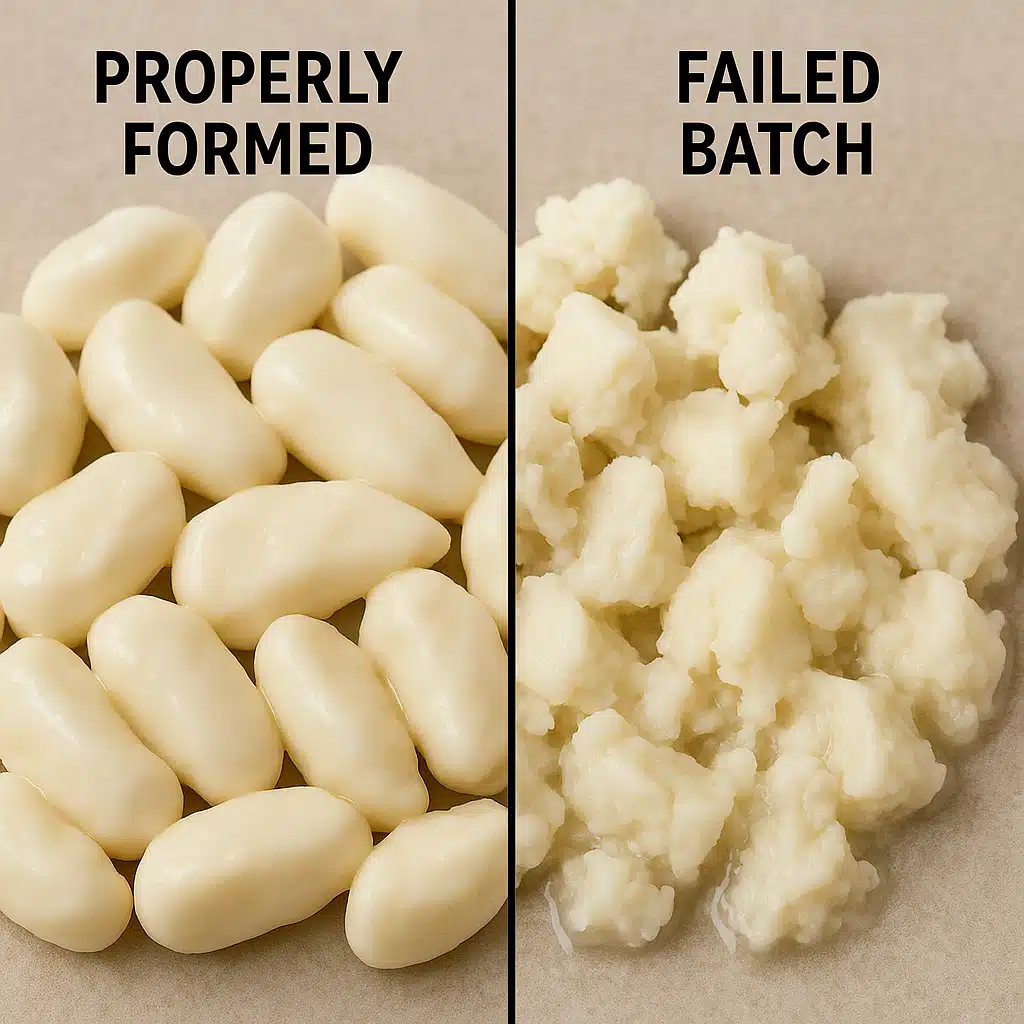
Texture issues often trace back to culture performance. Weak curds that don’t firm properly might indicate insufficient acidification—ensure your culture is active and working within the correct temperature range. Overly firm, dry, or crumbly texture often results from excessive acidification or over-cooking.
The interaction between culture-produced acid, rennet, and temperature determines curd quality. All three factors must be properly balanced. Follow recipes carefully, especially regarding timing and temperature management.
Sustainability and Culture Selection
As global awareness of environmental impact grows, considering the sustainability aspects of your cheese-making practices, including culture selection, becomes increasingly relevant.
Local Milk Sourcing
While culture type is important, the quality and sourcing of your milk matters equally for both cheese quality and environmental impact. Whenever possible, source milk from local producers who practice sustainable farming. This reduces transportation emissions and often provides fresher, higher-quality milk that works better with starter cultures.
Local milk is often less processed than commercial options, which can improve culture performance. Building relationships with local dairy farmers can also provide access to specialty milk types or customized processing (specific fat content, for example) that enhance your cheese-making results.
Culture Efficiency
Use cultures efficiently by measuring accurately and not over-inoculating. More culture doesn’t mean better cheese—it often creates problems. Follow dosage recommendations precisely. Proper storage extends culture shelf life, reducing waste. Keep cultures frozen, sealed tightly, and use them before expiration dates.
When selecting between culture brands or types, consider packaging efficiency. Some suppliers offer bulk options with less packaging waste, suitable if you make cheese frequently. However, balance this against culture viability—individual portion packets may create more packaging waste but ensure each batch of cheese gets fresh, viable culture.
Whey Utilization
Cheese making produces substantial amounts of whey as a byproduct. Rather than disposing of this nutrient-rich liquid, explore ways to use it. Whey contains proteins, minerals, and residual culture bacteria, making it valuable for baking, cooking, animal feed, or even garden fertilization. Some cheese makers use whey to make ricotta or similar whey cheeses, extracting additional value from materials that would otherwise be waste.
The environmental impact of whey disposal can be significant due to its high biological oxygen demand. Finding uses for whey reduces your environmental footprint and maximizes the value of your cheese-making ingredients.
Conclusion: Mastering Cheese Cultures for Success
Understanding the differences between mesophilic and thermophilic cultures is fundamental to successful cheese making. These microscopic organisms are the foundation upon which all great cheeses are built, transforming simple milk into an extraordinary diversity of flavors, textures, and styles enjoyed worldwide.
Mesophilic cultures, working at moderate temperatures, create the soft fresh cheeses and complex aged varieties that have graced tables for centuries. Their slow, steady fermentation develops nuanced flavors and produces cheeses ranging from spreadable cream cheese to sharp aged cheddar. Thermophilic cultures, thriving at higher temperatures, make possible the stretched-curd mozzarella, the crystalline Parmesan, and the distinctive Swiss cheeses that require cooking during production.
Your choice between these culture types—or sometimes a combination of both—depends on your target cheese variety, available equipment, skill level, and desired outcomes. Start with simple recipes using the appropriate culture type, follow instructions carefully, and maintain proper temperature control. As your experience grows, you’ll develop an intuitive understanding of how cultures behave and how to manipulate conditions to achieve your desired results.
Remember that cheese making is both art and science. The science lies in understanding culture biology, temperature requirements, and fermentation chemistry. The art emerges through experience, sensory evaluation, and developing the judgment to make adjustments when conditions aren’t perfect. Every batch teaches you something new about how cultures perform under different conditions.
Whether you’re making your first batch of simple cream cheese with mesophilic culture or attempting an ambitious aged thermophilic variety, approach the process with patience, attention to detail, and respect for the cultures doing the work. These bacteria have been humanity’s partners in cheese making for thousands of years, and understanding them connects you to a rich tradition of food craftsmanship spanning cultures and continents.
The world of cheese making offers endless opportunities for learning, experimentation, and enjoyment. With proper knowledge of mesophilic and thermophilic cultures, you’re well-equipped to begin this rewarding journey. Start with simple projects, build your skills progressively, and soon you’ll be creating delicious, artisanal cheeses that reflect your growing expertise and personal taste preferences.