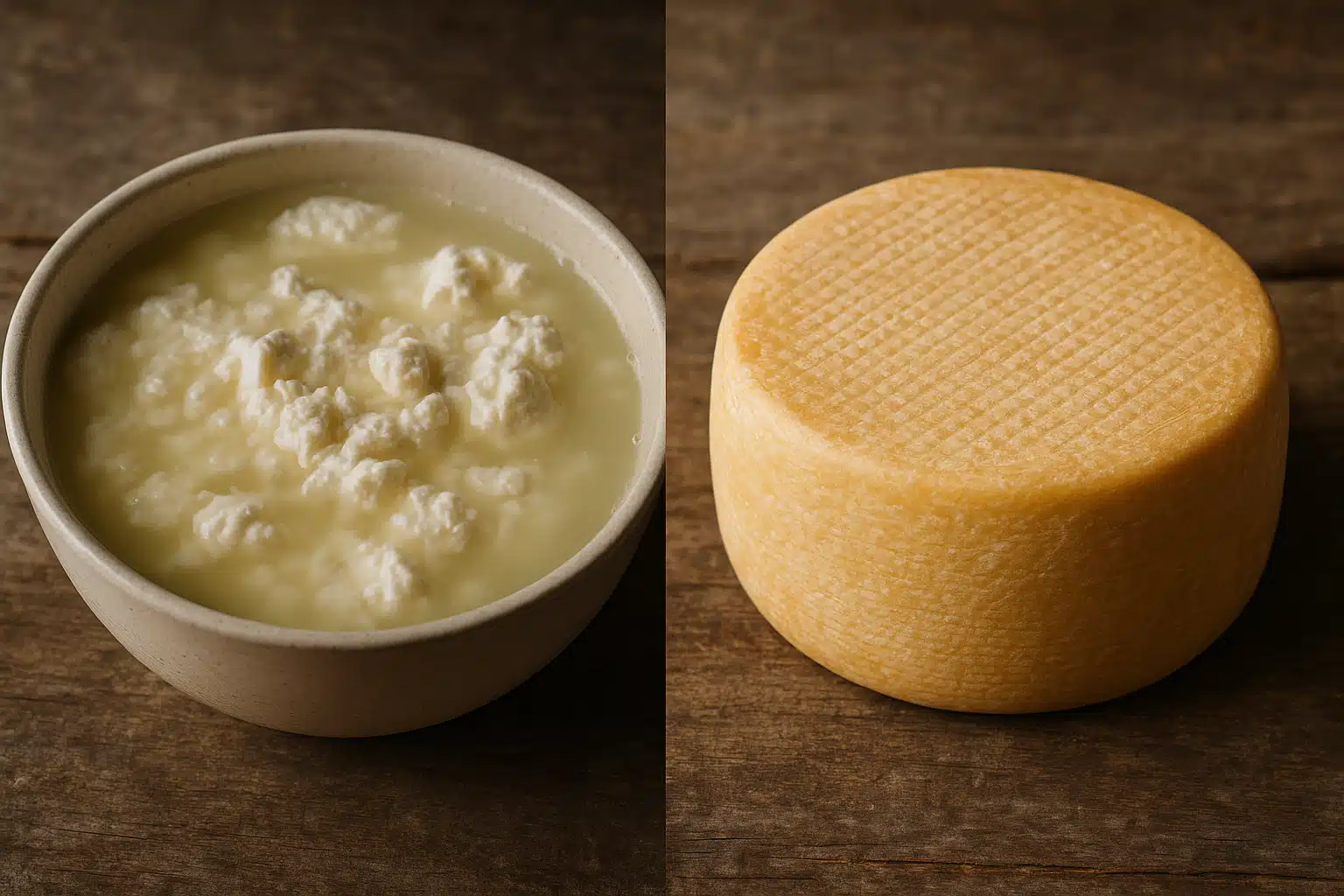
Understanding Home Cheese Making: Common Mistakes and How to Avoid Them
Home cheese making is a rewarding culinary craft that combines science, art, and patience. Whether you’re crafting soft fresh cheeses or aged varieties, the journey from milk to finished product can be both exciting and challenging. While the process may seem straightforward, many beginners—and even experienced makers—encounter obstacles that can affect the quality and flavor of their cheese. This comprehensive guide explores the most common mistakes in cheese making and provides practical solutions to help you achieve consistent, delicious results every time.
The Importance of Milk Selection
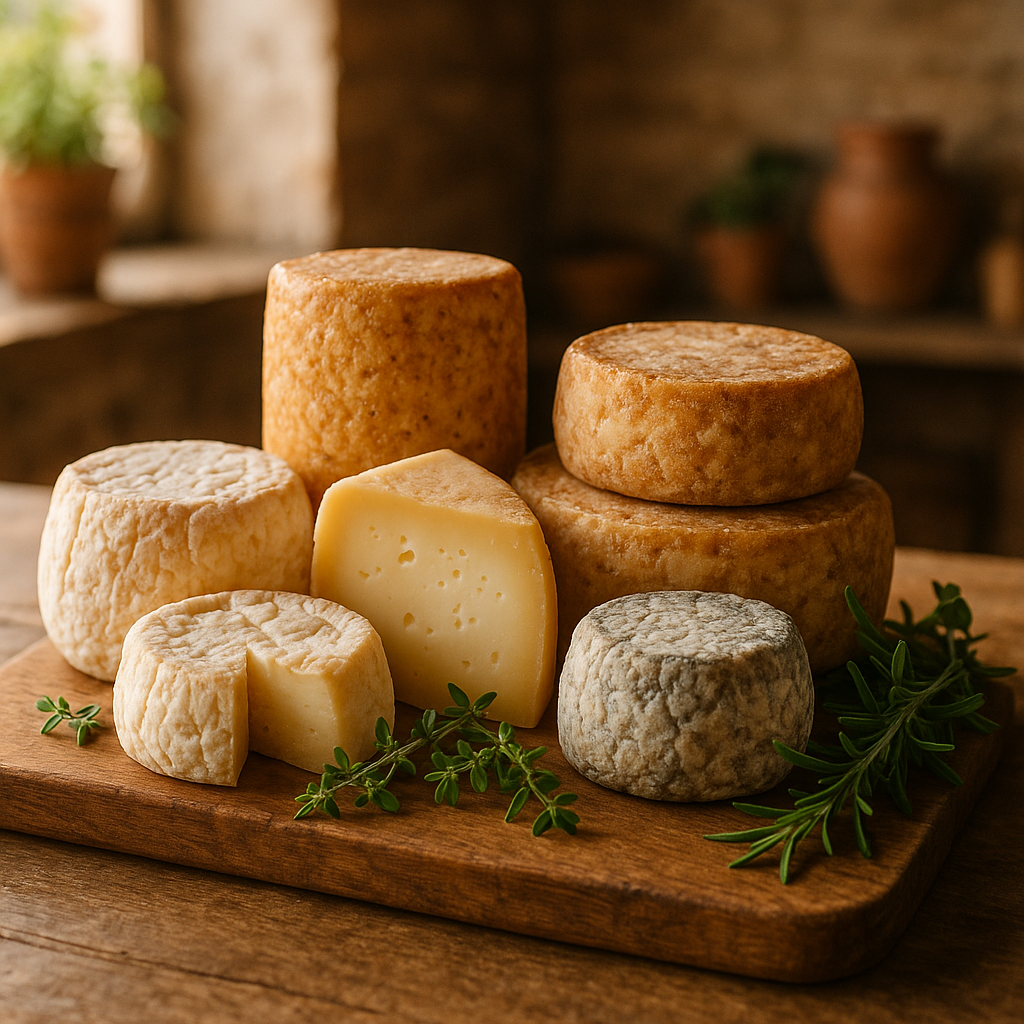
The foundation of any great cheese begins with the milk you choose. Not all milk products are suitable for cheese making, and understanding the differences can mean the distinction between success and failure. Ultra-pasteurized milk, which has been heated to very high temperatures for extended shelf life, often lacks the protein structure necessary for proper curd formation. This results in weak curds, poor texture, and disappointing flavor.
Fresh, minimally processed milk contains intact proteins and beneficial bacteria that contribute to proper curd development and complex flavor profiles. When selecting milk for cheese making, look for pasteurized (not ultra-pasteurized) whole milk from reliable sources. The fat content, protein quality, and freshness all play crucial roles in determining your final product’s texture, taste, and overall success.
Temperature Control: The Critical Factor
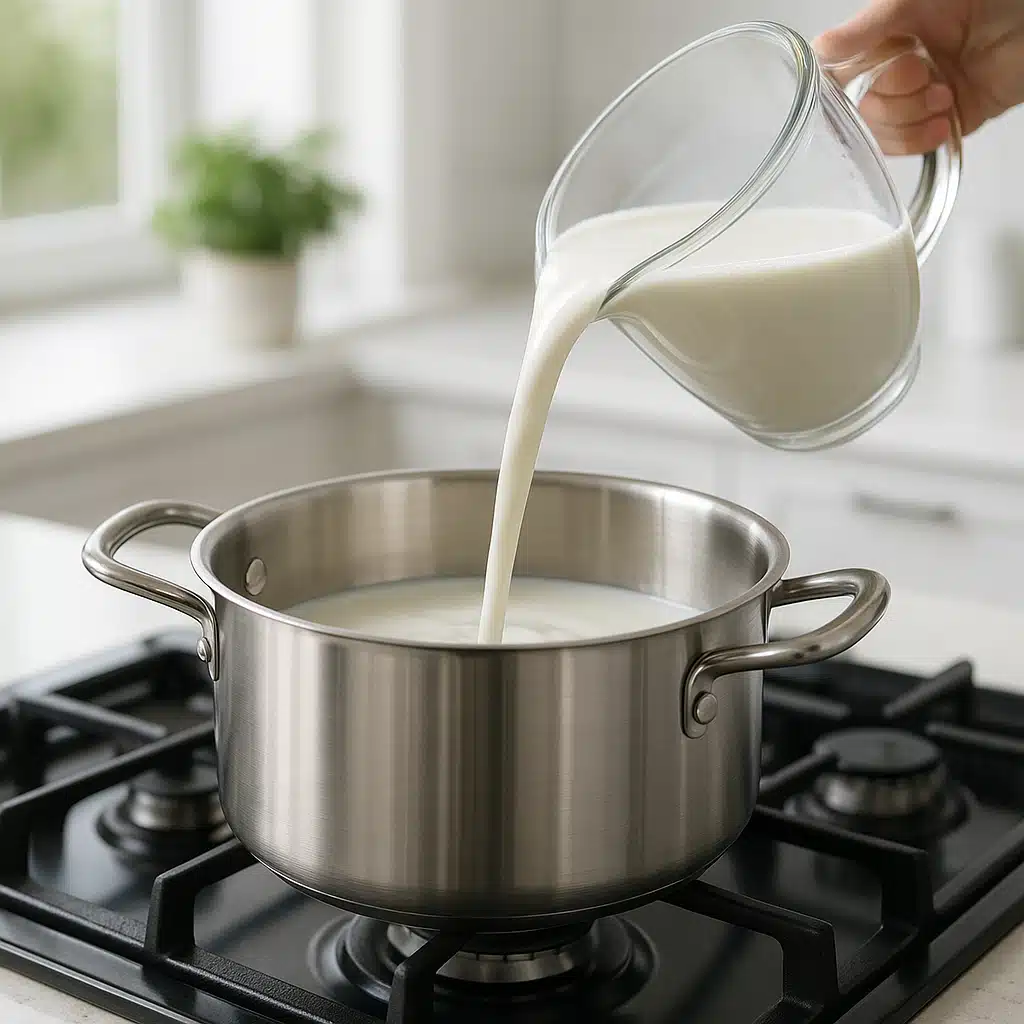
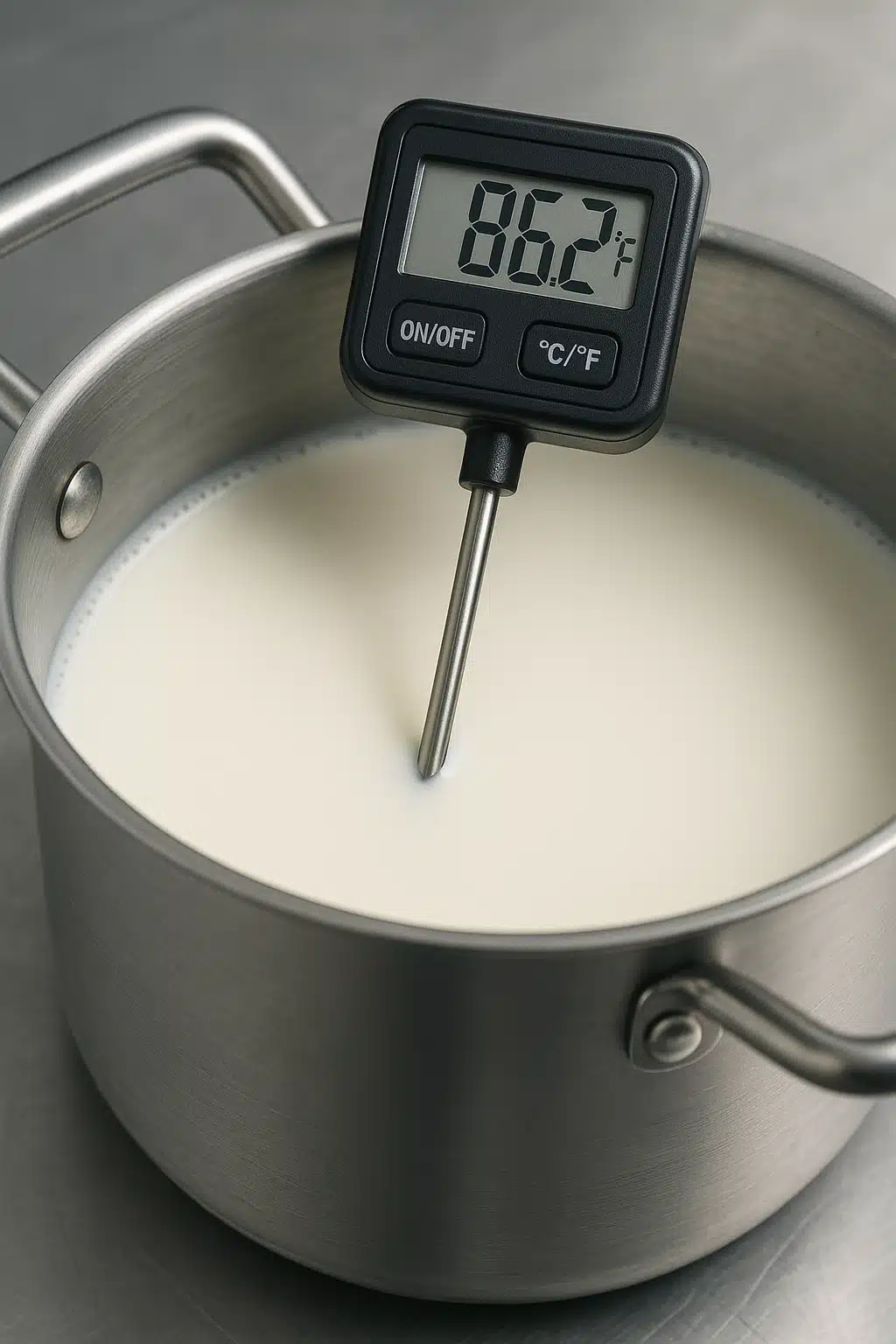
Temperature management is perhaps the most critical technical aspect of cheese making. Each stage of the process—from initial heating to curd formation, cooking, and aging—requires specific temperature ranges to achieve optimal results. Adding coagulants like rennet or acid at the wrong temperature can prevent proper curd formation, resulting in a liquid mess instead of the firm, clean curds you’re aiming for.
Different cheese varieties require different temperature protocols. Fresh cheeses like ricotta might need gentler heating, while mozzarella requires precise temperature control during stretching. Investing in a reliable thermometer and following temperature guidelines carefully will dramatically improve your success rate. Even a few degrees’ difference can affect enzyme activity, bacterial cultures, and the final texture of your cheese.
Keeping It Simple: Focus on Fundamentals
Many beginners fall into the trap of overcomplicating the cheese-making process. With countless recipes, techniques, and specialized methods available online, it’s easy to become overwhelmed and try to implement too many advanced techniques at once. This often leads to confusion, improper execution, and disappointing results such as over-salted cheese, overworked curds, or inconsistent textures.
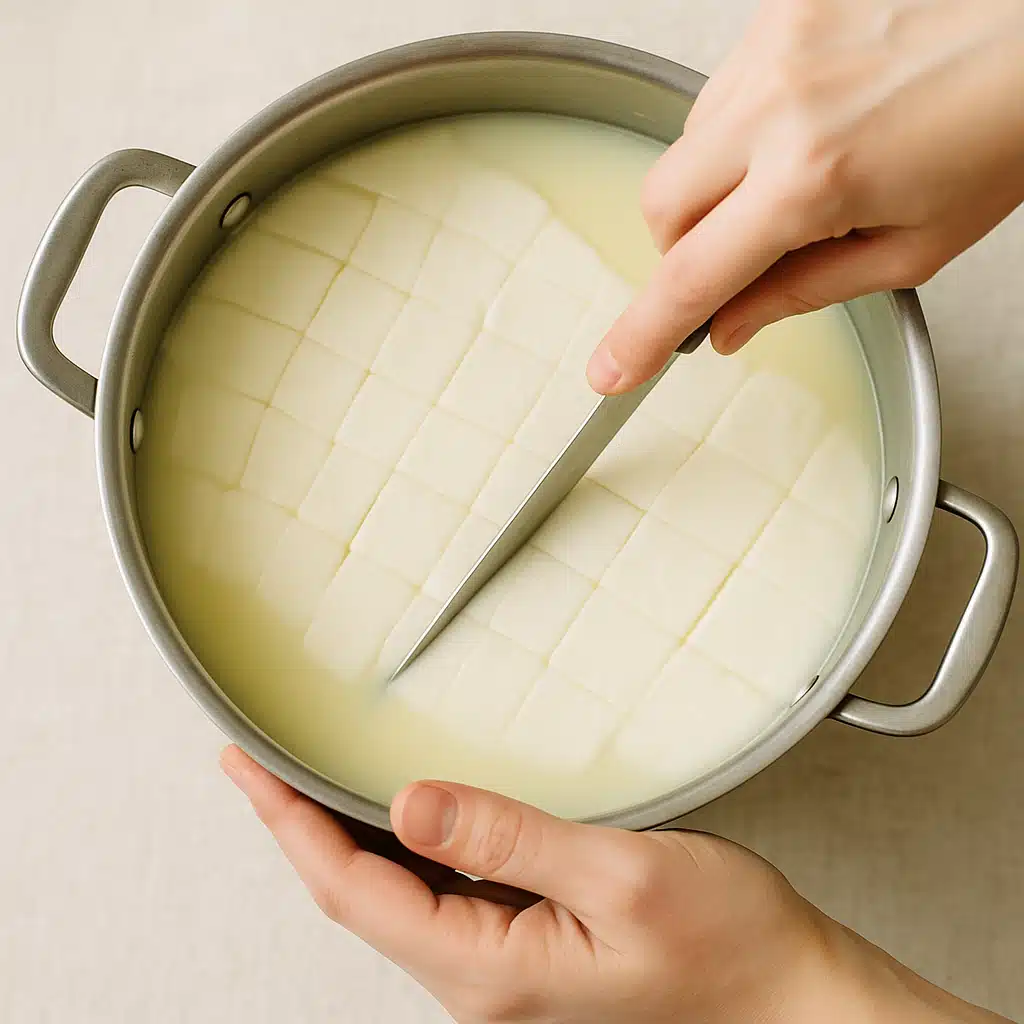
The key to mastering cheese making lies in understanding and perfecting the fundamental principles first. Start with simple fresh cheeses that require fewer steps and less aging time. Learn how curds should look and feel at each stage. Understand how salt affects moisture and flavor. Once you’ve mastered basic techniques and can consistently produce quality simple cheeses, you’ll have the foundation needed to explore more complex varieties with confidence.
Sanitation: The Non-Negotiable Step
Proper sanitation is absolutely essential in cheese making and should never be skipped or rushed. Cheese making creates an ideal environment for bacterial growth—both beneficial and harmful. While certain bacteria are necessary for flavor development and proper fermentation, contaminating bacteria can spoil your cheese, create off-flavors, or even pose health risks.
Every piece of equipment that comes into contact with your milk or curds must be thoroughly cleaned and sanitized before use. This includes pots, spoons, thermometers, molds, cheesecloth, and your work surface. Use food-grade sanitizing solutions or follow proper sterilization procedures with boiling water. Wash your hands thoroughly and avoid touching your face or other surfaces while handling cheese. These simple hygiene practices will protect your investment of time and ingredients while ensuring safe, delicious results.
Patience: The Secret Ingredient
Perhaps the most difficult lesson for many cheese makers to learn is patience. Cheese making cannot be rushed. Each stage of the process—from curd formation to draining, pressing, salting, and aging—requires adequate time for chemical and physical changes to occur. Cutting corners or hurrying through steps inevitably leads to inferior results.
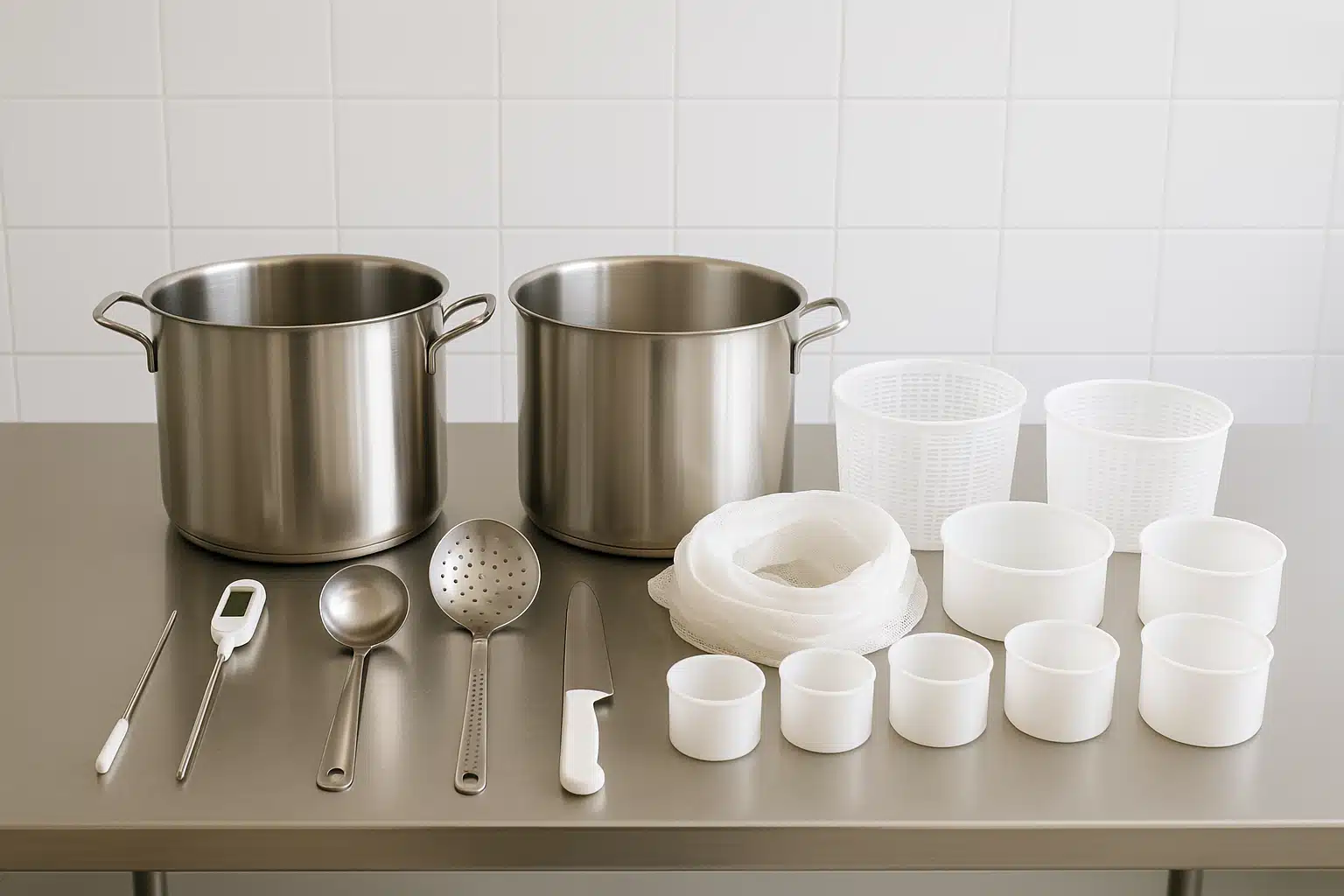
Fresh cheeses need time to drain properly and develop their characteristic texture. Pressed cheeses require sufficient time under weight to expel whey and form a solid body. Aged cheeses need weeks, months, or even years to develop complex flavors and textures through enzymatic and bacterial action. Respect the timing guidelines in your recipes, and resist the temptation to sample your cheese before it’s ready. The wait will always be worthwhile when you taste a properly matured cheese that has reached its full potential.
Common Questions and Misconceptions
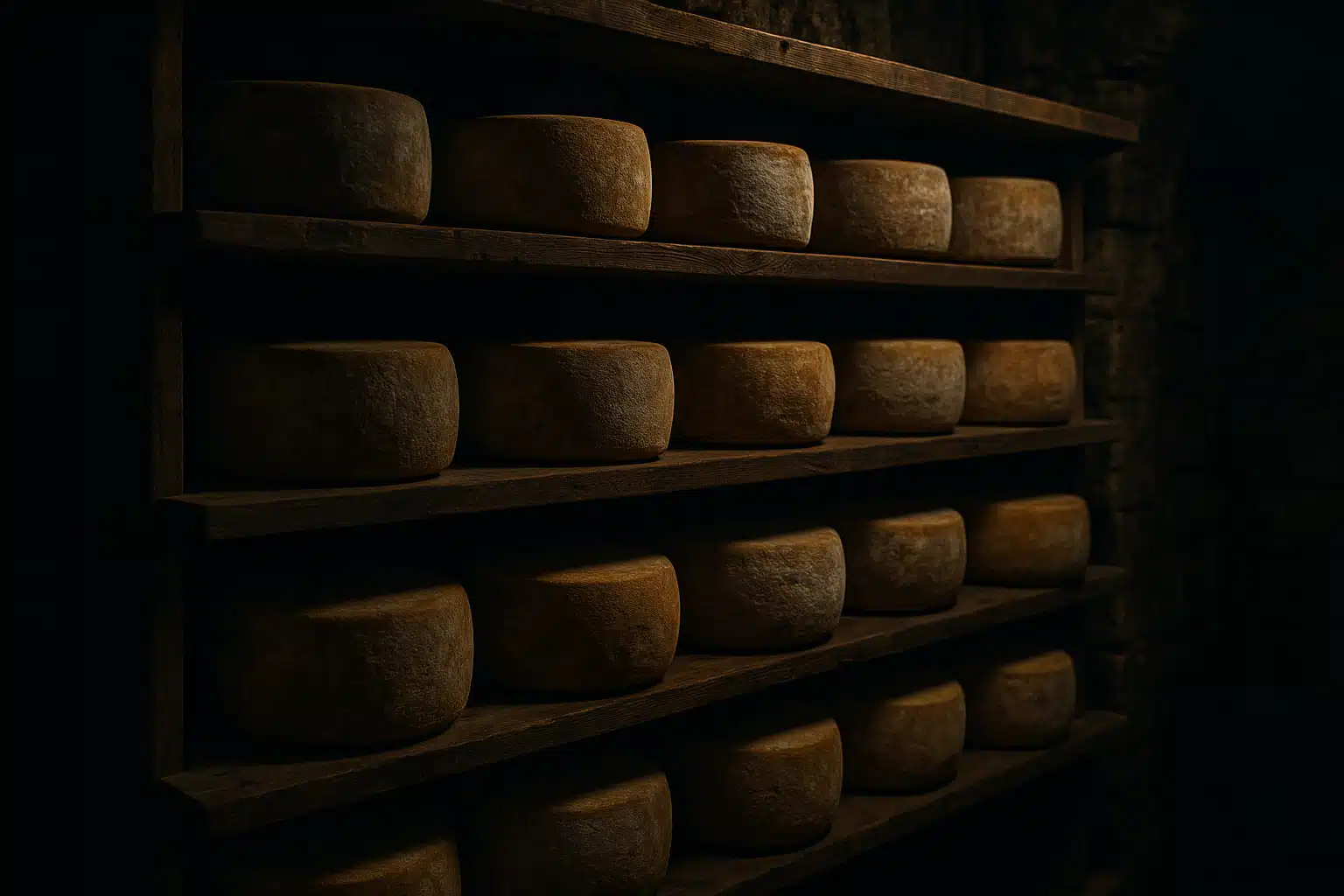
Many newcomers to cheese making share similar questions and hold common misconceptions that can hinder their progress. Understanding these clarifications will help you avoid frustration and achieve better results from the start.
- All milk types work the same: As discussed, the processing level and quality of milk significantly impact cheese-making success. Ultra-pasteurized milk often fails to form proper curds.
- Sanitation can be minimal: Cleanliness is critical and cannot be compromised. Contamination can ruin batches and potentially create unsafe products.
- All cheeses follow the same process: Different cheese varieties require distinct techniques, temperatures, cultures, and aging conditions. Each type has unique requirements.
- Expensive equipment is necessary: While specialized tools are helpful, beginners can start with basic kitchen equipment and achieve excellent results.
- Mistakes mean you should give up: Every cheese maker experiences failures. These are valuable learning opportunities that improve your skills and understanding.
Essential Tools for Success
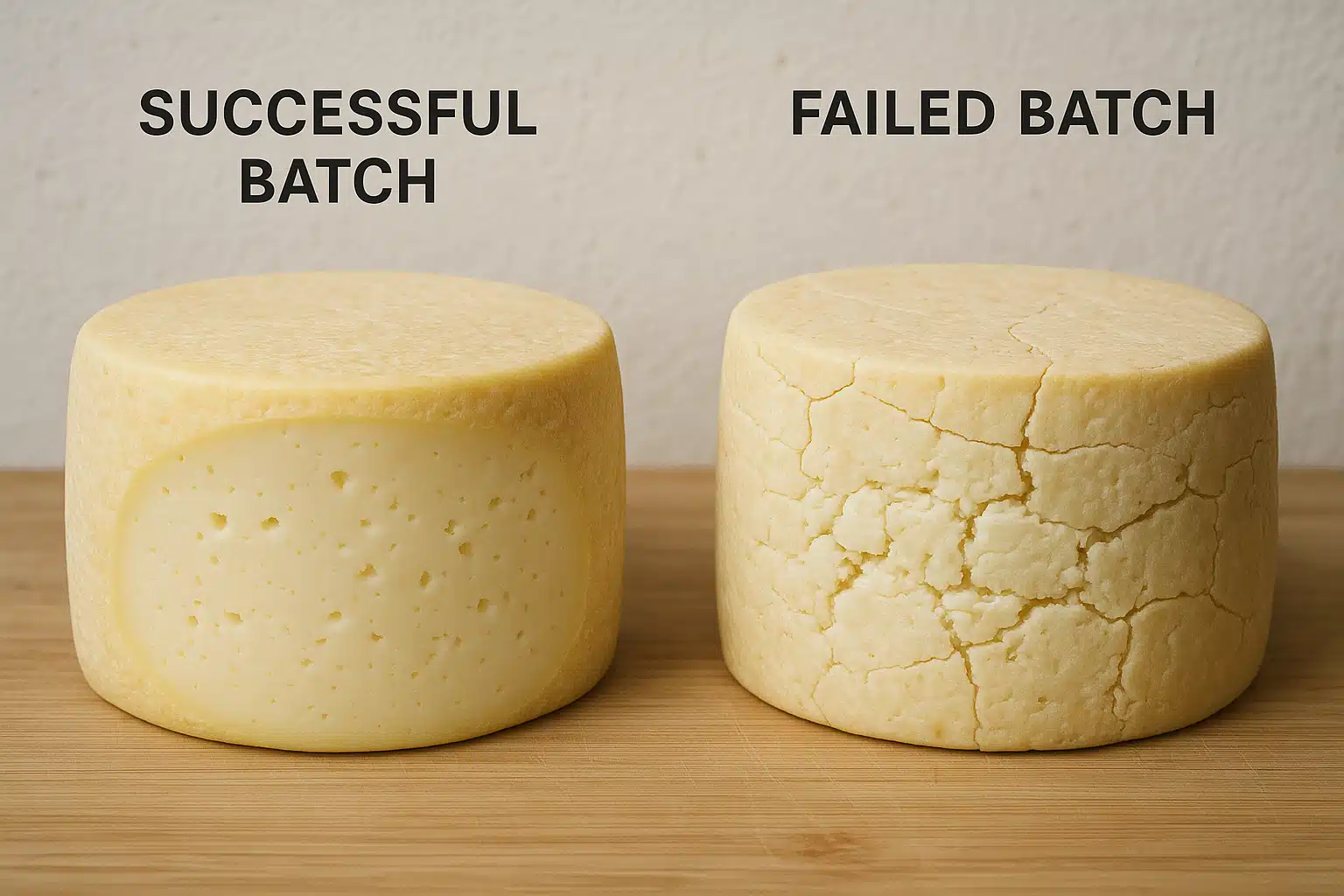
While cheese making doesn’t require extensive equipment, having the right tools makes the process significantly easier and more successful. A heavy-bottomed stainless steel pot provides even heat distribution. A reliable thermometer ensures accurate temperature monitoring. Cheesecloth or butter muslin allows proper drainage while containing curds. Cheese molds shape your product and facilitate pressing. A long knife for cutting curds and a slotted spoon for handling them are essential. As you progress, you might add specialized equipment like pH meters, cheese presses, or humidity-controlled aging chambers.
Understanding Cultures and Coagulants
Beyond basic technique, successful cheese making requires understanding the ingredients that transform milk into cheese. Bacterial cultures introduce specific microorganisms that acidify milk, develop flavor, and contribute to texture. Different cultures produce different results—mesophilic cultures work at moderate temperatures for many cheese types, while thermophilic cultures thrive at higher temperatures for varieties like mozzarella and parmesan.
Coagulants cause milk proteins to bond and form curds. Rennet, derived from animal or microbial sources, is the traditional coagulant for most cheeses. Acidic substances like vinegar, lemon juice, or citric acid can also coagulate milk, though they produce different textures suitable for specific cheese types. Understanding when and how to use these ingredients is fundamental to cheese-making success.
Moving Forward in Your Cheese-Making Journey
Cheese making is a skill that develops over time through practice, observation, and learning from both successes and failures. Every batch teaches you something new about how milk behaves, how cultures work, and how environmental factors affect your results. Don’t be discouraged by initial setbacks—even experienced cheese makers occasionally produce imperfect batches.
Keep detailed notes about each cheese-making session, including milk type, temperatures, timing, ingredients, and observations. This record becomes an invaluable reference that helps you replicate successes and avoid repeating mistakes. Join online communities or local cheese-making groups to share experiences and learn from others. Consider taking workshops or classes to refine your technique and learn directly from experienced makers.
Start with simple, forgiving cheeses like ricotta, paneer, or queso fresco. As your confidence and skills grow, progress to more challenging varieties like mozzarella, cheddar, or gouda. Each new cheese type expands your understanding and capabilities. With patience, practice, and attention to the fundamental principles outlined here, you’ll develop the skills to create delicious, artisanal cheeses in your own kitchen.

Remember that cheese making connects you to an ancient culinary tradition practiced across cultures for thousands of years. Each cheese you create is part of this ongoing story. Embrace the learning process, celebrate your successes, learn from your mistakes, and most importantly, enjoy the incredible flavors you create through this rewarding craft.