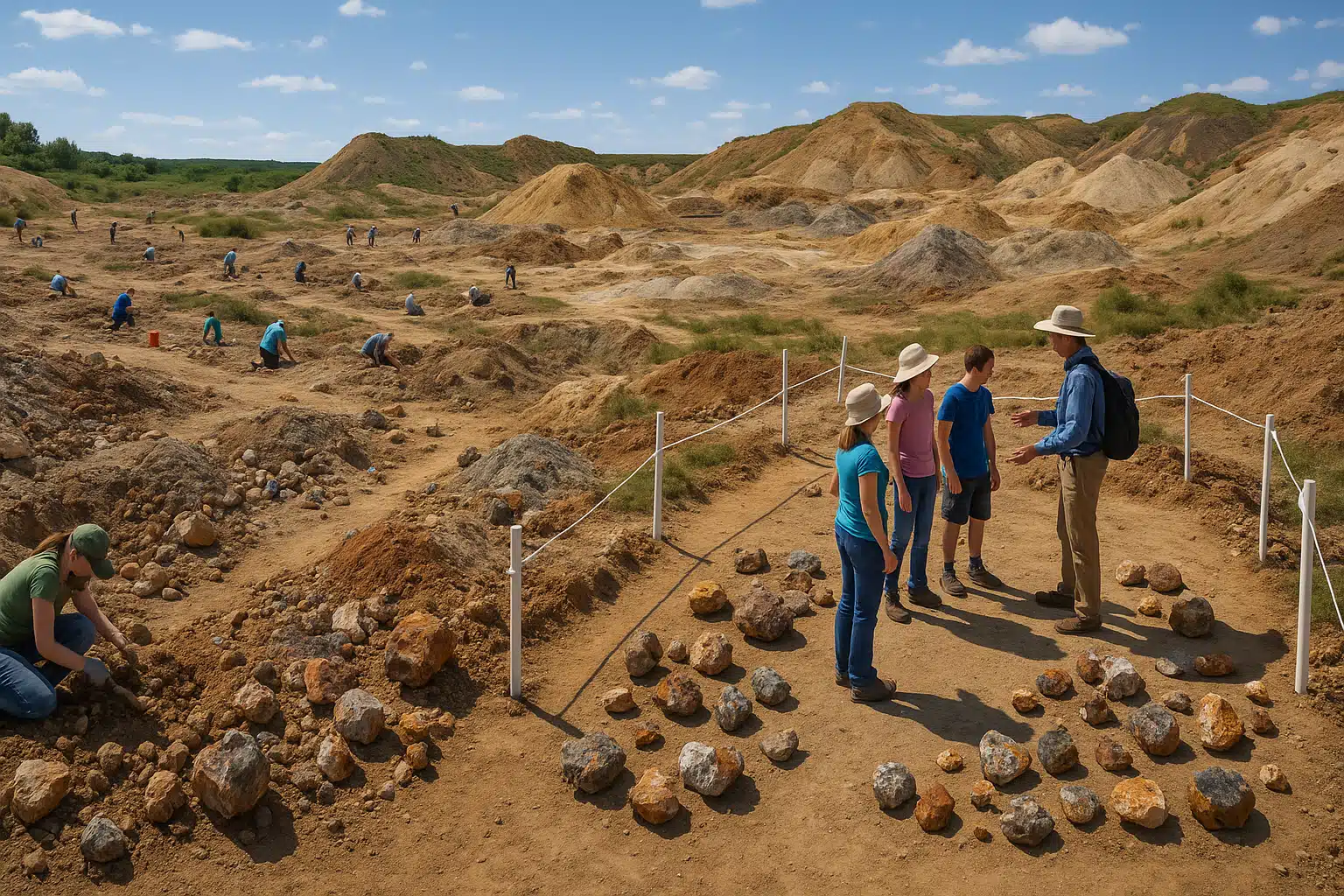
Exploring the world of mineral and fossil hunting is an exciting adventure that attracts enthusiasts from all corners of the globe. Whether you’re searching for sparkling gemstones, ancient fossils, or unique geological specimens, one of the first decisions you’ll face is where to dig. Two primary options exist: public dig sites and private claims. Each offers distinct advantages, limitations, and experiences. Understanding these differences will help you make informed decisions and maximize your treasure-hunting success.
Understanding Public Dig Sites
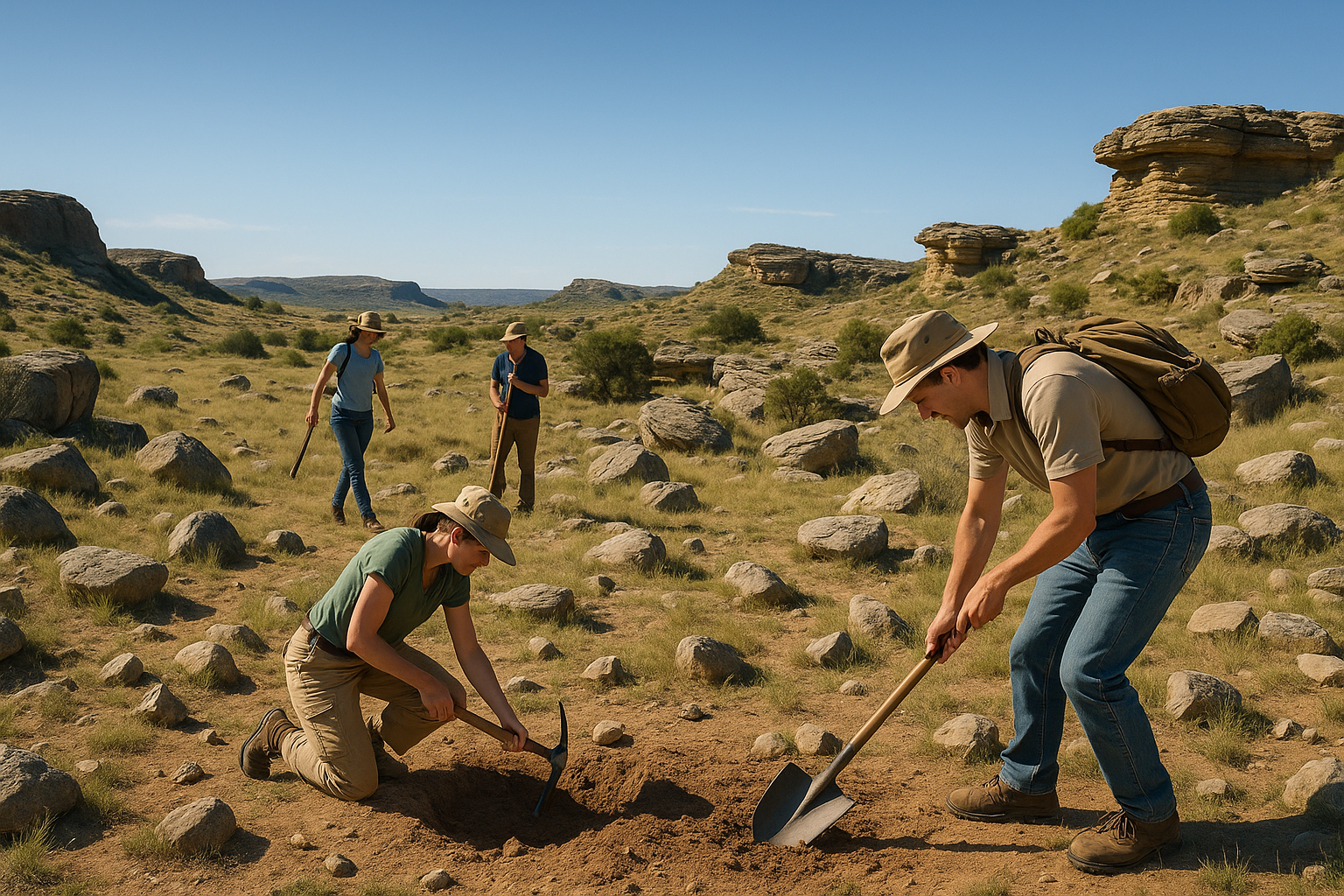
Public dig sites are designated areas where individuals can search for minerals, gemstones, fossils, and other geological treasures without requiring special permission or ownership rights. These locations are typically managed by governmental bodies, conservation organizations, or public land authorities and are made accessible to visitors under specific guidelines.
Key Characteristics of Public Dig Sites
- Open Access: Generally available to anyone without advance booking or membership requirements, though some may have seasonal operating hours or visitor limits.
- Minimal or No Cost: Most public dig sites offer free entry, though some may charge nominal parking or facility maintenance fees.
- Established Regulations: Clear rules govern what can be collected, quantity limits, tool restrictions, and environmental protection measures to preserve the site for future visitors.
- Educational Value: Many public sites provide informational signage, visitor centers, or educational programs explaining the geological history and significance of the area.
- Community Atmosphere: These locations naturally attract fellow enthusiasts, creating opportunities to exchange knowledge, techniques, and experiences with other collectors.
- Variable Success Rates: Because these areas receive regular visitors, finding significant specimens may require more patience, skill, and persistence compared to less-frequented locations.
Public dig sites serve as excellent starting points for beginners who want to learn basic techniques, understand what to look for, and develop their skills before investing in more specialized expeditions.
Exploring Private Claims
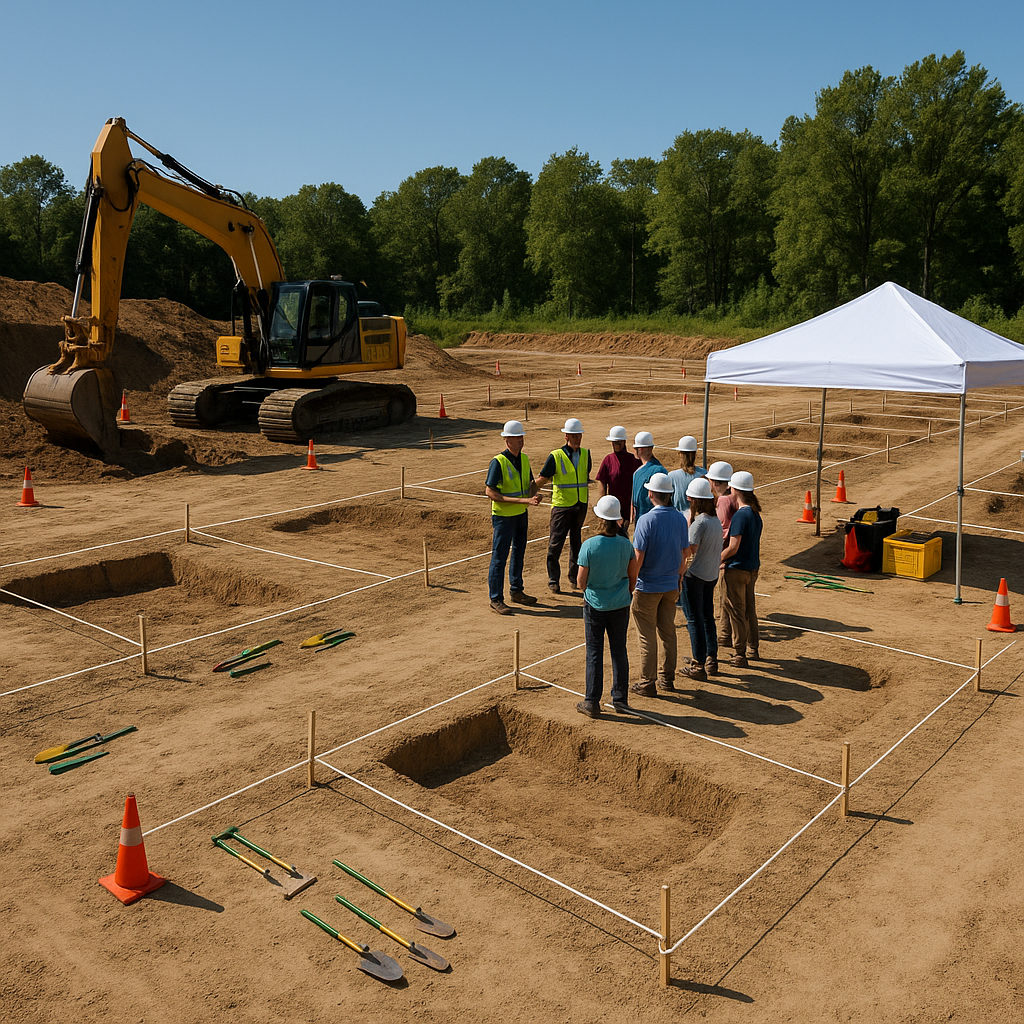
Private claims represent land parcels owned or leased by individuals, companies, or organizations who maintain exclusive rights to the minerals and specimens found within their boundaries. Access to these locations is controlled by the owner, who establishes the terms, conditions, and fees for visiting diggers.
Key Characteristics of Private Claims
- Access Fees: Visitors typically pay daily rates, membership fees, or percentage-based agreements where the claim owner receives a portion of valuable finds.
- Owner-Established Rules: The proprietor determines collection limits, permitted tools, restricted areas, operating hours, and whether finds can be kept or must be shared.
- Potentially Higher Yields: Private claims often experience less traffic than public sites, increasing the probability of finding quality specimens, especially in well-managed locations.
- Guided Experiences: Many private claim owners offer instruction, equipment rental, expert guidance, and even guarantee certain finds as part of their service package.
- Specialized Locations: Private claims frequently focus on specific minerals or fossils known to occur in the area, allowing for more targeted collecting experiences.
- Advance Planning Required: Visiting private claims usually necessitates appointments, reservations, or prior communication with the owner to arrange access.
- Liability Considerations: Private claim owners may require visitors to sign waivers or carry insurance, establishing clear responsibility for accidents or injuries.
Private claims appeal to serious collectors willing to invest financially for improved chances of significant discoveries, as well as beginners who value structured guidance and a more curated experience.
Comparing Public Dig Sites and Private Claims
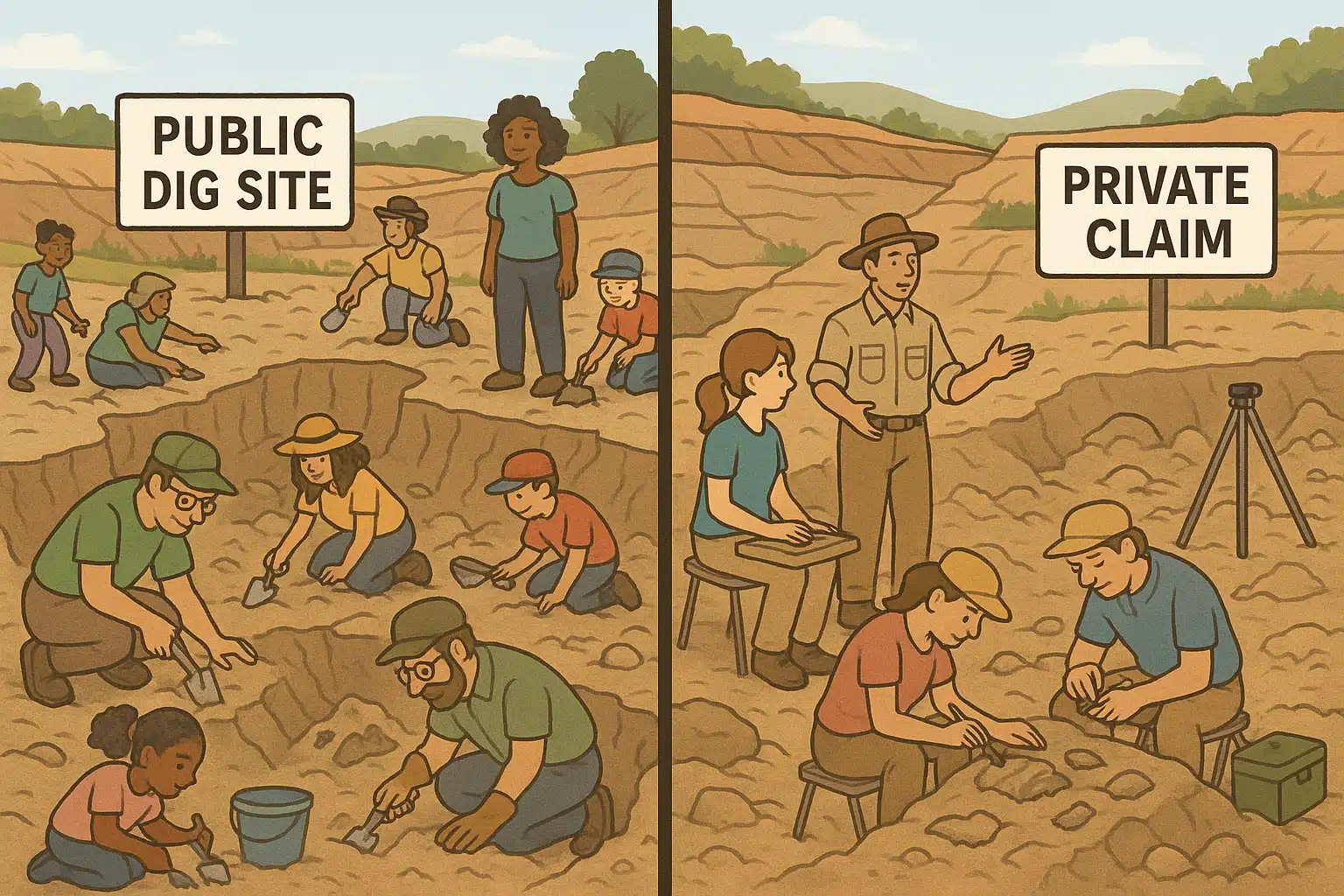
To help you understand which option might suit your needs, interests, and budget, here’s a comprehensive comparison of the fundamental differences between public dig sites and private claims:
Financial Considerations
- Public Sites: Typically free or require minimal fees for parking or facilities, making them budget-friendly options for casual collectors and families.
- Private Claims: Generally involve entry fees ranging from modest day rates to substantial membership costs, representing a financial investment in exchange for potentially better results.
Access and Availability
- Public Sites: Open to all visitors without special permission, though some may have seasonal closures or weather-related restrictions.
- Private Claims: Require owner authorization, advance booking, or membership, with access controlled at the discretion of the property holder.
Ownership and Rights
- Public Sites: Managed by governmental or public entities, with specimens considered part of the public domain within collection limits.
- Private Claims: Owned by individuals or organizations who retain mineral rights and establish terms for what visitors may keep.
Rules and Regulations
- Public Sites: Subject to standardized public land regulations focused on conservation, safety, and fair access for all visitors.
- Private Claims: Governed by owner-specific rules that may be more flexible or restrictive depending on individual priorities and business models.
Quality and Quantity of Finds
- Public Sites: May require more effort and patience due to regular visitor traffic, though dedicated collectors can still make significant discoveries.
- Private Claims: Often offer better odds for quality finds due to controlled access and sometimes active site management or replenishment.
Support and Guidance
- Public Sites: May provide educational materials or interpretive programs but generally leave visitors to explore independently.
- Private Claims: Frequently include expert instruction, equipment provision, guaranteed finds, or guided experiences as part of the fee structure.
Practical Scenarios and Real-World Examples
Understanding how these two options function in practice can help clarify which might work best for your specific situation and collecting goals.
The Family Adventure
Imagine planning a weekend getaway with your family. You discover a well-known public dig site along your route that’s famous for fossil deposits. You arrive with basic tools—perhaps a small shovel, brush, and collection bags—and spend several hours exploring designated areas. The children enjoy the treasure-hunt atmosphere, finding small fossilized shells and interesting rock formations. The experience costs nothing beyond fuel and perhaps a small parking fee, and everyone learns about geology while spending quality time together outdoors.
The Serious Collector’s Expedition
Alternatively, consider an experienced collector seeking specific gemstone varieties. After research, you contact the owner of a private claim known for producing high-quality specimens of a particular mineral. You pay a daily access fee and arrive at an appointed time. The owner provides orientation, shares knowledge about the best digging locations on the property, and may even offer specialized tools. Your focused search in less-trafficked areas yields several excellent specimens that would be difficult to find at heavily visited public locations.
The Learning Experience
For someone completely new to mineral collecting, visiting a private claim that offers guided experiences might provide the fastest learning curve. The owner or guide teaches proper identification techniques, safe excavation methods, and how to recognize valuable versus common specimens. This structured introduction builds confidence and skills that can later be applied at public sites or independent expeditions.
Addressing Common Questions and Misconceptions
Are Public Sites Worth Visiting?
Absolutely. While public dig sites may see more visitors, they remain excellent venues for discovery, learning, and outdoor recreation. Many significant finds occur at public locations, especially for collectors who research optimal times to visit, learn to recognize overlooked specimens, or explore less-popular sections of larger sites. The community aspect also provides invaluable opportunities to learn from experienced collectors who frequent these locations.
Do Private Claims Guarantee Better Finds?
Not necessarily. While private claims often offer better odds due to controlled access, success still depends on geological factors, your skill level, time invested, and sometimes simple luck. Some private claims actively “salt” or replenish their sites with specimens to ensure visitor satisfaction, while others offer access to natural, unmanipulated deposits. Understanding what type of experience a particular private claim offers is important before committing financially.
Can Beginners Visit Either Type?
Yes, both options welcome beginners, though they offer different advantages. Public sites allow newcomers to experiment without financial pressure, learn at their own pace, and decide if the hobby appeals to them before investing in equipment or fees. Private claims with guided experiences provide structured learning that can accelerate skill development, though at higher initial cost. Many collectors recommend starting with public sites to build basic competency, then exploring private claims for more specialized interests.
What About Legal and Ethical Considerations?
Regardless of which option you choose, always respect established rules, collection limits, and environmental protection guidelines. At public sites, this means following posted regulations and leaving the area in good condition for future visitors. At private claims, honor the owner’s terms and any agreements regarding finds or access. Ethical collecting practices ensure these opportunities remain available for future generations and maintain positive relationships between collectors and landowners or authorities.
Making Your Choice: Which Option Is Right for You?
Selecting between public dig sites and private claims depends on multiple factors unique to your situation, goals, and resources. Consider the following questions when making your decision:
- What is your budget? If cost is a primary concern, public sites offer excellent experiences with minimal financial investment. If you can allocate funds for the hobby, private claims may provide enhanced results.
- What is your experience level? Beginners may benefit from either the low-pressure environment of public sites or the structured guidance available at some private claims.
- What are you hoping to find? If you’re seeking specific, valuable, or rare specimens, researching private claims known for those materials may be worthwhile. For general exploration and learning, public sites work wonderfully.
- How much time can you invest? Public sites allow spontaneous visits and flexible schedules, while private claims often require advance planning and appointments.
- Do you value social interaction or solitude? Public sites naturally attract more visitors and community interaction, while private claims may offer quieter, more focused experiences.
- What level of support do you need? Independent explorers thrive at public sites, while those seeking instruction or guaranteed success may prefer private claims with guided services.
Remember that these options aren’t mutually exclusive. Many successful collectors enjoy both public sites for casual outings and community engagement, while reserving private claim visits for serious hunting expeditions or when seeking specific specimens.
Preparing for Your Digging Adventure
Regardless of which option you choose, proper preparation enhances safety, success, and enjoyment. Research your destination thoroughly, understand what materials are typically found there, and familiarize yourself with any specific regulations or requirements. Assemble appropriate tools, safety equipment, and supplies. Check weather conditions and site accessibility. If visiting a private claim, communicate clearly with the owner about expectations, fees, and what’s included.
Most importantly, approach each excursion with realistic expectations, respect for the environment and property, and an attitude of learning and discovery. Whether you’re examining fossils at a public beach, searching for crystals in a public mining area, or exploring a private gemstone claim, the experience offers connection with natural history, outdoor recreation, and the timeless human fascination with Earth’s hidden treasures.
Final Thoughts
Both public dig sites and private claims offer unique pathways into the rewarding world of mineral and fossil collecting. Public sites provide accessible, affordable entry points with community atmosphere and educational value, while private claims offer controlled environments, potential for better finds, and often expert guidance in exchange for access fees. Your choice depends on personal preferences, goals, budget, and experience level—and you’re free to explore both options as your interest in this fascinating hobby develops. Whichever path you choose, respect the rules, protect the environment, prioritize safety, and enjoy the adventure of discovery that awaits beneath the surface.