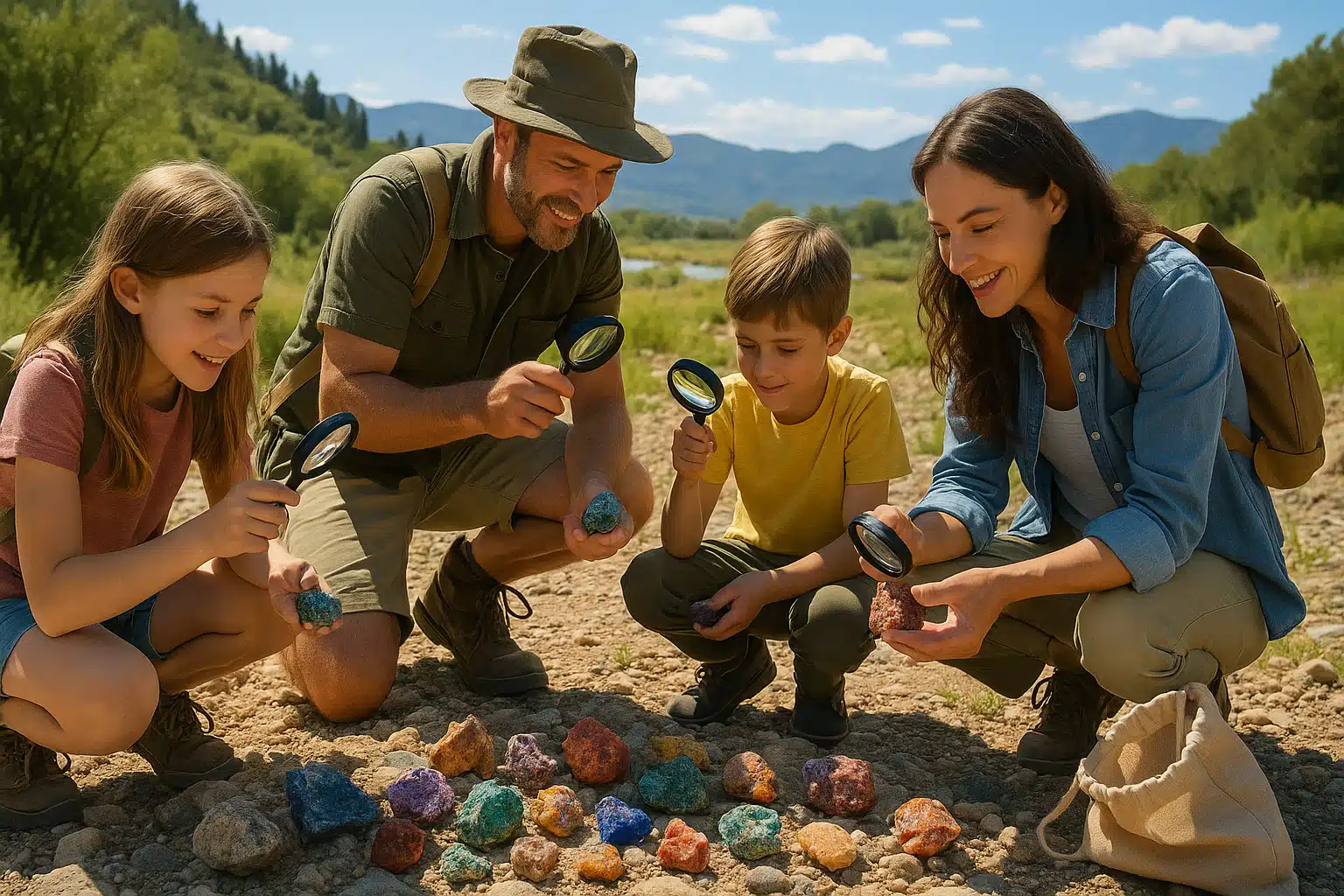
Have you ever witnessed the excitement in a child’s eyes when they discover a sparkling stone or an unusually shaped pebble? There’s something universally captivating about geology that draws young minds into the fascinating world beneath our feet. Rockhounding—the practice of searching for and collecting rocks, minerals, and fossils—offers far more than simple entertainment. It’s an enriching educational activity that connects children with Earth sciences, natural history, and outdoor exploration.
This guide presents three engaging games designed to transform rockhounding into an adventure that keeps children enthusiastically digging, learning, and discovering. Whether you’re a parent, educator, or caregiver, these activities will help you create memorable experiences that spark curiosity and foster a deeper appreciation for our planet’s geological treasures.
Why Geology Matters for Young Learners
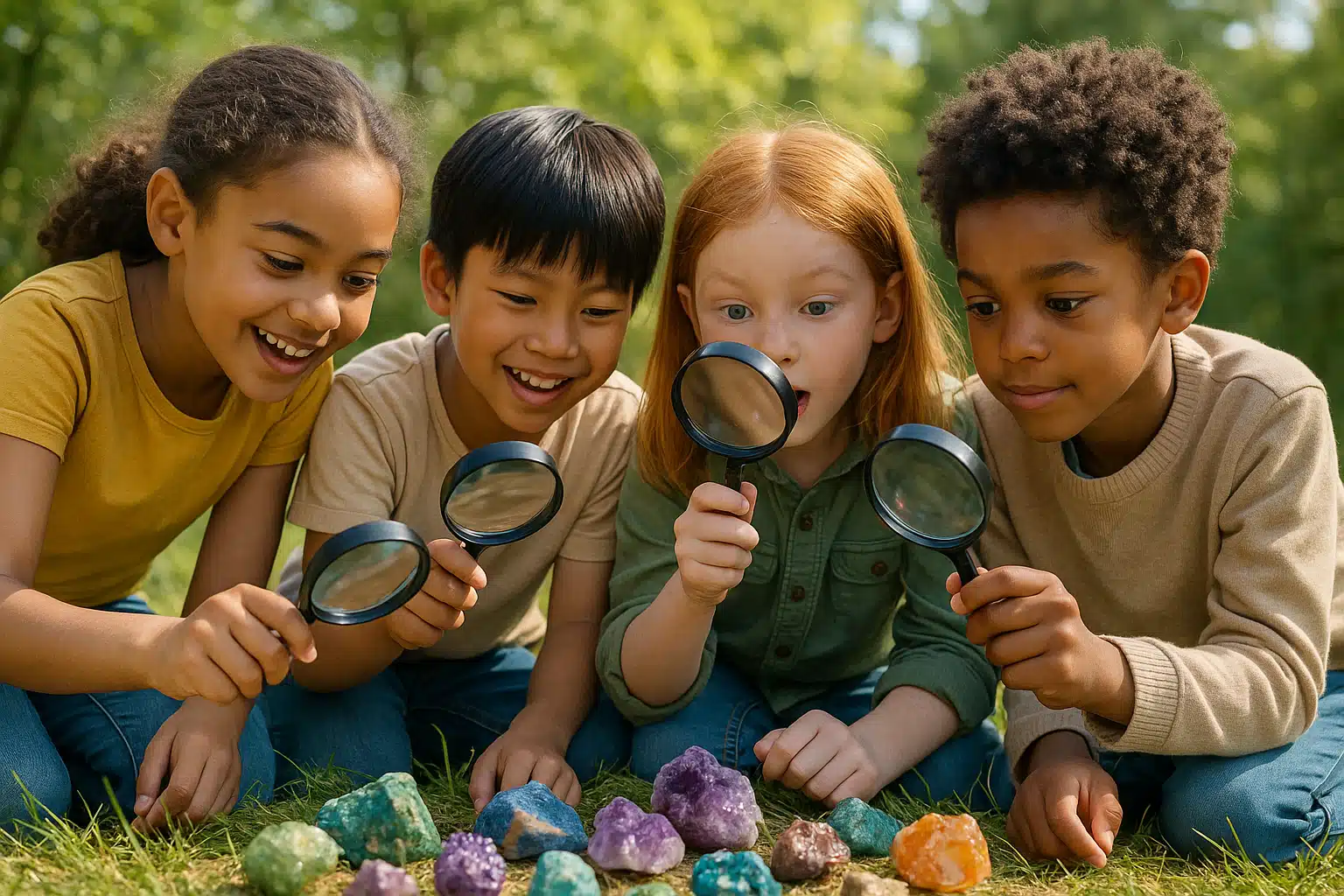
Introducing children to geology through rockhounding creates valuable learning opportunities that extend far beyond identifying stones. This hands-on approach to Earth science education offers multiple developmental benefits that support growing minds in meaningful ways.
Educational Benefits of Rockhounding
- Experiential Learning: Children absorb information more effectively when they can touch, examine, and interact with their subject matter. Rockhounding transforms abstract geological concepts into tangible discoveries.
- Environmental Connection: Spending time outdoors searching for geological specimens helps children develop respect for natural environments and understand Earth’s processes.
- STEM Skill Development: Identifying rocks and minerals requires observation, classification, hypothesis formation, and logical reasoning—core competencies in science, technology, engineering, and mathematics education.
- Patience and Persistence: Finding interesting specimens requires time and dedication, teaching children the value of sustained effort and attention to detail.
- Collection and Organization: Managing a rock collection introduces basic cataloging, categorization, and systematic thinking skills.
By making geology accessible and entertaining, these activities plant seeds of scientific curiosity that may blossom into lifelong interests in Earth sciences, environmental stewardship, or related fields.
Game 1: Rock Bingo Adventure
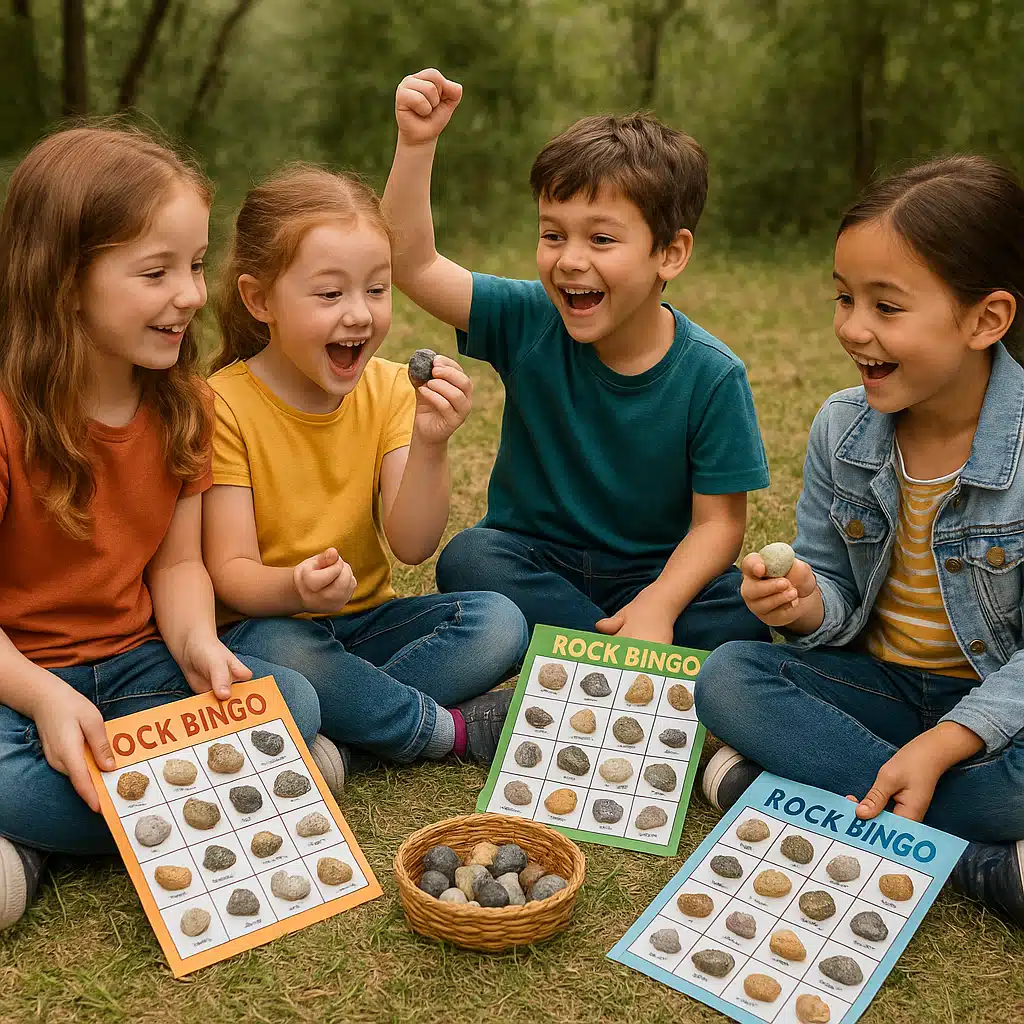
Rock Bingo transforms the classic game format into an interactive geological scavenger hunt. This activity combines the excitement of competition with systematic observation skills, making it perfect for groups of children or family outings.
Materials Needed
- Customized bingo cards featuring images or names of common rock types
- Markers or small stones to mark completed squares
- A reference guide showing rock identification features
- Collection bags or containers for each participant
How to Play
Create bingo cards that feature various common rock types such as granite (speckled igneous rock), basalt (dark volcanic rock), limestone (sedimentary rock often containing fossils), quartz (crystalline mineral), sandstone (grainy sedimentary rock), and slate (smooth metamorphic rock). Each card should have a different arrangement to ensure variety among players.
As your group explores suitable outdoor locations, children search for rocks matching the descriptions on their cards. When they find a potential match, they should compare it with reference materials to confirm identification before marking their card. The first person to complete a row—horizontally, vertically, or diagonally—calls out “Rock Bingo!” and wins that round.
To extend the game’s educational value, have winners explain how they identified each rock type, describing characteristics like color, texture, weight, and visible mineral components. This reinforces learning and helps other players improve their identification skills.
Game 2: Mystery Rock Challenge
The Mystery Rock Challenge encourages detailed observation and scientific reasoning. This game helps children develop the analytical skills geologists use when examining unknown specimens, making it an excellent introduction to systematic scientific methodology.
Materials Needed
- A collection bag containing various rock specimens
- Magnifying glasses or jeweler’s loupes for detailed examination
- Identification reference materials
- Notebooks or worksheets for recording observations
- Optional: streak plates, hardness testing tools, or other geological testing equipment
How to Play
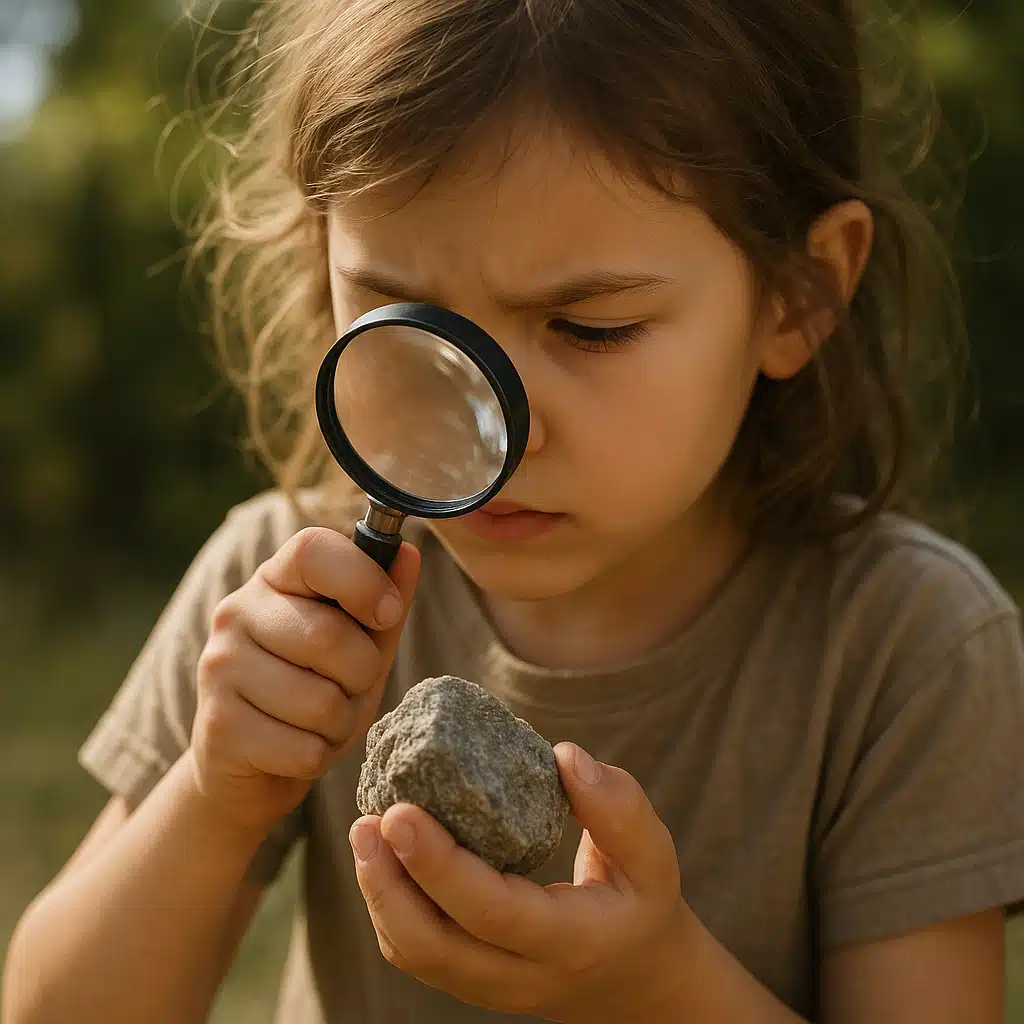
Prepare a bag with diverse rock specimens without revealing them to participants. Each child draws one rock from the bag and receives time to examine it thoroughly using magnifying tools. Encourage them to note specific characteristics: color variations, crystal structures, layering or banding, surface texture, weight relative to size, and any distinctive features like fossils or mineral inclusions.
After the observation period (typically 5-10 minutes), each participant presents their hypothesis about what type of rock they’re holding and explains their reasoning. They should reference specific observed features that support their conclusion. For example: “I think this is granite because I can see different colored crystals—white, pink, and black—all mixed together, which means different minerals cooled together from molten rock.”
Once everyone has presented, reveal the actual rock types and discuss why certain features led to correct or incorrect identifications. This reflection process reinforces learning and helps children understand that scientific investigation involves forming hypotheses, testing them against evidence, and refining understanding based on results.
For advanced players, introduce additional testing methods like hardness tests (can it scratch glass or be scratched by a fingernail?), streak tests (what color mark does it leave on unglazed porcelain?), or reaction tests (does it fizz when vinegar is applied, indicating limestone?).
Game 3: Rock Art Gallery
Rock Art Gallery combines geological exploration with creative expression, appealing to children who enjoy artistic activities. This game helps children see rocks as unique objects with individual character while creating personalized keepsakes from their rockhounding adventures.
Materials Needed
- Smooth rocks of various sizes (river rocks work particularly well)
- Acrylic paints or permanent markers designed for non-porous surfaces
- Paintbrushes in various sizes
- Protective sealant spray or clear acrylic coating (optional but recommended)
- Display materials such as small platforms, fabric, or cardboard for the gallery setup
- Labels or cards for “artist statements”
How to Play
Begin with a rockhounding expedition focused on finding smooth, paintable stones. Look for rocks with interesting shapes, colors, or textures that might inspire artistic designs. River beds, lake shores, and coastal areas typically offer excellent smooth specimens, though you can also purchase pre-tumbled rocks from hobby suppliers.
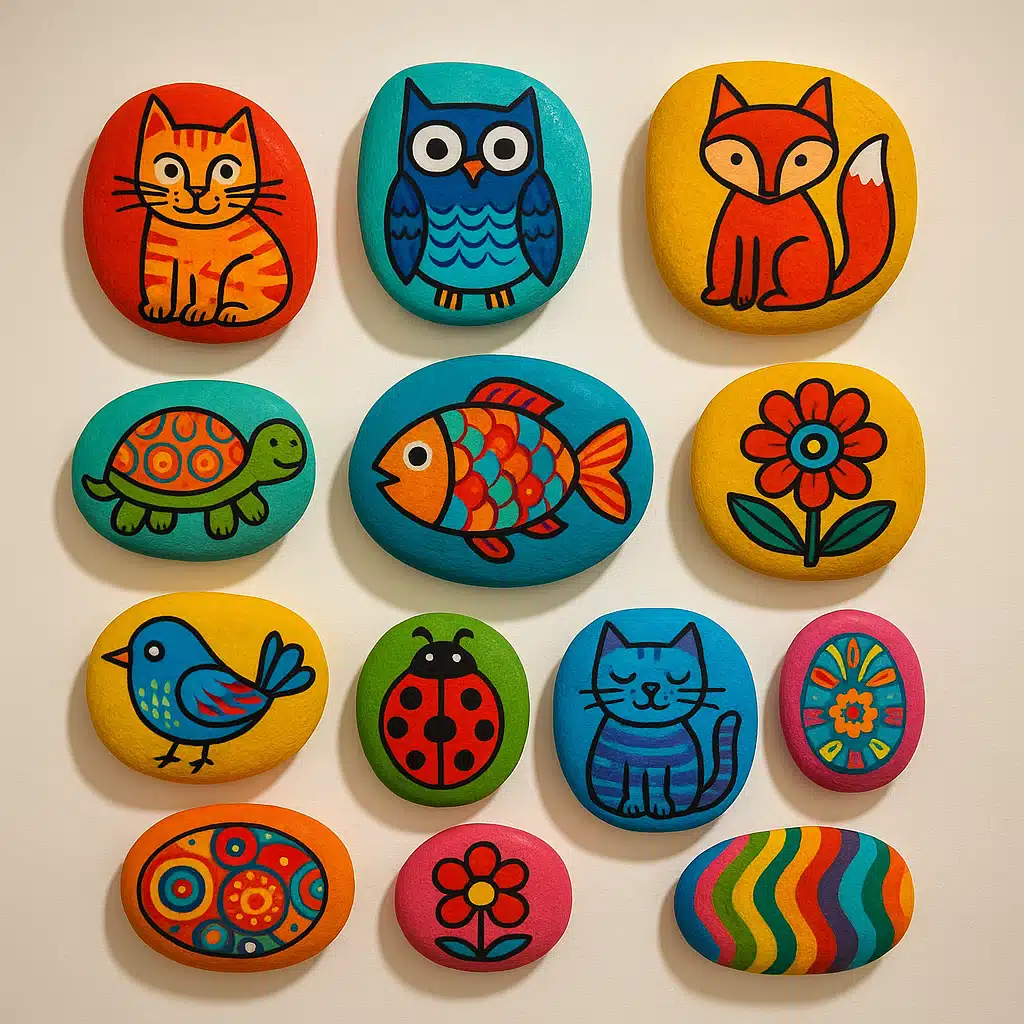
Once you’ve gathered suitable rocks, set up a creative workspace with paints and brushes. Encourage children to transform their rocks into miniature artworks. Popular approaches include painting rocks to resemble animals, insects, or imaginary creatures; creating mandala patterns or geometric designs; depicting landscapes or nature scenes; adding inspirational words or messages; or designing decorative patterns inspired by the rock’s natural shape.
After the artwork dries completely, optionally apply a protective sealant to preserve the designs, especially if rocks will be displayed outdoors. Then organize a gallery exhibition where each young artist displays their creations. Enhance the experience by having children create descriptive labels including the artwork’s title, the artist’s name, and perhaps a brief statement about their inspiration or creative process.
Consider inviting family members or friends to tour the gallery, with artists available to discuss their work. This presentation component builds confidence and communication skills while celebrating creativity. Finished rock art makes excellent gifts, garden decorations, or paperweights, giving children’s geological discoveries lasting practical value.
Essential Tips for Successful Rockhounding with Children
Finding the Right Locations
Selecting appropriate rockhounding locations significantly impacts your success and enjoyment. Public parks, nature reserves, beaches, river banks, construction sites (with permission), and designated collecting areas offer accessible options for family-friendly geological exploration. Before visiting any location, research local regulations regarding rock collecting, as some protected areas prohibit removing natural materials.
Local geological societies, natural history museums, and online rockhounding communities can provide valuable recommendations for productive collecting sites in your area. Many regions host organized rockhounding events specifically designed for families and beginners, offering guided experiences with expert instruction.
Recommended Rock Types for Beginners
Starting with common, easily identifiable rocks builds confidence and foundational knowledge. Focus initially on these accessible categories:
- Sedimentary Rocks: Sandstone (grainy texture with visible sand particles), limestone (often light-colored, may contain fossils), and shale (splits into thin layers)
- Igneous Rocks: Granite (speckled appearance with visible crystals), basalt (dark, dense volcanic rock), and pumice (light, porous volcanic rock that may float)
- Metamorphic Rocks: Slate (smooth, breaks in flat sheets), marble (crystalline limestone transformation), and schist (visible layered minerals)
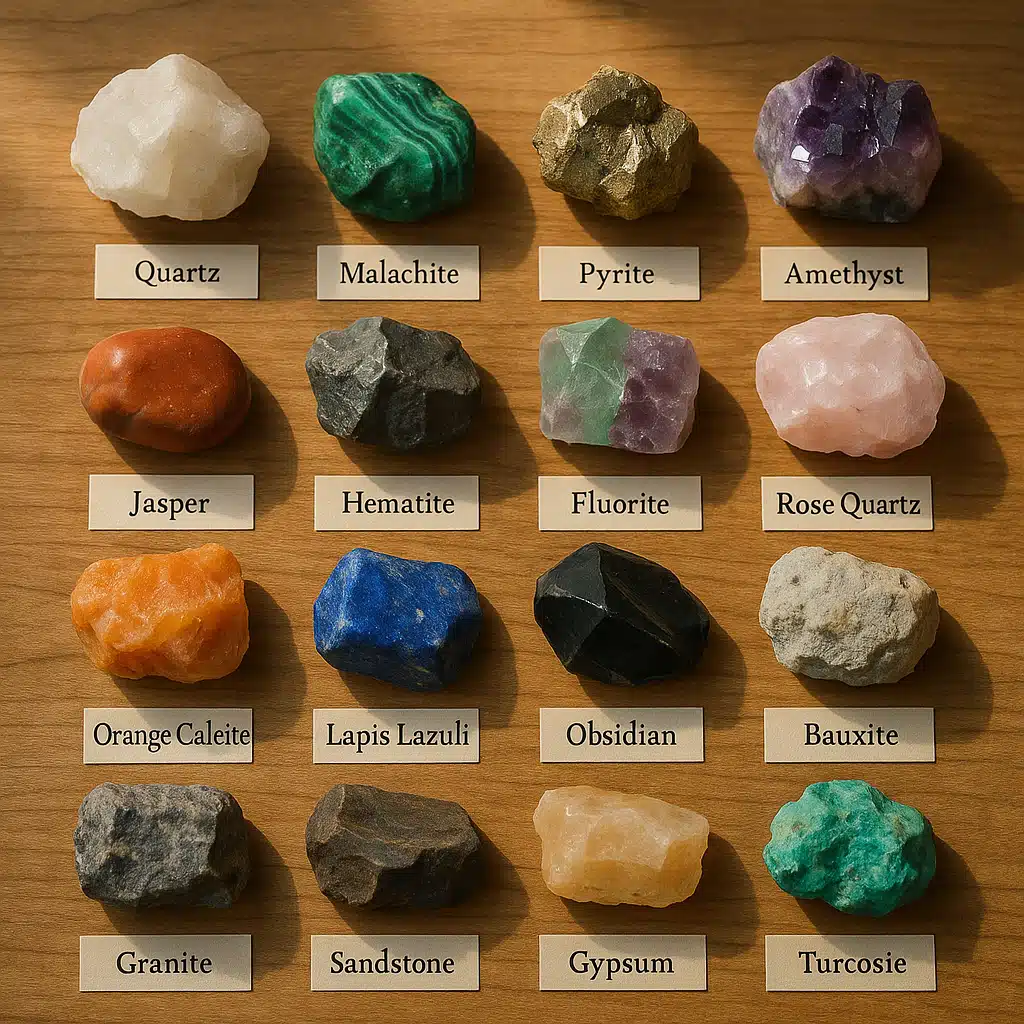
- Common Minerals: Quartz (glassy, often transparent or white), feldspar (typically pink, white, or gray), and mica (shiny, flaky sheets)
As children develop identification skills and confidence, gradually introduce more challenging specimens with subtle distinguishing features.
Safety Considerations
Ensuring safety allows everyone to focus on learning and enjoyment. Implement these practical precautions:
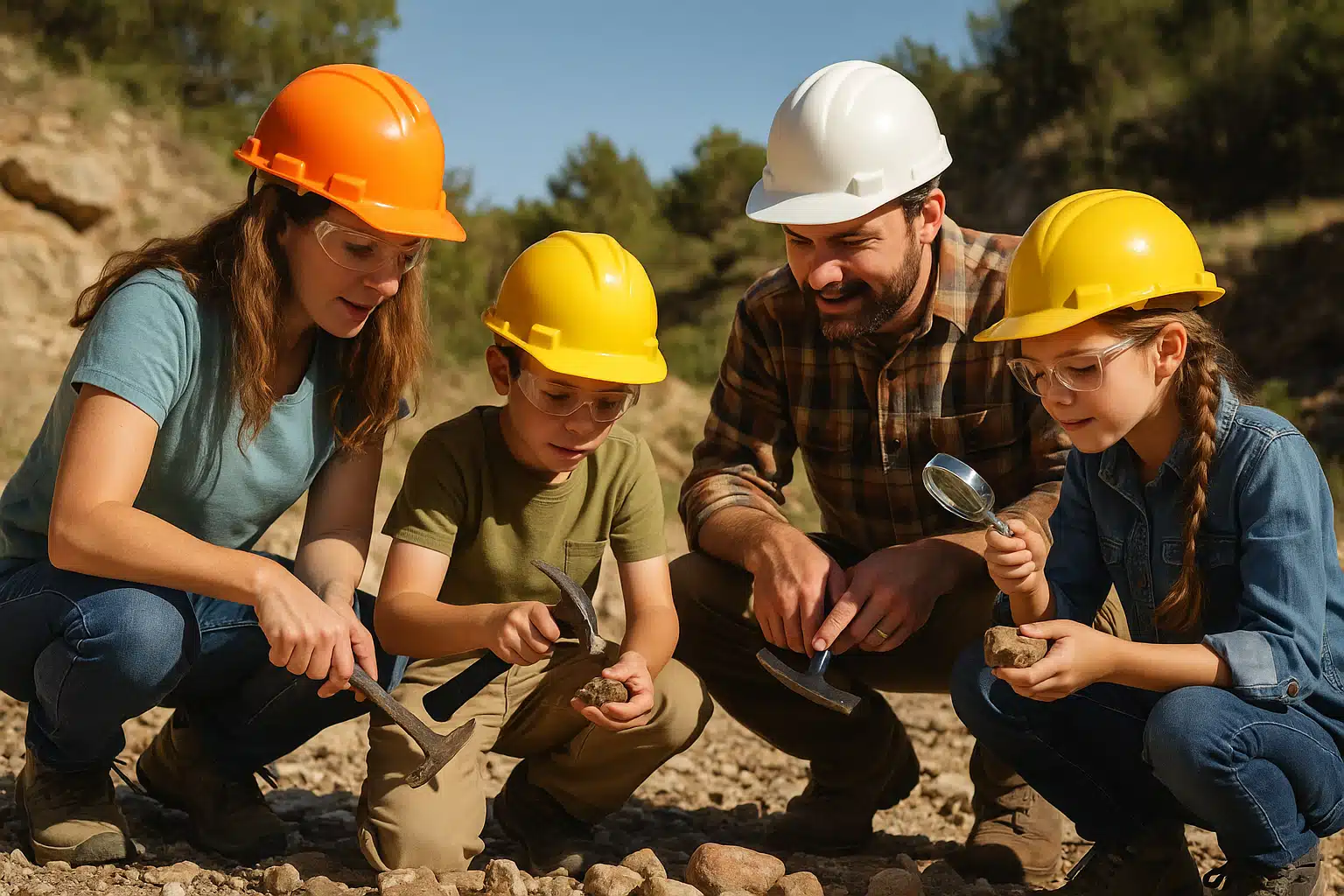
- Protective Gear: Provide sturdy gloves when handling sharp or rough rocks, especially freshly broken specimens with jagged edges
- Appropriate Footwear: Require closed-toe shoes with good traction, particularly near water or on uneven terrain
- Supervision: Maintain appropriate adult supervision ratios, especially near water bodies, cliffs, or unstable areas
- Tool Safety: If using geological hammers or chisels, teach proper technique and require safety glasses to protect against rock chips
- Environmental Awareness: Watch for slippery surfaces near water, unstable slopes, weather changes, and local wildlife
- Hydration and Sun Protection: Bring adequate water and sun protection for outdoor activities
- First Aid: Carry a basic first aid kit for minor cuts, scrapes, or insect encounters
Building and Maintaining Collections
Help children organize their discoveries to maximize educational value. Provide storage containers with compartments, labeling materials to record where and when each specimen was found, reference books or apps for ongoing identification practice, and display cases or shelves to showcase favorite finds. Encourage children to maintain a rockhounding journal documenting their adventures, observations, and growing geological knowledge.
Frequently Asked Questions About Rockhounding with Children
What age is appropriate to start rockhounding?
Children as young as three or four can enjoy collecting interesting rocks, though their engagement will be more about outdoor exploration than scientific identification. As children reach ages six through eight, they develop the observation skills and attention span for activities like the games described above. Adapt complexity to match individual developmental levels rather than adhering strictly to age guidelines.
How can we identify rocks we find?
Identification combines systematic observation with reference materials. Examine color, texture, weight, crystal structure, hardness, and other physical properties, then compare these characteristics with field guides, identification apps, or online databases. Many natural history museums offer rock identification services, and local geological societies welcome inquiries from curious beginners. Photography-based identification apps have improved significantly and can provide preliminary identifications that you can verify through additional research.
Is special equipment necessary?
Beginners need very little specialized equipment. Essential items include collection bags or containers, a magnifying glass for detailed examination, a field guide for identification reference, and a notebook for recording discoveries. As interest grows, you might add geological hammers, chisels, safety glasses, streak plates for mineral testing, and more advanced identification tools. However, many successful rockhounding adventures require nothing more than curiosity and observant eyes.
Are there legal restrictions on collecting rocks?
Collection regulations vary significantly by location. National parks and protected natural areas typically prohibit removing any natural materials, including rocks. Many public lands allow personal collecting in reasonable quantities, while some areas require permits. Private property requires landowner permission. Research specific regulations for your intended location before collecting, and teach children that responsible rockhounding includes respecting these rules and preserving natural environments for future generations.
How do we clean and care for rock collections?
Most rocks clean easily with water and a soft brush. For stubborn dirt, mild soap can help without damaging specimens. Avoid harsh chemicals unless you’re certain of the rock’s composition, as some minerals react unpredictably. Allow rocks to dry completely before storage to prevent mold or mineral degradation. Store collections in dry conditions away from extreme temperature fluctuations. Delicate specimens like fossils may require special handling—consult specialized resources for guidance on fragile materials.
Conclusion: Digging Into Lifelong Learning
Rockhounding offers families an engaging pathway to outdoor education that combines physical activity, scientific inquiry, and natural wonder. The three games presented here—Rock Bingo, Mystery Rock Challenge, and Rock Art Gallery—transform geological exploration into memorable adventures that build knowledge while creating lasting family connections.
By introducing children to Earth’s geological diversity through hands-on discovery, you’re nurturing curiosity that extends beyond rocks themselves. These experiences foster scientific thinking, environmental awareness, systematic observation skills, and appreciation for our planet’s history—competencies that serve children well regardless of their future paths.
The rocks children discover today might sit on a shelf as cherished keepsakes, spark questions that lead to deeper scientific study, or simply remain as tangible reminders of sunny afternoons spent exploring together. Whatever the outcome, you’re investing in experiences that enrich childhood with wonder, learning, and outdoor adventure.
Gather your collection bags, prepare your identification guides, and head outdoors to begin your family’s rockhounding journey. The geological treasures waiting to be discovered will surprise, educate, and delight explorers of all ages. Happy rockhounding!