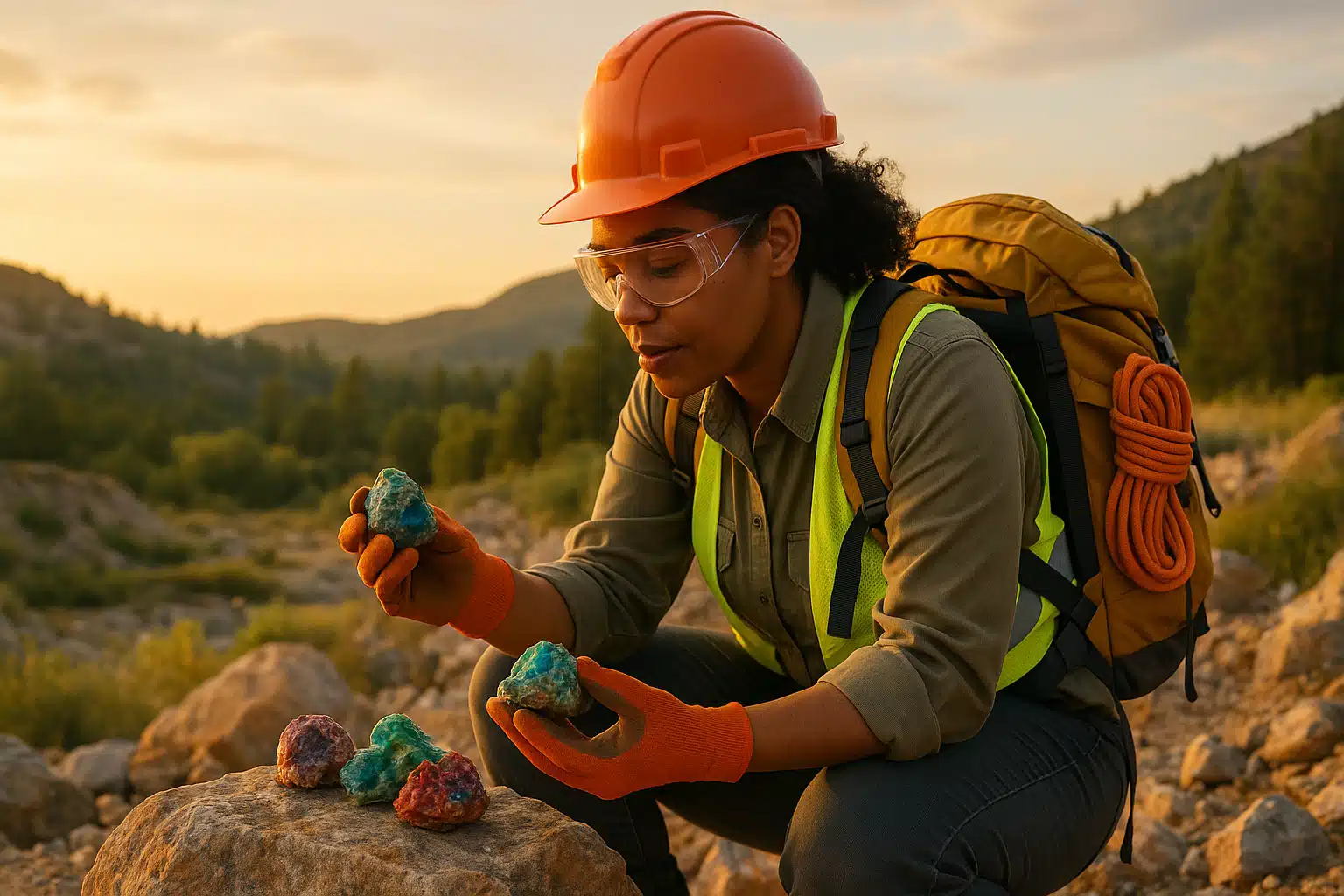
Rockhounding—the exciting pursuit of discovering gemstones, minerals, fossils, and geological specimens in their natural environment—offers an incredible opportunity to connect with nature while building a unique collection. Whether you’re exploring remote mountainsides, desert landscapes, riverbeds, or coastal areas, the thrill of finding that perfect specimen is unmatched. However, like any outdoor activity that takes you into wilderness areas or unfamiliar terrain, rockhounding requires thoughtful preparation, situational awareness, and a commitment to safety practices that can prevent accidents and emergencies.
This comprehensive guide provides essential safety information for rockhounding enthusiasts of all experience levels. From proper hydration strategies to wildlife awareness and communication protocols, we’ll cover everything you need to know to make your geological expeditions both rewarding and safe. Whether you’re a beginner planning your first collecting trip or an experienced rockhound looking to refresh your safety knowledge, these guidelines will help ensure your adventures remain enjoyable and incident-free.
Why Safety Should Be Your Top Priority in Rockhounding
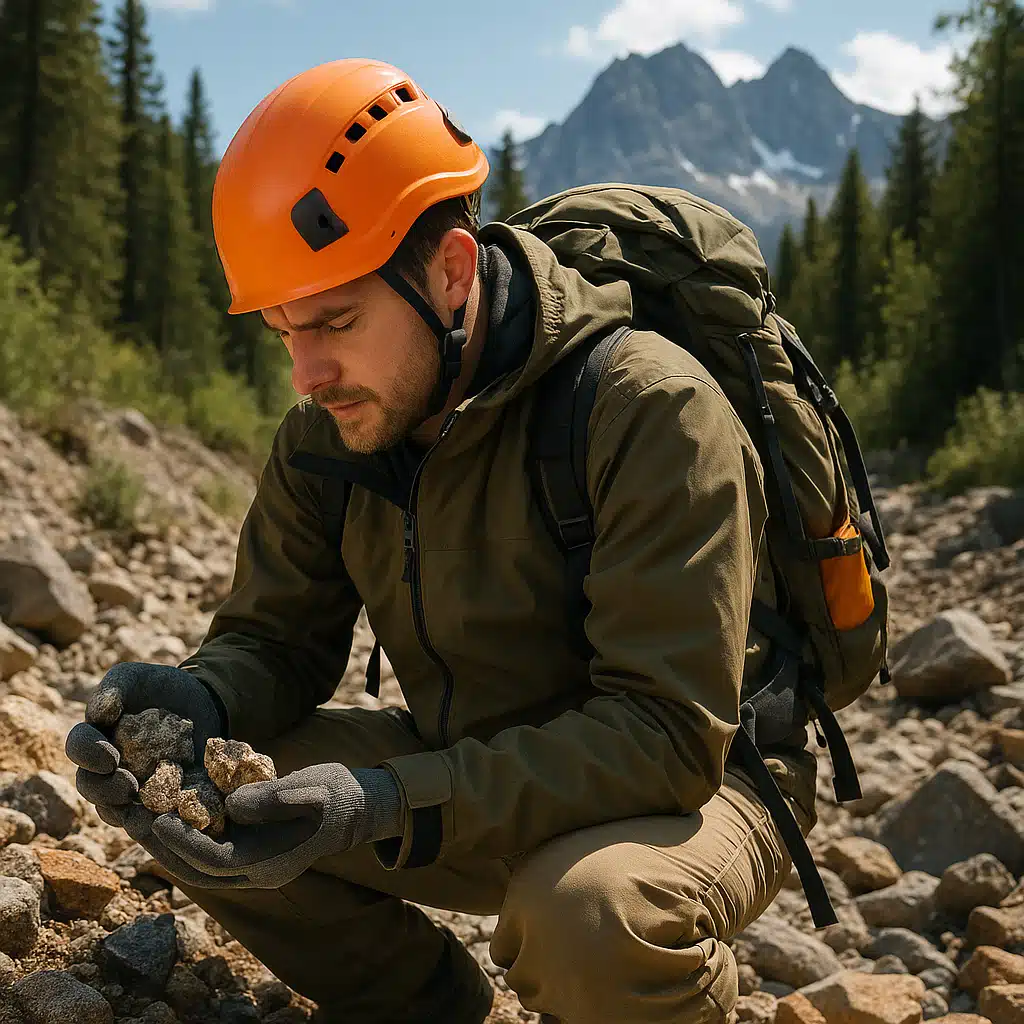
When you venture into remote areas in search of geological treasures, the excitement of potential discoveries can easily distract from fundamental safety considerations. Many rockhounding locations are situated in challenging environments—far from immediate help, with limited cell phone reception, variable weather conditions, and natural hazards that require respect and preparation.
Understanding your environment and maintaining constant awareness of changing conditions can mean the difference between a memorable adventure and a dangerous situation. Accidents in remote areas can quickly become serious when help is hours away. Proper preparation not only protects your physical wellbeing but also ensures you can fully enjoy the experience without unnecessary worry or risk.
Beyond personal safety, responsible rockhounding practices also protect the natural environments we explore and ensure these areas remain accessible for future generations of collectors and nature enthusiasts. By prioritizing safety and preparedness, you demonstrate respect for both the power of nature and the privilege of exploring it.
Hydration: Your Most Critical Safety Consideration
Proper hydration stands as perhaps the single most important safety factor for any outdoor activity, and rockhounding is no exception. When you’re focused on scanning the ground, breaking rocks, and examining specimens, it’s remarkably easy to forget about drinking water. Physical exertion, sun exposure, and the distraction of your search can lead to dehydration before you even realize you’re thirsty.
Dehydration affects your body and mind in ways that compromise safety. Physical symptoms include fatigue, dizziness, reduced coordination, and decreased strength—all dangerous when you’re navigating uneven terrain, climbing slopes, or using tools. Mental effects like confusion, poor decision-making, and reduced awareness can lead to getting lost, making navigation errors, or failing to recognize other hazards.
Practical Hydration Strategies
- Drink Proactively, Not Reactively: By the time you feel thirsty, you’re already experiencing early dehydration. Establish a regular drinking schedule—every 15-20 minutes during active searching, or at minimum every hour during less strenuous activity.
- Calculate Your Water Needs: A general guideline is approximately one liter of water per two hours of moderate outdoor activity. In hot climates, at high altitudes, or during strenuous activity, you may need to double this amount. Always carry more water than you think you’ll need.
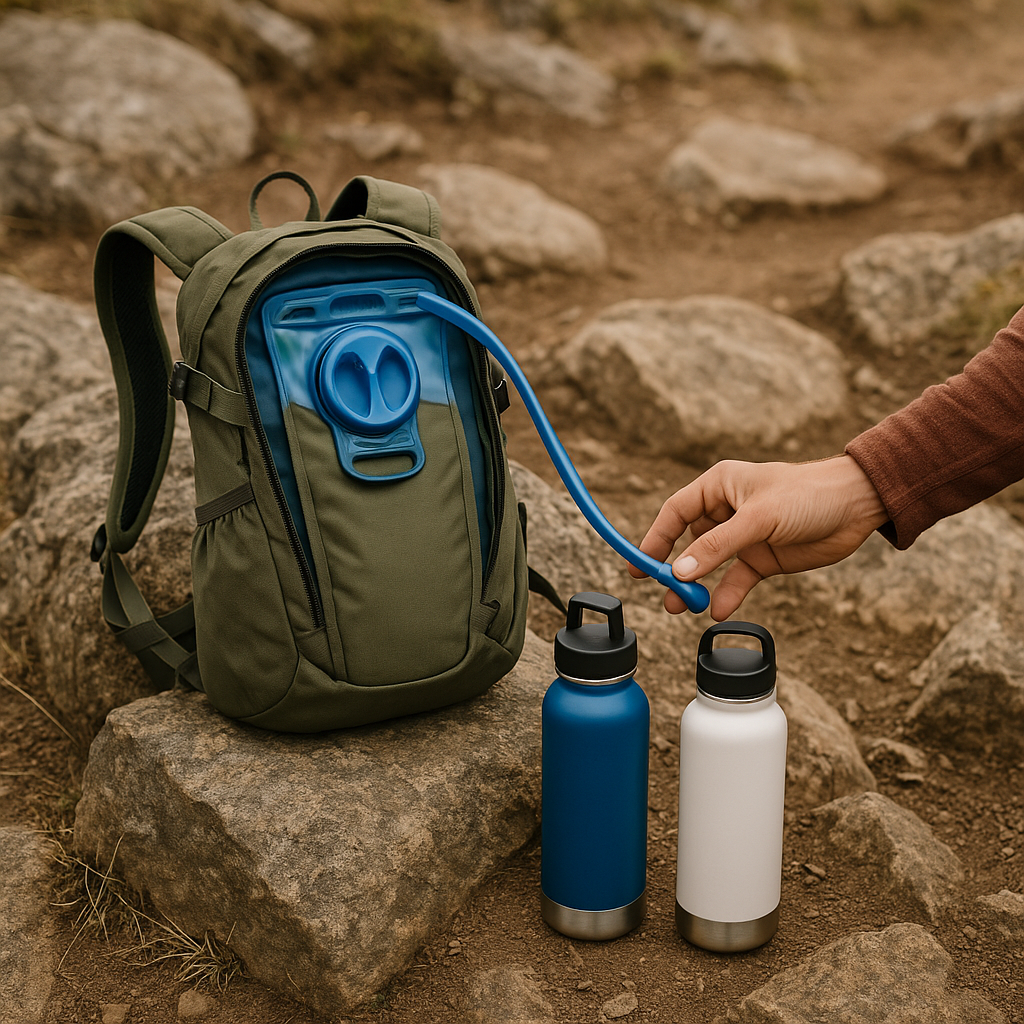
- Choose the Right Hydration System: Water bottles are simple and reliable, but hydration bladders with drinking tubes encourage more frequent sipping and keep your hands free for collecting. Consider bringing both for redundancy.
- Avoid Dehydrating Beverages: Caffeinated drinks, alcohol, and high-sugar beverages can actually increase fluid loss. Pure water or electrolyte-enhanced drinks are your best choices for maintaining proper hydration during extended outdoor activities.
- Monitor Your Hydration Status: Learn to recognize dehydration signs: dark urine, decreased urination frequency, dry mouth, headache, and unusual fatigue. Address these symptoms immediately by resting in shade and drinking water.
- Adapt to Environmental Conditions: Hot, dry climates dramatically increase water requirements. High humidity reduces your body’s cooling efficiency, also requiring more fluids. High altitude accelerates dehydration even in cool temperatures. Adjust your water supply accordingly.
Wildlife Awareness and Safe Encounters
Rockhounding often takes you into habitats where wildlife thrives, from forests and grasslands to deserts and coastal areas. While most wildlife poses no threat and will actively avoid human contact, understanding how to coexist safely with animals is essential knowledge for anyone spending time in natural environments.
Different regions present different wildlife considerations. Some areas may have large mammals, others venomous reptiles or insects, and still others marine life or birds that may become defensive during nesting seasons. Regardless of your location, the fundamental principles of wildlife safety remain consistent: respect, awareness, and appropriate response.
General Wildlife Safety Principles
- Research Before You Go: Learn about wildlife common to your rockhounding destination before your trip. Understand which animals you might encounter, their typical behavior, seasonal activity patterns, and appropriate response protocols. Local wildlife agencies and park services provide excellent resources.
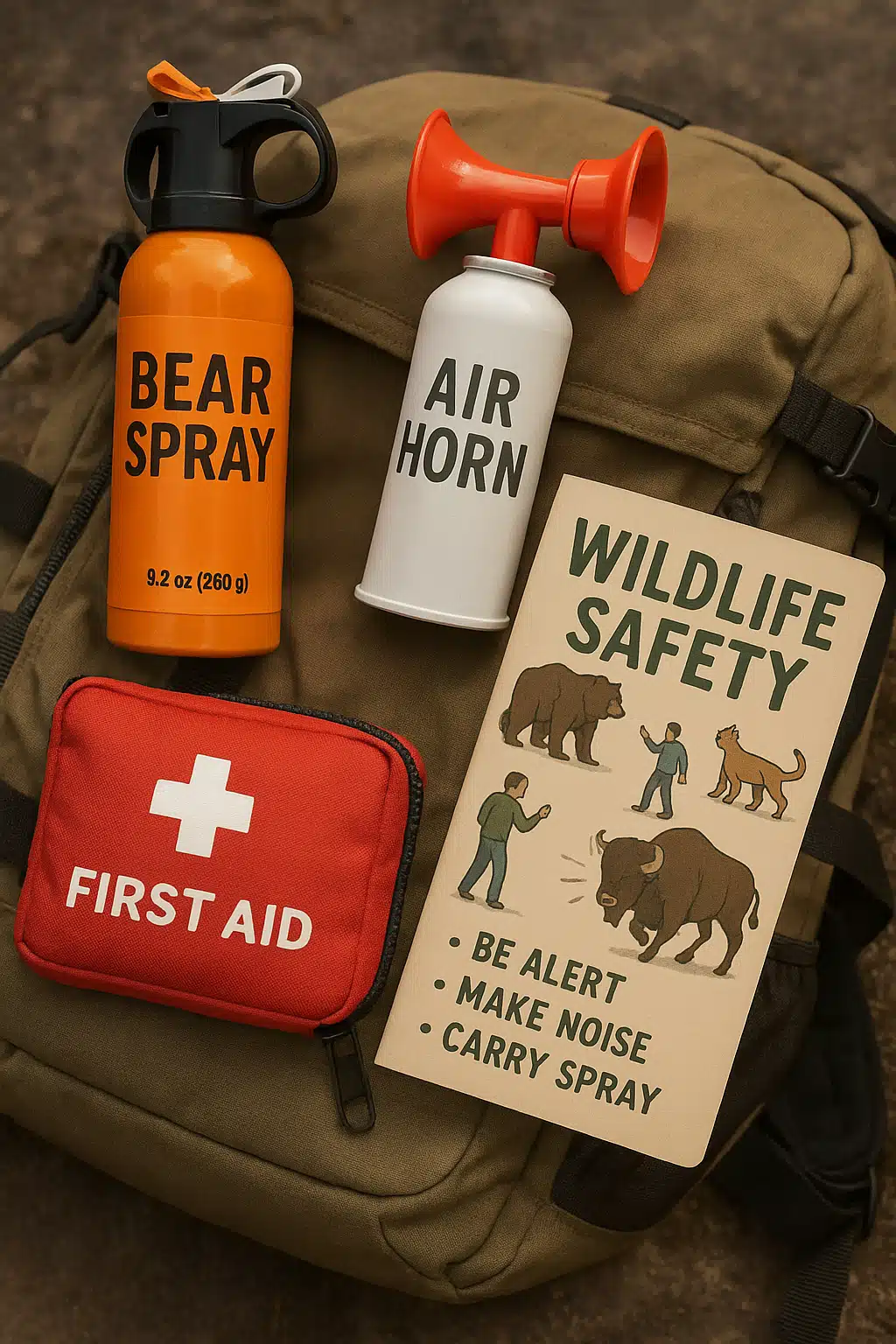
- Stay Alert and Make Noise: Most animals want to avoid you as much as you want to avoid them. Making periodic noise while walking—talking, clapping, or using a bear bell in appropriate areas—alerts animals to your presence and gives them time to move away before you encounter them.
- Maintain Safe Distances: Never approach wildlife, regardless of how calm or friendly they appear. Use binoculars or a camera zoom to observe from a distance. As a general rule, if your presence causes an animal to change its behavior, you’re too close.
- Never Feed Wildlife: Feeding animals habituates them to human contact, which endangers both future visitors and the animals themselves. It also alters natural behaviors and can cause nutritional problems for wildlife.
- Watch Where You Place Your Hands and Feet: Before reaching into crevices, under rocks, or into vegetation, visually inspect the area. Many animals hide in these exact locations. Use a tool to move rocks rather than your hands when you can’t see underneath.
Responding to Wildlife Encounters
- Remain Calm and Still: Sudden movements can startle animals and trigger defensive or chase responses. If you encounter wildlife unexpectedly, freeze and assess the situation before taking action.
- Back Away Slowly: If an animal appears agitated or too close, back away slowly while facing the animal. Never run, as this can trigger a chase response in many species. Speak in calm, low tones.
- Make Yourself Appear Larger: If threatened by certain animals, making yourself appear bigger—raising your arms, opening your jacket, standing on higher ground—can discourage approach. This technique works well with many species but research specific animals in your area.
- Know Species-Specific Responses: Different animals require different responses. What works for one species may be dangerous with another. For example, playing dead works with some bear species but not others, while direct eye contact deters some animals but provokes others.
- Carry Appropriate Deterrents: Depending on your location, carrying wildlife deterrents like bear spray, air horns, or other approved devices may be advisable. Learn how to use them properly before your trip, as improper use can worsen encounters.
Communication: Always Tell Someone Your Plans
Perhaps the simplest yet most overlooked safety measure is also one of the most critical: informing someone you trust about your rockhounding plans. This basic communication protocol can literally save your life if something goes wrong. When you’re injured, lost, or stranded in a remote area, having someone who knows where to send help and when to become concerned makes rescue efforts faster and more focused.
Many outdoor emergencies turn tragic not because of the initial incident, but because no one knew where to look for the missing person or when to start looking. A sprained ankle that would be a minor inconvenience near help can become life-threatening if you’re unable to walk out and no one knows you need assistance.
Essential Information to Share
- Specific Location Details: Provide as much detail as possible about where you’ll be rockhounding. Don’t just say “the mountains” or “the desert.” Provide specific site names, access roads, GPS coordinates, trail names, or detailed directions. If possible, mark your planned area on a physical or digital map.
- Planned Route and Itinerary: Explain not just where you’re going, but how you plan to get there, any alternative locations you might visit, and the route you’ll take. This information helps search teams predict where you might be if you don’t return as scheduled.
- Expected Return Time: Be specific about when you plan to return, and critically important—agree on a time when your contact should become concerned and take action if they haven’t heard from you. Build in a reasonable buffer for delays, but establish a clear “worry time.”
- Vehicle Description and Parking Location: Describe your vehicle (make, model, color, license number) and exactly where you plan to park. This helps search teams confirm you arrived and provides a starting point for search efforts.
- Who’s Going: If you’re rockhounding with others, provide names and contact information for everyone in your party. If going alone (which is not recommended), make this explicitly clear.
- Emergency Contact Information: Provide your contact’s phone number to any companions, and ensure your emergency contact has numbers for anyone traveling with you. Also share contact information for local emergency services or park rangers for the area you’ll be visiting.
- Communication Capabilities: Let your contact know whether you’ll have cell phone service, if you’re carrying a satellite communicator, and when/if you’ll be able to check in during your trip.
Advanced Communication Tools
For rockhounding in truly remote areas with no cell service, consider investing in modern communication technology that works independently of cellular networks. These devices can be literal lifesavers when traditional communication is impossible.
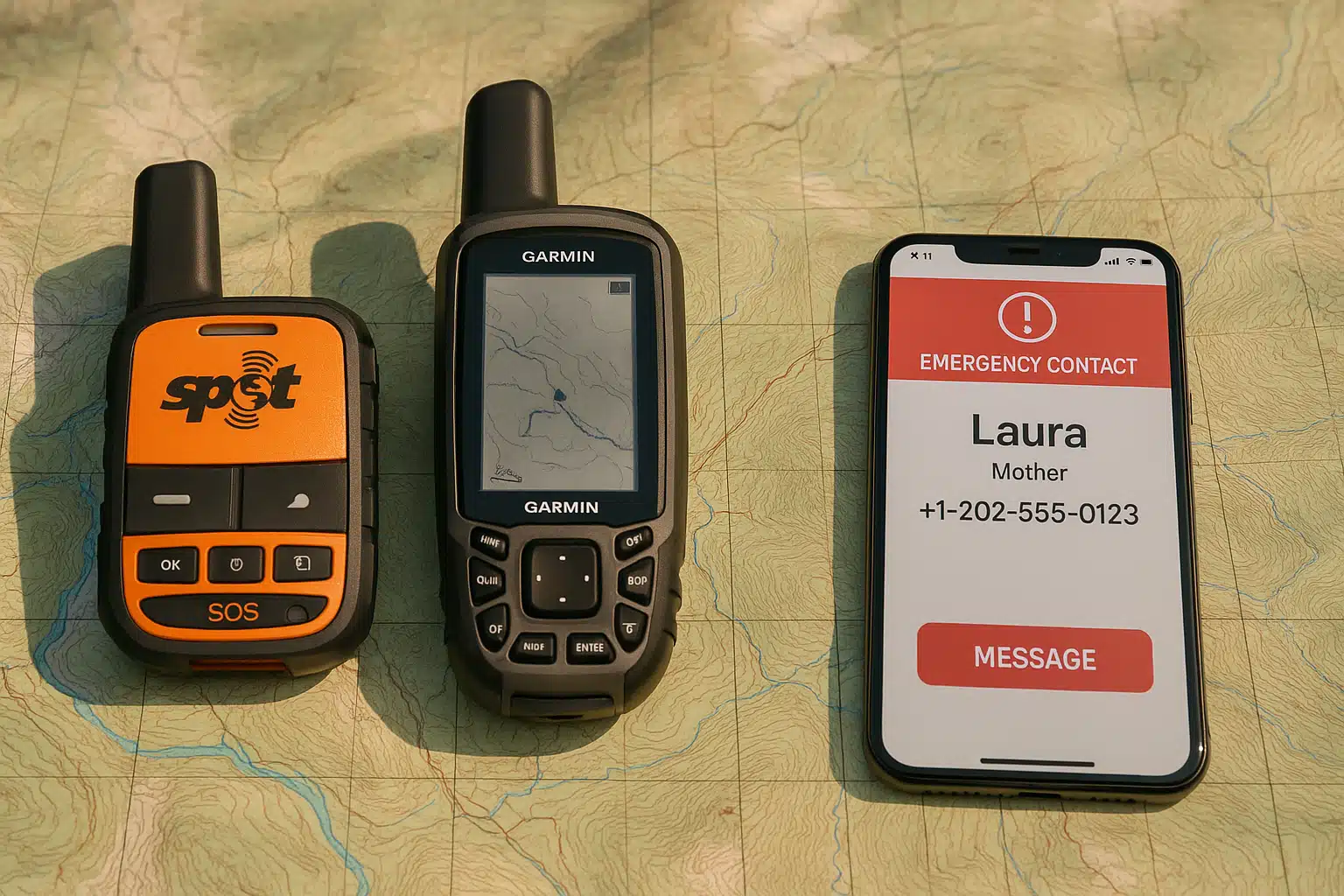
- Satellite Messengers: These devices use satellite networks to send text messages, share your GPS location, and trigger emergency responses regardless of cellular coverage. Many offer affordable subscription plans and can provide peace of mind in remote locations.
- Personal Locator Beacons (PLBs): These emergency-only devices send distress signals with your GPS coordinates to search and rescue authorities. They require no subscription but should only be activated in genuine life-threatening emergencies.
- Two-Way Satellite Communicators: More advanced than basic messengers, these allow back-and-forth communication with contacts and emergency services, weather updates, and detailed location sharing.
Essential Safety Gear for Every Rockhounding Trip
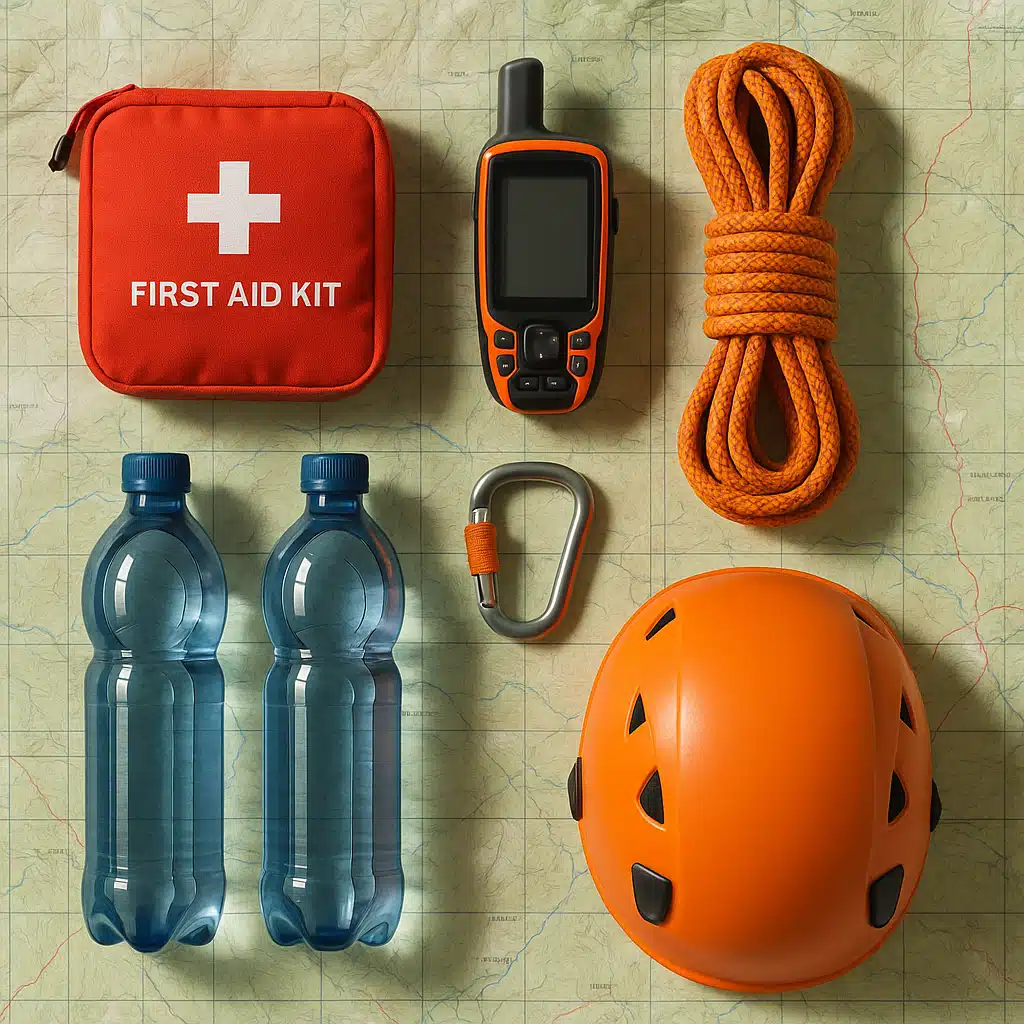
Beyond the specific safety measures already discussed, carrying appropriate gear transforms potential emergencies into manageable situations. Your safety equipment should address the most likely scenarios you might face, from minor injuries to unexpected delays that extend your time in the field.
Core Safety Equipment
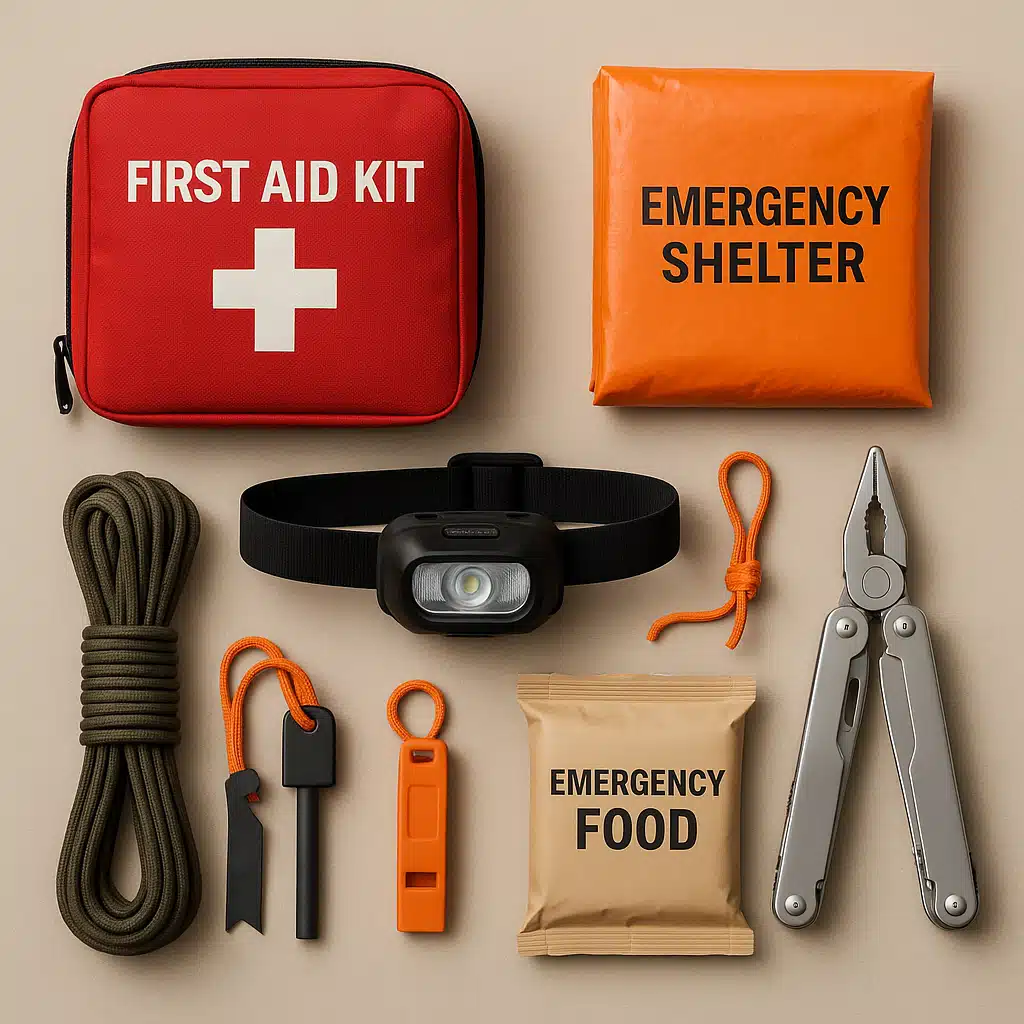
- Comprehensive First Aid Kit: Beyond basic bandages, include supplies for treating cuts from sharp rocks, blister care, pain relievers, any personal medications, elastic bandages for sprains, and specific treatments for regional hazards (bite/sting treatments, etc.).
- Navigation Tools: Carry multiple navigation methods—GPS device with fresh batteries, physical map of the area, compass, and your smartphone with offline maps downloaded. Don’t rely on a single method, as batteries die and electronics fail.
- Emergency Shelter: A lightweight emergency bivy, space blanket, or even a large garbage bag can provide critical protection if you’re forced to spend unexpected time outdoors due to injury or disorientation.
- Fire Starting Tools: Waterproof matches, lighters, and fire starters in waterproof containers. Having multiple methods ensures you can start a fire for warmth, signaling, or morale in emergencies.
- Illumination: A reliable headlamp with extra batteries allows hands-free work if you’re delayed past dark. A backup flashlight provides redundancy.
- Sun Protection: Sunscreen with high SPF, lip balm with sun protection, sunglasses with UV protection, and a wide-brimmed hat prevent sunburn and heat-related issues in exposed areas.
- Multi-Tool or Knife: Essential for equipment repairs, first aid, emergency shelter construction, and countless other uses.
- Whistle: A loud emergency whistle carries much farther than your voice when signaling for help, requires no batteries, and takes minimal space.
- Emergency Food: High-energy, non-perishable snacks like energy bars, nuts, or dried fruit provide calories if you’re delayed longer than planned.
Common Safety Questions and Misconceptions
As you prepare for rockhounding adventures, you may have questions about safety protocols or encounter common misconceptions. Let’s address some of the most frequent concerns and clarify important points that can prevent dangerous mistakes.
Is it Really Necessary to Tell Someone Every Time?
Absolutely, yes. Every single trip into remote areas should be communicated to a responsible contact, regardless of how short you expect to be gone or how familiar you are with the area. Accidents don’t announce themselves, and emergencies happen to experienced and novice rockhounds alike. The few minutes spent sharing your plans could save your life if something unexpected occurs. Think of it as inexpensive insurance—it costs you nothing but a brief conversation, yet provides critical protection.
Can I Drink Water from Natural Sources?
Natural water sources—streams, springs, lakes—may appear clean but can contain harmful bacteria, parasites, and viruses that cause serious illness. Never drink untreated water from natural sources. If you must use natural water in an emergency, treat it with purification tablets, boiling, or portable filtration systems designed to remove pathogens. However, always carry enough water for your planned activity to avoid this necessity.
What Should I Do If I Get Lost?
If you realize you’re lost or disoriented, the most important action is to stop moving and stay calm. Panic leads to poor decisions and can quickly make the situation worse. Take the following steps:
- Stop and Assess: Sit down, drink water, eat a snack, and calm your mind before making decisions.
- Try to Determine Your Location: Look at your map, check your GPS, and observe landmarks or terrain features. Try to remember your route and identify the last place you were certain of your location.
- Signal Your Location: If you have cell service or a satellite communicator, use it to contact your emergency contact or authorities. If not, stay in a visible location and use your whistle, mirror, or bright clothing to signal any potential rescuers.
- Retrace Your Steps If Certain: Only if you’re confident about your route and it’s safe to do so, carefully backtrack to your last known location. Mark your trail as you go.
- Stay Put If Uncertain: If you’re unsure which direction to go, staying in one location makes it far easier for search teams to find you. Remember, you told someone where you were going, and they will send help when you don’t return.
- Prepare to Stay Overnight: If it’s getting dark or weather is deteriorating, focus on shelter, warmth, and visibility rather than continuing to wander.
Is It Safe to Rockhound Alone?
While many experienced rockhounds do collect alone, it’s significantly safer to explore with at least one companion. If you choose to rockhound alone, take extra precautions: inform multiple people of your plans, carry a satellite communicator, stick to well-established areas you know well, be especially conservative about taking risks, and ensure your safety equipment is comprehensive and in excellent condition. For beginners, always rockhound with experienced companions until you’ve developed strong outdoor skills and local area knowledge.
How Do I Know If Weather Conditions Are Safe?
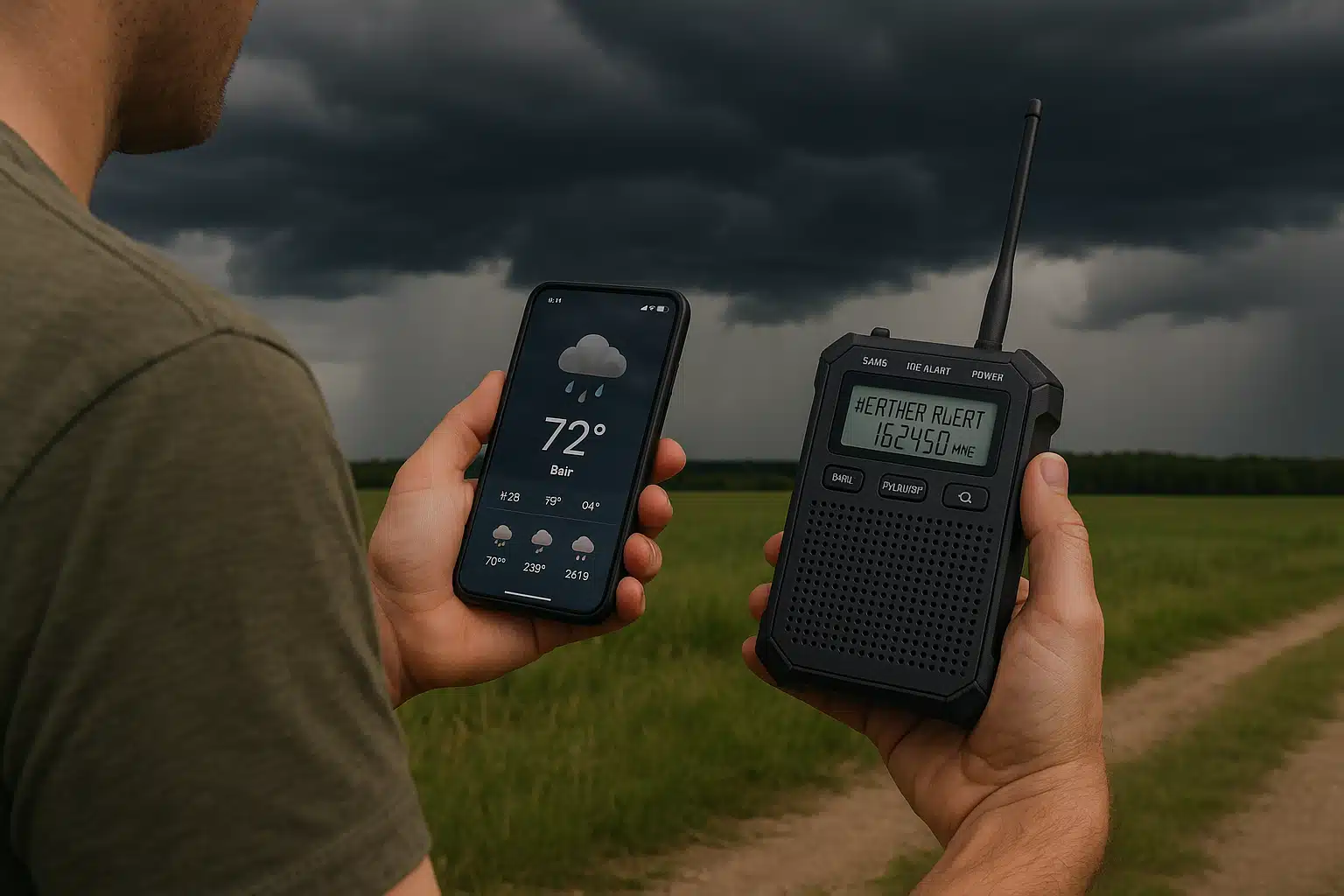
Always check weather forecasts for your specific rockhounding area before departing, not just general regional forecasts. Mountain, desert, and coastal areas can have dramatically different weather than nearby populated areas. Look for temperature extremes, precipitation probability, wind conditions, and any weather warnings. Understand that weather in natural areas can change rapidly, so monitor conditions throughout your trip. If threatening weather develops—lightning, flash flood potential, extreme heat, or rapid temperature drops—end your trip early. No specimen is worth risking your safety in dangerous weather.
Preparing for Environmental Hazards
Different environments present unique hazards that require specific awareness and preparation. Understanding the particular challenges of your rockhounding environment helps you pack appropriate gear and recognize dangerous situations before they become critical.
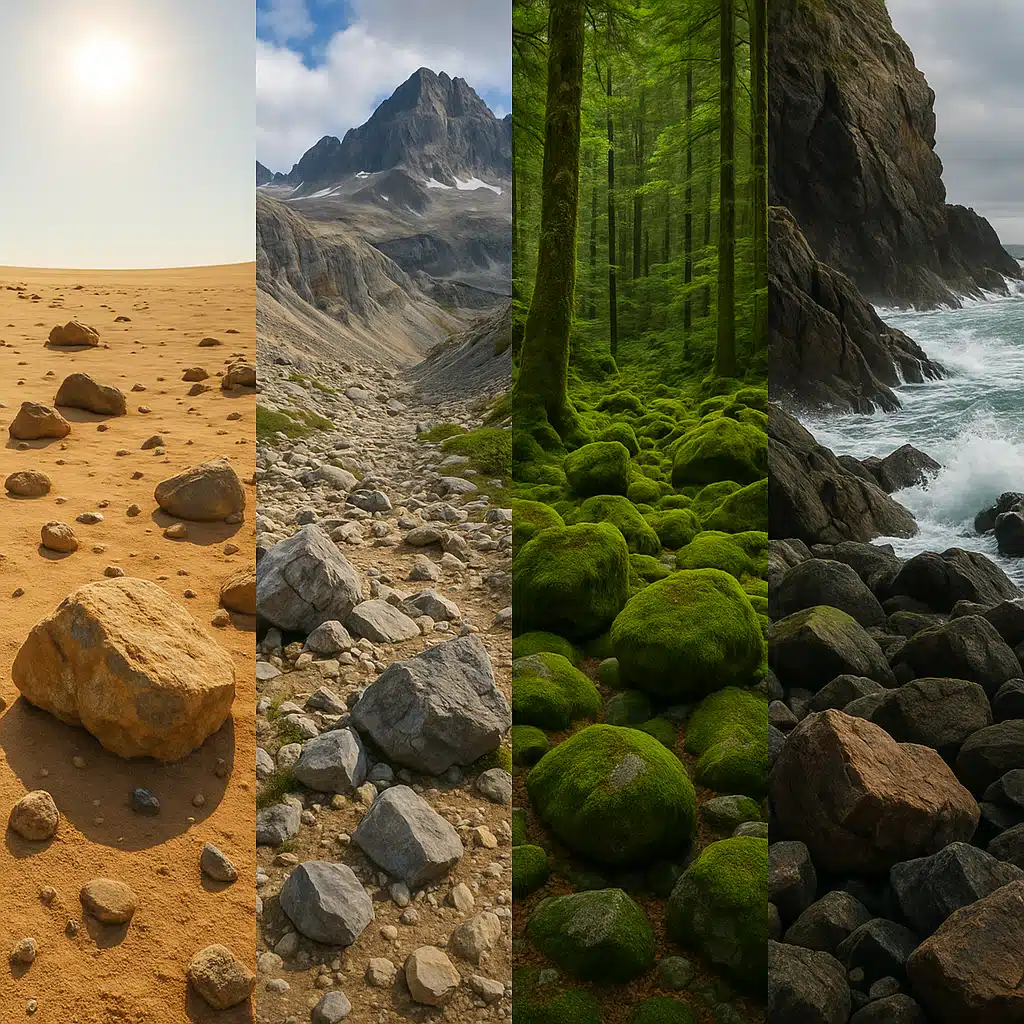
Desert Environments
Desert rockhounding presents challenges from extreme heat, intense sun exposure, limited shade, and potential flash floods in canyon areas. Temperatures can soar during the day and drop dramatically at night. Start early to avoid peak heat, carry extra water beyond what you think you’ll need, wear light-colored, loose-fitting clothing with complete sun coverage, and never enter narrow canyons when rain is forecast anywhere in the watershed.
Mountain and High-Altitude Areas
Higher elevations mean thinner air, increased UV radiation, rapid weather changes, and potential for hypothermia even in summer. Altitude sickness can affect anyone regardless of fitness level. Acclimatize gradually if possible, recognize symptoms of altitude sickness (headache, nausea, fatigue, dizziness), carry layers for rapid temperature changes, and descend immediately if altitude sickness symptoms develop.
Forested Areas
Dense vegetation makes navigation more challenging and increases the likelihood of getting disoriented. Visibility is limited, making it easier to lose your sense of direction. Mark your trail with bright flagging tape (removed on your return), use GPS actively throughout your exploration, and be especially aware of insects and ticks that thrive in forested environments.
Coastal and Waterside Locations
Rockhounding near water presents unique risks including rapidly rising tides that can trap you against cliffs, slippery rocks and algae, rogue waves that can sweep you off shoreline rocks, and changing currents in rivers. Always check tide tables for coastal areas, never turn your back on the ocean, wear appropriate footwear with good traction, and stay well back from cliff edges that may be undercut or unstable.
Physical Preparation and Personal Limitations
Honest assessment of your physical capabilities and proper conditioning can prevent injuries and emergencies. Rockhounding often involves hiking on uneven terrain, carrying equipment, bending and kneeling repeatedly, and working in challenging conditions. Understanding your limitations and preparing appropriately ensures you can handle the physical demands safely.
If you’re new to rockhounding or haven’t been active recently, start with shorter, easier trips close to access points. Gradually increase difficulty and duration as your fitness improves. Consider the following preparation strategies:
- Cardiovascular Conditioning: Regular walking, hiking, or cardio exercise builds the stamina needed for extended outdoor exploration.
- Strength Training: Focus on leg, core, and back strength to handle uneven terrain, carrying loads, and repeated bending.
- Flexibility: Regular stretching reduces injury risk and makes the physical demands of rockhounding more comfortable.
- Practice with Your Gear: Before your trip, take loaded practice hikes to ensure your backpack fits comfortably and you can handle the weight.
- Know Your Medical Limitations: Consult your doctor about any health conditions that might be affected by outdoor activity, altitude, heat, or physical exertion.
- Pace Yourself: Take regular breaks, monitor how you feel, and don’t push beyond your comfortable limits, especially when you’re far from help.
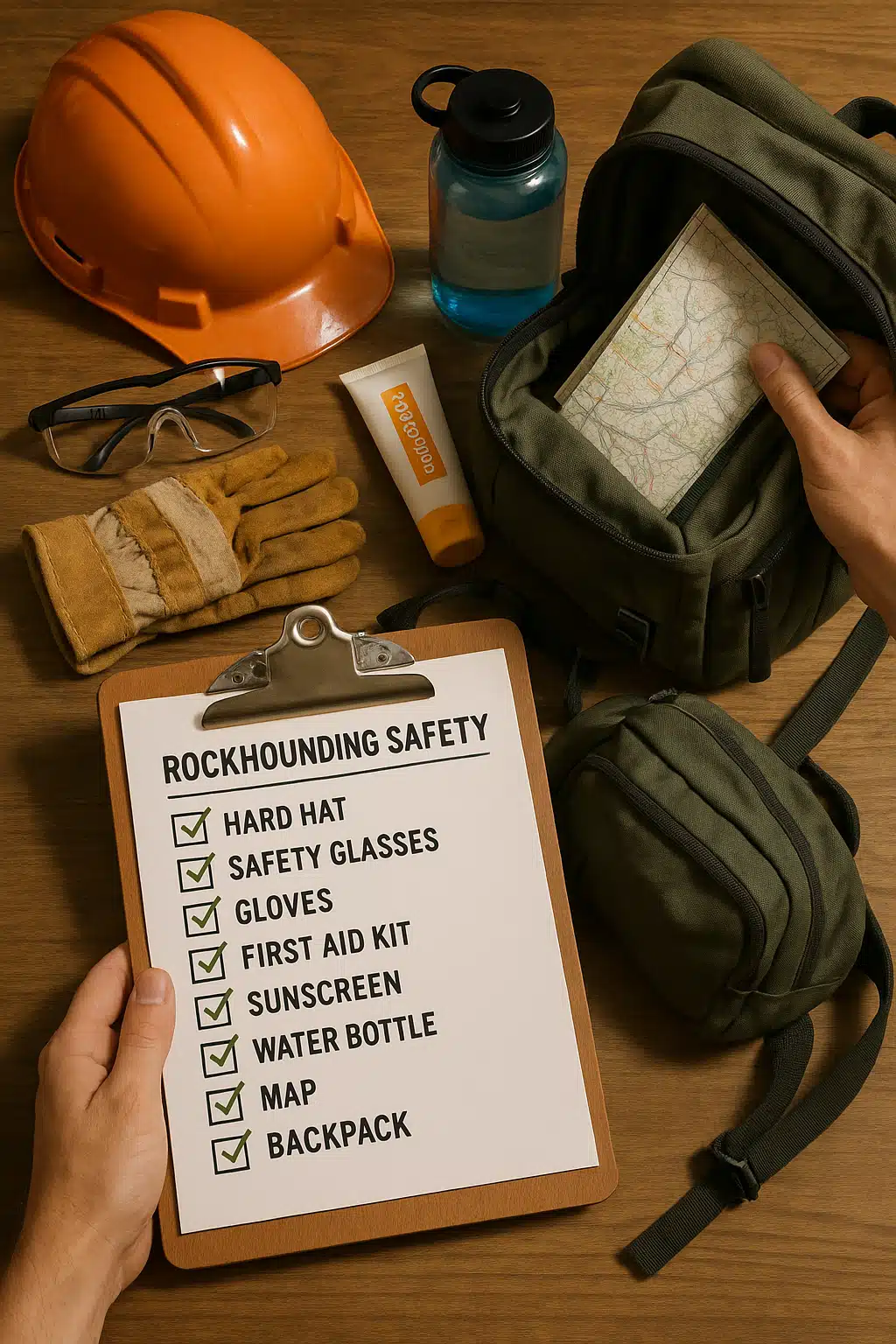
Creating a Pre-Trip Safety Checklist
Developing and using a consistent pre-trip checklist ensures you don’t forget critical safety equipment or steps. Before every rockhounding expedition, run through this comprehensive checklist:
Planning Phase
- Research specific location including access, terrain, and known hazards
- Check weather forecast for the specific area and timeframe
- Verify any permits, permissions, or restrictions for the location
- Plan specific route and backup locations
- Calculate water and food requirements based on conditions and duration
- Research local wildlife and appropriate response protocols
- Identify nearest emergency services and communication capabilities
Communication Phase
- Provide detailed trip plan to responsible contact
- Share specific location coordinates or detailed directions
- Establish expected return time and “worry time”
- Provide vehicle description and parking location
- Exchange emergency contact information with companions
- Ensure satellite communicator is charged (if applicable)
Equipment Check
- Sufficient water plus extra reserve supply
- High-energy food and emergency rations
- Complete first aid kit with current supplies
- Navigation tools: GPS with fresh batteries, map, compass
- Communication devices: phone, satellite messenger, fully charged
- Emergency shelter and space blanket
- Fire starting tools in waterproof container
- Headlamp with extra batteries
- Multi-tool or knife
- Emergency whistle
- Sun protection: sunscreen, hat, sunglasses
- Appropriate clothing layers for expected and unexpected weather
- Personal medications
- Wildlife deterrents appropriate for the region
Final Verification
- Vehicle in good condition with sufficient fuel
- Emergency kit in vehicle
- All batteries charged or fresh
- Confirmation that trip plan was received and understood
- Physical and mental readiness for the planned activity
Conclusion: Safety Enables Adventure
Rockhounding offers extraordinary opportunities to discover natural treasures, explore beautiful landscapes, learn about geology, and enjoy meaningful time outdoors. The practices and preparations outlined in this guide aren’t meant to discourage you from these adventures—quite the opposite. Proper safety measures and equipment actually enhance your experience by providing confidence, peace of mind, and the ability to handle unexpected situations effectively.
When you’re properly prepared, you can focus on the joy of discovery rather than worrying about potential problems. You can explore more confidently, venture into more rewarding locations, and fully immerse yourself in the fascinating world of rockhounding. Safety isn’t about limiting what you can do—it’s about ensuring you can do it successfully and return safely to share your discoveries and plan your next adventure.
Remember that developing strong safety habits takes practice and conscious effort. Start with easier locations close to help as you build your skills and confidence. Gradually expand your range and capabilities as your experience grows. Join rockhounding clubs or groups where you can learn from experienced collectors and never stop educating yourself about outdoor safety and best practices.
Most importantly, make safety planning as automatic as packing your rock hammer. Before every trip, run through your checklist, inform your contact, check the weather, pack your safety gear, and verify you’re prepared for the specific environment you’ll explore. These habits, practiced consistently, become second nature and provide the foundation for countless safe and successful rockhounding adventures.
The geological wonders waiting to be discovered are timeless—they’ll still be there when you’re properly prepared to find them safely. Take the time to prepare correctly, respect the power of nature, stay aware of your surroundings, and you’ll create a lifetime of rewarding memories while minimizing risks. Happy and safe rockhounding!