
Salt, Brine, and Preservation: How to Keep Your Fresh Cheese Longer
In the world of cheese making, salt serves as far more than a simple flavor enhancer; it plays an essential role in preservation and food safety. Whether you’re a home cheese maker, a culinary enthusiast, or simply someone who wants to extend the life of artisan cheese purchases, understanding the science behind salt and brine can transform your cheese storage practices. This comprehensive guide explores the fundamental principles of salt in cheese preservation and provides actionable techniques for using brine effectively to maintain freshness, flavor, and quality.
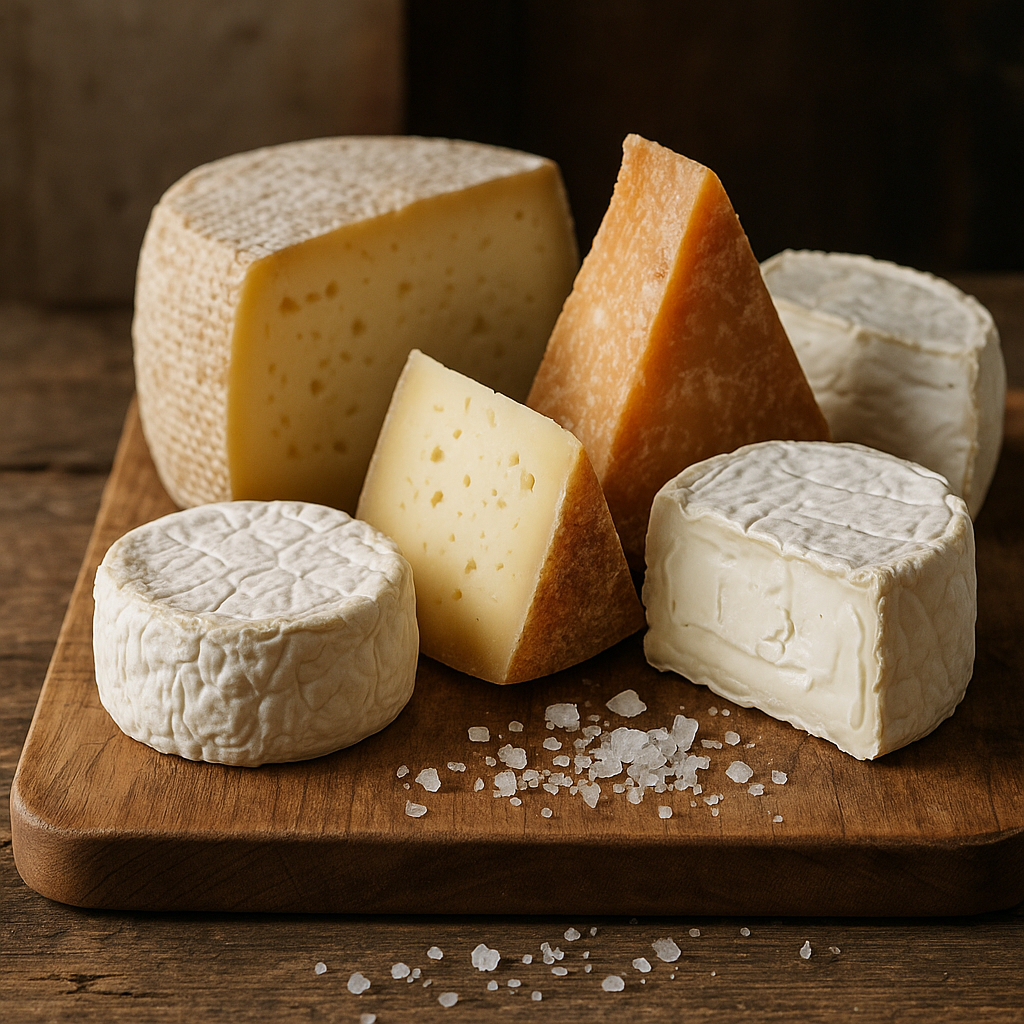
The Role of Salt in Cheese Making
Salt is a fundamental ingredient in cheese production and preservation. Its primary function extends beyond taste enhancement to include critical preservation properties. Salt works by creating an environment that inhibits the growth of undesirable bacteria, molds, and other microorganisms that can cause spoilage or foodborne illness. By drawing moisture out of the cheese through osmosis, salt reduces water activity, making the environment less hospitable to harmful pathogens while allowing beneficial cultures to thrive.
When it comes to applying salt to cheese, cheese makers around the world rely on two principal methods: dry salting and brining. Each technique offers distinct advantages depending on the type of cheese, desired flavor profile, and intended storage duration. Understanding these methods empowers you to make informed decisions about cheese preservation in your own kitchen.
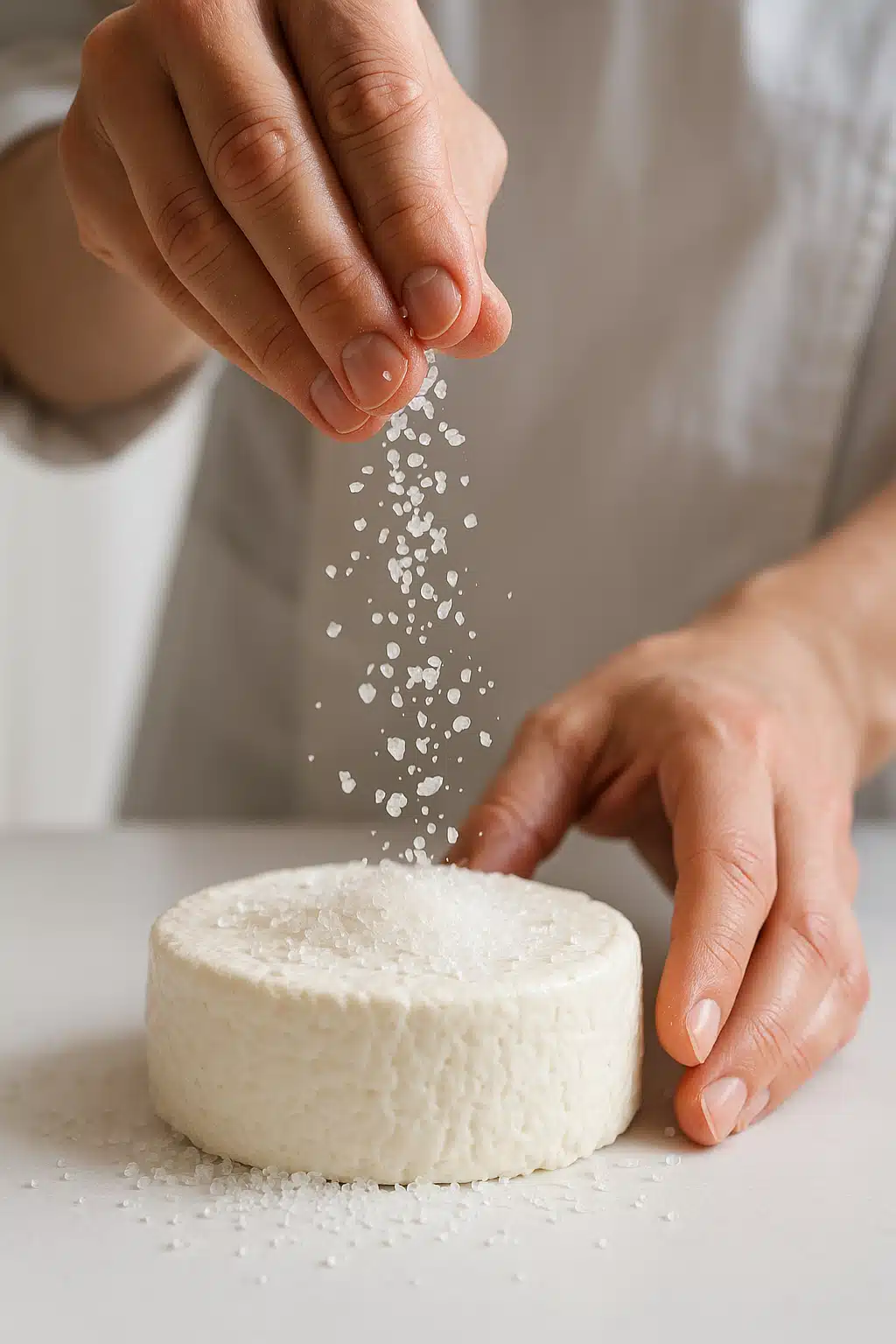
Dry Salting vs. Brining: Two Essential Preservation Methods
Dry Salting
Dry salting involves applying salt crystals directly to the exterior surface of the cheese. This traditional method is commonly used for hard and semi-hard cheese varieties. The salt gradually penetrates the cheese over a period of hours or days, depending on the size and density of the cheese wheel. As it moves inward, the salt draws out moisture, forms a protective rind, enhances flavor development, and significantly extends shelf life. Dry salting offers precise control over salt distribution and is particularly effective for cheeses that will undergo extended aging periods. The technique requires patience and careful monitoring to ensure even salt distribution and prevent over-salting in certain areas.
Brining
Brining is a technique where cheese is fully submerged in a prepared saltwater solution for a specific duration. This method is especially popular for soft and semi-soft cheese varieties that have higher moisture content. The brine solution penetrates the cheese evenly, creating consistent salinity throughout while simultaneously infusing subtle flavor characteristics. Brining is faster than dry salting for achieving salt penetration and provides excellent moisture control. The liquid environment also helps maintain the cheese’s texture, preventing excessive drying while still offering robust preservation benefits. Many traditional cheese varieties from various culinary cultures rely on brining as their primary preservation method, demonstrating its effectiveness across diverse cheese-making traditions.
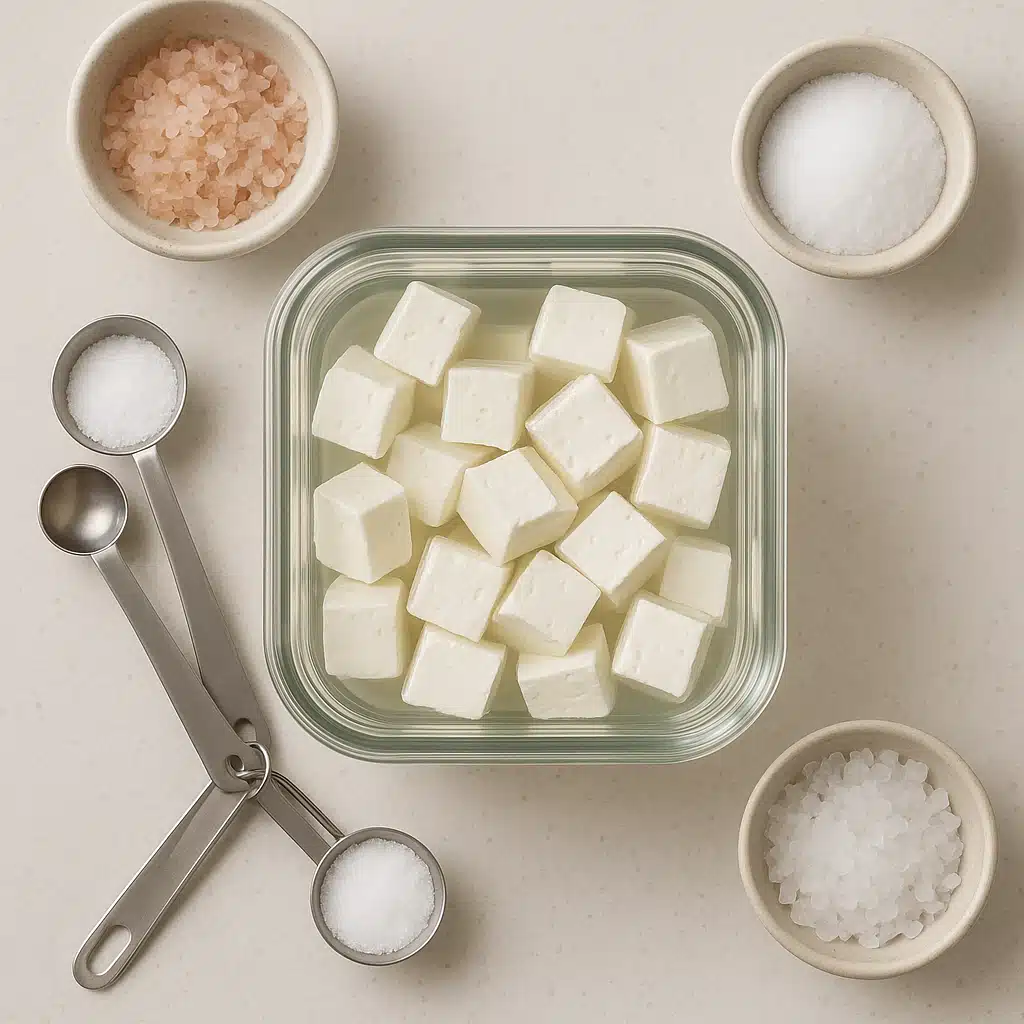
Understanding Cheese Brine: Composition and Function
Cheese brine is a carefully balanced solution of salt and water that serves multiple preservation functions. While salinity is the primary preservation factor, the complete composition of the brine significantly impacts the final cheese characteristics. A properly formulated brine does more than simply preserve; it can enhance flavor complexity, improve texture, and contribute to the development of desirable cheese qualities.
The concentration of salt in brine typically ranges from 15% to 25% by weight, depending on the cheese type and desired preservation duration. Beyond salt content, factors such as water quality, temperature, pH level, and the presence of calcium chloride can all influence brine effectiveness. Professional cheese makers often maintain brine solutions over extended periods, monitoring and adjusting composition as needed. The brine itself can develop flavor characteristics over time as it absorbs elements from successive batches of cheese, creating what some consider a “seasoned” brine with enhanced flavor-imparting properties.
Understanding these principles allows home cheese enthusiasts to create effective brine solutions that not only preserve cheese but also contribute positively to its flavor profile and texture characteristics.
Practical Tips for Using Salt and Brine Effectively
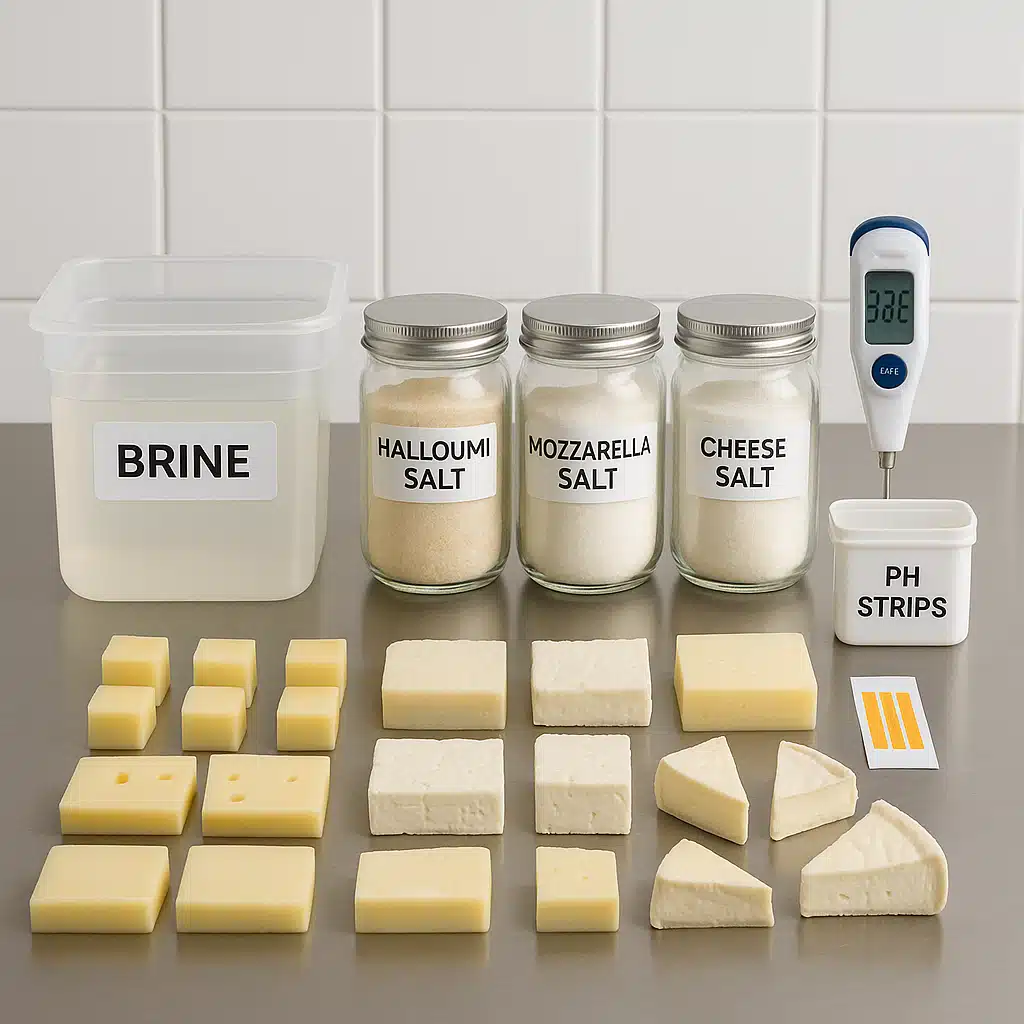
Choose the Right Salt
Always use non-iodized salt for cheese making and preservation. Iodized table salt contains additives that can impart undesirable metallic or chemical flavors to cheese and may interfere with beneficial bacterial cultures. Ideal options include kosher salt, sea salt, or specialized cheese salt. These pure salts dissolve cleanly and provide consistent results without unwanted flavor interference. The grain size of your salt matters too—finer salts dissolve more quickly in brine preparation, while coarser salts work well for dry salting applications where gradual dissolution is desired.
Monitor Salt Concentration Carefully
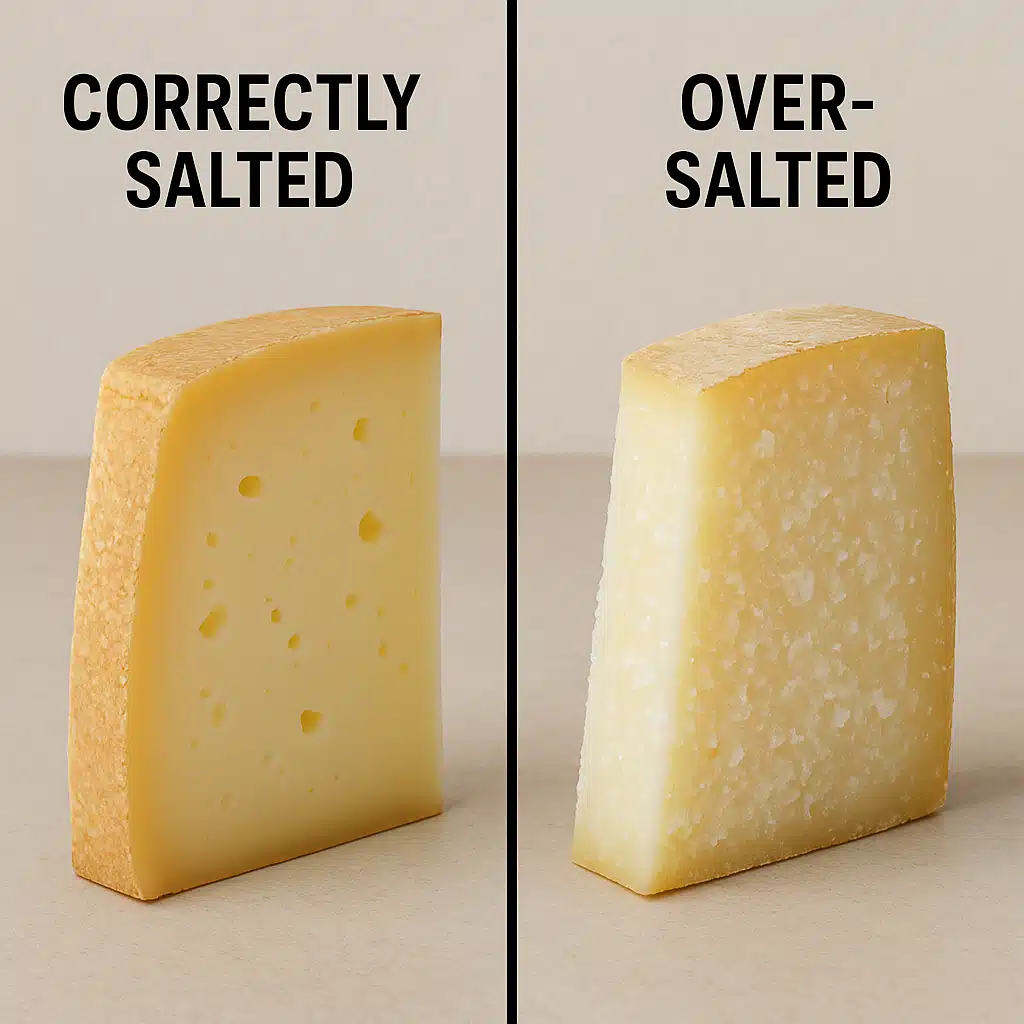
When preparing and using brine, maintaining appropriate salt concentration is crucial for successful preservation. Excessive salt makes cheese unpalatably salty and can create an overly firm texture, while insufficient salt fails to provide adequate preservation and leaves cheese vulnerable to spoilage. Use a salinity meter or hydrometer to measure brine concentration accurately, or follow tested recipes with precise measurements. Keep written records of your brine preparations and results to refine your technique over time. If you’re brining cheese at home, start with shorter brining times and gradually adjust based on taste preferences and preservation needs.
Store Properly for Maximum Freshness
Proper storage is essential for maintaining cheese quality after salting or brining. Always keep brined cheese in sealed, non-reactive containers stored in the refrigerator at consistent temperatures between 2°C and 4°C (35°F to 40°F). Ensure the cheese remains fully submerged in brine if using liquid preservation. For dry-salted cheeses, wrap them appropriately in cheese paper, wax paper, or specialized cheese storage bags that allow the cheese to breathe while preventing excessive moisture loss. Avoid using regular plastic wrap, which can trap moisture and create conditions favorable for unwanted mold growth.
Experiment with Confidence
Cheese making and preservation combine scientific principles with culinary artistry. Don’t hesitate to adjust salt levels, brining times, and techniques based on your taste preferences and the specific characteristics of your cheese. Start with established guidelines, then make incremental adjustments while keeping careful notes. This experimental approach helps you develop intuition and expertise over time. Remember that different cheese types respond differently to salting methods, so what works perfectly for one variety may need modification for another.
Common Misconceptions About Cheese Salting
Several widespread misconceptions about cheese salting can lead to suboptimal results or unnecessary concerns. Understanding the facts helps you make better preservation decisions.
Misconception: All Cheese Should Be Heavily Salted
While salt is indeed essential for cheese preservation, the appropriate amount varies dramatically depending on cheese type, moisture content, intended aging period, and cultural traditions. Soft, fresh cheeses with high moisture content typically require less salt than hard, aged varieties. Over-salting can ruin the delicate flavor balance of mild cheeses and create unpleasant textural issues. Each cheese category has optimal salt levels that preserve effectively without overwhelming the intended flavor profile.
Misconception: You Can Skip Salting Entirely
Some people believe that refrigeration alone provides sufficient preservation, making salt unnecessary. This is incorrect and potentially dangerous. While refrigeration slows bacterial growth, it doesn’t prevent it entirely. Salt provides a crucial additional preservation barrier that significantly extends safe storage duration and prevents the development of harmful pathogens. Unsalted or inadequately salted cheese spoils rapidly and may develop dangerous bacteria even under refrigeration. Salt is not optional for safe, long-term cheese preservation.
Misconception: Brine Can Be Reused Indefinitely
While brine can be reused for multiple batches of cheese, it requires proper maintenance and monitoring. Over time, brine loses salt concentration, accumulates cheese particles and proteins, and may develop unwanted bacterial populations. Professional cheese makers regularly test and refresh their brine by adding salt, filtering out debris, and occasionally replacing the solution entirely. Home cheese makers should monitor brine clarity and odor, replacing it when it becomes cloudy, develops off-odors, or shows signs of contamination.
Advanced Considerations for Optimal Cheese Preservation
Beyond basic salting techniques, several additional factors influence successful cheese preservation. Water quality matters—chlorinated tap water can interfere with beneficial cultures, so filtered or bottled water often produces better results. Temperature consistency during brining affects salt penetration rates and overall preservation effectiveness. The addition of calcium chloride to brine helps maintain cheese structure, particularly important for softer varieties. Some cheese makers also adjust brine pH levels to optimize preservation and flavor development.
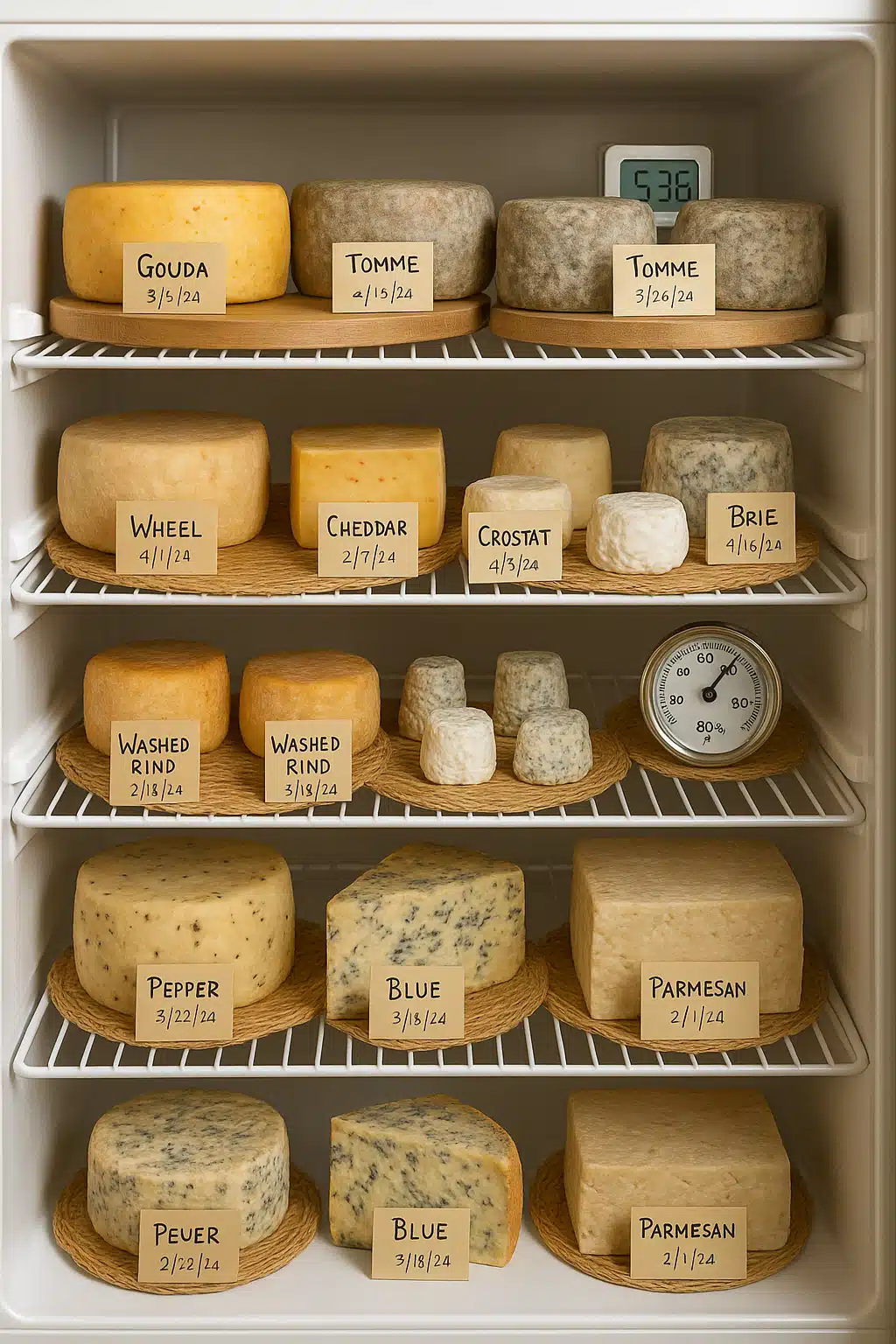
Consider the aging environment if you plan to store cheese beyond immediate consumption. Proper humidity levels, air circulation, and temperature control all work synergistically with salting to produce exceptional aged cheese with complex flavors and appealing textures. Even for cheeses meant for relatively short-term storage, attention to these details significantly improves results.
Conclusion: Mastering Salt and Brine for Better Cheese
Understanding the science and practical application of salt and brine in cheese preservation empowers you to extend the life of your cheese while enhancing its flavor and quality. Whether you’re making cheese from scratch or preserving artisan purchases, these techniques provide reliable methods for maintaining freshness and food safety. By selecting appropriate salts, preparing effective brines, monitoring concentrations carefully, and storing cheese properly, you can significantly extend enjoyment of your favorite cheese varieties.
The principles outlined in this guide apply universally across cheese types and culinary traditions. Start with the foundational techniques, then experiment confidently to develop your own expertise. Pay attention to how different cheeses respond to various salting methods, keep records of your successes, and refine your approach over time. With practice and attention to detail, you’ll develop an intuitive understanding of cheese preservation that produces consistently excellent results.
Embrace both the scientific precision and artistic creativity that cheese preservation offers. Your efforts will be rewarded with longer-lasting, more flavorful cheese that brings satisfaction to your table and confidence to your culinary skills. Whether you’re preserving a single batch of fresh cheese or developing a comprehensive home cheese-making practice, mastering salt and brine techniques forms the essential foundation for success.