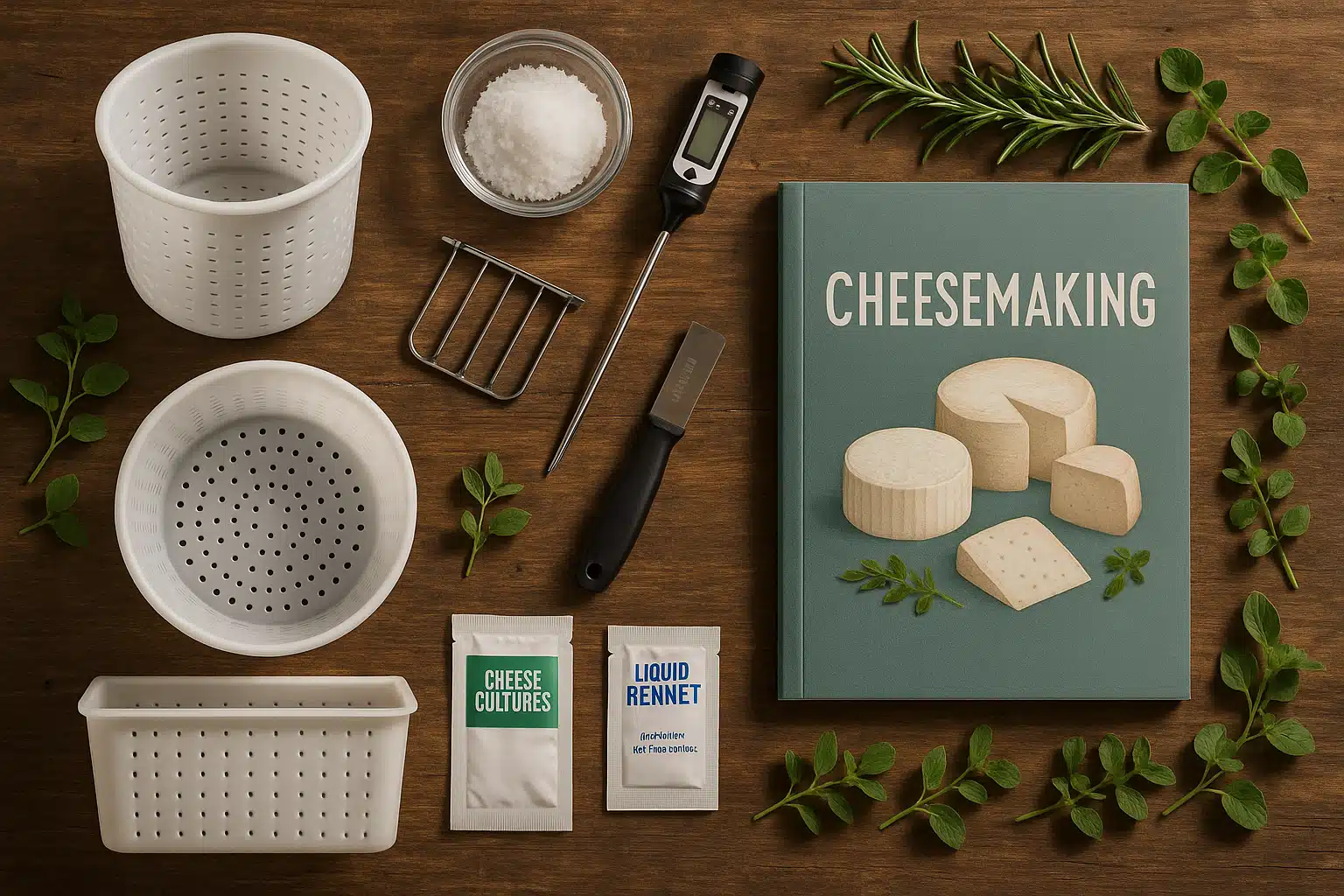
Why Cheese Making Gifts Are Perfect for Any Occasion
The joy of creating artisan cheese at home has captured the hearts of food enthusiasts worldwide. Whether you’re shopping for someone who’s been perfecting their craft for years or a curious beginner eager to explore culinary creativity, cheese making gifts offer a unique blend of education, hands-on experience, and delicious results. This guide will help you discover the perfect gifts that inspire, educate, and equip cheese makers at every skill level.
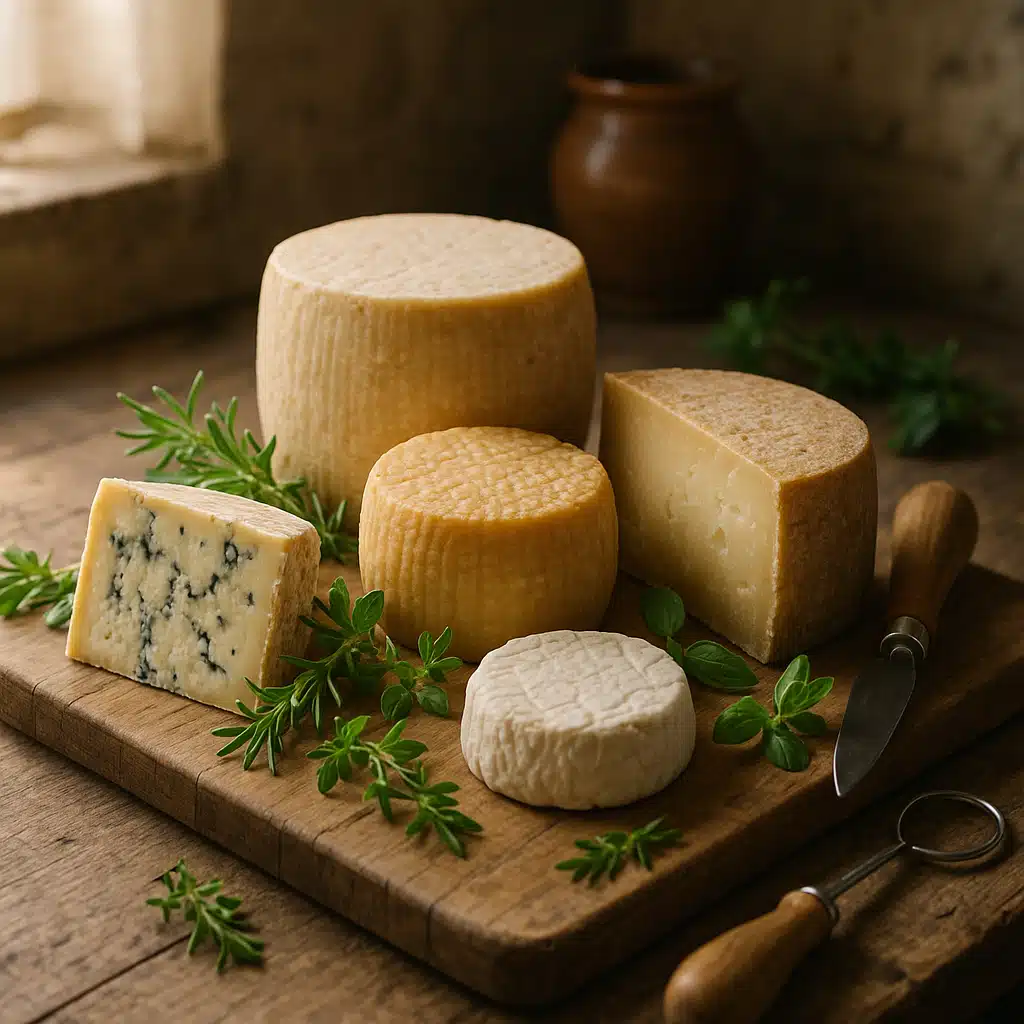
The Growing Appeal of Home Cheese Making
Cheese making represents more than just a culinary hobby—it’s a journey into food science, fermentation, and artisanal tradition. Creating cheese from scratch offers unparalleled satisfaction: transforming simple ingredients like milk, cultures, and enzymes into complex, flavorful products that can be shared and enjoyed.
Gifts that support this craft demonstrate thoughtfulness and encourage recipients to explore their creativity in the kitchen. They open doors to new skills, provide opportunities for experimentation, and can even become the foundation for social gatherings centered around tasting and sharing homemade creations. For anyone passionate about food, sustainability, or traditional crafts, cheese making gifts offer lasting value that extends far beyond a single occasion.
Complete Cheese Making Kits: Perfect for Beginners
For those just beginning their cheese making adventure, comprehensive kits eliminate the guesswork and provide everything needed to achieve success on the first attempt. These thoughtfully curated packages typically include specialized ingredients, detailed instructions, and sometimes even the essential equipment required to create fresh, delicious cheese at home.
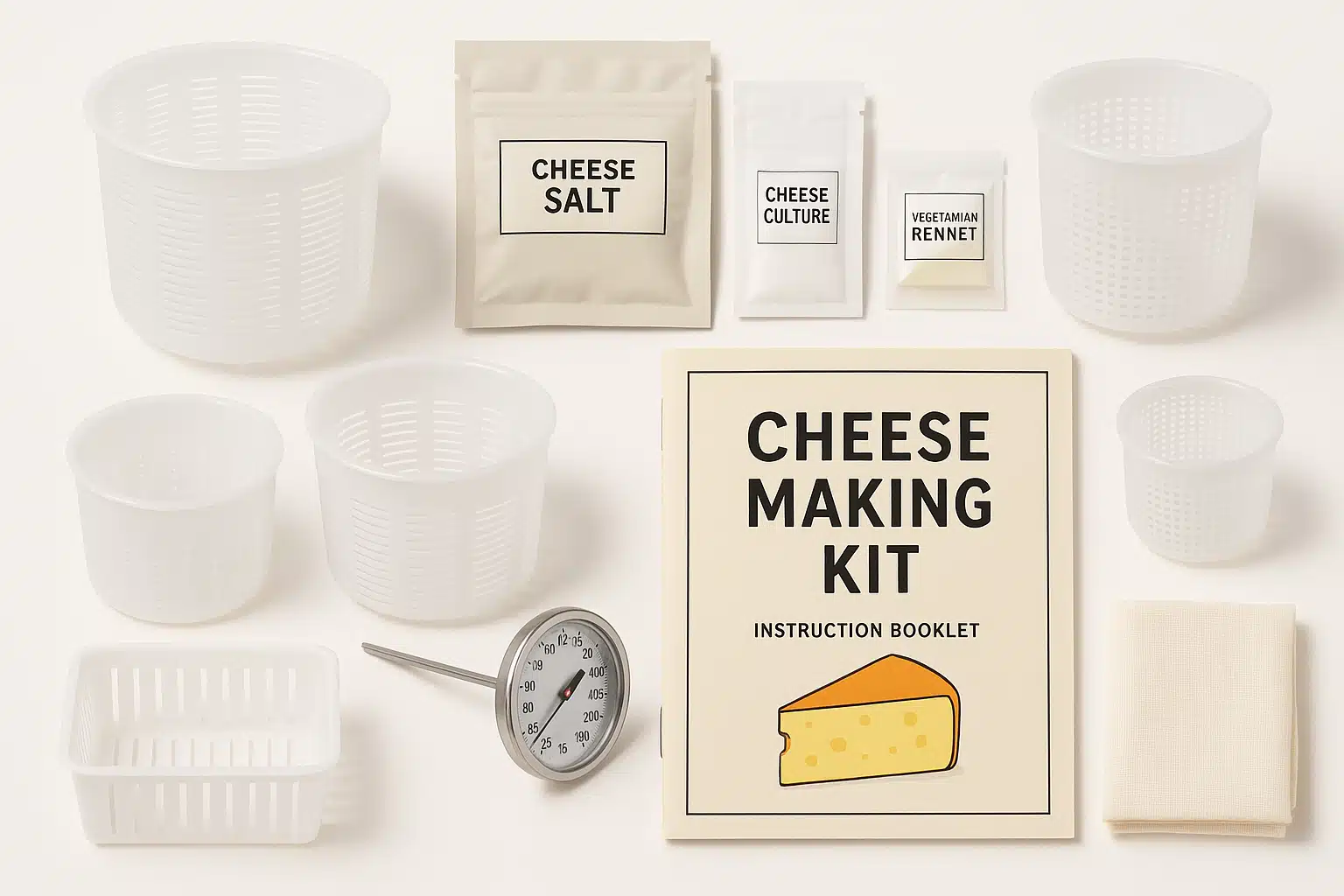
Beginner-Friendly Kits
Starter kits designed for newcomers focus on fresh, quick cheeses that don’t require aging or complex temperature control. These kits typically enable makers to produce mozzarella, ricotta, paneer, or fresh chèvre within a few hours. They include pre-measured cultures, rennet, citric acid (when needed), cheesecloth, and step-by-step instructions that demystify the process.
The beauty of beginner kits lies in their accessibility—they transform what might seem like an intimidating process into an achievable, rewarding activity. Most require only basic kitchen equipment like pots and colanders, making them ideal for apartment dwellers or those with limited space.
Advanced Artisan Kits
For those ready to tackle more complex varieties, artisan kits provide the specialized ingredients and guidance needed to create aged and cultured cheeses. These kits might include everything necessary to make varieties such as gouda, cheddar, camembert, brie, or blue cheese. They often come with specialty molds, wax for aging, specific bacterial cultures, and detailed aging instructions.
These advanced kits acknowledge that cheese making can become a serious passion, offering the tools to develop sophisticated flavors and textures that rival commercially produced artisan cheeses. They’re perfect gifts for someone who’s mastered the basics and is ready to explore fermentation science and aging techniques.
Essential Books: Knowledge That Lasts
While kits provide immediate hands-on experience, comprehensive books offer the theoretical foundation and recipe variety that transform casual interest into genuine expertise. The best cheese making books combine scientific explanation with practical instruction, helping readers understand not just how to make cheese, but why certain techniques work.
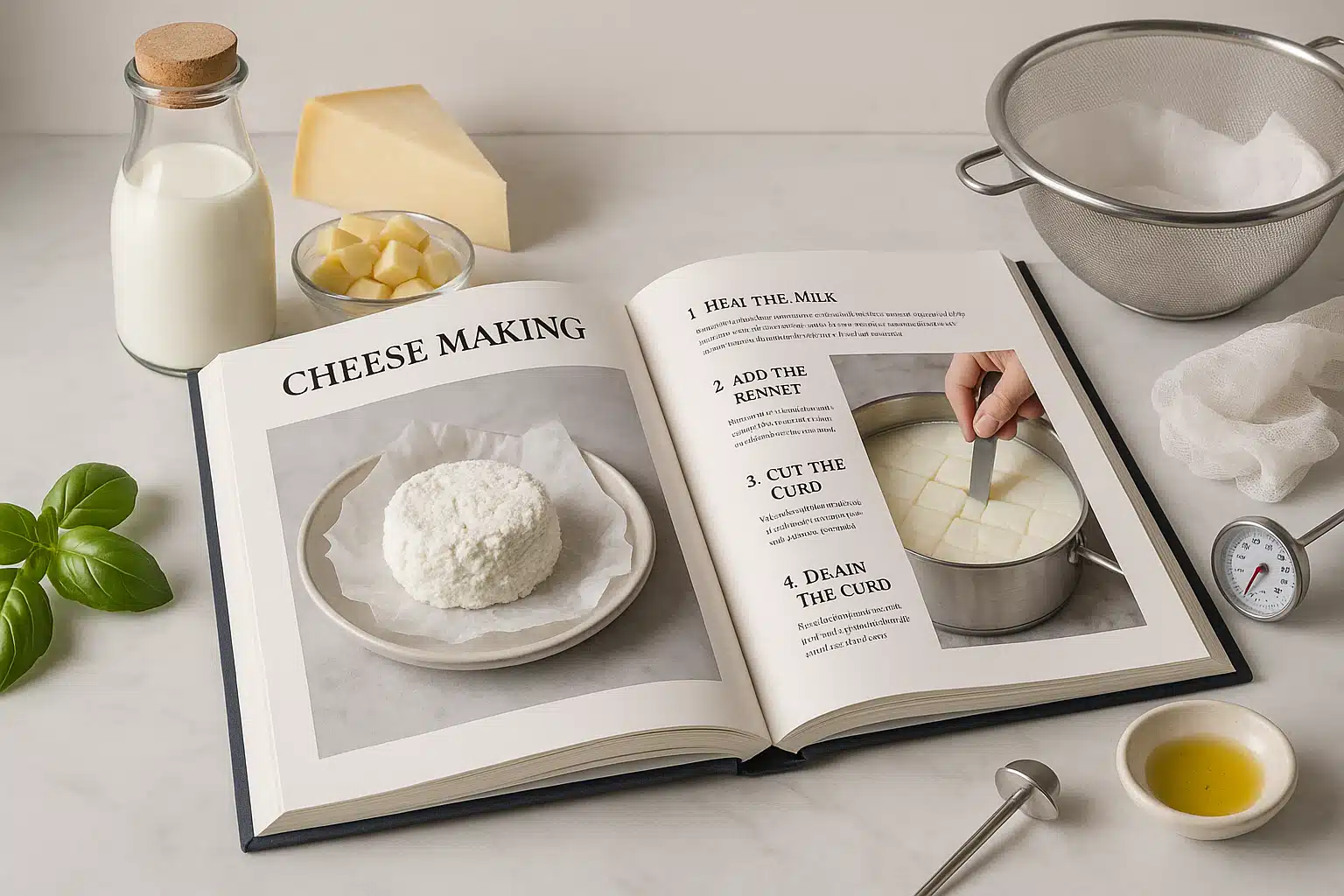
Comprehensive Guides for All Skill Levels
Look for books that cover the full spectrum of cheese making, from the science of milk and fermentation to detailed recipes for dozens of cheese varieties. The most valuable guides include troubleshooting sections, explanations of what can go wrong and why, and adaptations for different types of milk (cow, goat, sheep, or even plant-based alternatives).
Books authored by experienced cheese makers often include personal insights, stories from cheese making traditions around the world, and tips that only come from years of hands-on experience. These volumes become treasured references that readers return to again and again as their skills develop.
Specialty and Regional Cheese Making Books
Some books focus on specific cheese traditions or techniques, such as Italian cheese making, French soft cheeses, or traditional methods using raw milk and natural fermentation. These specialized volumes appeal to makers who want to dive deep into particular styles or explore the cultural heritage behind different cheese varieties.
Professional-Quality Tools and Equipment
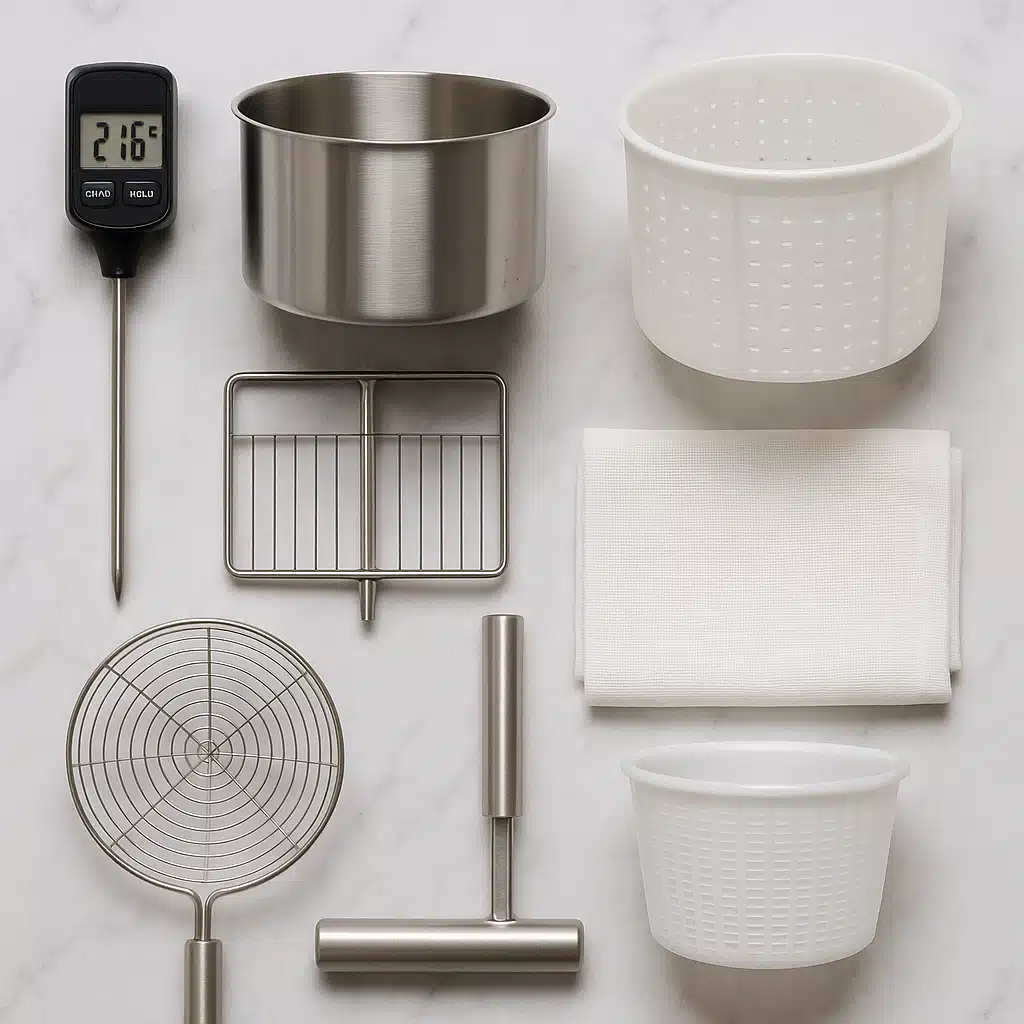
As cheese makers progress beyond beginner projects, investing in quality tools significantly improves results and expands possibilities. Professional-grade equipment doesn’t necessarily mean expensive or complicated—often it’s about precision, durability, and having the right tool for specific tasks.
Temperature Control and Monitoring
Accurate temperature control represents one of the most critical factors in successful cheese making. Digital thermometers with quick-read capabilities and long probes allow precise monitoring without disturbing the milk or curds. Some advanced options include alarm functions that alert makers when milk reaches target temperatures.
For those making cultured cheeses, temperature-controlled environments for incubation and aging become invaluable. Small cheese caves, wine coolers adapted for cheese, or specialized aging boxes help maintain the consistent temperature and humidity levels that many cheeses require during maturation.
Molds, Presses, and Forming Equipment
Cheese molds come in countless shapes and sizes, each designed for specific cheese types. Cylindrical molds for soft cheeses, basket molds for ricotta-style cheeses, and specialized forms for traditional shapes all contribute to professional-looking results. Look for food-grade materials like stainless steel or BPA-free plastics that are easy to clean and sanitize.
Cheese presses apply consistent pressure to hard cheeses, expelling whey and creating the dense texture characteristic of aged varieties. While simple DIY presses can work, purpose-built presses with adjustable weights or spring systems provide better control and more consistent results.
Cultures, Rennet, and Specialty Ingredients
Serious cheese makers appreciate high-quality cultures and rennet that provide consistent, reliable results. Mesophilic and thermophilic cultures, specialty mold cultures for blue cheeses and bloomy rinds, and various types of rennet (animal, vegetable, or microbial) give makers control over flavor profiles and texture.
Gift sets of assorted cultures allow experimentation with different cheese styles, while larger quantities of frequently used cultures appeal to prolific makers. Proper storage containers for cultures and temperature-sensitive ingredients also make thoughtful additions.
Sanitization and Safety Equipment
Professional cheese makers understand that cleanliness directly impacts quality and safety. Food-grade sanitizers, pH testing strips, dedicated cleaning brushes, and proper storage containers all contribute to successful, safe cheese making. These practical gifts might not seem glamorous, but experienced makers recognize their essential value.
Thoughtful Gift Combinations and Pairings
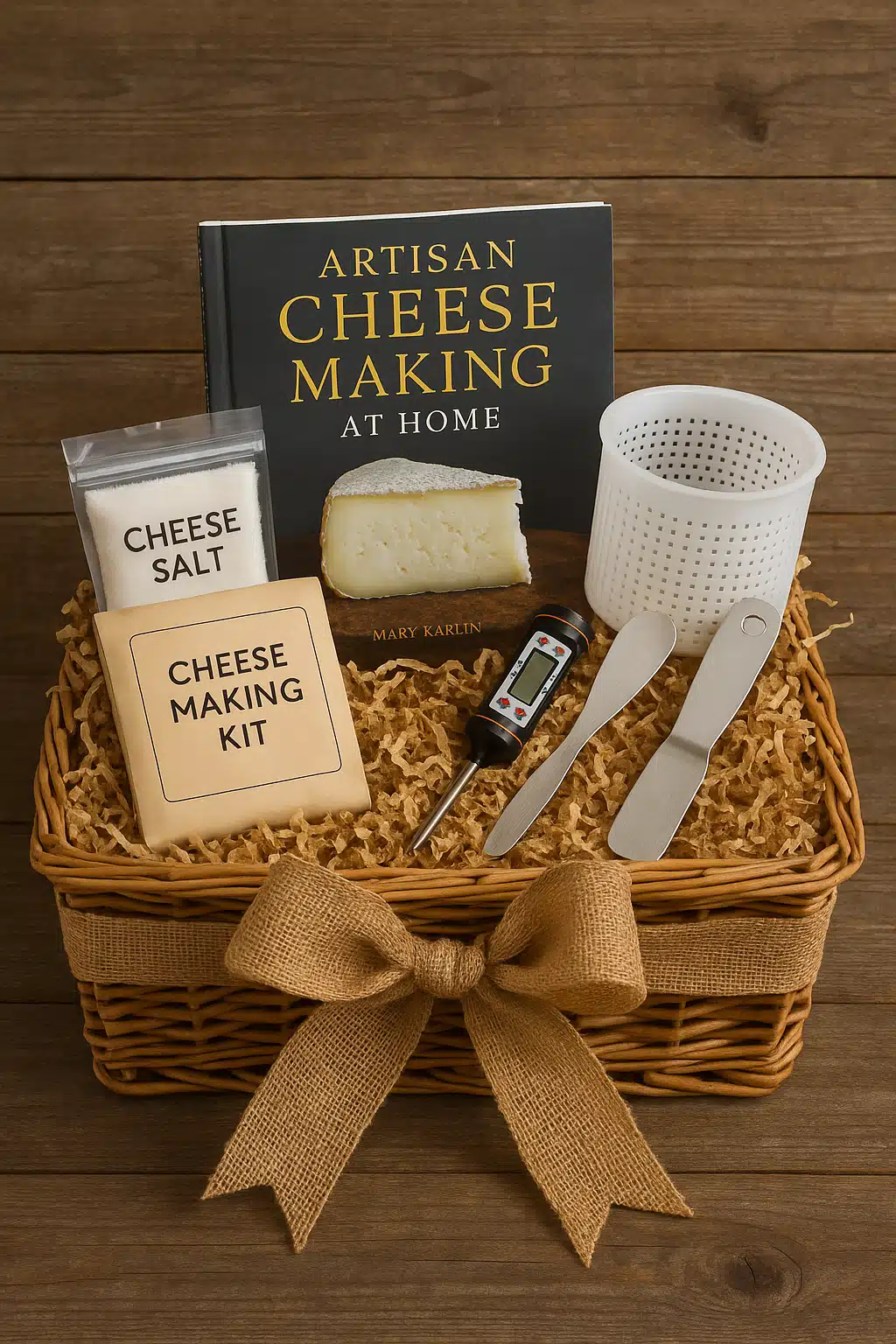
The most memorable gifts often combine multiple elements that work together synergistically. Consider pairing a beginner’s kit with a comprehensive guidebook, giving the recipient both immediate hands-on experience and the knowledge to expand their skills. Or combine specialty cultures with an advanced techniques book for someone ready to explore new cheese varieties.
Presentation matters too. Arrange components in a attractive basket or storage container that can later be repurposed for cheese making supplies. Include a personal note explaining why you chose each item, or share a memory related to cheese that you’ve enjoyed together. These touches transform a collection of products into a meaningful, personalized gift.
Common Questions About Cheese Making Gifts
Is Cheese Making Difficult for Beginners?
While cheese making involves learning new techniques and understanding fermentation principles, it’s entirely accessible to beginners with the right guidance. Starting with simple fresh cheeses builds confidence and foundational skills before progressing to more complex aged varieties. The key is choosing appropriate projects for the maker’s skill level and providing clear instructions.
What Kitchen Equipment Is Needed?
Most cheese making can begin with standard kitchen equipment: large pots, colanders, measuring spoons, and a thermometer. Specialized equipment like molds, presses, and dedicated aging spaces become valuable as skills develop, but they’re not necessary for initial exploration. This makes cheese making accessible without significant upfront investment.
How Long Does Cheese Making Take?
Fresh cheeses like mozzarella or ricotta can be completed in a few hours, making them perfect for immediate gratification. Aged cheeses require weeks or months of maturation, but the active working time remains relatively short—most of the process involves patient waiting while cultures and time work their magic. This range of time commitments means cheese making can fit various schedules and interest levels.
Can Cheese Be Made With Non-Dairy Milk?
While traditional cheese relies on animal milk proteins, innovative cheese makers have developed techniques for creating plant-based alternatives using nut milks, soy, and other bases. Some kits and books now specifically address non-dairy cheese making, acknowledging dietary preferences and restrictions. The science differs from dairy cheese, but the creative satisfaction remains equally rewarding.
Inspiring the Next Generation of Cheese Makers
Cheese making gifts do more than provide tools and ingredients—they inspire curiosity, encourage experimentation, and connect people to food traditions that span centuries and cultures. Whether gifting to a passionate foodie, someone interested in sustainable living and food self-sufficiency, or a curious beginner attracted to culinary crafts, these thoughtful presents open doors to a rewarding, delicious hobby.
The beauty of cheese making lies in its blend of science and art, precision and creativity, patience and reward. By providing the resources someone needs to explore this craft, you’re offering more than products—you’re giving the opportunity for discovery, skill development, and the deep satisfaction that comes from creating something wonderful with your own hands.
As recipients unwrap cheese making kits, open guidebooks filled with recipes and techniques, or receive carefully selected tools, they’re beginning a journey that can last a lifetime. Every cheese they create becomes a learning experience, every success builds confidence, and every shared tasting creates memories. In this way, cheese making gifts continue giving long after they’re first received, enriching lives one delicious batch at a time.