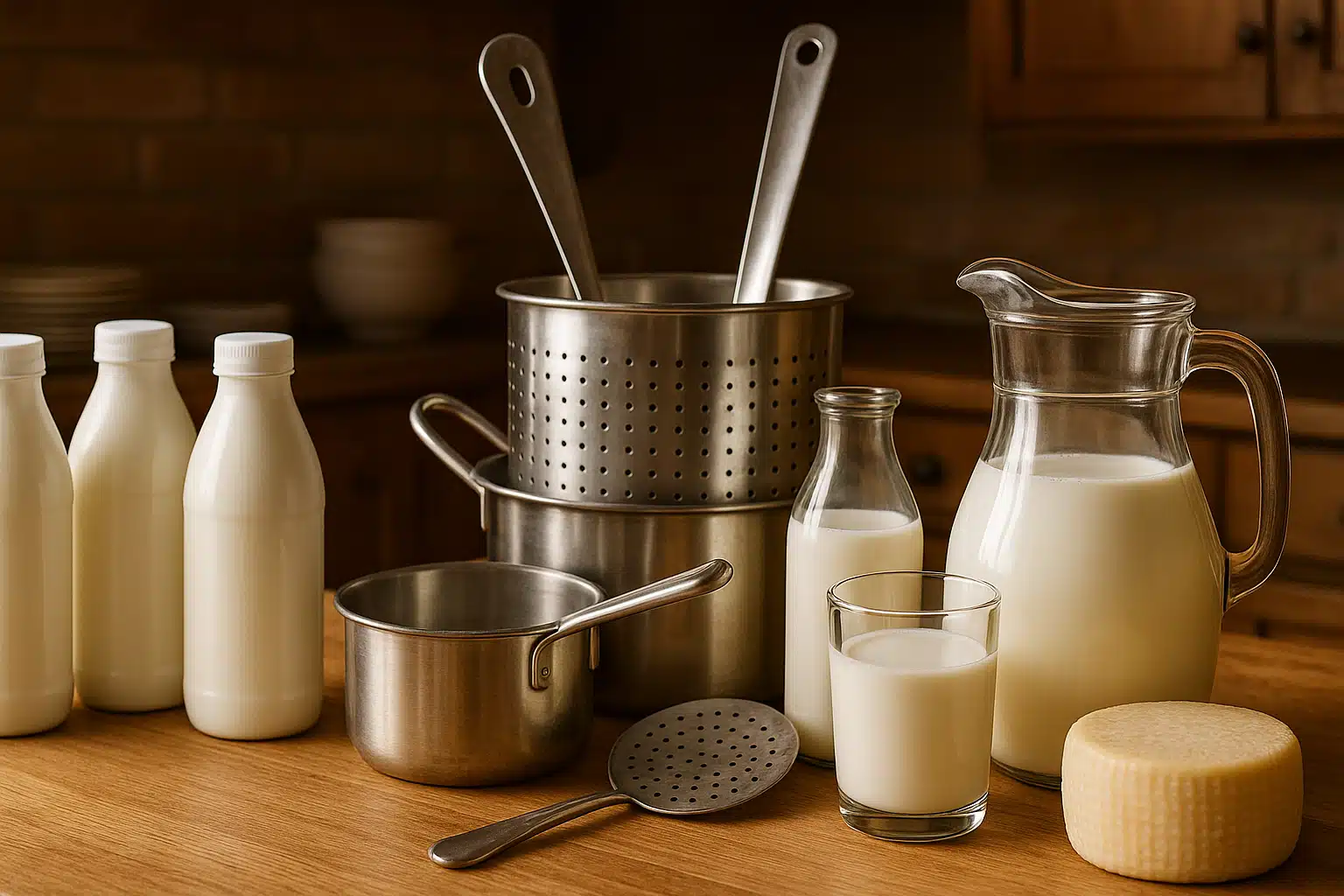
Choosing the Best Milk for Cheese Making: A Complete Guide
Making cheese at home is a rewarding culinary adventure that begins with one critical ingredient: milk. The quality and type of milk you select will directly impact the flavor, texture, and overall success of your homemade cheese. Whether you’re a beginner exploring cheese making for the first time or an experienced home cheesemaker looking to refine your craft, understanding the differences between various milk options is essential.
One of the most common questions among aspiring cheesemakers is whether store-bought milk can produce quality cheese, or if sourcing milk directly from farms yields better results. The answer lies in understanding how milk is processed, particularly the pasteurization methods used, and how these methods affect the milk’s ability to form proper curds and develop rich flavors.
Understanding Milk Pasteurization Methods
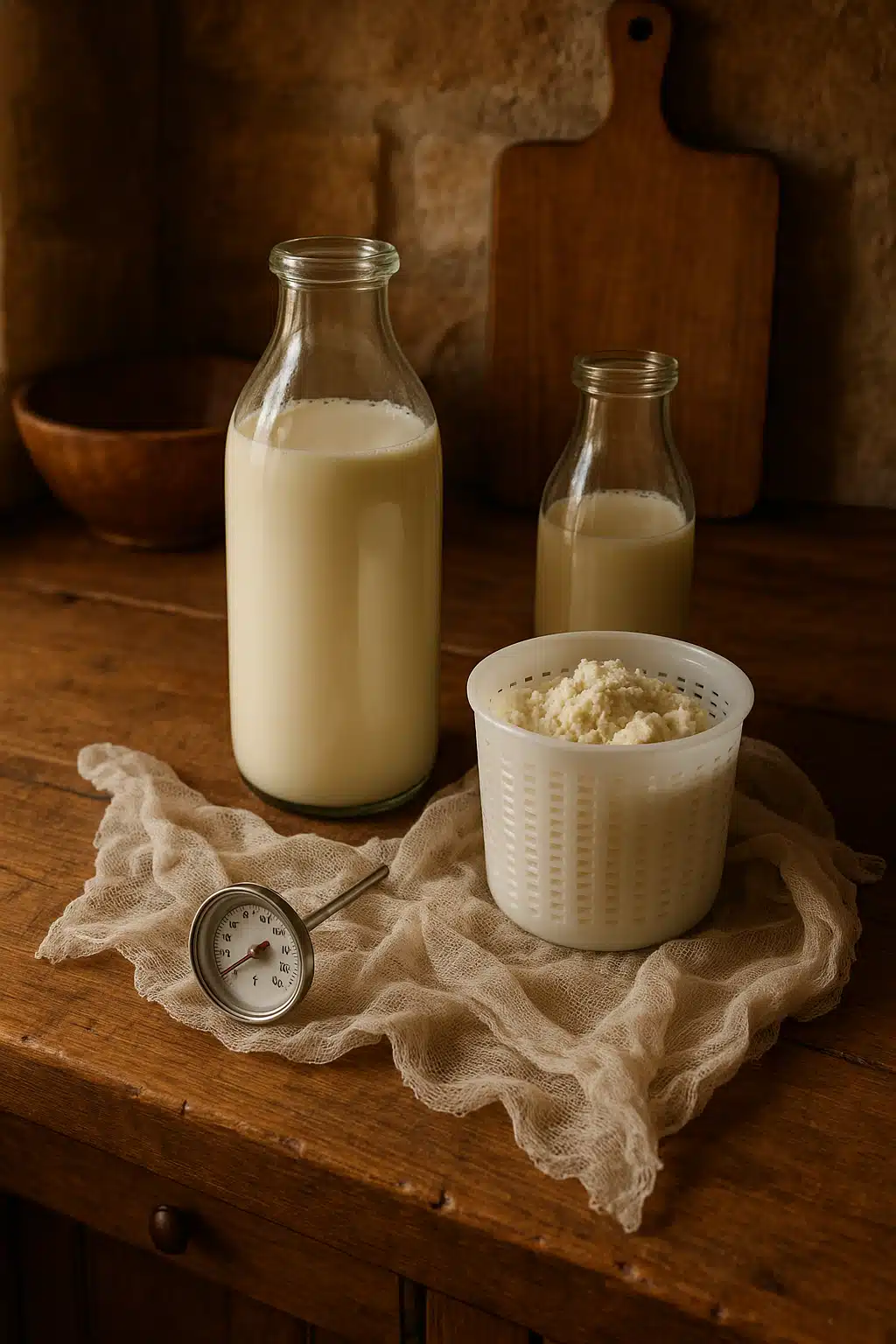
Pasteurization is a heat treatment process designed to eliminate harmful bacteria and extend the shelf life of milk. While this process makes milk safer for consumption, it also affects the milk’s structure and its suitability for cheese making. There are two primary pasteurization methods you’ll encounter when shopping for milk, and understanding the difference between them is crucial for successful cheese production.
UHT (Ultra-High Temperature) Pasteurization
UHT pasteurization involves heating milk to approximately 280°F (138°C) for just 2-5 seconds. This intense heat treatment destroys virtually all bacteria, allowing the milk to be stored at room temperature for several months without refrigeration until opened. While this makes UHT milk incredibly convenient for storage and distribution, the extreme heat significantly alters the milk’s protein structure.
For cheese making purposes, UHT milk presents several challenges. The high heat denatures the proteins responsible for proper curd formation, making it difficult or sometimes impossible to achieve the firm, cohesive curds necessary for quality cheese. Additionally, UHT milk often has a slightly cooked or caramelized flavor that can negatively impact the taste of your finished cheese.
HTST (High Temperature Short Time) Pasteurization
HTST pasteurization is a gentler process that heats milk to approximately 161°F (72°C) for about 15 seconds. This method effectively eliminates harmful bacteria while preserving more of the milk’s natural protein structure and flavor profile. HTST pasteurized milk typically requires refrigeration and has a shelf life of approximately two to three weeks.
For cheese making, HTST milk is significantly superior to UHT milk. The proteins remain largely intact, allowing for proper coagulation when rennet or acid is added. The curds form more reliably, the texture is better, and the final cheese retains a cleaner, more authentic dairy flavor. Most experienced cheesemakers strongly prefer HTST pasteurized milk when raw milk isn’t available or practical.
Why Pasteurization Method Matters for Cheese Quality
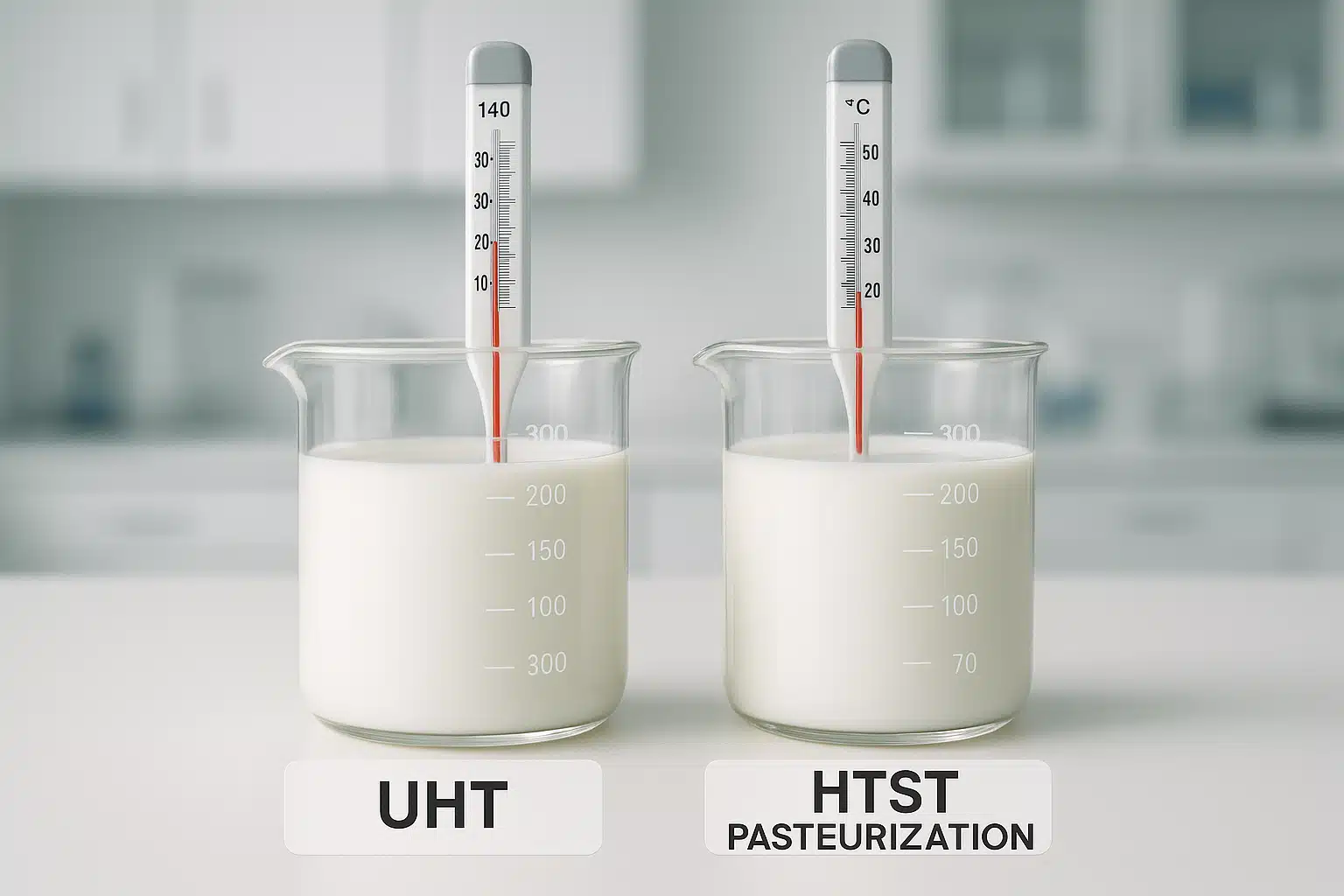
The science behind cheese making relies heavily on the behavior of milk proteins, particularly casein. When you add rennet or acid to milk during the cheese-making process, these proteins need to coagulate properly to form curds that can be separated from the whey. The structural integrity of these proteins is paramount to this process.
UHT pasteurization damages the calcium balance in milk and alters the casein micelles—the protein structures that form the foundation of cheese curds. This damage makes the milk less responsive to coagulation agents, resulting in weak, fragmented curds or, in some cases, no curd formation at all. The cheese produced from UHT milk, if any forms at all, tends to be grainy, lacks proper texture, and may have an off-flavor.
In contrast, HTST pasteurization maintains the milk’s natural calcium balance and preserves the casein structure sufficiently for proper curd formation. The curds are firm, clean-cutting, and develop the proper texture as they’re processed. The resulting cheese has better mouthfeel, more authentic flavor, and superior melting properties.
Store-Bought Milk: What to Look For
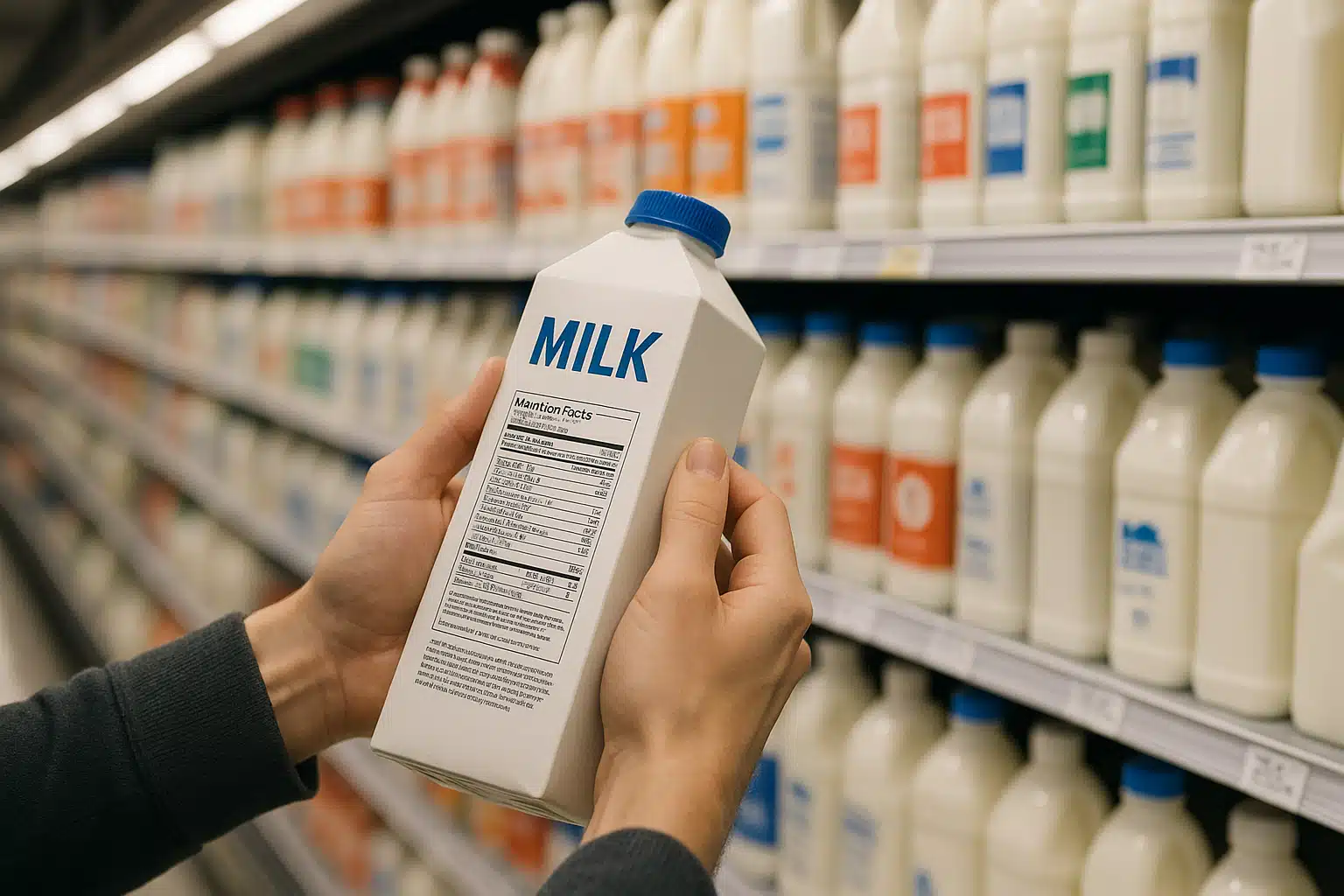
Shopping for cheese-making milk at a grocery store or supermarket requires careful label reading. Not all commercially available milk is suitable for cheese production, and packaging doesn’t always make the pasteurization method immediately obvious. Here are the key factors to consider when selecting store-bought milk for cheese making.
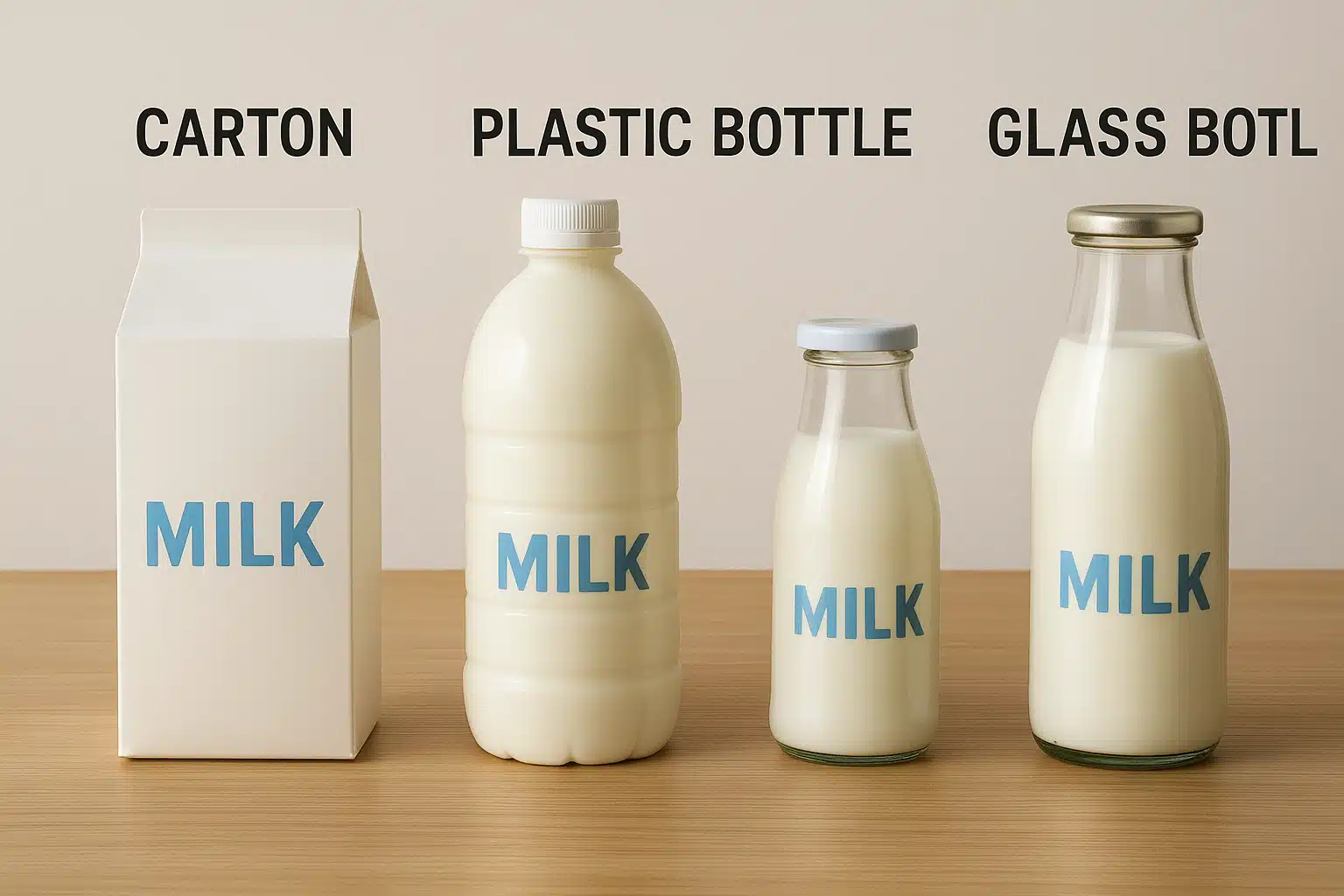
First, examine the label for pasteurization information. Look for terms like “pasteurized” or “HTST pasteurized” rather than “ultra-pasteurized” or “UHT.” Some packaging may not explicitly state the method, so checking the shelf stability can provide clues—if the milk doesn’t require refrigeration before opening, it’s UHT treated and should be avoided for cheese making.
Second, choose whole milk whenever possible. The higher fat content contributes to richer flavor and better texture in the finished cheese. While you can make cheese from lower-fat milk, whole milk generally produces superior results, especially for softer cheese varieties.
Third, avoid milk with added ingredients beyond vitamin D fortification. Some commercial milk contains stabilizers, thickeners, or other additives that can interfere with proper curd formation. The ingredient list should be simple: milk, and possibly vitamin D.
Finally, check the freshness date. Fresher milk generally performs better in cheese making, as the proteins are in optimal condition and bacterial counts are lower, giving you more control over the fermentation process.
Farm-Fresh and Locally Sourced Milk
Milk obtained directly from farms or through local dairy cooperatives often represents the gold standard for cheese making. This milk typically undergoes minimal processing and may be available as either raw (unpasteurized) or gently pasteurized, depending on regulations in your area and the practices of the individual farm.
Farm-fresh milk offers several advantages for cheese makers. The flavor profile is often more complex and robust, particularly when the animals are pasture-raised and grass-fed. The seasonal variation in the animals’ diet can create interesting flavor nuances in your cheese. The milk is typically fresher, having traveled shorter distances and spent less time in storage, which means the proteins and enzymes are in peak condition.
Additionally, small-scale dairy operations often process milk in smaller batches with more careful attention to maintaining quality. The milk may retain more of its natural enzyme content, which can contribute to flavor development during cheese aging. Many artisan cheesemakers specifically seek out farm-fresh milk for these qualities.
However, farm-fresh milk also requires more careful handling. It may have higher bacterial counts than commercial milk, which means stricter attention to sanitation during cheese making. If you’re using raw milk, be aware of safety considerations and legal regulations in your area, as well as the increased responsibility for proper handling and aging to ensure food safety.
Raw Milk Considerations
Raw, unpasteurized milk represents the traditional choice for cheese making and is still preferred by many artisan cheesemakers around the world. Raw milk contains naturally occurring enzymes and beneficial bacteria that can contribute to complex flavor development and unique characteristics in aged cheeses.
The proteins in raw milk are completely unaltered by heat, resulting in excellent curd formation and texture. Many cheesemakers report that raw milk produces cheese with superior flavor complexity, especially in aged varieties where the natural enzymes and bacteria have time to develop nuanced tastes.
However, raw milk cheese making comes with important considerations. Food safety regulations vary significantly by country and region—some areas permit raw milk sales and consumption, while others prohibit it entirely. Even where it’s legal, raw milk may only be available for cheese making if the final product is aged for a minimum period (often 60 days) to reduce potential pathogen risks.
If you choose to work with raw milk, source it from reputable dairies with excellent hygiene practices and regular testing. Handle it with meticulous care, maintain proper sanitation throughout the cheese-making process, and follow recommended aging times for food safety.
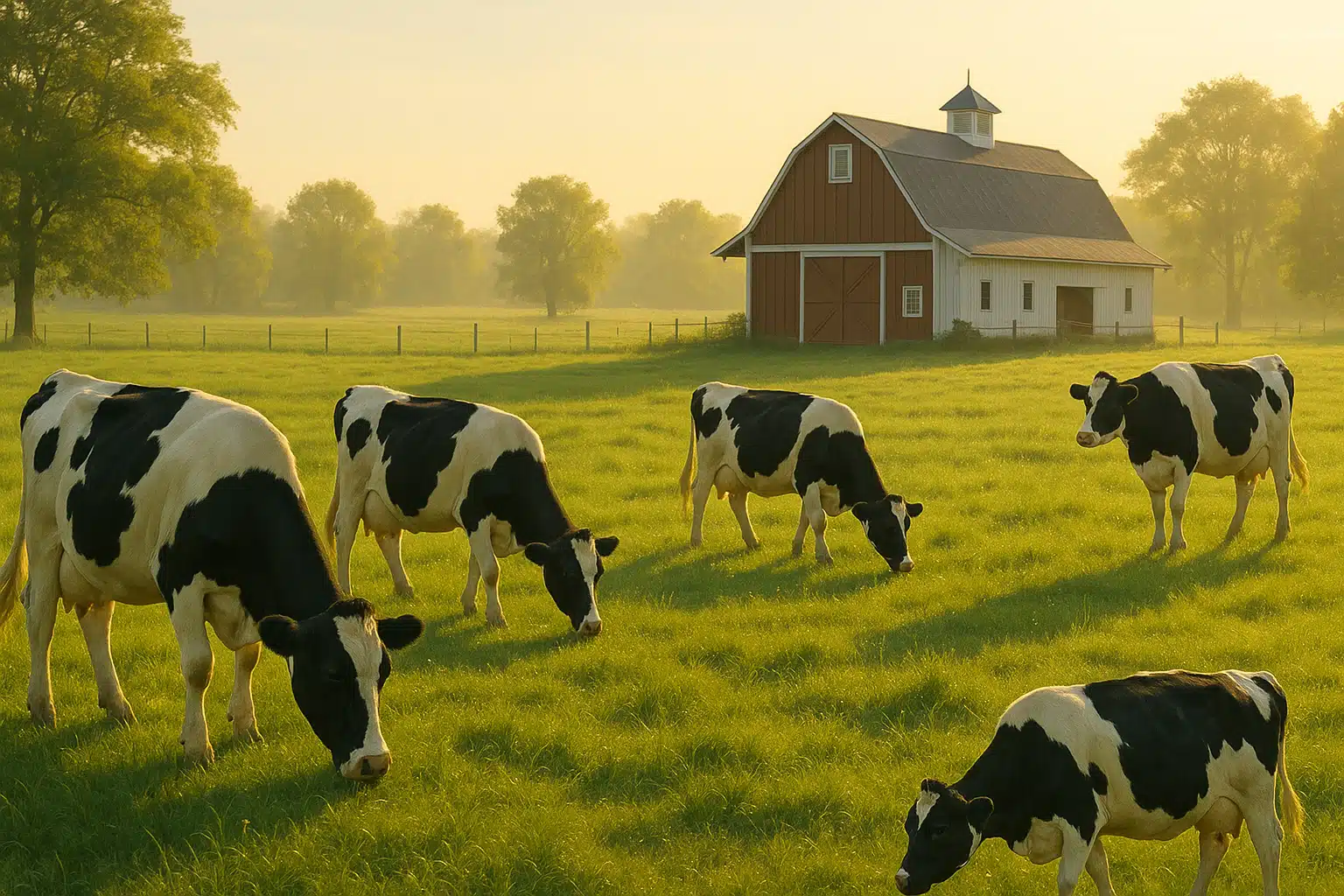
Comparing Key Characteristics: Store-Bought vs. Farm-Fresh
To help you make an informed decision about which milk source best suits your cheese-making goals, let’s compare the key characteristics of each option across several important factors.
Flavor Profile
Store-bought HTST pasteurized milk typically offers a clean, consistent, mild dairy flavor. It’s predictable and reliable, making it excellent for learning cheese-making techniques and producing consistent results. Farm-fresh milk, particularly from grass-fed or pasture-raised animals, often has a richer, more complex flavor with subtle variations based on season, diet, and breed. This can create more interesting and distinctive cheeses but with less batch-to-batch consistency.
Consistency and Reliability
Commercial milk undergoes strict quality control and standardization, ensuring nearly identical composition from one container to the next. This makes it easier to achieve consistent results and perfect your technique. Farm-fresh milk may vary more significantly depending on factors like seasonal feed changes, stage of lactation, and individual animal variations. This variability can be challenging for beginners but offers experienced cheesemakers opportunities to create unique seasonal products.
Availability and Convenience
Store-bought milk is widely available year-round in most areas, with predictable pricing and convenient access. Farm-fresh milk may require more effort to source, potentially involving travel to farms or farmers’ markets, limited availability depending on location, and possible seasonal variations in supply. However, many areas now have delivery services or cooperative arrangements that improve farm-milk accessibility.
Cost Considerations
Commercially produced milk is typically the most economical option, with competitive pricing due to large-scale production and distribution. Farm-fresh milk usually costs more per volume, reflecting smaller-scale production, potentially higher quality feed and care, and more direct farm-to-consumer distribution. However, the enhanced flavor and quality may justify the additional expense for serious cheese makers.
Common Mistakes to Avoid
Even experienced home cooks can encounter problems when selecting milk for cheese making. Being aware of these common pitfalls will help you avoid frustration and wasted ingredients.
Using Ultra-Pasteurized Milk: This is the single most common mistake among beginning cheesemakers. The damaged protein structure in UHT milk makes it extremely difficult or impossible to form proper curds. Always verify the pasteurization method before purchasing milk for cheese making, as ultra-pasteurized milk may not be clearly labeled as such.
Choosing Skim or Low-Fat Milk: While it’s possible to make cheese from lower-fat milk, the results are often disappointing—especially for beginners. Reduced-fat milk produces cheese with less flavor, a less appealing texture, and lower yields. Until you’ve mastered basic techniques, stick with whole milk for best results.
Ignoring Freshness: Old milk, even if still within its use-by date, may contain higher bacterial counts and degraded proteins that affect curd quality. Use the freshest milk possible, and if you’re buying milk specifically for a cheese-making session, try to use it within a day or two of purchase.
Assuming All Farm Milk Is Better: While farm-fresh milk can be excellent for cheese making, quality varies significantly between producers. Poor hygiene practices, improper cooling, or inadequate handling can result in farm milk that’s actually inferior to quality commercial milk. Research your source and start with small quantities until you’re confident in the quality.
Overlooking Homogenization: While pasteurization method is crucial, homogenization also matters. Non-homogenized milk (where cream rises to the top) can produce cheese with slightly different characteristics than homogenized milk. Neither is necessarily better, but consistency in your milk choice helps produce consistent results.
Selecting Milk for Different Cheese Types
Different cheese varieties have varying requirements and tolerances when it comes to milk selection. Understanding these differences can help you choose the most appropriate milk for your specific cheese-making project.
Fresh Cheeses: Varieties like ricotta, paneer, queso fresco, and cream cheese are more forgiving of milk quality variations. While HTST pasteurized milk still produces superior results, these cheeses can sometimes be made successfully even with ultra-pasteurized milk when acid (rather than rennet) is the primary coagulant. These are excellent projects for beginners working with commercial milk.
Soft Ripened Cheeses: Brie, Camembert, and similar soft cheeses with surface molds benefit significantly from high-quality milk. The delicate flavors and textures of these cheeses are enhanced by farm-fresh or non-homogenized milk, though good results are certainly achievable with quality store-bought HTST milk.
Hard Aged Cheeses: Cheddar, Gouda, Parmesan, and other aged varieties require excellent curd formation and structure, making HTST or raw milk essential. The long aging period also allows subtle flavor differences in the original milk to develop and become more pronounced, making high-quality milk particularly valuable for these cheeses.
Stretched Curd Cheeses: Mozzarella and similar pasta filata cheeses need milk with excellent protein structure to achieve the proper stretchy texture. HTST pasteurized milk works well, and many cheesemakers add calcium chloride to help restore calcium balance and improve curd strength, especially when working with store-bought milk.
Enhancing Store-Bought Milk for Cheese Making
If you’re working with commercial pasteurized milk and want to improve your results, several techniques can help compensate for some of the effects of processing.
Adding Calcium Chloride: Pasteurization disrupts the calcium balance in milk, which can weaken curd formation. Adding calcium chloride (typically ¼ teaspoon per gallon of milk, diluted in water) helps restore this balance and produces firmer, cleaner-cutting curds. This is especially helpful for harder cheese varieties.
Cream Enrichment: Adding a small amount of heavy cream to your milk (about 1 cup per gallon) can enhance both flavor and texture in the finished cheese. Make sure the cream is also pasteurized using the HTST method rather than ultra-pasteurized.
Temperature Control: Precise temperature management becomes even more important when working with commercial milk. Invest in a reliable thermometer and follow recipe temperatures carefully, as pasteurized milk may be less forgiving of temperature variations than raw milk.
Culture Selection: Using robust, high-quality cheese cultures can help compensate for the reduced enzyme activity in pasteurized milk. Commercial cultures are specifically designed to work well with pasteurized milk and can produce excellent flavor development despite the milk’s processing history.
Making Your Choice: A Practical Approach
The “best” milk for cheese making ultimately depends on your specific situation, goals, and resources. Here’s a practical framework for making your decision based on your circumstances.
If you’re just beginning your cheese-making journey, start with readily available HTST pasteurized whole milk from your local store. This gives you an affordable, accessible way to learn basic techniques without the added variables that come with farm-fresh milk. Focus on perfecting your process, understanding timing and temperature, and building confidence with consistent, predictable ingredients.
Once you’ve mastered the fundamentals and are producing consistent results with store-bought milk, consider exploring farm-fresh options. Start with small quantities from a reputable local dairy to compare the flavor and characteristics. This allows you to experience the differences firsthand without significant investment or waste if the results don’t meet your expectations.
For regular cheese making, many experienced home cheesemakers settle on a hybrid approach: using quality store-bought HTST milk for everyday cheese making and weekly batches, while reserving special farm-fresh or raw milk for special occasion cheeses, gift batches, or cheeses intended for longer aging when the superior flavor will be most appreciated.
Consider your specific cheese-making goals as well. If you’re making cheese primarily for family consumption and learning the craft, commercial milk is perfectly adequate and economical. If you’re aspiring to create artisan-quality aged cheeses or potentially selling your products, investing in premium milk sources becomes more justified and important for product differentiation.
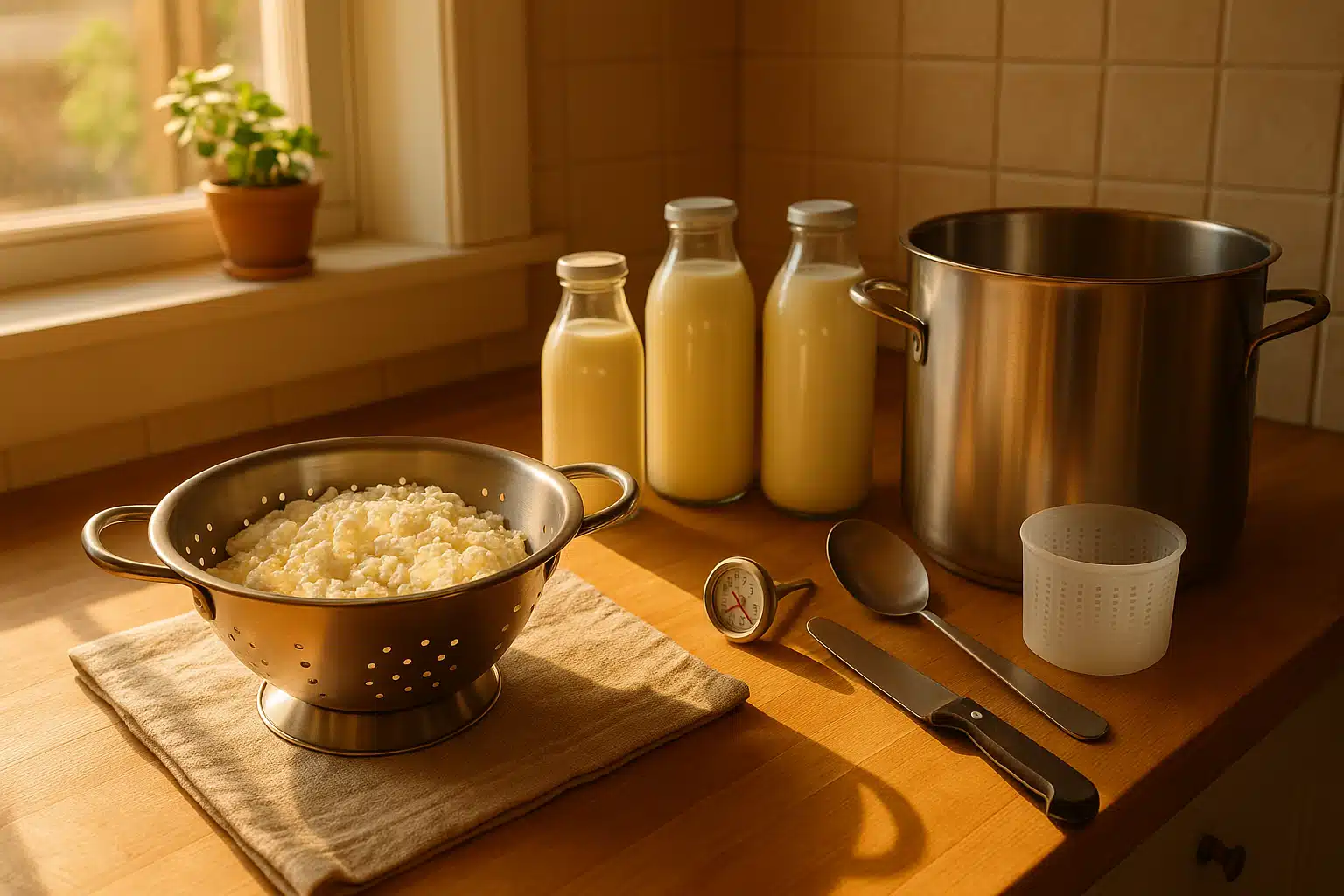
Conclusion: Starting Your Cheese-Making Journey Right
Selecting the right milk for cheese making is a foundational decision that significantly impacts your success and satisfaction with this rewarding craft. While the variety of options might seem overwhelming at first, the core principle is straightforward: avoid ultra-pasteurized milk and seek out the highest quality HTST pasteurized or farm-fresh milk within your budget and availability.
Remember that even professional cheesemakers started as beginners, learning through experimentation and gradual improvement. Don’t let the pursuit of “perfect” milk prevent you from starting. Quality store-bought HTST pasteurized milk can produce excellent cheese that will impress your friends and family. As your skills develop and your palate becomes more refined, you’ll naturally discover how different milk sources affect your final products.
The joy of cheese making comes not just from the final product but from the entire process—from carefully selecting your ingredients to monitoring temperatures, observing the magical transformation from liquid milk to solid curds, and finally tasting cheese you’ve crafted with your own hands. Whether you choose convenient store-bought milk or seek out artisan farm-fresh dairy, you’re embarking on a journey that connects you to an ancient culinary tradition spanning thousands of years and cultures around the globe.
Start with the best milk you can reasonably access, follow sound cheese-making principles, maintain proper sanitation, and be patient with yourself as you learn. With each batch, your understanding will deepen, your technique will improve, and your cheese will become increasingly delicious. The path from novice to skilled cheesemaker begins with a single batch—and choosing the right milk is your first step toward success.