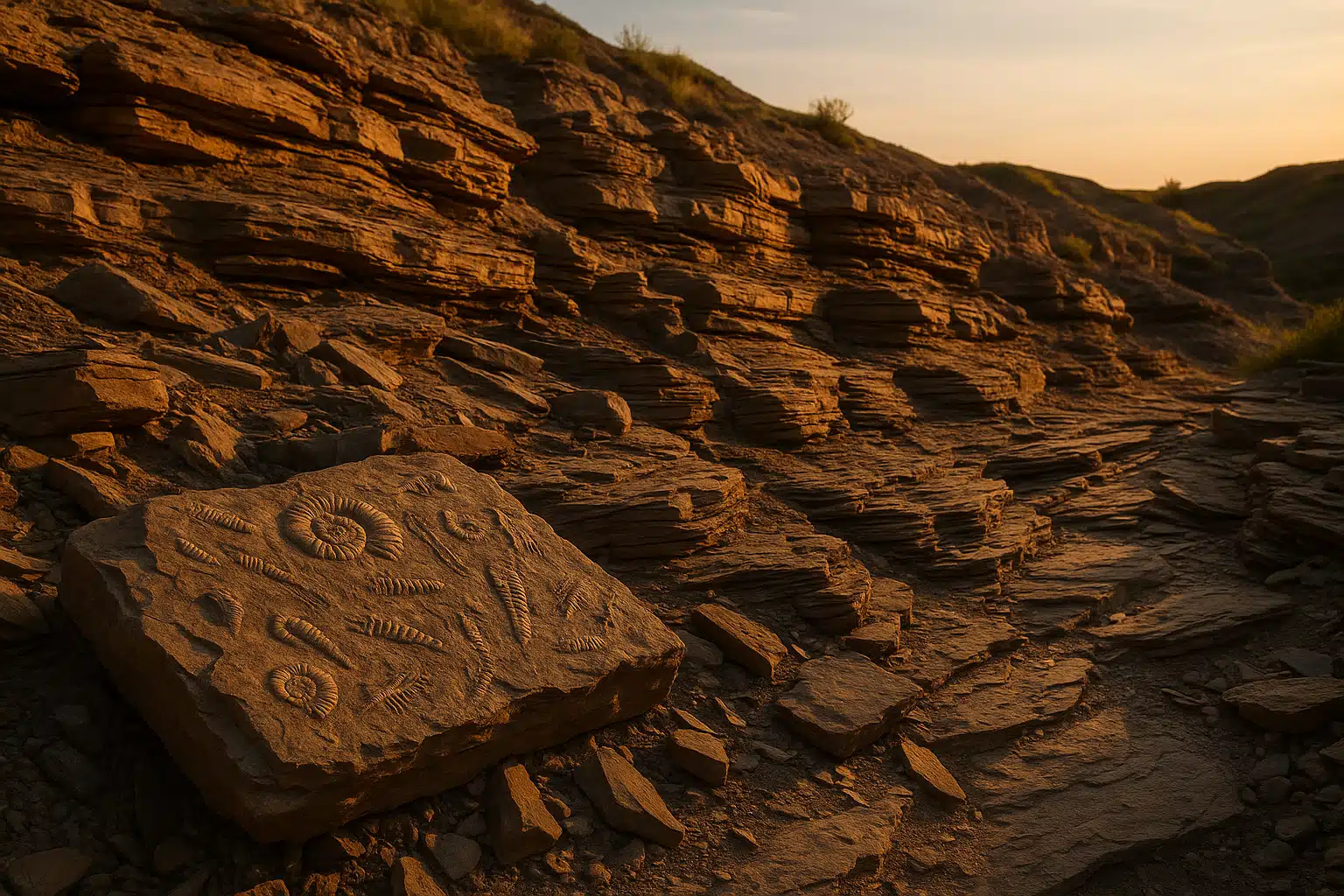
Have you ever stumbled upon an intriguing rock formation during a nature walk and wondered if it might be a fossil? Fossil collecting has captivated enthusiasts worldwide for generations, offering a tangible connection to Earth’s ancient past. However, this fascinating hobby comes with important ethical considerations and legal responsibilities that every collector—whether beginner or experienced—should understand. In this comprehensive guide, we’ll explore the fundamental principles of responsible fossil collecting, the crucial differences between various fossil types, and the circumstances when it’s best to leave these precious remnants of history undisturbed.
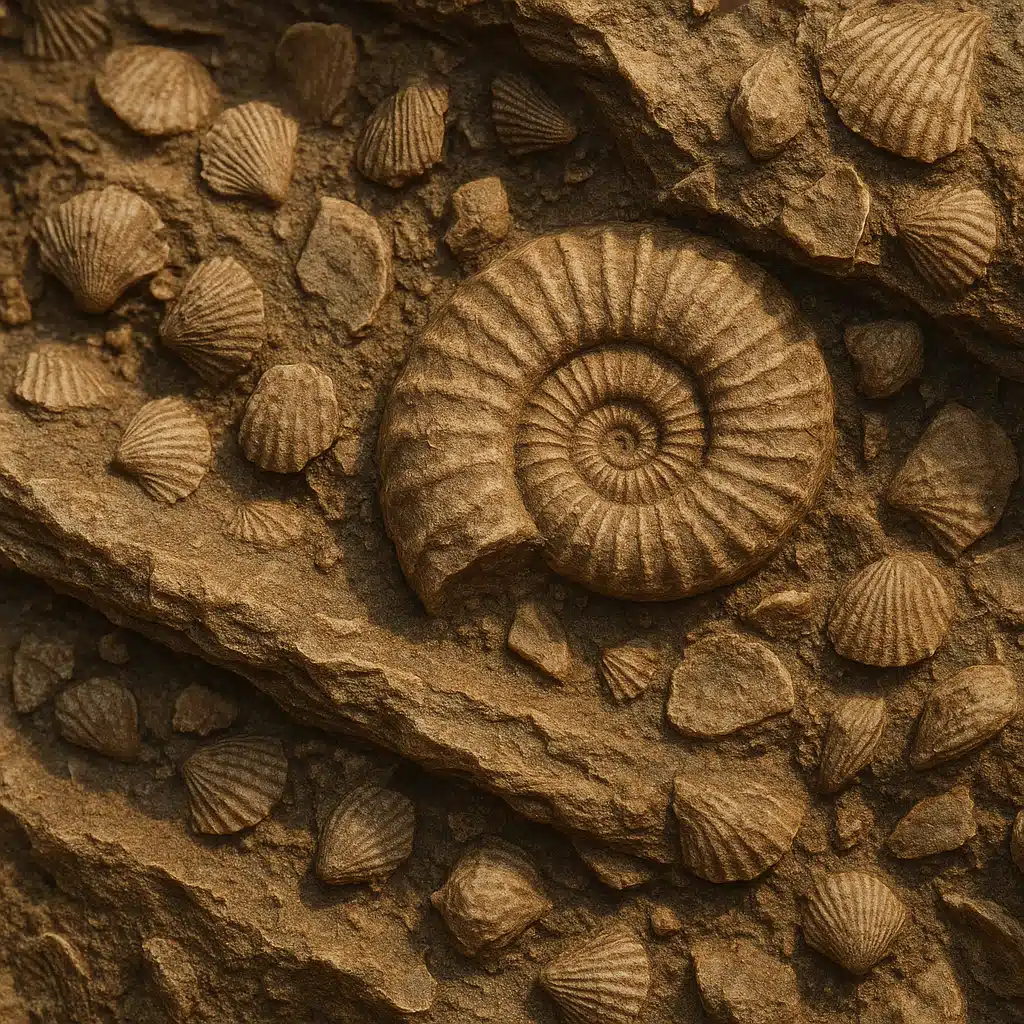
Understanding Fossils: A Window to the Past
Fossils represent the preserved remains or traces of organisms that lived in Earth’s distant past, sometimes millions or even billions of years ago. These remarkable natural artifacts provide invaluable insights into the evolution of life, ancient ecosystems, climate patterns, and geological processes that have shaped our planet. For scientists, educators, and enthusiasts alike, fossils serve as irreplaceable records of biological and environmental history.
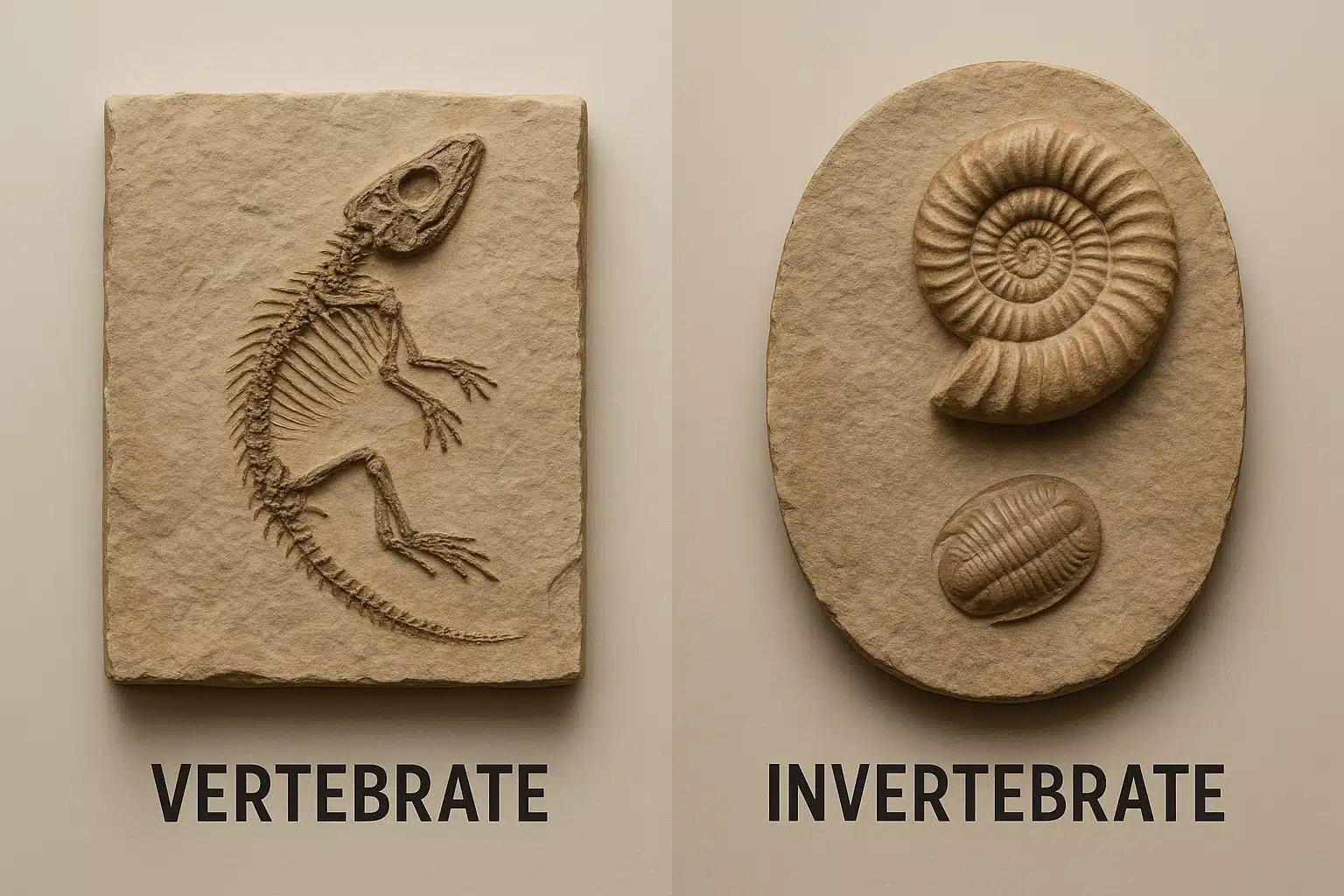
Understanding the basic classification of fossils is essential for responsible collecting. Fossils are broadly categorized into two main groups based on the type of organism they represent:
Vertebrate Fossils
Vertebrate fossils originate from animals that possessed a backbone or spinal column. This diverse category includes remains from dinosaurs, ancient marine reptiles, early mammals, prehistoric birds, fish, amphibians, and numerous extinct species. Due to their relative rarity, scientific significance, and public fascination, vertebrate fossils are typically subject to stricter regulations and protections worldwide. These specimens often provide critical evidence for understanding evolutionary transitions, extinct ecosystems, and the development of complex life forms.
Invertebrate Fossils
Invertebrate fossils come from organisms without backbones, representing a vast array of ancient life including trilobites, ammonites, mollusks, brachiopods, corals, crustaceans, and insects. While often more abundant than vertebrate fossils, these specimens remain scientifically valuable for dating rock formations, reconstructing ancient marine environments, and understanding biodiversity through geological time. Many invertebrate fossils are more commonly encountered by amateur collectors, but their abundance doesn’t diminish their potential scientific or educational importance.
The Legal Landscape of Fossil Collecting
Before embarking on any fossil collecting activity, it’s absolutely essential to understand and comply with the legal frameworks that govern fossil collection in your region. Laws and regulations vary significantly across countries, states, provinces, and even local jurisdictions, reflecting different approaches to protecting paleontological heritage and scientific resources.
Generally speaking, fossil collection laws distinguish between public and private lands, with most jurisdictions applying stricter controls to fossils found on government-owned property. The type of fossil—particularly whether it’s vertebrate or invertebrate—often determines the level of regulation and the requirements for legal collection.
Regulations Governing Vertebrate Fossils
Vertebrate fossils typically face the most stringent legal protections due to their scientific rarity and paleontological significance. Understanding these regulations is crucial to avoid legal consequences and to preserve important scientific resources:
- Permit Requirements: Many jurisdictions require collectors to obtain specific permits or licenses before collecting vertebrate fossils, even from private property in some cases. These permits often require demonstrating scientific qualifications or institutional affiliation.
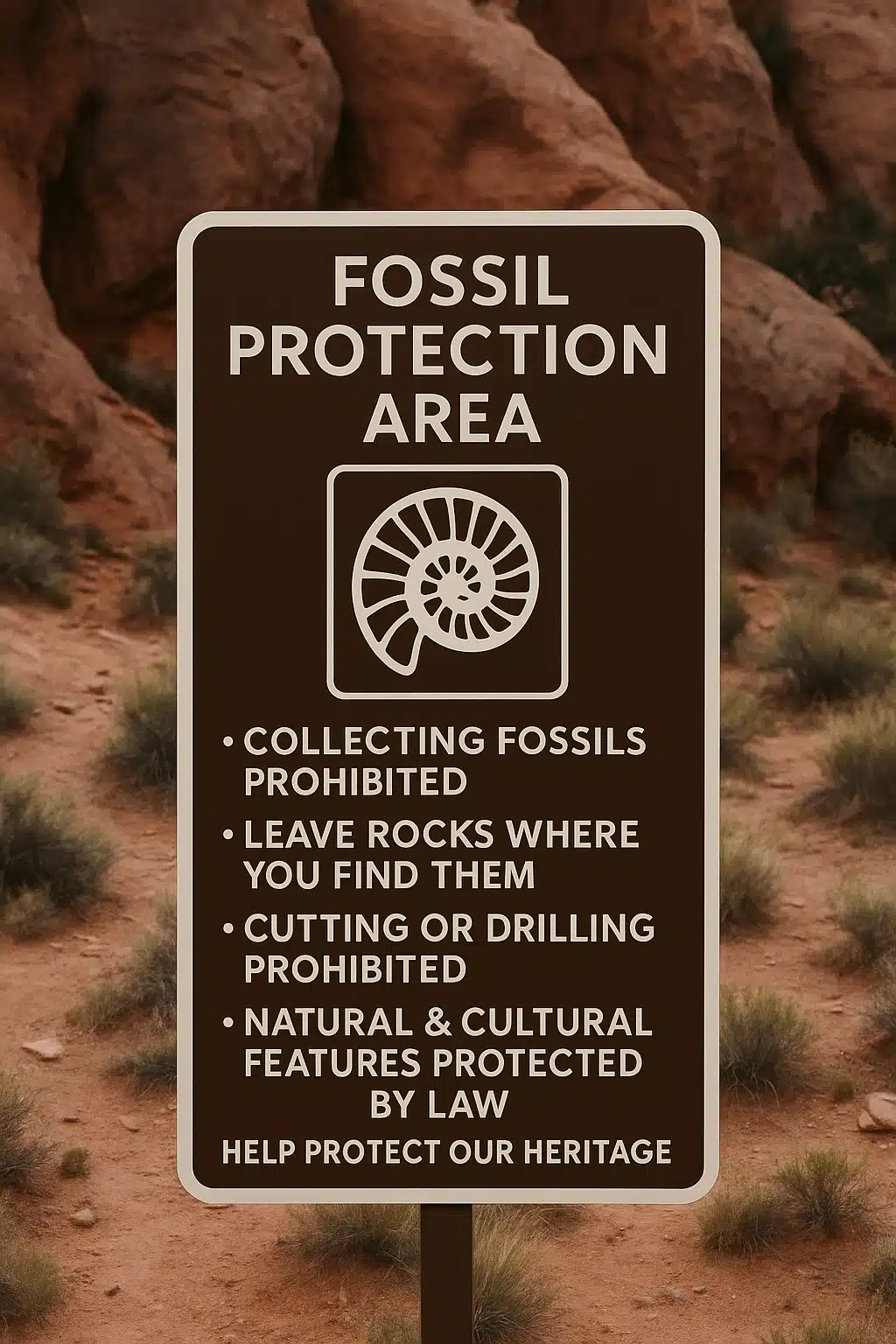
- Protected Areas: Collection is typically prohibited or severely restricted in national parks, nature reserves, protected geological sites, and areas of special scientific interest. These restrictions help preserve significant fossil beds for scientific research and public education.
- Reporting Obligations: Some regions require that significant vertebrate fossil discoveries be reported to scientific authorities, museums, or government agencies to ensure proper documentation and potential study.
- Export Restrictions: International movement of vertebrate fossils may be subject to export permits, customs declarations, and compliance with international heritage protection agreements.
- Ownership Considerations: The legal ownership of fossils can depend on land ownership, with different rules applying to public lands, private property, and specific protected zones.
Regulations Governing Invertebrate Fossils
While invertebrate fossils may face less restrictive regulations in some jurisdictions due to their greater abundance, responsible collectors should never assume they’re completely unregulated. Important considerations include:
- Local Guidelines: Always research and follow local regulations, which may vary considerably even within the same country. Some areas protect all fossils equally, regardless of type.
- Protected Species: Certain invertebrate fossils, particularly exceptionally preserved specimens or those from sensitive geological formations, may receive the same protections as vertebrate fossils.
- Land Access Permissions: Even where invertebrate collection is permitted, you must have explicit permission from landowners before collecting on private property.
- Scientific Value: Just because something is legally collectible doesn’t mean it should be removed—exceptionally preserved invertebrate fossils can hold tremendous scientific value.
- Quantity Limits: Some jurisdictions impose limits on the number or volume of fossils that can be collected, even for common invertebrate specimens.
Why Leaving Fossils Undisturbed Matters
The decision to collect or leave a fossil in place extends beyond legal compliance—it involves ethical considerations that affect scientific knowledge, education, and our collective understanding of Earth’s history. Here are compelling reasons why leaving certain fossils undisturbed is often the most responsible choice:
Preservation of Scientific Context
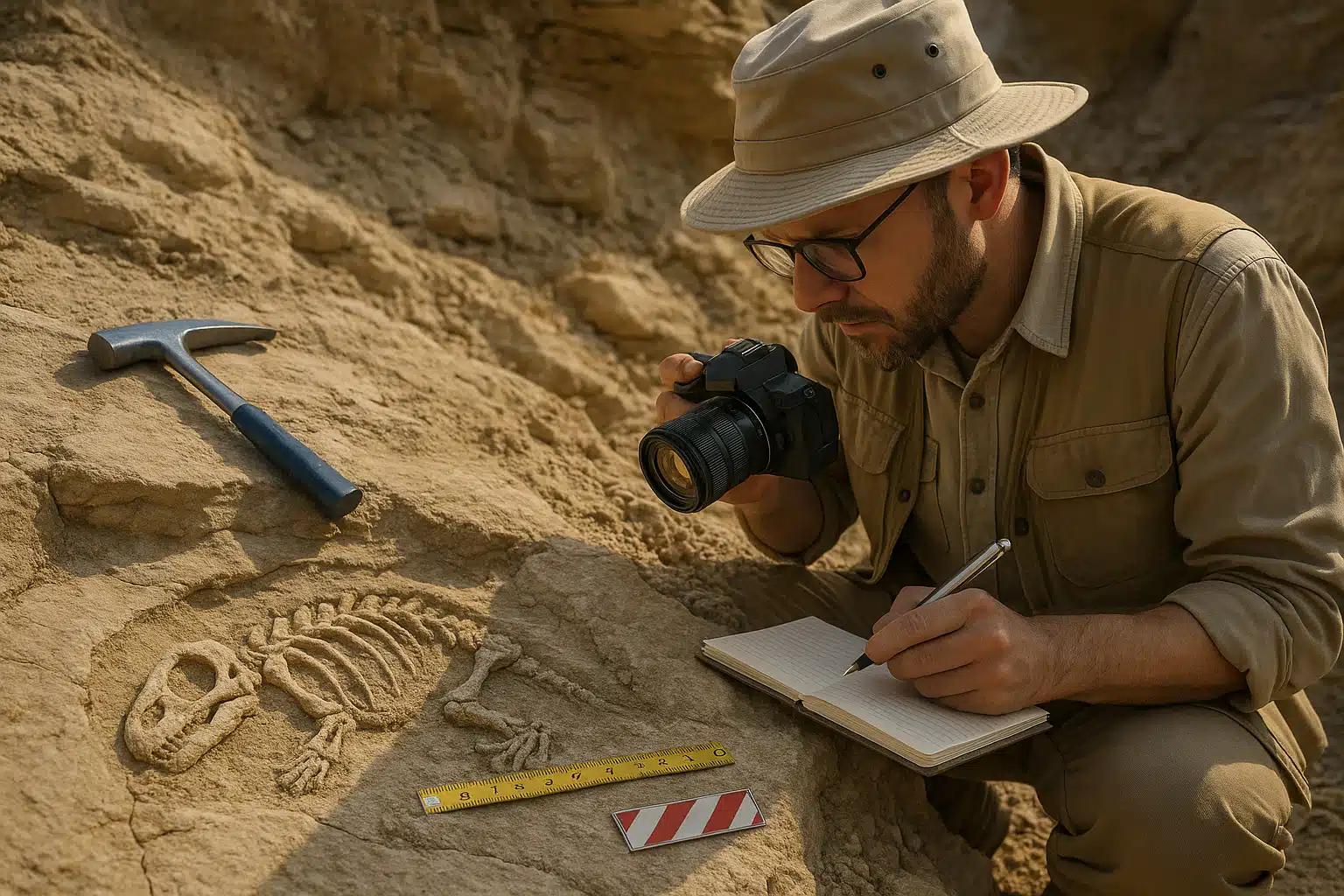
When fossils are removed from their original position without proper documentation, critical scientific information is permanently lost. Professional paleontologists record detailed data about fossil location, orientation, surrounding rock layers, associated specimens, and geological context. This contextual information often proves as valuable as the fossil itself, helping scientists understand ancient environments, ecological relationships, and evolutionary patterns. Amateur collection without this documentation destroys irreplaceable scientific data.
Supporting Ongoing Research
Scientific understanding constantly evolves with new analytical techniques and technologies. Fossils left in situ or properly curated in institutional collections remain available for future researchers who may possess tools and methodologies not yet invented. Techniques like isotope analysis, CT scanning, and molecular paleontology can extract information from fossils that would have been unimaginable decades ago—but only if specimens remain available for study.
Educational Opportunities
Fossils in their natural setting provide invaluable educational experiences for future generations. School groups, university field courses, and public education programs rely on accessible fossil sites to teach geology, paleontology, and Earth history. Once removed, these teaching opportunities disappear forever, diminishing educational resources for communities and institutions.
Legal and Financial Consequences
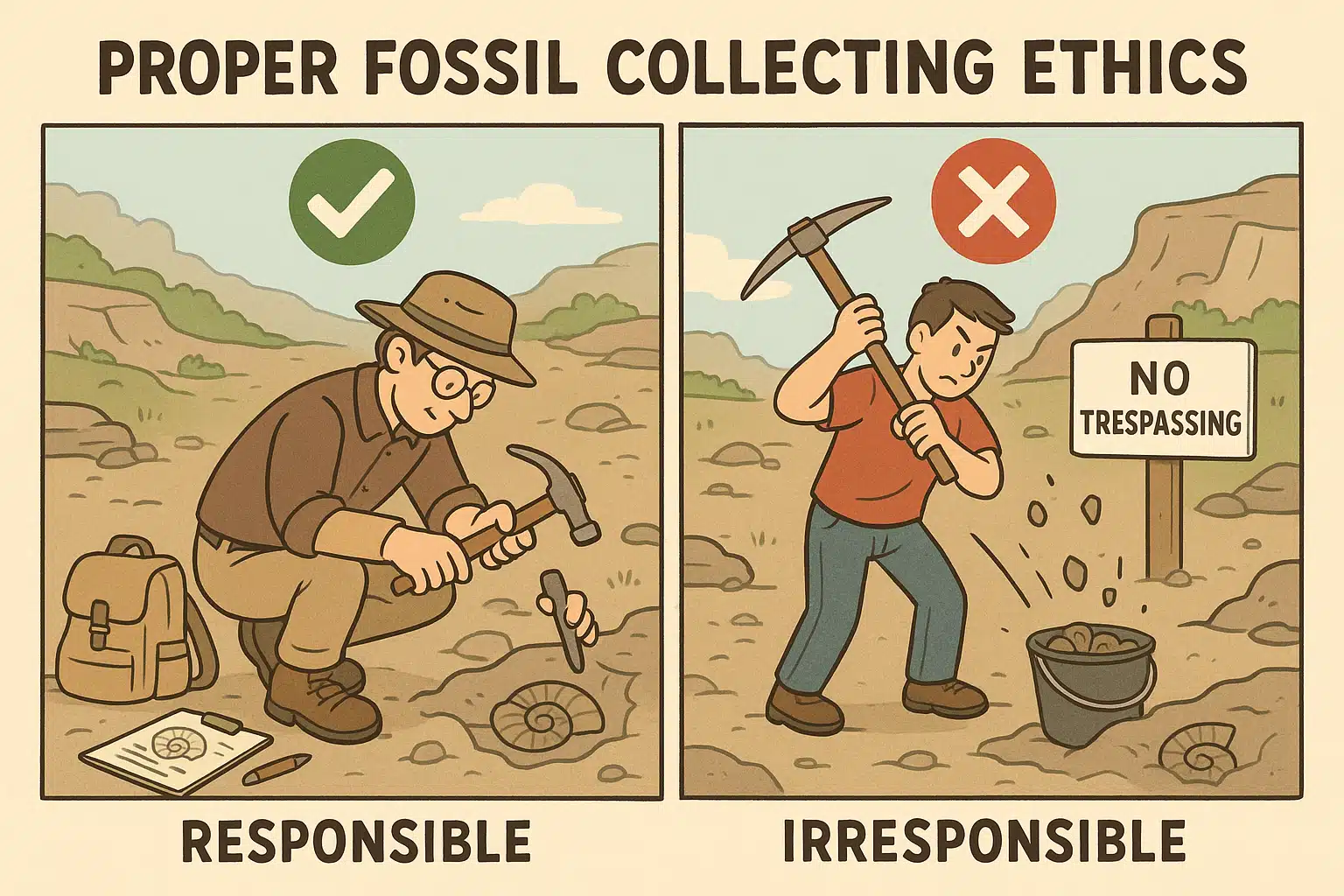
Collecting fossils without proper authorization can result in serious legal ramifications, including substantial fines, criminal charges, confiscation of specimens and equipment, and even imprisonment in cases involving significant or protected fossils. Beyond immediate legal consequences, violations can result in permanent bans from public lands, damage to your reputation within the collecting community, and civil liability to landowners.
Ethical Stewardship
Fossils represent a finite, non-renewable resource. Each specimen has taken millions of years to form and preserve—once removed or damaged, it cannot be replaced. Ethical collecting involves recognizing our role as temporary stewards of paleontological heritage, making decisions that balance personal interest with broader scientific and societal benefits.
Common Misconceptions About Fossil Collecting
Many enthusiastic beginners approach fossil collecting with misunderstandings that can lead to legal problems, ethical violations, or missed opportunities for contributing to science. Let’s address some of the most prevalent misconceptions:
“Fossils Are Just Interesting Rocks”
This oversimplification fails to recognize fossils as irreplaceable scientific documents. Each fossil represents a unique individual organism that lived millions of years ago, capturing information about ancient life, evolution, climate, and ecosystems. Unlike ordinary rocks, fossils cannot be synthesized or recreated—once lost or damaged, the information they contain disappears forever. Their value extends far beyond aesthetic appeal to encompass scientific, educational, and cultural significance.
“Finders Keepers—I Can Collect Anything I Find”
Legal ownership of fossils depends on numerous factors including land ownership, jurisdiction-specific laws, fossil type, and scientific significance. Simply finding a fossil doesn’t grant legal right to collect it. This misconception has led countless well-intentioned collectors into legal difficulties. Always research applicable laws and obtain necessary permissions before removing any fossil material.
“Common Fossils Have No Scientific Value”
Even abundant fossil species can provide valuable scientific information, particularly when found in unusual contexts, exhibiting exceptional preservation, or occurring in statistically significant numbers. What appears “common” to an amateur might represent an important data point for understanding population dynamics, geographic distribution, or environmental conditions. Scientists often need multiple specimens to conduct meaningful statistical analyses and identify variation within species.
“Professional Paleontologists Don’t Want Amateur Help”
Contrary to this belief, many significant paleontological discoveries have resulted from responsible amateur collectors working cooperatively with professional scientists. Most paleontologists welcome information about fossil sites and appreciate when amateurs report significant finds rather than collecting them improperly. Citizen science initiatives increasingly recognize the valuable contributions amateur enthusiasts can make to paleontological knowledge when following proper protocols.
“Weathering Will Destroy Fossils if I Don’t Collect Them”
While natural weathering does gradually break down exposed fossils, this process typically occurs over decades or centuries. Using potential erosion as justification for immediate collection often masks impatience or acquisition desire. If a fossil genuinely faces imminent destruction, the appropriate response is contacting local museums, universities, or geological surveys rather than unauthorized collection. Professionals can assess the situation and ensure proper documentation if collection is warranted.
Best Practices for Responsible Fossil Enthusiasts
If you’re passionate about fossils and paleontology, there are numerous ways to engage with this fascinating field responsibly and legally:
- Educate Yourself: Invest time in learning proper identification, geological context, and regional regulations before collecting. Consider taking courses in geology or paleontology to deepen your understanding.
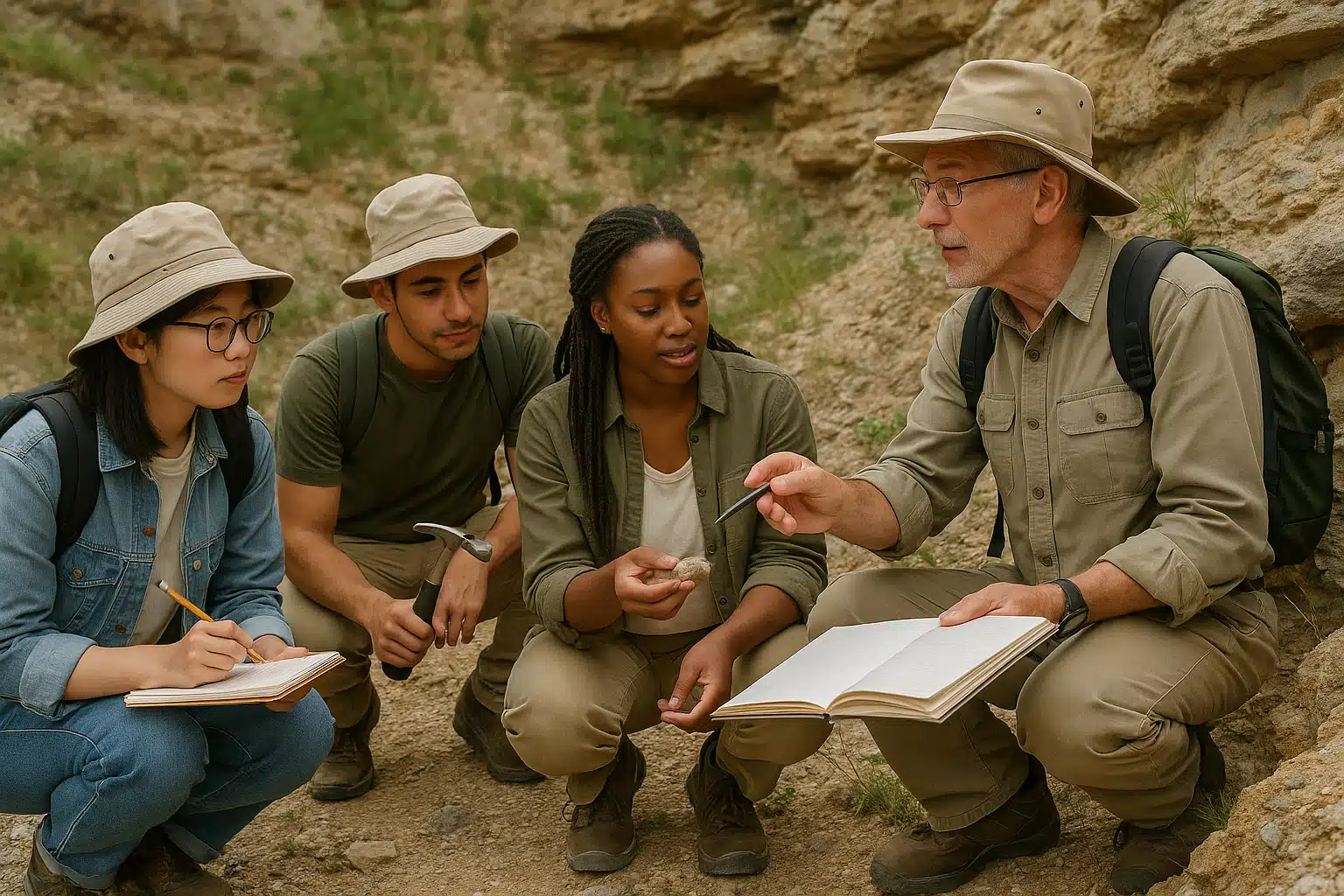
- Join Organizations: Amateur paleontology clubs and societies provide education, mentorship, and opportunities to participate in legitimate collecting activities under proper supervision.
- Obtain Permissions: Always secure explicit written permission from landowners and comply with all applicable permits and regulations before collecting.
- Document Thoroughly: If legally collecting, record detailed location information, photographs, and geological context to preserve scientific value.
- Report Significant Finds: Contact local museums, universities, or geological surveys when you discover potentially important specimens.
- Support Institutions: Visit museum collections, support paleontological research, and consider donating legally obtained specimens to educational institutions.
- Practice Leave No Trace: Minimize environmental impact during field activities and restore sites to their original condition when possible.
- Share Knowledge: Help educate other enthusiasts about responsible collecting practices and the importance of paleontological conservation.
Conclusion: Balancing Passion with Responsibility
Fossil collecting offers an extraordinary opportunity to connect with Earth’s deep history, experience the thrill of discovery, and contribute to our understanding of ancient life. However, this rewarding pursuit comes with significant responsibilities that every collector must take seriously. By understanding the critical distinctions between vertebrate and invertebrate fossils, respecting legal frameworks designed to protect paleontological heritage, and making ethical decisions about when to collect and when to leave fossils undisturbed, you can enjoy this hobby while preserving scientific resources for future generations.
The next time you encounter a potential fossil during your outdoor adventures, pause to consider its broader significance. Ask yourself whether removing it serves the greater good or merely satisfies personal acquisition desires. Research applicable laws, assess the scientific context, and when in doubt, photograph the specimen, document its location, and report it to appropriate authorities. This approach transforms you from a simple collector into a responsible steward of Earth’s paleontological heritage—a role that carries far more meaning and lasting value than any personal collection ever could.
Remember that the stories fossils tell are more important than the objects themselves. Whether they remain in the ground, reside in museum collections, or are responsibly curated by knowledgeable amateurs, their ultimate purpose is advancing human knowledge and inspiring wonder about the remarkable history of life on our planet. By embracing ethical collecting practices, you ensure that these ancient treasures continue sharing their stories for generations to come.