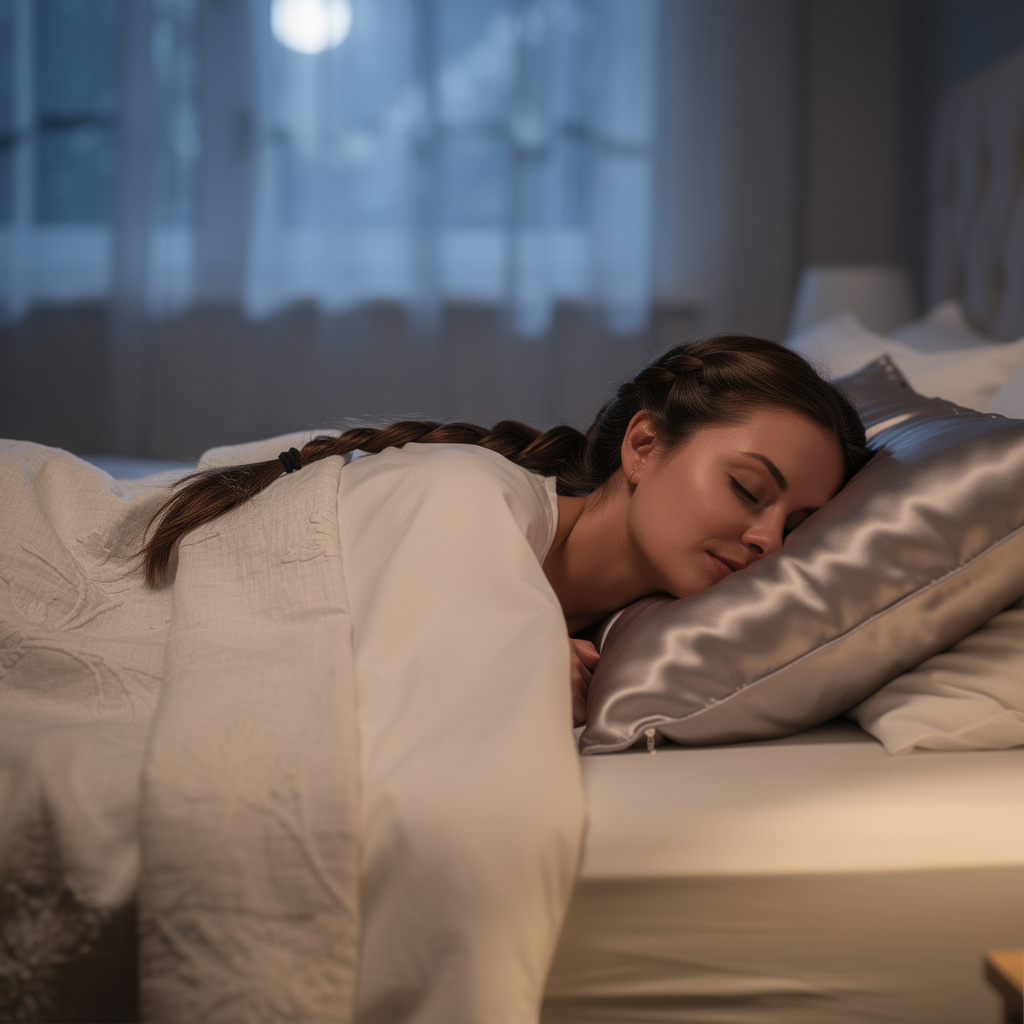
Why Night Hair Care Matters
For many people, daytime schedules are packed with work, family obligations, and personal commitments, leaving little time for dedicated self-care routines. If your hair has lost its moisture, softness, or vitality due to environmental stress, heat styling, or simply lack of attention, nighttime presents an ideal opportunity to restore and rejuvenate it while you sleep. Overnight hair care treatments are designed to work during the body’s natural repair cycle, allowing active ingredients to penetrate deeply and deliver results without interfering with your daily routine.
The Science Behind Overnight Hair Repair
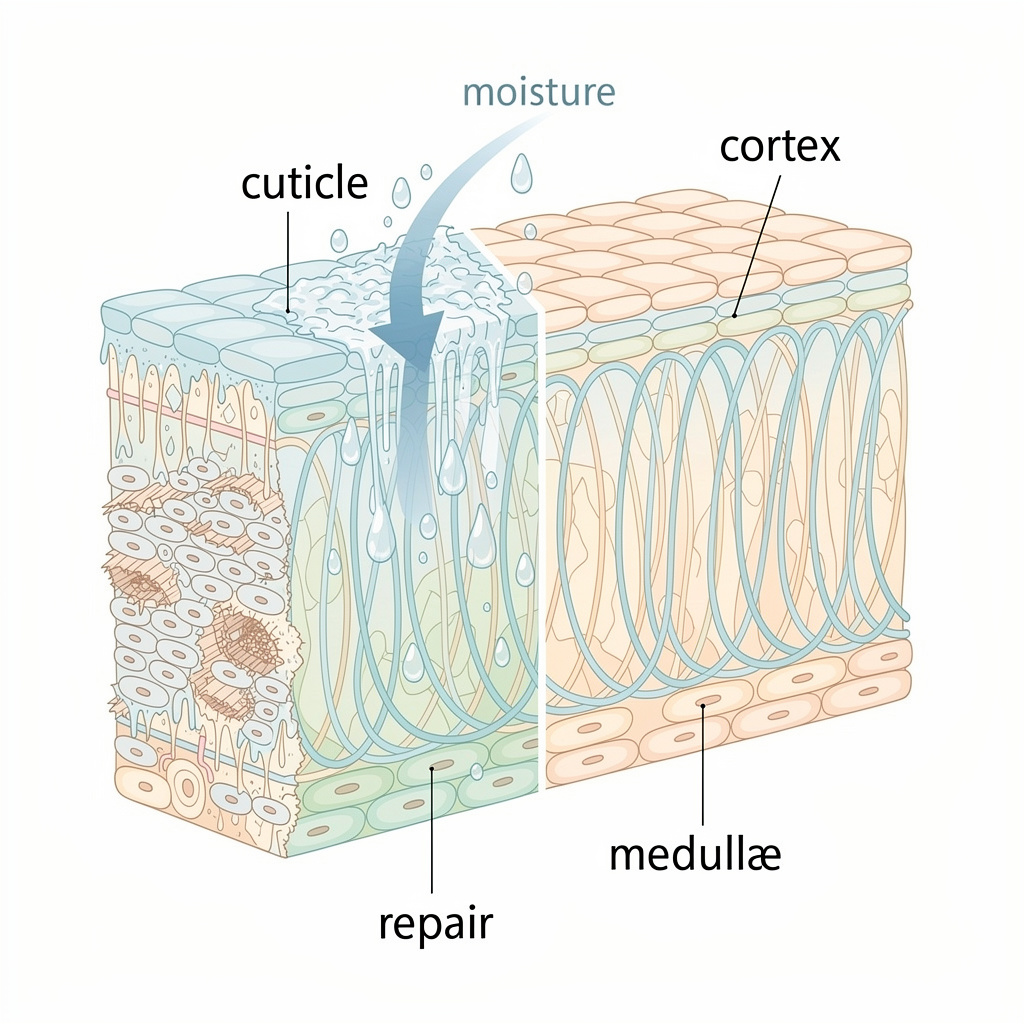
During the night, your body’s natural repair and regeneration processes become more active. Cell renewal peaks, and the skin and hair are better able to absorb nutrients and active compounds. This makes nighttime the most effective window for deep conditioning and restorative treatments. Modern hair care science has developed formulations that take advantage of this nocturnal repair cycle, using time-release technologies and encapsulation methods to deliver nourishing ingredients gradually over several hours.
Advanced overnight hair creams often utilize patented delivery systems that encapsulate key oils and active ingredients in microscopic spheres. These spheres slowly release their contents throughout the night, ensuring continuous hydration, repair, and nourishment to each layer of the hair shaft. Ingredients such as macadamia oil, rich in omega fatty acids, provide deep moisture and restore elasticity, while plant-derived antioxidants protect against oxidative stress and environmental damage.
Key Benefits of Overnight Hair Treatments
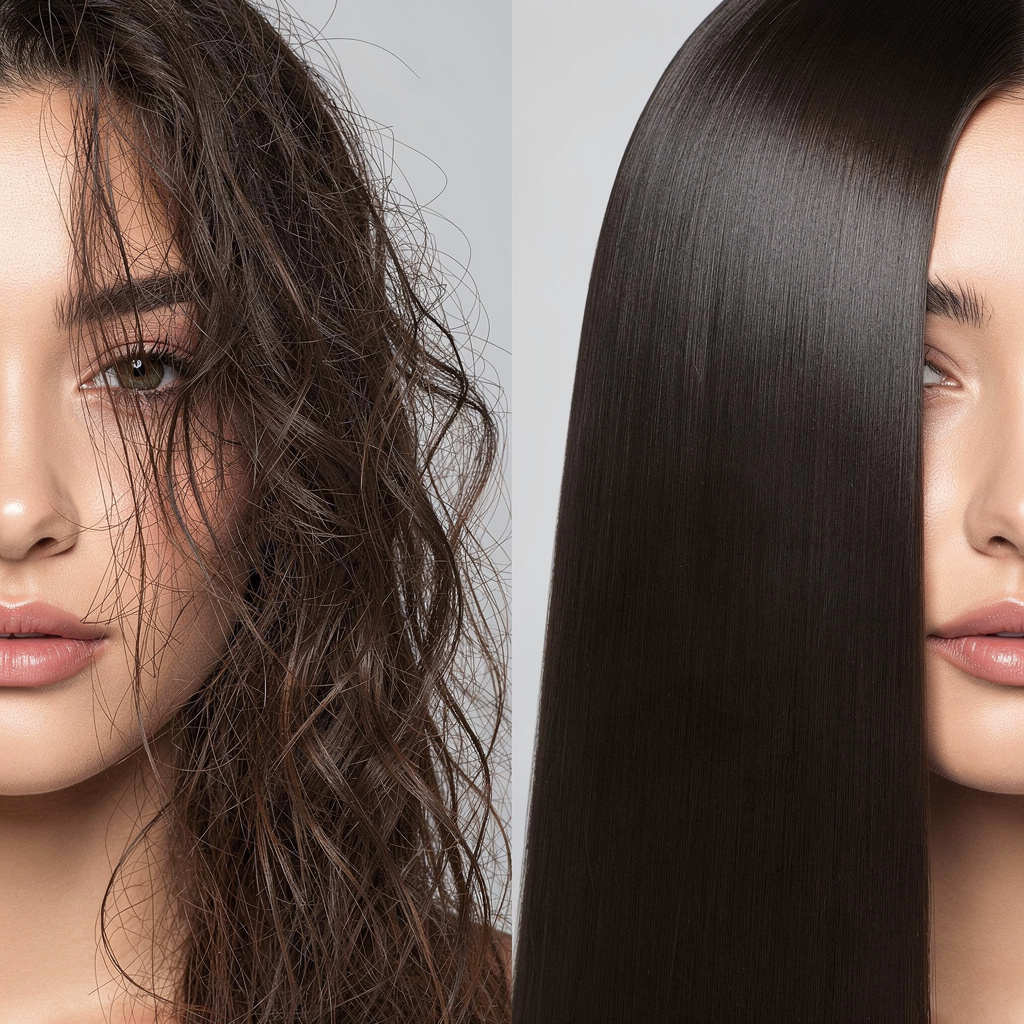
Overnight hair care products are formulated to work over an extended period, typically six to eight hours, which allows for deeper penetration and more noticeable results compared to quick-rinse conditioners or leave-in sprays. Users of quality overnight hair creams often report significant improvements in hair texture, manageability, and appearance after consistent use.
- Deep Hydration: Time-release formulas provide continuous moisture throughout the night, repairing dry, damaged, or chemically treated hair.
- Enhanced Softness and Shine: Nourishing oils and antioxidants smooth the hair cuticle, resulting in visibly shinier and softer strands by morning.
- Easier Styling: Hair that has been repaired overnight is more manageable, reducing the need for excessive heat styling or styling products.
- Protection from Free Radicals: Antioxidant-rich botanical extracts help neutralize damage caused by pollution, UV exposure, and daily stress.
- Pleasant Sensory Experience: Many overnight treatments include calming fragrances that promote relaxation and improve sleep quality.
Clinical observations and user feedback indicate that the majority of individuals using overnight hair treatments notice measurable improvements in hair quality, with results including reduced frizz, increased shine, and better overall hair health.
How to Use Overnight Hair Cream Effectively

To get the most out of an overnight hair treatment, proper application is essential. Follow these steps to ensure even distribution and optimal absorption:
Step 1: Prepare Your Hair
Before bed, gently brush your hair to remove any residual styling products, tangles, or debris. This helps ensure that the treatment can penetrate evenly and that your hair strands are separated and ready to absorb the active ingredients.
Step 2: Apply the Treatment
Dispense a small amount of overnight hair cream into your palm—start with approximately a hazelnut-sized amount. Focus on the mid-lengths and ends of your hair, where damage and dryness are typically most pronounced. Avoid applying the cream directly to the roots or scalp, as this can lead to an oily appearance or buildup.
If your hair is particularly long, thick, or damaged, you may need to apply additional product. Repeat the application two to three times, ensuring all strands are lightly coated but not saturated.
Step 3: Distribute Evenly
Use a wide-tooth comb or your fingers to gently work the cream through your hair, ensuring even distribution. This step also helps the treatment penetrate more effectively and prevents clumping or uneven results.
Step 4: Sleep and Rinse
Once applied, leave the treatment in your hair for at least six to eight hours. High-quality overnight creams are formulated to be non-greasy and should not stain your pillowcase. In the morning, you can style your hair as usual. Depending on the product, you may choose to rinse lightly or leave it in for continued benefits throughout the day.
Essential Nighttime Hair Care Tips
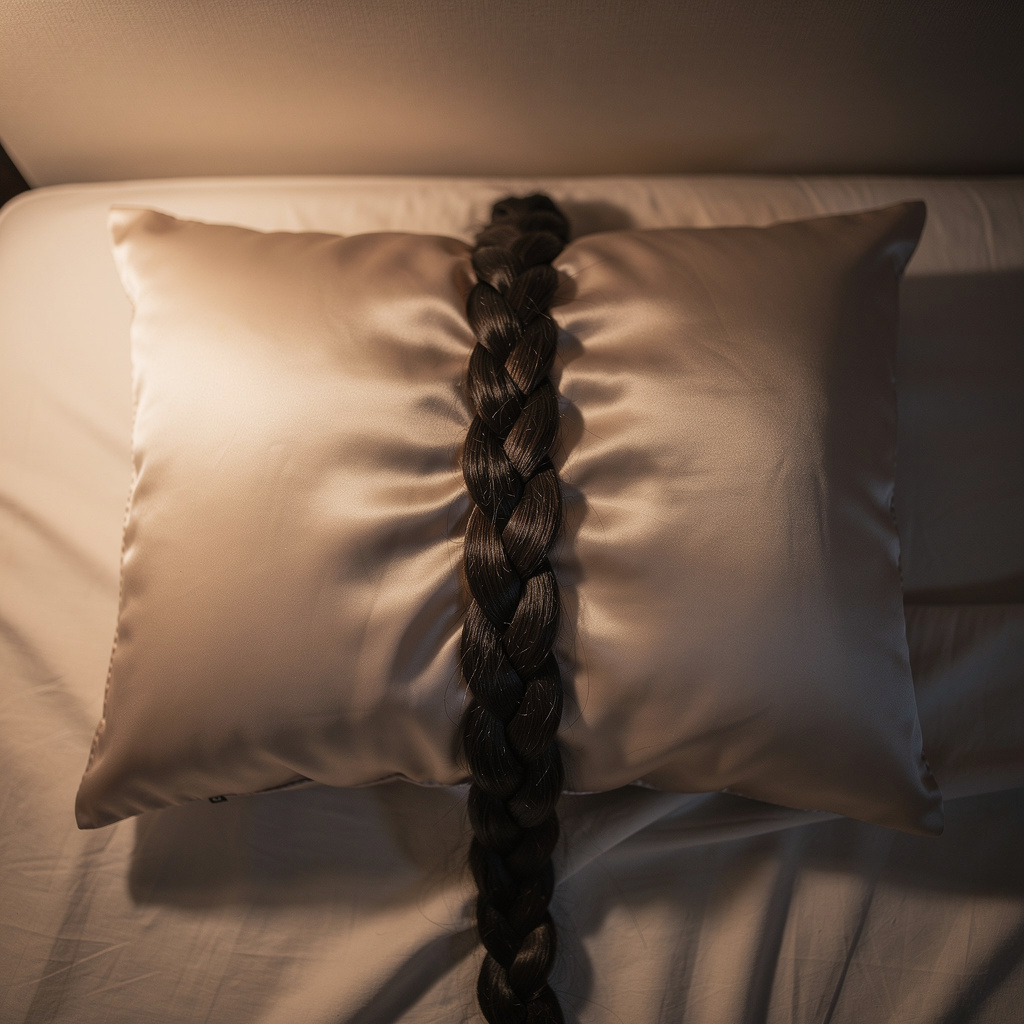
In addition to using restorative treatments, adopting smart nighttime habits can significantly improve the health and appearance of your hair. Here are some universally applicable tips to protect and enhance your hair while you sleep:
Sleep with Your Hair Braided or Loosely Tied
Braiding your hair before bed keeps it organized, reduces tangling, and minimizes friction against your pillow. This simple practice also creates natural, soft waves by morning, reducing the need for heat styling tools. Use a soft hair tie made from fabric or silk to avoid creasing or breakage. Avoid tight ponytails, which can create tension at the hairline and contribute to hair loss over time.
Never Sleep with Wet Hair
Wet hair is significantly more fragile than dry hair, and sleeping on it increases the risk of breakage, split ends, and frizz. If you shower in the evening, make sure to dry your hair thoroughly before going to bed. Use a blow dryer on a low or cool setting, or allow enough time for your hair to air dry completely. If you must sleep with damp hair, braid it loosely and apply a protective leave-in treatment to minimize damage.
Avoid Tight Hair Ties and Elastic Bands
Traditional elastic hair ties can cause kinks, creases, and breakage, especially when worn overnight. They also create tension on the scalp, which can lead to thinning and hair loss around the hairline. If you need to secure your hair while you sleep, opt for soft scrunchies, silk ribbons, or fabric-covered hair ties that are gentle on your strands.
Massage Your Scalp Before Bed
A gentle scalp massage using your fingertips can stimulate blood circulation, promote relaxation, and distribute natural oils from the scalp down the hair shaft. This practice is particularly beneficial for those with thick, dry hair, as it enhances shine and moisture. However, if you have fine or oily hair, be cautious—scalp massage may increase oil production and make your hair appear greasy by morning.
Spend three to five minutes massaging your scalp in circular motions before bed. This not only improves hair health but also helps you unwind and prepare for restful sleep.
Use a Silk or Satin Pillowcase
Cotton pillowcases can create friction that leads to frizz, tangles, and breakage. Silk or satin pillowcases provide a smoother surface that allows your hair to glide easily, reducing damage and preserving your hairstyle overnight. This simple upgrade can make a noticeable difference in the texture and health of your hair.
Additional Tips for Healthy Hair
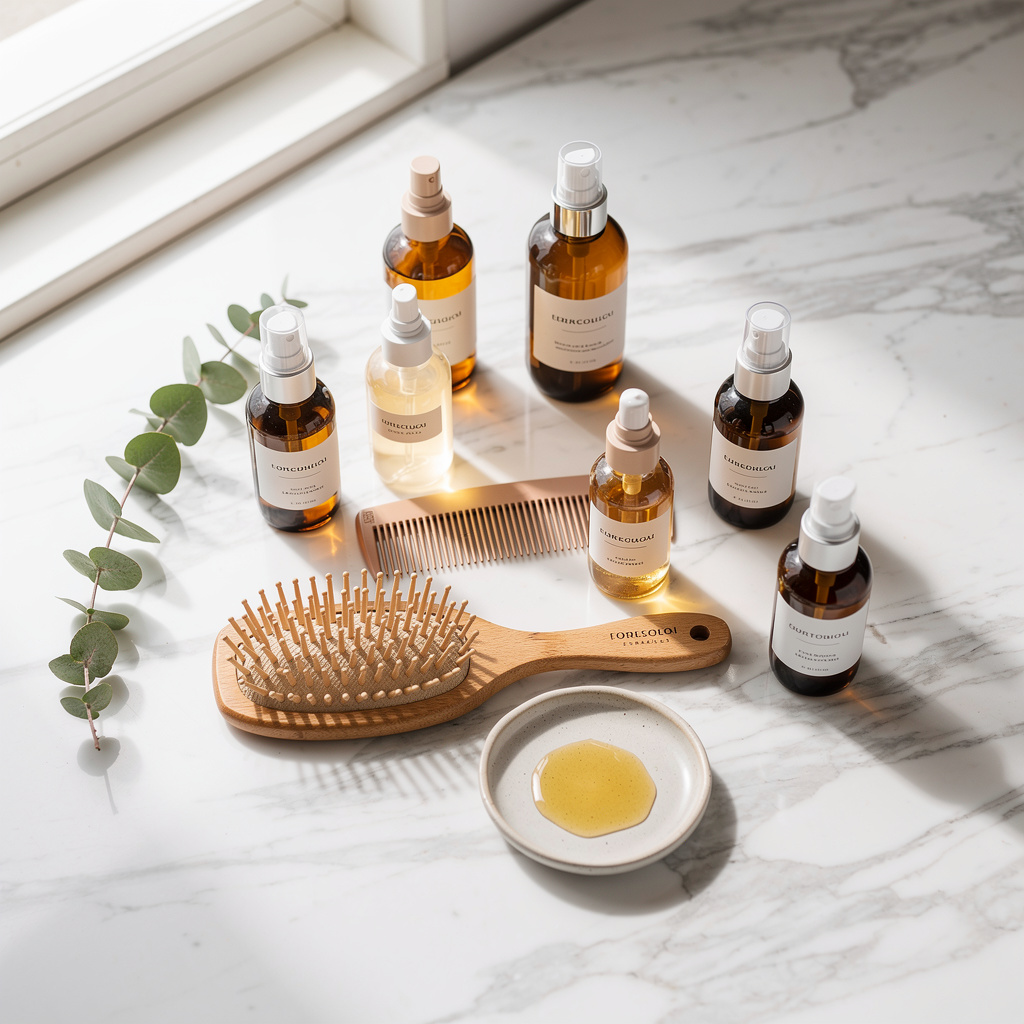
Beyond nighttime routines, maintaining healthy hair requires a holistic approach that includes proper nutrition, hydration, and protection from environmental stressors. Consider incorporating the following practices into your overall hair care regimen:
- Stay Hydrated: Drinking plenty of water supports overall hair health and helps maintain moisture balance.
- Eat a Balanced Diet: Foods rich in vitamins, minerals, and healthy fats promote strong, shiny hair.
- Limit Heat Styling: Reduce the use of blow dryers, flat irons, and curling tools to prevent heat damage.
- Protect from UV Exposure: Wear hats or use hair products with UV filters when spending time outdoors.
- Regular Trims: Schedule trims every six to eight weeks to remove split ends and maintain healthy growth.
Final Thoughts
Nighttime hair care is a simple yet powerful way to restore and maintain the health, shine, and manageability of your hair. By incorporating overnight treatments, adopting protective sleep habits, and using the right tools and accessories, you can wake up each morning with hair that looks and feels its best. Whether you’re dealing with dryness, damage, or simply want to enhance your natural beauty, a consistent nighttime routine can deliver lasting results without adding extra time to your busy day.