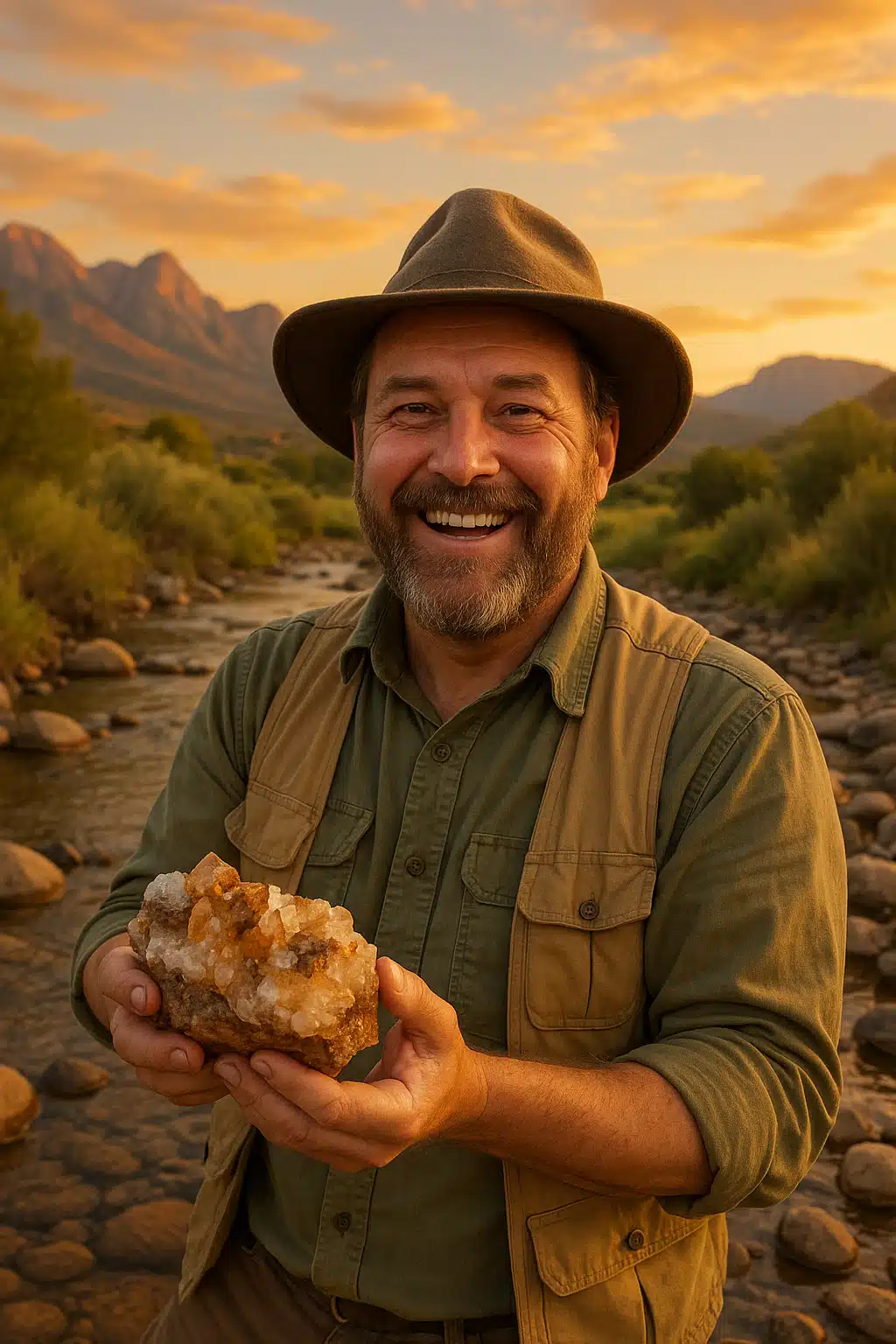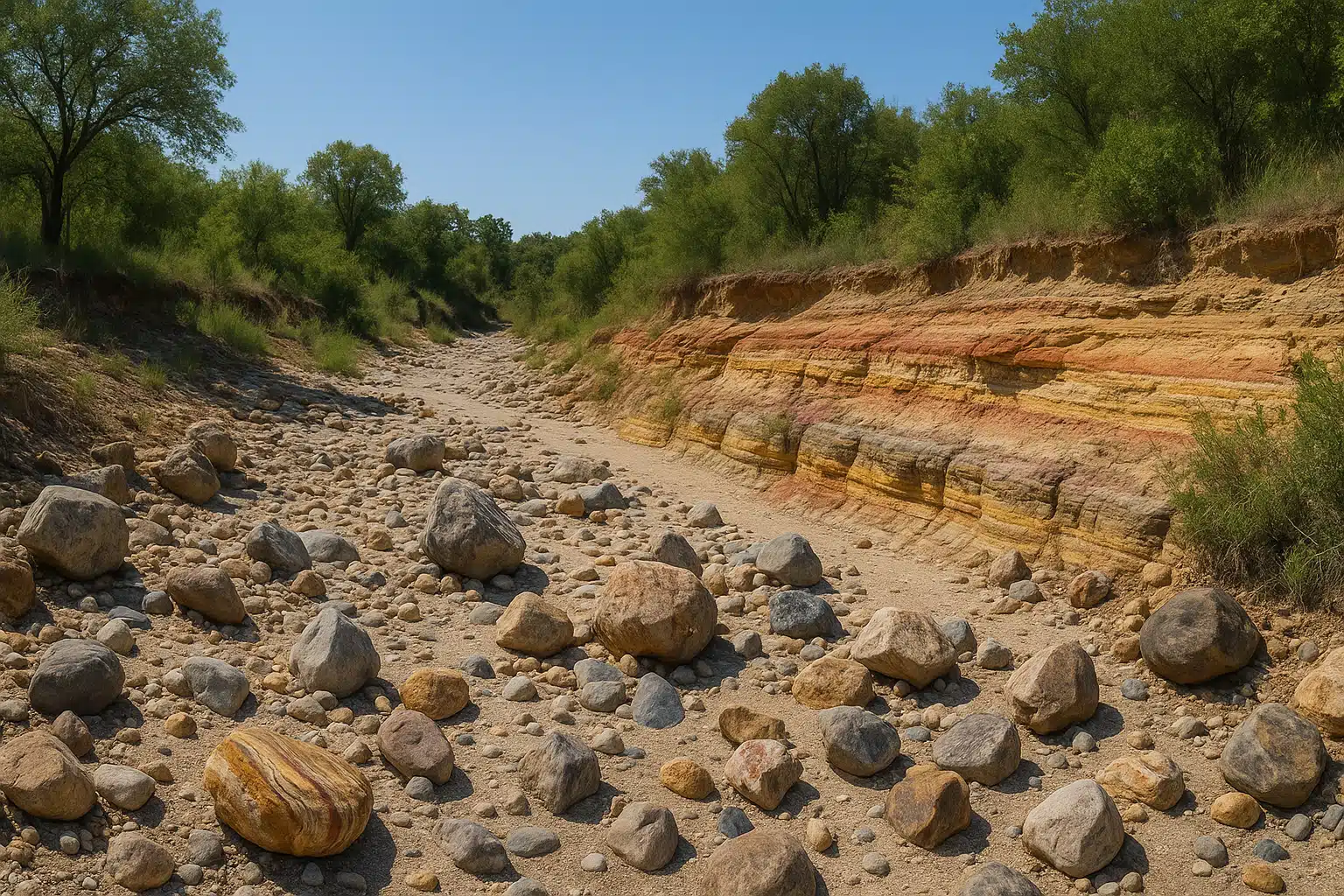
Are you ready to embark on an exciting journey into the fascinating world of treasure hunting and natural collecting? If you’re just starting out, you might be wondering where to begin your adventure. Let’s explore why searching for treasures along local natural waterways—such as dry creek beds, seasonal streams, and river banks—is not only an excellent strategy for beginners but also an enriching way to develop your collecting skills and knowledge.
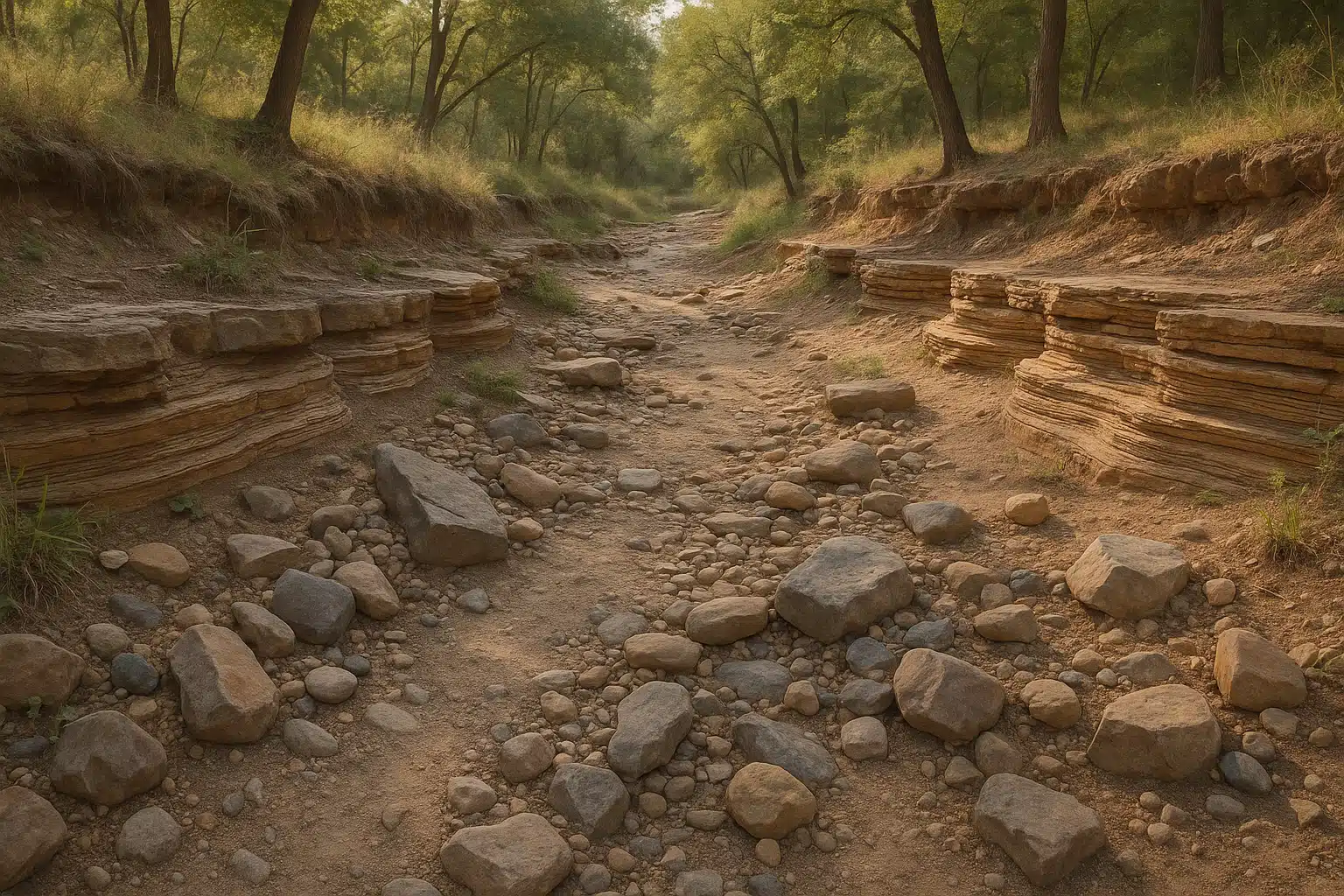
Why Choose Local Natural Waterways?
Exploring dry creek beds and similar natural waterways is like stepping into an outdoor classroom that’s always open and filled with learning opportunities. These environments serve as natural repositories where geological processes have concentrated interesting materials over time. Here’s why these areas are ideal starting points for new collectors and hobbyists:
- Accessibility: Natural waterways are often located within reasonable distance from residential areas, making them easy to reach for regular exploration sessions. Many are accessible through public lands or designated recreational areas, allowing you to explore without complicated permissions or extensive travel.
- Natural Concentration Points: Water flow naturally sorts and concentrates materials by weight and size, creating pockets where interesting specimens accumulate. This natural sorting process makes your search more productive and educational.
- Rich Geological and Historical Information: Waterway environments often reveal materials and artifacts that tell compelling stories about geological processes, past ecosystems, and sometimes human history. Each layer of sediment represents a different time period, creating a natural timeline you can explore.
- Practical Learning Experience: These locations provide hands-on opportunities to practice identification skills, learn proper collection techniques, understand environmental contexts, and develop the research abilities essential for serious collecting.
- Low Investment Entry Point: Unlike some collecting hobbies that require significant upfront investment, waterway exploration needs only basic equipment, making it an economical way to discover if this hobby resonates with you.
Getting Started: What to Look For
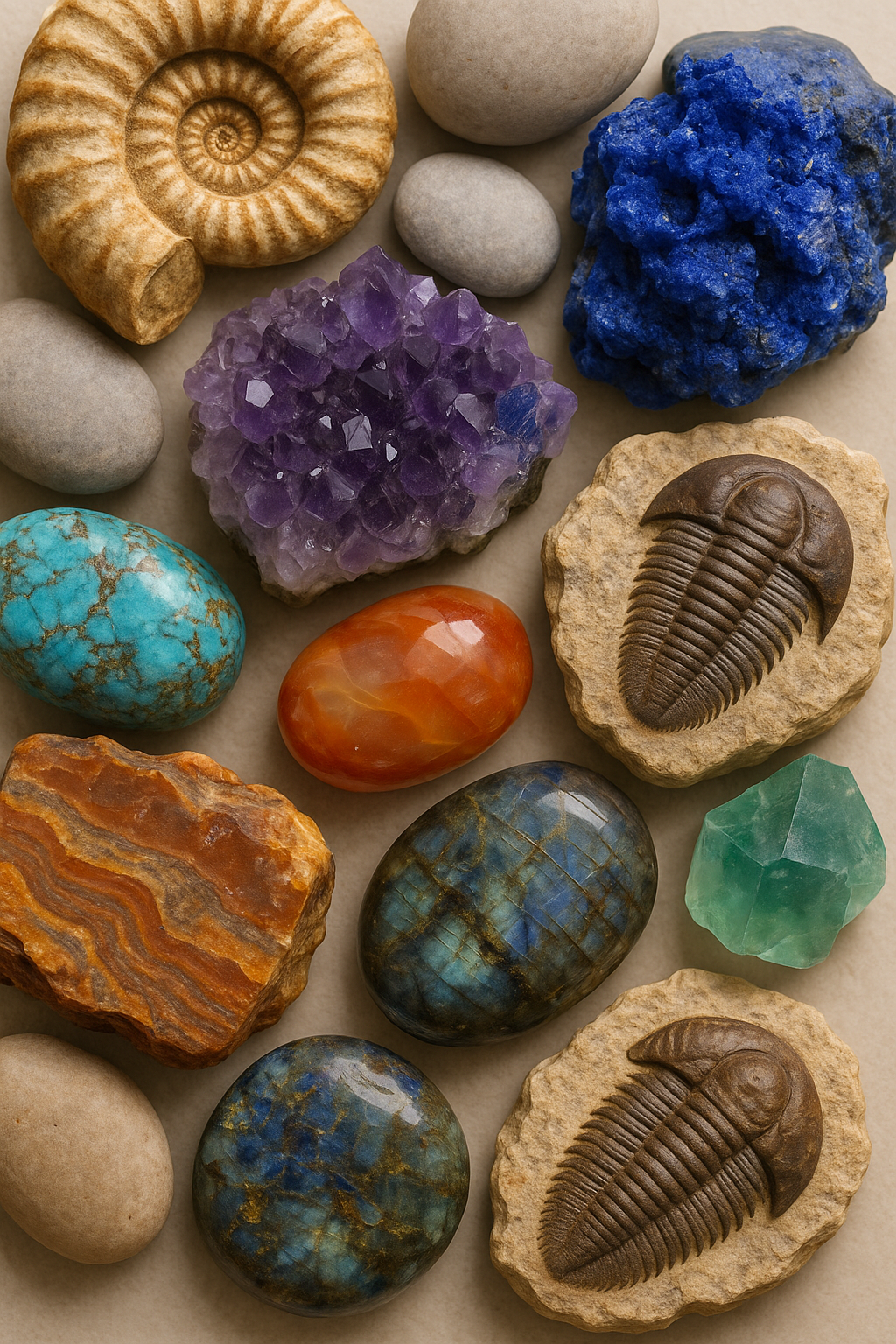
When you arrive at a natural waterway site, training your eye to recognize potentially valuable or interesting items is essential. The beauty of this collecting approach is the diversity of discoveries possible. Here are some categories of items you might encounter during your exploration:
Fossils and Paleontological Specimens
Look for interesting rock formations that might contain fossilized plants, animals, or ancient organisms. Fossils appear in various forms—from complete shells and bone fragments to plant impressions and trace fossils showing ancient animal activity. Sedimentary rocks, particularly limestone and shale, are most likely to contain fossils. Learning to recognize the subtle differences between ordinary rocks and those containing fossils develops with practice and patience.
Minerals and Unique Stones
Different colors, crystal formations, and textures can indicate you’ve found something geologically significant. Quartz varieties, agates, jasper, and other semi-precious stones are commonly found in waterway environments. Metallic-looking specimens might indicate ore minerals. The key is learning to distinguish between common rocks and specimens with collectible qualities such as unusual crystal structure, attractive patterns, or rare mineral composition.
Historical and Cultural Artifacts
Depending on your location and local regulations, you might encounter items of historical significance such as pottery fragments, worked stone tools, old glass bottles, or metal objects. Important note: many regions have strict laws protecting archaeological and historical artifacts, so always research local regulations before collecting, and report significant finds to appropriate authorities. When in doubt, photograph items in place and consult with local historical societies or museums.
Essential Equipment for Your First Expedition
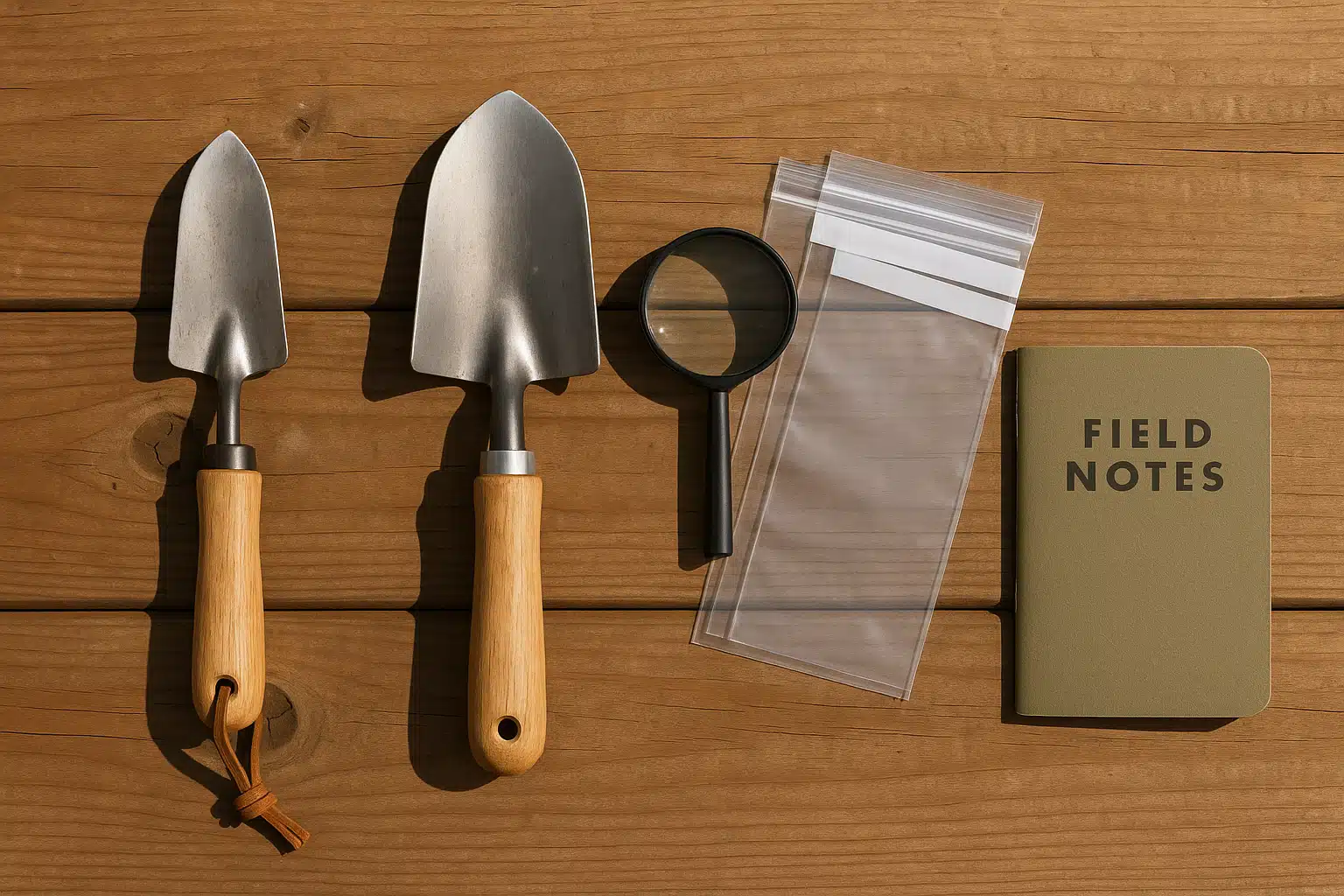
Having the right tools significantly enhances your collecting experience and helps protect both your finds and the environment. You don’t need expensive specialized equipment when starting out—basic, quality tools will serve you well as you develop your skills and determine which aspects of collecting most interest you.
Core Collection Tools
- Hand Tools: A small trowel, hand shovel, and rock hammer (if permitted in your area) allow you to carefully excavate specimens without causing unnecessary damage to either the specimen or surrounding environment.
- Magnification Devices: A quality hand lens or magnifying glass (10x magnification is standard) helps you examine specimens in detail, identifying crystal structures, fossil details, and other diagnostic features.
- Collection Containers: Bring various sized bags, small boxes, or containers with padding to safely transport your finds. Wrap delicate specimens individually to prevent damage during transport.
- Documentation Tools: A notebook and camera (your smartphone works perfectly) allow you to record exactly where you found each specimen, the geological context, and other observations crucial for later research and valuation.
- Cleaning Supplies: Soft brushes, water bottles, and cloths help you clean specimens enough to properly examine them in the field.
Personal Comfort and Safety Equipment
- Appropriate Footwear: Sturdy, waterproof boots with good ankle support and traction are essential, as creek beds can feature slippery rocks, mud, and uneven terrain.
- Weather-Appropriate Clothing: Dress in layers that you can adjust as activity level and weather conditions change. Long pants protect against thorny vegetation and insects.
- Sun Protection: Hat, sunglasses, and sunscreen protect you during extended outdoor sessions.
- Hydration and Nutrition: Bring adequate water and snacks, especially for longer expeditions away from facilities.
- First Aid Supplies: A basic first aid kit addresses minor cuts, scrapes, and insect bites that might occur during outdoor exploration.
- Navigation Tools: While exploring local areas, a GPS device or smartphone with mapping capability helps you mark productive locations and ensures you can retrace your path.
Practical Tips for Successful Exploration
Before you head out on your first collecting expedition, consider these practical strategies to maximize your learning experience and the productivity of your exploration time:
Research Before You Go
Spend time researching the geological characteristics of your target area. Understanding what types of rocks are common in your region helps you recognize when you’ve found something unusual. Online geological surveys, local rock and mineral clubs, and regional collecting guides provide valuable background information. Many areas have public geological maps available that show rock types and formations.
Timing Matters
Visit waterways after weather events when possible. Rain and seasonal water flow expose fresh materials and wash away surface debris, revealing specimens that were previously buried. However, always prioritize safety—never enter waterways during or immediately after heavy rain when flash flooding might occur, and avoid areas with unstable banks.
Develop Systematic Search Patterns
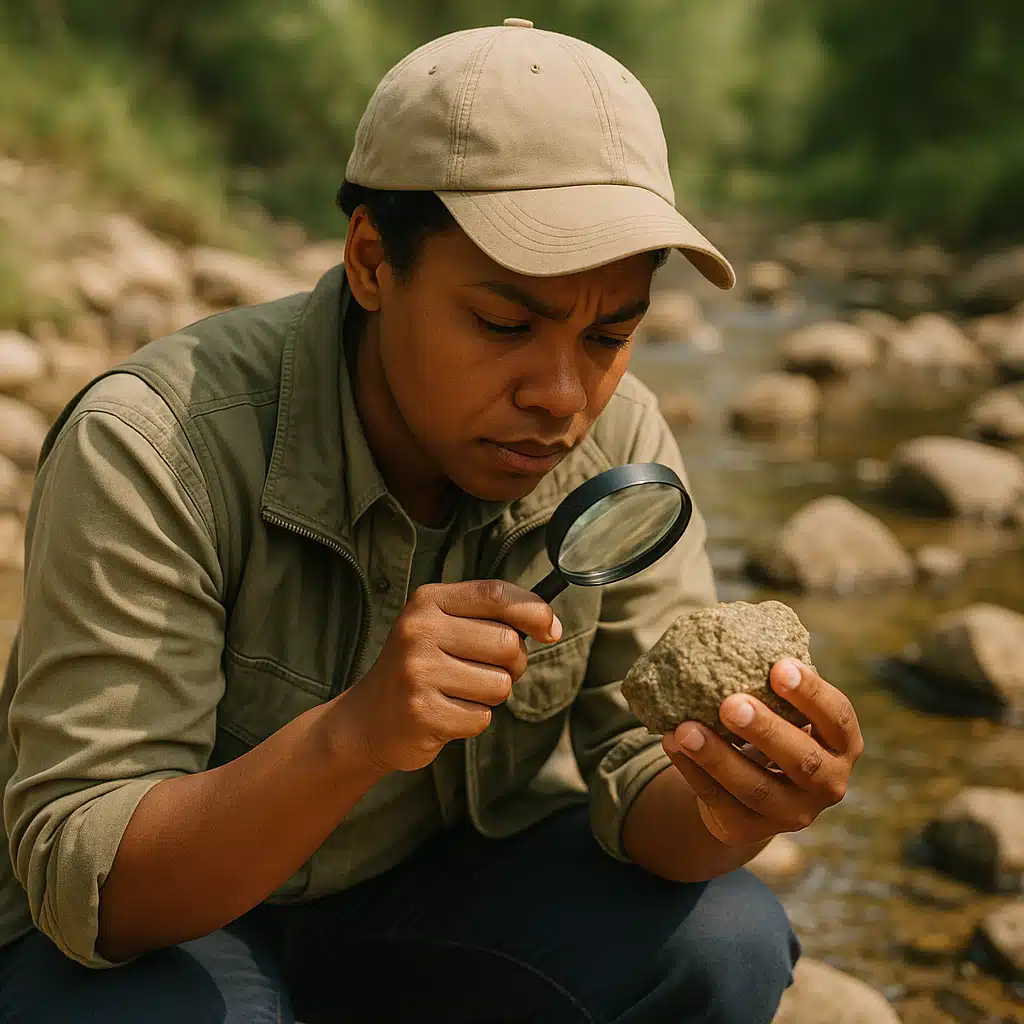
Rather than wandering randomly, work methodically through an area. Walk slowly, examining the ground carefully. Check different geological contexts—gravel bars, exposed banks, areas where water flow changes direction. Each microenvironment may contain different materials. Experienced collectors often search the same productive locations repeatedly, as new specimens appear with each seasonal change.
Practice Patience and Persistence
Significant finds rarely happen immediately. Developing the observational skills to spot interesting specimens among countless ordinary rocks takes time and practice. Some days you’ll make exciting discoveries; other days you’ll find little of interest but gain valuable experience recognizing what to look for. Every expedition builds your knowledge and improves your identification abilities.
Respect the Environment and Regulations
Always research and follow local regulations regarding collecting. Some areas prohibit all collecting, while others allow personal collecting but prohibit commercial activity. National parks typically ban all specimen collection, while other public lands may permit it under certain conditions. Practice “leave no trace” principles—minimize your environmental impact, don’t disturb wildlife, and fill in any holes you dig. Responsible collecting ensures these areas remain accessible for future enthusiasts.
Connect with the Collecting Community
Join local rock and mineral clubs, fossil collecting groups, or online communities dedicated to your specific interests. Experienced collectors are typically generous with advice, can help with identification, and often organize group collecting trips to productive locations. These connections accelerate your learning and make the hobby more enjoyable through shared enthusiasm.
Understanding the Difference: Purposeful Collecting vs. Random Accumulation
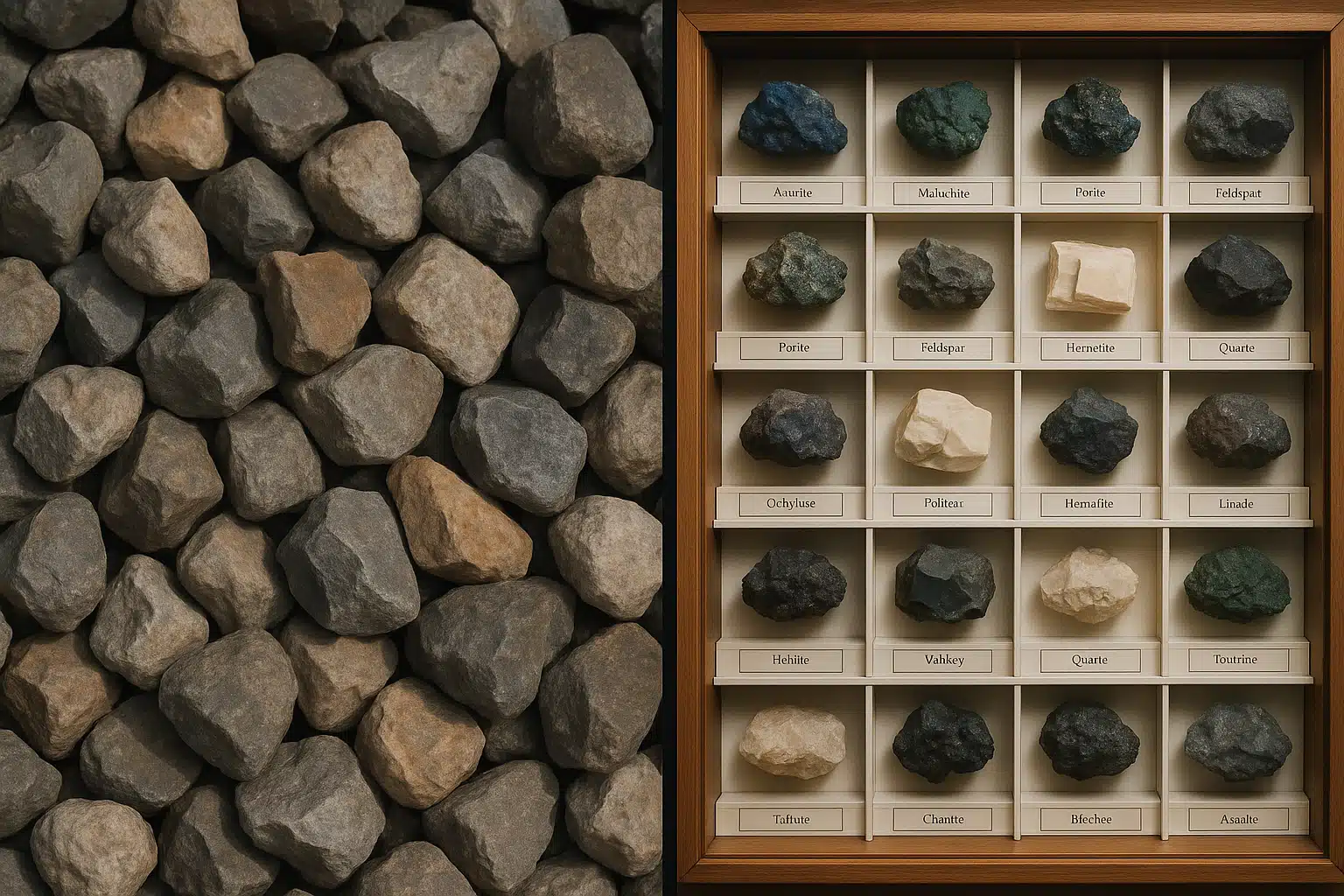
Many beginners mistakenly believe that collecting simply means gathering as many items as possible. This misconception leads to accumulation rather than curation—ending up with boxes of undifferentiated material rather than a meaningful collection. Understanding the distinction between thoughtful collecting and random gathering significantly impacts both your enjoyment of the hobby and the value of your collection.
Characteristics of Purposeful Collecting
- Selectivity Based on Criteria: Thoughtful collectors develop specific criteria for what they collect. This might focus on particular mineral types, fossils from certain periods, specimens from specific locations, or items with exceptional aesthetic qualities. Having focus gives your collection coherence and makes each acquisition more meaningful.
- Documentation and Context: Serious collectors carefully document each specimen—where found, when collected, geological context, and any interesting observations. This information, called “provenance,” significantly increases both the scientific and monetary value of specimens.
- Quality Over Quantity: Rather than keeping every specimen encountered, discerning collectors select the best examples. As your skills improve, you’ll often upgrade your collection, replacing mediocre specimens with superior examples.
- Research and Learning: Purposeful collecting involves ongoing education. Collectors research their specimens, learn proper nomenclature, understand geological or paleontological significance, and continually deepen their expertise.
- Proper Storage and Display: Thoughtful collectors invest in appropriate storage solutions that protect specimens while making them accessible for study and appreciation. Labeling, organization systems, and display methods all reflect the collector’s systematic approach.
Pitfalls of Random Accumulation
- Overwhelming Volume: Without selectivity, you quickly accumulate far more material than you can reasonably store, study, or enjoy, leading to clutter rather than a collection.
- Lack of Direction: Random gathering provides no framework for learning or development, making it difficult to build expertise in any particular area.
- Minimal Value: Undocumented, unresearched specimens have little value beyond their inherent mineral or fossil content, regardless of their potential significance.
- Reduced Satisfaction: The initial excitement of finding items fades quickly when those items join an undifferentiated pile rather than contributing to a thoughtfully curated collection.
Developing clarity about your collecting intentions—what interests you, what criteria guide your selections, what you hope to learn—shapes your journey from casual accumulator to knowledgeable collector. This intentionality transforms the hobby from simple object gathering into an intellectually rewarding pursuit.
Developing Your Collecting Specialization
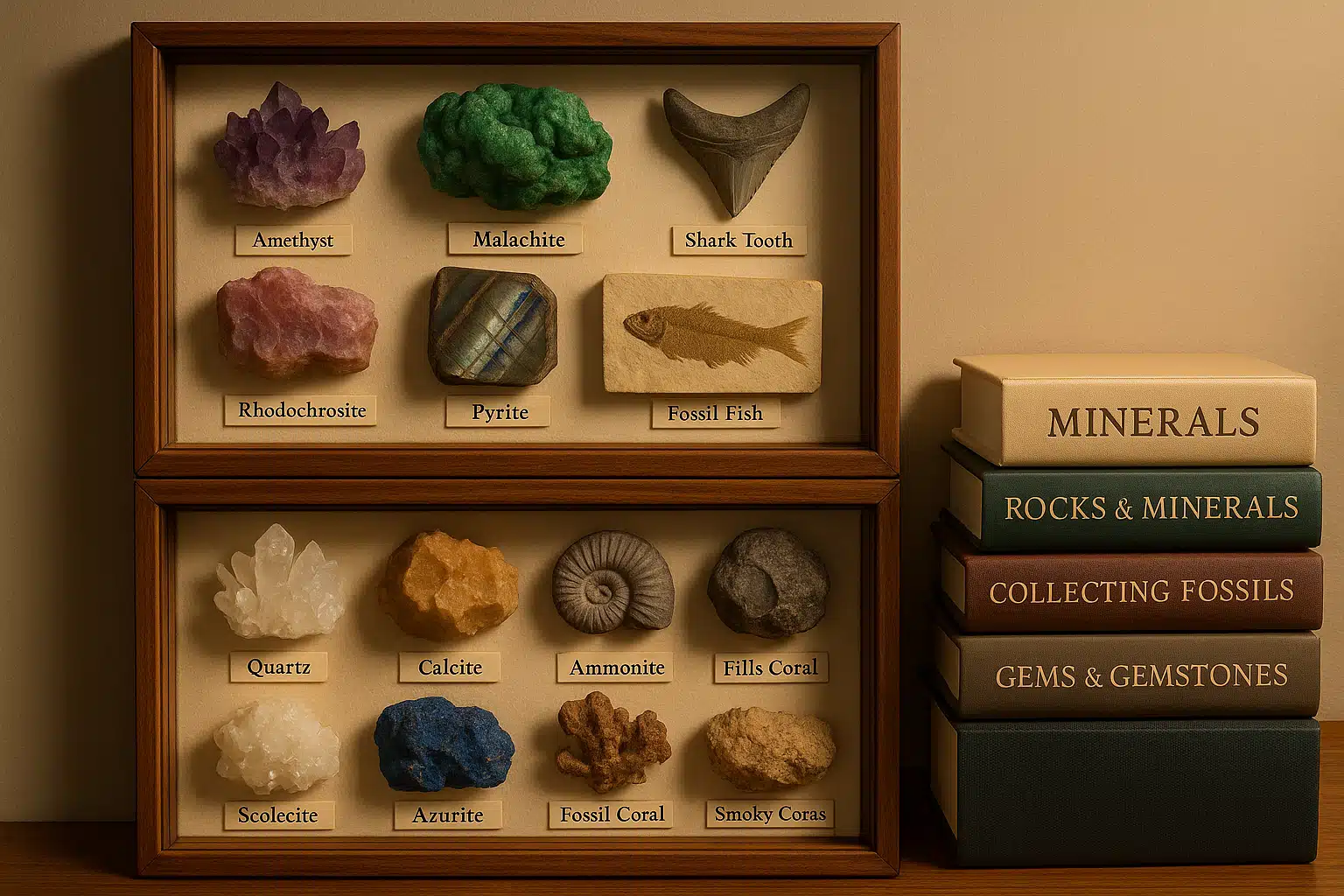
As you gain experience exploring local waterways and discovering various specimens, you’ll naturally develop preferences and interests. Most successful collectors eventually specialize in particular areas rather than trying to collect everything. Specialization allows you to develop deep expertise, build a more valuable collection, and connect with communities of fellow enthusiasts who share your specific interests.
Popular Collecting Specializations
- Mineral Specimens: Focusing on crystallized minerals, either broadly or specializing in specific mineral groups, crystal systems, or minerals from particular geological environments.
- Fossils: Collecting paleontological specimens, perhaps specializing in particular time periods, fossil types (like trilobites or ammonites), or fossils from specific regions.
- Gemstones and Lapidary Material: Seeking materials suitable for cutting and polishing, which might lead to learning lapidary skills to transform rough material into finished pieces.
- Microminerals: Collecting tiny but perfectly formed crystal specimens that require magnification to fully appreciate, offering opportunities for discovery even in well-collected areas.
- Locality-Specific Collecting: Focusing on all geological materials from particular locations or formations, documenting the complete geological diversity of specific areas.
- Fluorescent Minerals: Specializing in specimens that display dramatic colors under ultraviolet light, combining geological and optical interests.
Allow your specialization to develop organically based on what you encounter, what excites you most, and what’s available in your region. Your focus may evolve over time as your knowledge and interests develop.
Safety Considerations for Waterway Exploration
While waterway collecting is generally safe when approached responsibly, understanding and mitigating potential hazards ensures your expeditions remain enjoyable. Never allow enthusiasm for collecting to override common-sense safety practices.
- Weather Awareness: Check weather forecasts before heading out. Avoid waterways during storms or when heavy rain is predicted upstream, as flash flooding can occur with little warning even on seemingly clear days.
- Terrain Hazards: Creek beds can feature slippery rocks, unstable banks, hidden holes, and other hazards. Move deliberately, test footing before committing your weight, and use walking sticks for additional stability on uncertain terrain.
- Wildlife Considerations: Be aware of potentially dangerous wildlife in your region, whether venomous snakes, large mammals, or stinging insects. Know how to respond to encounters and carry appropriate first aid supplies.
- Tool Safety: Rock hammers and other collecting tools can cause injury if used improperly. Wear safety glasses when breaking rocks, use tools only as intended, and maintain awareness of others nearby when using striking tools.
- Physical Limitations: Be honest about your physical capabilities and don’t push beyond your limits, especially when working alone in remote areas. Stay hydrated, take breaks, and know when to end your session.
- Inform Others: Let someone know where you’re going and when you expect to return, especially when exploring less-traveled areas.
Building Knowledge: Resources for Continuing Education
The learning curve in collecting never really ends—there’s always more to discover about geology, paleontology, identification techniques, and proper collecting practices. Fortunately, numerous resources support ongoing education at every level of expertise.
- Field Guides and Reference Books: Invest in quality identification guides specific to your region and interests. Books that include photographs, crystal system information, and locality data are most useful.
- Online Communities and Forums: Websites and social media groups dedicated to rock collecting, mineralogy, and paleontology offer identification help, location information, and community connection.
- Museums and Educational Institutions: Natural history museums provide opportunities to see exceptional specimens, learn from expert curators, and often offer collecting-related programs and workshops.
- Rock and Mineral Clubs: Local clubs organize field trips, host speakers, provide identification assistance, and create community among collectors. Many also sponsor shows where you can see impressive specimens and purchase items for your collection.
- University Resources: Geology departments sometimes offer community courses, have reference collections open to the public, or provide identification services for unusual finds.
- Online Courses and Videos: Educational platforms offer courses in geology, mineralogy, and paleontology, while video platforms host countless tutorials on identification, collection techniques, and specimen preparation.
Conclusion: Your Adventure Awaits
Local natural waterways—dry creek beds, stream banks, and seasonal channels—offer exceptional starting points for new collectors and remain productive hunting grounds even for experienced enthusiasts. These accessible environments provide hands-on learning opportunities, chances for significant discoveries, and enjoyable outdoor experiences that combine physical activity with intellectual engagement.
The beauty of waterway collecting lies in its accessibility. You don’t need expensive equipment, specialized training, or distant travel to begin. With basic tools, appropriate safety gear, and genuine curiosity, you can start exploring near your home, gradually building skills, knowledge, and a collection that reflects your personal interests and growing expertise.
Remember that successful collecting isn’t measured solely by the monetary value or rarity of your specimens. The most valuable aspects of this hobby often include the time spent outdoors, the knowledge you acquire, the problem-solving involved in identification, the connections you make with fellow enthusiasts, and the satisfaction of building something meaningful through your own efforts.
Each expedition teaches you something new—about geology, about your local environment, about the specific materials you seek, and about the observational skills that distinguish interesting specimens from ordinary rocks. These lessons accumulate, transforming you from a beginner tentatively picking up random stones into a knowledgeable collector who can quickly assess a location’s potential and identify significant finds.
So gather your basic equipment, research promising locations near you, check the weather forecast, and head out on your first collecting adventure. Approach each expedition with realistic expectations—you likely won’t find museum-quality specimens immediately, but you will begin developing the skills and knowledge that make future discoveries possible. Stay curious, remain patient, practice responsible collecting, and enjoy the journey. The world of geological treasures awaits your exploration, often closer to home than you might imagine.