Understanding pH in Cheese Making: The Science Behind Perfect Melting
Have you ever wondered why some cheeses create that perfect, stretchy, golden cascade when melted, while others stubbornly resist, refusing to soften or blend? The answer often lies in a fundamental chemical property: pH level. Understanding this concept can transform your cheese-making endeavors and help you troubleshoot melting issues with confidence. In this comprehensive guide, we’ll explore the critical role of pH in cheese production and reveal why it’s the key to achieving consistently meltable, delicious results.

What is pH and Why Does It Matter?
pH is a scientific measurement that indicates how acidic or alkaline a substance is. The term stands for “potential of hydrogen” and operates on a scale from 0 to 14. This scale is logarithmic, meaning each whole number change represents a tenfold difference in acidity or alkalinity. A pH of 7 is considered neutral—neither acidic nor alkaline. Values below 7 indicate increasing acidity, while values above 7 indicate increasing alkalinity.
In cheese making, pH is not just an abstract scientific concept—it’s a practical tool that directly influences the texture, flavor, shelf life, and melting characteristics of your final product. By monitoring and adjusting pH throughout the cheese-making process, you can control the outcome with remarkable precision.
The pH Scale Explained
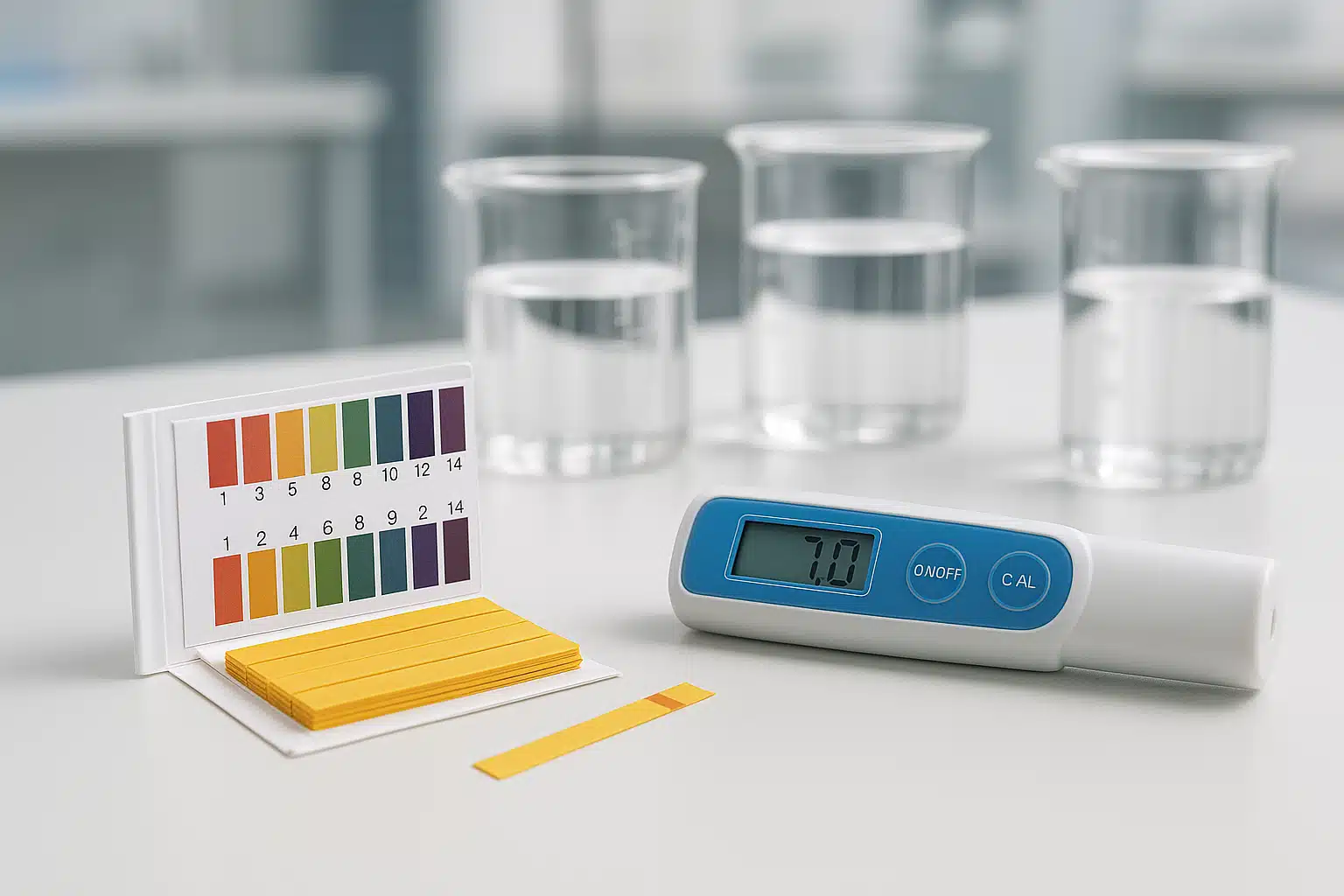
To better understand where cheese fits on the pH spectrum, here’s a detailed breakdown of the scale with everyday examples:
- 0-2: Extremely Acidic – Battery acid, stomach acid
- 3-4: Very Acidic – Lemon juice, vinegar, wine
- 5-6: Mildly Acidic – Coffee, most cheeses, rainwater
- 7: Neutral – Pure distilled water
- 8-9: Mildly Alkaline – Seawater, baking soda solution
- 10-11: Alkaline – Soap, ammonia solution
- 12-14: Very Alkaline – Bleach, drain cleaner
Most cheeses fall within the 4.5 to 6.5 pH range, firmly in the acidic territory. This acidity is what gives cheese its distinctive tang and helps preserve it naturally.
The Critical Role of pH in Cheese Production
pH influences nearly every aspect of cheese characteristics. Understanding these relationships empowers you to predict and control the outcome of your cheese-making efforts. Here are the primary ways pH impacts your cheese:
Texture Development
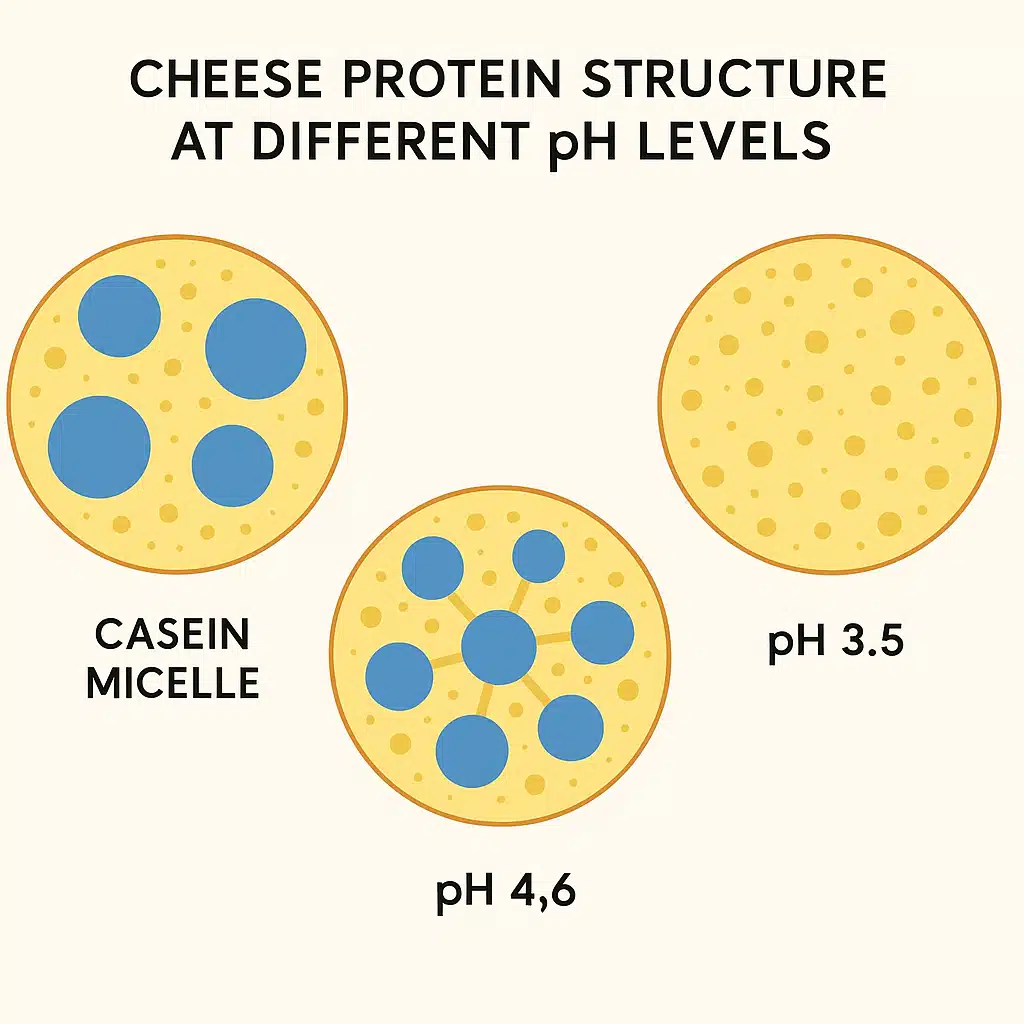
The pH level fundamentally affects the protein structure in cheese. At different pH levels, the casein proteins (the primary proteins in milk) behave differently. Lower pH causes proteins to contract and expel moisture, creating firmer, more crumbly textures. Higher pH allows proteins to retain more moisture and maintain a softer, creamier consistency. This is why fresh cheeses like cream cheese have a different texture than aged hard cheeses—the pH has been managed differently during production.
Flavor Profile
Acidity is a fundamental taste component in cheese. The pH level determines how tangy or mild a cheese will taste. Lower pH creates sharper, more pronounced flavors with that characteristic “bite,” while higher pH produces milder, sweeter flavors. Additionally, pH affects the activity of enzymes that develop complex flavor compounds during aging, influencing the depth and character of mature cheeses.
Meltability
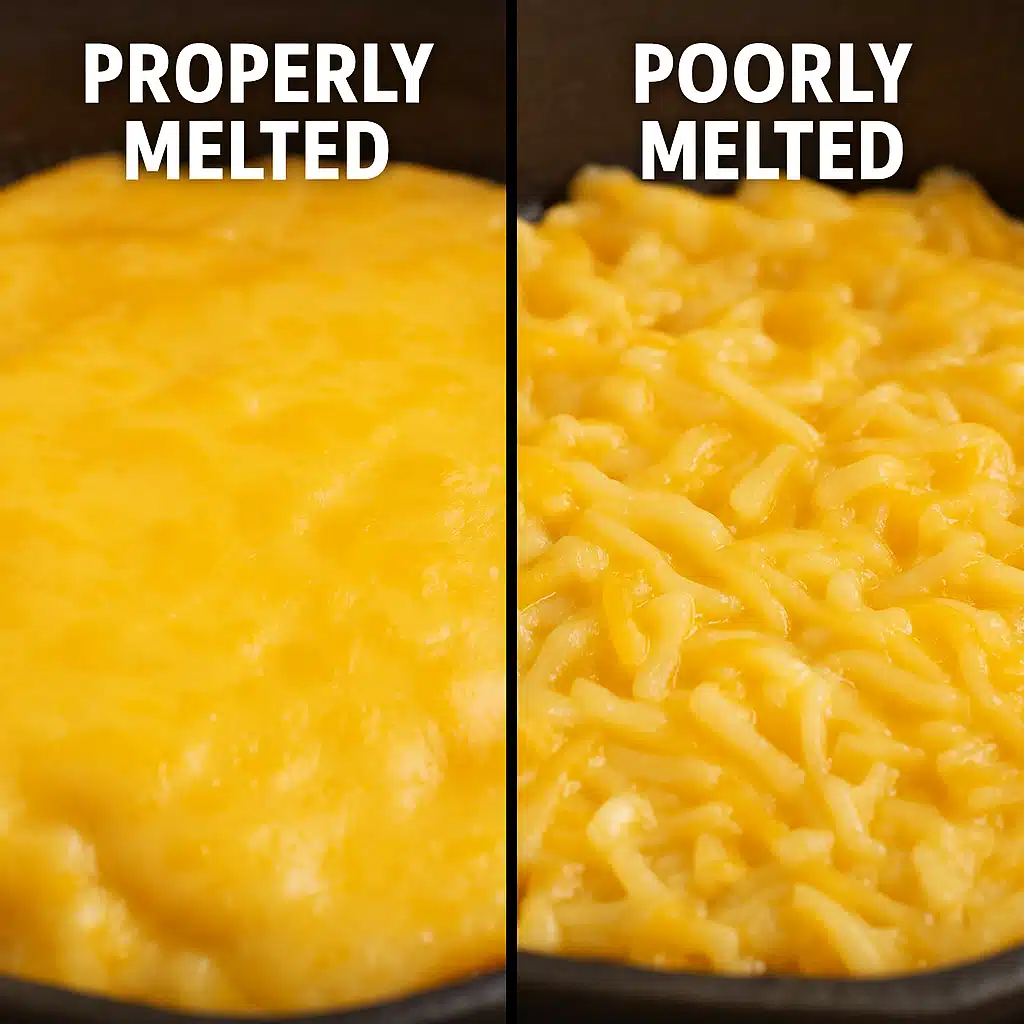
This is where pH becomes critically important for practical cooking applications. The melting behavior of cheese is directly tied to its pH and the resulting protein structure. Cheeses with optimal pH for melting have proteins that can separate and flow when heated, creating that desirable smooth, stretchy texture. When pH is too high or too low, the proteins either remain too tightly bound or become too separated, resulting in poor melting characteristics.
Preservation and Safety
Lower pH environments inhibit the growth of harmful bacteria, making cheese safer and extending its shelf life. This is one reason why the acidification process is so important in traditional cheese making—it’s a natural preservation method that has been used for thousands of years.
How pH Controls Cheese Melting: The Science Explained
The melting behavior of cheese is one of the most noticeable effects of pH, and understanding the mechanism helps explain why some cheeses perform better in cooking than others.
During cheese production, milk is transformed into solid curds through a process called coagulation. This happens when acid or enzymes (rennet) are added, causing the casein proteins to bond together and form a gel-like structure. The pH at which this coagulation occurs, and the pH of the final cheese, determine how these proteins are arranged.
When cheese with the ideal pH is heated, the protein bonds weaken just enough to allow the structure to soften and flow, but not so much that it completely breaks down. This creates the perfect melted consistency—smooth, cohesive, and stretchy. Cheeses like mozzarella, with a pH around 5.0 to 5.4, exemplify this ideal melting range. The slightly acidic environment creates elastic protein networks that stretch beautifully when heated.
In contrast, cheeses with higher pH (closer to neutral) have proteins that remain more tightly bonded even when heated. These cheeses may soften but won’t flow smoothly—they tend to become oily or grainy instead. Cheeses with very low pH have proteins that are already quite contracted and separated, and heating them causes them to release fat and moisture rather than melt cohesively, resulting in a greasy, broken texture.
pH Levels of Popular Cheese Varieties
Different cheese types are intentionally produced at specific pH levels to achieve their characteristic properties. Here’s a comprehensive look at common cheese varieties and their typical pH ranges:
Excellent Melting Cheeses (pH 5.0-5.8)
- Mozzarella: pH 5.0-5.4 – The gold standard for melting, with perfect stretch and flow
- Young Cheddar: pH 5.2-5.6 – Melts smoothly with good flavor retention
- Gouda (young): pH 5.2-5.6 – Creamy melt with mild, sweet flavor
- Monterey Jack: pH 5.3-5.7 – Excellent melting properties, mild taste
- Gruyère: pH 5.4-5.8 – Superior melting for fondues and gratins
Moderate Melting Cheeses (pH 5.8-6.5)
- Aged Cheddar: pH 5.5-6.5 – Melts but may become slightly oily with age
- Brie: pH 4.5-5.5 (surface) to 6.0+ (center) – Becomes creamy when warm but doesn’t flow
- Camembert: pH 4.5-5.5 (surface) to 6.5+ (center) – Similar to Brie, softens more than melts
- Provolone: pH 5.4-6.0 – Decent melting, varies by age
Poor Melting Cheeses (pH 4.0-5.0 or 6.5+)
- Feta: pH 4.0-4.6 – Too acidic; softens but crumbles rather than melts
- Goat Cheese (fresh): pH 4.1-4.7 – Softens but maintains crumbly texture
- Parmesan: pH 5.2-5.6 when young, but very low moisture prevents melting
- Ricotta: pH 5.5-6.5 – High moisture but grainy texture persists when heated
- Paneer: pH 5.5-6.0 – Acid-set structure resists melting entirely
- Halloumi: pH 5.5-6.0 – High melting point; softens but holds shape
Note that pH is just one factor—moisture content, fat content, and production methods also significantly influence melting behavior.
Common Cheese-Making Questions About pH
As you explore the world of cheese making, several questions about pH naturally arise. Here are detailed answers to the most common concerns:
Can I Use Any Cheese for Melting?
Not all cheeses are created equal when it comes to melting. The pH, moisture content, fat content, and production method all play crucial roles. Fresh, young cheeses with moderate acidity (pH 5.0-5.8), high moisture, and high fat content typically melt best. Aged, dry, very acidic, or acid-set cheeses generally resist melting or produce undesirable textures when heated. For best results in cooking, choose cheeses specifically known for good melting properties.
Why Isn’t My Cheese Melting Properly?
If your cheese won’t melt smoothly, several pH-related factors could be responsible. The pH might be outside the optimal range (either too acidic or not acidic enough). The cheese might be too aged, which can change its pH and protein structure. It might be an acid-set cheese (like paneer or ricotta) that’s structurally resistant to melting regardless of pH. Or it might have too little moisture or fat to flow properly when heated. Testing the pH can help diagnose the issue—if it’s outside the 5.0-5.8 range, that’s likely your culprit.
Does Aging Affect Cheese pH?
Yes, significantly! Aging causes complex chemical changes in cheese that affect pH. In most cheeses, pH actually rises slightly during aging as bacteria and enzymes break down proteins and other compounds. This means aged cheeses tend to be less acidic than their young counterparts. This pH change is one reason why aged cheddar melts differently than young cheddar. The aging process also reduces moisture content and changes protein structure, further affecting melting behavior independent of pH changes.
How Can I Measure pH in Cheese Making?
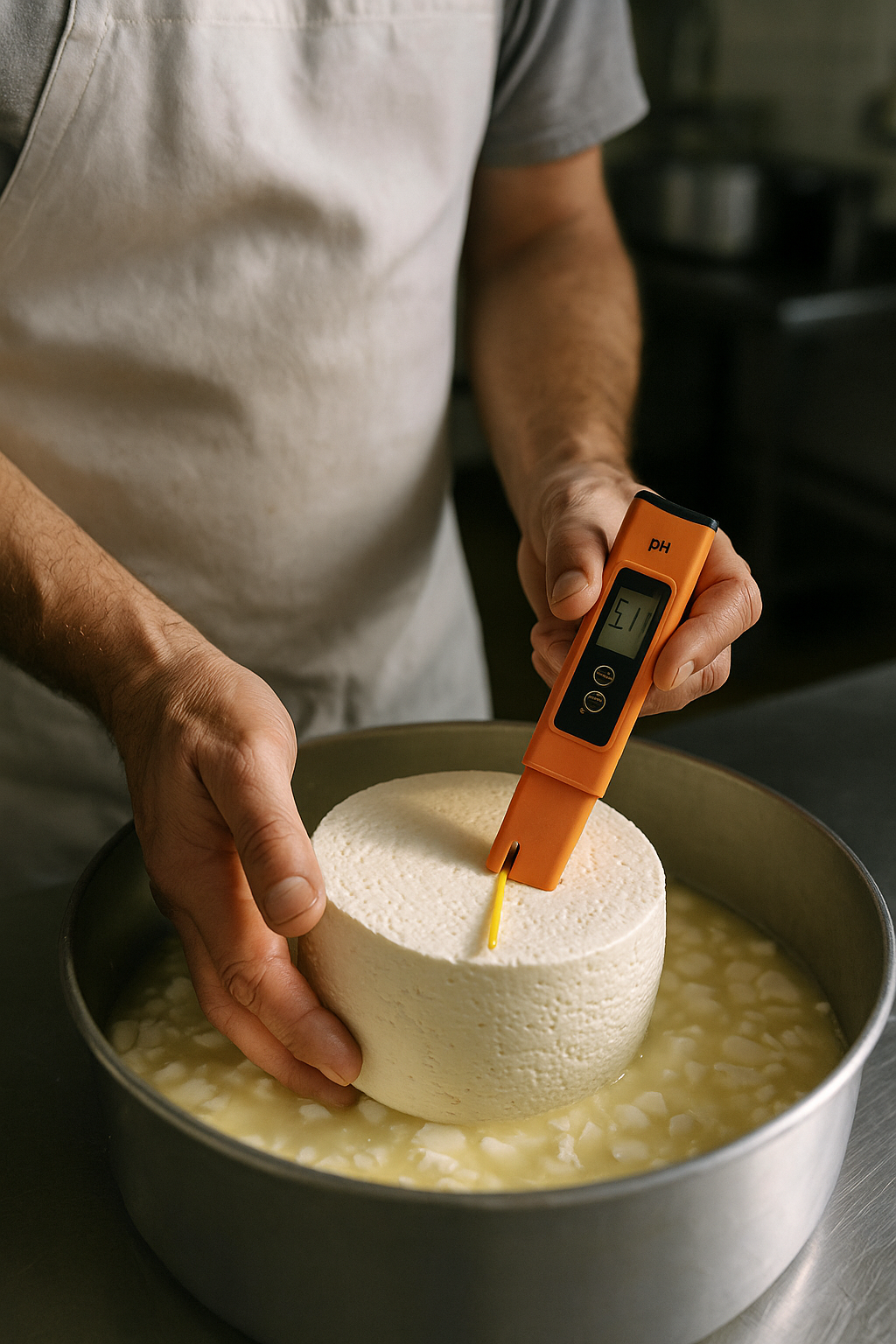
There are several methods to measure pH during cheese making. Digital pH meters provide the most accurate readings and are essential for serious cheese makers. pH test strips offer a quick, affordable alternative, though less precise. For solid cheese, you’ll need to create a slurry by mixing a small sample with distilled water before testing. Taking measurements at multiple stages—during acidification, at cutting, at draining, and in the final product—helps you understand and control the process.
Can I Adjust pH to Improve Melting?
During cheese production, yes—pH can be adjusted through careful control of bacterial cultures, acid addition, temperature, and timing. However, once cheese is made, changing its pH to improve melting is difficult and not generally recommended. Instead, choose or make cheeses with the appropriate pH for your intended use. For cooking applications requiring good melt, select cheeses in the optimal pH range, or blend cheeses with different properties to achieve desired results.
Practical Tips for Managing pH in Cheese Making
If you’re interested in making your own cheese with controlled melting properties, here are practical strategies for managing pH throughout the process:
- Use Quality Starter Cultures: Bacterial cultures are your primary pH control tool. Different cultures acidify at different rates and to different endpoints.
- Control Temperature: Bacterial activity (and thus acidification) is temperature-dependent. Consistent temperature control leads to predictable pH development.
- Time Your Steps: Monitor pH and time your cutting, cooking, and draining steps to catch the curd at the optimal pH for your cheese type.
- Keep Records: Document pH measurements, timing, and temperatures for each batch so you can replicate successes and troubleshoot problems.
- Practice Sanitation: Wild bacteria can cause unpredictable pH changes. Clean equipment and proper technique ensure your cultures work as intended.
- Test Before and After: Measure your milk’s starting pH and your cheese’s final pH to understand what happened during production.
Troubleshooting Common pH-Related Issues
Understanding common problems and their pH-related causes helps you diagnose and correct issues in your cheese making:
- Cheese is Too Crumbly: pH may have dropped too low, causing excessive protein contraction. Use less culture or reduce acidification time.
- Cheese is Too Soft/Paste-Like: pH may be too high, with insufficient acidification. Increase culture amount or allow more time for acid development.
- Cheese Won’t Stretch (for mozzarella): pH likely outside the critical 5.0-5.4 range. Test and adjust your timing to hit this target.
- Cheese Tastes Bland: Insufficient acid development. Allow more acidification or use more active cultures.
- Cheese is Too Tangy: Over-acidification. Reduce culture amount or shorten acidification time.
- Cheese Melts Into an Oily Mess: May indicate pH issues combined with over-aging or excessive fat breakdown.
Conclusion: Mastering pH for Perfect Cheese
Understanding the role of pH in cheese making transforms it from a mysterious alchemy into a controllable, predictable craft. The acidity level influences every important characteristic of cheese—from texture and flavor to shelf life and, crucially, melting behavior. By recognizing that the ideal melting pH range falls between 5.0 and 5.8, you can select the right cheeses for cooking applications and understand why certain varieties perform the way they do.
For aspiring cheese makers, pH management is an essential skill that separates inconsistent results from reproducible success. Investing in proper pH testing equipment and learning to control acidification through culture selection, temperature management, and timing will dramatically improve your cheese-making outcomes.
Whether you’re a home cook wondering why your cheese sauce turned grainy, a food enthusiast exploring artisan cheese production, or an aspiring cheese maker looking to perfect your craft, pH knowledge is invaluable. The next time you encounter cheese that won’t melt properly or produces that perfect, stretchy pull, you’ll understand the invisible chemical forces at work—and you’ll know exactly what to look for to achieve the results you want.
With this understanding, you’re now equipped to make informed decisions about cheese selection, troubleshoot melting problems, and appreciate the sophisticated science behind one of humanity’s oldest and most beloved foods.