Understanding Toners and Face Serums: Key Differences and How to Use Them
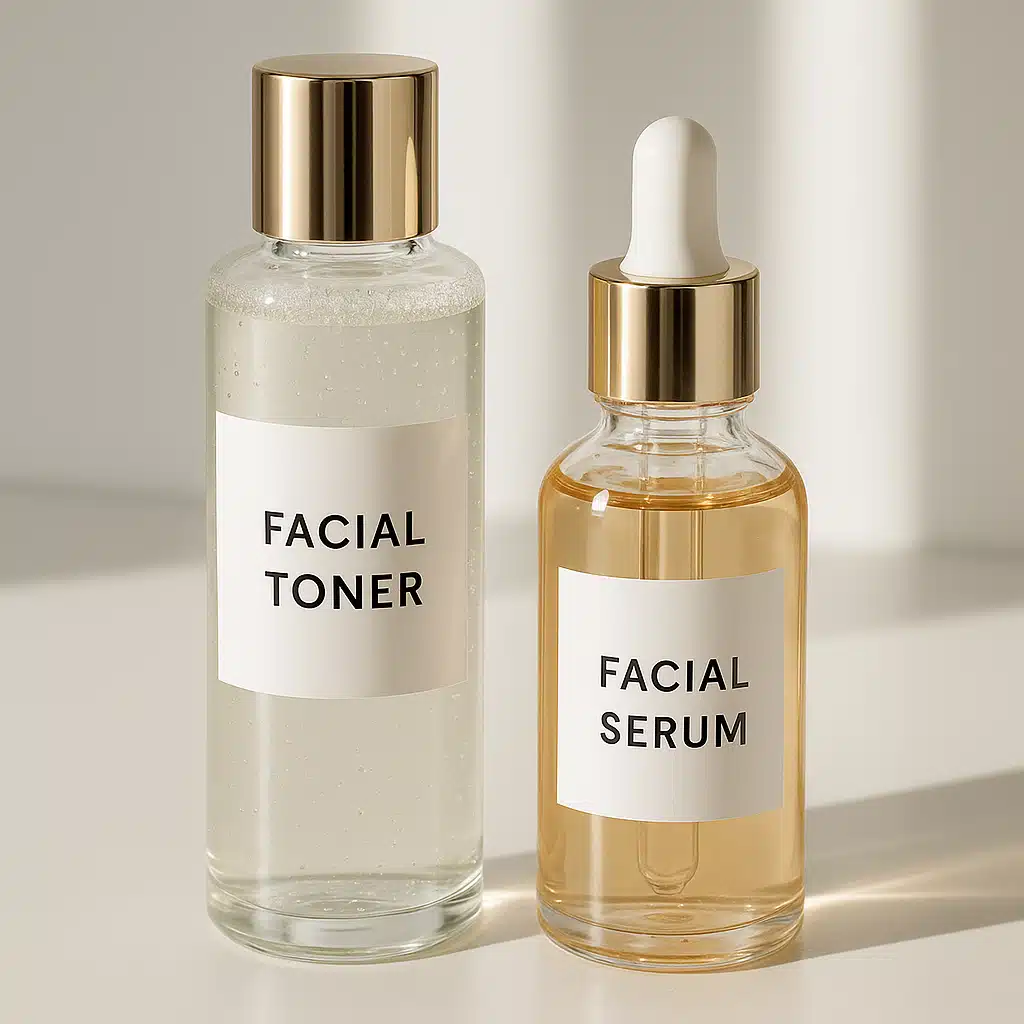
The global skincare market has expanded dramatically in recent years, offering consumers an overwhelming array of products designed to cleanse, hydrate, protect, and rejuvenate the skin. Among the most popular yet often misunderstood categories are toners and face serums. Both play essential roles in a comprehensive skincare routine, but they serve distinct purposes and deliver different benefits.
With countless formulations, ingredient combinations, and targeted treatments available, many people struggle to understand what sets these two products apart and how to incorporate them effectively into their daily regimen. This guide will clarify the differences between toners and face serums, explain their individual benefits, and help you make informed decisions about which products are right for your skin type and concerns.
What is a Toner?
A toner is a lightweight, water-based liquid designed to be applied to the skin immediately after cleansing. Historically, toners were primarily used to remove residual dirt and restore the skin’s natural pH balance. Today’s toners have evolved significantly and now offer a wide range of benefits, including hydration, nourishment, soothing inflammation, and preparing the skin to better absorb subsequent skincare products.
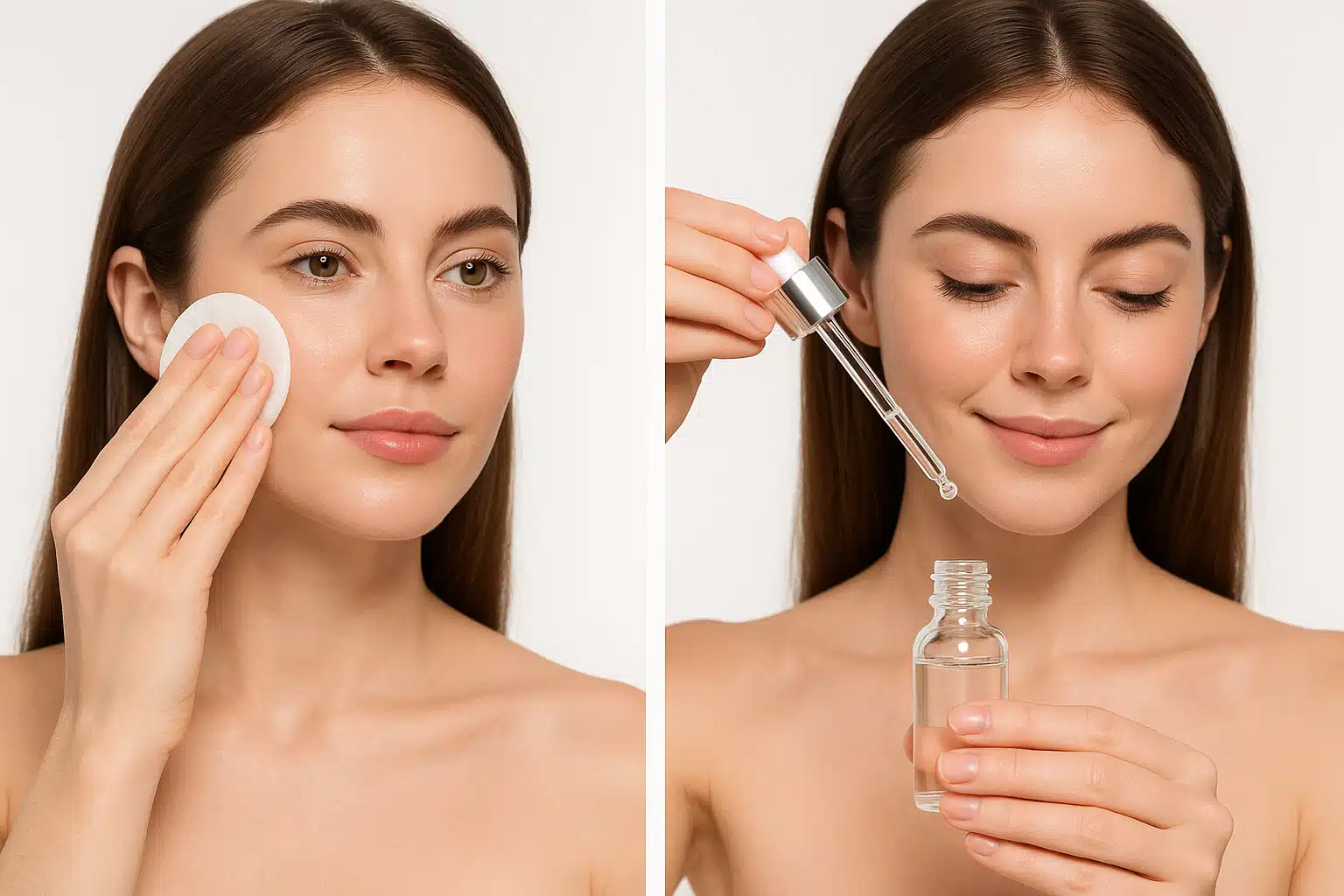
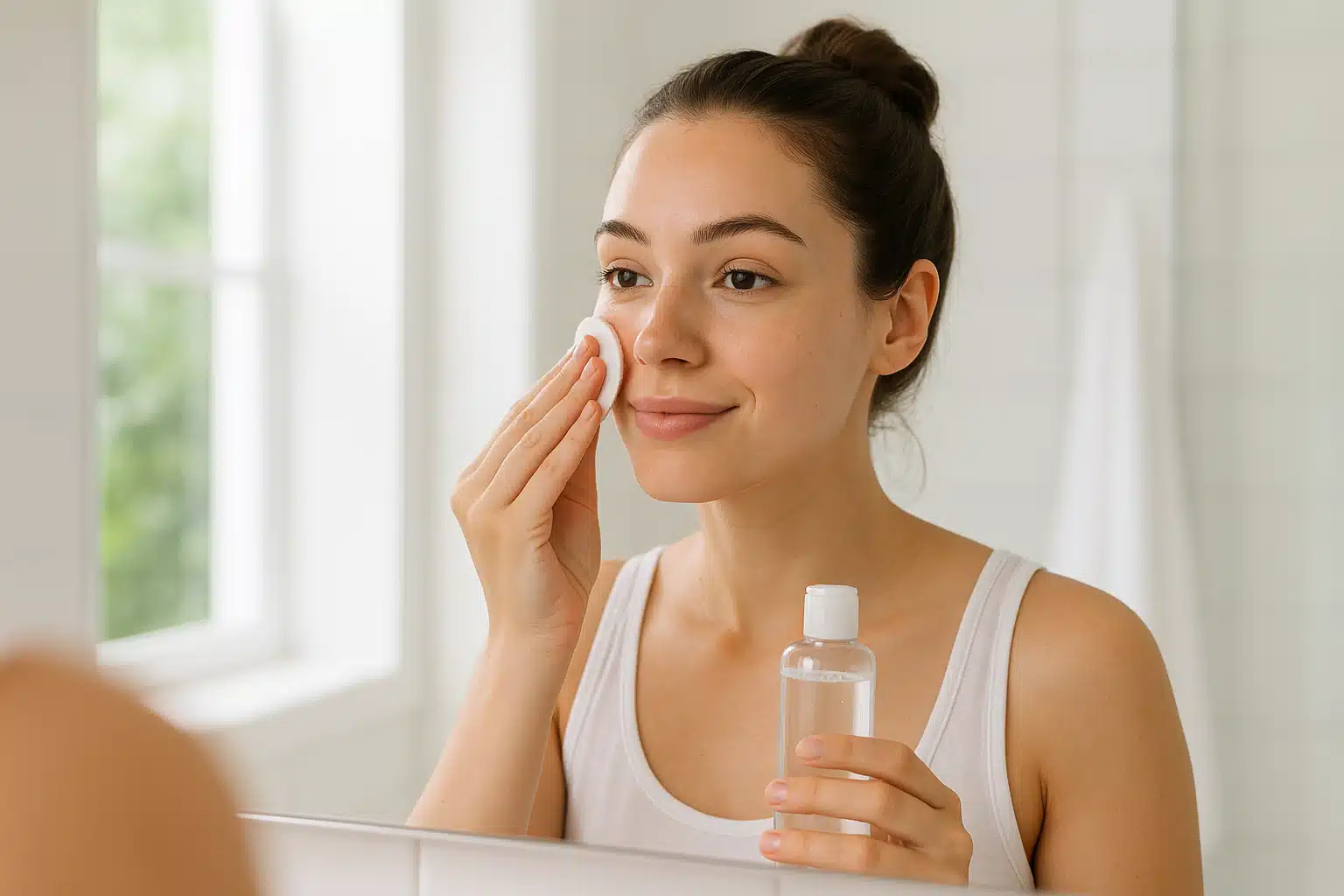
After washing your face with a cleanser, your skin’s pH level can be disrupted, and the natural moisture barrier may be temporarily compromised. Applying toner with a cotton pad or by gently patting it onto the skin helps remove any remaining impurities, rebalances pH levels, and delivers an initial layer of hydration. This step is crucial for maintaining healthy, resilient skin and optimizing the effectiveness of the products that follow.
What Does Toner Do for the Skin?
Understanding the specific benefits of toner can help you appreciate why this step is more than just an optional extra in your skincare routine. Here are the primary functions of toner:
- Deep Cleansing: Even the most thorough cleansing can leave traces of dirt, oil, makeup, and environmental pollutants on the skin’s surface and within pores. Toners are formulated to sweep away these residual impurities, providing a deeper level of cleanliness that prepares the skin for treatment products. This deep cleansing action helps prevent clogged pores, breakouts, and dullness.
- Pore Minimization: Regular use of toner can help reduce the appearance of enlarged pores. By removing debris and tightening the skin, toners create a protective barrier that prevents impurities from settling into pores. Over time, this can lead to visibly smaller, less noticeable pores and a smoother skin texture.
- pH Balancing: Healthy skin maintains a slightly acidic pH, typically between 4.5 and 5.5. Many cleansers, especially those with foaming agents, are alkaline and can disrupt this natural balance. When the skin’s pH is thrown off, it may overcompensate by producing excess oil, leading to breakouts and irritation. Toners help restore the skin’s optimal pH quickly, supporting the natural barrier function and keeping the skin balanced and comfortable.
- Hydration Boost: Modern toners often contain humectants and moisture-binding ingredients that deliver an immediate hydration boost. This initial layer of moisture helps plump the skin, improve its texture, and enhance the absorption of serums and moisturizers applied afterward.
Hydrating Toners
Hydrating toners are formulated specifically to deliver moisture and prevent dehydration. These toners are ideal for dry, dehydrated, or mature skin types, though they can benefit all skin types, especially in dry climates or during colder months. They typically contain ingredients such as hyaluronic acid, glycerin, amino acids, aloe vera, and antioxidants that attract and retain moisture on the skin’s surface.
Unlike traditional astringent toners that may contain alcohol and can be drying, hydrating toners focus on replenishing the skin’s moisture levels and creating a dewy, refreshed complexion. Some may also include gentle exfoliating ingredients, but their primary purpose is to hydrate and soothe, making them a gentle and effective choice for daily use.
Treatment Toners
Treatment toners are designed to address specific skin concerns beyond basic cleansing and hydration. These toners contain active ingredients that target issues such as hyperpigmentation, redness, sensitivity, uneven skin tone, and signs of aging. Common categories of treatment toners include brightening, soothing, balancing, and anti-aging formulas.
For example, brightening toners often feature vitamin C, niacinamide, or licorice extract to help fade dark spots and even out skin tone. Soothing toners may include chamomile, centella asiatica, or green tea extracts to calm inflammation and reduce redness, making them ideal for sensitive or reactive skin. Anti-aging treatment toners might contain peptides, antioxidants, or gentle retinoids to support collagen production and improve skin texture.
Exfoliating Toners
Exfoliating toners, also known as chemical exfoliants, contain acids or enzymes that gently dissolve dead skin cells and promote cell turnover. These toners are particularly beneficial for oily, combination, and acne-prone skin types. Common exfoliating ingredients include alpha hydroxy acids (AHAs) like glycolic and lactic acid, beta hydroxy acids (BHAs) such as salicylic acid, and polyhydroxy acids (PHAs).
Regular use of exfoliating toners can help unclog pores, reduce the appearance of acne and blemishes, fade dark spots, and improve overall skin texture and radiance. Some formulas also include niacinamide or vitamin C to further brighten the complexion and even out skin tone. Because these toners contain active exfoliating agents, they can increase skin sensitivity, especially to sunlight. It is generally recommended to use exfoliating toners in the evening and to always apply sunscreen during the day.
What is a Face Serum?
A face serum is a lightweight, fast-absorbing skincare product with a gel-like or liquid consistency. Serums are formulated with high concentrations of active ingredients designed to penetrate deeply into the skin and deliver targeted benefits. Because of their potent formulations and the use of premium ingredients, serums are often more expensive than other skincare products, but they offer powerful results.
Serums are typically applied after toning and before moisturizing. Their lightweight texture allows them to absorb quickly and efficiently, delivering active ingredients directly to the deeper layers of the skin where they can be most effective. Common active ingredients in serums include vitamins C, E, and A (retinol), hyaluronic acid, peptides, antioxidants, and botanical extracts.
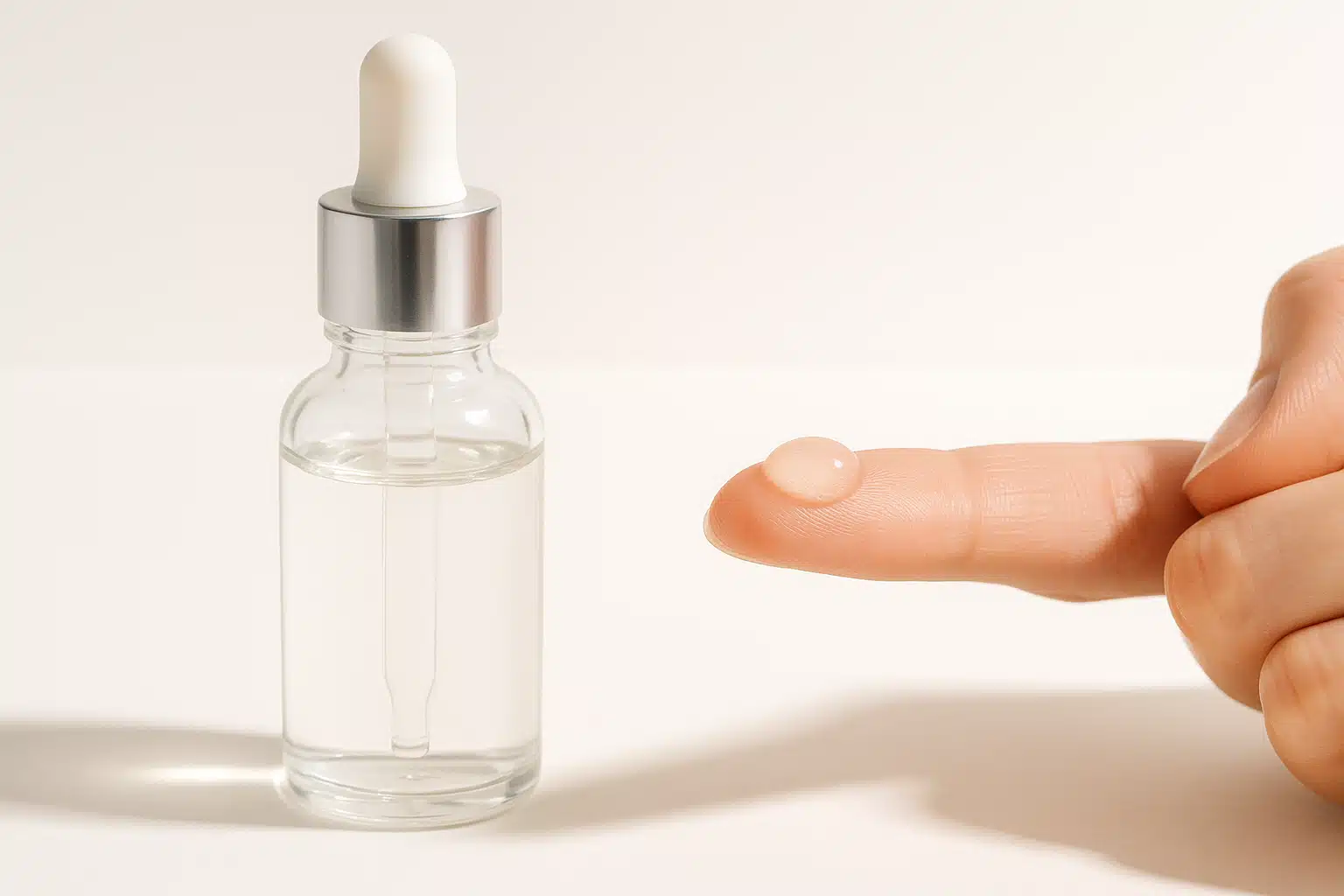
Because serums are so concentrated, a little goes a long way. Most serums require only a few drops per application, making them a cost-effective choice despite their higher price per bottle. They address a wide range of concerns, including hydration, brightening, anti-aging, acne treatment, and skin repair.
How Does Serum Affect the Skin?
Serums are designed to deliver concentrated doses of active ingredients that work at a deeper level than most moisturizers or creams. The lightweight, fast-absorbing texture allows the active compounds to penetrate the skin’s surface and reach the underlying layers where they can stimulate cellular activity, repair damage, and improve overall skin health.
For example, vitamin C serums help brighten the complexion, reduce hyperpigmentation, and protect against environmental damage. Hyaluronic acid serums provide intense hydration by attracting and retaining moisture in the skin. Retinol serums promote cell turnover, reduce fine lines and wrinkles, and improve skin texture. Peptide serums support collagen production and skin firmness.
Because serums are formulated to address specific concerns, they are an essential step in any targeted skincare routine. Their lightweight consistency makes them much more comfortable to wear than heavy creams, and they layer well under moisturizers and sunscreens without feeling greasy or clogging pores.
How to Use Serum
To get the most out of your serum, it’s important to apply it correctly. After cleansing and toning your skin, dispense a few drops of serum into the palm of your hand. Use your fingertips to gently press and pat the serum into your skin, covering your entire face and neck. Avoid rubbing or tugging at the skin, as this can cause irritation and reduce the serum’s effectiveness.
Be careful to avoid the delicate eye area unless the serum is specifically formulated for use around the eyes. Allow the serum to absorb fully before applying your moisturizer or sunscreen. Depending on the serum, this may take a minute or two. If the serum feels sticky, wait a bit longer before proceeding to the next step.
Most serums can be used once or twice daily, depending on the formulation and your skin’s tolerance. Some active ingredients, such as retinol, are best used in the evening, while others, like vitamin C, work well in the morning under sunscreen to provide antioxidant protection throughout the day.
Types of Face Serums
There is a wide variety of serums available, each formulated to address specific skin concerns. Choosing the right serum depends on your skin type, goals, and any particular issues you want to target. Here are the most common types of face serums:
Anti-Aging Serums
Anti-aging serums are designed to reduce the visible signs of aging, such as fine lines, wrinkles, loss of firmness, and uneven texture. These serums typically contain ingredients like retinol (vitamin A), peptides, antioxidants (such as vitamin E and green tea), hyaluronic acid, and growth factors. These active compounds work to stimulate collagen production, accelerate cell turnover, improve skin elasticity, and repair damage caused by environmental stressors.
Retinol is one of the most effective anti-aging ingredients, but it can be irritating for some skin types, especially when first introduced. It’s important to start with a lower concentration and gradually increase usage as your skin builds tolerance. Many anti-aging serums also include soothing and hydrating ingredients to minimize irritation and support the skin’s barrier function.
Hydrating Serums
Hydrating serums are formulated to deliver intense moisture to the skin, making them ideal for dry, dehydrated, or dull complexions. The most common active ingredient in hydrating serums is hyaluronic acid, a powerful humectant that can hold up to 1,000 times its weight in water. This ingredient draws moisture from the environment and deeper layers of the skin, plumping the skin’s surface and reducing the appearance of fine lines.
Other hydrating ingredients often found in these serums include glycerin, panthenol (vitamin B5), ceramides, and botanical extracts. Hydrating serums are lightweight and absorb quickly, making them suitable for all skin types, including oily and combination skin. They provide an essential moisture boost without feeling heavy or greasy.
Brightening Serums
Brightening serums are designed to even out skin tone, reduce hyperpigmentation, fade dark spots, and enhance overall radiance. These serums often contain vitamin C, niacinamide, alpha arbutin, licorice extract, or kojic acid—ingredients known for their ability to inhibit melanin production and promote a more luminous complexion.
Vitamin C is one of the most popular and effective brightening ingredients. It not only helps fade dark spots and sun damage but also provides antioxidant protection against free radicals and environmental stressors. Brightening serums are typically applied to the entire face, though some formulations are designed as spot treatments for targeted areas of hyperpigmentation.
For best results, brightening serums should be used consistently over several weeks or months, as skin tone improvements take time. Pairing a brightening serum with daily sunscreen is essential to prevent further darkening and protect the skin from UV damage.
Key Differences Between Toners and Serums
While both toners and serums are important steps in a complete skincare routine, they serve different purposes and are formulated with distinct goals in mind. Understanding these differences will help you use each product more effectively and build a routine that addresses your unique skin needs.
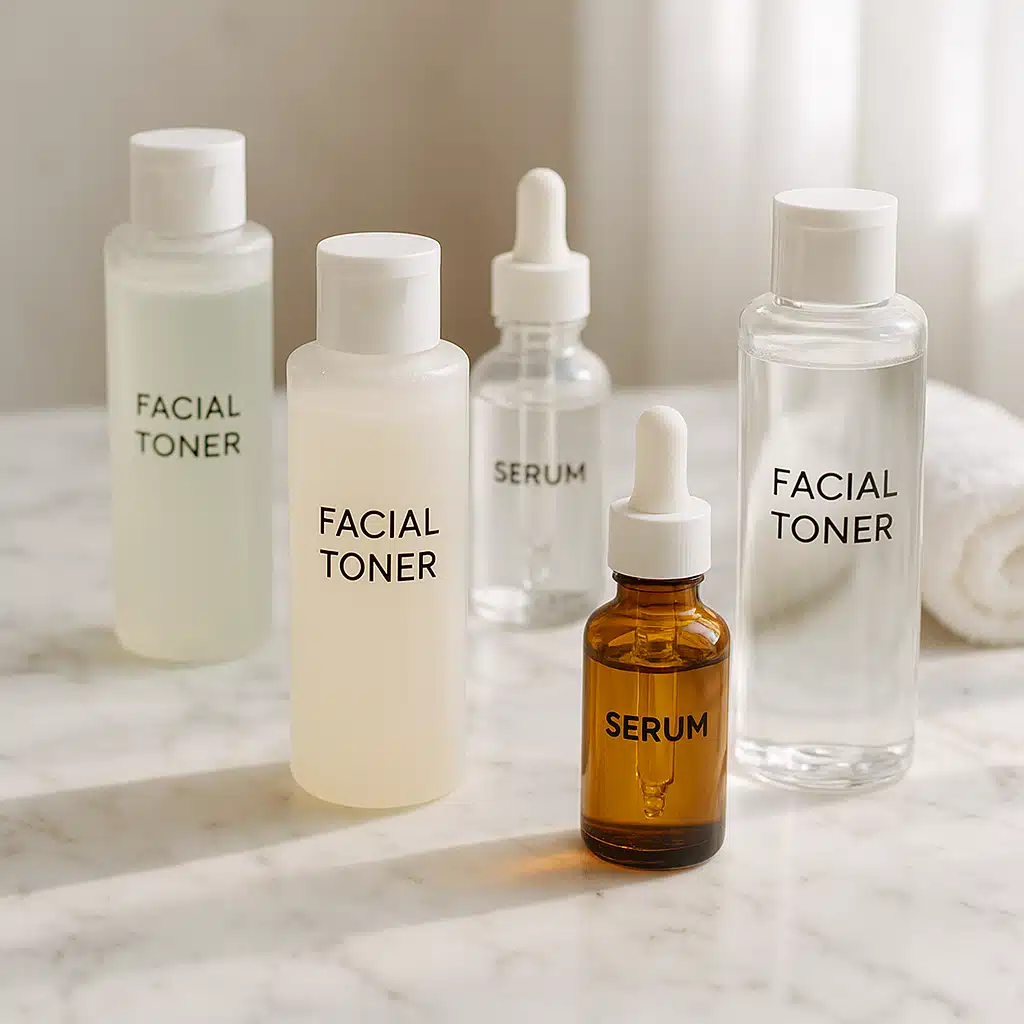
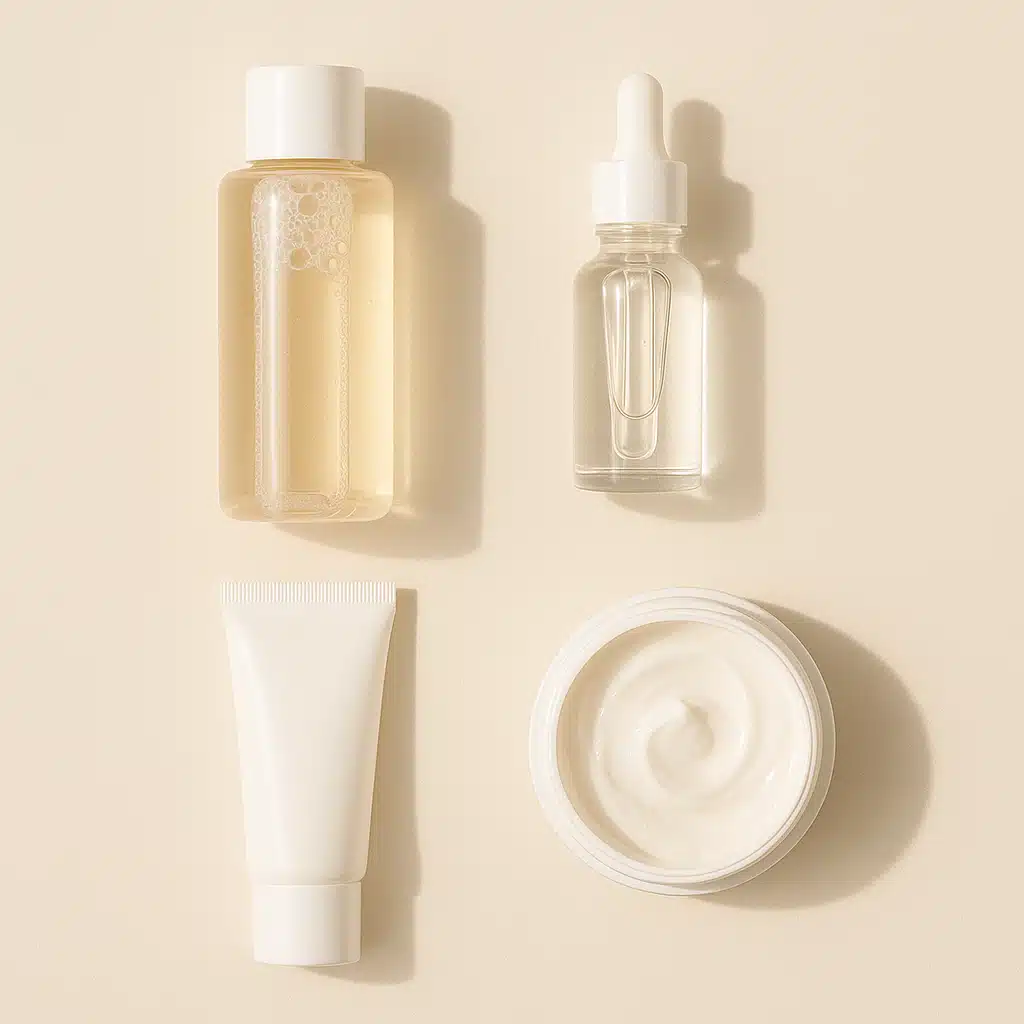
- Consistency and Texture: Toners are lightweight, watery liquids, while serums have a thicker, gel-like or slightly viscous consistency.
- Purpose: Toners cleanse, balance pH, hydrate, and prepare the skin for further treatment. Serums deliver concentrated active ingredients to target specific concerns such as aging, hydration, brightening, or acne.
- Application Order: Toner is applied immediately after cleansing, followed by serum, and then moisturizer and sunscreen.
- Ingredient Concentration: Serums contain higher concentrations of active ingredients than toners, making them more potent and targeted in their effects.
- Absorption: Toners sit on the skin’s surface and help prep it for absorption, while serums penetrate deeper into the skin layers.
- Price: Serums are generally more expensive due to their high concentration of active ingredients, while toners are typically more affordable.
Building an Effective Skincare Routine
For optimal results, both toners and serums should be incorporated into your daily skincare routine. A typical routine follows this order:
- Cleanser: Remove makeup, dirt, and impurities.
- Toner: Balance pH, remove residual impurities, and hydrate.
- Serum: Deliver targeted active ingredients to address specific concerns.
- Moisturizer: Lock in hydration and protect the skin barrier.
- Sunscreen (morning only): Protect against UV damage and prevent premature aging.
By following this sequence, you ensure that each product can perform its intended function and that your skin receives maximum benefit from the active ingredients. Consistency is key—most skincare products require several weeks of regular use before visible results appear.
Final Thoughts
Toners and serums are both valuable components of a comprehensive skincare routine, each offering unique benefits that complement one another. Toners cleanse, balance, and prepare the skin, while serums deliver powerful, targeted treatments that address specific concerns. By understanding the differences between these products and how to use them effectively, you can build a personalized skincare regimen that helps you achieve healthy, radiant, and youthful-looking skin.
Whether you’re dealing with dryness, dullness, aging, acne, or hyperpigmentation, there is a toner and serum combination designed to meet your needs. Take the time to explore different formulations, pay attention to your skin’s response, and adjust your routine as needed to maintain optimal skin health.