Understanding Traditional Whey Ricotta: The Art of Making Cheese from Cheese
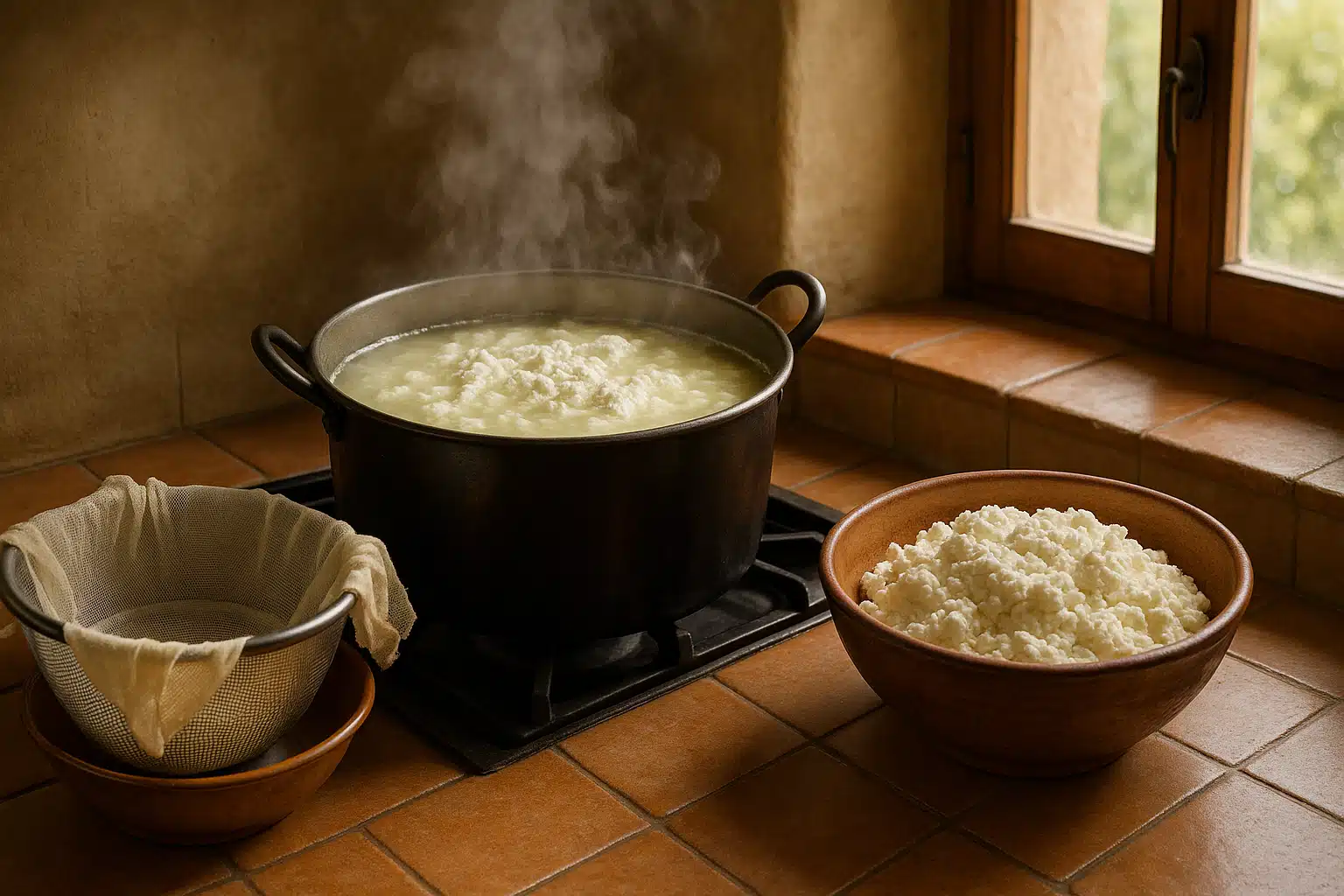
Home cheesemaking has experienced a renaissance in recent years, with more people discovering the joy of crafting dairy products in their own kitchens. One of the most rewarding yet often overlooked techniques is making traditional whey ricotta—a method that transforms what many consider a byproduct into a delicious, creamy cheese. This ancient practice embodies the principles of zero-waste cooking while delivering exceptional flavor and versatility. Whether you’re an experienced cheesemaker or just beginning your culinary journey, learning to make whey ricotta will enhance your kitchen skills and deepen your appreciation for traditional food crafts.
What is Whey Ricotta and Why It Matters
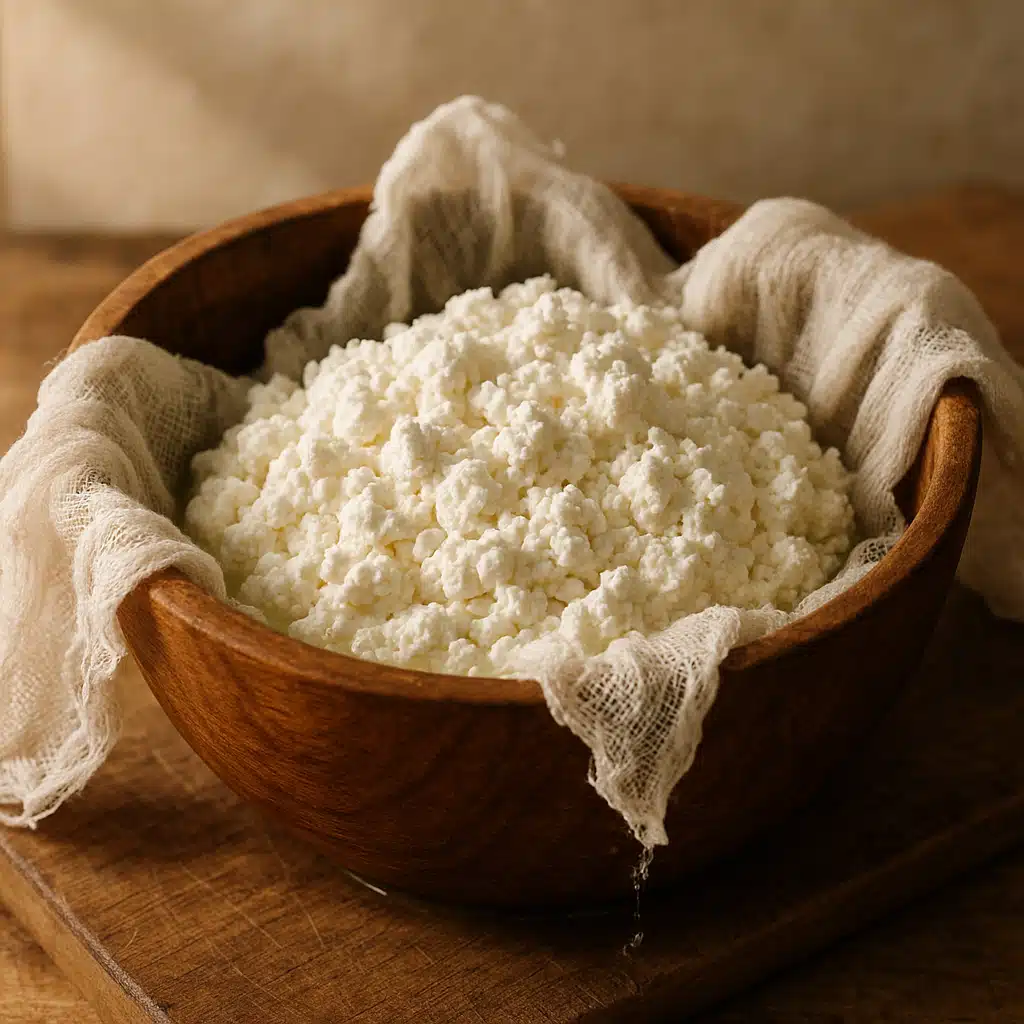
Whey ricotta represents the authentic method of ricotta production, quite different from the milk-based versions commonly found in stores. The name “ricotta” literally means “recooked” in Italian, referring to the process of heating whey a second time to extract the remaining proteins. When milk is curdled to make cheese, the liquid that separates from the curds is whey—a nutrient-rich liquid containing proteins, lactose, vitamins, and minerals. Rather than discarding this valuable byproduct, traditional cheesemakers discovered they could coax these remaining proteins to coagulate, creating an entirely new cheese with a delicate, slightly sweet flavor and light, fluffy texture.
This method matters for several important reasons. First, it exemplifies sustainable food practices by maximizing the use of every component of milk. Second, it connects us to centuries-old culinary traditions practiced across Mediterranean and European cultures. Third, whey ricotta offers distinct nutritional benefits, as it retains many of the water-soluble vitamins and minerals present in the original milk. Finally, the flavor profile of true whey ricotta is notably different from milk ricotta—lighter, more delicate, and with a subtle sweetness that enhances both savory and sweet dishes.
The Science Behind Whey Ricotta
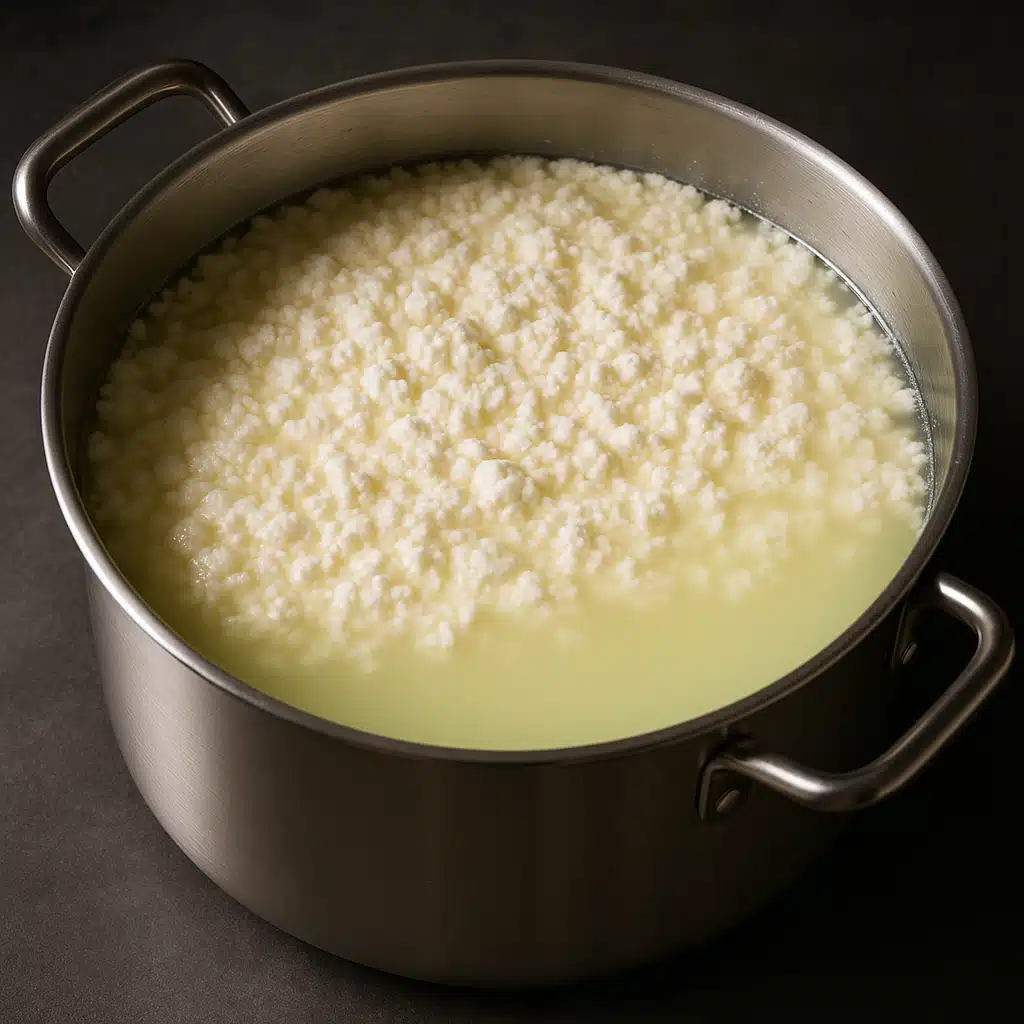
Understanding the chemistry of whey ricotta helps ensure success with this technique. Whey contains two primary types of proteins: albumin and globulin. These proteins remain dissolved in the liquid after the casein proteins have been removed during the initial cheese-making process. When whey is heated to temperatures between 80-90°C (176-194°F) and acid is introduced, these proteins denature and coagulate, forming the fine curds that become ricotta. The acid lowers the pH of the whey, which is essential for protein coagulation. Common acids used include vinegar, lemon juice, citric acid, or even the natural acidity that develops in whey over time. The key is achieving the right temperature and acidity balance—too little heat or acid results in poor curd formation, while excessive heat can make the ricotta grainy.
Essential Equipment for Making Whey Ricotta
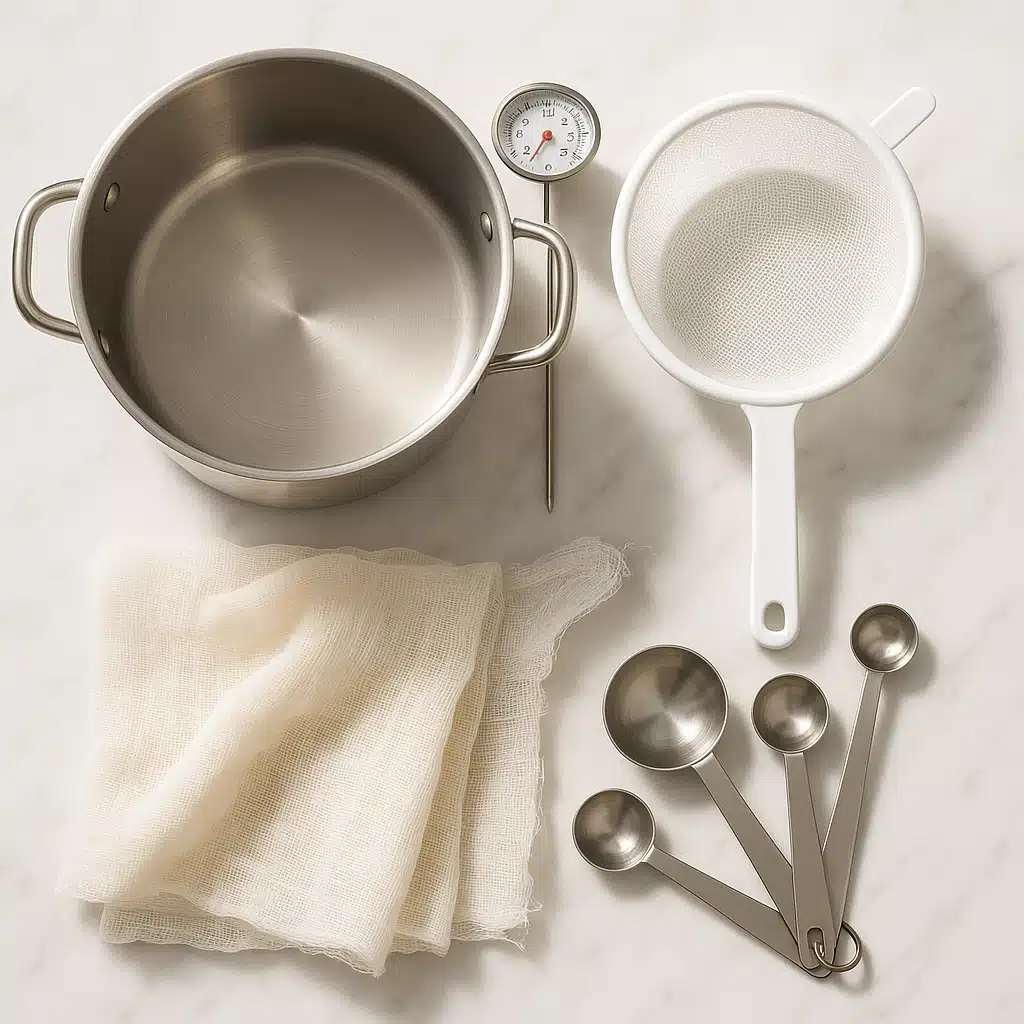
Before beginning your whey ricotta journey, gathering the right equipment will make the process smoother and more successful. You don’t need specialized or expensive tools—most items are likely already in your kitchen. A large, heavy-bottomed pot is essential for heating the whey evenly without scorching. A reliable thermometer helps you monitor temperature precisely, ensuring optimal protein coagulation. Fine-mesh strainers or colanders lined with cheesecloth, butter muslin, or specialized cheese-making cloth are necessary for separating the curds from the remaining whey. A long-handled spoon or ladle for gentle stirring, and bowls for collecting the drained whey complete the basic setup. For those planning to make ricotta regularly, investing in higher-quality equipment can improve consistency and results.
Comprehensive Guide to Making Traditional Whey Ricotta
Creating whey ricotta at home is a straightforward process that requires patience and attention to detail. The following comprehensive guide will walk you through each step, explaining not just what to do but why each action matters for achieving the best results.
Ingredients and Proportions
For a basic batch of whey ricotta, you’ll need approximately 4 liters (about 1 gallon) of fresh whey from cheesemaking. The fresher the whey, the better your results—ideally, use whey that’s less than 24 hours old. You’ll also need an acidifying agent: either 60-90ml (4-6 tablespoons) of white vinegar, fresh lemon juice, or 2-3 teaspoons of citric acid dissolved in a small amount of water. Salt is optional but recommended—approximately 1-2 teaspoons of fine sea salt or cheese salt enhances flavor without overpowering the delicate taste. Some traditional recipes also include a small amount of whole milk or cream (about 250ml or 1 cup per liter of whey) to increase yield and richness, though this deviates from the strictly traditional method.
Detailed Step-by-Step Process
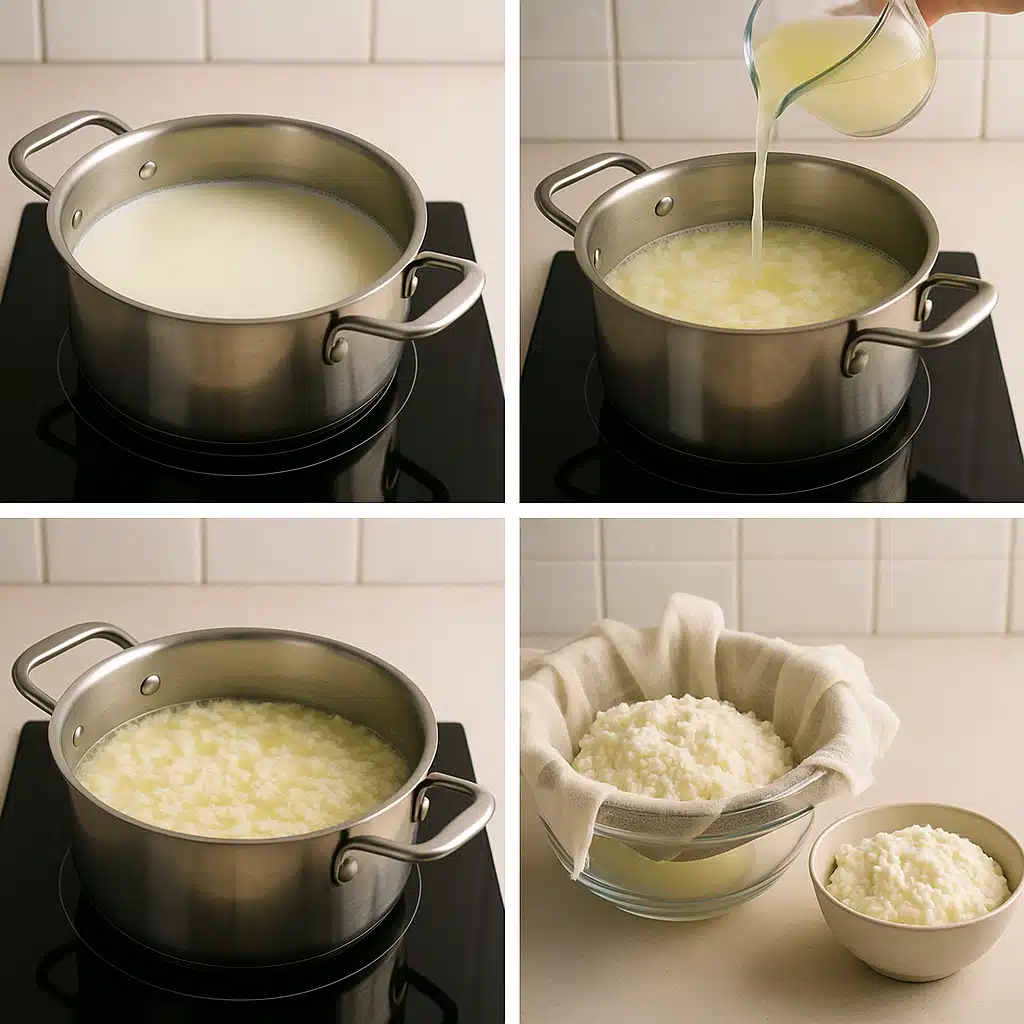
Step 1: Prepare Your Whey – Begin by straining your whey through cheesecloth to remove any remaining curd particles from your initial cheese-making. These small bits can affect the texture of your final ricotta. Pour the strained whey into your large pot, leaving some space at the top as it will foam during heating.
Step 2: Heat Gradually – Place the pot over medium heat and warm the whey slowly. Rapid heating can cause the bottom to scorch, imparting an unpleasant flavor. Stir occasionally to distribute heat evenly. Monitor the temperature with your thermometer, aiming for 85-90°C (185-194°F). This gradual heating typically takes 20-30 minutes depending on your heat source and the volume of whey.
Step 3: Add Acid at the Right Moment – When the whey reaches the target temperature and you begin seeing small bubbles forming around the edges (just before a full boil), remove the pot from heat. Add your chosen acid slowly while stirring gently. The whey will begin to look cloudy as proteins start coagulating. Stir for about 30 seconds, then stop and allow the pot to rest undisturbed.
Step 4: Allow Coagulation – Let the pot sit for 10-20 minutes without stirring. During this time, the protein curds will fully form and rise to the surface, creating a layer of fluffy white curds floating on top of clearer, greenish-yellow whey (sometimes called “scotta”). The longer you wait, the more the curds will firm up and drain, resulting in a drier ricotta.
Step 5: Strain the Curds – Line your strainer or colander with several layers of cheesecloth and position it over a large bowl to collect the drained whey. Using a slotted spoon or small ladle, gently scoop the curds from the surface and transfer them to the lined strainer. Avoid breaking up the curds too much, as this can result in a grainy texture. Once all visible curds are collected, you can carefully pour the remaining liquid through the strainer to capture any additional curds.
Step 6: Drain to Desired Consistency – Allow the ricotta to drain for 15 minutes to 2 hours, depending on your preferred consistency. For a moist, spreadable ricotta perfect for desserts, drain for a shorter time. For a firmer ricotta suitable for cooking or stuffing pasta, allow longer drainage time. You can gather the corners of the cheesecloth and suspend the bundle over a bowl for more efficient drainage.
Step 7: Season and Store – Transfer the drained ricotta to a clean bowl. Gently fold in salt to taste, being careful not to over-mix, which can make the texture pasty. At this point, you can also add herbs, black pepper, or other flavorings if desired. Store in an airtight container in the refrigerator, where it will keep for 3-5 days. The flavor is best within the first 48 hours.
Troubleshooting Common Whey Ricotta Problems
Even with careful attention, you may encounter challenges when making whey ricotta. Understanding common problems and their solutions will help you achieve consistent results.
Low Yield or No Curd Formation
If you’re getting very little ricotta from your whey, several factors might be at play. The most common cause is insufficient heat—the whey must reach at least 82°C (180°F) for proteins to coagulate properly. Old or previously frozen whey may also yield less ricotta, as some proteins break down over time. Additionally, whey from ultra-pasteurized milk produces less ricotta because high-heat processing already denatures some proteins. The type of cheese you made initially also affects yield; whey from hard cheeses like cheddar typically produces less ricotta than whey from soft cheeses like mozzarella. If you consistently get low yields, try adding a small amount of whole milk to your whey before heating—about 10-20% by volume can significantly increase production.
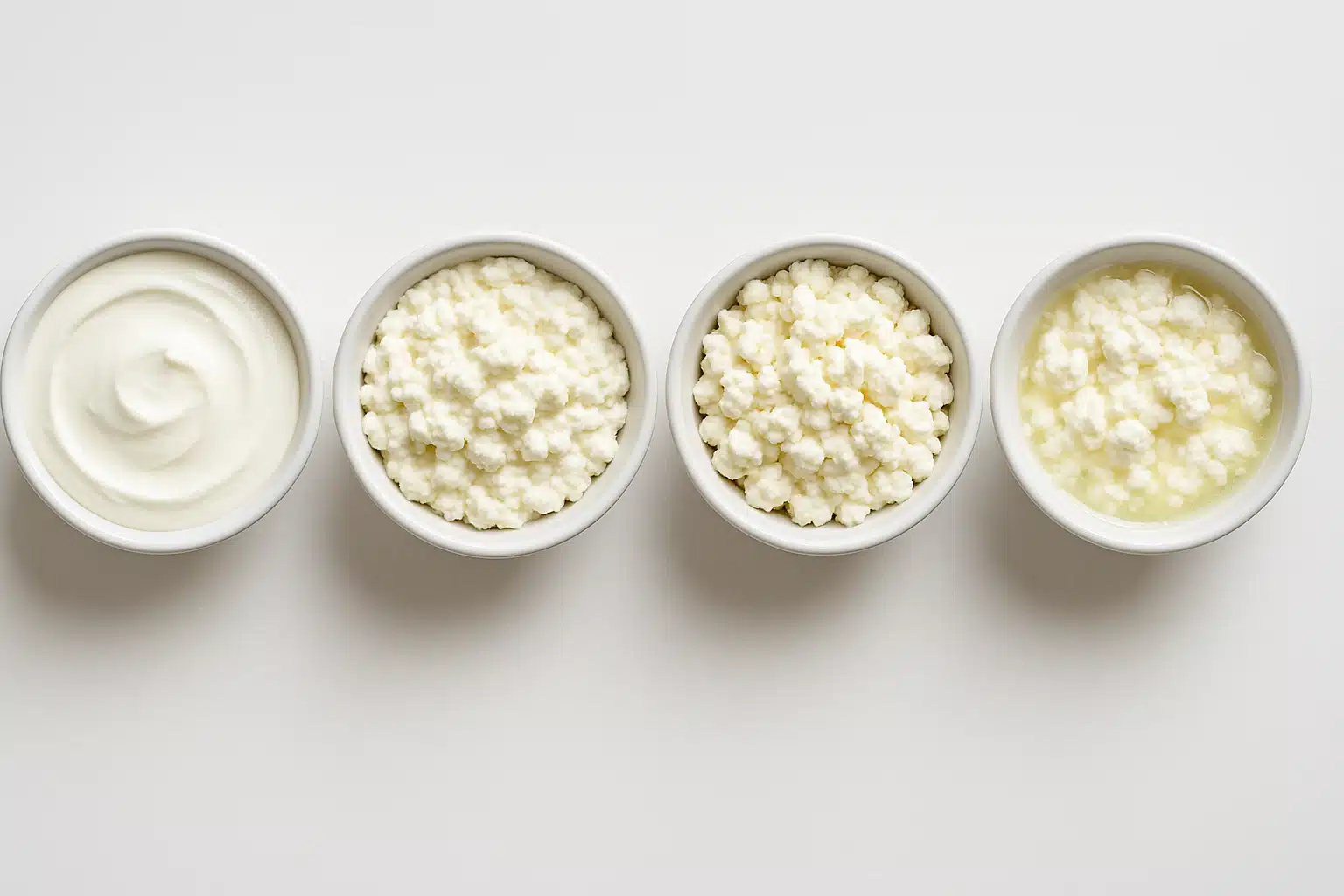
Grainy or Rubbery Texture
Graininess usually results from overheating the whey or stirring too vigorously after adding acid. Once proteins coagulate, they’re delicate and can break into small, hard pieces if agitated or cooked further. To prevent this, remove the pot from heat before adding acid and avoid stirring after the initial gentle mixing. If you’ve already made grainy ricotta, you can sometimes improve the texture by gently pressing it through a fine-mesh sieve, though this won’t completely restore the ideal creamy consistency.
Overly Wet or Dry Ricotta
Consistency issues are usually simple to correct. If your ricotta is too wet, simply drain it longer or press it gently to remove excess moisture. If it’s too dry, this typically indicates over-draining or too much acid, which causes proteins to contract and expel more liquid. You can rehydrate dry ricotta by gently folding in a small amount of fresh cream or milk. For future batches, adjust your draining time and acid quantity accordingly.
Bitter or Off-Flavors
Unpleasant flavors in ricotta typically stem from old whey, scorched milk proteins on the pot bottom, or using too much acid. Always use fresh whey and clean equipment. Heat the whey gently and avoid letting it stick to the bottom of the pot. If you find your ricotta bitter, try reducing the amount of acid in your next batch—you can always add more if needed, but you can’t remove excess acid once added.
Maximizing Yield and Quality
Getting the most from your whey requires understanding the variables that affect ricotta production. The type of milk used for your original cheese significantly impacts yield—whole milk produces whey with more fat and protein, resulting in richer, more abundant ricotta. The cheese-making process also matters; gentle methods that don’t involve high heat or excessive acidification leave more proteins available in the whey. Fresh whey is crucial—proteins begin breaking down within hours, so use your whey as soon as possible after making cheese. Temperature control is perhaps the most critical factor; maintaining the whey at 85-90°C (185-194°F) without boiling ensures optimal protein coagulation. Some expert cheesemakers recommend heating very slowly and holding the whey at temperature for several minutes before adding acid, which can improve yield. Finally, the quality of your acid matters—fresh lemon juice often produces better flavor than vinegar, while citric acid provides the most consistent results.
Creative Uses for Whey Ricotta
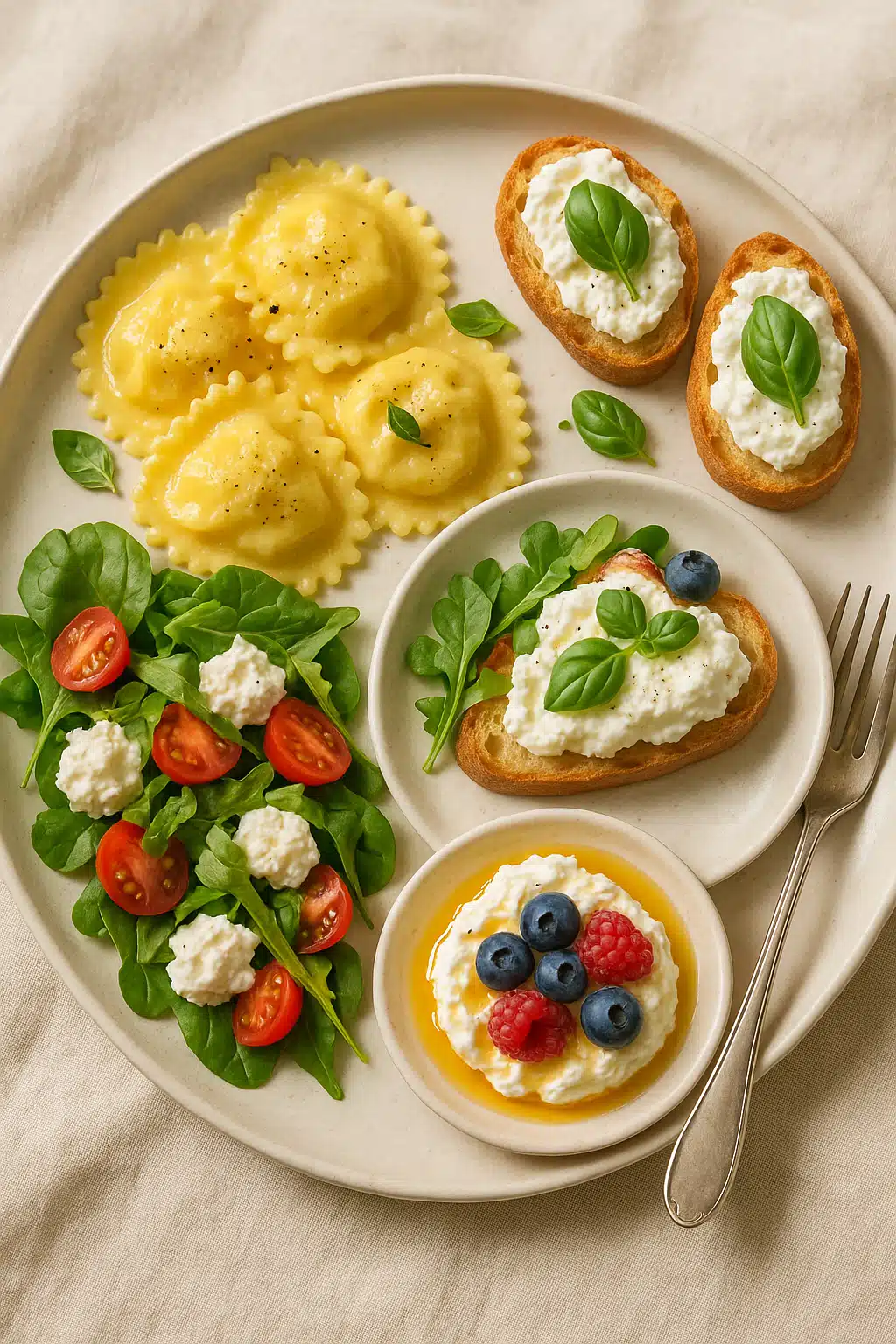
Once you’ve mastered making whey ricotta, the culinary possibilities are extensive. Its delicate flavor and light texture make it incredibly versatile in both traditional and contemporary dishes. In savory applications, whey ricotta shines in classic pasta preparations—mixed with herbs and used to fill ravioli, cannelloni, or shells, or simply tossed with hot pasta, olive oil, and fresh vegetables. It makes an excellent base for light spreads and dips when blended with garlic, herbs, and lemon zest. Layer it in lasagna, spread it on pizzas, or dollop it onto roasted vegetables or grain bowls for added richness and protein.
For sweet applications, whey ricotta’s mild flavor is ideal. It forms the basis of traditional Italian desserts like cannoli filling, cassata, and ricotta cheesecake. Mix it with honey and spread on toast, pancakes, or waffles for a protein-rich breakfast. Blend it into smoothies for creaminess without excessive fat, or fold it into batters for exceptionally moist cakes and muffins. You can even sweeten it lightly with sugar or maple syrup and serve it with fresh fruit as a simple, elegant dessert. The lighter consistency of true whey ricotta compared to milk ricotta makes it particularly suitable for delicate preparations where you don’t want a heavy dairy presence.
Sustainability and the Second Whey
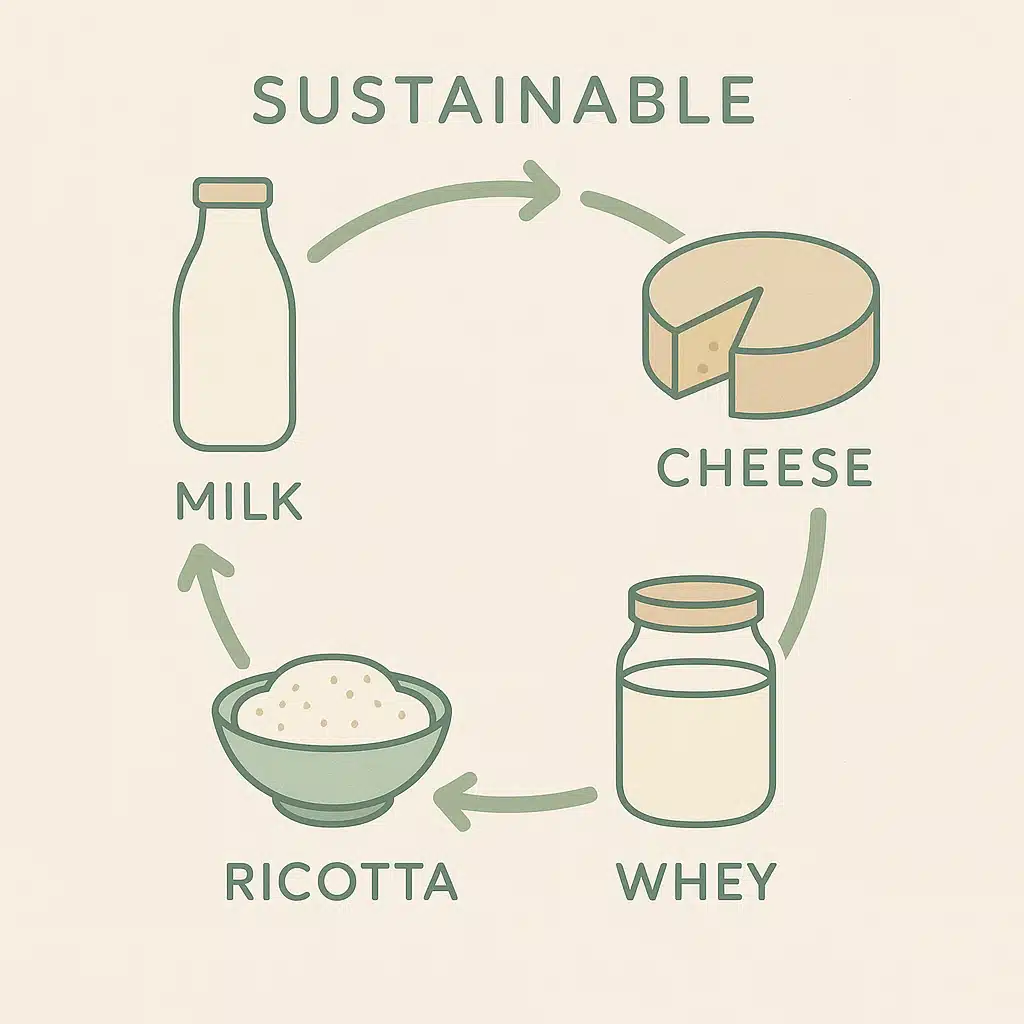
One of the most appealing aspects of making whey ricotta is its contribution to sustainable cooking practices. However, the process doesn’t end with ricotta production. After straining your ricotta curds, you’re left with a second byproduct called “scotta” (meaning “cooked out” in Italian)—the liquid remaining after ricotta production. While scotta has fewer nutrients than the original whey, it still contains value and needn’t be wasted. Some traditional cheesemakers heat scotta a third time with additional milk to extract even more cheese, though yields are minimal. More practically, scotta can be used in bread baking, adding moisture and a subtle tang to dough. It works well as a liquid base for soups and stocks, contributing minerals and a slight savory quality. Gardeners value scotta as a plant fertilizer due to its mineral content, though it should be diluted significantly before use. Some people feed scotta to livestock or use it in composting. Understanding these secondary uses helps complete the circle of sustainable, waste-conscious food production.
Regional Variations and Traditional Methods
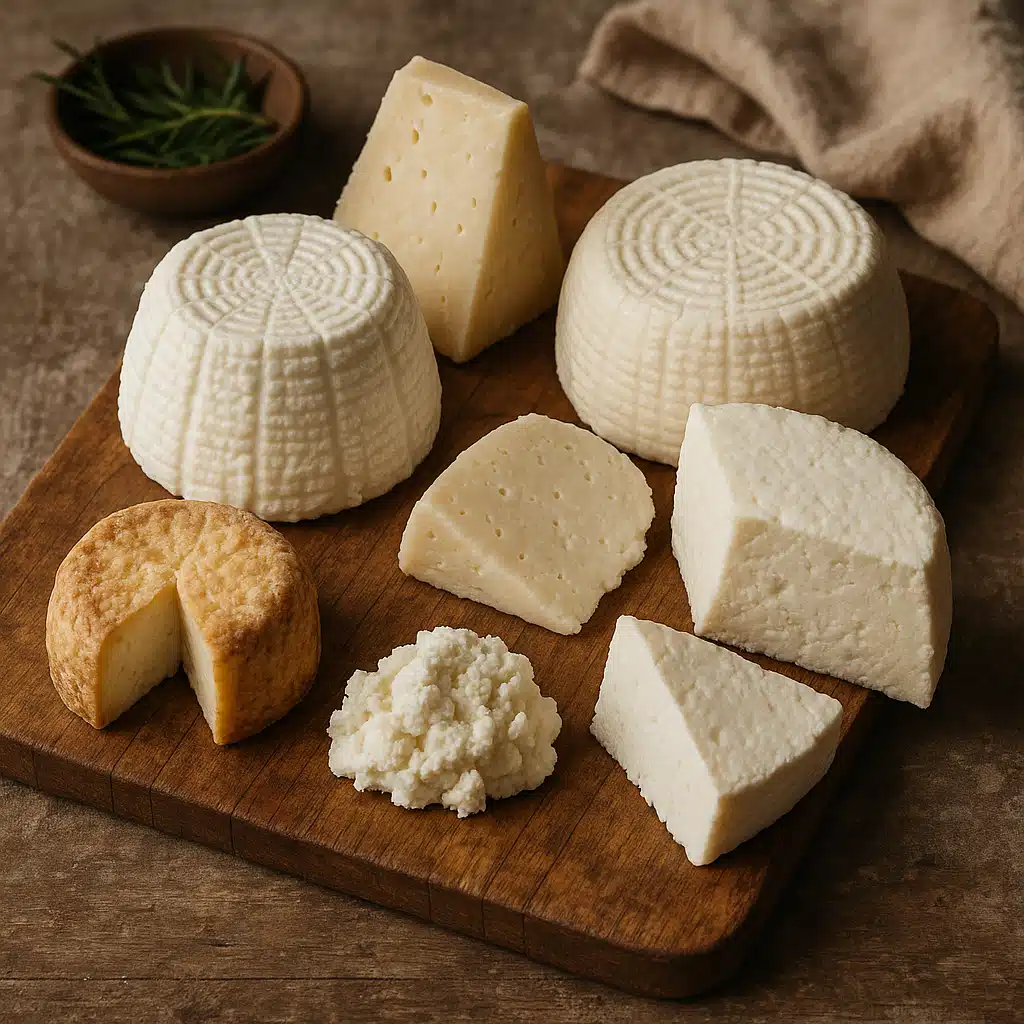
Whey ricotta traditions vary across different cheese-making cultures, each with unique characteristics worth exploring. Italian ricotta, particularly from regions like Sicily, Campania, and Puglia, represents the classic approach using pure whey from sheep, cow, or buffalo milk. Greek mizithra follows similar principles but often uses whey from feta production, resulting in a slightly tangier flavor. In the Balkans, similar cheeses like urda and brocciu are made using comparable techniques but may incorporate different milk types or aging methods. Some Scandinavian countries produce whey cheeses that are cooked down extensively until the lactose caramelizes, creating sweet, brown cheeses like Norwegian gjetost—a dramatically different product from the same starting material. Exploring these variations can inspire experimentation with your own whey ricotta, perhaps trying different acids, adding herbs or spices during production, or incorporating small amounts of cream for richness. Traditional methods often included natural fermentation of whey to create the necessary acidity, a technique that requires more skill and time but produces distinctive flavor complexity.
Scaling Up: Making Larger Batches
As you become comfortable with the basic process, you might want to produce larger quantities of whey ricotta, especially if you’re making multiple types of cheese regularly. Scaling up requires some adjustments to equipment and technique. Larger pots with greater capacity and better heat distribution become important—thin-bottomed pots are more prone to scorching with larger volumes. Heating times increase substantially; expect 45-60 minutes or more to bring large batches to temperature. Stirring becomes more important to prevent temperature stratification, where the bottom gets too hot while the top remains cool. Consider using a large colander or even a specialized ricotta basket for draining bigger batches efficiently. Some home cheesemakers invest in outdoor propane burners for making large batches, as they provide powerful, even heat without tying up kitchen space. Keep detailed notes about timing, temperatures, and acid quantities when scaling up, as proportions don’t always scale linearly—larger batches may require slightly less acid per unit of whey due to better heat retention and different surface-to-volume ratios.
Whey Sources: Beyond Home Cheesemaking
While making ricotta from your own cheese-making whey is ideal, not everyone produces cheese regularly at home. Fortunately, other sources of whey can work for ricotta production. Greek yogurt straining produces significant amounts of whey with sufficient protein for ricotta-making, though yields are typically lower than from cheese whey. Some health food stores and specialty shops sell liquid whey as a beverage or supplement—check that it’s not denatured whey protein powder, which won’t work for this purpose. Small-scale local cheesemakers sometimes have excess whey and might sell or give it away, particularly if you establish a regular relationship. Commercial whey from large-scale cheese production is occasionally available, though it may have been processed in ways that reduce its suitability for ricotta. Another option is making a simple cheese specifically to obtain whey for ricotta—quick cheeses like paneer or queso fresco are easy to make and produce good-quality whey. Some dedicated ricotta makers actually make a basic cheese first, then use the whey for ricotta, valuing the ricotta as the primary product and the initial cheese as secondary.
Health Benefits and Nutritional Profile
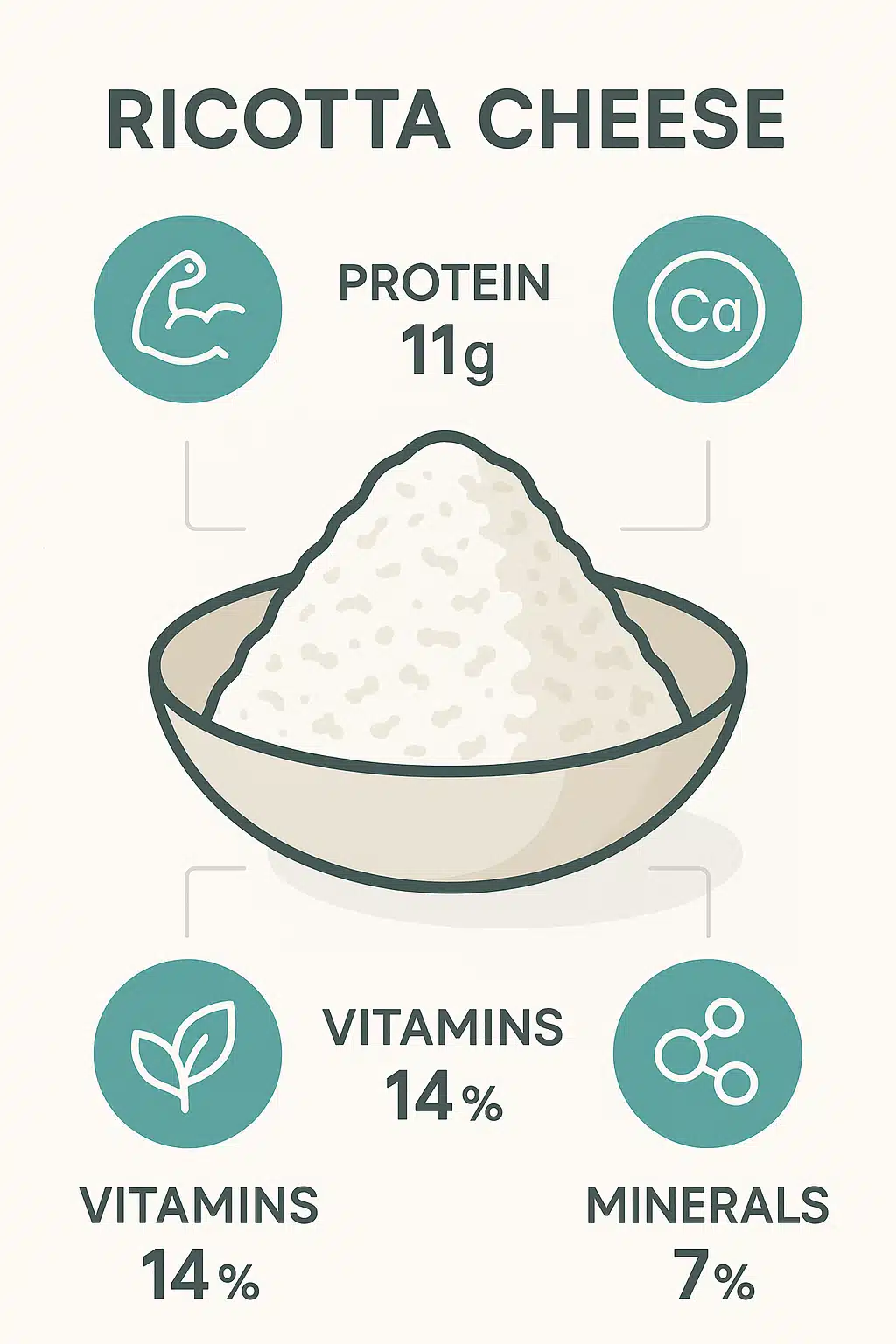
Whey ricotta offers impressive nutritional benefits that make it valuable beyond its culinary applications. It’s an excellent source of high-quality protein, containing all essential amino acids in proportions beneficial for human nutrition. The protein in ricotta is primarily albumin and globulin from the whey, which are easily digestible and quickly absorbed by the body—making ricotta an excellent choice for athletes and those seeking to increase protein intake. Ricotta is relatively low in fat compared to most cheeses, particularly if made from the whey of low-fat milk cheeses, yet it provides satisfying richness and creaminess. It contains important minerals including calcium, phosphorus, selenium, and zinc, which support bone health, immune function, and numerous metabolic processes. B vitamins, particularly B12 and riboflavin, are present in meaningful amounts. For those monitoring sodium intake, homemade ricotta has the advantage of controllable salt content, unlike most commercial versions which can be quite high in sodium. The lactose content is moderate—lower than in milk but higher than in aged cheeses—so those with mild lactose sensitivity may tolerate it in small amounts, though those with severe intolerance should exercise caution.
Preserving and Extending Shelf Life
Fresh whey ricotta is a perishable product best consumed within a few days of production. However, several methods can extend its usability. Proper storage is the first step—always use clean, airtight containers and maintain refrigerator temperatures below 4°C (40°F). Some traditional methods involve submerging ricotta in its own whey, which provides a protective liquid layer that can extend freshness by a day or two. Freezing is possible but affects texture; the ricotta becomes grainier and releases more liquid upon thawing. If you plan to freeze ricotta, use it in cooked applications like lasagna or baked goods where texture changes matter less. Drain frozen ricotta thoroughly after thawing and consider mixing in a small amount of fresh cream to improve consistency. Some cheesemakers preserve ricotta by salting it heavily and pressing it into molds, then aging it to create ricotta salata—a firm, sliceable cheese with extended shelf life and completely different characteristics. Another traditional preservation method involves smoking fresh ricotta, which adds flavor while the smoking process provides some antimicrobial benefits. For short-term storage, placing a paper towel in the container to absorb excess moisture can prevent the ricotta from becoming watery and help maintain quality.
Advanced Techniques and Experimentation
Once you’ve mastered basic whey ricotta, numerous advanced techniques can elevate your results. Temperature manipulation offers interesting possibilities—holding whey at slightly lower temperatures (around 80°C/176°F) for longer periods can produce a more delicate curd structure, while brief higher temperatures create firmer curds. Experimenting with acid types reveals subtle flavor differences: lemon juice imparts brightness, vinegar provides clean acidity, citric acid offers consistency, and natural fermentation develops complex flavors. Some cheesemakers use a combination of acids added at different stages. Adding small amounts of fresh milk or cream increases yield and richness—try different proportions to find your preferred balance. Culturing techniques involve allowing whey to naturally acidify through bacterial action before heating, creating distinctive flavor profiles. Smoking ricotta immediately after making it adds wonderful depth, as the moist curds readily absorb smoke flavors. For firmer ricotta suitable for slicing, increase drainage time and apply gentle pressure using weights. Infusing flavor during production by adding herbs, spices, or aromatics to the heating whey creates interesting variations—try bay leaves, black peppercorns, or lemon zest. Document your experiments carefully, noting exact temperatures, timing, and results to develop your own signature ricotta style.
Economic and Practical Considerations
Making whey ricotta at home offers both economic advantages and practical benefits worth considering. From a cost perspective, you’re extracting value from what would otherwise be a waste product—if you’re already making cheese, the ricotta comes from ingredients you’ve already purchased. The yield varies depending on the whey source, but generally, expect about 200-300 grams (7-10 ounces) of ricotta from 4 liters of whey—not a huge quantity, but essentially free bonus cheese. Compare this to purchasing ricotta, which can be relatively expensive per pound, especially for high-quality versions. The time investment is modest—about 45-60 minutes of active and passive time—making it reasonable for most home cooks. Energy costs are minimal, requiring only stovetop heating for less than an hour. From a practical standpoint, making your own ricotta ensures freshness and quality control—you know exactly what ingredients are included and can adjust salt and texture to your preferences. It eliminates packaging waste associated with store-bought versions and supports self-sufficiency and food skills development. For those who make cheese regularly, ricotta production becomes a natural extension of the process rather than a separate project.
Teaching and Sharing the Craft
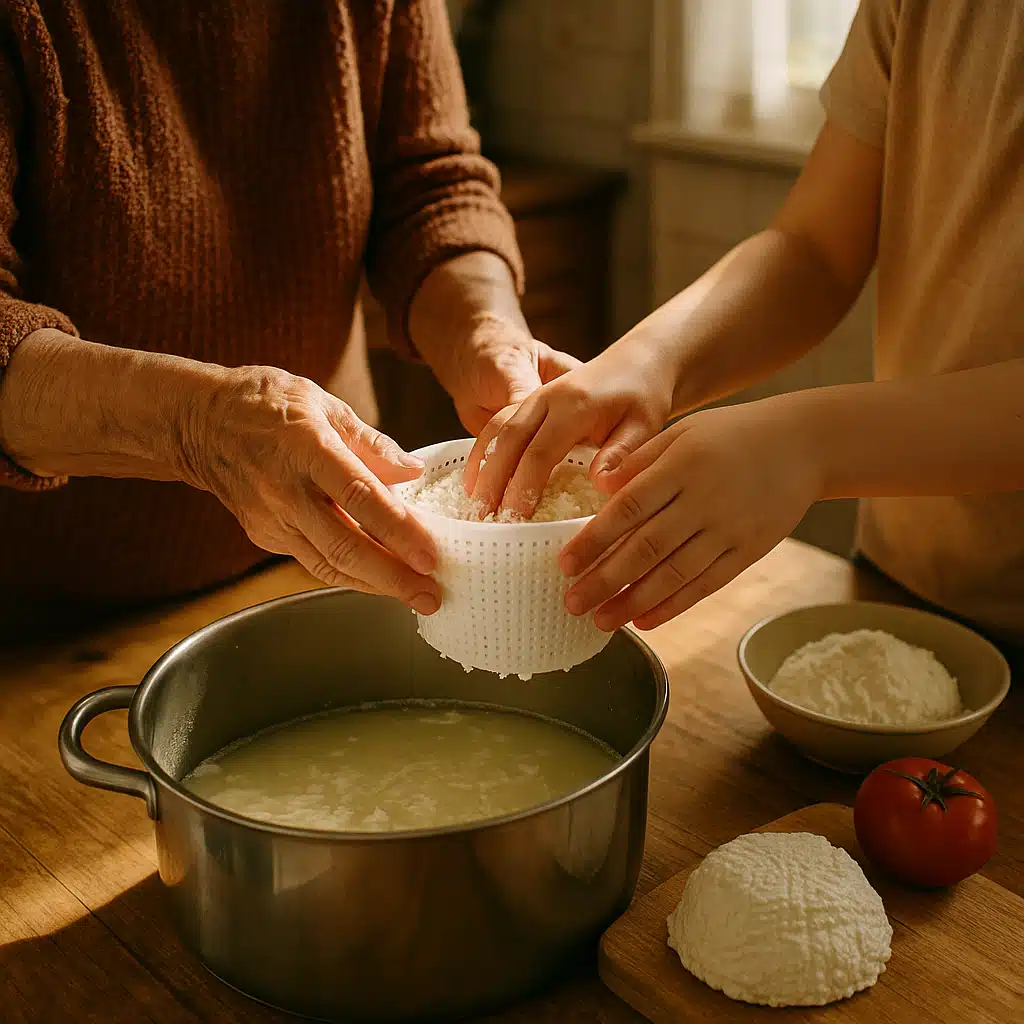
Making whey ricotta offers wonderful opportunities for teaching food skills and sharing traditional knowledge. The process is straightforward enough for beginners yet contains enough nuance to maintain interest for experienced cooks. It serves as an excellent introduction to cheesemaking for those intimidated by more complex cheese projects—the equipment requirements are minimal, the time commitment is modest, and success rates are high. The immediate gratification of creating fresh cheese in less than an hour makes it rewarding for all ages. For those interested in sustainability and waste reduction, ricotta-making provides a concrete, delicious example of these principles in action. Consider organizing small workshops or informal cooking sessions where you guide others through the process. The combination of hands-on activity, scientific explanation, and immediate culinary results makes it engaging and educational. Children particularly enjoy watching the “magic” of curds appearing in the pot and can safely participate in measuring, stirring, and tasting. Sharing your homemade ricotta with friends and family often sparks curiosity about the process, creating opportunities to spread knowledge about traditional food crafts. Many who try making ricotta once become regular practitioners, appreciating both the product and the connection to food traditions it provides.
Common Myths and Misconceptions
Several persistent myths about whey ricotta deserve clarification. First, many people believe that ricotta is made from milk—this is true for commercial ricotta but not traditional whey ricotta, which uses the liquid byproduct of cheesemaking. Another misconception is that you need special cultures or rennet to make ricotta; in reality, heat and acid are sufficient to coagulate the whey proteins. Some think whey ricotta is inferior to milk ricotta, but it’s simply different—lighter, more delicate, and traditional. There’s also a belief that making ricotta is difficult or requires special skills, when it’s actually one of the easiest cheese-making projects for beginners. Some people worry that using “leftover” whey means the ricotta lacks nutrition, but whey retains significant protein, vitamins, and minerals even after cheese production. Another myth suggests that ricotta must be Italian in style, ignoring the many cultural variations of whey cheese found worldwide. Finally, some believe homemade ricotta won’t taste as good as store-bought, when in fact fresh homemade ricotta typically has superior flavor and texture compared to mass-produced versions that may contain stabilizers and preservatives.
Environmental Impact and Sustainability
The environmental benefits of making whey ricotta extend beyond simple waste reduction. Dairy production has significant environmental impacts, including greenhouse gas emissions, water usage, and land requirements. By maximizing the yield from each quantity of milk through both primary cheese production and secondary ricotta production, you effectively reduce the environmental cost per unit of food produced. Whey disposal presents environmental challenges for commercial cheesemakers—it has high biological oxygen demand and can’t simply be discarded into waterways. Home cheesemakers who convert whey to ricotta avoid contributing to this disposal problem. The practice also embodies principles of circular economy and regenerative food systems, where waste from one process becomes input for another. Making cheese and ricotta at home reduces transportation impacts associated with commercial dairy distribution. The skills involved support food resilience and reduced dependence on industrial food systems. While the scale of home production is small, the collective impact of many people adopting these practices can be meaningful. Additionally, the connection to food sources that develops through making your own dairy products often leads to more conscious consumption choices overall, including supporting sustainable dairy farms and purchasing milk from producers using regenerative agricultural practices.
Frequently Asked Questions
Can I make ricotta from store-bought milk instead of whey?
Yes, but this produces a different product technically called “milk ricotta” rather than traditional whey ricotta. The process involves heating milk with acid to coagulate the casein proteins, resulting in a richer, denser cheese. While delicious and useful, it’s not the traditional method and uses significantly more expensive ingredients since you’re starting with milk rather than a byproduct. True whey ricotta has a lighter, more delicate character and represents the authentic historical method.
How long does homemade whey ricotta last?
Fresh whey ricotta typically stays good for 3-5 days when properly stored in an airtight container in the refrigerator. The flavor is best within the first 48 hours. Signs of spoilage include sour smell, mold growth, or excessive liquid separation. Always check for freshness before using, and when in doubt, discard it. Proper hygiene during production and storage significantly affects shelf life—always use clean equipment and containers.
What should I do with the whey left after making ricotta?
The second whey (scotta) has several uses despite its reduced nutrient content. Use it as liquid in bread baking for subtle flavor and improved texture. Add it to soups, smoothies, or animal feed. Dilute it significantly and use it as garden fertilizer for its mineral content. Some people use it for skin care due to its lactic acid content. Composting is another option. While it has less value than the original whey, it needn’t be wasted.
Why is my ricotta yield so low?
Low yields typically result from insufficient heat (whey must reach at least 82°C/180°F), old whey with degraded proteins, whey from ultra-pasteurized milk, or whey from hard-cheese production which extracts more proteins initially. To improve yield, ensure proper temperature, use fresh whey, and consider adding 10-20% whole milk before heating. The type of original cheese significantly affects ricotta quantity—soft cheese whey produces more ricotta than hard cheese whey.
Can I use lemon juice instead of vinegar?
Absolutely—lemon juice works excellently and many prefer its flavor contribution over vinegar. Fresh lemon juice typically produces slightly better results than bottled. You can also use citric acid for the most consistent results, though it lacks the subtle flavor notes of lemon. The choice of acid primarily affects flavor; the coagulation process works similarly with any food-safe acid. Experiment to find your preference.
Is whey ricotta suitable for people with lactose intolerance?
Whey ricotta contains moderate amounts of lactose—less than milk but more than aged cheeses. People with severe lactose intolerance may experience symptoms, while those with mild intolerance might tolerate small portions. The lactose content varies depending on drainage time (longer drainage removes more lactose-containing whey). For those who are lactose intolerant, aged ricotta salata or using lactose-free milk for the original cheese might be better options. Always consult with a healthcare provider about dietary restrictions.
Embracing the Tradition of Whey Ricotta
Making traditional whey ricotta connects us to centuries of culinary wisdom while addressing modern concerns about food waste and sustainability. This ancient technique transforms a cheesemaking byproduct into a delicate, versatile cheese that enhances countless dishes. The process requires minimal equipment, modest time investment, and no special skills—just attention to temperature, timing, and technique. Beyond the practical benefits of waste reduction and cost savings, making whey ricotta offers deeper satisfaction: the pleasure of creating something with your own hands, understanding traditional food processes, and tasting the incomparable freshness of homemade cheese.
Whether you’re an experienced cheesemaker looking to maximize your milk’s potential or a curious beginner exploring traditional food crafts, whey ricotta provides an accessible entry point into the world of cheesemaking. The light, creamy result can elevate both simple weeknight meals and special occasion dishes. As you become comfortable with the basic technique, opportunities for experimentation and refinement emerge—different acids, added milk, flavor infusions, and varied draining times all offer paths to developing your signature ricotta style.
Start your whey ricotta journey with your next batch of cheese, or seek out fresh whey from local cheesemakers. Gather your simple equipment, follow the straightforward process, and experience the magic of watching protein curds emerge from seemingly spent liquid. Share your ricotta with others, teach the technique to curious friends, and take pride in practicing a skill that connects you to food traditions spanning continents and centuries. In making cheese from cheese, you’re not just reducing waste—you’re participating in a delicious, sustainable tradition that honors both the past and the future of food.