Understanding Facial Cleansers: A Complete Guide to Types and Their Uses
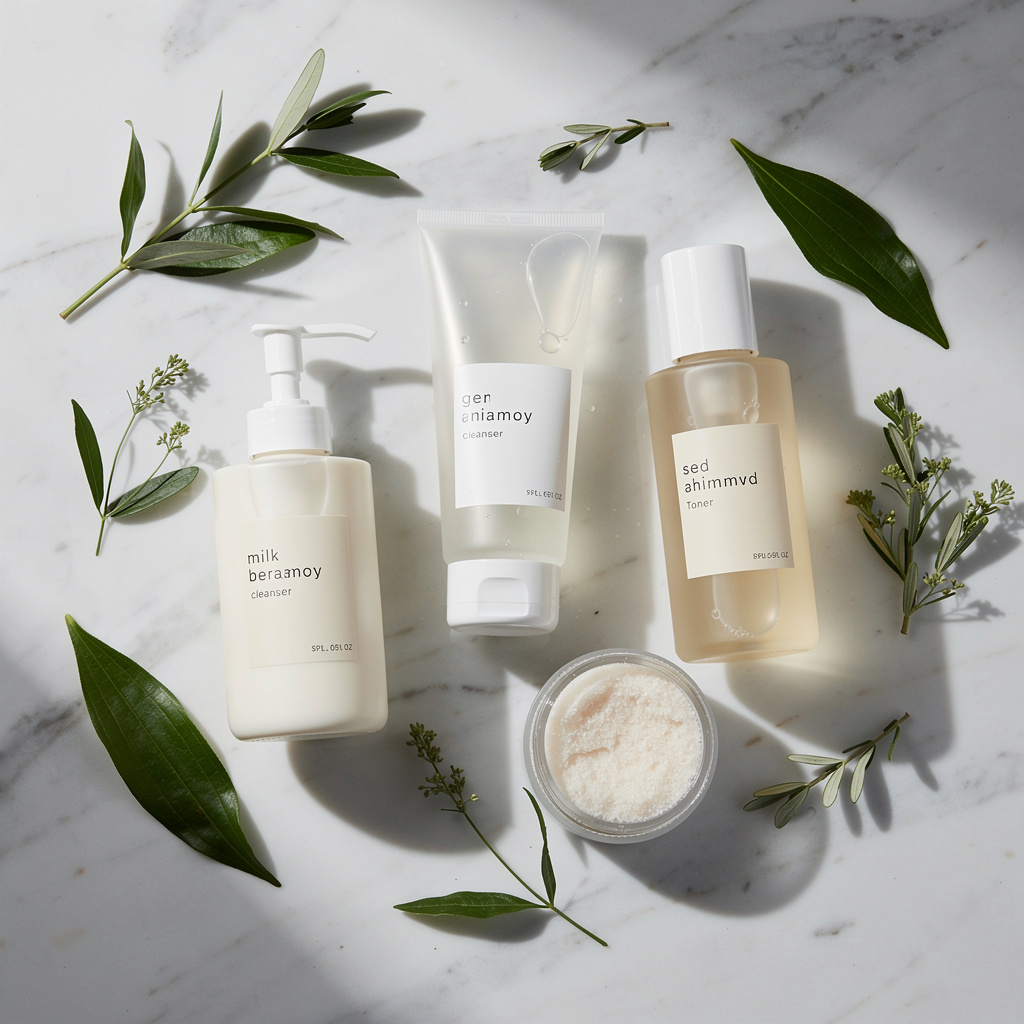
Maintaining healthy, radiant skin begins with proper cleansing. With countless facial cleansers available on the market, understanding the differences between them can help you make informed choices that suit your unique skin type and concerns. This comprehensive guide explores the main categories of facial cleansers—including cleansing milks, gels, toners, and scrubs—and explains how each one works to keep your skin clean, balanced, and glowing.
Why pH Balance Matters in Facial Cleansers
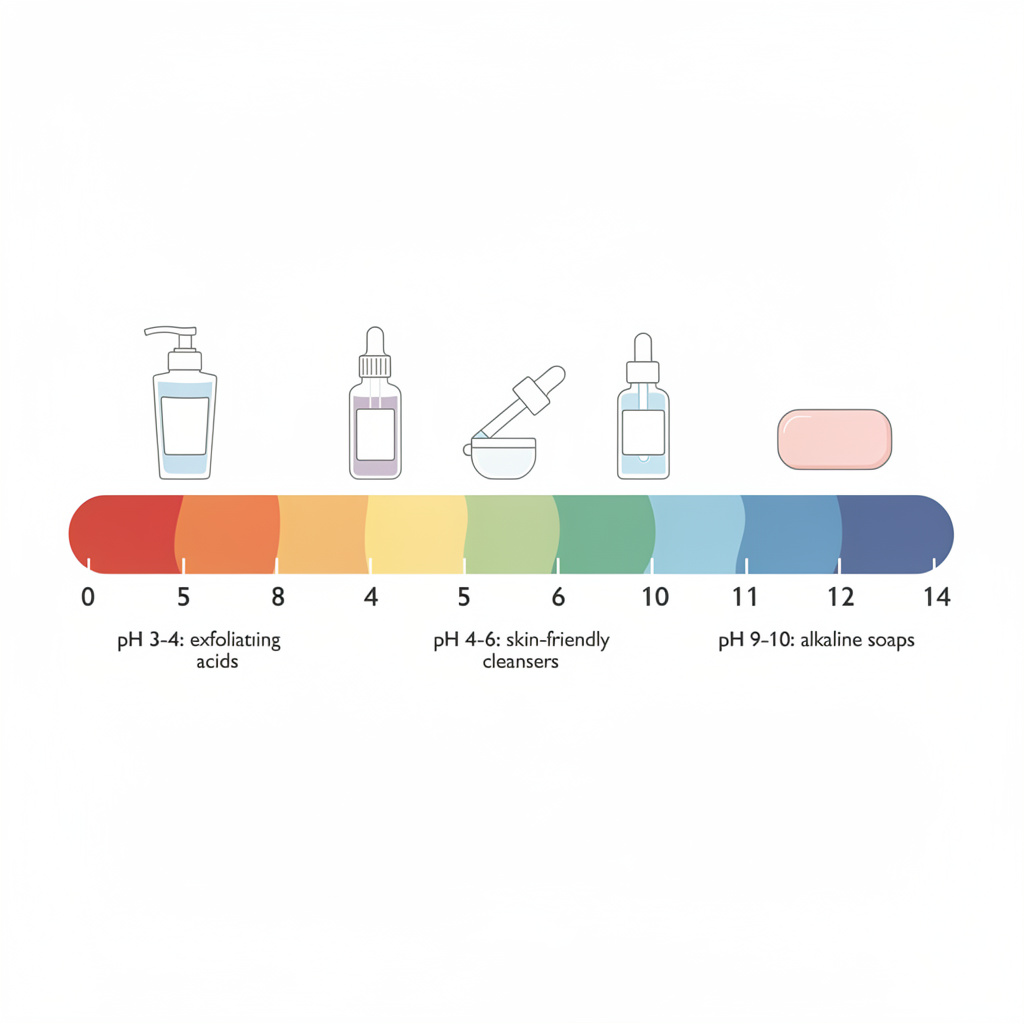
Your skin naturally maintains a slightly acidic pH level, typically ranging between 4.5 and 6. This acidic environment is crucial for protecting your skin from harmful bacteria, retaining moisture, and maintaining its natural barrier function. When you use cleansers that are too alkaline—meaning they have a pH higher than 7—you risk disrupting this delicate balance.
High-pH cleansers, such as traditional bar soaps, can strip away your skin’s natural oils and moisture. Over time, this can lead to dryness, irritation, premature aging, and increased sensitivity. For this reason, it’s essential to choose facial cleansers formulated with a pH that closely matches your skin’s natural acidity. Modern facial cleansers, particularly those labeled as “pH-balanced” or “syndet” (synthetic detergent) products, are specifically designed to cleanse effectively without compromising your skin’s health.
Most conventional bar soaps have a pH above 7, making them unsuitable for facial use. Instead, look for cleansers specifically formulated for the face, with a pH of 6 or lower, to ensure your skin remains healthy, hydrated, and protected.
The Four Main Types of Facial Cleansers
Facial cleansers come in various formulations, each designed to address different skin types and cleansing needs. Below, we explore the four primary categories and how to use them effectively.
1. Cleansing Milk
Cleansing milk is a gentle, creamy formula that effectively removes dirt, oil, makeup, and environmental pollutants without stripping the skin. Its mild composition makes it ideal for all skin types, particularly for those with sensitive, dry, or mature skin. Unlike harsher cleansers, cleansing milk rarely causes irritation or dryness, and it helps maintain the skin’s natural moisture balance.
Daily exposure to pollutants—such as smoke, dust, cosmetics, and natural skin secretions—can clog pores and dull your complexion. Cleansing milk offers a soothing alternative to soap, providing effective cleansing without the harsh side effects. It’s especially recommended for people who experience sensitivity or tightness after washing their face.
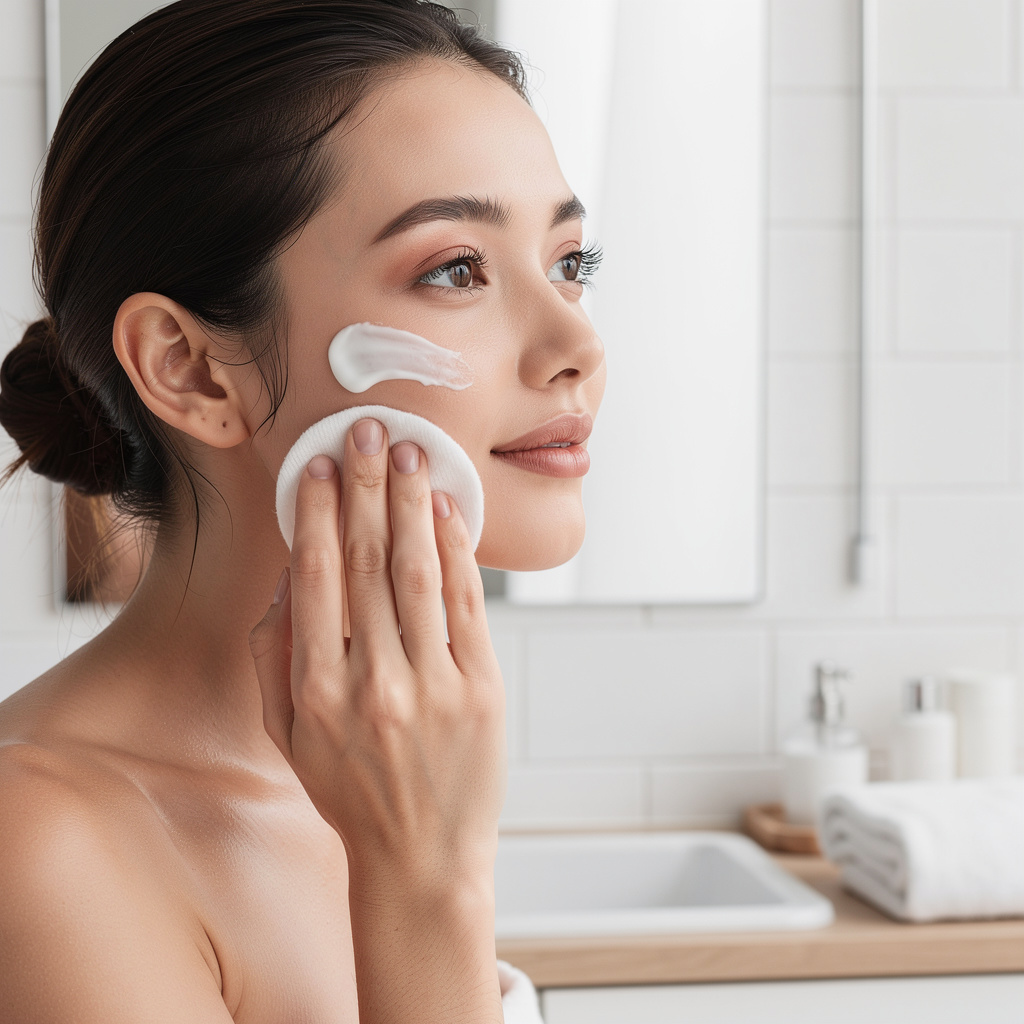
To use cleansing milk, apply a small amount to a cotton pad or your fingertips and gently massage it over your face and neck in circular motions. There’s no need to use soap beforehand. After massaging for about a minute, rinse your face thoroughly with lukewarm water. For best results, use cleansing milk twice daily—once in the morning and once before bed. Regular use can improve skin clarity, enhance freshness, and help prevent acne and other skin concerns.
2. Cleansing Gels
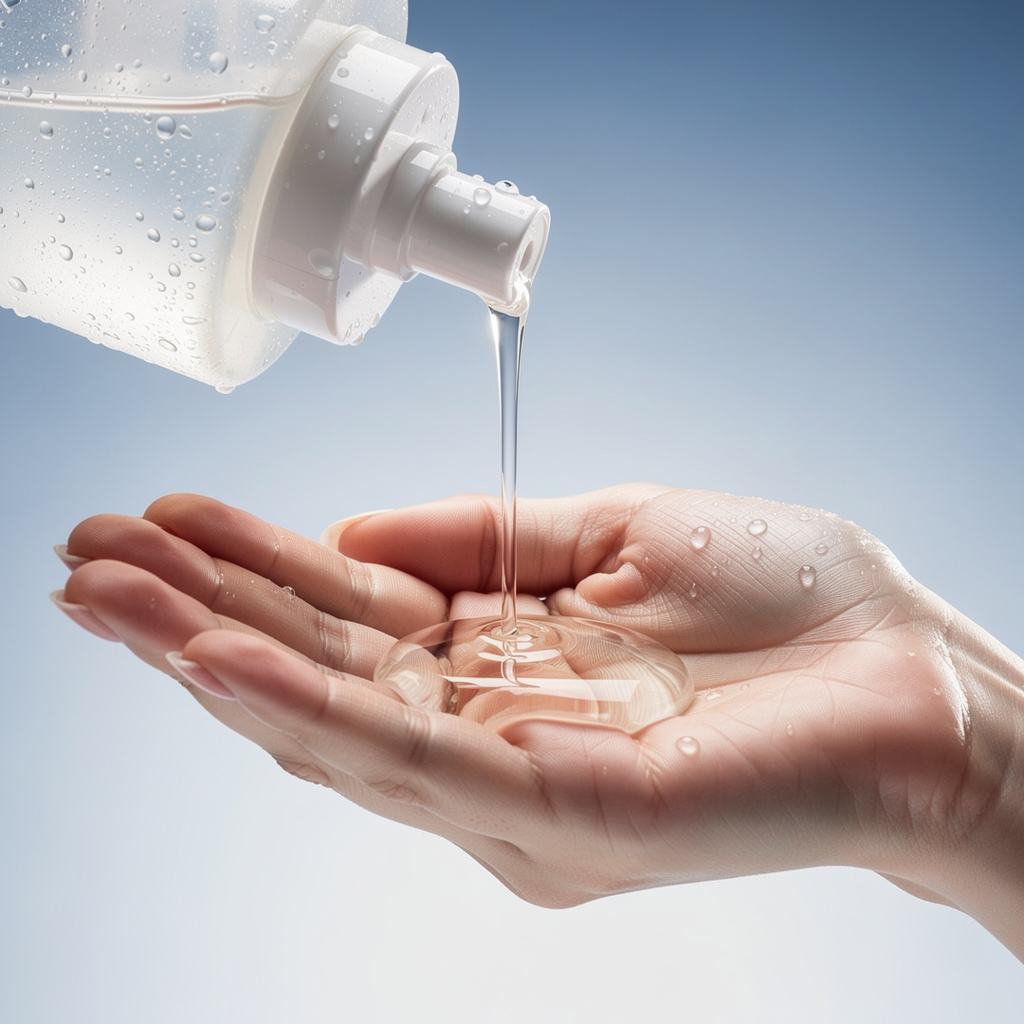
Cleansing gels are water-based formulas that often produce a light foam when activated with water. They offer a deeper cleanse compared to cleansing milk and are particularly effective for oily and combination skin types. The gel texture helps remove excess sebum, unclog pores, and leave the skin feeling refreshed and clean without a greasy residue.
While cleansing gels are excellent for those with oily or acne-prone skin, they may be too drying for individuals with dry or sensitive skin. If you have these skin types, cleansing milk is generally a better choice. However, some modern cleansing gels are formulated with hydrating ingredients that make them suitable for a broader range of skin types.
To use a cleansing gel, wet your face with lukewarm water, then apply a small amount of the gel to your fingertips. Massage it into your skin using gentle, circular motions, allowing the product to foam slightly. Focus on areas prone to oiliness, such as the forehead, nose, and chin. After about 30 seconds to a minute, rinse thoroughly with water and pat your face dry with a clean towel.
3. Toners
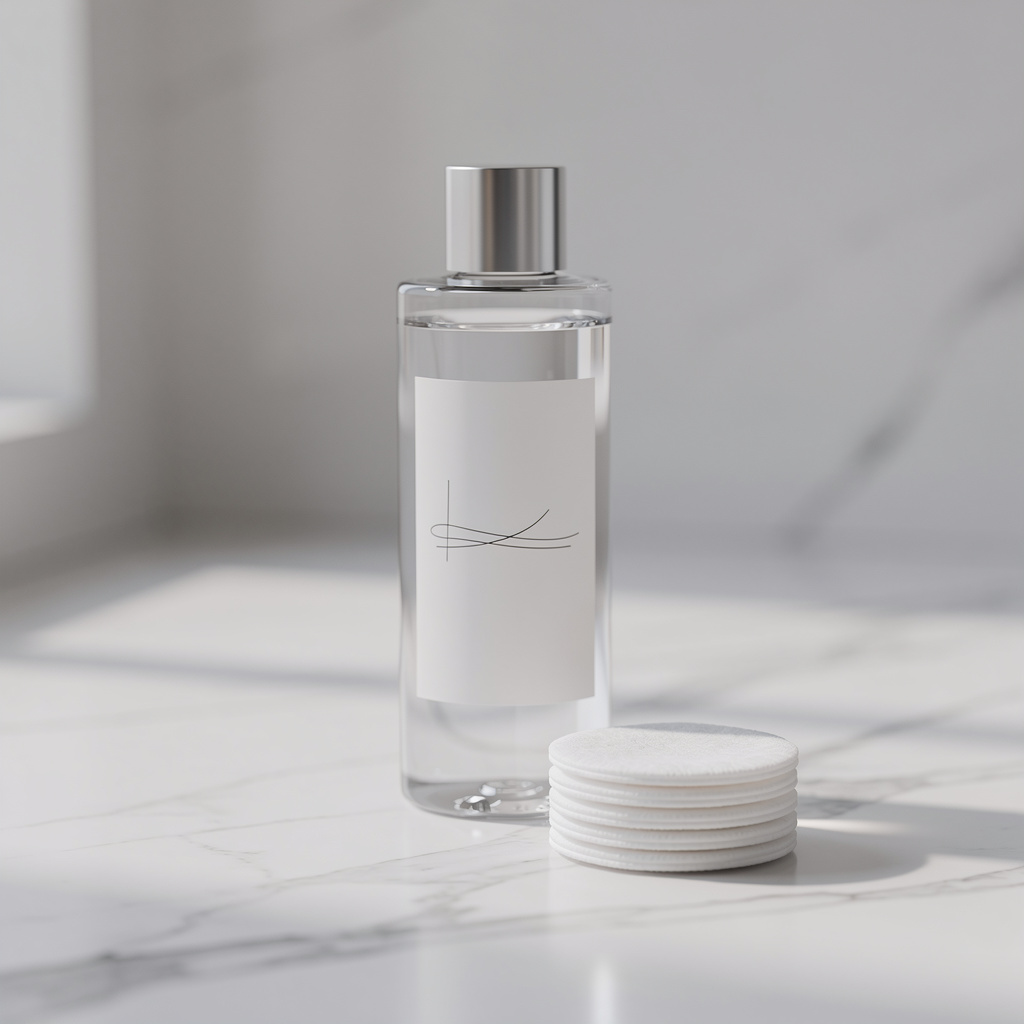
Toners are liquid skincare products applied after cleansing to remove any remaining traces of dirt, makeup, or cleanser, while also restoring the skin’s pH balance. They often contain soothing, hydrating, and refining ingredients that prepare the skin for the next steps in your skincare routine, such as serums and moisturizers.
There are generally two main types of toners: those formulated for oily skin and those designed for dry or normal skin. Toners for oily skin often contain astringent ingredients like witch hazel or alcohol, which help tighten pores and control excess oil production. On the other hand, toners for dry and normal skin focus on hydration and soothing, featuring ingredients like hyaluronic acid, rose water, or glycerin.
To use a toner, first cleanse your face with your preferred cleanser and pat it dry. Then, apply the toner to a cotton pad and gently sweep it across your face and neck, or pour a small amount into your palms and pat it directly onto your skin. Do not rinse off the toner—allow it to absorb fully before continuing with your skincare routine. Toners are especially beneficial for teenagers and young adults who are prone to breakouts, as they help keep pores clear and skin balanced.
4. Scrubs and Exfoliators
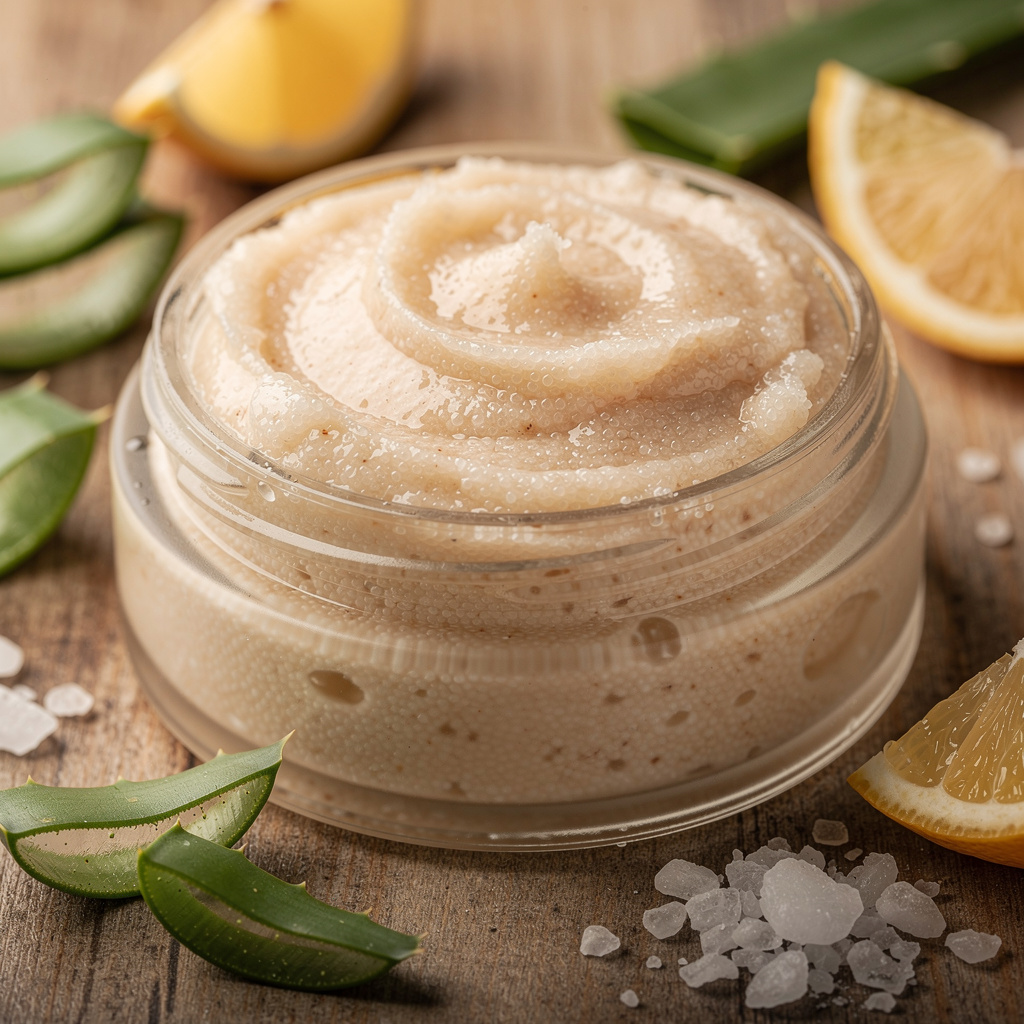
Facial scrubs, also known as exfoliators, contain small granules or beads that physically remove dead skin cells, unclog pores, and promote cell turnover. Regular exfoliation can reveal smoother, brighter skin and improve the absorption of other skincare products. Scrubs are particularly beneficial for oily and combination skin types, as they help reduce the appearance of enlarged pores and prevent blackheads.
However, scrubs should be used with caution on dry or sensitive skin, as the physical exfoliation can sometimes cause irritation or micro-tears. If you have sensitive skin, consider using a chemical exfoliant (such as those containing AHAs or BHAs) instead of a physical scrub.
To use a facial scrub, start by cleansing your face with a gentle cleanser. While your skin is still damp, apply a small amount of scrub and massage it into your skin using light, circular motions. Focus on areas with rough texture or congestion, but avoid the delicate eye area. Massage for about 2 to 4 minutes, then rinse thoroughly with lukewarm water. For oily skin, exfoliating 2 to 3 times per week is generally recommended. For normal or combination skin, once or twice a week is sufficient.
Consistent use of a facial scrub can help minimize the appearance of pores, brighten the complexion, and gradually reduce blackheads. Some advanced exfoliation treatments, such as microdermabrasion, offer professional-grade results and are available at skincare clinics and spas.
Choosing the Right Cleanser for Your Skin Type
Selecting the right facial cleanser depends on your skin type, concerns, and lifestyle. Here’s a quick guide to help you choose:
- Dry or Sensitive Skin: Opt for cleansing milk or a gentle, hydrating cleanser that won’t strip your skin’s natural oils.
- Oily or Acne-Prone Skin: Cleansing gels and foaming cleansers work well to remove excess oil and keep pores clear.
- Combination Skin: You may benefit from using a gel cleanser on oily areas and a milk cleanser on drier areas, or choose a balanced formula suitable for combination skin.
- Mature Skin: Gentle, hydrating cleansers like cleansing milk help maintain moisture and support the skin’s natural barrier.
Remember, no matter your skin type, always follow up cleansing with a suitable toner and moisturizer to keep your skin balanced and protected.

Final Thoughts on Facial Cleansers
Understanding the different types of facial cleansers and their unique benefits is key to building an effective skincare routine. Whether you prefer the gentle touch of cleansing milk, the deep-cleaning power of a gel, the balancing effects of a toner, or the renewing benefits of a scrub, choosing products that match your skin’s needs will help you achieve a healthy, radiant complexion.
Always pay attention to the pH level of your cleansers, avoid over-cleansing, and listen to your skin’s response. With the right products and consistent care, you can maintain clean, clear, and beautiful skin every day.