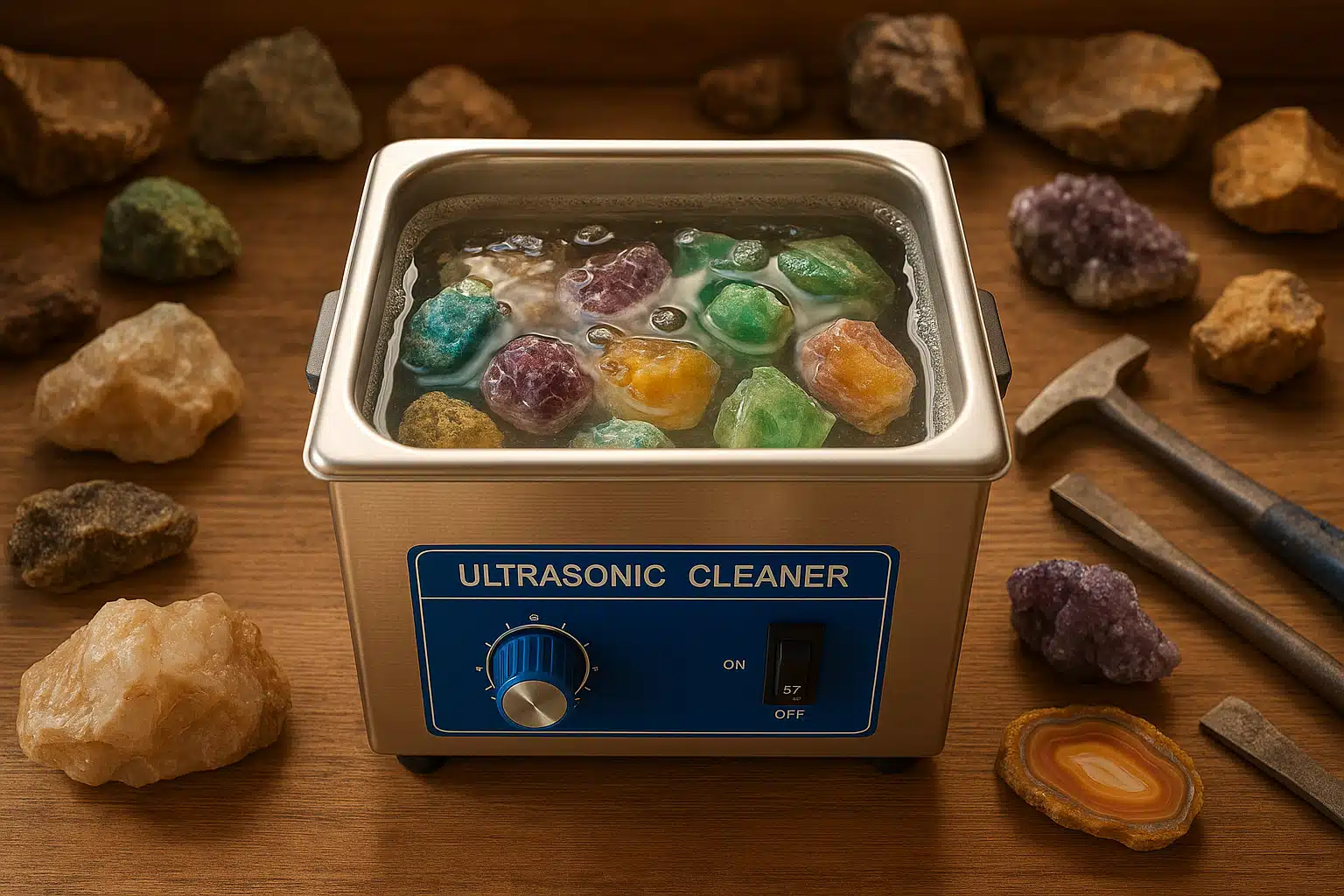
Understanding Ultrasonic Cleaners for Hobby Collectors
For anyone passionate about collecting rocks, minerals, fossils, or small treasures from nature, presentation matters. Whether you’re exploring geology as a hobby, building a personal mineral collection, or simply appreciate the natural beauty of stones, keeping your specimens clean can be challenging. Traditional cleaning methods often fall short—scrubbing can damage delicate surfaces, and hand-cleaning intricate pieces is time-consuming and frustrating. This is where ultrasonic cleaning technology offers an elegant solution.
Ultrasonic cleaners have become increasingly popular among hobbyists worldwide, but many collectors wonder whether investing in one is truly worthwhile. This comprehensive guide explores what ultrasonic cleaners are, how they work, their benefits for collectors, and what to consider when choosing one for your hobby needs.

What Is an Ultrasonic Cleaner and How Does It Work?
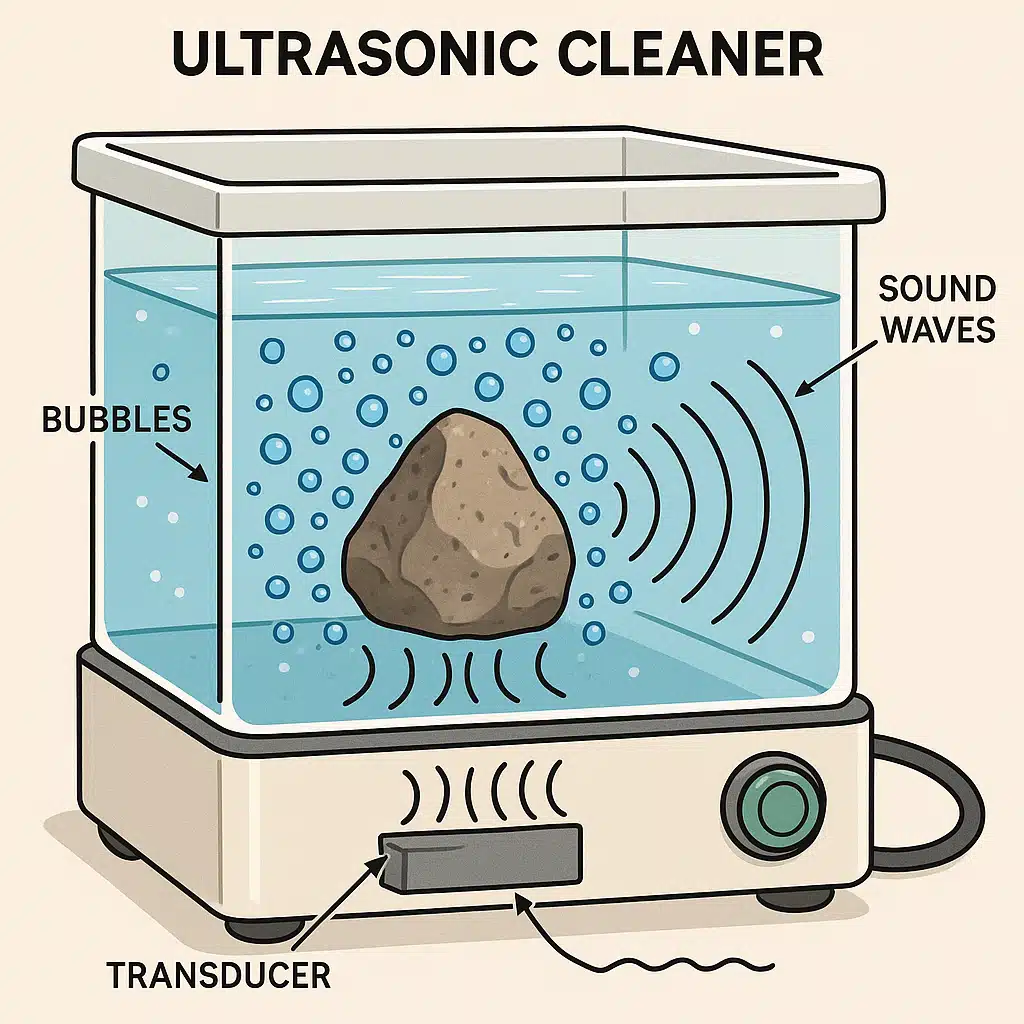
An ultrasonic cleaner is a specialized cleaning device that harnesses the power of high-frequency sound waves—typically between 20 kHz and 40 kHz—to create a thorough cleaning action. The device consists of a stainless steel tank filled with a cleaning solution (often just water with mild detergent) and a transducer that generates ultrasonic waves.
When activated, these sound waves travel through the liquid, creating alternating high-pressure and low-pressure cycles. During the low-pressure phase, microscopic bubbles form throughout the solution—a process called cavitation. These bubbles rapidly grow and then violently collapse against the surface of whatever you’re cleaning. This implosion creates powerful yet gentle cleaning action that reaches into every crack, crevice, and porous surface.
The beauty of this process is that it’s both thorough and non-abrasive. Unlike brushing or scrubbing, ultrasonic cleaning doesn’t rely on physical contact that could scratch or damage delicate specimens. The cavitation bubbles do all the work, dislodging dirt, oxidation, mineral deposits, and organic matter without harming the underlying material.
Key Benefits for Hobby Collectors
Investing in an ultrasonic cleaner can transform how you maintain and present your collection. Here are the primary advantages that make these devices particularly valuable for hobbyists:
Gentle Yet Thorough Cleaning
Many collectible specimens—whether minerals with delicate crystal formations, fossils with fine detail, or porous rocks—can be easily damaged by aggressive cleaning methods. Ultrasonic cleaners provide a safe alternative that preserves the integrity of fragile pieces while still removing stubborn dirt and debris. The cleaning action is consistent and controlled, reducing the risk of accidental damage that can occur with manual scrubbing.
Significant Time Savings
Hand-cleaning rocks and minerals, especially those with complex surfaces or numerous specimens, can consume hours of your time. An ultrasonic cleaner allows you to clean multiple items simultaneously—simply place them in the tank, set the timer, and let the machine do the work. Most cleaning cycles run between three and fifteen minutes, freeing you to focus on other aspects of your hobby or simply relax while your collection gets cleaned.
Access to Hard-to-Reach Areas
Minerals often have intricate crystal structures, deep cavities, and microscopic crevices that are impossible to clean thoroughly by hand. The cavitation bubbles created by ultrasonic cleaning penetrate these difficult areas, removing debris that would otherwise remain trapped. This level of cleaning reveals hidden beauty and detail in your specimens that manual methods simply cannot achieve.
Consistent Results
Unlike manual cleaning where results can vary based on technique, effort, and fatigue, ultrasonic cleaners deliver consistent cleaning quality every time. This uniformity is particularly valuable when preparing specimens for display, photography, or trading with other collectors.

Selecting the Right Ultrasonic Cleaner for Your Collection
Not all ultrasonic cleaners are created equal, and choosing the right one depends on your specific collecting interests and needs. Here are the key factors to consider when making your selection:
Tank Size and Capacity
Tank capacity is measured in liters or milliliters and determines how many items you can clean at once and the maximum size of individual specimens. For casual collectors with smaller pieces, a compact unit with a 400-600ml capacity may be sufficient. If you frequently find larger specimens or want to clean multiple items simultaneously, consider models with 1.5 to 3-liter tanks. Keep in mind that larger units require more storage space and use more cleaning solution, but they offer greater flexibility.
Frequency Settings
The ultrasonic frequency affects cleaning intensity. Higher frequencies (around 40 kHz) produce smaller, gentler bubbles ideal for delicate items and fine detail work. Lower frequencies (around 25-35 kHz) create larger, more aggressive bubbles suited for heavy-duty cleaning of robust specimens. Some advanced models offer adjustable frequency settings, providing versatility for different cleaning tasks. For general hobby collecting, a frequency around 35-40 kHz offers a good balance.
Power and Wattage
Higher wattage generally means more powerful cleaning action, but it also affects energy consumption. For hobby use, units between 35 and 100 watts typically provide adequate cleaning power without excessive energy costs. Match the power level to your typical cleaning needs—delicate mineral specimens require less power than heavily soiled field finds.
Heating Functionality
Some ultrasonic cleaners include a heating element that warms the cleaning solution, typically to temperatures between 40°C and 65°C (104°F to 149°F). Heated solutions enhance cleaning effectiveness, especially for removing organic matter, oils, and stubborn residues. While not essential, this feature can be beneficial for collectors who frequently deal with heavily soiled specimens. However, be cautious with heat-sensitive materials.
Timer and Control Features
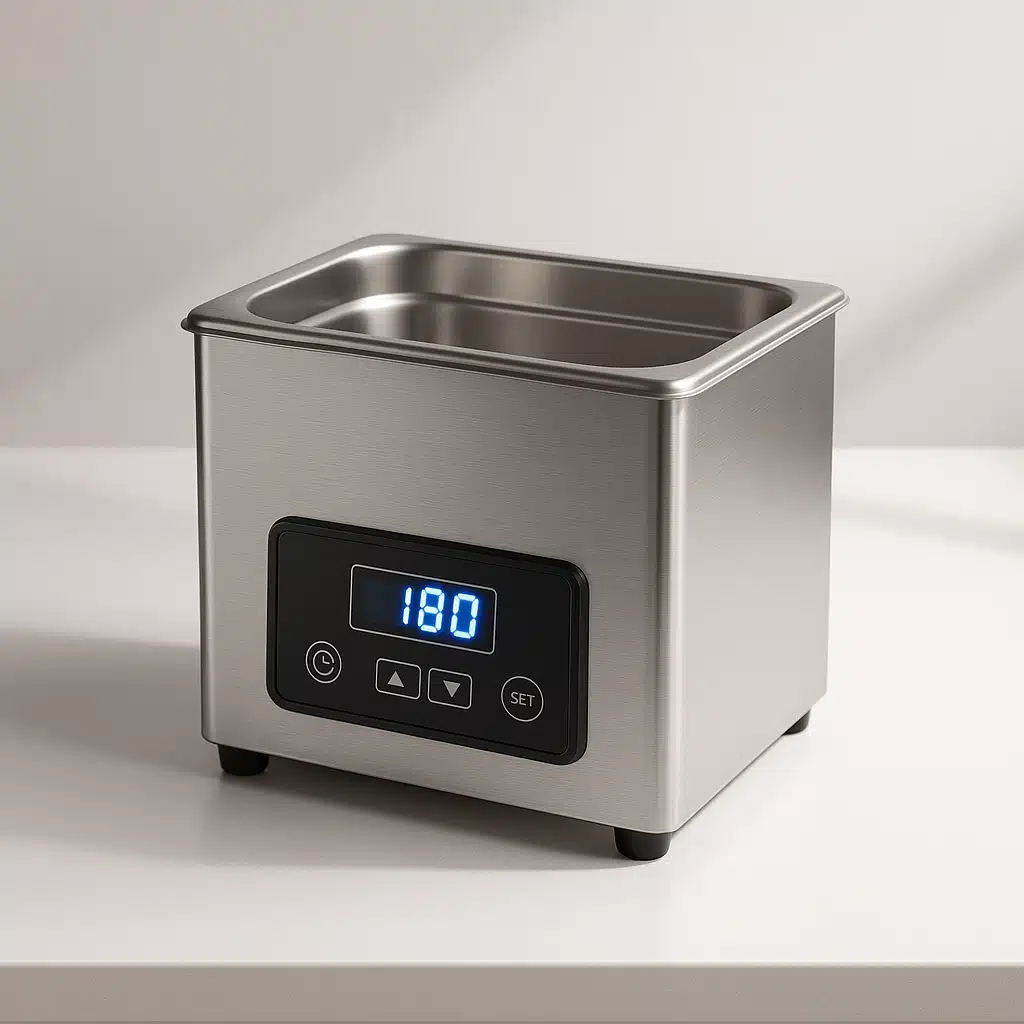
Digital timers allow precise control over cleaning cycles, preventing over-cleaning that might damage sensitive specimens. Look for models with adjustable timers ranging from 1 to 30 minutes. Some advanced units also offer preset cleaning cycles optimized for different materials, though manual control is usually sufficient for hobby purposes.
Build Quality and Durability
A quality ultrasonic cleaner should feature a stainless steel tank, which resists corrosion and is easy to clean. The housing should be sturdy, with a secure lid to minimize noise during operation. Check user reviews regarding reliability and manufacturer support, as a well-built unit should provide years of service.
Practical Applications for Collectors
Understanding the theory behind ultrasonic cleaning is valuable, but seeing practical applications helps illustrate the true value for hobby collectors:
Mineral Specimen Preparation
After a day of field collecting, your newly found quartz crystals, calcite formations, or agate pieces are often covered in clay, dirt, and mineral deposits. An ultrasonic cleaner can transform these rough finds into display-worthy specimens in minutes. The cleaning action removes matrix material from crystal surfaces, reveals hidden color and clarity, and brings out the natural luster that makes minerals so captivating.
Fossil Cleaning
Fossils embedded in limestone, shale, or other sedimentary rocks benefit tremendously from ultrasonic cleaning. The cavitation bubbles gently remove sediment from delicate fossil surfaces without the risk of breaking fragile structures. This is particularly valuable for cleaning small fossils like teeth, shells, or plant impressions where detail preservation is critical.
Jewelry and Decorative Pieces
Many collectors create jewelry or decorative items from polished stones and minerals. Ultrasonic cleaners excel at maintaining these pieces, removing oils, dust, and tarnish from settings and stones alike. This extends the life and appearance of your handcrafted items or purchased pieces.
Tool and Equipment Maintenance
The same ultrasonic cleaner that cleans your specimens can also maintain your collecting tools. Rock hammers, chisels, brushes, and other field equipment accumulate dirt and mineral deposits that can be efficiently removed through ultrasonic cleaning, extending tool life and maintaining their effectiveness.

Common Misconceptions About Ultrasonic Cleaners
Several myths and misunderstandings surround ultrasonic cleaning technology. Clarifying these helps collectors make informed decisions:
Misconception: Only for Jewelry
While ultrasonic cleaners are widely marketed for jewelry cleaning, their applications extend far beyond precious metals and gems. They’re equally effective for rocks, minerals, fossils, coins, electronics components, eyeglasses, watches, and countless other items. The technology is versatile, making it a worthwhile investment for multi-purpose use beyond just your collecting hobby.
Misconception: Can Clean Any Material Safely
Not all materials are suitable for ultrasonic cleaning. Certain gemstones and minerals—particularly those with fractures, treatments, or organic composition—can be damaged by the cavitation process. Opals, pearls, emeralds, and some porous stones should generally be cleaned using alternative methods. Always research the specific materials in your collection before subjecting them to ultrasonic cleaning.
Misconception: Expensive and Complex
Modern ultrasonic cleaners designed for home and hobby use are remarkably affordable and simple to operate. Basic models suitable for rock and mineral collecting are available at accessible price points, and operation is typically as simple as filling the tank, setting a timer, and pressing start. Maintenance involves little more than periodically cleaning the tank and changing the solution.
Misconception: Instant Miracle Cleaning
While ultrasonic cleaners are highly effective, they’re not magical. Extremely stubborn encrustations may require multiple cleaning cycles or pre-treatment. Some specimens may need mechanical assistance for initial gross cleaning before ultrasonic finishing. Understanding realistic expectations ensures satisfaction with your results.
Best Practices for Ultrasonic Cleaning
To maximize the effectiveness and safety of ultrasonic cleaning for your collection, follow these recommended practices:
- Test First: Before cleaning valuable or unfamiliar specimens, test on a similar but less valuable piece to ensure the material tolerates the process.
- Use Appropriate Solutions: Plain water works for basic cleaning, but adding a few drops of mild dish soap or specialized ultrasonic cleaning solution enhances results. Avoid harsh chemicals unless specifically recommended for your materials.
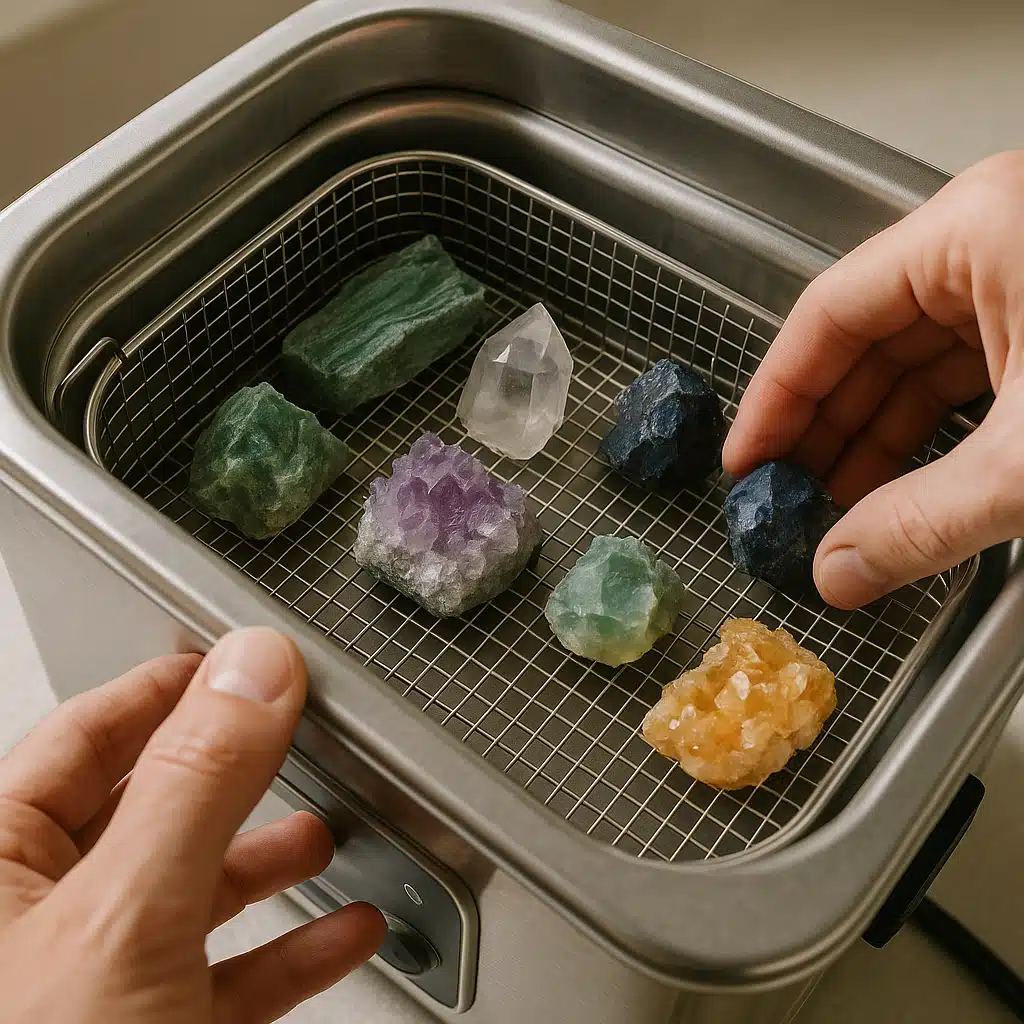
- Don’t Overcrowd: Allow adequate space between items in the tank for the cleaning solution to circulate. Overcrowding reduces effectiveness and may cause specimens to damage each other through vibration contact.
- Monitor Delicate Items: For fragile specimens, start with shorter cleaning cycles and inspect frequently. You can always clean longer, but you cannot reverse damage.
- Rinse Thoroughly: After ultrasonic cleaning, rinse items with clean water to remove any remaining cleaning solution and dislodged debris.
- Dry Properly: Pat dry with soft, lint-free cloths or allow to air dry completely to prevent water spots and mineral deposits from tap water.
- Regular Maintenance: Clean your ultrasonic cleaner tank regularly to prevent buildup of residues that could reduce effectiveness or contaminate future cleaning sessions.
Cost-Benefit Analysis for Hobby Collectors
When considering whether an ultrasonic cleaner is worth the investment, weigh the costs against the benefits specific to your collecting activities:
Initial Investment: Entry-level units suitable for hobby collecting typically represent a modest investment comparable to other specialized hobby equipment. This one-time cost provides years of use.
Operating Costs: Ultrasonic cleaners consume minimal electricity, especially compact models. Cleaning solution costs are negligible if using diluted dish soap, though specialized solutions add minor ongoing expense.
Time Value: If you regularly clean specimens and value your time, the hours saved over a year of collecting can justify the purchase from time savings alone. What might take hours manually can be accomplished in minutes.
Collection Value: Properly cleaned specimens look more attractive for display, photography, or trading. If you participate in mineral shows, online sales, or exchanges, the enhanced presentation can increase the perceived and actual value of your collection.
Preservation Benefits: Gentle, effective cleaning can actually preserve specimens by removing potentially damaging contaminants without the wear associated with repeated manual cleaning.
For collectors who are serious about their hobby, regularly acquire new specimens, and value quality presentation, an ultrasonic cleaner typically pays for itself through time savings and improved results within the first year of use.
Alternatives to Consider
While ultrasonic cleaners offer significant advantages, they’re not the only option for maintaining your collection. Understanding alternatives helps you make an informed decision:
Manual Cleaning: Brushes, picks, and cloths remain essential tools, particularly for initial gross cleaning and for specimens unsuitable for ultrasonic treatment. Manual methods require more time and effort but involve no equipment cost.
Soaking Methods: Extended soaking in water or mild cleaning solutions can loosen dirt and deposits, followed by gentle brushing. This low-cost approach works well but requires patience and doesn’t reach intricate areas as effectively.
Tumbling: Rock tumblers polish stones through extended tumbling with abrasive grit, but this is a completely different process intended for smoothing and polishing rather than cleaning, and it permanently alters the specimen surface.
Professional Cleaning Services: Some specialized dealers and services offer professional specimen cleaning, which can be cost-effective for occasional needs or extremely valuable pieces, but impractical for regular maintenance of an active collection.
Each method has its place, and many serious collectors use a combination approach—ultrasonic cleaning for delicate detailed work and regular maintenance, with manual methods for initial processing and unsuitable materials.
Making Your Decision
Determining whether an ultrasonic cleaner is worth the investment ultimately depends on your individual circumstances, collecting habits, and priorities. Consider these questions:
- How frequently do you acquire new specimens that need cleaning?
- Do you value your time and seek efficient solutions for routine maintenance tasks?
- Does your collection include delicate specimens that are difficult to clean manually?
- Are you interested in achieving professional-quality presentation for your collection?
- Would you use the cleaner for multiple purposes beyond just rock and mineral collecting?
- Can you accommodate the storage space for the device?
- Does the investment fit comfortably within your hobby budget?
If you answered yes to several of these questions, an ultrasonic cleaner likely represents a worthwhile addition to your collecting toolkit. For casual collectors with small collections or those who don’t mind manual cleaning processes, the investment may be less critical.
Final Thoughts
Ultrasonic cleaners have earned their place in the toolkit of serious hobbyists across numerous collecting fields, from minerals and fossils to coins and vintage items. The technology offers a unique combination of gentle yet thorough cleaning that manual methods struggle to match, particularly for intricate specimens with complex surfaces.
For collectors who regularly work with their specimens, value presentation quality, and appreciate efficient tools that save time while delivering consistent results, an ultrasonic cleaner is absolutely worth the investment. The initial cost is modest compared to other specialized hobby equipment, operating expenses are minimal, and the device will serve reliably for years with proper care.
Beyond the practical benefits, there’s genuine satisfaction in watching a dirt-covered field find transform into a sparkling specimen ready for display, knowing that the cleaning process was both effective and safe for the material. For many collectors, this alone makes ultrasonic cleaning technology a valued part of their hobby experience.
Whether you’re just starting your collecting journey or have been pursuing the hobby for years, adding an ultrasonic cleaner to your workspace can elevate the quality of your collection maintenance and enhance your overall enjoyment of this rewarding pursuit.