Understanding Hair Damage: The Truth About Hair Dryers and Effective Drying Methods
Many people assume that air-drying hair is the safest approach to avoid damage, while blow-drying is often blamed for dryness, breakage, and color fading. However, recent scientific research challenges these common beliefs and reveals surprising truths about how different drying methods affect hair health. Understanding the facts can help you protect your hair and maintain its strength, shine, and vitality.
What Research Reveals About Hair Dryer Damage
A comprehensive study conducted in 2011 examined the effects of heat styling on hair structure and health. The research aimed to investigate widespread concerns that blow-drying causes roughness, moisture loss, and color degradation. The findings provided valuable insights that contradict many popular assumptions about hair care.
Key Findings from Scientific Research
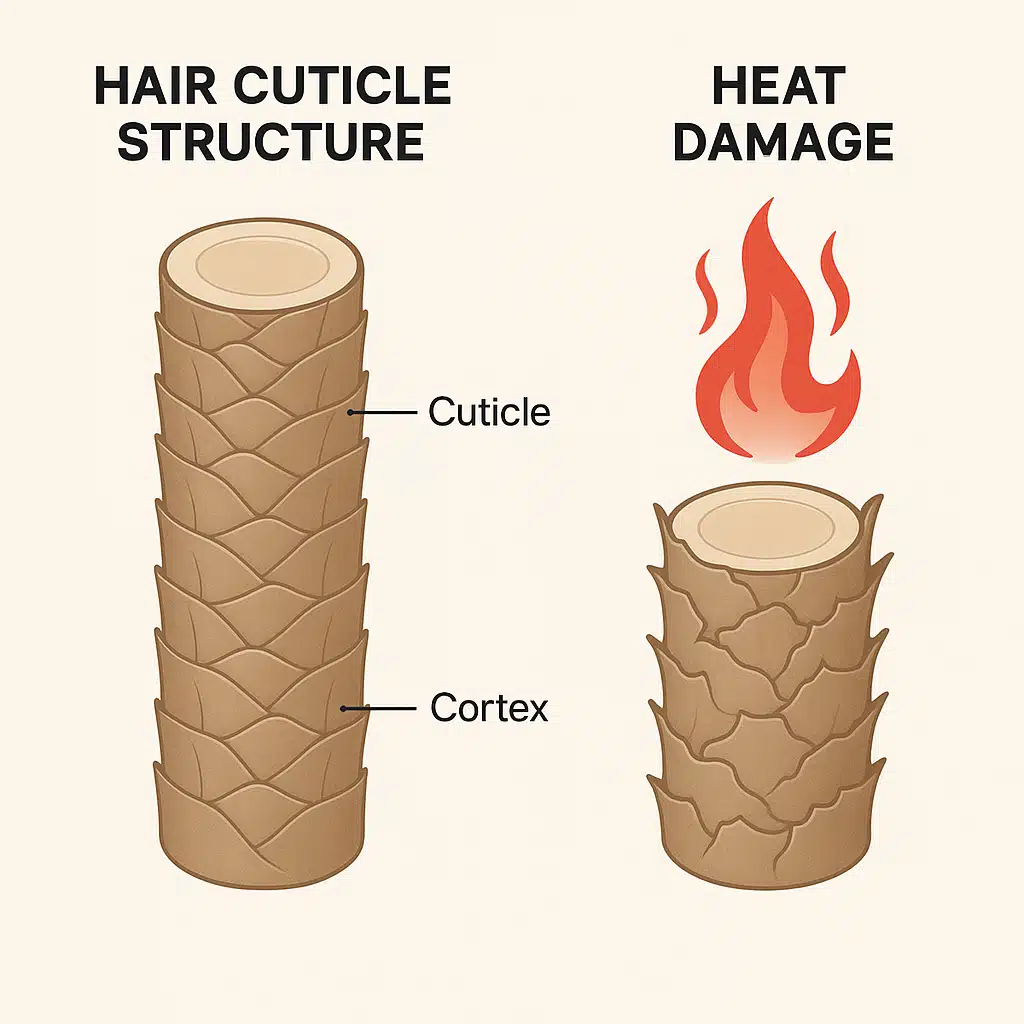
- Temperature matters significantly: Higher heat settings cause more damage to the hair cuticle, the protective outer layer of each strand.
- The scalp remains protected: Heat exposure does not directly harm the scalp, as the hair cuticle acts as a natural defensive barrier.
- Moisture retention: Contrary to popular belief, blow-drying does not strip essential moisture from hair when used correctly.
- Distance is critical: When a hair dryer is held at least 15 centimeters (approximately 6 inches) away from the hair, it causes less overall damage than air-drying.
- Color-treated hair considerations: If dryer temperature exceeds 95 degrees Celsius (203 degrees Fahrenheit), color-treated hair may experience slight lightening after repeated exposure.
- Method comparison: While surface damage from heat is visible, the internal structural damage from prolonged wetness can be more severe.
Why Air-Drying Can Be More Damaging Than You Think
Most people believe that avoiding heat altogether and letting hair dry naturally is the gentlest approach. This assumption, however, overlooks the structural changes that occur when hair remains wet for extended periods.
The Science of Wet Hair
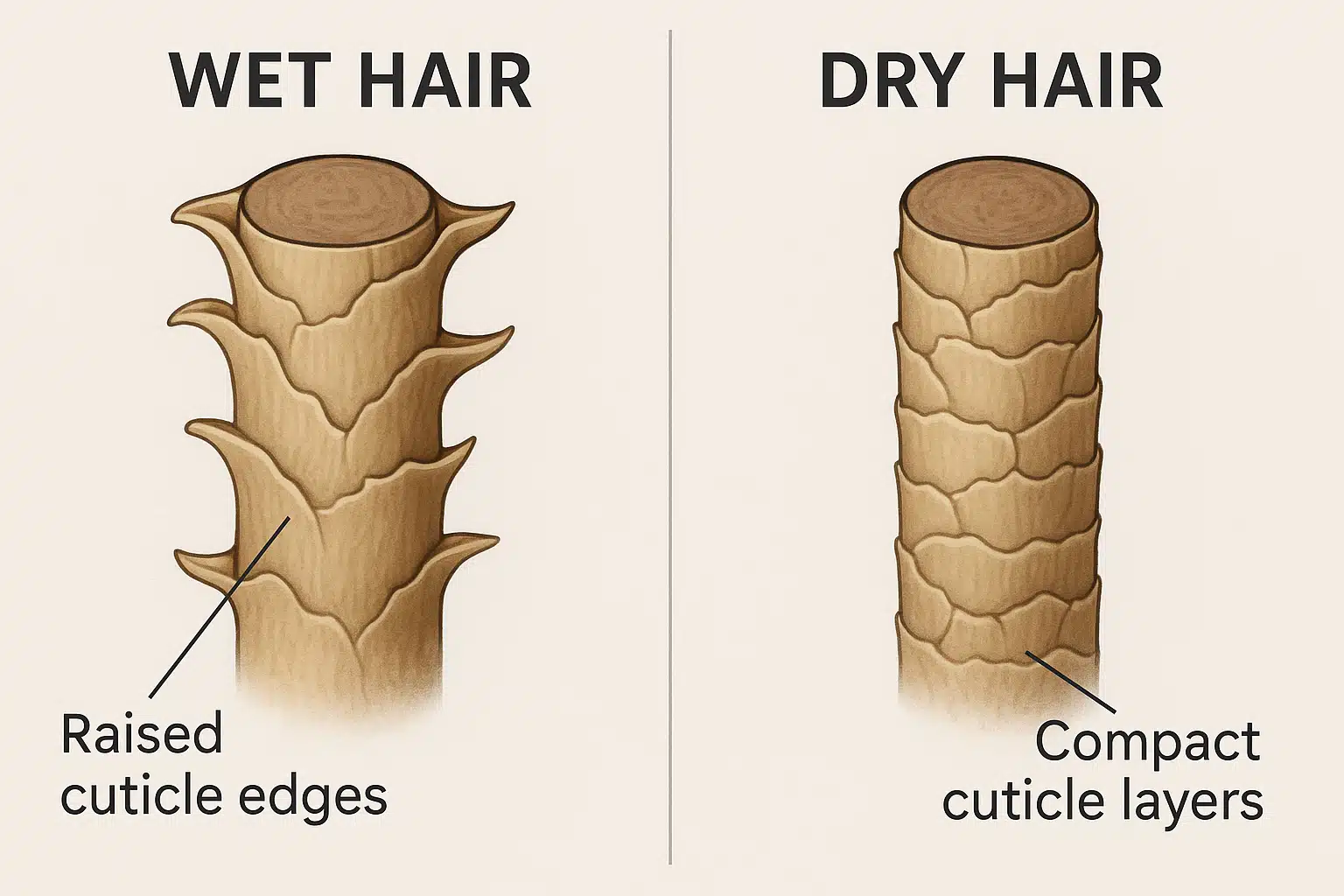
When hair becomes saturated with water, its molecular structure undergoes immediate transformation. Water molecules penetrate through gaps in the cuticle layer, causing the hair shaft to swell significantly. This swelling process weakens the structural integrity of each strand.
Hair can absorb up to 30% of its weight in water. The longer it remains in this swollen state, the more stress is placed on the cellular membrane complex—the adhesive substance that holds cuticle layers together. Think of it like a sponge that repeatedly expands and contracts; over time, the material begins to break down.
Prolonged dampness causes the cellular membrane to crack and deteriorate. This repeated cycle of swelling and slow drying leads to cumulative damage that manifests as split ends, breakage, frizz, and loss of elasticity. Therefore, drying hair quickly and efficiently actually helps preserve its structural integrity.
Choosing the Right Hair Dryer to Minimize Damage
Not all hair dryers are created equal. Investing in a quality device with proper temperature controls can make a significant difference in protecting your hair from heat damage.
Essential Features to Look For
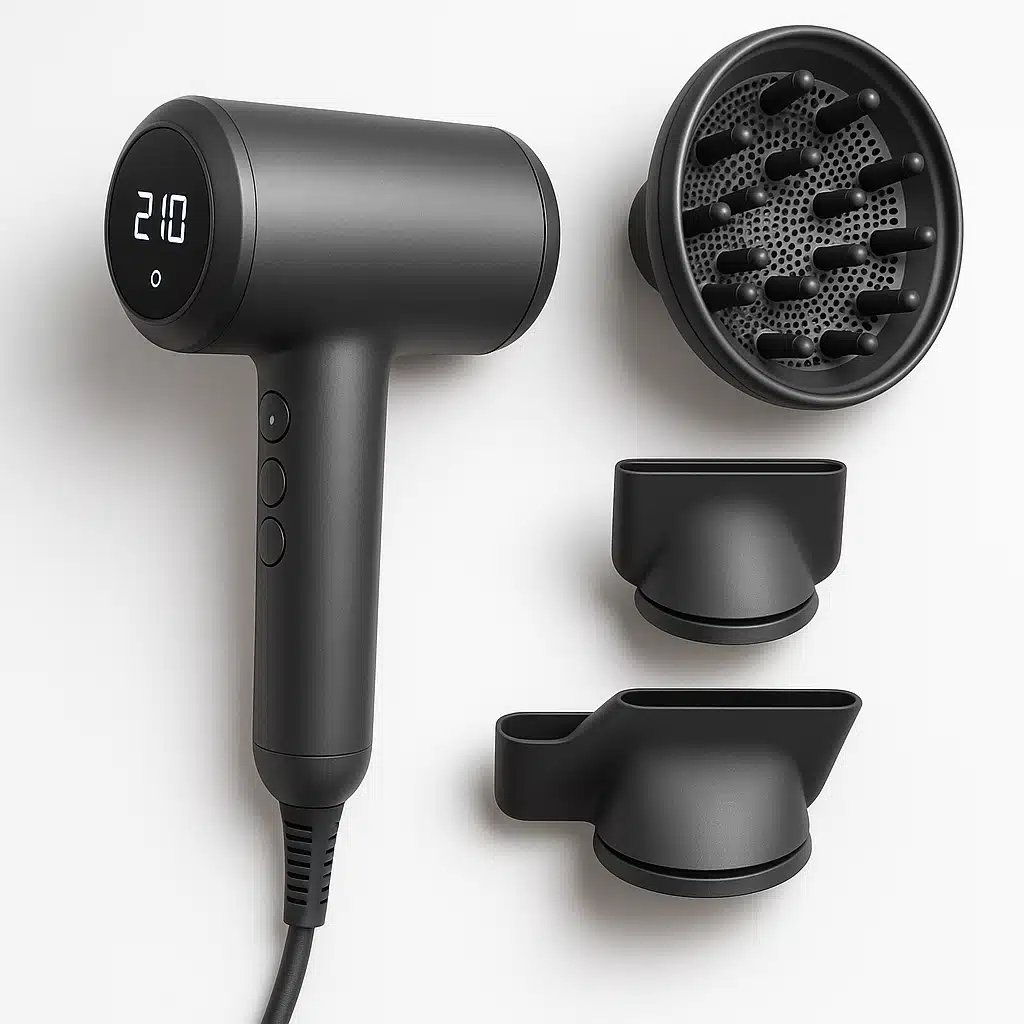
When selecting a hair dryer, prioritize models that offer multiple heat settings. The ideal device should provide at least three temperature options: high heat, medium heat, and cool air. Advanced models may include digital temperature displays that show the actual heat output, allowing for precise control.
Avoid inexpensive hair dryers that lack temperature regulation. These devices often produce inconsistent heat that can unexpectedly spike to damaging levels. While professional-grade hair dryers represent a larger initial investment, they typically include technologies designed to distribute heat more evenly and prevent hot spots that cause localized damage.
Matching Temperature Settings to Your Hair Type
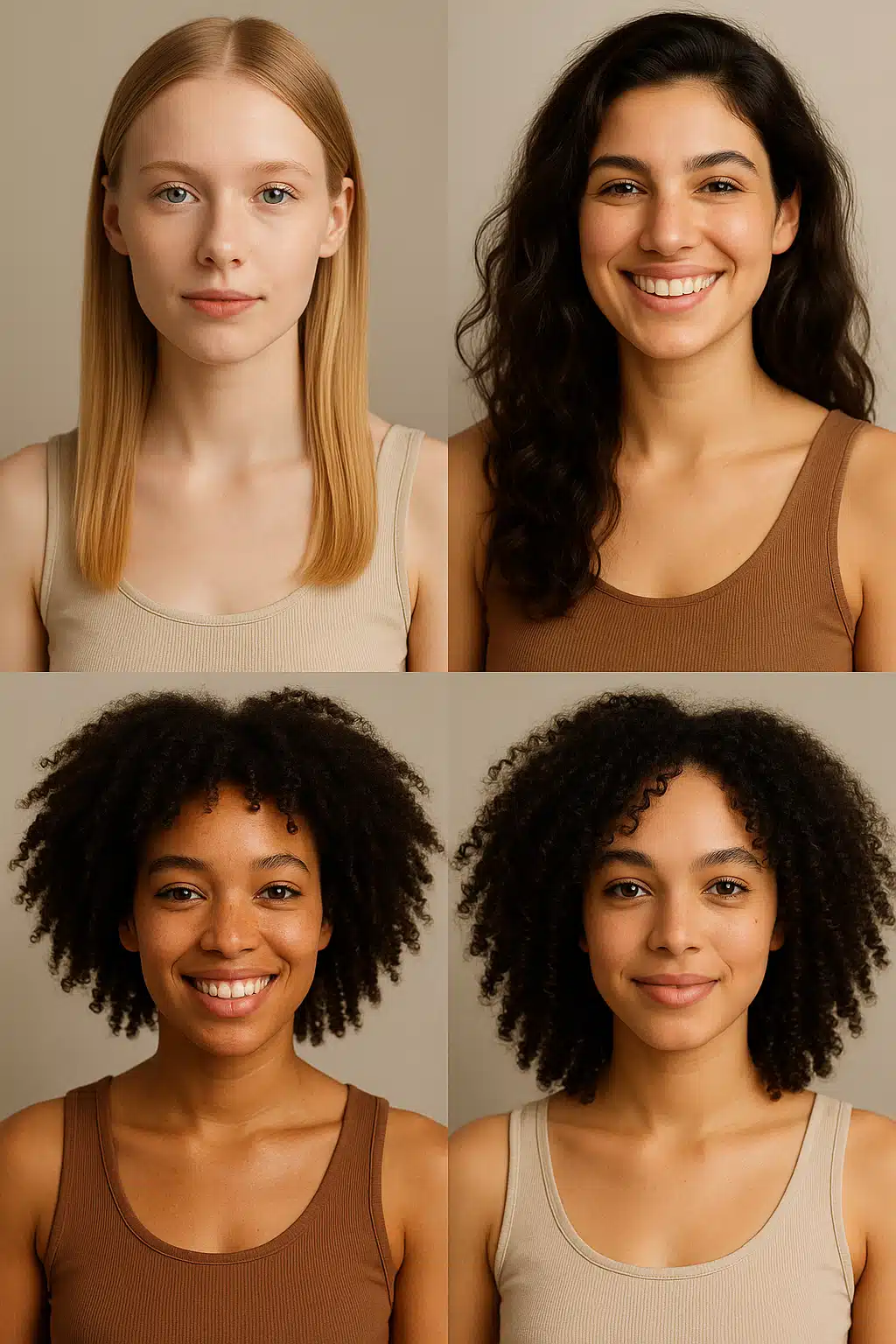
Different hair types require different approaches to heat styling. Understanding your hair’s characteristics will help you select the appropriate temperature settings.
Fine or Thin Hair
Fine hair has a smaller diameter and less protective cuticle layers, making it more vulnerable to heat damage. If your hair is thin or delicate, always use lower temperature settings. Start with cool or warm air rather than hot, and increase heat only if necessary. Fine hair dries quickly, so high heat is rarely required.
Thick, Coarse, or Curly Hair
Thick and curly hair types typically have more cuticle layers and higher density, which means they can tolerate slightly higher temperatures. However, “tolerate” does not mean “require.” Even thick hair should never be exposed to excessive heat. Medium to warm settings usually provide sufficient drying power while minimizing damage risk.
Color-Treated or Chemically Processed Hair
Hair that has been colored, bleached, permed, or chemically straightened is already compromised and more susceptible to heat damage. Use lower temperatures consistently and consider increasing drying time rather than heat intensity.
Protective Products: Your First Line of Defense
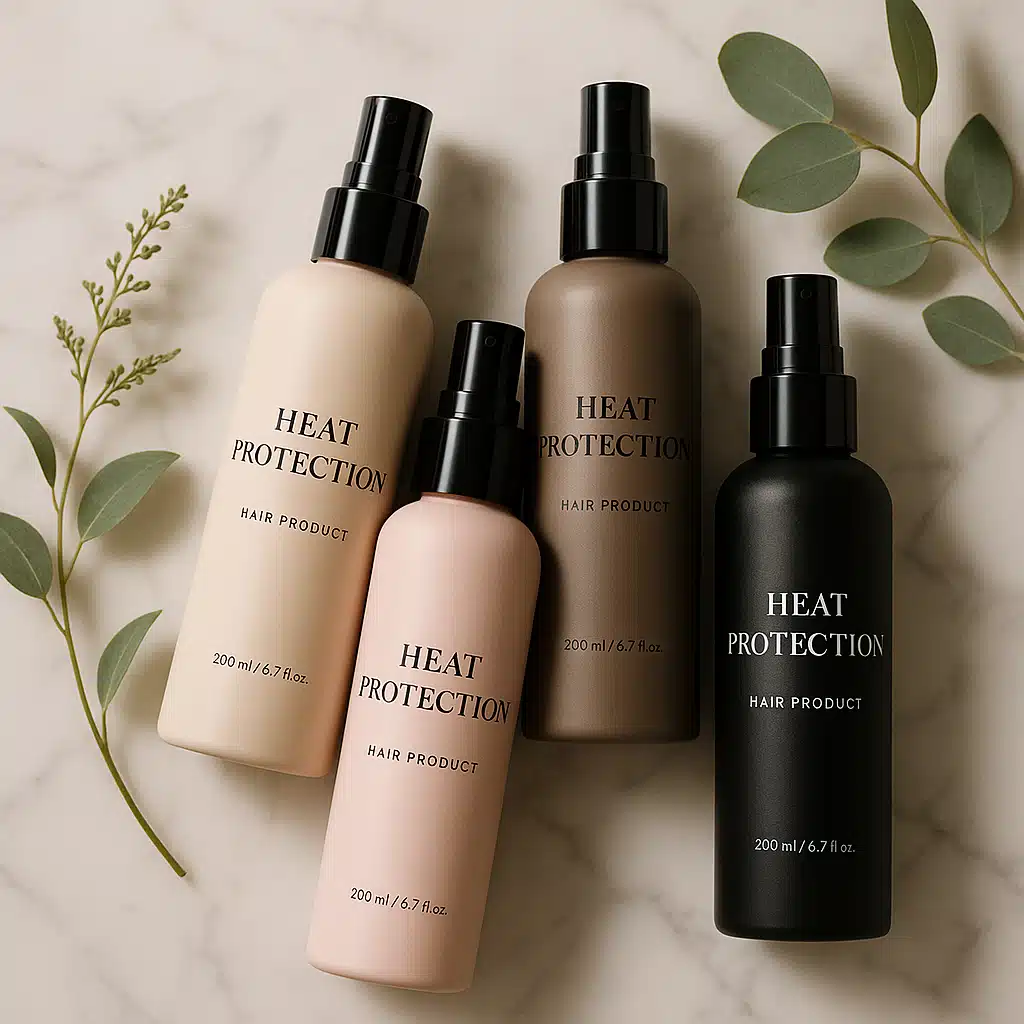
Before applying any heat to your hair, use protective products specifically formulated to create a barrier between your strands and high temperatures. These products work by coating the hair shaft and reducing moisture loss while distributing heat more evenly.
Types of Heat Protection Products
Heat protectants come in various formulations including sprays, creams, serums, and leave-in treatments. Each type offers different benefits:
- Sprays: Lightweight and easy to distribute evenly, ideal for fine to medium hair
- Creams and lotions: Provide additional moisture and control, suitable for thick or dry hair
- Serums: Offer concentrated protection and smoothing benefits, best for frizz-prone hair
- Leave-in conditioners with heat protection: Combine detangling, moisturizing, and protective benefits
Look for products containing silicones such as dimethicone or cyclomethicone. These ingredients create a protective coating that shields hair from heat while adding shine. Other beneficial ingredients include panthenol (pro-vitamin B5), keratin proteins, and natural oils.
Apply the product to damp hair after towel-drying, using your fingers or a wide-tooth comb to distribute it evenly from roots to ends. Pay special attention to the mid-lengths and tips, as these areas are oldest and most vulnerable to damage.
Step-by-Step Method for Safe Hair Drying
Following a structured drying routine helps minimize damage while achieving optimal results. This method balances efficiency with hair protection.
Step 1: Towel Drying
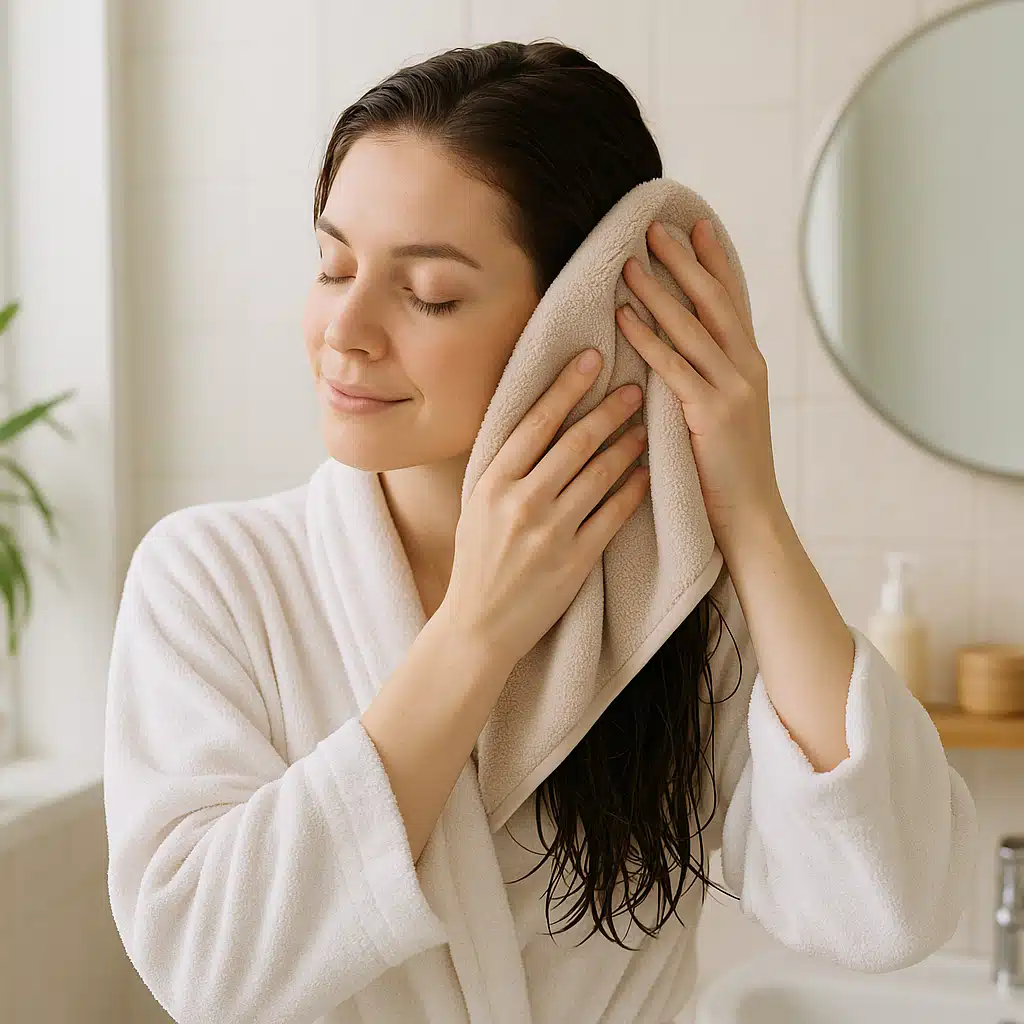
After washing, gently remove excess water with a towel. Never rub vigorously or twist your hair, as this causes friction damage and breakage. Instead, use a pressing or squeezing motion. Microfiber towels or old t-shirts work particularly well because their soft texture creates less friction than traditional terry cloth towels.
Step 2: Apply Heat Protection
With hair still damp, apply your chosen heat protectant product throughout your hair, ensuring even coverage.
Step 3: Section Your Hair
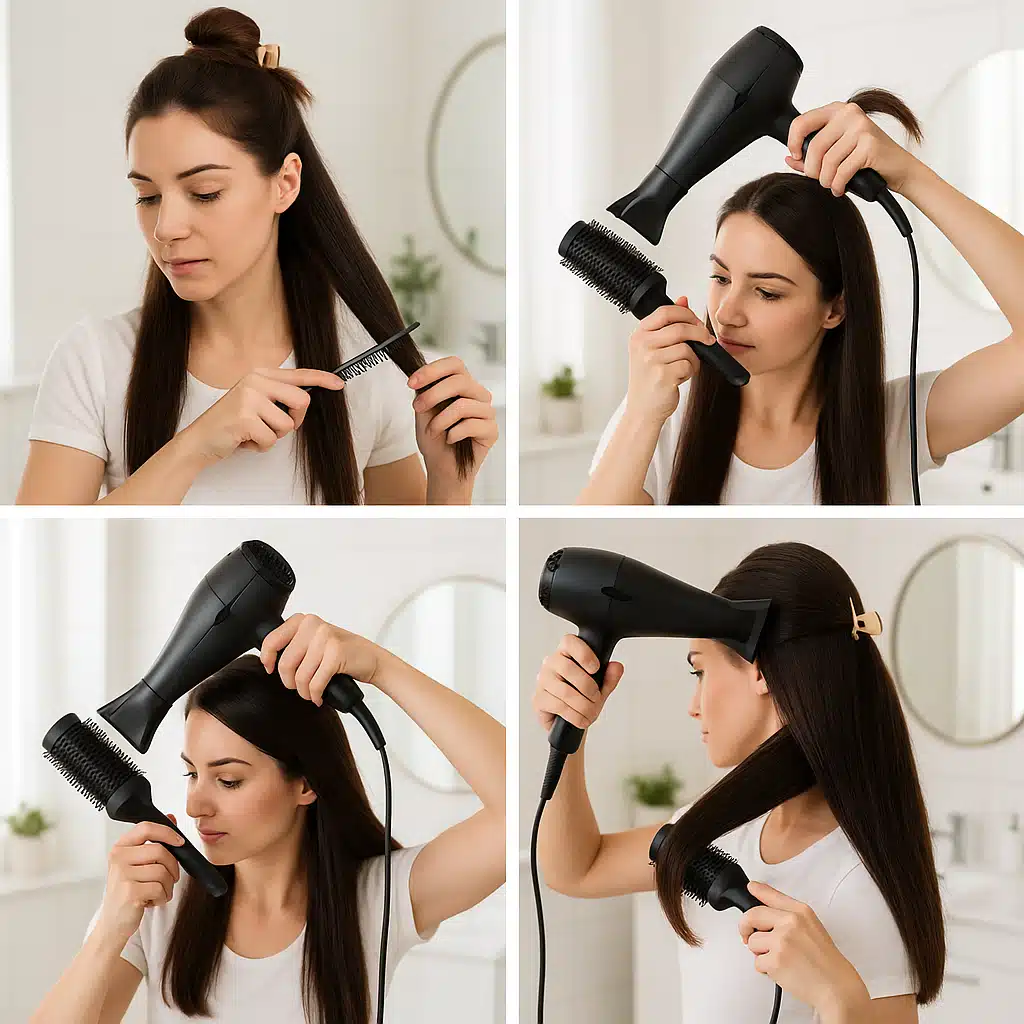
Divide your hair into manageable sections. For most people, four to six sections work well. Use clips to hold sections in place while you work through each area systematically. This approach ensures that each section receives appropriate attention and prevents over-drying some areas while under-drying others.
Step 4: Begin with Low Heat
Set your dryer to the lowest or coolest setting. Begin drying your hair, maintaining a distance of at least 15 centimeters (6 inches) from your scalp and strands. Keep the dryer moving continuously rather than focusing heat on one spot. Work through each section until your hair is approximately 40-50% dry.
Use your fingers to gently lift roots away from your scalp, allowing air circulation and creating natural volume. You can also flip your head forward to let hair fall away from your head, which helps dry the underside more efficiently.
Step 5: Increase to Medium Heat
Once hair is partially dry, adjust the temperature to medium or warm, depending on your hair type. Continue drying each section, directing airflow from roots to ends. This technique helps smooth the cuticle and reduce frizz.
If you’re using a brush, choose a paddle brush for straight styles or a round brush for volume and smoothness. For curly hair, use a diffuser attachment to distribute air more gently and preserve curl pattern. Continue until hair is approximately 90% dry.
Step 6: Cool Down Phase
Switch the hair dryer to its cool setting for the final phase. Direct cool air over your hair for one to two minutes. This cooling process helps seal the cuticle, lock in your style, reduce frizz, and add shine. It also brings your scalp back to a comfortable temperature.
Step 7: Final Air Drying
Once hair is cooled and mostly dry, turn off the dryer and allow any remaining slight dampness to air-dry naturally. At this stage, moisture content is minimal, so the negative effects of prolonged wetness are no longer a concern.
Essential Hair Care Practices for Healthy Hair
Beyond proper drying techniques, maintaining healthy hair requires attention to several fundamental practices. These guidelines help protect hair from damage and promote optimal growth and appearance.
1. Never Brush Wet Hair
Wet hair is significantly more fragile than dry hair due to the swelling of the hair shaft. Brushing when wet can cause severe breakage and split ends. Instead, use a wide-tooth comb to gently detangle, starting from the ends and gradually working toward the roots. Alternatively, detangle hair before washing or wait until it’s mostly dry.
2. Avoid Prolonged Dampness
As discussed earlier, leaving hair wet for extended periods causes structural damage. Dry your hair within a reasonable timeframe after washing, and never go to bed with wet or damp hair. Sleeping on wet hair creates friction against your pillow, leading to breakage, and keeps hair in a weakened swollen state for hours.
3. Maintain Optimal Temperature Range
Keep your hair dryer temperature between 80 to 100 degrees Celsius (176 to 212 degrees Fahrenheit) for most hair types. Higher temperatures may be acceptable for very brief periods on thick hair, but consistent exposure to extreme heat will cause cumulative damage regardless of hair type.
4. Support Hair Health from Within
Hair is a reflection of your overall health and nutrition. What you eat directly impacts hair strength, growth rate, and appearance. Ensure your diet includes adequate protein, as hair is primarily composed of keratin protein. Iron deficiency is particularly associated with hair loss and weakness, so include iron-rich foods such as leafy greens, legumes, lean meats, and fortified grains.
Other important nutrients for hair health include biotin, vitamin E, omega-3 fatty acids, zinc, and vitamin D. Stay well-hydrated, exercise regularly to improve circulation to the scalp, and manage stress levels, as chronic stress can trigger hair loss and affect hair quality.
5. Master Gentle Towel Technique
Your towel-drying method matters more than you might think. Never vigorously rub your hair with a towel, as this creates friction that roughens the cuticle and causes breakage. The proper technique involves gently pressing the towel against your hair and squeezing out excess water. You can also wrap hair in the towel and let it absorb moisture for a few minutes, then gently squeeze sections.
Consider using microfiber towels or special hair towels designed to absorb water quickly while creating minimal friction. These alternatives are gentler on hair structure and can reduce drying time.
Additional Tools and Accessories for Hair Protection
Beyond the basic hair dryer, several accessories can enhance your drying routine and provide additional protection.
Diffuser Attachments
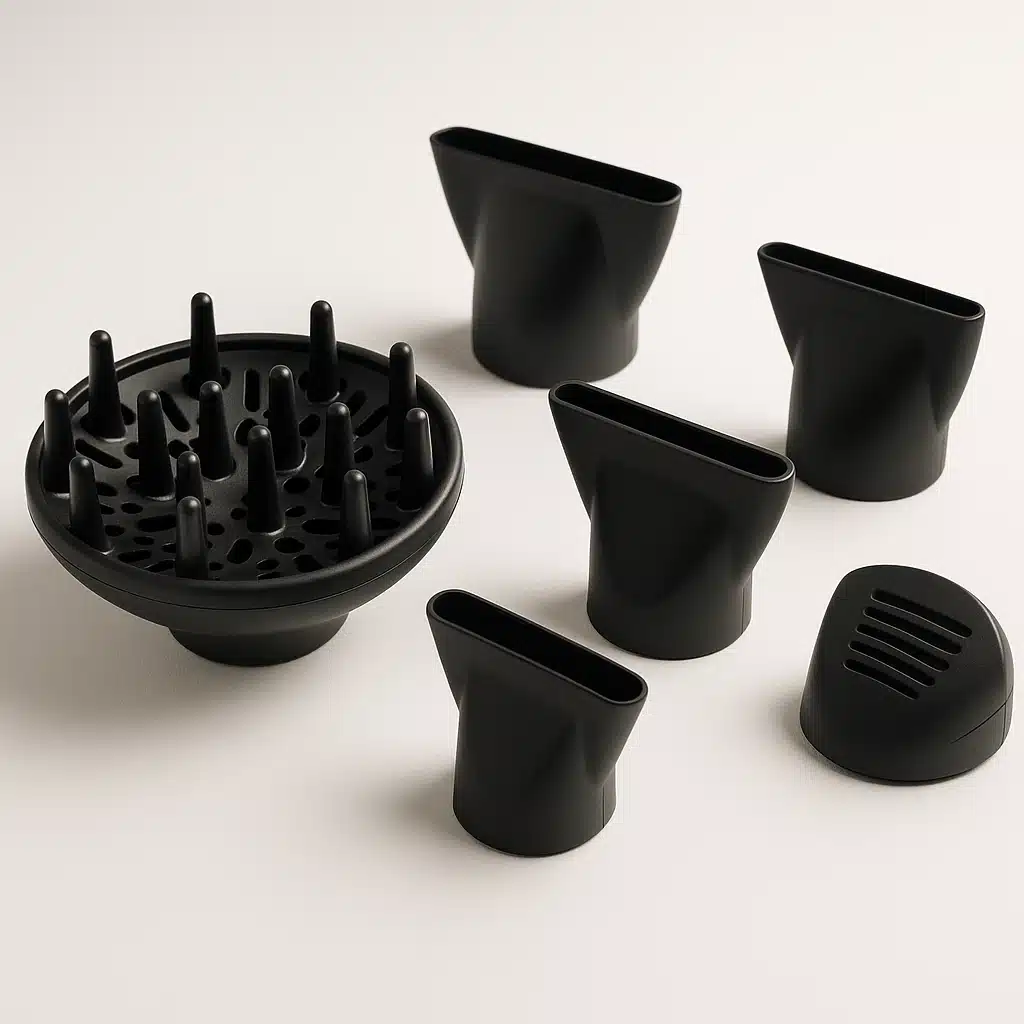
Diffusers spread airflow over a larger area, reducing heat intensity on any single section of hair. They’re particularly beneficial for curly and wavy hair types, as they help preserve natural curl pattern while minimizing frizz. Even for straight hair, diffusers can provide gentler drying.
Concentrator Nozzles
These narrow attachments focus airflow for more precise styling and faster drying. When used correctly with proper distance and movement, concentrators can actually reduce damage by decreasing overall drying time.
Heat-Resistant Gloves
For those who like to use their hands to shape hair while drying, heat-resistant gloves protect your fingers while allowing you to work closer to the heat source without discomfort.
Common Hair Drying Mistakes to Avoid
Understanding what not to do is just as important as knowing proper techniques. Avoid these common errors to protect your hair.
- Holding the dryer too close: Maintaining proper distance is crucial. Too close, and you concentrate damaging heat on a small area.
- Using maximum heat unnecessarily: High heat may seem faster, but it causes more damage and isn’t significantly more efficient than medium heat.
- Keeping the dryer stationary: Always keep the dryer moving to distribute heat evenly and prevent hot spots.
- Drying from ends to roots: This technique works against the natural direction of the cuticle. Always direct airflow from roots toward ends.
- Over-drying: Leaving hair completely bone-dry can actually make it more brittle. Slight dampness before final air-drying is ideal.
- Skipping heat protection: This simple step provides significant protection and shouldn’t be overlooked.
- Using the wrong brush: Metal brushes conduct heat and can burn hair. Choose ceramic, tourmaline, or wooden brushes for heat styling.
When to Consider Professional Treatments
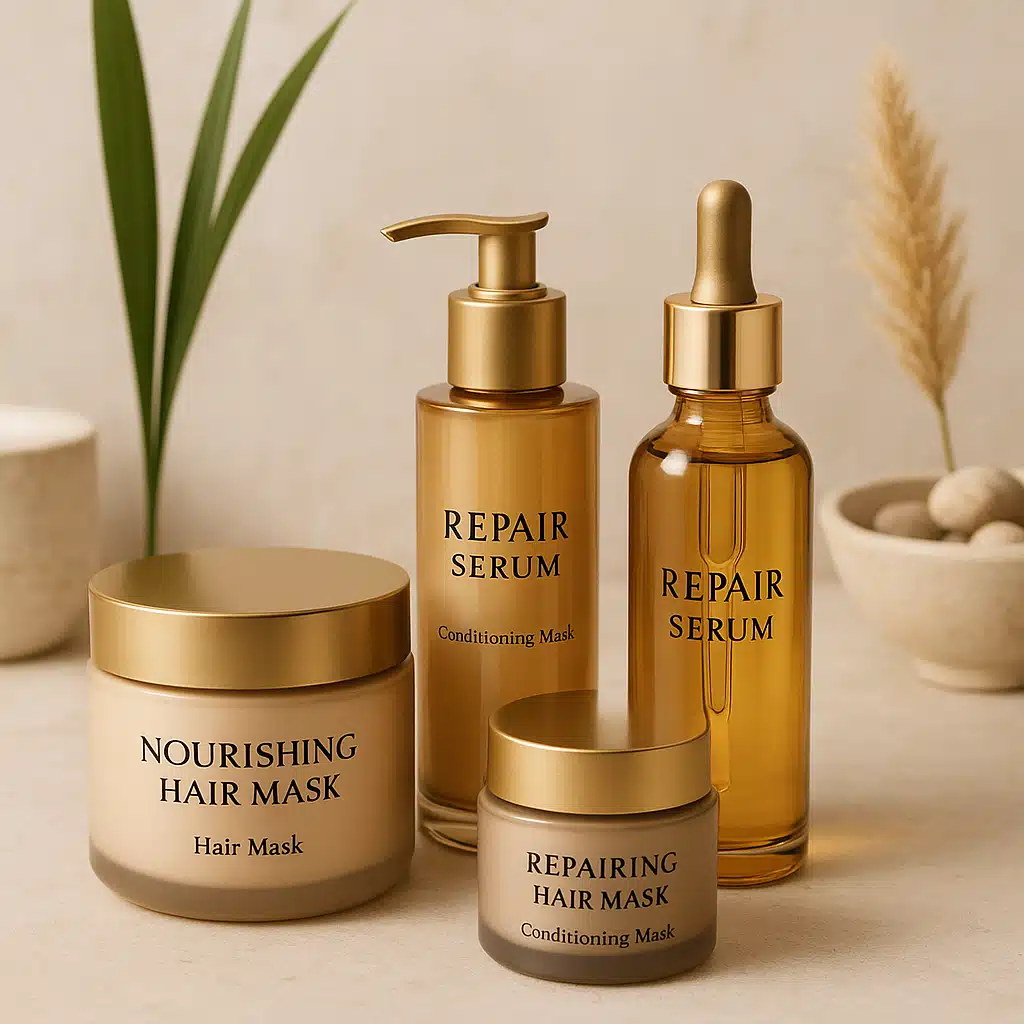
If your hair is already significantly damaged, consider professional treatments that can help restore strength and appearance. Keratin treatments, deep conditioning masks, and bond-building treatments performed at salons can repair damage and improve hair resilience. These treatments work from within the hair structure to rebuild broken bonds and reinforce weakened areas.
For at-home care, look for intensive conditioning treatments and hair masks designed for damaged hair. Use these weekly or bi-weekly depending on your hair’s condition.
Conclusion: Finding Your Optimal Hair Drying Routine
The relationship between hair drying methods and hair health is more nuanced than simple “heat is bad” narratives suggest. While heat can cause damage when used improperly, allowing hair to remain wet for extended periods creates its own significant problems. The key is finding a balanced approach that dries hair efficiently while minimizing exposure to damaging conditions.
Invest in quality tools, use protective products, understand your specific hair type, and follow proper techniques. With these practices in place, you can maintain healthy, strong, beautiful hair while enjoying the convenience and styling benefits of blow-drying. Remember that hair care is individual—experiment with different products and methods to discover what works best for your unique hair characteristics and lifestyle.
By implementing the evidence-based strategies outlined here, you can transform your hair drying routine from a potential source of damage into an opportunity to protect and enhance your hair’s natural beauty.