Understanding the Hidden Treasures: Why Coal-Bearing Regions Hold Remarkable Plant Fossils
Have you ever considered what ancient secrets might be preserved within layers of coal? While coal is widely recognized as a fossil fuel and energy source, fewer people realize that coal-bearing geological formations represent some of the richest repositories of plant fossils on Earth. These regions offer invaluable windows into prehistoric ecosystems, revealing the plant life that flourished millions of years ago. In this comprehensive guide, we’ll explore why coal deposits are exceptional sources of fossilized plant material, what makes these discoveries scientifically significant, and how understanding them connects us to our planet’s deep history.
What Are Coal-Bearing Geological Regions?
Coal-bearing regions are geological zones where substantial coal deposits have formed over millions of years through specific environmental and chemical processes. These areas possess a rich stratigraphic history, often dating back to periods when Earth’s climate and geography were dramatically different from today.
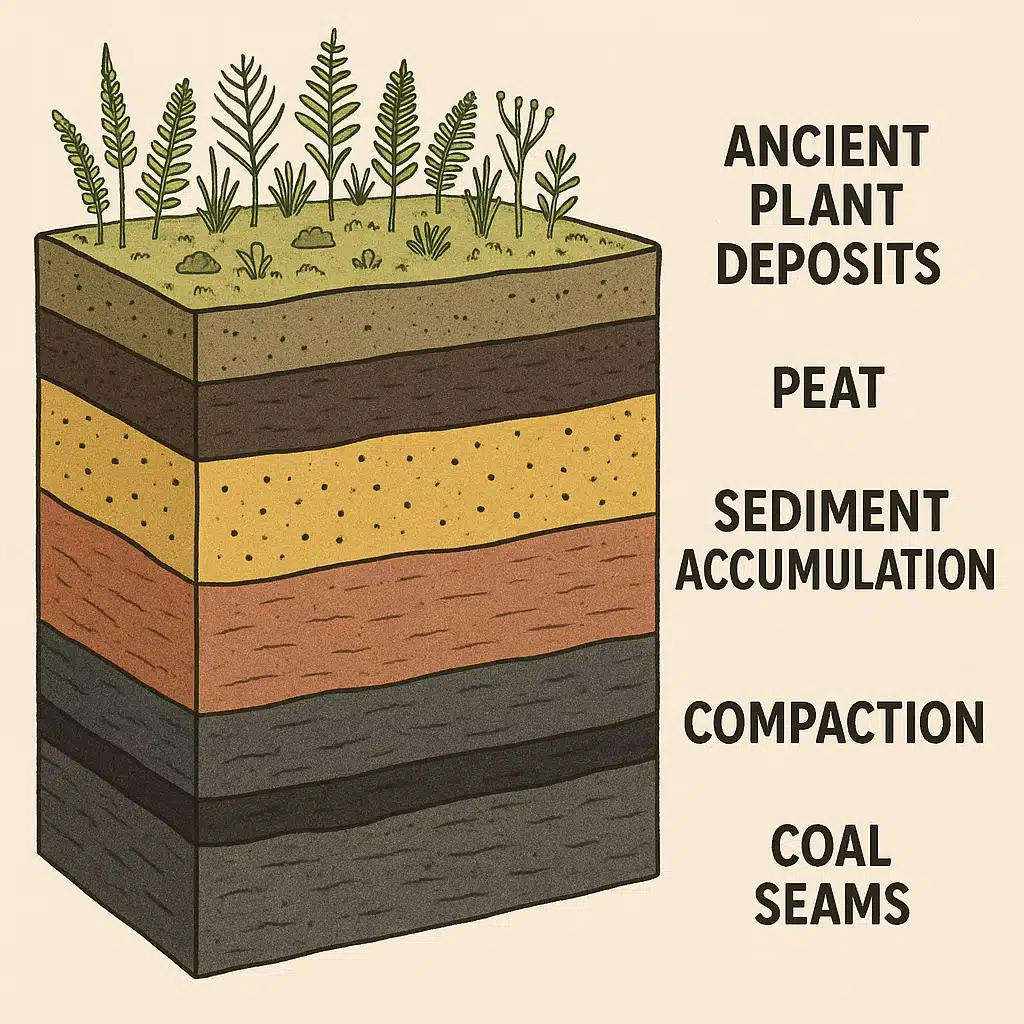
The formation of coal is a lengthy geological process that begins with abundant plant growth, typically in wetland environments such as ancient swamps, marshes, and peat bogs. When plants die in these waterlogged conditions, they become submerged and buried under successive layers of sediment. Over time—often tens to hundreds of millions of years—the combination of pressure, heat, and chemical transformation converts this organic material into coal through a process called coalification.
Different types of coal form depending on the degree of transformation: peat represents the earliest stage, followed by lignite (brown coal), sub-bituminous coal, bituminous coal, and finally anthracite, which has undergone the most intense pressure and heat. Each stage preserves plant material differently, with earlier stages often containing the most detailed and recognizable plant fossils.
Why Coal Regions Are Exceptionally Rich in Plant Fossils
The very conditions that create coal also create an ideal environment for preserving plant fossils in remarkable detail. Understanding why requires examining several interconnected factors:
Rapid Burial and Exceptional Preservation
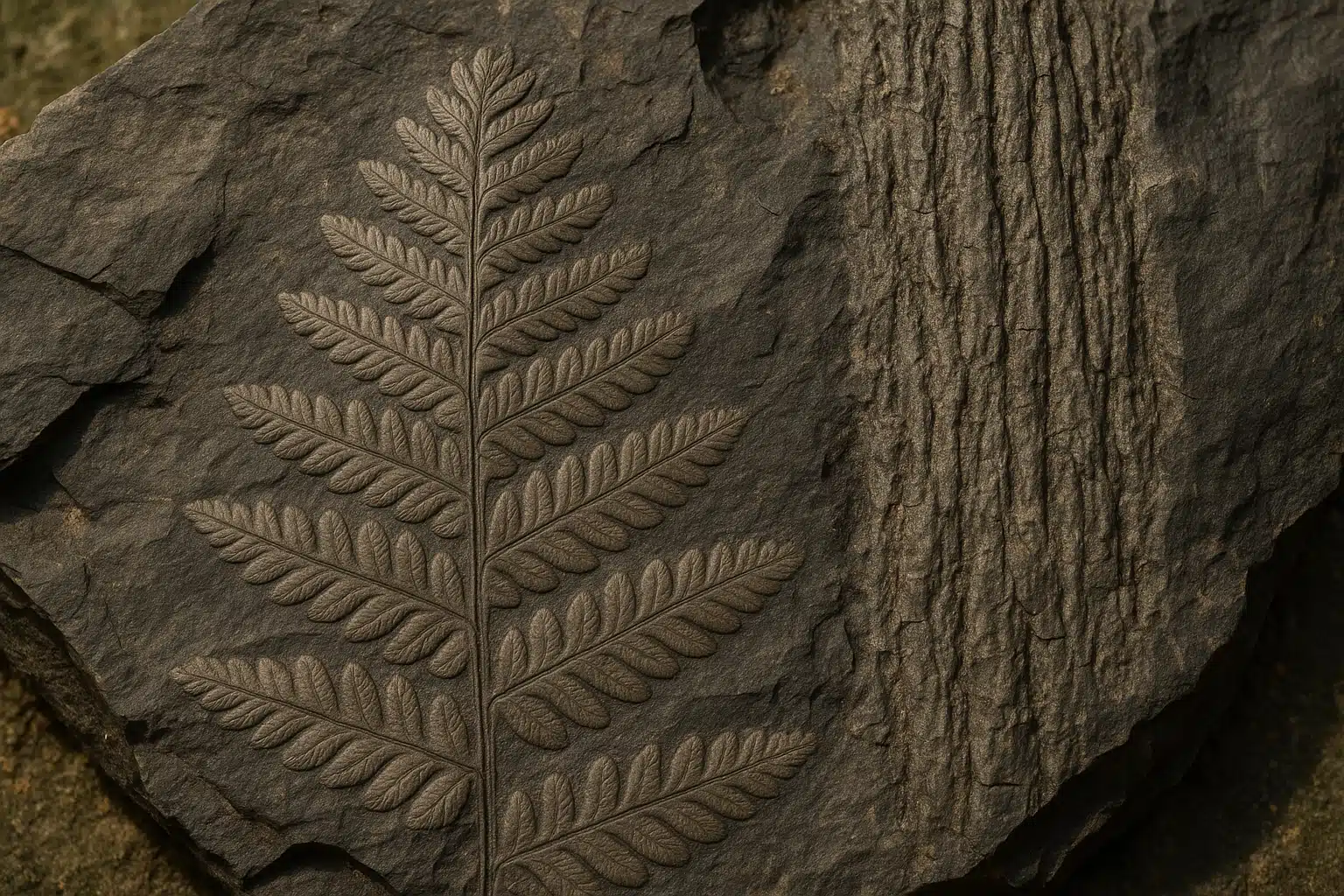
When plants die and fall into waterlogged environments, they are quickly buried under sediment and protected from oxygen. This oxygen-free (anoxic) environment prevents the usual bacterial decomposition that would otherwise break down organic material completely. Instead, the plant structures—leaves, stems, bark, seeds, and even delicate reproductive structures—can be preserved as compression fossils, where the organic material is flattened but retains its outline and sometimes cellular detail.
This rapid burial process creates what paleontologists call “fossil lagerstätten,” or sites of exceptional fossil preservation. Coal deposits function as natural time capsules, maintaining a snapshot of ancient plant communities in remarkable detail.
High Biodiversity of Ancient Wetland Ecosystems
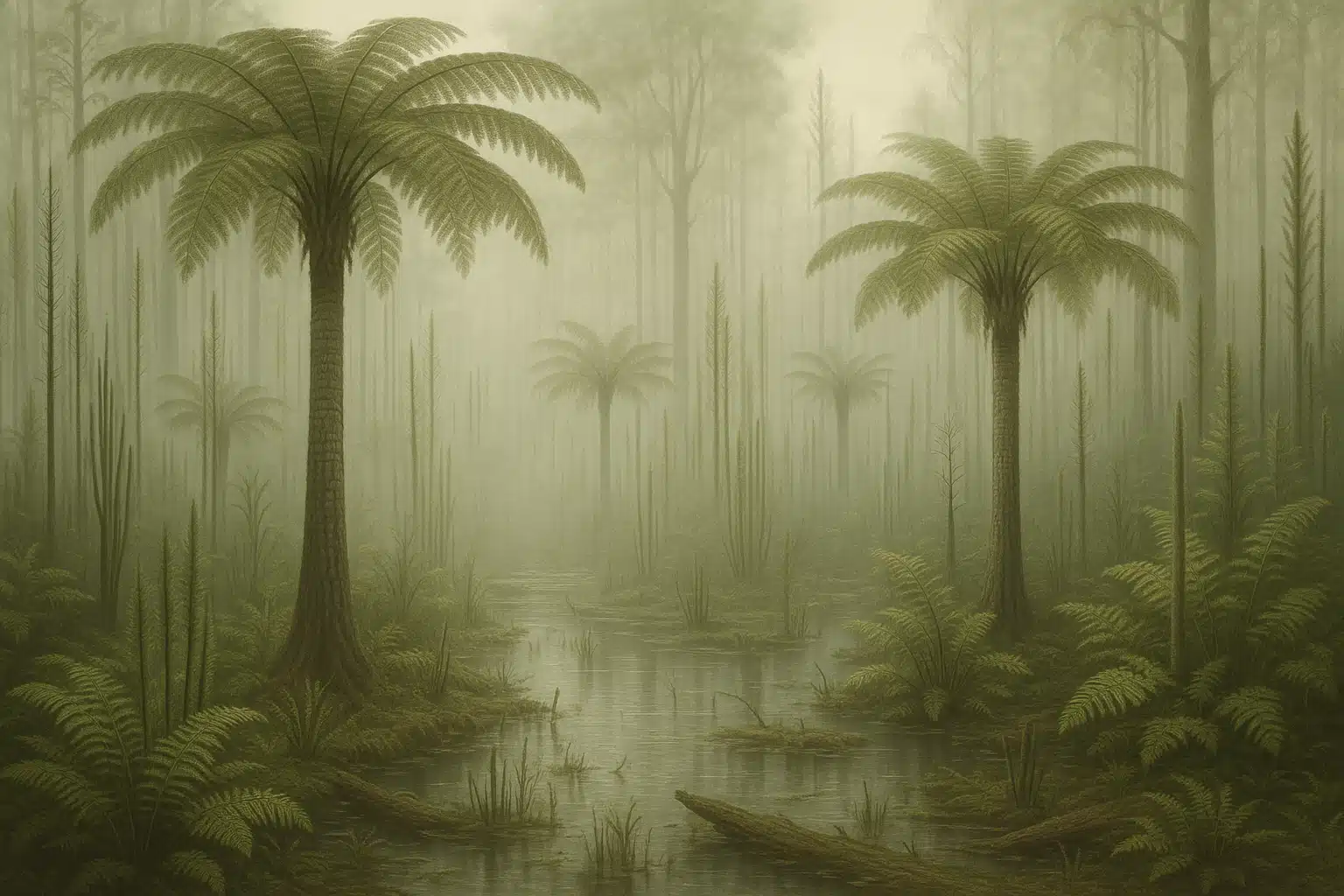
The ancient environments that produced coal deposits—particularly during the Carboniferous Period approximately 300-360 million years ago—were characterized by extensive wetland forests teeming with diverse plant life. These ecosystems supported numerous plant species, from towering tree-like lycopsids to primitive ferns, seed ferns, and early gymnosperms.
The diversity of plant species in these ancient wetlands means that coal regions contain fossils representing many different plant groups, providing scientists with a comprehensive picture of prehistoric vegetation patterns and evolutionary relationships.
Optimal Chemical and Physical Conditions
The specific combination of water saturation, accumulating sediment, increasing pressure from overlying layers, and gradual heating creates chemical conditions that both transform plant material into coal and preserve fossil structures. The acidic conditions common in peat-forming environments also contribute to preservation by inhibiting bacterial activity.
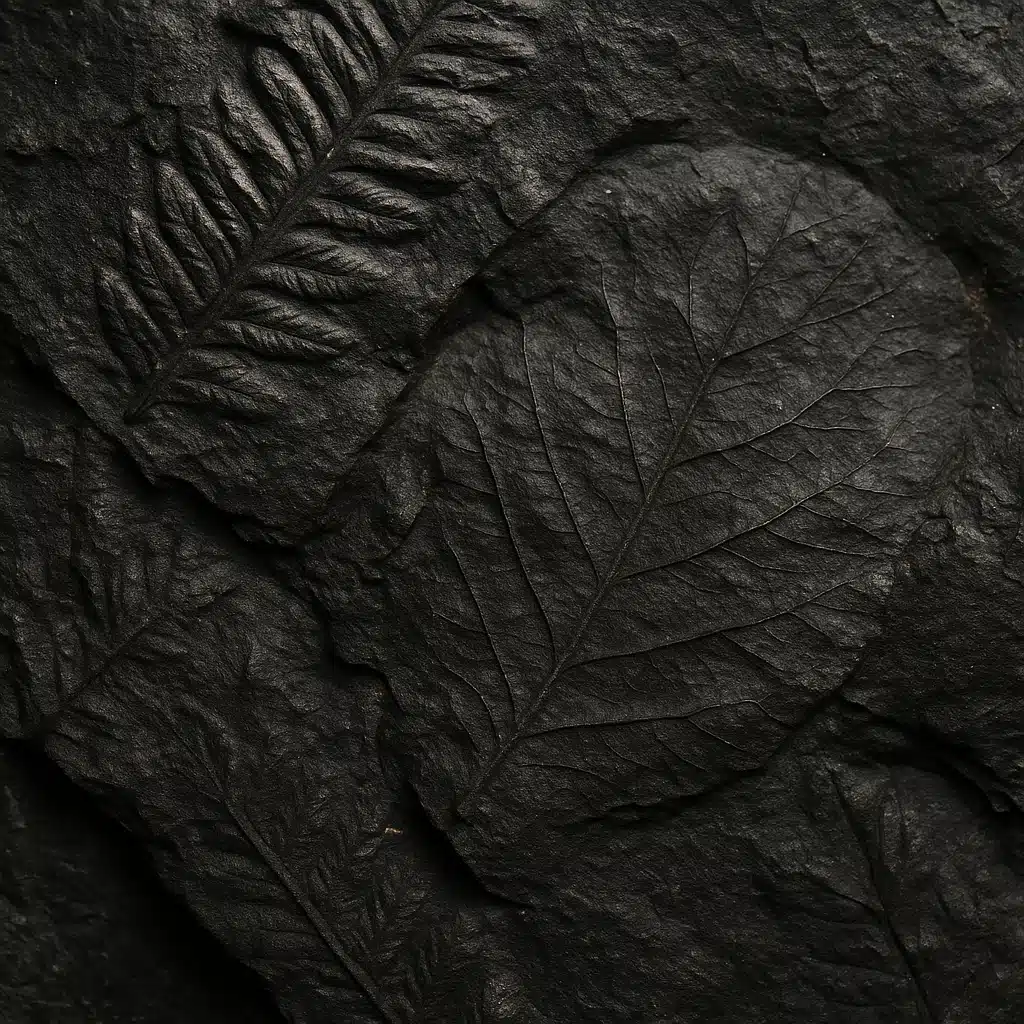
As coalification progresses, the organic material undergoes chemical changes, but the physical impressions of plant structures often remain, creating detailed fossil records that can include surface textures, vein patterns in leaves, and even microscopic cellular structures.
Remarkable Examples of Plant Fossil Discoveries in Coal Deposits
Coal-bearing formations have yielded some of the most significant and well-preserved plant fossils ever discovered. These finds have revolutionized our understanding of plant evolution and ancient ecosystems:
Lycopsids: Giants of the Carboniferous Forests
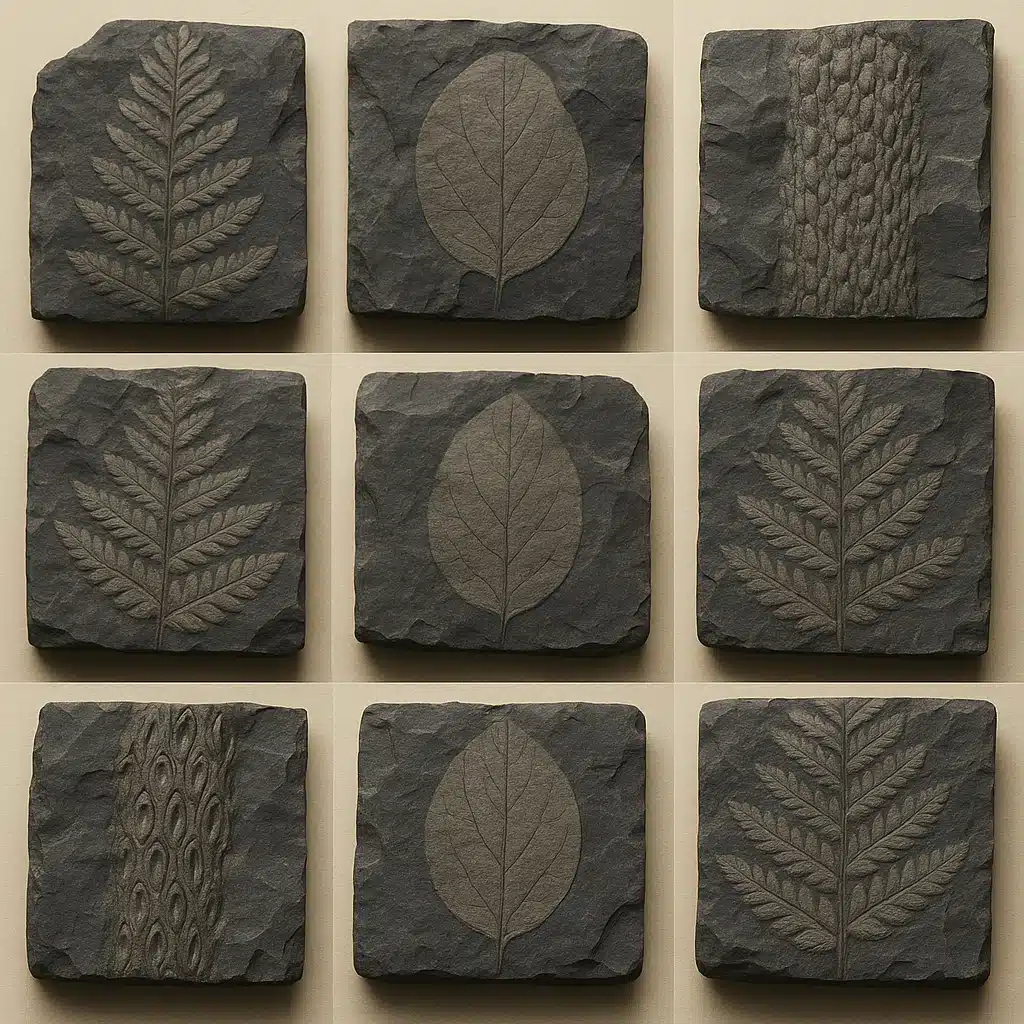
Lycopsids, also known as scale trees, were dominant plants in Carboniferous coal swamps. Unlike their small modern relatives (club mosses), ancient lycopsids such as Lepidodendron and Sigillaria grew to heights of 30-40 meters (100-130 feet). Their fossils are commonly found in coal deposits worldwide and are instantly recognizable by their distinctive diamond-shaped leaf scars covering the trunk surface.
These fossil discoveries have revealed not only the physical structure of these plants but also their growth patterns, reproductive strategies, and ecological roles. The abundance of lycopsid fossils in coal indicates they were major contributors to coal formation during the Carboniferous Period.
Ferns and Their Ancient Relatives
True ferns were abundant in coal-forming environments, and their delicate fronds are frequently preserved in exquisite detail within coal shales and related sedimentary rocks. These fossils provide crucial information about ancient climate conditions, as ferns typically require humid environments and are sensitive to environmental changes.
The preservation quality is often so exceptional that paleobotanists can identify individual species, study their reproductive structures (sporangia), and trace their evolutionary relationships to modern fern groups.
Seed Ferns: Evolutionary Pioneers
Seed ferns (pteridosperms) represent a crucial evolutionary development—plants that resembled ferns in appearance but reproduced using seeds rather than spores. These extinct plants were extremely diverse in coal-age forests, and their fossils are commonly found in association with coal deposits.
Discoveries of seed fern fossils have been instrumental in understanding the evolution of seed plants and the transition from spore-based to seed-based reproduction, a major milestone in plant evolution that ultimately gave rise to all modern flowering plants and conifers.
Calamites: Ancient Horsetails
Calamites were tree-sized relatives of modern horsetails (Equisetum), growing up to 20 meters tall in Carboniferous swamps. Their distinctive jointed stems and whorled branches are commonly preserved in coal deposits, often as mineralized specimens that retain three-dimensional structure.
Common Misconceptions About Fossil Discovery and Coal Regions
Several misunderstandings persist about where fossils are found and how fossil hunting works. Let’s clarify some of these misconceptions:
Misconception: Fossils Are Only Found in Desert Badlands or Limestone Cliffs
Reality: While dramatic landscapes like desert badlands and marine limestone formations are famous for fossil discoveries, coal-bearing regions represent equally important—and often overlooked—fossil repositories. In fact, some of the most complete records of ancient terrestrial ecosystems come specifically from coal deposits and associated sedimentary rocks.
The sedimentary rocks surrounding coal seams, particularly fine-grained shales and siltstones, often contain beautifully preserved plant fossils that provide detailed information about ancient land environments, which are less commonly preserved than marine environments.
Misconception: Finding Fossils Is Simply a Matter of Digging Anywhere
Reality: Successful fossil discovery requires understanding geology, stratigraphy, and the types of rocks likely to contain fossils. Different geological formations preserve different types of fossils, and knowing which layers to examine greatly increases the chances of finding specimens.
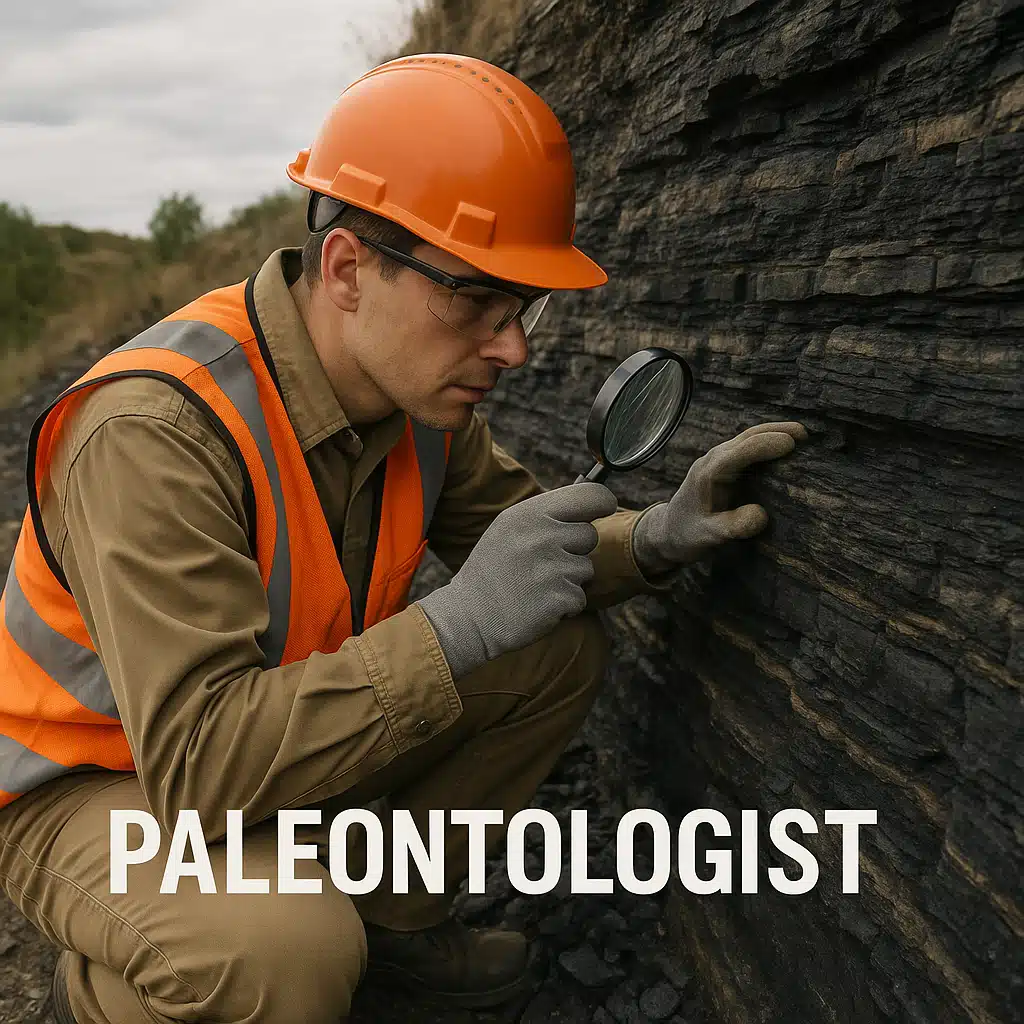
In coal regions specifically, the most productive fossil-hunting occurs in the sedimentary layers immediately above and below coal seams, in abandoned surface mines, in natural rock outcrops where coal-bearing strata are exposed, and in spoil heaps from historical mining operations.
Misconception: All Coal Contains Recognizable Fossils
Reality: While all coal is formed from plant material, not all coal preserves recognizable plant structures. Higher-grade coals like anthracite have undergone such intense pressure and heating that original plant structures are typically destroyed. Lower-grade coals and especially the sedimentary rocks associated with coal deposits are where the best plant fossils are found.
Additionally, proper identification often requires experience and knowledge of paleobotany, as plant fossils can be fragmentary or represent extinct species with no modern equivalents.
The Scientific and Practical Importance of Plant Fossils from Coal Regions
Understanding plant fossils found in coal deposits extends far beyond academic interest—these discoveries have significant implications for multiple fields of science and for addressing contemporary environmental challenges:
Reconstructing Ancient Climates and Atmospheric Conditions
Plant fossils serve as sensitive indicators of past climate conditions. The types of plants preserved, their growth patterns, the presence or absence of growth rings, and leaf characteristics all provide clues about temperature, precipitation, seasonality, and atmospheric composition during the time when coal was forming.
For example, the massive coal deposits of the Carboniferous Period formed during a time of unusually high atmospheric oxygen levels (up to 35% compared to today’s 21%) and lower carbon dioxide levels. The giant size of many Carboniferous plants was likely related to these atmospheric conditions. By studying these fossils, scientists can better understand the relationship between atmospheric composition, climate, and plant life—knowledge that is increasingly relevant as we face modern climate change.
Understanding Plant Evolution and Biodiversity
Coal deposits provide a detailed fossil record spanning critical periods in plant evolution. These fossils document the transition from early land plants to complex forest ecosystems, the evolution of seeds and other reproductive innovations, and the rise and fall of major plant groups.
This evolutionary perspective helps scientists understand how plants adapt to environmental changes over millions of years, which can inform predictions about how modern plant communities might respond to rapid environmental changes, including climate change, habitat loss, and other anthropogenic pressures.
Geological Dating and Correlation
Plant fossils from coal-bearing formations serve as important biostratigraphic markers—fossils that help geologists determine the age of rock layers and correlate geological formations across different regions. Certain plant species existed only during specific geological time periods, making their fossils valuable for dating rocks and understanding geological history.
Informing Modern Conservation Efforts
By revealing how ancient ecosystems responded to past environmental changes—including periods of climate warming, cooling, and atmospheric composition changes—plant fossils provide context for understanding modern biodiversity challenges. They demonstrate that while life adapts to changing conditions, these adaptations occur over thousands to millions of years, far slower than the pace of current human-driven environmental changes.
This perspective emphasizes the urgency of conservation efforts to protect modern plant diversity, as rapid environmental changes may outpace the ability of many species to adapt naturally.
How to Safely and Responsibly Explore Fossil Hunting
If the fascinating world of plant fossils in coal regions has sparked your interest in fossil collecting, it’s important to approach this hobby responsibly and safely:
Understand Legal and Ethical Considerations
Fossil collecting regulations vary significantly by location. In many areas, collecting fossils from public lands requires permits, and some sites are completely protected. Always research local regulations before collecting, and never collect from protected sites, private property without permission, or active mining operations without authorization.
Scientifically significant fossils should be reported to museums or universities, as they may represent new species or important scientific discoveries that contribute to our understanding of Earth’s history.
Join Local Paleontology or Geology Groups
Connecting with established fossil collecting clubs, geological societies, or natural history organizations provides invaluable knowledge, access to collecting sites, and mentorship from experienced collectors. These groups often organize field trips to productive locations and offer educational programs on fossil identification and preservation.
Prioritize Safety
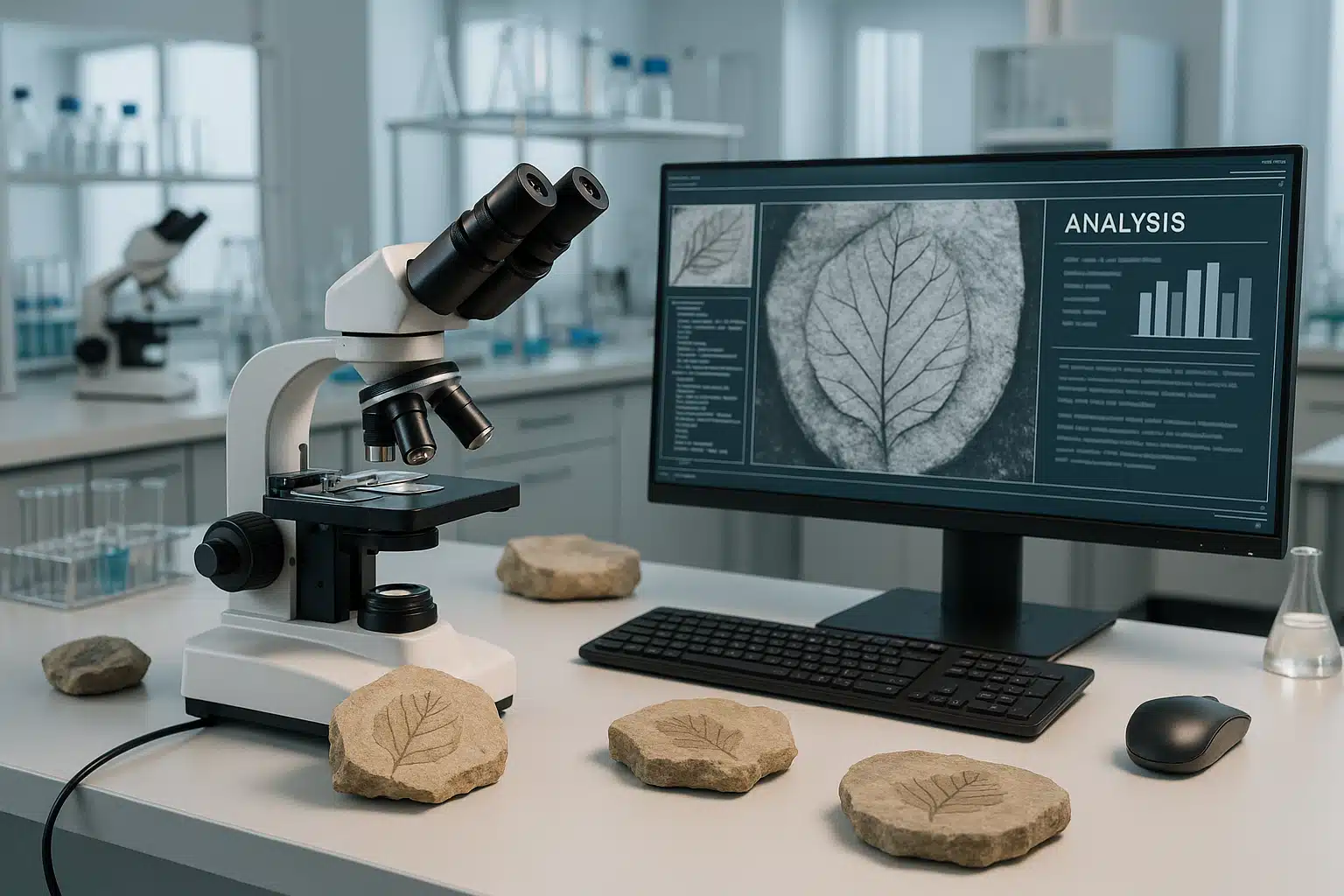
Fossil collecting in coal regions can involve risks including unstable rock faces, abandoned mine hazards, and exposure to weather. Always use appropriate safety equipment including hard hats, safety glasses, and sturdy footwear. Never enter abandoned mines or unstable areas, and always collect with others rather than alone.
Conclusion: Appreciating the Hidden Archives Beneath Our Feet
Coal-bearing geological formations are far more than simply energy resources—they represent extraordinary natural archives preserving detailed records of ancient plant life and ecosystems that existed hundreds of millions of years ago. The plant fossils found in these regions provide scientists with irreplaceable information about Earth’s climatic history, atmospheric evolution, and the development of terrestrial life.
Every fossil discovered tells a story: of towering lycopsid forests in Carboniferous swamps, of the evolutionary innovations that allowed plants to colonize land and diversify, and of ancient environments dramatically different from our modern world yet fundamentally connected to it through the continuous thread of Earth’s geological and biological history.
Whether you’re a student of Earth sciences, an amateur fossil collector, or simply someone curious about the natural world, understanding why coal regions preserve such remarkable plant fossils enriches your appreciation for the dynamic history of our planet. These fossils remind us that the ground beneath our feet holds countless stories waiting to be discovered, and that understanding the past is essential for navigating the environmental challenges of the present and future.
The next time you encounter coal or hear about coal-bearing geological formations, take a moment to consider the ancient forests that once grew there, the diverse plant communities that thrived for millions of years, and the remarkable preservation process that allows us, in the present day, to glimpse these lost worlds through the fossils they left behind.