Understanding Open Pores: Causes and Effective Treatment Solutions
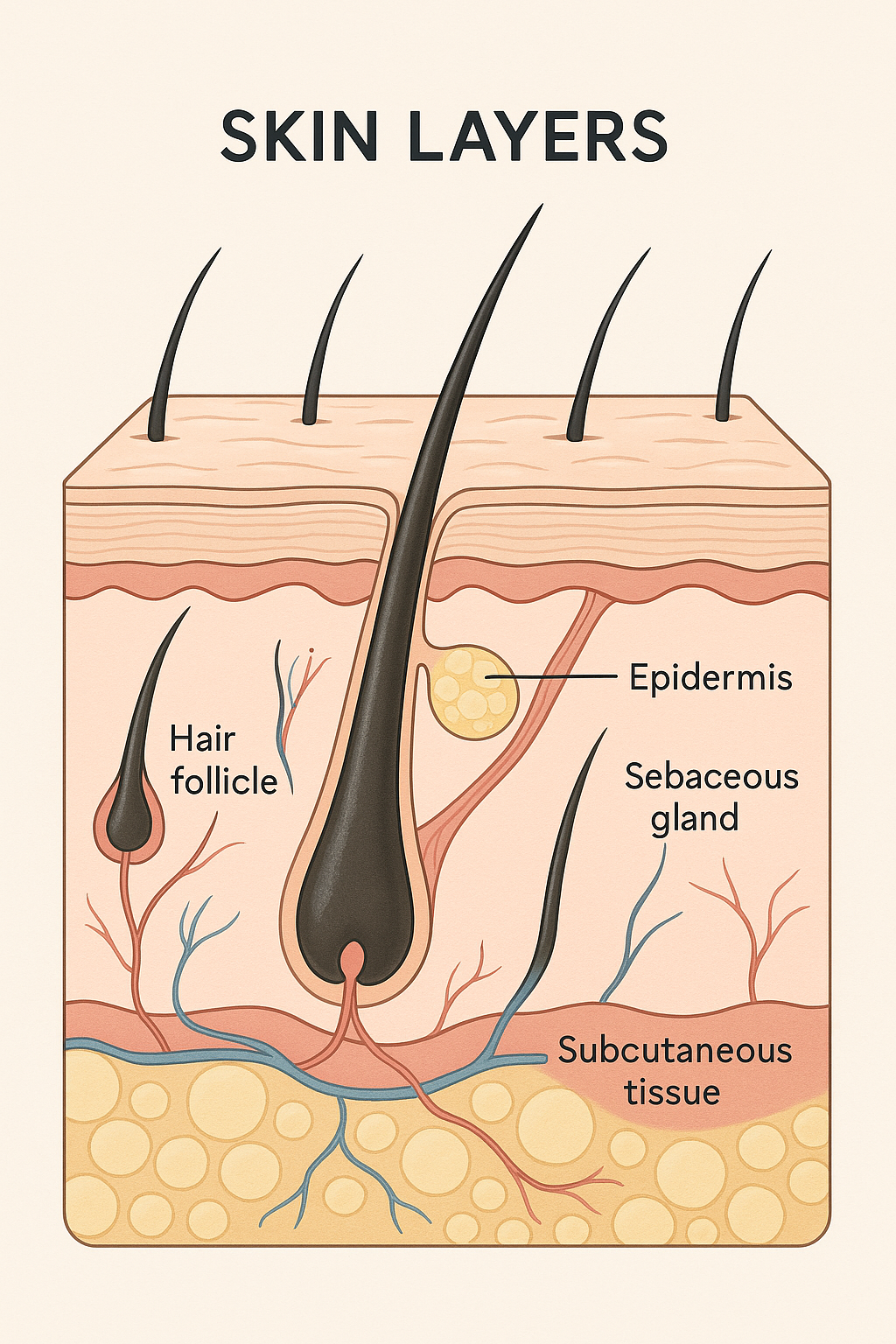
Skin pores are a natural and essential feature of healthy skin. They serve as channels connecting the sebaceous glands beneath the skin’s surface to the outside environment. Through these tiny openings, your skin releases sebum—a natural oil that plays several vital roles in maintaining skin health.
Sebum helps regulate your skin’s temperature, keeps the surface moisturized, and assists in breaking down dead skin cells, environmental pollutants, and other surface debris. Without these pores, your skin would struggle to maintain its protective barrier and natural balance.
The concern for many people isn’t the existence of pores themselves, but rather when they become visibly enlarged. Enlarged or “open” pores can affect skin texture and appearance, leading many to seek solutions for minimizing their visibility. Understanding why pores enlarge and how to address this concern is the first step toward achieving smoother, more refined-looking skin.
What Causes Pores to Appear Enlarged?
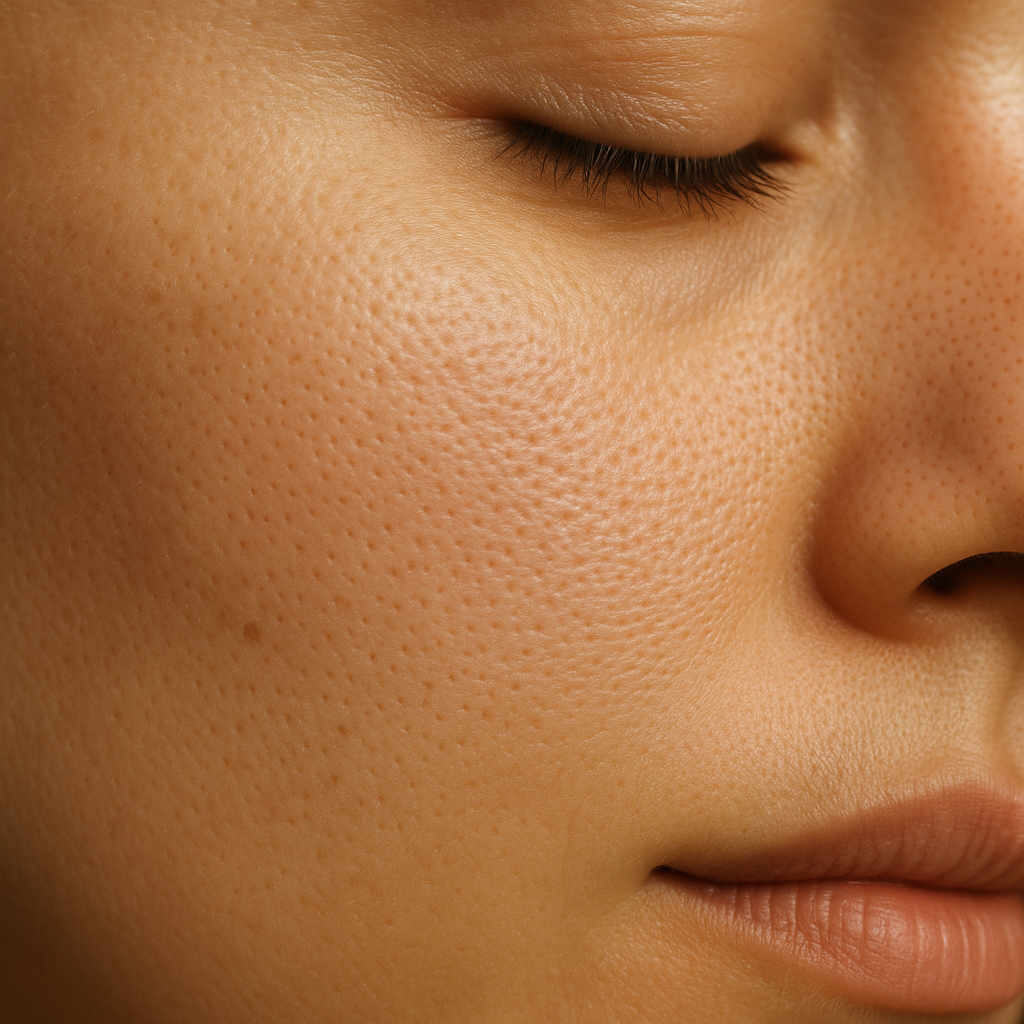
Enlarged pores result from a combination of factors, some within your control and others determined by biology. Understanding these causes can help you choose the most effective strategies for managing pore appearance.
Genetic and Hormonal Influences
Genetics play a significant role in determining pore size. Some people are simply born with larger pores due to their inherited skin structure and sebaceous gland activity. This trait often becomes more noticeable during puberty, when hormonal changes stimulate increased oil production.
Interestingly, even individuals with naturally dry skin can have enlarged pores if their genetic makeup predisposes them to this characteristic. Hormonal fluctuations throughout life—during adolescence, pregnancy, or due to stress—can also temporarily affect pore appearance by increasing sebum production.
Impact of Cosmetic Products and Heavy Formulations
The skincare and makeup products you use daily can significantly influence pore appearance. Heavy, oil-based cosmetics and thick creams have a tendency to settle into pores, potentially clogging them over time.
When pores become clogged with product residue, dead skin cells, and excess sebum, the accumulated material can stretch the pore opening, making it appear larger. The longer these products remain on your skin without proper cleansing, the greater the likelihood of pore enlargement becoming a persistent issue.
This is particularly problematic for people who wear makeup for extended periods or fail to thoroughly remove products before sleep. The mechanical stretching of pores combined with potential inflammation from trapped debris creates a cycle that can progressively worsen pore appearance.
Other Contributing Factors
Beyond genetics and product use, several other factors can contribute to enlarged pores:
- Age and collagen loss: As skin ages and loses elasticity, pores can appear larger due to reduced structural support
- Sun damage: UV exposure breaks down collagen and thickens the skin’s outer layer, both of which can make pores more visible
- Excessive oil production: Overactive sebaceous glands can stretch pore openings
- Poor exfoliation: Dead skin cell buildup can combine with oils to enlarge pores
- Dehydration: When skin lacks moisture, it can overproduce oil as compensation, leading to clogged, enlarged pores
Effective Daily Practices for Managing Pore Appearance
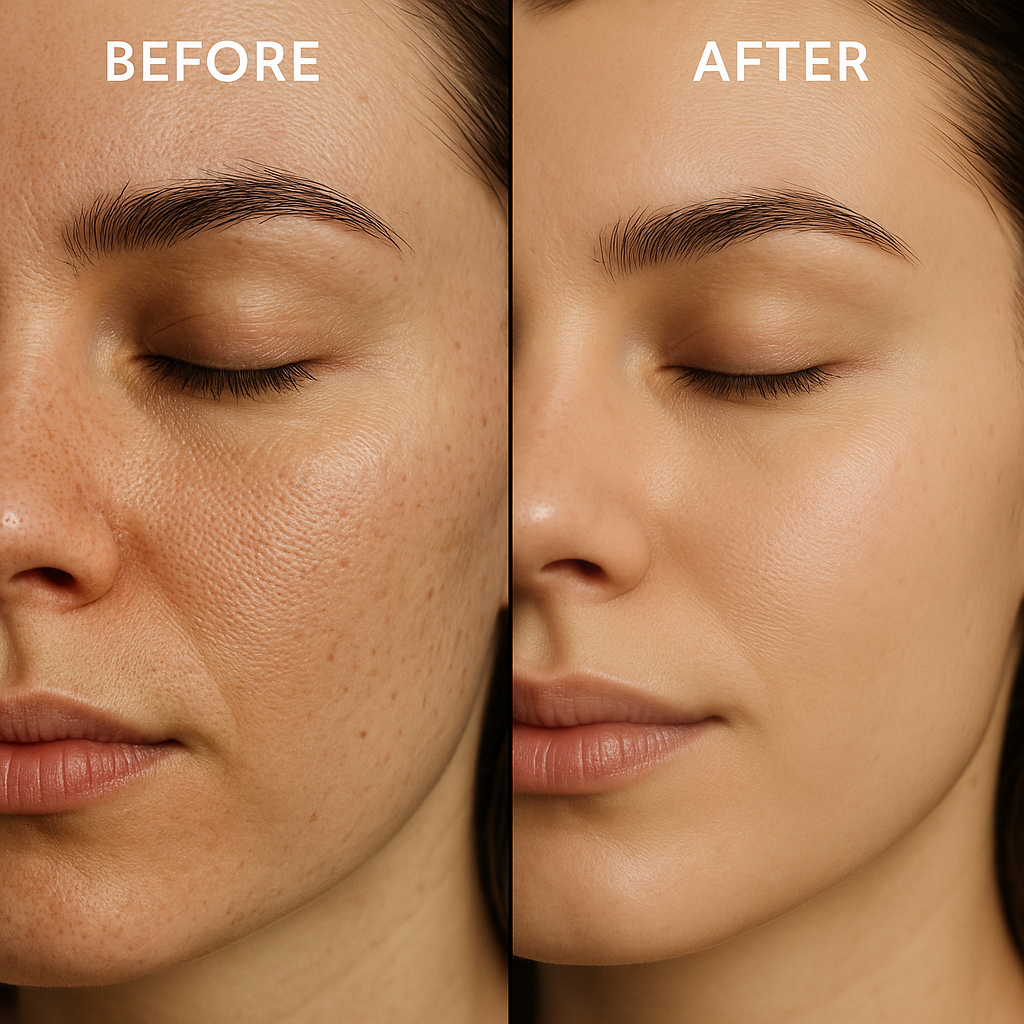
While you cannot permanently change your genetic pore size, consistent skincare practices can significantly improve their appearance and prevent further enlargement.
Establish a Thorough Cleansing Routine
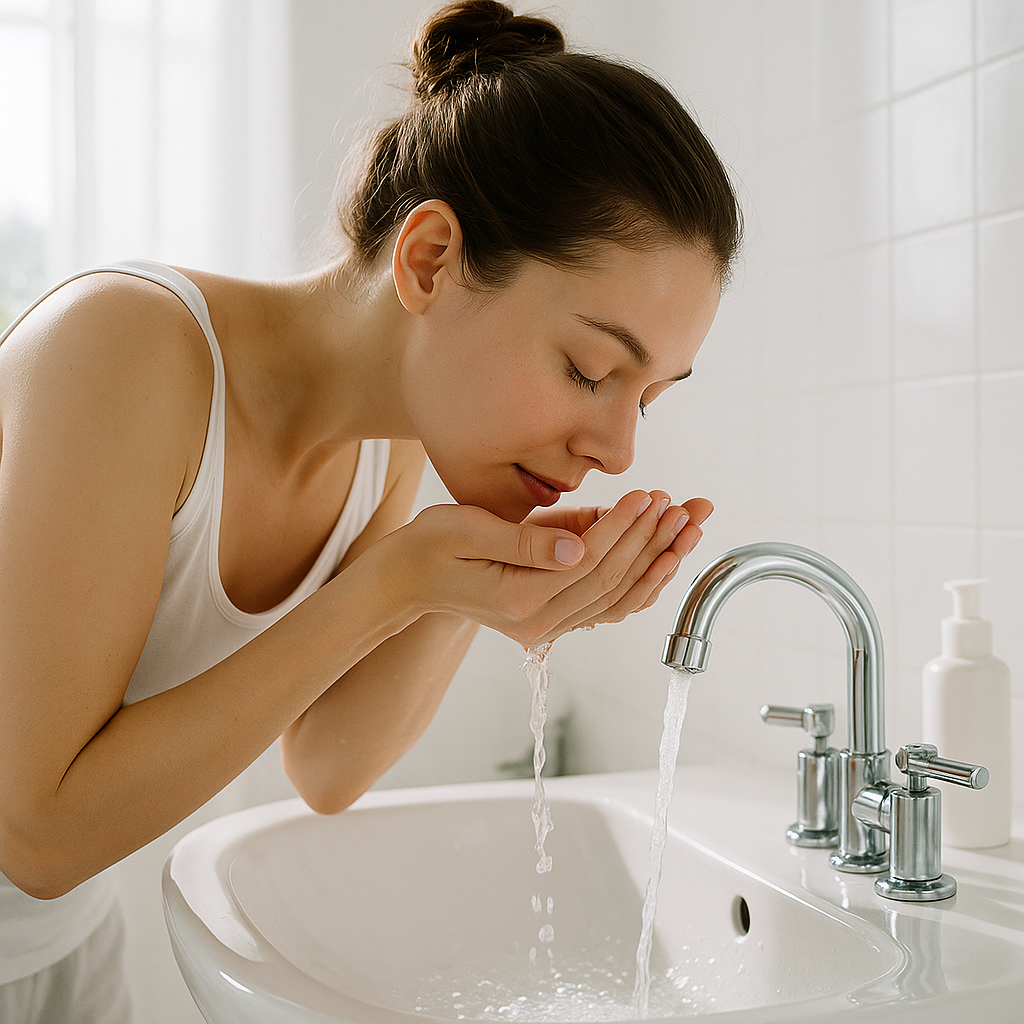
Regular, effective cleansing is the foundation of pore care. Cleansing removes excess sebum, makeup residue, environmental pollutants, and dead skin cells that can accumulate in pores and stretch them over time.
For most skin types, cleansing twice daily—morning and evening—is sufficient. However, if you have particularly oily skin or live in a hot, humid climate, you may benefit from an additional midday cleanse to prevent oil buildup.
Choose a gentle cleanser appropriate for your skin type. Those with oily or combination skin often benefit from gel-based or foaming cleansers that effectively remove excess oil without over-stripping the skin. If you have dry or sensitive skin, opt for cream-based or non-foaming cleansers that clean while maintaining the skin’s natural moisture barrier.
Choose Non-Comedogenic Cosmetic Products
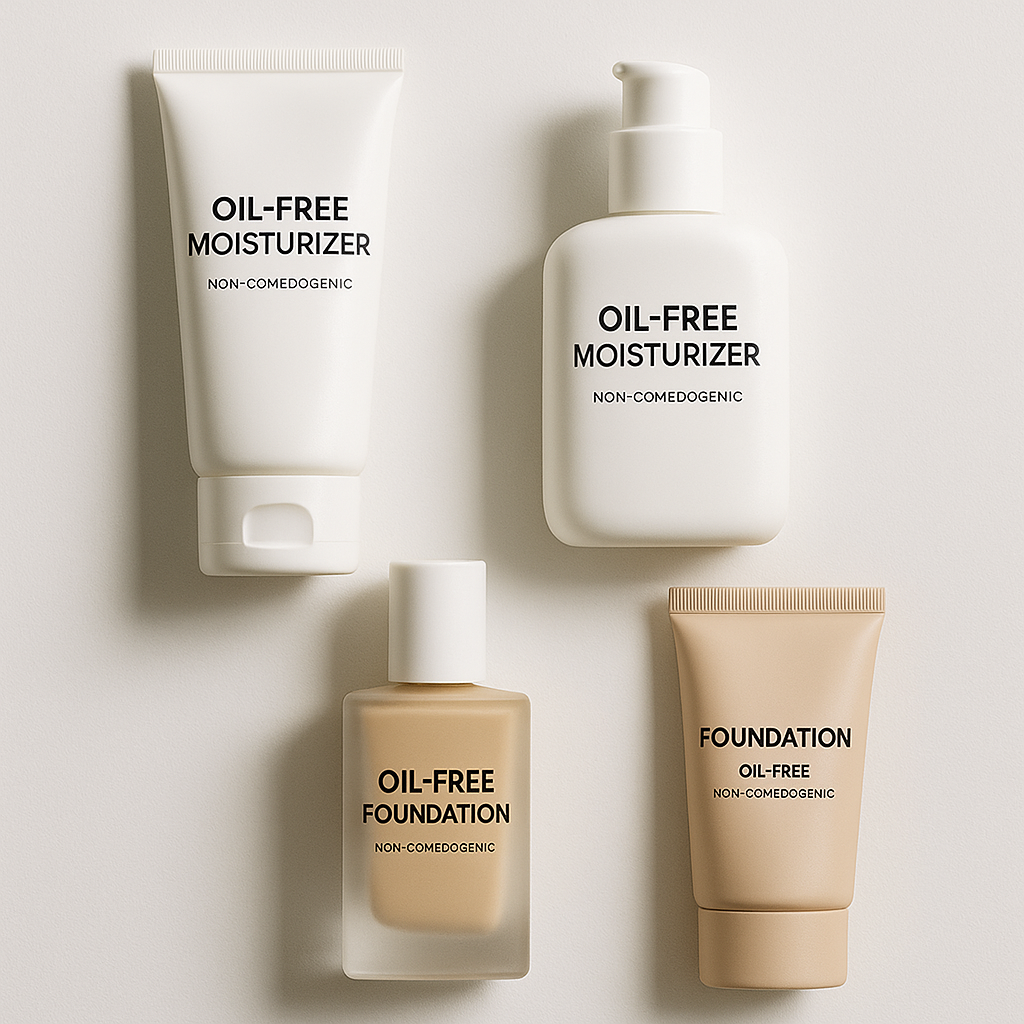
Selecting the right cosmetic and skincare products is crucial for minimizing pore appearance. Look for products labeled as “non-comedogenic,” which means they’re formulated not to clog pores.
Opt for oil-free or water-based foundations, moisturizers, and sunscreens whenever possible. Modern formulations offer excellent coverage and hydration without the heavy, pore-clogging ingredients found in older products.
Even with non-comedogenic products, it’s essential to remove all makeup and skincare products before bed. Sleeping with products on your skin gives them extended time to settle into pores and cause congestion. Make thorough evening cleansing a non-negotiable part of your routine.
Consider this layering strategy: apply a lightweight, oil-free moisturizer as your base, allow it to absorb fully, then apply your oil-free foundation. This approach provides hydration and coverage while minimizing the risk of pore clogging.
Professional Treatment Options for Enlarged Pores
When at-home care isn’t providing the results you desire, several professional treatments can help reduce the appearance of enlarged pores. These options range from topical treatments to advanced aesthetic procedures.
Topical Treatments with Active Ingredients
Certain skincare ingredients have been clinically shown to improve pore appearance when used consistently over time.
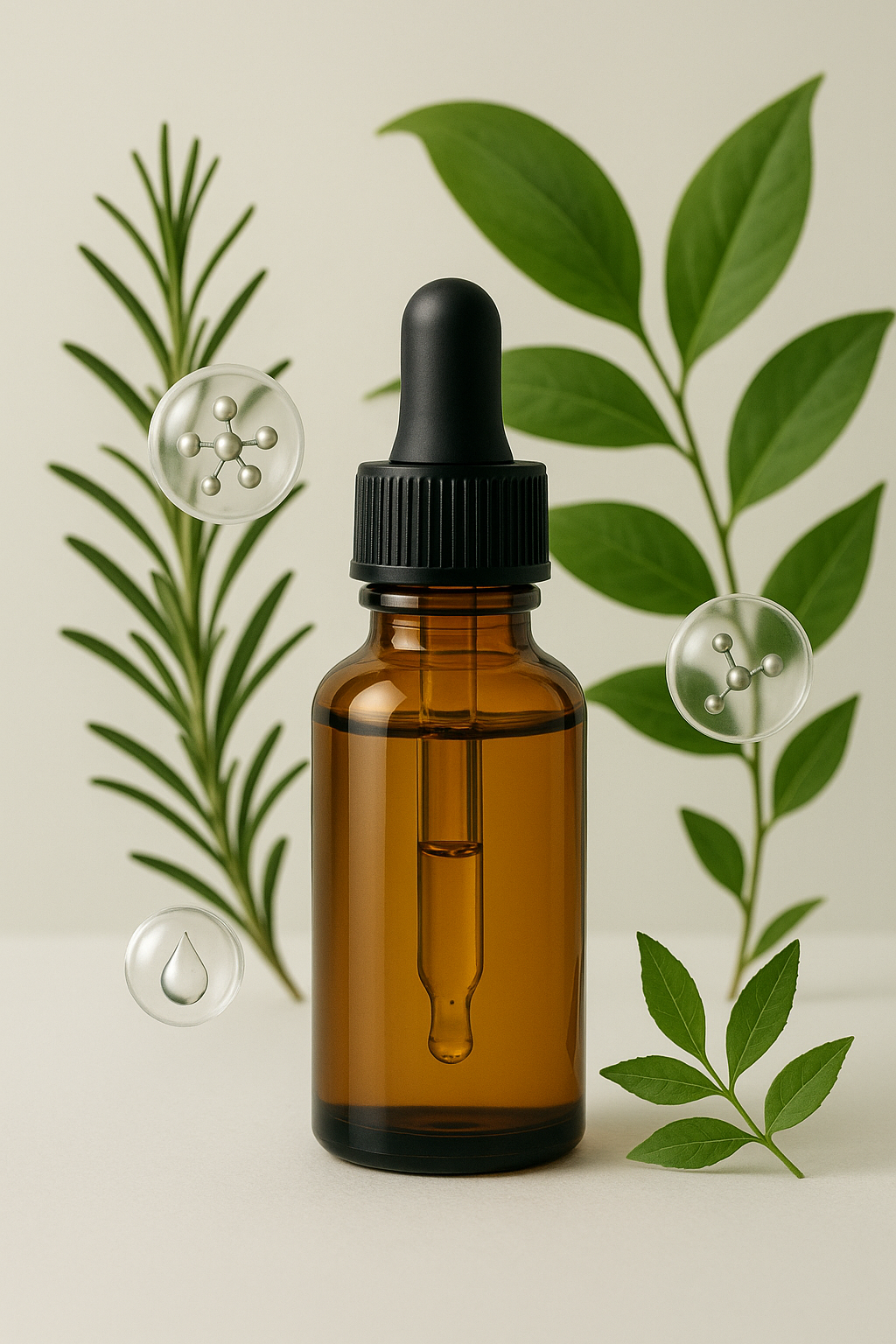
Alpha Hydroxy Acids (AHAs) and Fruit Acid Creams: These chemical exfoliants work by gently dissolving the bonds between dead skin cells on the skin’s surface. Regular use—typically applied at night—helps prevent dead cell buildup that can enlarge pores. Products containing glycolic acid, lactic acid, or other fruit-derived acids can gradually improve skin texture and reduce visible pore size when used consistently for several months.
Retinoids: Derivatives of vitamin A, retinoids increase cell turnover and stimulate collagen production. This dual action helps keep pores clear while improving the structural support around them, making them appear smaller.
Niacinamide: This form of vitamin B3 helps regulate sebum production and has anti-inflammatory properties that can reduce pore appearance.
Salicylic Acid: This beta hydroxy acid (BHA) is oil-soluble, allowing it to penetrate into pores to dissolve debris and excess oil from within.
Microdermabrasion
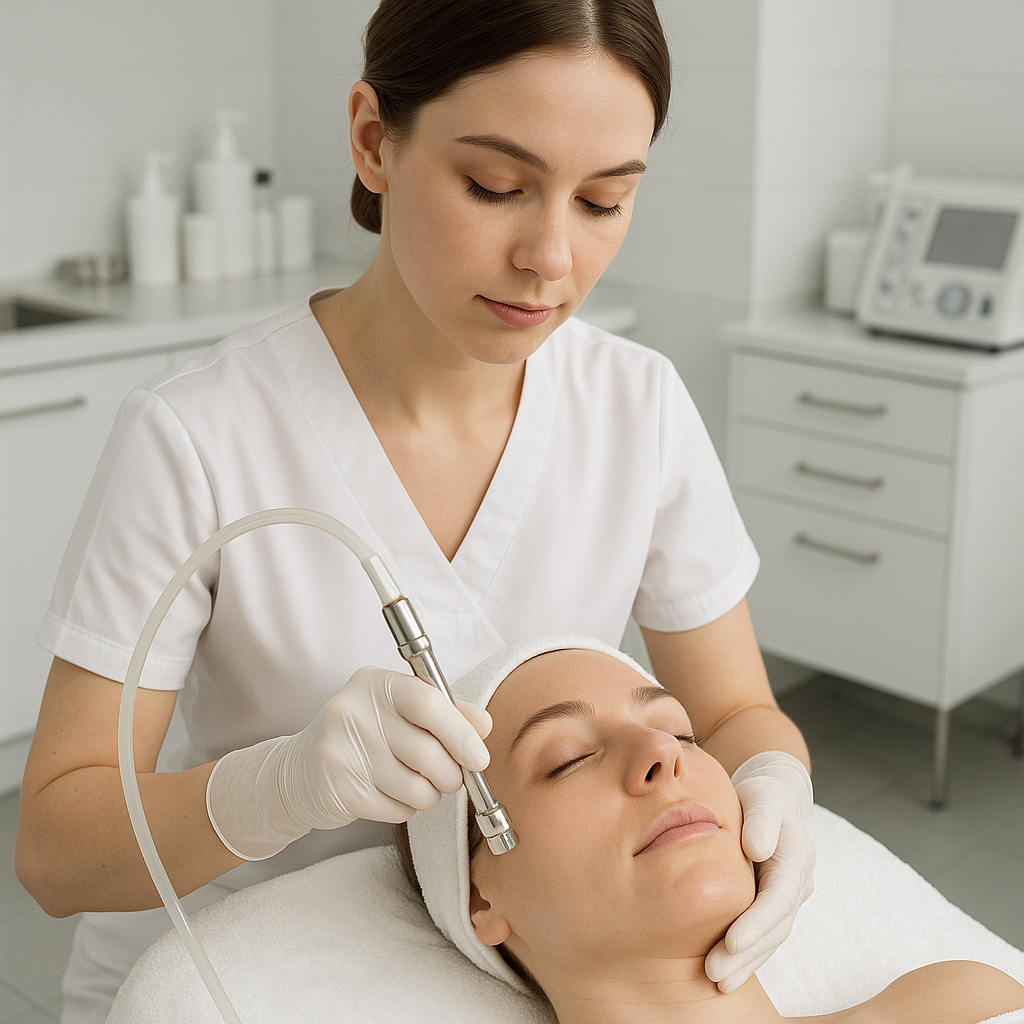
Microdermabrasion is a non-invasive exfoliation technique that uses fine crystals or a diamond-tipped wand to gently remove the outermost layer of dead skin cells. This mechanical exfoliation process offers several benefits for pore appearance.
By removing surface debris and stimulating cell renewal, microdermabrasion can help prevent pore congestion and improve overall skin texture. The treatment also promotes collagen production, which strengthens the support structure around pores.
For optimal results, a series of 6-10 sessions is typically recommended, spaced several weeks apart. While individual results vary, many people notice a gradual reduction in pore visibility with consistent treatment. Microdermabrasion is suitable for most skin types and involves minimal downtime.
Laser Treatments
Advanced laser technologies offer powerful options for addressing enlarged pores, particularly fractional laser treatments that have revolutionized skin rejuvenation.
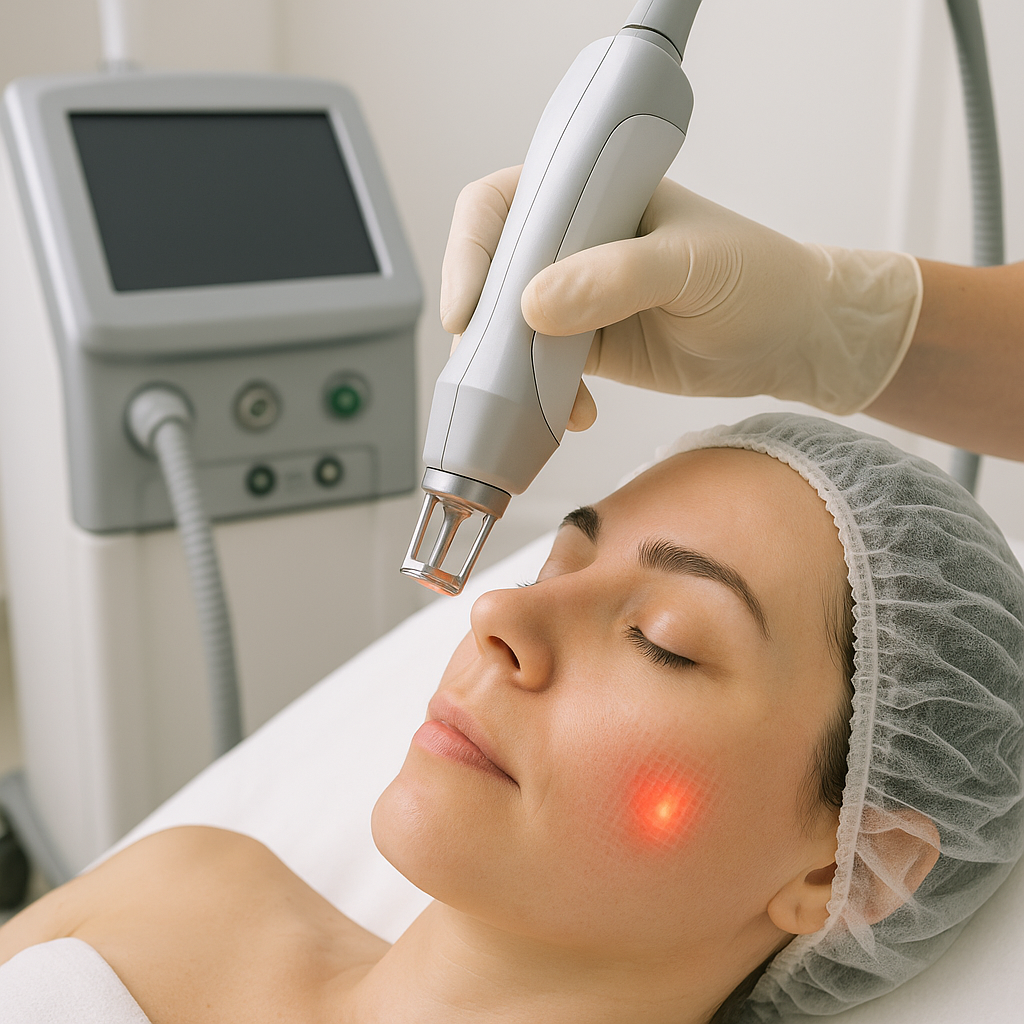
Fractional CO2 Laser: This treatment creates thousands of microscopic columns of thermal injury in the skin, triggering the body’s natural healing response. As new collagen forms during the healing process, the skin’s structure tightens, and pore size decreases.
Fractional CO2 laser treatment is typically performed in a series of sessions, with each treatment building upon the results of the previous one. While this option can be highly effective, it does involve a recovery period during which the skin may be red and sensitive.
The benefits extend beyond pore reduction—fractional laser treatments also address fine lines, sun damage, and overall skin texture, making them a comprehensive rejuvenation option.
Radiofrequency (RF) Treatments
Radiofrequency treatments, particularly fractional RF, represent one of the most advanced and effective options for pore reduction with an excellent safety profile.
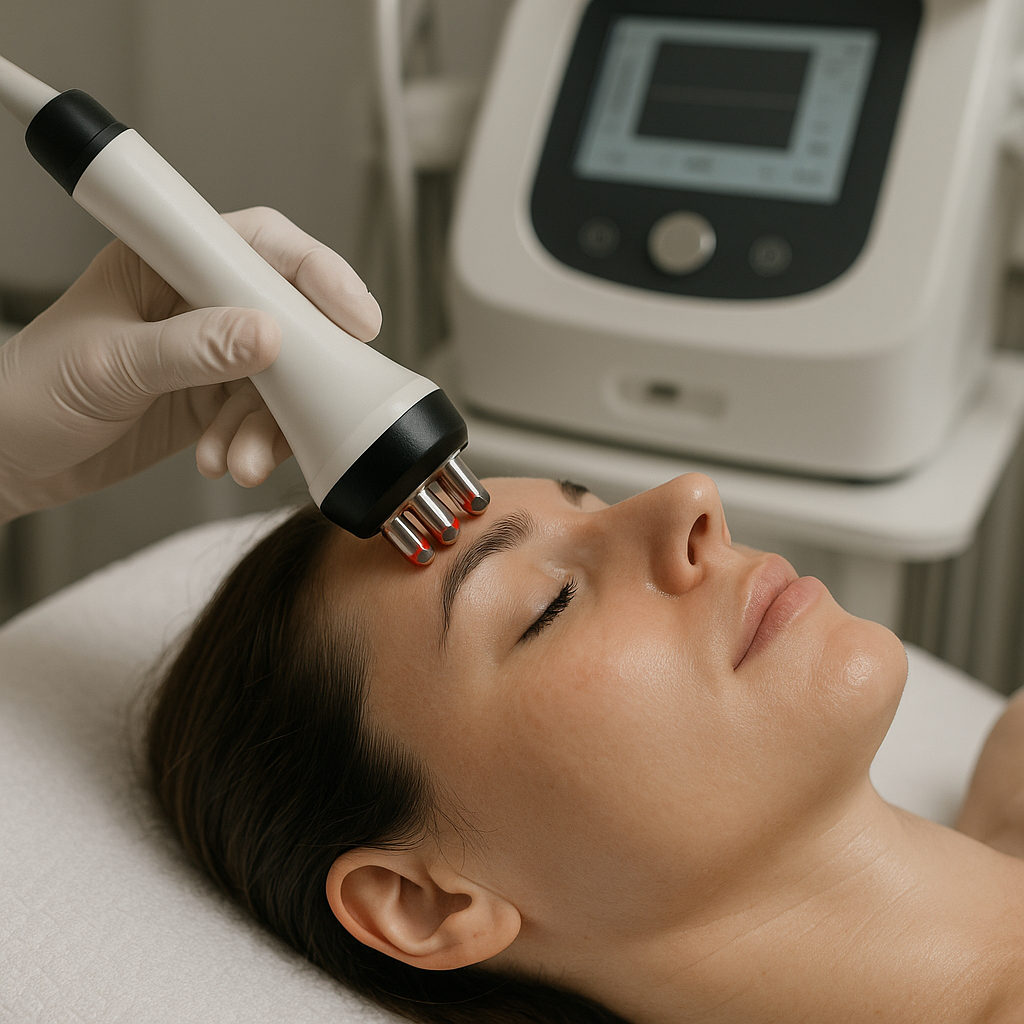
Fractional RF uses precisely controlled radiofrequency energy delivered through micro-needles or applicators to heat the deeper layers of skin. This controlled heating stimulates robust collagen and elastin production without significantly damaging the skin’s surface.
Compared to laser treatments, fractional RF offers several advantages:
- Longer-lasting results: The collagen remodeling triggered by RF energy continues for months after treatment
- Lower risk of side effects: RF energy is color-blind, meaning it works safely on all skin tones without risk of pigmentation issues
- Less downtime: Most people experience only mild redness and can return to normal activities quickly
- Comfortable treatment: Modern RF devices include cooling mechanisms that make the procedure more comfortable
A typical treatment protocol involves 3-6 sessions spaced several weeks apart, with results becoming progressively more visible as collagen production increases. Many people notice continued improvement for up to six months after completing their treatment series.
Creating Your Personalized Pore Care Strategy
Managing enlarged pores effectively requires a comprehensive approach that combines consistent daily care with professional treatments when needed. Your ideal strategy will depend on your skin type, the severity of your concern, your budget, and your lifestyle.
Start with the fundamentals: establish a regular cleansing routine using appropriate products for your skin type, choose non-comedogenic cosmetics, and always remove makeup before bed. These simple steps form the foundation of pore care and can prevent further enlargement.
If at-home care alone isn’t delivering the results you want, consider incorporating active ingredients like fruit acids, retinoids, or niacinamide into your routine. These can enhance your results significantly when used consistently.
For more dramatic improvement, explore professional treatments. Consult with a qualified skincare professional or dermatologist to determine which option—microdermabrasion, laser treatment, or radiofrequency—best suits your needs, skin type, and goals.
Remember that pore size reduction is a gradual process. Whether you’re using topical treatments or undergoing professional procedures, patience and consistency are key. Most treatments require several weeks or months to show their full effects as your skin naturally renews and remodels itself.
Final Thoughts on Achieving Refined Skin Texture
While you cannot completely eliminate pores—nor would you want to, given their essential role in skin health—you can significantly minimize their appearance through informed skincare choices and appropriate treatments.
The journey to refined, smooth-looking skin begins with understanding what causes pores to enlarge and implementing preventive measures in your daily routine. From there, you can build a customized approach that may include active ingredients, professional treatments, or both.
Modern skincare science offers more effective solutions for pore concerns than ever before. Whether you choose at-home treatments, professional procedures, or a combination of both, consistent effort and realistic expectations will lead to visible improvements in your skin’s texture and overall appearance.