Introduction to Goat Milk in Cheese Making
Have you ever wondered why goat milk holds such a distinctive place in the world of artisan cheese making? Unlike the more commonly used cow’s milk, goat milk possesses unique biochemical properties that significantly influence the texture, flavor, and overall quality of the cheese you create. Understanding these differences is essential for anyone looking to master the craft of cheese making, whether you’re a curious beginner or an experienced home dairy enthusiast.
In this comprehensive guide, we’ll explore three fundamental principles for working with goat milk in cheese production. These insights will help you navigate the distinctive characteristics of goat milk, avoid common pitfalls, and produce exceptional cheeses with confidence. From understanding the molecular structure of milk fats to selecting the appropriate bacterial cultures, each rule plays a crucial role in your cheese-making success.
Rule 1: Understanding Fat Globule Structure
The first essential principle when working with goat milk involves understanding the size and behavior of fat globules. This fundamental difference between goat and cow milk has profound implications for your cheese-making process and the final product’s characteristics.
The Science Behind Fat Globules
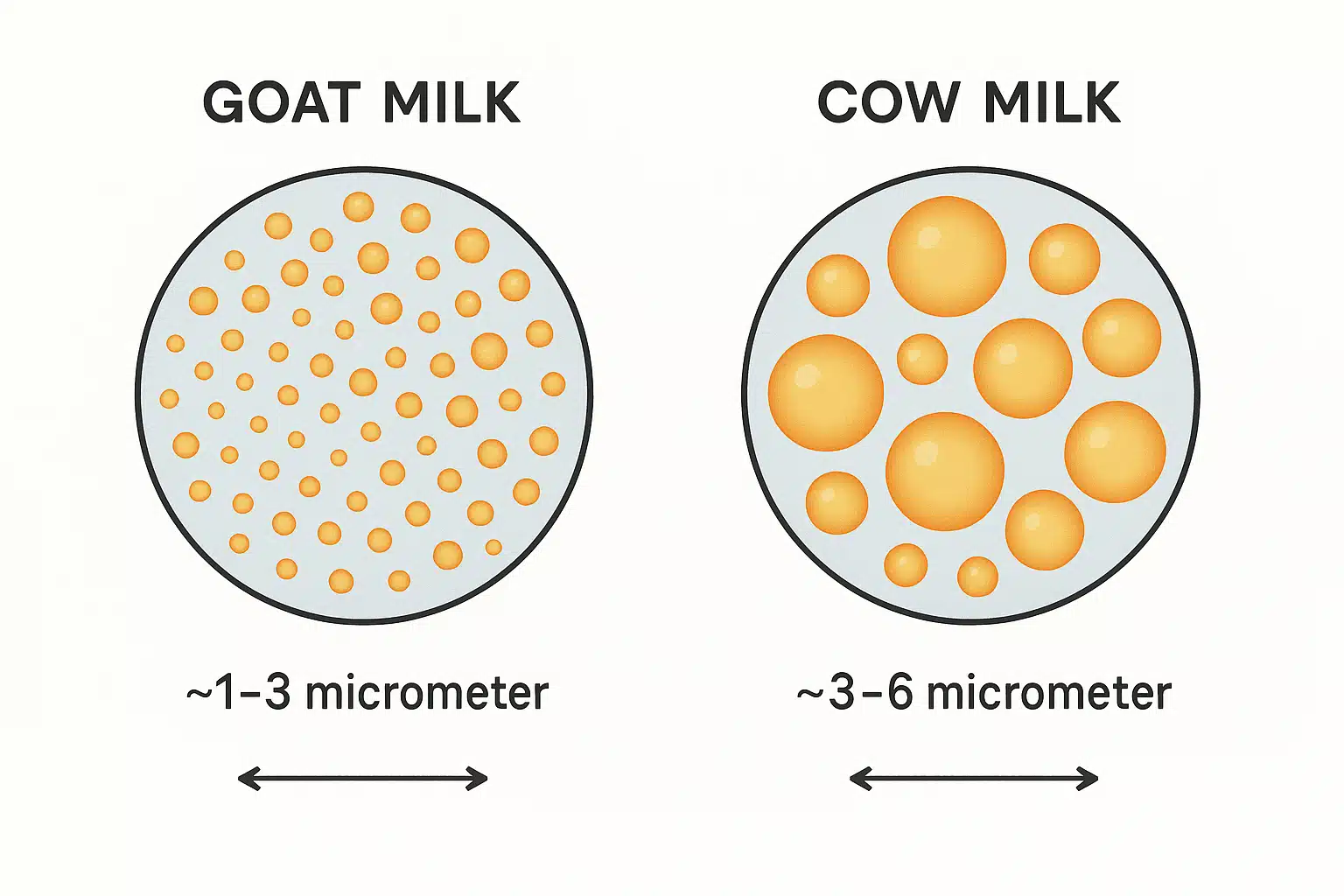
Goat milk contains significantly smaller fat globules compared to cow’s milk—typically measuring about 2 microns in diameter versus 3-4 microns in cow’s milk. This seemingly minor difference creates substantial changes in how the milk behaves during cheese production. The smaller globules remain more evenly distributed throughout the milk, which is why goat milk doesn’t separate as readily and appears naturally homogenized.
This unique structure affects several key aspects of cheese making:
- Cream Distribution: The cream integrates more thoroughly throughout the milk rather than rising quickly to the surface, resulting in a more uniform fat content in your cheese
- Texture Development: Smaller fat globules contribute to a creamier, smoother mouthfeel in the finished cheese, creating that luxurious texture many artisan cheeses are known for
- Digestibility: The smaller globules are easier for the human digestive system to process, which partly explains why some people who struggle with cow’s milk dairy products can often tolerate goat milk products
- Melting Properties: Cheeses made from goat milk tend to have different melting characteristics, often becoming softer and more spreadable at room temperature
Practical Application in Cheese Making
When selecting goat milk for cheese production, consider the source and handling of the milk. Fresh, high-quality goat milk from well-fed animals will have optimal fat content and globule structure. If you’re purchasing milk rather than using your own, look for milk that hasn’t been ultra-pasteurized, as excessive heat treatment can alter the fat structure.
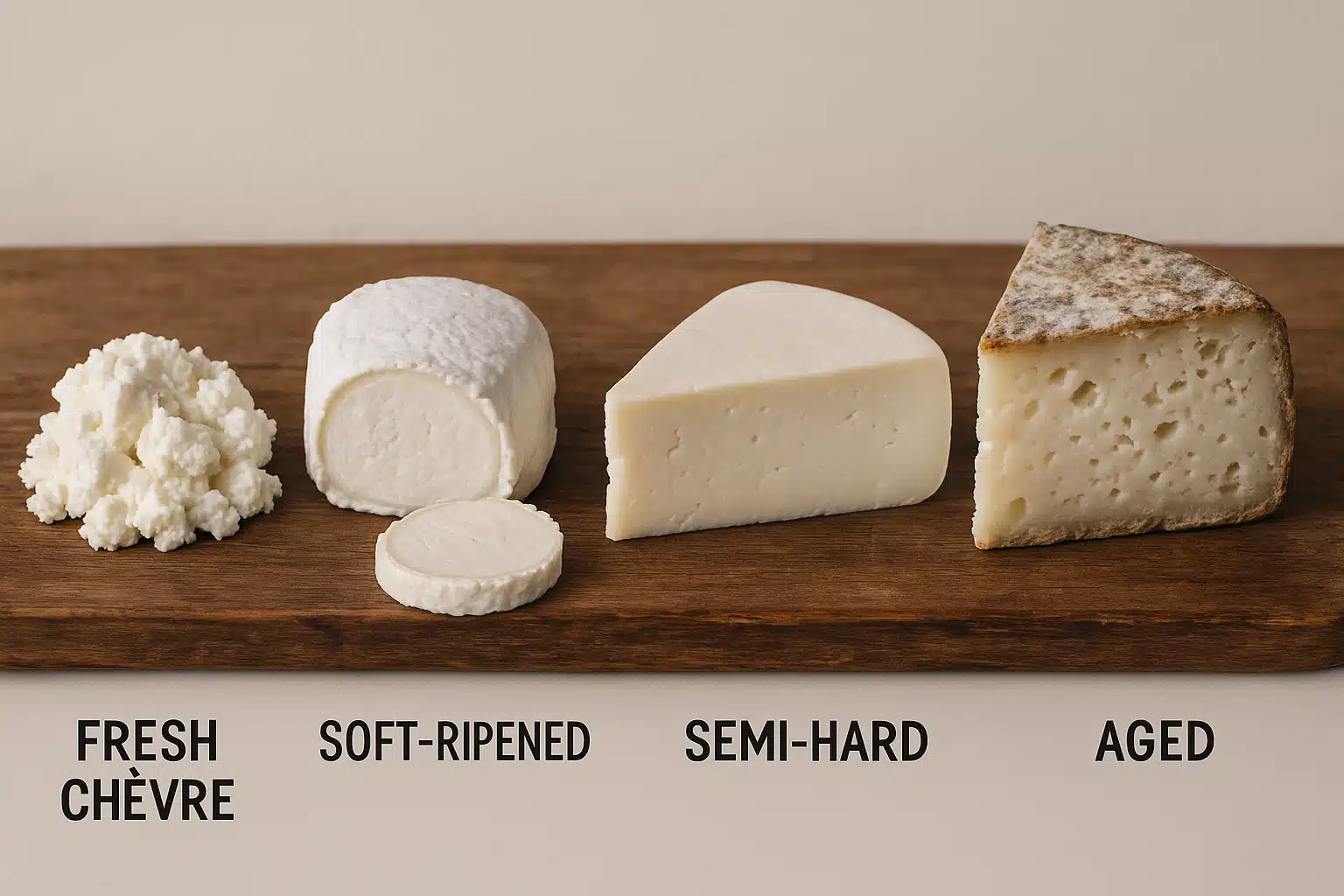
For cheese makers aiming to create varieties with specific melting or spreading properties, understanding fat globule behavior is essential. Soft, spreadable cheeses like fresh chèvre benefit greatly from goat milk’s natural characteristics, while firmer aged varieties may require additional techniques or adjustments to achieve the desired texture.
Rule 2: Managing Curd Strength and Formation
Curd strength represents one of the most critical factors in successful goat milk cheese production, and it’s an area where many beginners encounter challenges when transitioning from cow’s milk cheese making.
What Determines Curd Strength?
Curd strength refers to the firmness and structural integrity of the protein matrix that forms when milk coagulates during cheese making. This characteristic depends on several factors, including protein composition, calcium content, pH levels, and the coagulation method used. Goat milk typically produces softer, more delicate curds compared to cow’s milk due to differences in casein protein structure and lower calcium levels.
The protein composition of goat milk differs notably from cow’s milk, with different ratios of various casein types. This affects how the proteins bond together during coagulation, resulting in a more fragile curd network. Additionally, goat milk often contains less calcium phosphate, which plays a crucial role in creating firm, resilient curds.
Implications for Cheese Production
The softer curd structure of goat milk has several practical implications for cheese makers:
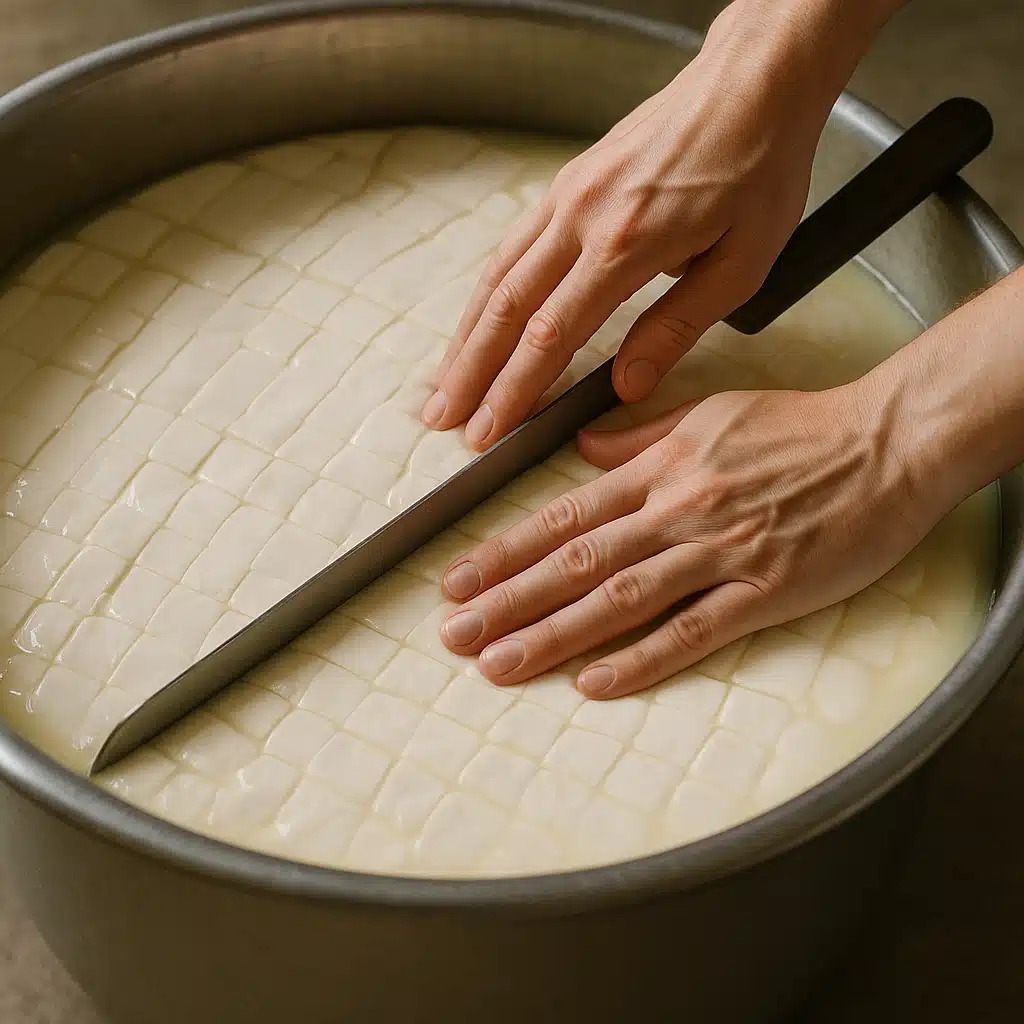
- Handling Techniques: Gentler handling is essential when cutting, stirring, and draining goat milk curds to prevent excessive breakage and whey loss
- Draining Time: Softer curds typically require longer draining periods to achieve the desired moisture content without applying excessive pressure
- Cheese Texture: The delicate curd structure naturally lends itself to soft, spreadable cheeses rather than hard, aged varieties
- Yield Considerations: More fragile curds can result in slightly lower yields if not handled properly, as small curd particles may be lost in the whey
Techniques for Optimizing Curd Strength
Several techniques can help cheese makers work effectively with goat milk’s natural curd characteristics:
Calcium Chloride Addition: Adding food-grade calcium chloride to goat milk before coagulation can significantly improve curd firmness. This is particularly helpful when working with pasteurized milk, which has reduced calcium levels. Use approximately 1/4 teaspoon of calcium chloride per gallon of milk, diluted in non-chlorinated water.
Temperature Management: Maintaining precise temperatures during coagulation and curd formation helps optimize protein bonding. Most goat milk cheeses benefit from coagulation temperatures between 72-86°F (22-30°C), depending on the style being produced.
Extended Coagulation Time: Allowing more time for the curd to form—typically 12-24 hours for lactic acid coagulation or 45-90 minutes for rennet coagulation—results in a firmer, more stable curd structure.
Blending with Cow’s Milk: For cheese makers seeking firmer textures while maintaining goat milk flavor, blending with a portion of cow’s milk (typically 20-40%) can enhance curd strength without overwhelming the distinctive goat milk taste.
Rule 3: Selecting the Appropriate Bacterial Cultures
The choice of bacterial culture represents perhaps the most influential decision in determining the flavor profile, texture, and aging characteristics of your goat milk cheese. Understanding which cultures work optimally with goat milk is essential for consistent, high-quality results.
Why Culture Selection Is Critical
Bacterial cultures serve multiple vital functions in cheese making: they acidify the milk, contribute to flavor development, assist in moisture removal, protect against unwanted bacteria, and influence the final texture of the cheese. Different bacterial strains perform these functions with varying efficiency depending on the milk composition, and goat milk’s unique properties require specific cultural considerations.
Goat milk has a different nutrient profile compared to cow’s milk, including variations in lactose content, mineral composition, and protein structure. These differences affect how bacterial cultures grow, reproduce, and metabolize milk components. Using cultures optimized for cow’s milk may result in inconsistent coagulation, off-flavors, or unexpected textures when applied to goat milk.
Types of Cultures for Goat Milk Cheese
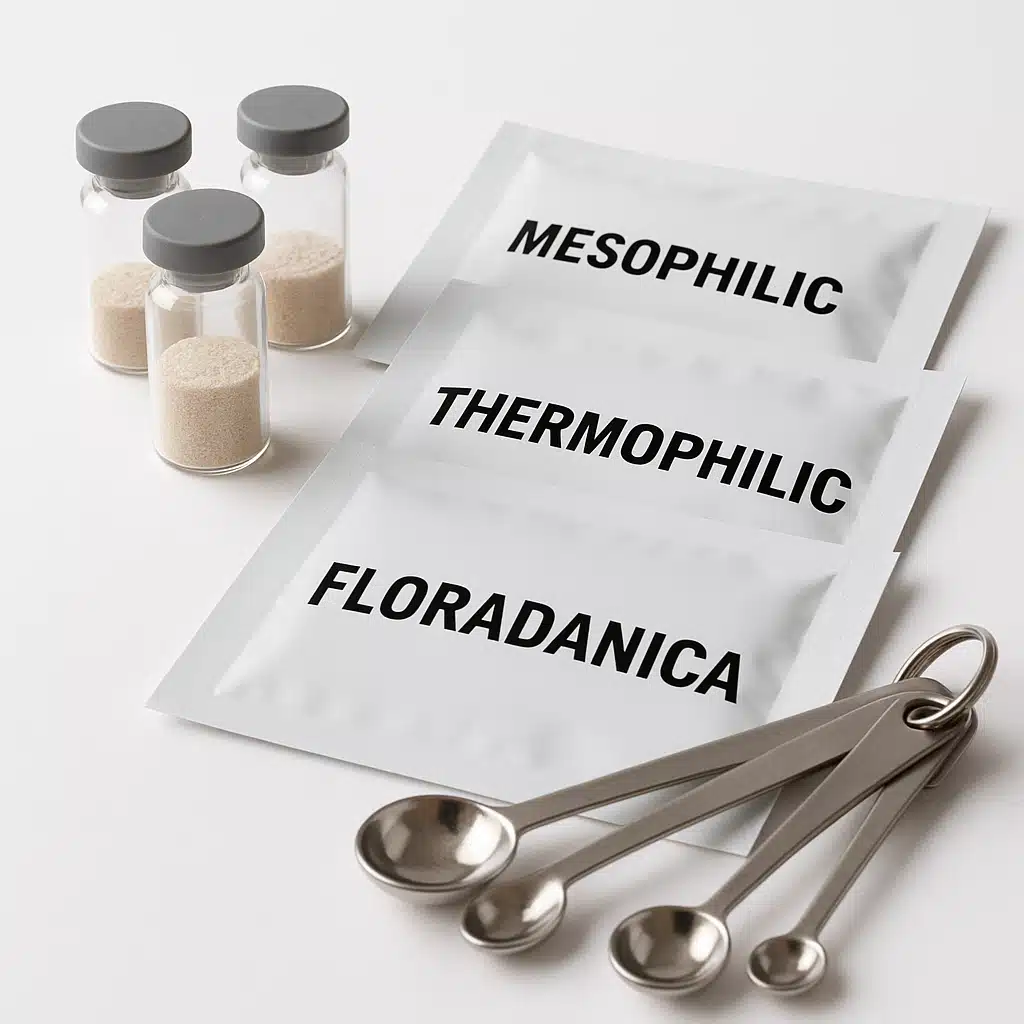
Mesophilic Cultures: These cultures work at moderate temperatures (68-90°F or 20-32°C) and are ideal for most fresh and soft-ripened goat cheeses. They produce the characteristic tangy flavor associated with traditional chèvre and other fresh goat cheeses. Mesophilic cultures typically include strains like Lactococcus lactis and Lactococcus cremoris, which acidify milk at a moderate pace and contribute clean, fresh flavors.
Thermophilic Cultures: Operating at higher temperatures (90-132°F or 32-56°C), thermophilic cultures are used for harder, aged goat cheeses and some Alpine-style varieties. These cultures include species like Streptococcus thermophilus and various Lactobacillus strains, which can withstand the higher cooking temperatures needed for firmer cheese production.
Specialty Cultures: Surface-ripening cultures, including Geotrichum candidum and Penicillium candidum, are essential for bloomy-rind goat cheeses. These cultures create the characteristic wrinkled or fuzzy white rinds and contribute earthy, mushroom-like flavors as the cheese ages.
Adapting Your Culture Program
If you’re transitioning from cow’s milk cheese making to working with goat milk, several adjustments may be necessary:
- Inoculation Rates: Goat milk may require slightly different culture quantities compared to cow’s milk. Start with manufacturer recommendations for goat milk and adjust based on your specific results
- Ripening Time: The acidification process may proceed at a different pace in goat milk, requiring longer or shorter ripening periods before adding rennet
- Flavor Development: Goat milk’s unique fatty acid profile interacts differently with bacterial metabolism, potentially creating more pronounced or different flavor notes
- Temperature Sensitivity: Monitor temperatures carefully, as goat milk’s composition may cause cultures to behave slightly differently than expected
Best Practices for Culture Use
To achieve optimal results with bacterial cultures in goat milk cheese making:
Always purchase cultures from reputable suppliers who specifically formulate or recommend their products for goat milk. Store cultures according to manufacturer instructions—most freeze-dried cultures require freezer storage and should be brought to room temperature before opening to prevent condensation.
Maintain detailed records of which cultures you use, the quantities, temperatures, and resulting cheese characteristics. This documentation becomes invaluable for refining your process and achieving consistent results batch after batch.
Consider starting with direct-set cultures rather than creating mother cultures until you’re comfortable with the basics of goat milk cheese making. Direct-set cultures eliminate variables and simplify the process for beginners.
Common Questions and Misconceptions About Goat Milk Cheese
Understanding and addressing common misconceptions about goat milk cheese making can save you time, frustration, and wasted ingredients. Let’s examine some of the most prevalent myths and questions that arise when working with goat milk.
Debunking Popular Myths
Myth: All goat cheese has a strong, “goaty” flavor.
Reality: The intensity of flavor in goat cheese depends on numerous factors, including the animal’s diet, the freshness of the milk, pasteurization methods, bacterial cultures used, and aging conditions. Fresh goat cheese made from high-quality milk and properly selected cultures can be remarkably mild, creamy, and delicate. The pronounced “goaty” flavor often associated with goat cheese typically develops through aging or results from improper handling of the milk. Bucks (male goats) in close proximity to milking does can also contribute to stronger flavors through pheromonal influence.
Myth: Goat cheese must always be tangy.
Reality: While many goat cheeses do have a pleasant tangy quality, this characteristic results from the fermentation process and lactic acid development, not from an inherent property of goat milk itself. The level of tanginess is controlled by culture selection, fermentation time, and aging conditions. Cheese makers can produce mild, sweet, or intensely tangy goat cheeses by adjusting these variables. Fresh cheeses consumed soon after production tend to be milder, while longer fermentation and aging develop more pronounced tang.
Myth: All goat cheese is soft and spreadable.
Reality: Goat milk can be crafted into a remarkable variety of cheese styles, from ultra-soft fresh chèvre to firm, aged varieties that can be grated or sliced. Traditional European cheese-making regions produce numerous aged goat cheeses with firm textures, complex flavors, and extended shelf lives. The texture depends on moisture content, pressing techniques, aging duration, and production methods rather than being predetermined by the use of goat milk.
Addressing Technical Challenges
Challenge: Inconsistent coagulation results.
Solution: Inconsistent coagulation often stems from variable milk quality, fluctuating temperatures, or inconsistent culture and rennet dosing. Establish strict protocols for measuring ingredients, monitoring temperatures, and tracking timing. If working with pasteurized goat milk, always add calcium chloride to compensate for calcium loss during heat treatment. Ensure your rennet is fresh and properly stored, as degraded rennet loses effectiveness.
Challenge: Excessive whey retention in finished cheese.
Solution: Goat milk’s softer curds can trap more moisture if not properly handled. Extend draining time, use finer cheese cloth, or apply gentle weight to encourage moisture release without crushing the delicate curd structure. For some cheese styles, flipping the cheese multiple times during draining promotes even moisture removal. Proper salt addition also helps draw out excess whey through osmosis.
Challenge: Undesirable texture in aged cheeses.
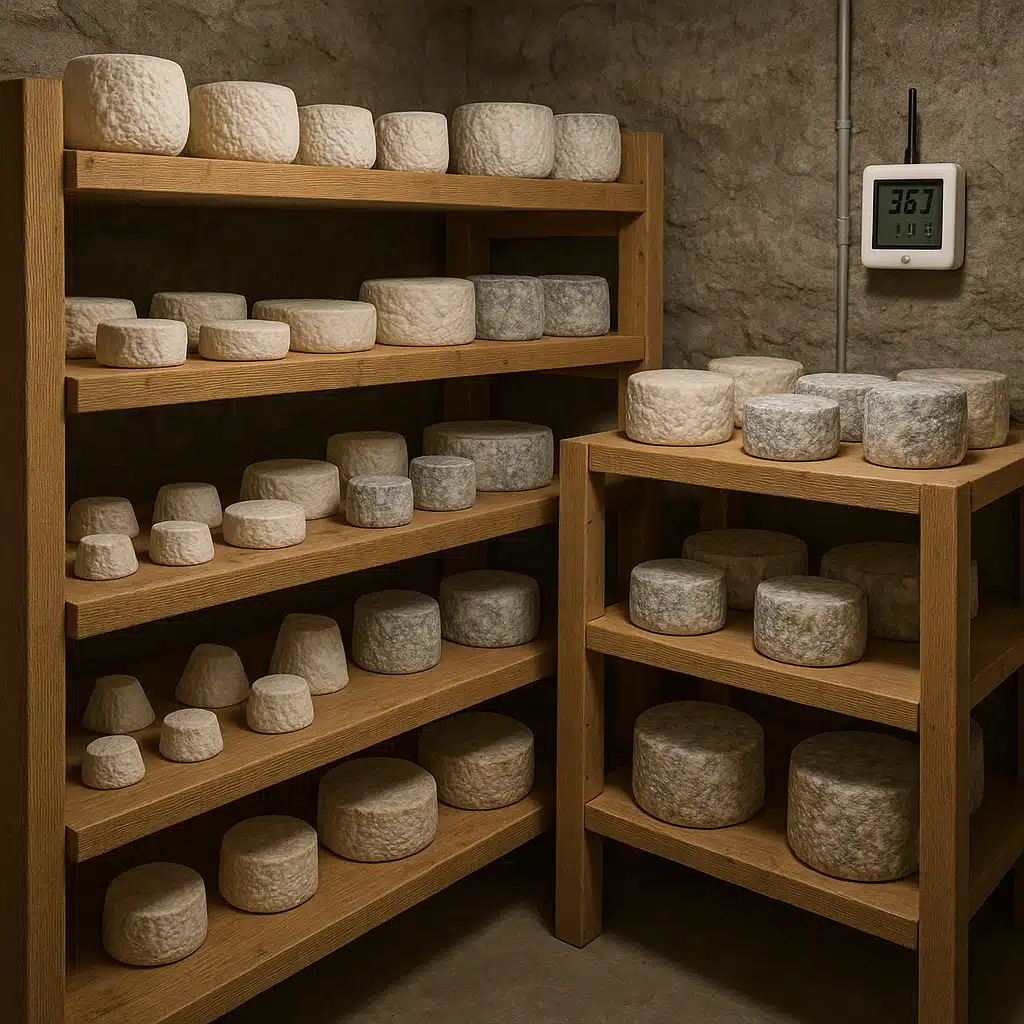
Solution: Achieving good texture in aged goat cheeses requires careful attention to moisture content, salt distribution, and aging conditions. Many goat cheeses benefit from higher humidity aging environments (85-95% relative humidity) to prevent excessive moisture loss and maintain smooth texture. Consider using aging boxes or dedicated cheese caves to control environmental conditions precisely.
Advanced Tips for Working with Goat Milk
Once you’ve mastered the fundamental principles of goat milk cheese making, these advanced techniques can help you refine your craft and expand your repertoire.
Milk Quality Assessment
Learning to evaluate milk quality before beginning cheese production can prevent problems before they start. Fresh goat milk should have a clean, slightly sweet aroma with no off-odors. Conduct simple quality tests including organoleptic evaluation (smell and taste), acidity testing with pH strips or a pH meter, and observation of milk appearance and consistency.
The ideal pH for fresh goat milk is between 6.5 and 6.7. Milk with a pH below 6.4 may have already begun acidification and could produce unpredictable results. Visual inspection should reveal milk that is uniformly white with no discoloration, flocculation, or separation.
Seasonal Variations
Goat milk composition changes throughout the year based on the animal’s lactation cycle, diet, and environmental factors. Understanding these seasonal variations helps you anticipate and adjust for changing milk characteristics:
- Early Lactation: Milk produced shortly after kidding tends to be higher in protein and minerals, creating firmer curds that work well for aged cheeses
- Mid Lactation: This period typically produces the highest quality milk with optimal balance of all components for most cheese styles
- Late Lactation: Milk composition becomes more concentrated with higher fat and protein content but lower volume, sometimes requiring adjusted techniques
- Dietary Influences: Fresh pasture access during growing seasons can impart subtle flavor notes and affect fat composition compared to hay-fed periods
Flavor Development Techniques
Crafting goat cheeses with complex, nuanced flavors requires understanding how to encourage desirable flavor development while avoiding off-flavors:
Controlled Aging Environments: Maintain consistent temperature (50-55°F or 10-13°C) and humidity (85-95% RH) during aging. Variations cause stress on developing cheeses and can lead to texture defects or flavor problems.
Surface Treatment: Regular washing, brushing, or turning of aging cheeses promotes even rind development and flavor distribution. Different surface treatments create distinct flavor profiles—dry-brushed rinds develop different characteristics than washed rinds.
Affinage Techniques: Advanced cheese makers can experiment with various affinage methods including wrapping in leaves, coating with ash, or applying specific mold cultures to create unique flavor and appearance characteristics.
Conclusion: Mastering Goat Milk Cheese Making
Working with goat milk in cheese production offers both unique challenges and exceptional rewards. By understanding and applying the three fundamental principles outlined in this guide—recognizing fat globule characteristics, managing curd strength appropriately, and selecting optimal bacterial cultures—you establish a solid foundation for successful goat milk cheese making.
The journey to mastering goat milk cheese production is one of continuous learning and refinement. Each batch teaches valuable lessons about how goat milk behaves under different conditions, how various techniques affect outcomes, and how subtle adjustments can dramatically improve results. Don’t be discouraged by initial challenges or unexpected results; they’re an integral part of developing your skills and understanding.
Start with simpler fresh cheese styles to familiarize yourself with goat milk’s unique properties before progressing to more complex aged varieties. Keep detailed records of your processes, including milk sources, culture types and quantities, temperatures, timing, and final results. This documentation becomes an invaluable reference that helps you identify successful techniques and troubleshoot problems.
Remember that cheese making is both a science and an art. While understanding the technical principles is essential, developing an intuitive feel for your ingredients and processes comes only with practice and experience. Embrace experimentation, learn from both successes and failures, and enjoy the creative satisfaction of transforming simple goat milk into delicious, artisan cheeses.
Whether you’re making cheese for personal enjoyment, sharing with friends and family, or considering small-scale production, the skills you develop working with goat milk will serve you well throughout your cheese-making journey. The distinctive flavors, textures, and characteristics of goat milk cheeses offer endless possibilities for creative expression and culinary enjoyment.
With patience, attention to detail, and a solid understanding of these three essential rules, you’ll soon be producing goat milk cheeses that showcase the wonderful qualities of this remarkable ingredient. Happy cheese making!