Understanding Seasonal Skin Changes
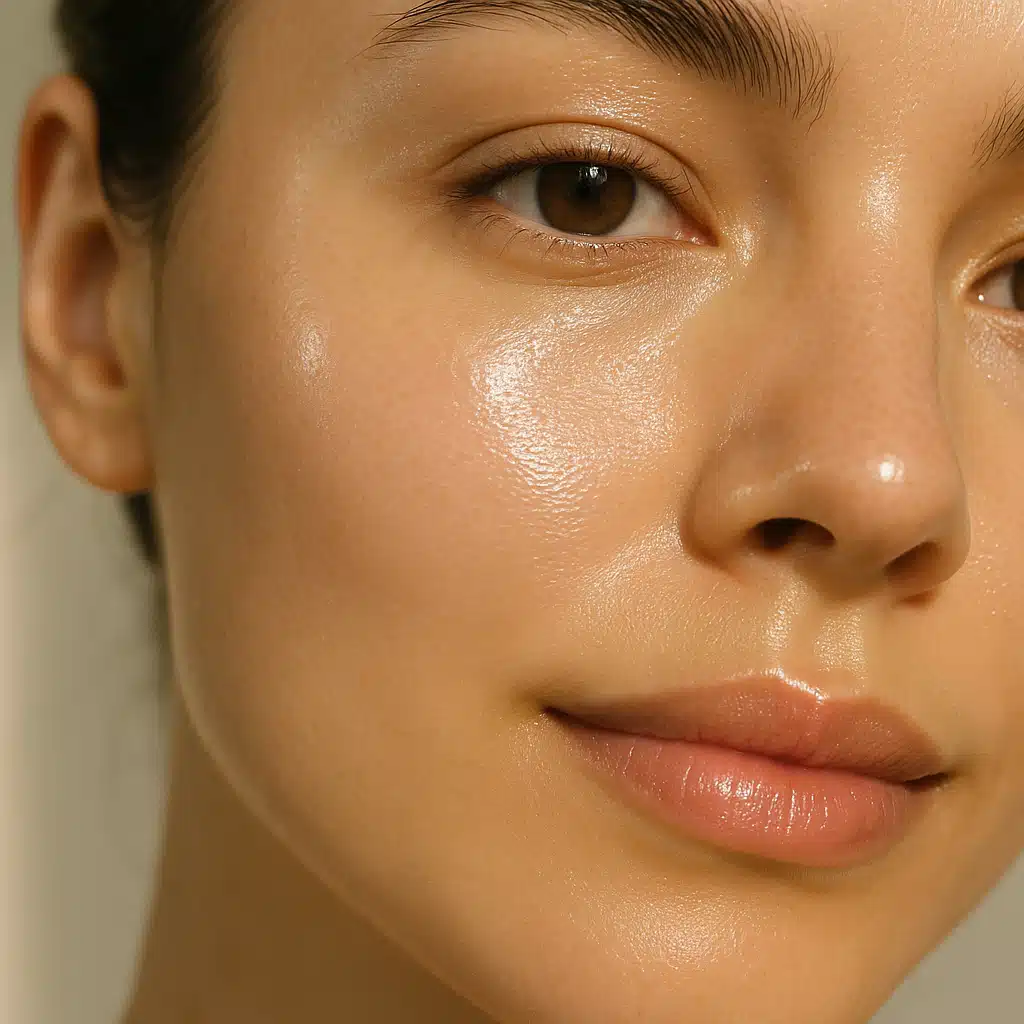
As seasons transition from cooler to warmer months, many people notice significant changes in their skin. The shift brings warmer temperatures, increased humidity, and higher exposure to sunlight—all of which can trigger unexpected skin reactions. During this time, your skin may become more sensitive, oily, or prone to breakouts as it adjusts to new environmental conditions.
One often overlooked factor is that sunlight during milder weather can be just as damaging as during peak summer. The comfortable warmth can be deceiving, leading to prolonged sun exposure without adequate protection. Additionally, airborne allergens such as pollen become more prevalent, which can cause allergic reactions and inflammation in sensitive individuals. Understanding these seasonal skin challenges is the first step toward maintaining healthy, balanced skin year-round.
Common Seasonal Skin Conditions
Photo-Induced Dermatitis
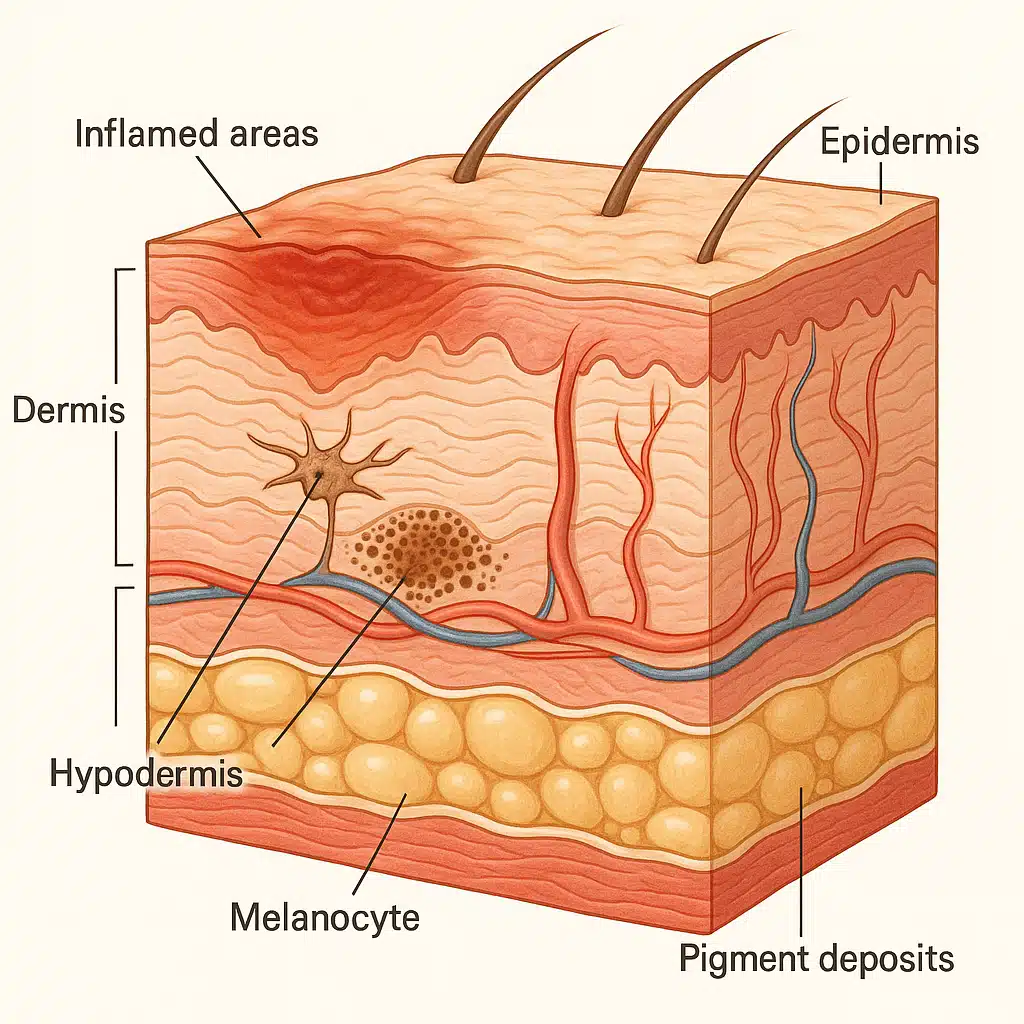
Dermatitis refers to various forms of skin inflammation. One specific type that becomes more common during warmer months is photo-induced dermatitis, which appears as brown or darkened patches on the skin, particularly on the neck, cheeks, and other sun-exposed areas. This condition occurs when certain ingredients in skincare products—especially fragrances and specific chemical compounds—react with ultraviolet (UV) light from the sun, resulting in pigmentation changes.
These spots can resemble age spots or hyperpigmentation and may persist if not addressed properly. The key to prevention lies in understanding what you apply to your skin and how those products interact with sunlight.
Managing Photo-Induced Pigmentation
To avoid this condition, carefully review the ingredient labels of all skincare products before use. Choose products from reputable brands that are tested and approved by dermatological standards. Avoid purchasing unverified or extremely low-cost products, as they may contain reactive ingredients. Consulting with a dermatologist or skincare professional before introducing new products into your routine is highly recommended.
If you already have pigmentation or dark spots from photo-induced reactions, look for treatments containing retinol, vitamin C, or niacinamide. These ingredients help fade discoloration and promote skin cell turnover, gradually evening out your skin tone.
Dealing with Skin Texture Issues
Rough, Bumpy Skin

Many people experience an increase in rough, bumpy skin texture during seasonal transitions. This condition, often appearing on the arms, thighs, and buttocks, presents as small red or white bumps that give the skin an uneven, sandpaper-like feel. The bumps form when dead skin cells accumulate around hair follicles, creating a condition known as keratosis pilaris.
While this is generally harmless, it can be frustrating from a cosmetic standpoint. The good news is that with consistent care and the right products, you can significantly improve skin smoothness and reduce the appearance of these bumps.
Smoothing Rough Skin
The foundation of treatment is consistent moisturization. Use a daily body moisturizer formulated with active exfoliating ingredients such as lactic acid, urea, salicylic acid, or glycolic acid. These compounds help dissolve the buildup of dead skin cells and smooth the skin’s surface over time.
While gentle exfoliation can be helpful, moderation is essential. Over-scrubbing can irritate the skin, increase inflammation, and worsen redness. Limit physical exfoliation to once or twice per week, and always follow with a nourishing moisturizer to support the skin barrier.
Addressing Dryness in Problem Areas
Dry Knees and Elbows
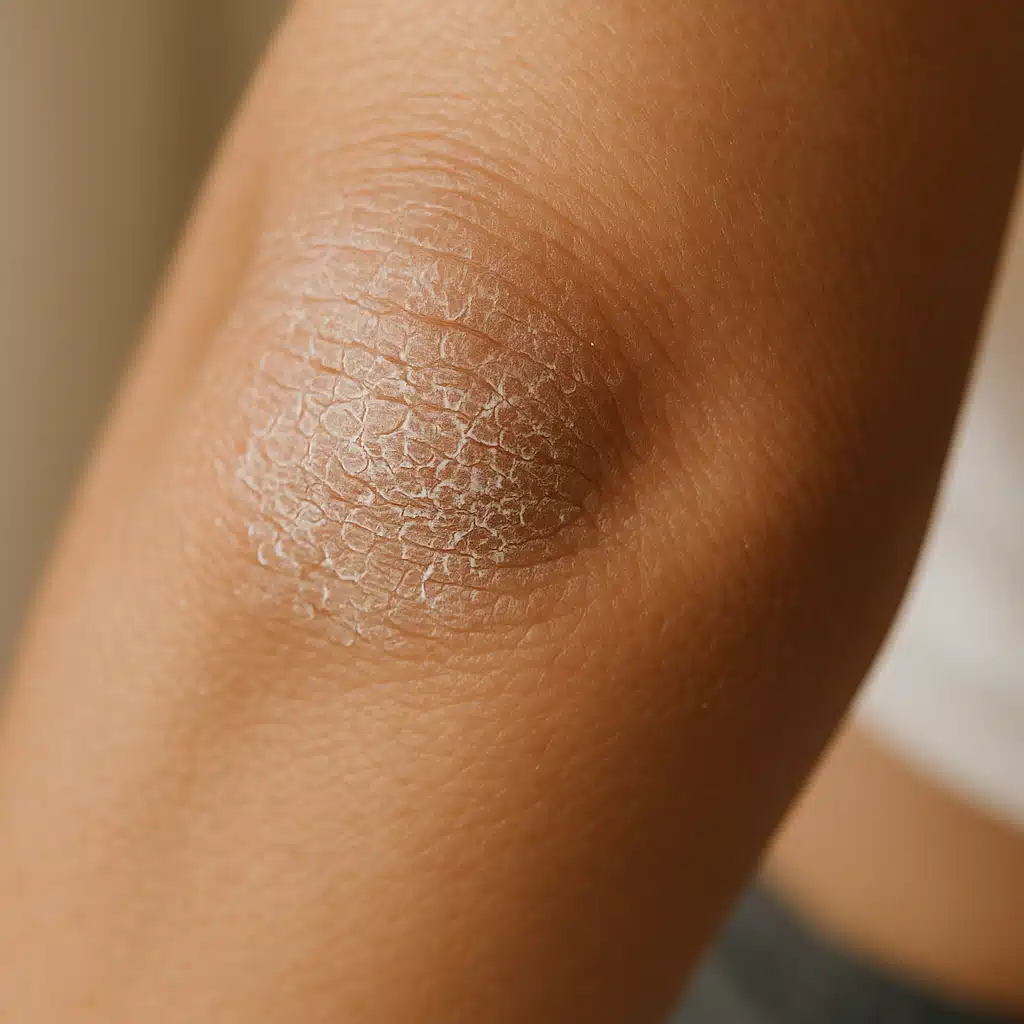
Elbows and knees are naturally prone to dryness due to the thicker skin in these areas and fewer sebaceous (oil) glands. During seasonal changes, this dryness can become more pronounced, leading to rough, cracked, and even darkened skin. Individuals with deeper skin tones may notice more visible discoloration in these areas.
The challenge with these areas is that they are frequently subjected to friction from clothing, pressure from leaning, and direct sun exposure—all of which can worsen dryness and pigmentation.
Treatment for Dry Elbows and Knees
Regular application of a rich, emollient moisturizer is essential. Look for products containing ingredients like shea butter, glycerin, ceramides, or hyaluronic acid, which provide deep hydration and help repair the skin barrier. For intensive treatment, apply a thick layer of petroleum jelly or a similar occlusive product to these areas before bed once or twice a week. This locks in moisture and allows the skin to heal overnight.
Additional tips for managing dry elbows and knees include:
- Avoid leaning on your elbows for extended periods to reduce friction and pressure.
- Protect these areas from direct sun exposure by wearing clothing or applying sunscreen.
- Stay hydrated by drinking plenty of water throughout the day.
- Use a humidifier indoors if you live in a dry climate.
Managing Sun-Related Skin Reactions
Sun-Induced Rashes

Sun-induced rashes, sometimes called polymorphic light eruption, appear as red, itchy bumps or hives on sun-exposed skin. This reaction typically occurs when skin that has been shielded from sunlight for an extended period is suddenly exposed to UV rays. The immune system may react to this abrupt change, resulting in an inflammatory response.
This condition is most common during the early weeks of warmer weather, when people begin spending more time outdoors after months of limited sun exposure.
Preventing and Treating Sun Rashes
The best approach is gradual exposure. During the first few weeks of warmer weather, limit your time in direct sunlight and allow your skin to adapt slowly. Start with short periods outdoors, preferably in the early morning or late afternoon when UV intensity is lower. Always wear broad-spectrum sunscreen with SPF 30 or higher, and reapply every two hours.
If you develop a sun-induced rash, treat it with over-the-counter hydrocortisone cream to reduce inflammation and itching. Applying cool compresses and taking oral antihistamines can also provide relief. If the rash is severe or persistent, consult a healthcare professional for stronger prescription treatments.
Sunburn During Seasonal Transitions
Sunburn can occur unexpectedly during seasonal weather changes, especially if you’ve spent months with minimal sun exposure. Skin that hasn’t been regularly exposed to sunlight is more vulnerable to UV damage. Areas commonly affected include the forehead, nose, cheeks, shoulders, and back of the neck—places that receive the most direct sunlight.
Even on cloudy or mild days, UV radiation can penetrate the atmosphere and damage your skin. The comfortable temperature can be misleading, causing people to underestimate the need for sun protection.
Essential Skincare Practices for Seasonal Changes
Nourishing Your Skin from Within

Healthy skin starts with proper nutrition. Your skin requires specific vitamins and nutrients to maintain its structure, resilience, and radiance. One of the most important nutrients for skin health is vitamin C, a powerful antioxidant that plays multiple roles in skin protection and repair.
Vitamin C supports collagen synthesis, which keeps skin firm and elastic. It also helps brighten skin tone, fade hyperpigmentation, and protect against environmental damage from UV rays and pollution. Additionally, vitamin C accelerates wound healing and reduces the appearance of fine lines and wrinkles.
You can boost your vitamin C intake through diet by consuming citrus fruits, berries, leafy greens, bell peppers, and tomatoes. Topical application of vitamin C serums offers direct benefits to the skin, delivering concentrated antioxidants where they’re needed most.
The Importance of Moisturization
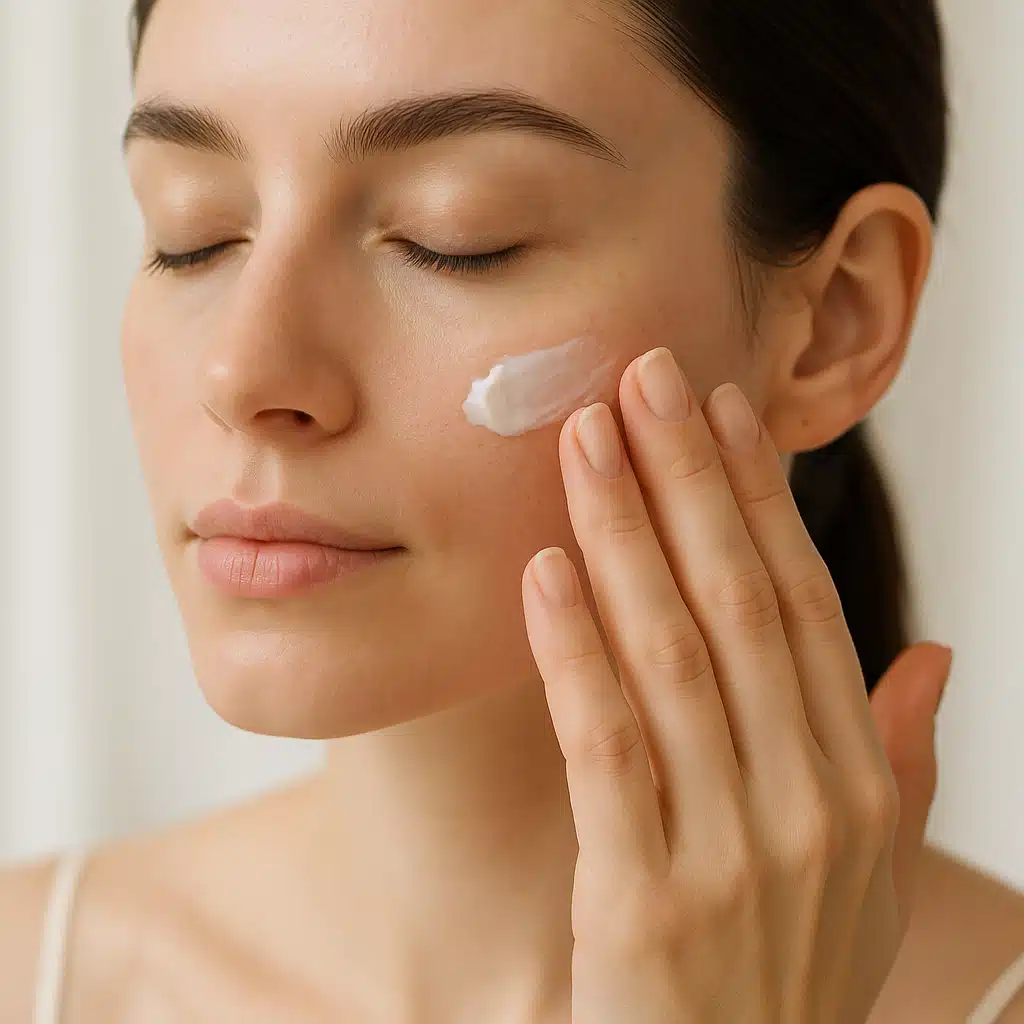
One of the most common skin complaints during seasonal transitions is increased dryness. Environmental changes can strip moisture from the skin, leading to tightness, flaking, and the formation of fine lines. Consistent moisturization is essential for maintaining a healthy skin barrier and preventing these issues.
Choose a moisturizer suited to your skin type and the current climate. If you have dry skin, opt for richer creams with ingredients like hyaluronic acid, glycerin, or ceramides. For oily or combination skin, lightweight, oil-free lotions or gel-based formulas work best. A moisturizer that includes SPF is ideal for daytime use, offering hydration and sun protection in one step.
Apply moisturizer twice daily—once in the morning and once before bed—to lock in hydration and support your skin’s natural repair processes.
Regular Exfoliation for Radiant Skin
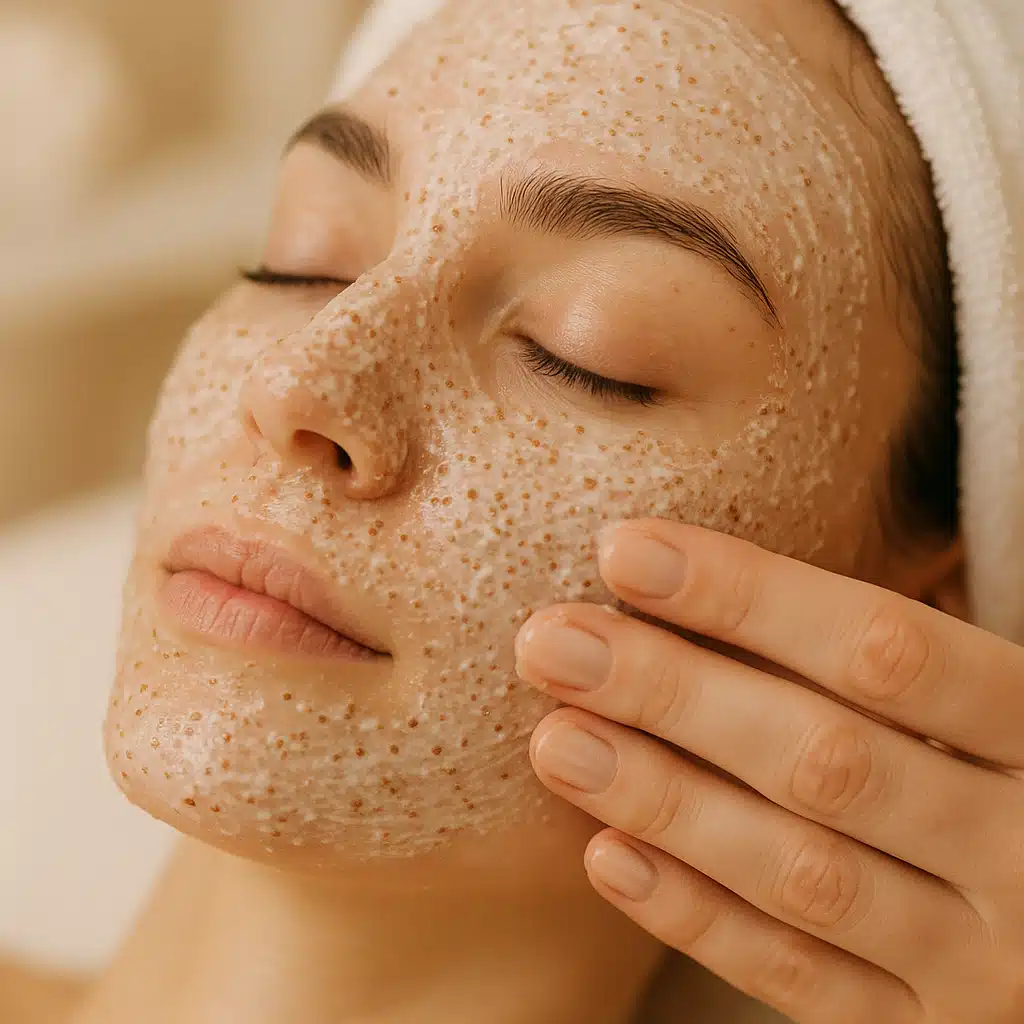
Exfoliation is a key step in any effective skincare routine, especially during seasonal transitions when dead skin cells can accumulate and dull your complexion. Removing this buildup reveals fresh, healthy skin underneath and allows other skincare products to penetrate more effectively.
There are two main types of exfoliation: physical and chemical. Physical exfoliants include scrubs with small particles that manually slough off dead cells. Chemical exfoliants use acids like glycolic acid, lactic acid, or salicylic acid to dissolve the bonds between dead skin cells, allowing them to be gently washed away.
For most people, exfoliating 1-2 times per week is sufficient. Over-exfoliation can damage the skin barrier, leading to irritation, redness, and increased sensitivity. Always follow exfoliation with a moisturizer to restore hydration and protect the newly revealed skin.
Building a Complete Seasonal Skincare Routine
Adapting your skincare routine to seasonal changes is essential for maintaining healthy, balanced skin throughout the year. Start with the basics: gentle cleansing, consistent moisturization, daily sun protection, and regular exfoliation. Pay attention to how your skin responds to environmental shifts and adjust your products accordingly.
Incorporate targeted treatments like vitamin C serums for brightness, retinol for anti-aging and pigmentation, and hydrating masks for extra moisture. Always perform patch tests when trying new products, and consult with a dermatologist if you experience persistent skin issues or severe reactions.
Remember that consistency is more important than complexity. A simple, well-chosen routine that you follow daily will deliver better results than an elaborate regimen you can’t maintain. Protect your skin, nourish it, and give it time to adapt—your complexion will thank you.